Imagine hearing the word “echo” and feeling an odd shiver as you call into a canyon, your voice bouncing back as if answering from another world. Or consider how phrases like “Achilles’ heel” slide into everyday conversation, carrying with them a ghostly reminder of epic battles and lost heroes. The language we speak is like a living museum, echoing with the footsteps of ancient storytellers and mythmakers. Words and expressions we use without a second thought are often the last traces of once-vivid myths—a breathtaking reminder that, even as civilizations crumble, their stories find ingenious ways to survive. This fascinating dance between language and legend invites us to listen more closely, to discover the secret histories hiding in plain sight.
The Power of Myth in Shaping Language

Myths have always been more than simple stories; they are frameworks for understanding the world, shaping the way humans think, speak, and interact. Ancient civilizations crafted myths to explain the mysteries around them, from the movement of stars to the changing of the seasons. In doing so, they left linguistic footprints that continue to shape our vocabulary today. For example, the word “nemesis” comes directly from the Greek goddess who personified retribution, and now it means a formidable opponent. These transformations demonstrate how language absorbs and preserves ancient beliefs, allowing myths to linger long after their original context fades. This ongoing relationship highlights the power of myth to mold our speech and, by extension, our perception of reality.
Echoes of the Gods: Mythical Names in Everyday Speech
It’s astonishing how many everyday words trace their roots back to mythical figures. The term “herculean” describes something requiring tremendous effort, a nod to Hercules and his legendary labors. “Pandora’s box” conjures the idea of trouble unleashed, while “midas touch” suggests uncanny success. These words aren’t just clever references; they’re cultural time capsules, carrying the essence of ancient tales into modern life. Even the word “atlas,” used for collections of maps, recalls the Titan condemned to hold up the heavens. Such linguistic relics are reminders that the myths of old are far from dead—they live on, subtly guiding our expressions and shaping how we see the world.
Metaphors Born from Mythology
Mythology is a fertile ground for metaphors, lending color and depth to language. When someone says they have an “Achilles’ heel,” they’re identifying a hidden vulnerability, just as the mighty hero Achilles was felled by a single weak spot. To call something a “Sisyphean task” evokes the endless, futile struggle of Sisyphus, condemned to roll his boulder uphill forever. These metaphors are more than poetic flourishes; they compress complex stories into a single phrase, letting us communicate rich ideas with just a few words. Through such phrases, ancient mythic struggles become shorthand for the challenges we face today, enriching our conversations and connecting us to a shared human past.
Place Names and their Mythic Origins
Across the globe, place names bear witness to the enduring influence of myth. The city of Athens is named for Athena, the Greek goddess of wisdom, while Rome’s legendary founders, Romulus and Remus, live on in the city’s very name. Even natural features like the Amazon River and Mount Olympus are steeped in mythic resonance. These names are more than geographical labels; they are living reminders of stories that once explained the wonders and dangers of the world. By naming their cities, mountains, and rivers after gods and heroes, ancient people wove their myths into the very landscape—a legacy that persists each time these names are spoken.
Idioms and Sayings with Mythical Roots

Many idioms that roll off the tongue without a second thought are actually fragments of ancient stories. Describing a difficult decision as “opening Pandora’s box” or referring to a problem as a “Herculean task” directly invokes Greek mythology. Even the phrase “caught between Scylla and Charybdis” draws on the perilous monsters faced by Odysseus, and the “Trojan horse” has become a symbol for hidden danger. These idioms act as linguistic shortcuts, packing layers of meaning into familiar phrases. They reveal how myths become woven into the day-to-day fabric of language, enabling us to communicate complex ideas with effortless familiarity.
The Science of Etymology: Tracing Mythic Words

Etymology, the scientific study of word origins, uncovers the mythic ancestry of many common terms. Linguists use etymology to peel back the layers of language, revealing how words like “titanic,” “narcissist,” and “muse” are direct descendants of Greek and Roman myths. This process is a bit like archaeological excavation, where each discovery brings new insight into the minds and beliefs of our ancestors. By tracing how mythic names evolve into everyday words, etymology helps us understand not only language but also the cultural priorities and anxieties of the past. It’s a thrilling reminder that every word has a story—sometimes quite literally.
Myth and Language Evolution: A Two-Way Street
The relationship between myth and language is not one-sided; as language evolves, it also shapes the myths we remember. As words shift in meaning, so too do the stories attached to them. Sometimes, a mythic figure’s traits are exaggerated or softened as their name becomes a metaphor or idiom. For instance, over time “mentor” has lost its connection to the wise advisor in Homer’s Odyssey, becoming a general term for any trusted guide. This interplay shows how language can reinterpret myths, ensuring their survival even as their details fade. The result is a living tapestry of stories and words, constantly adapting to new contexts and needs.
Mythical Creatures and Their Linguistic Legacy
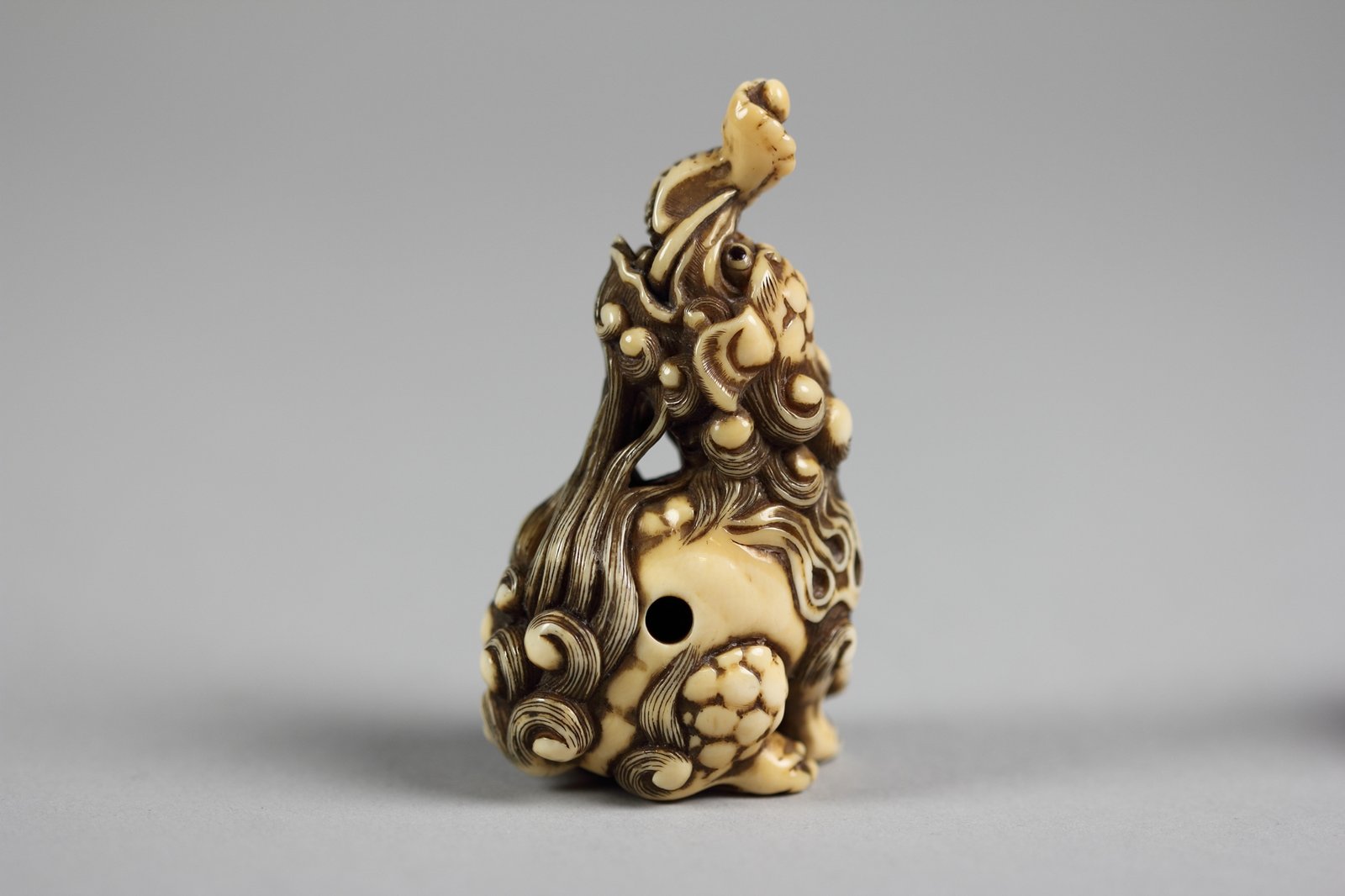
Dragons, phoenixes, and unicorns might seem like relics of fantasy, but their names still spark imagination and wonder in daily speech. To “rise like a phoenix” means to emerge stronger from adversity, while calling something a “dragon” conjures images of formidable power or danger. Even creatures like the “chimera” have found new life as words describing improbable hybrids or fanciful ideas. These terms are more than fanciful labels; they are a testament to the enduring power of myth to inspire and describe the extraordinary. By invoking these creatures, language bridges the gap between the world of legend and the realities of modern life.
Modern Storytelling: Myths Reinvented in Language

Contemporary language continues to reinvent ancient myths, adapting them for new audiences and challenges. Science fiction and fantasy genres are especially fertile ground, incorporating old myths into new worlds and technologies. Terms like “cyberspace” or “avatar” borrow mythic resonance, giving digital concepts a sense of wonder. Everyday language also evolves, as new idioms arise from retellings of classic tales in movies, books, and music. This ongoing reinvention ensures that myths are not static relics but living traditions, continually refreshed and reimagined for each generation. Language becomes the loom on which new myths are woven, keeping ancient wisdom alive and relevant.
The Emotional Weight of Myth in Language
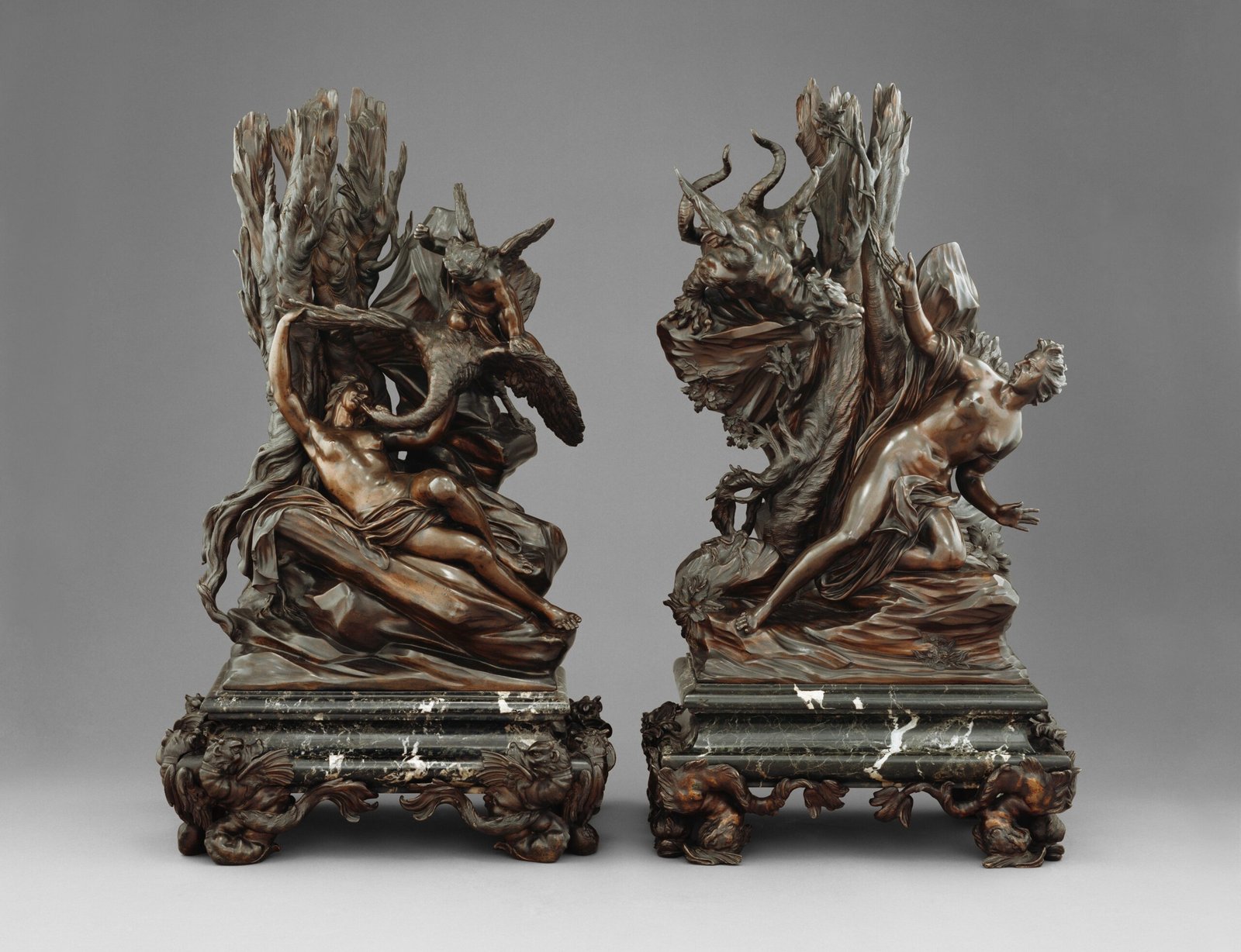
There’s a reason mythic language often feels so powerful—it carries emotional weight built up over centuries. When someone describes a setback as a “Pandora’s box,” it’s not just a metaphor; it’s a way of tapping into collective fears and hopes. Mythic words and phrases evoke feelings of awe, fear, wonder, and hope, connecting us to the emotions of people long past. This emotional resonance makes mythic language especially enduring, helping stories survive where facts alone might be forgotten. In this way, language becomes a bridge between intellect and emotion, allowing people to share not just information but deep, shared experiences.
Why Mythic Language Still Matters Today
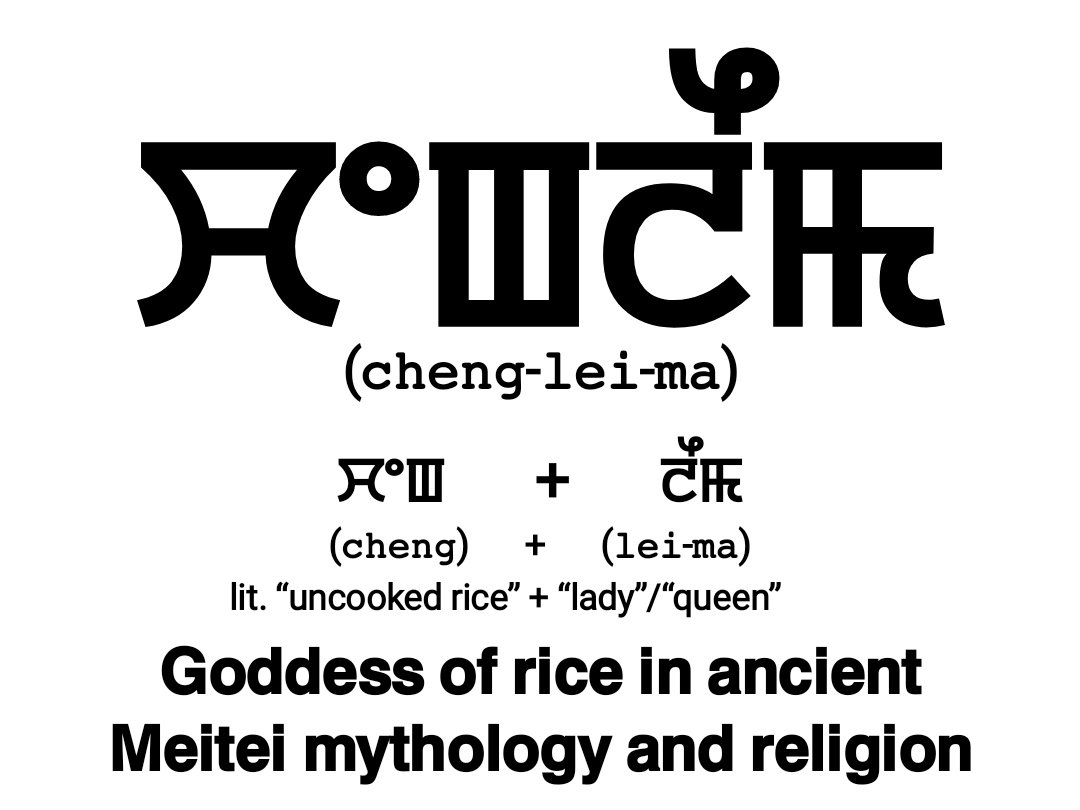
The survival of myth in language is not just a historical curiosity—it’s a vital part of how we understand ourselves and our world. By using words steeped in myth, we tap into a shared cultural heritage that transcends time and place. These mythic echoes teach us about human nature, our fears, our dreams, and our endless search for meaning. They also remind us that language is not static but alive, constantly shaped by the stories we tell and the lives we lead. The next time you call something “titanic” or speak of an “Achilles’ heel,” remember: you are helping to keep the ancient fires of myth burning, one word at a time.