
In the misty tapestry of Earth’s history, there was a time when humans shared their world with majestic creatures whose presence would now seem almost mythical. These animals, often referred to as megafauna, roamed the land alongside our ancestors, influencing the way early humans lived, hunted, and evolved. Despite their grandeur and might, many of these creatures mysteriously disappeared, leaving behind only bones and legends. This article explores the intriguing world of these last survivors and delves into the reasons behind their extinction.
The Gigantic Mammoth: Icons of the Ice Age
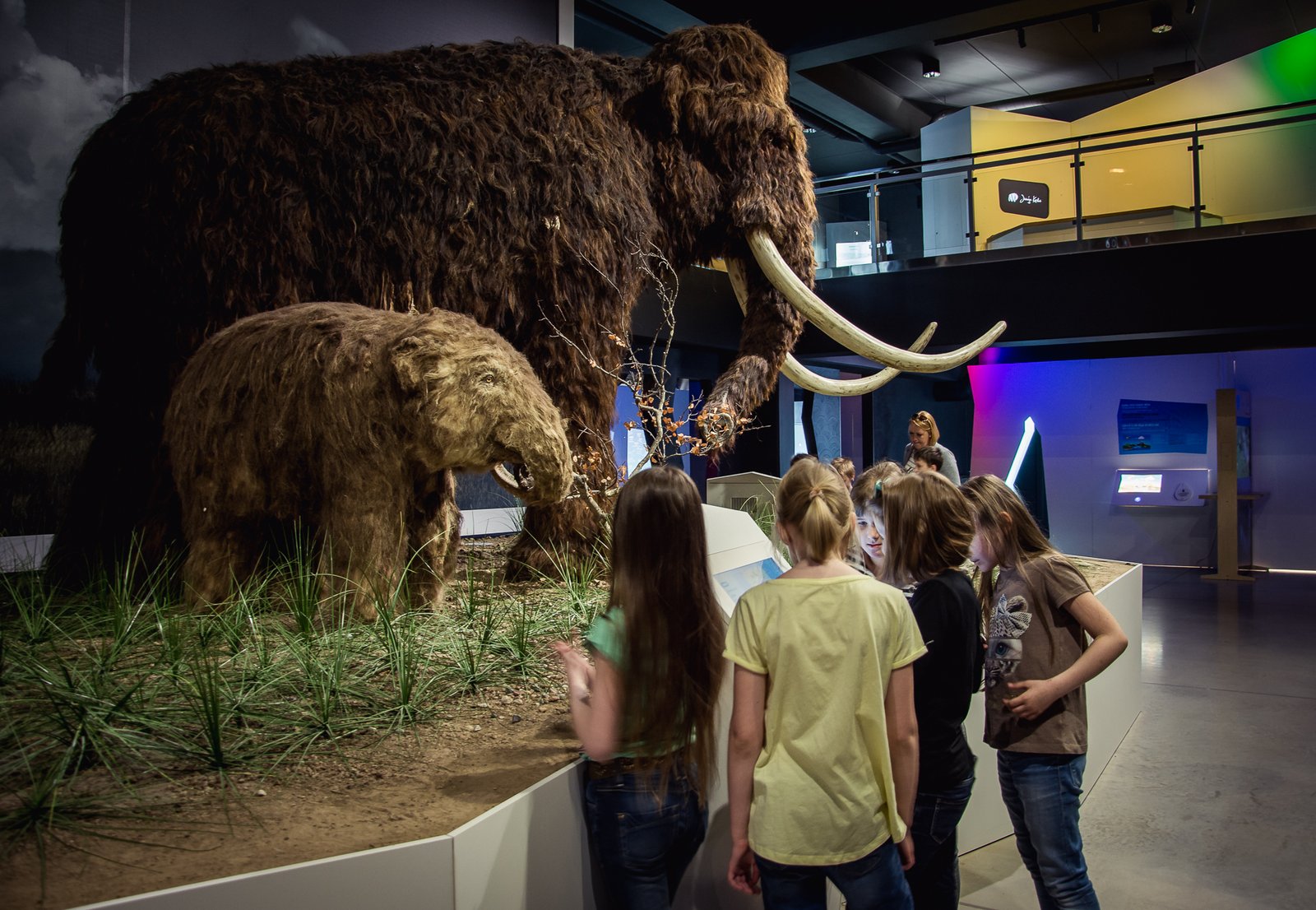
Mammoths, with their towering frames and long, curved tusks, were among the most iconic creatures of the Ice Age. They roamed vast stretches of the Northern Hemisphere, thriving in cold environments. Early humans admired these creatures, often depicting them in cave paintings that still captivate us today. Their thick fur and fat layers were crucial adaptations for surviving the freezing temperatures. However, as the climate began to warm, the mammoth’s environment changed drastically. Alongside human hunting, these changes contributed to their eventual extinction. The mammoth remains a symbol of nature’s grandeur and vulnerability.
The Mighty Saber-Toothed Tiger: Predators of the Past
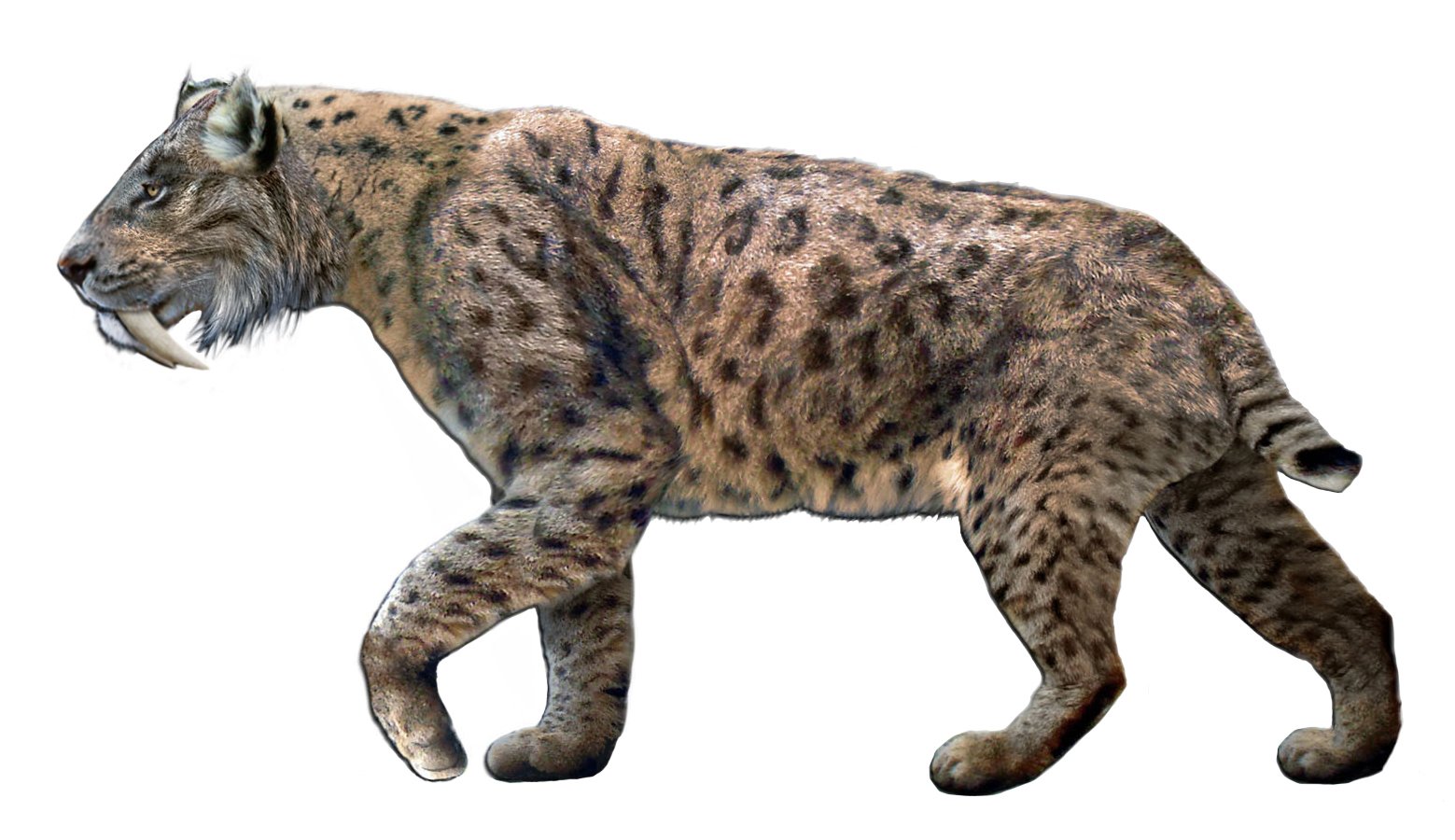
The saber-toothed tiger, or Smilodon, was a formidable predator with elongated canine teeth that could pierce through thick hides. They roamed the Americas, preying on large herbivores and competing with early humans for resources. These magnificent beasts were not just hunters but also symbols of strength and survival. However, as prey became scarce and ecosystems shifted, the saber-toothed tiger struggled to adapt. Their extinction highlights the delicate balance between predator and prey and the impact of environmental changes on survival.
The Enigmatic Glyptodon: Armored Giants

Glyptodons were massive, armored mammals resembling modern-day armadillos but were the size of small cars. They roamed South America, grazing on grasses and shrubs. Their thick shells provided protection from predators, while their powerful tails could be used in defense. Despite their formidable defenses, the glyptodons vanished as humans spread across the continent. Hunting, combined with climate shifts, likely played a role in their disappearance. The glyptodon teaches us about the intricate dance of evolution and extinction.
The Towering Moa: New Zealand’s Flightless Giants
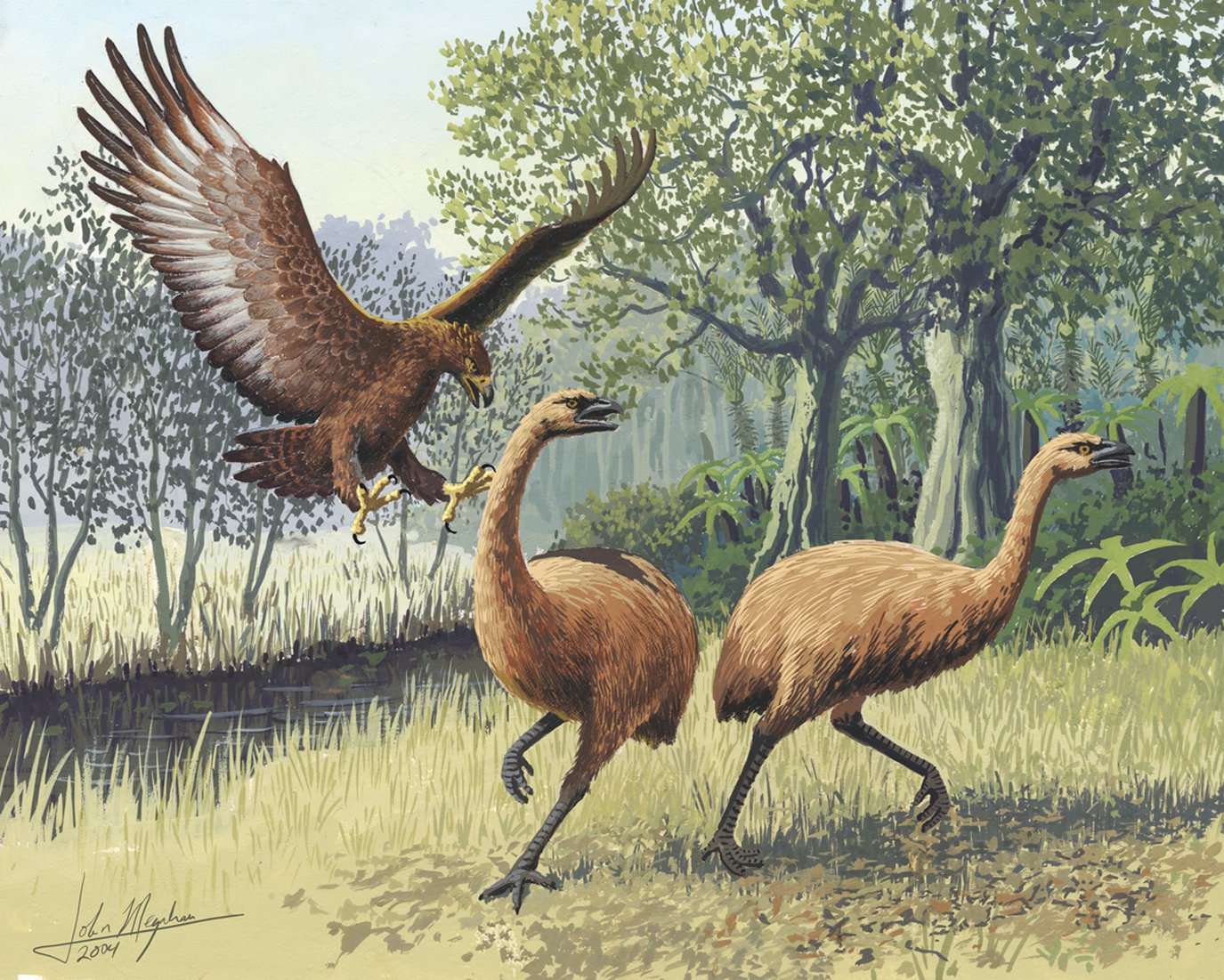
In the lush forests of New Zealand, the moa, a group of flightless birds, dominated the landscape. Some species stood over ten feet tall, making them the largest birds of their time. They were herbivores, feeding on the rich vegetation of their island home. Unfortunately, the arrival of humans marked the beginning of their downfall. Overhunting and habitat destruction led to their rapid extinction. The story of the moa is a poignant reminder of the impact humans can have on isolated ecosystems.
The Giant Ground Sloth: Slow Movers in a Changing World
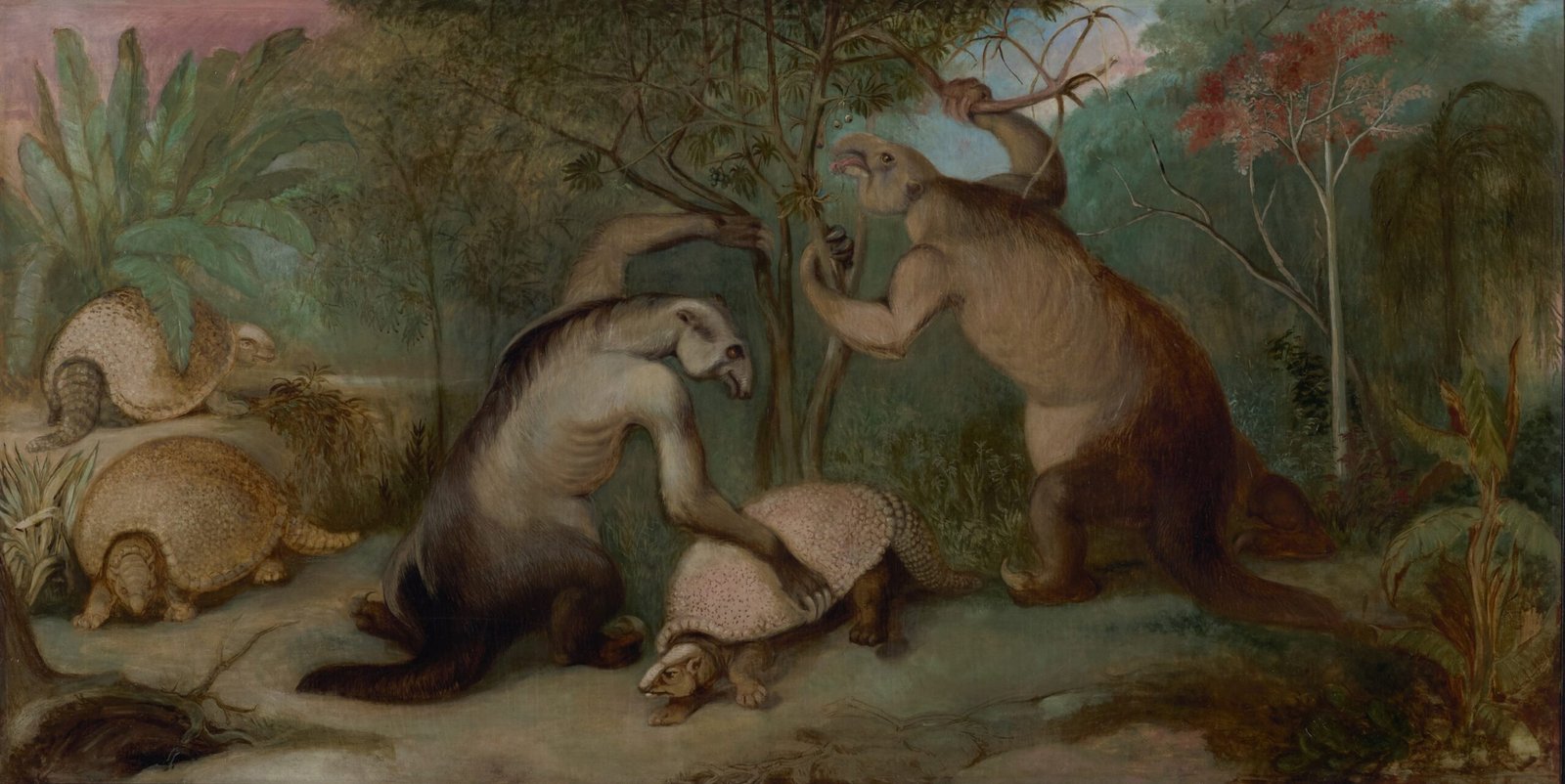
Giant ground sloths were lumbering giants that inhabited the Americas. With their long claws and massive size, they were effective at foraging for food in trees and shrubs. Despite their slow pace, they were well-adapted to their environment until climatic changes and human expansion created challenges they couldn’t overcome. Human hunting likely accelerated their extinction, showcasing the intricate relationship between humans and the natural world. Their story is a testament to the ever-changing dynamics of survival.
The Woolly Rhinoceros: Survivors of the Cold
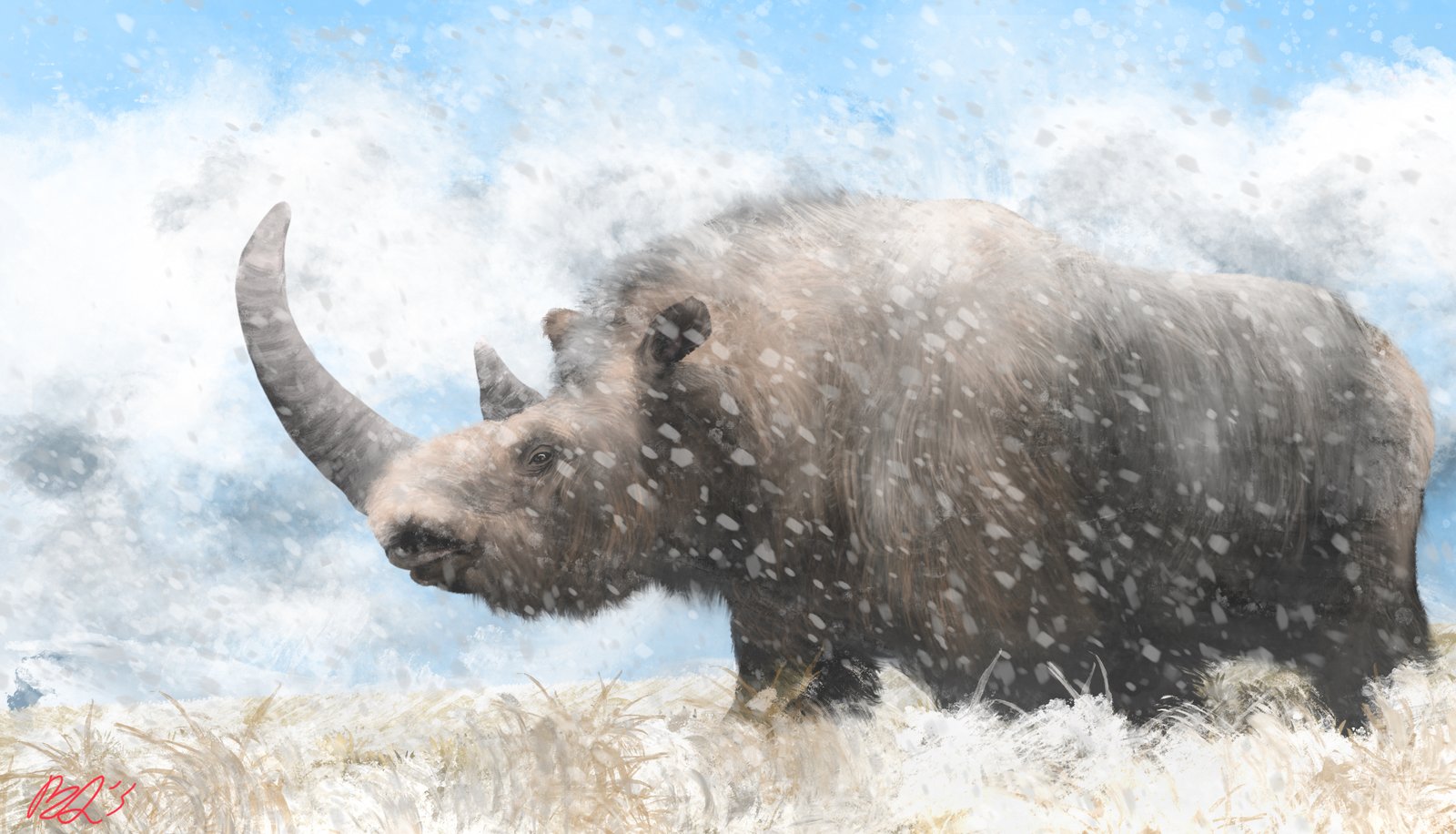
Woolly rhinoceroses were robust creatures built to withstand the cold climates of the Ice Age. Their thick fur and large bodies helped them conserve heat, while their horns were used for foraging through snow. They shared their habitat with early humans, who hunted them for food and materials. As the Ice Age ended, warming temperatures and human pressures led to their decline. The woolly rhinoceros exemplifies the challenges faced by species during times of environmental transition.
The Irish Elk: Majestic Antlers of the Past
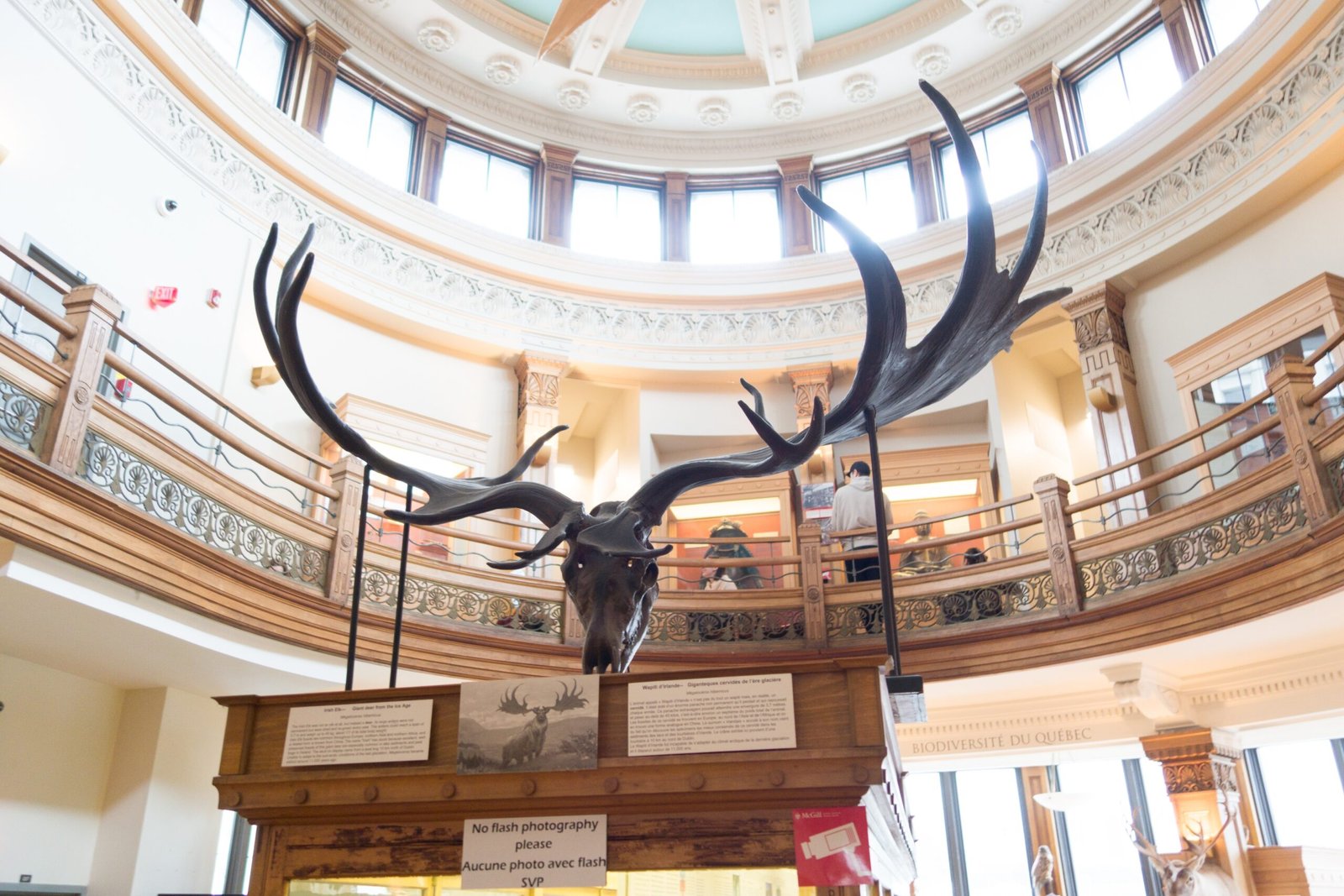
The Irish elk, with its impressive antlers spanning up to twelve feet, was one of the most awe-inspiring creatures of its time. Found across Europe and Asia, these giants roamed open woodlands and grasslands. Despite their size and strength, they fell victim to environmental changes and human hunting. Their extinction underscores the vulnerability of even the most magnificent species to rapid ecological shifts. The Irish elk’s legacy lives on in the fossil records and the lessons it imparts.
The Dire Wolf: Myth and Reality
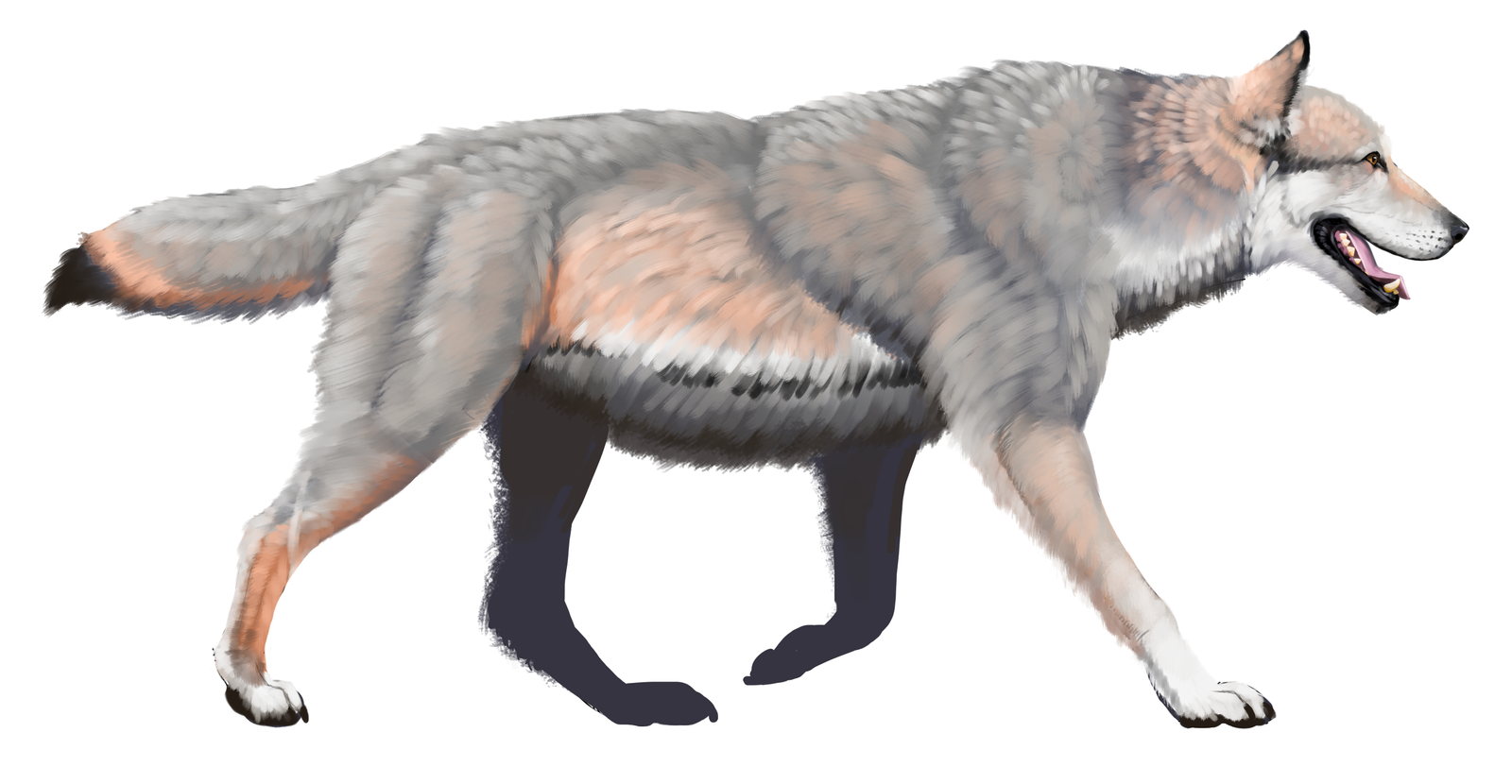
Dire wolves, larger and more robust than their modern relatives, roamed the Americas during the late Pleistocene epoch. These apex predators hunted in packs, targeting large herbivores. They were formidable hunters, yet they couldn’t withstand the environmental changes and competition from other species, including humans. The dire wolf’s extinction serves as a reminder of the fragility of even the fiercest creatures in the face of change. Their story has inspired countless myths and legends.
The Great Auk: A Cautionary Tale
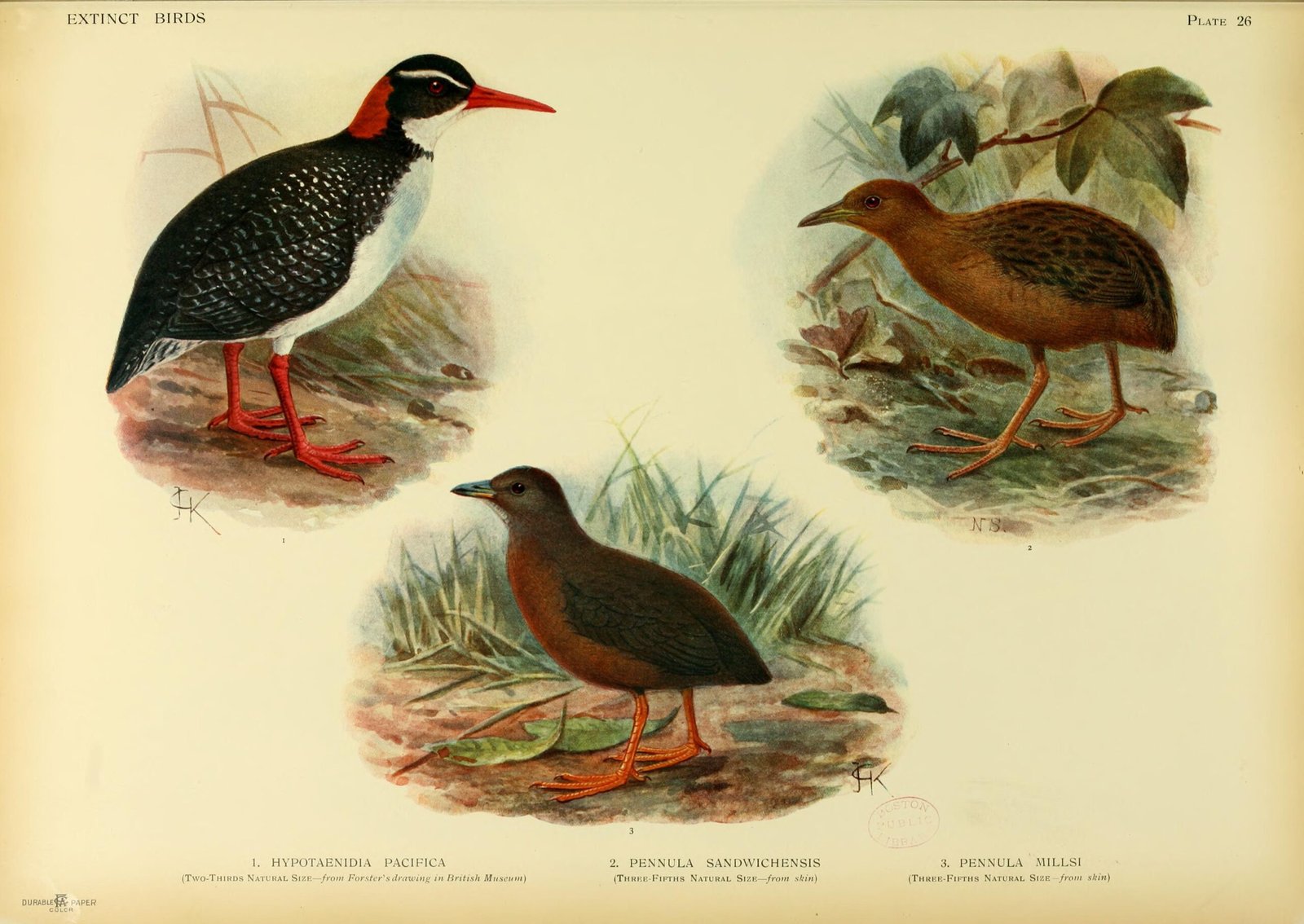
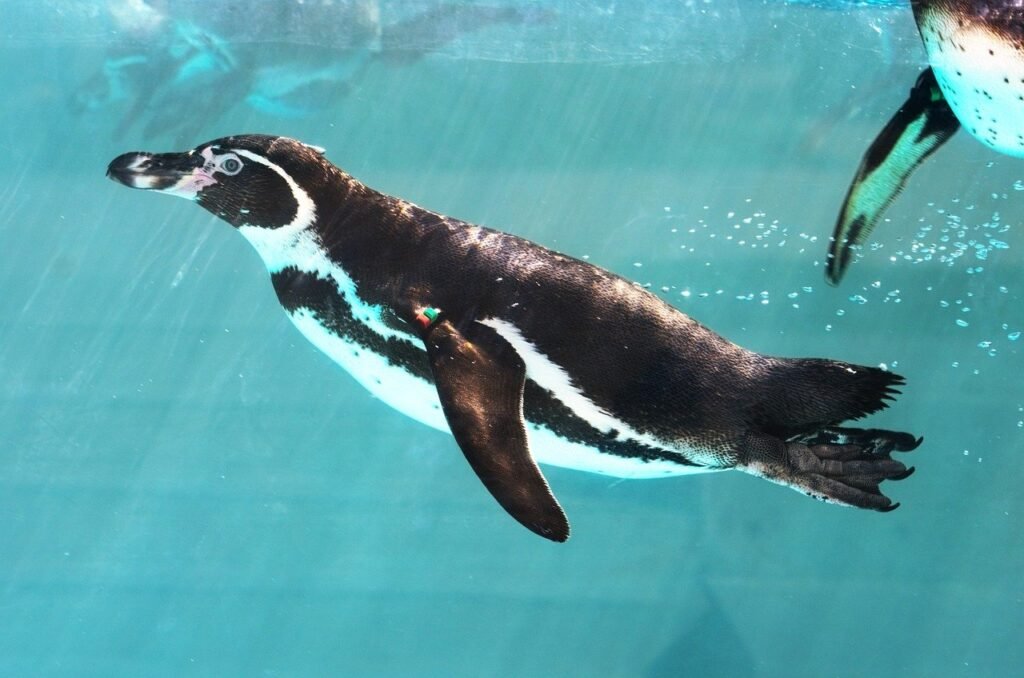
The great auk, a flightless bird native to the North Atlantic, was once abundant in its coastal habitats. With its striking black and white plumage, it resembled a penguin and was a proficient swimmer. However, intense hunting pressure for feathers, meat, and oil led to its extinction in the mid-19th century. The loss of the great auk is a stark warning of the consequences of unchecked exploitation of natural resources. Its absence is a call to action for conservation efforts today.
The Lessons of the Past: Reflecting on Extinction
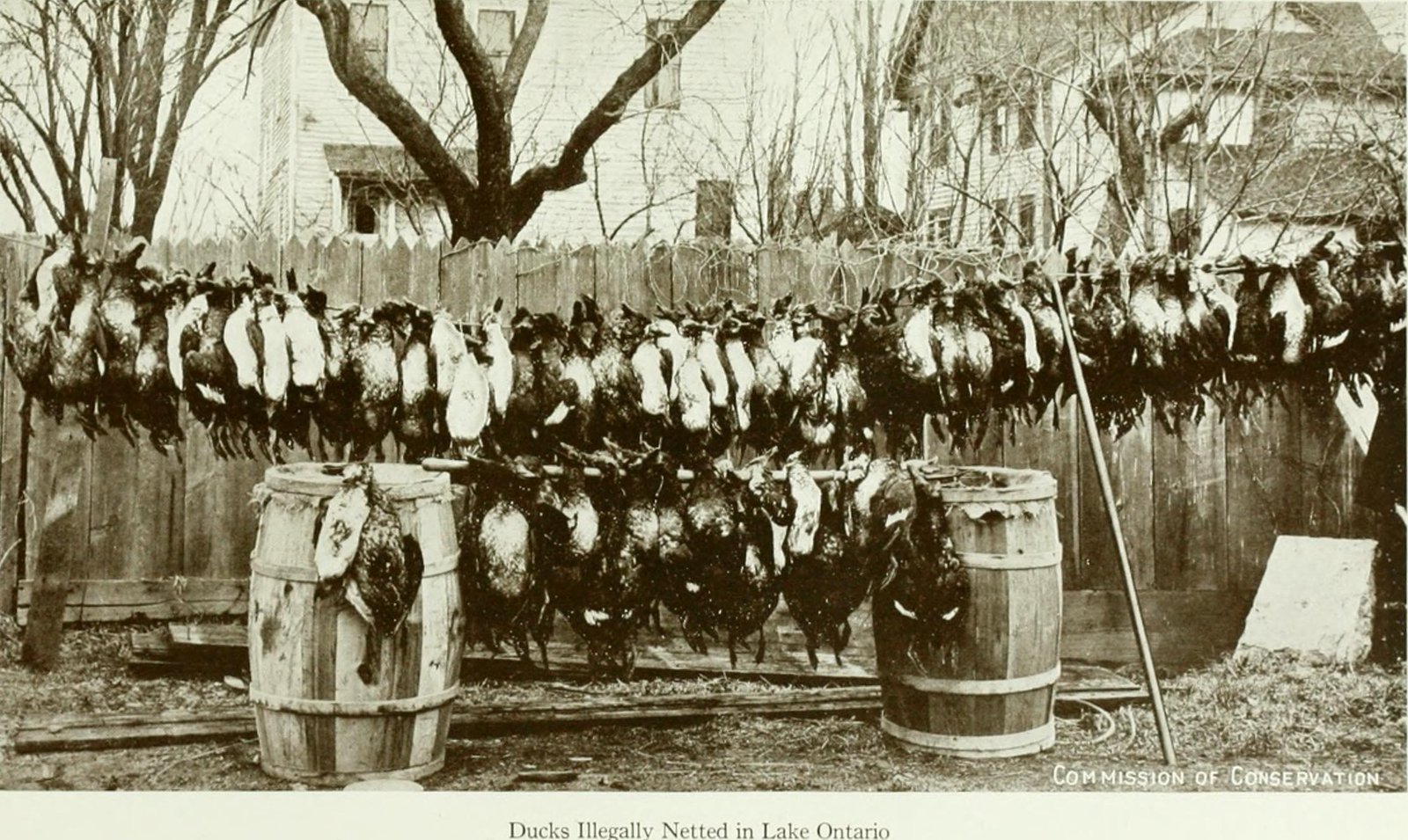
The stories of these last survivors are not just tales of the past but lessons for the present and future. They remind us of the interconnectedness of life and the impact humans have on the natural world. The extinction of these magnificent creatures highlights the importance of conservation and sustainable practices. As stewards of the Earth, it is our responsibility to learn from history and protect the biodiversity that remains. The legacy of these animals is a call to action for a more harmonious coexistence with nature.