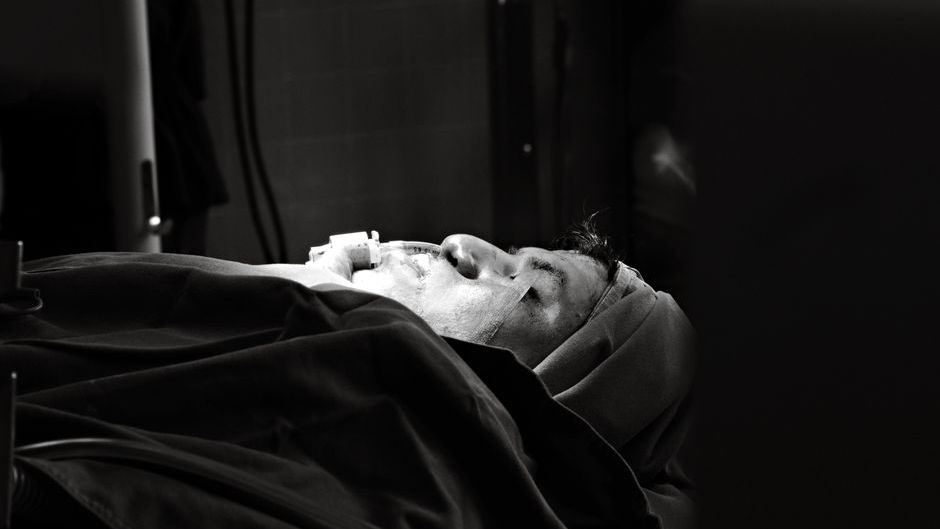

Most of us secretly wonder what it is like in those final moments of life, but almost no one dares to ask out loud. The idea that our body slowly powers down like a dimming city at night is both terrifying and oddly comforting. Which lights go out first? Which ones stubbornly stay on until the very end? Modern research has a surprisingly specific, and strangely moving, answer.
Scientists, doctors, and hospice nurses have been piecing together a picture of the dying brain for years, and one pattern keeps showing up: hearing appears to be the last sense to fade before death. That doesn’t mean the other senses vanish instantly or that everyone dies in the exact same way, but the evidence points in one clear direction. Once you understand it, simple acts like holding a hand and speaking softly at the bedside no longer feel symbolic; they start to look like real, biological communication in the final chapter of a life.
The Body’s Shutdown Sequence: How Senses Usually Fail Near the End

In the days and hours before death, the body does not simply flip off like a light switch; it winds down in a kind of biological sequence. Blood flow becomes less efficient, organs start to struggle, and the brain selectively allocates its remaining resources to the most essential functions. You’ll often see changes in breathing patterns, color of the skin, and body temperature as the circulation system pulls back from the extremities. To family at the bedside, this looks and feels like a quiet withdrawing from the world, sometimes long before the heart actually stops.
Our senses depend heavily on stable blood flow and oxygen, so they start to falter as the body’s priorities narrow. Vision commonly fades or blurs, and people may stop tracking movement or making eye contact. Smell and taste, already dulled in many older or very ill patients, tend to be unreliable in the last stretch. Touch may remain in pockets, especially in sensitive areas like the face and hands, but responsiveness often diminishes. Against that backdrop of fading inputs, the evidence that hearing continues to function is striking, almost like a single radio still picking up a signal in an otherwise silent room.
The Evidence: Why Scientists Believe Hearing Is the Last to Go
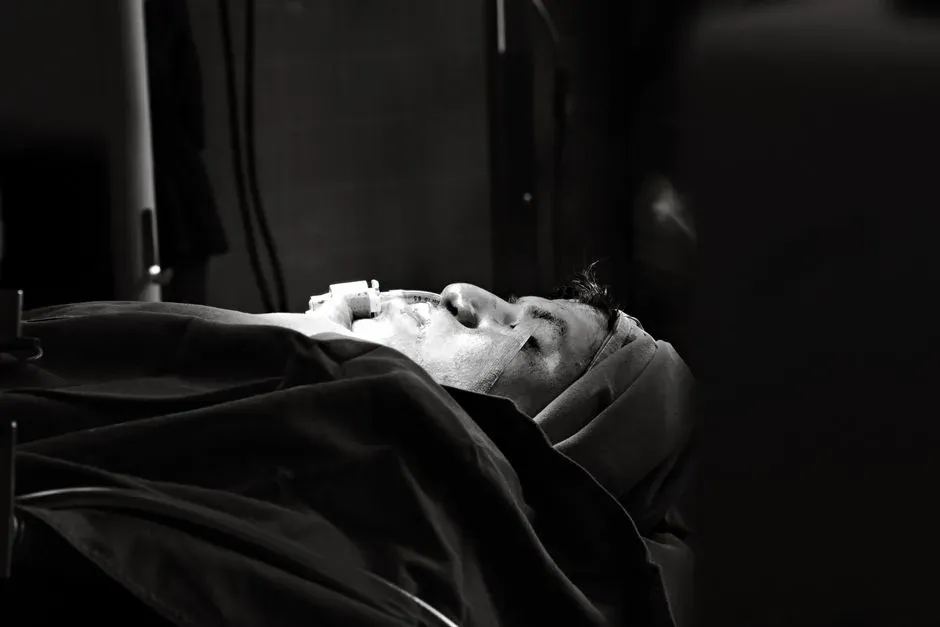
The idea that hearing is the final sense to fade is not just a poetic guess from families keeping vigil at a bedside; it is supported by actual recordings of brain activity. In recent years, researchers have used electroencephalography, or EEG, to measure electrical responses in the brains of hospice patients who were close to death. Even when patients looked unresponsive and showed no physical reaction, their brains still produced patterns that suggested they were processing sounds and changes in tones. In other words, the brain was still paying attention to auditory information when everything else looked quiet from the outside.
In some studies, scientists played familiar and unfamiliar sounds to both healthy volunteers and actively dying patients, then compared the EEG signals. The dying patients’ brains still showed recognizable signatures of sound processing that resembled those of the healthy brain, just weaker and more fragile. That does not mean these patients were fully conscious or could interpret every word, but it strongly suggests the auditory pathways remain operative longer than many other systems. Put more simply: even when someone appears “gone,” the brain can still be actively listening for a while.
Hearing Versus Conscious Understanding: Being Careful With What We Claim

There is an important nuance that often gets lost in emotional stories: hearing a sound and consciously understanding its meaning are not the same thing. The brain can register and respond to noise at a basic level without the person having full, awake awareness of what is happening. Think about how you can stir in your sleep when someone says your name or when a door slams, even if you do not remember it later. Something in your nervous system still reacts, but your conscious mind remains mostly offline. A similar difference likely exists at the end of life.
So when we say hearing is the last sense to fade, we are mostly talking about the auditory system’s ability to detect and process sound signals, not necessarily a clear, vivid, movie-like awareness. The truth is, measuring awareness in a dying person is extremely difficult, and the science is still evolving. Many clinicians believe there are moments of lucidity or understanding that we may underestimate, while others caution against assuming too much. The safest, most compassionate stance is this: act as though the person can hear you and take comfort in the fact that, biologically, there is good reason to think your voice still matters.
What Happens in the Brain When the Ears Are Still “On”
To understand why hearing hangs on so long, it helps to look at how the auditory system is wired. Sound waves enter the ear canal, vibrate the eardrum, and get translated into electrical signals in the inner ear. These signals then travel along the auditory nerve to the brainstem and onward to parts of the cortex that decode patterns, pitch, and speech. Many of these pathways are deeply rooted and tightly linked to basic survival functions, like orienting to danger or responding to a cry for help. Because of that, they appear to be surprisingly resistant, holding on even as higher-level functions fade.
Near death, as overall brain activity slows in complex areas responsible for planning, memory, and self-awareness, some of the more fundamental sensory circuits can continue to fire. EEG results show that certain responses to changes in tones or patterns, which require at least a low-level kind of discrimination, are still present in patients who are minutes or hours from death. It is as if the brain keeps a low-power listening mode online even as other, more energy-hungry systems shut down. For families, that means a quiet word or a familiar song is not just a gesture; it is input that may be reaching living circuits in a meaningful way.
Stories From the Bedside: When Voices Reach the Edge

Ask almost any hospice nurse, and you will hear countless stories of patients who seemed completely unresponsive but reacted in small, telling ways to the voices of loved ones. A single tear sliding down the cheek when a grandchild says goodbye, a faint squeeze of a hand after a whispered “I’m here,” or a subtle change in breathing when a favorite song plays in the background. These may sound like coincidences, but when you hear enough of them from experienced clinicians, a pattern emerges that mirrors what the research suggests: sound gets in when almost nothing else does.
I remember sitting with a close relative in hospice and feeling ridiculous at first talking into what looked like a void. His eyes were closed, he had not moved purposefully in hours, and the room was thick with that heavy, anticipatory silence. Still, when I mentioned a private joke from years ago, his mouth twitched in a way that seemed far too specific to be random. Maybe I wanted to see meaning there, but knowing what I now know about hearing at the end of life, I am convinced there was a tiny, last bridge of connection left, built out of sound, memory, and love.
What This Means for Families: How to Talk to Someone Who Is Dying

Once you accept that hearing likely outlasts the other senses, it changes how you behave at the bedside in those final hours. You start to realize that every word, every tone, every half-whispered comment has weight. The casual remarks you might make across the bed, assuming the person cannot hear, suddenly feel exposed and risky. Instead, it becomes more natural to speak directly, to offer reassurance, gratitude, apologies, or even a simple steady stream of comfort. Saying what you need to say is no longer just for your own closure; it is potentially a real conversation, even if only one side can respond.
On a practical level, this means choosing calm, gentle words and keeping the environment relatively quiet and soothing. Many families play peaceful music, read favorite poems, or narrate memories like small, personal radio shows for the person they love. You do not have to be eloquent; even repeating “We’re here, you’re safe, we love you” can anchor someone in the midst of a very unfamiliar, internal process. If you are ever unsure about what to do, talking softly as if you are being heard is almost always a good place to start.
Beyond Biology: The Emotional Weight of Knowing Hearing Lingers
There is something both raw and profound about learning that the last sense to fade is the one most closely tied to human connection. Voices are how we fall in love, how we soothe crying babies, how we argue, how we apologize, and how we say goodbye. The fact that the brain seems to hold on to sound until almost the very end feels less like a cold scientific detail and more like a final act of loyalty. It suggests that even as the body lets go, the capacity to receive a human voice remains one of the final bridges between life and whatever comes next.
Personally, I think this should reshape how we talk about dying altogether. Instead of imagining death as a lonely shutdown in the dark, we might picture a person moving through a dimly lit space, with the echo of familiar voices still reaching them, right up to the threshold. That is not just comforting; it is also a call to action. It means we have a responsibility to fill that space with love, clarity, and presence, not awkward silence or anxious small talk. If hearing is the last sense to fade, then our words are the last gift we get to give.
Conclusion: Hearing as the Final Thread of Connection
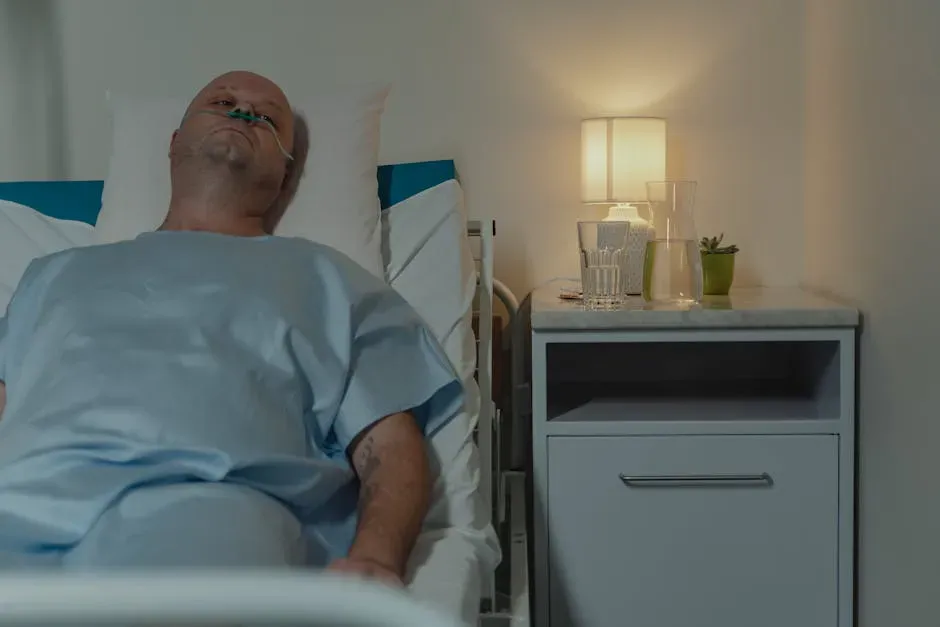
Based on what we currently know, hearing appears to be the last human sense to fade before death, and that is more than an interesting trivia fact. It is a quiet rebuke to the idea that dying people are “already gone” simply because they are not speaking or opening their eyes. EEG studies, clinical observations, and bedside stories all converge on the same point: the brain keeps listening longer than we once believed. We cannot say exactly how much someone understands or remembers, but we can say with reasonable confidence that sound still finds its way in when other senses are shutting down.
My honest, opinionated take is this: we should start treating the final hours of life less like a medical waiting room and more like a sacred conversation. If hearing is the last thread of connection, then we owe it to the dying to use our voices with intention, kindness, and courage. Say thank you. Say I’m sorry. Say I love you far more times than feels necessary. Even if the person cannot answer, there is a real chance their brain is catching every word as it fades. And if you were the one lying there, wouldn’t you want the last thing you sensed in this world to be the sound of someone you love, speaking directly to you?