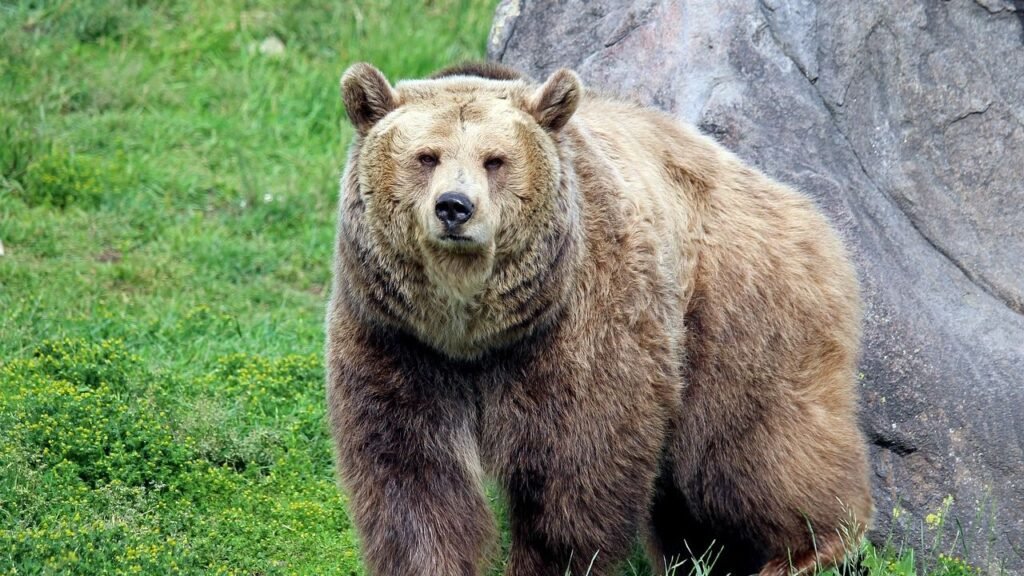
In the depths of India’s Gir Forest, a majestic creature roams, embodying the spirit of resilience and survival. The Asiatic lion, once spread across vast swathes of Asia, now finds its only refuge in this protected sanctuary. These lions, distinct from their African cousins, face a multitude of challenges that threaten their very existence. Yet, amidst these challenges, there is hope. Conservationists are working tirelessly to ensure that these symbols of grace and power continue to thrive. This article delves into the remarkable efforts being made to save these rare big cats, offering insights into the strategies, struggles, and successes of conservation.
The Unique Characteristics of Asiatic Lions

Asiatic lions possess distinct features that set them apart. Unlike their African counterparts, these lions have a smaller and less conspicuous mane, which allows for a clearer view of their ears. Their bodies are more compact, with a pronounced skin fold along their bellies. This adaptation is thought to be a result of the specific environmental conditions they have evolved in. Furthermore, their social structures differ slightly, characterized by smaller prides. These unique traits not only make them fascinating to scientists but also highlight the importance of preserving their genetic diversity. Understanding these characteristics is crucial, as it informs conservation strategies tailored specifically to their needs.
The Historical Decline of the Asiatic Lion

The story of the Asiatic lion is one of dramatic decline. Historically, these lions roamed from the Middle East to the Indian subcontinent. However, due to rampant hunting and habitat destruction during the British colonial period, their numbers dwindled alarmingly. By the early 20th century, only a handful remained in the Gir Forest. The sharp decline serves as a poignant reminder of the impact human activities can have on wildlife. It also underscores the urgent need for dedicated conservation efforts to prevent further loss. Learning from history, we can better protect the remaining populations and ensure their survival.
Challenges in Conservation
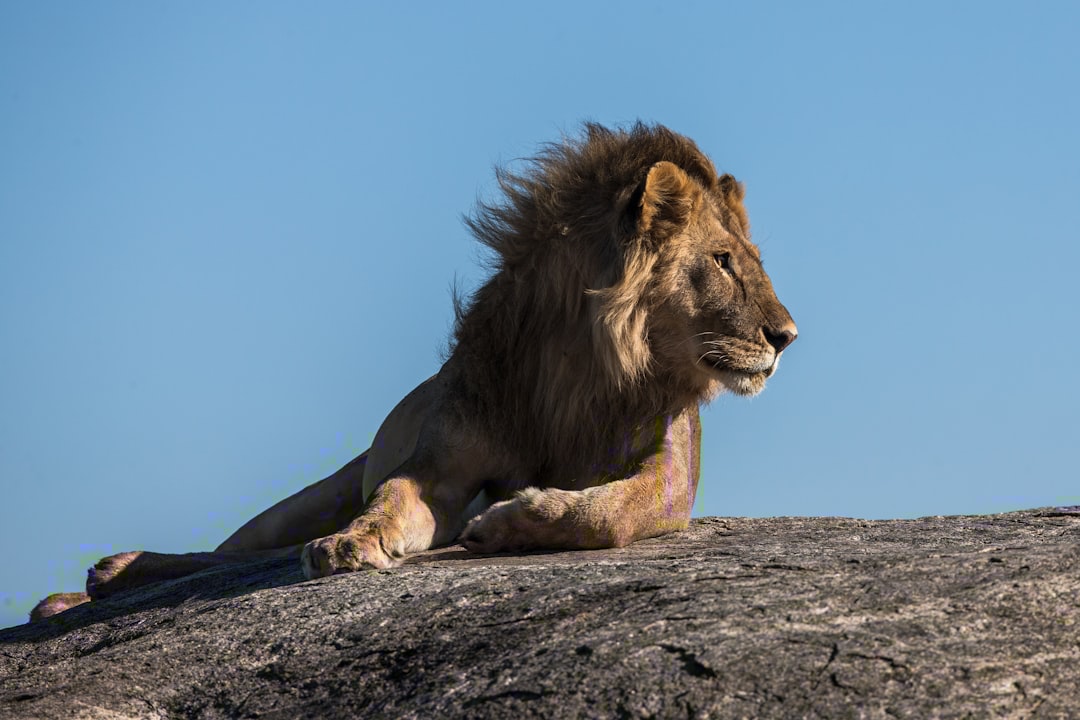
Conserving the Asiatic lion is fraught with challenges. Habitat fragmentation poses a significant threat, as it limits the space available for these lions to roam and hunt. Additionally, human-wildlife conflict is an ever-present issue. As human settlements encroach on lion territories, interactions between lions and humans increase, often with tragic consequences. Disease outbreaks also pose a risk, with the potential to wipe out entire populations. Addressing these challenges requires a multifaceted approach, combining scientific research with community involvement. Conservationists must constantly adapt their strategies to tackle these evolving threats.
Habitat Preservation Efforts
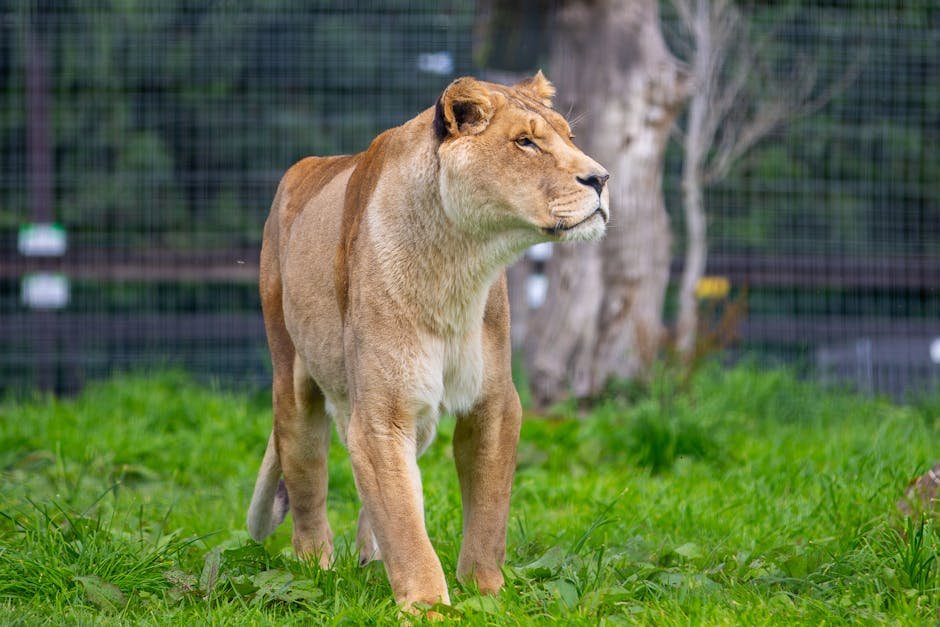
Securing and expanding habitats is a cornerstone of lion conservation. Efforts to protect the Gir Forest and its surrounding areas have been intensified. The establishment of buffer zones helps to minimize human-lion encounters, reducing conflict. Additionally, initiatives to restore degraded areas ensure that lions have access to ample prey and shelter. These efforts not only benefit the lions but also support the broader ecosystem. Healthy habitats are vital for maintaining biodiversity, which in turn supports a wide range of species. Through habitat preservation, the ecological balance of the region is maintained, benefiting both wildlife and local communities.
Community Engagement and Education
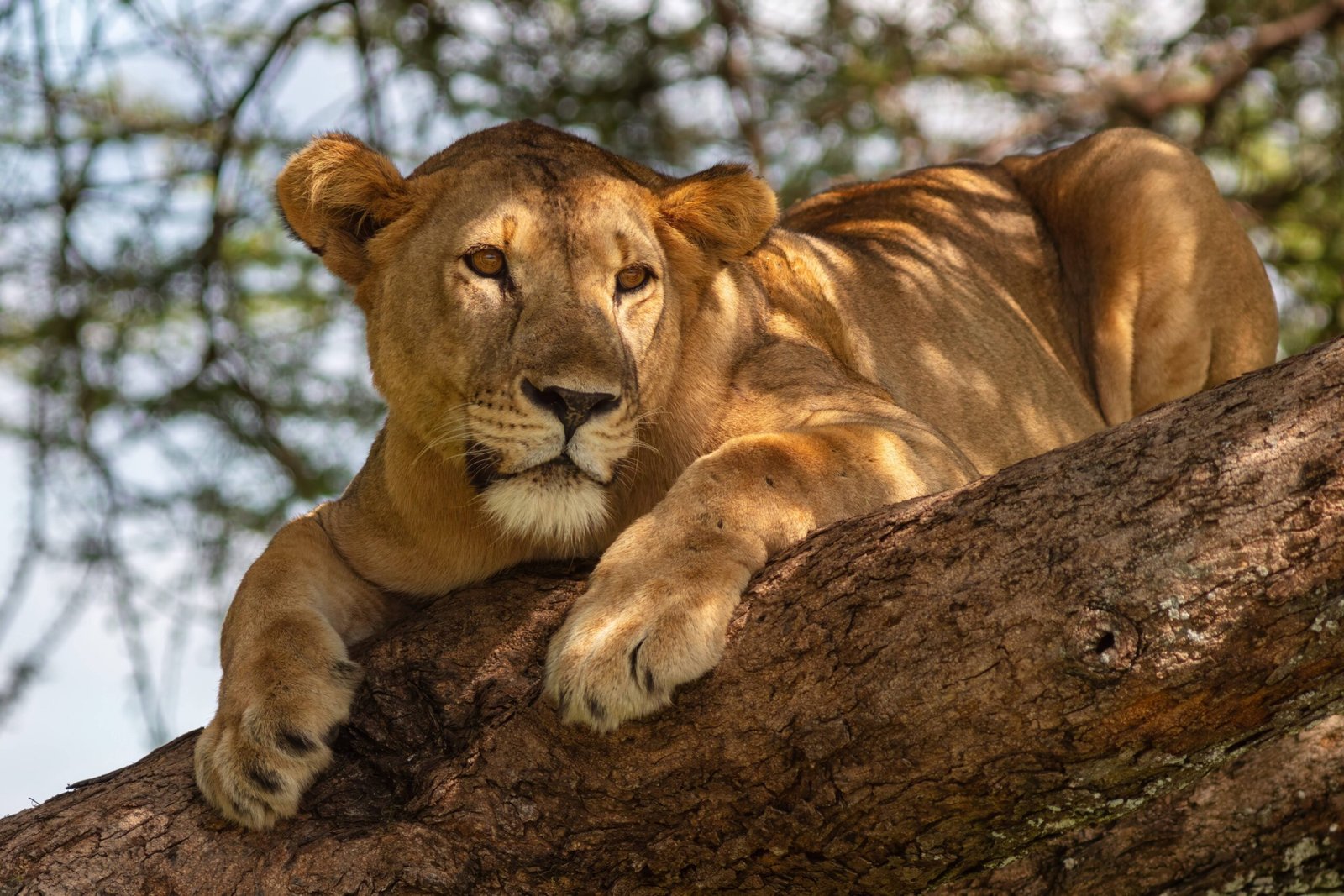
Conservation is as much about people as it is about wildlife. Engaging local communities is critical to the success of conservation efforts. Education programs aim to raise awareness about the importance of lions and the role they play in the ecosystem. By involving communities in conservation activities, a sense of stewardship and responsibility is fostered. These initiatives also provide alternative livelihoods, reducing dependence on activities that may harm the lions. By aligning the interests of people and wildlife, a more sustainable coexistence can be achieved. This collaborative approach is essential for long-term conservation success.
Strategies to Mitigate Human-Wildlife Conflict
To reduce human-wildlife conflict, innovative strategies are being implemented. The use of technology, such as GPS tracking collars, allows for real-time monitoring of lion movements. This enables authorities to issue timely alerts to nearby communities, preventing potential conflicts. Additionally, compensation schemes are in place to address losses incurred by locals due to lion attacks on livestock. These measures help to build trust and cooperation between conservationists and local populations. By addressing the root causes of conflict, a more harmonious relationship between humans and lions can be fostered.
The Role of Scientific Research

Scientific research underpins all conservation efforts. Studies on lion behavior, genetics, and ecology provide valuable insights that inform management decisions. For instance, understanding the genetic diversity of the population helps in maintaining a healthy gene pool, crucial for long-term survival. Research on prey availability and habitat use guides habitat restoration and management efforts. By continually expanding our knowledge, conservationists can develop more effective strategies to protect these magnificent creatures. Science acts as a guiding light, illuminating the path towards successful conservation outcomes.
Success Stories and Positive Outcomes
Despite the challenges, there have been notable successes in Asiatic lion conservation. The population of these lions has seen a steady increase, a testament to the effectiveness of ongoing efforts. The Gir Forest is now home to a thriving population, with numbers that continue to grow. These successes serve as an inspiration, demonstrating that with dedication and collaboration, positive change is possible. They also highlight the resilience of nature, which, when given a chance, can recover and flourish. These stories offer hope and motivation to continue the fight for conservation.
The Importance of Global Cooperation
Conservation is a global endeavor that requires international cooperation. Sharing knowledge, resources, and expertise across borders enhances the effectiveness of conservation initiatives. Global awareness campaigns help to garner support and funding for lion conservation efforts. Collaborative projects with international organizations bring in diverse perspectives and innovative solutions. By working together, we can pool our strengths and address the challenges facing Asiatic lions more effectively. Global cooperation is key to ensuring that these majestic creatures are not lost to future generations.
Looking to the Future

The future of the Asiatic lion depends on our actions today. As we continue to face environmental challenges, the lessons learned from lion conservation can guide broader efforts to protect biodiversity. By prioritizing the protection of these iconic animals, we are also safeguarding the health of entire ecosystems. This interconnectedness highlights the importance of a holistic approach to conservation. By committing to ongoing efforts and fostering a global sense of responsibility, we can ensure that the roar of the Asiatic lion echoes through the forests of India for generations to come.