


It sounds like a trick of light: a lake that fills like a bowl in spring, then quietly pulls its waters underground as the heat arrives. Yet this seasonal vanishing act is a real, measurable feature of Earth’s hydrology, written into rock, soil, and sky. In a year of extremes, these pulse-and-pause waters are more than curiosities; they’re natural gauges telling us how climate and groundwater change in step. Scientists now treat these lakes as living instruments, recording drought, flood, and the hidden plumbing beneath our feet. Their mystery, it turns out, is also a map.
The Hidden Clues
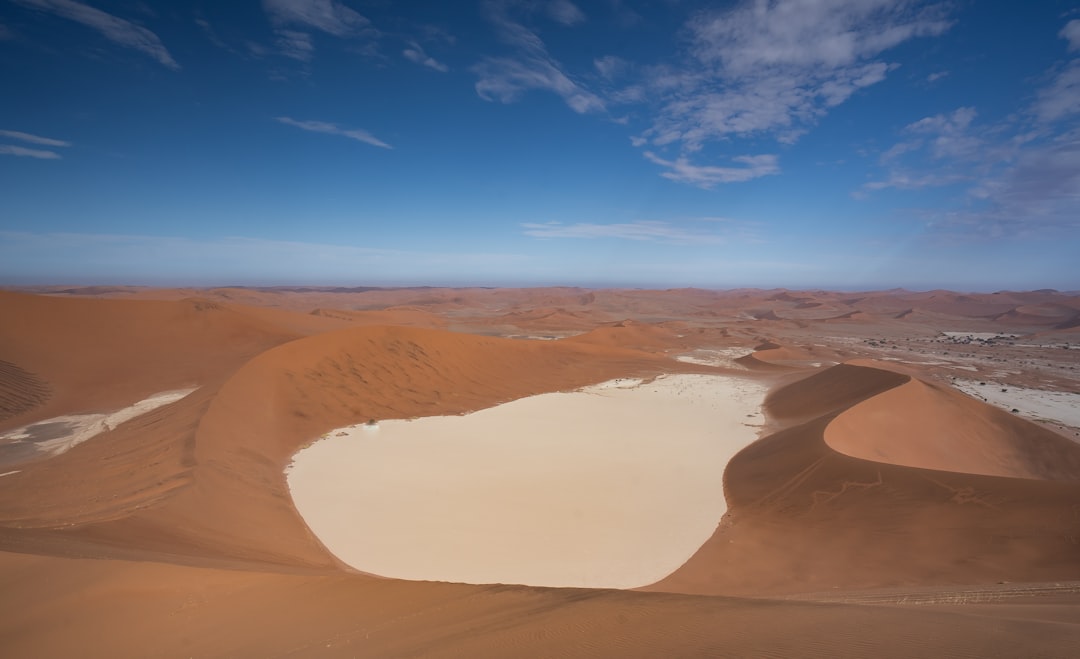
What if a shoreline could tell time the way a tree rings does? Seasonal lakes do exactly that, advancing and retreating on a schedule shaped by rain, snowmelt, evaporation, and the porousness of the ground. When the water vanishes, the exposed bed reveals silt ripples, stranded grasses, and mineral lines that mark where the surface once paused. Come the wet season, those clues are submerged anew, and a fresh set of markers begins. The cycle is both theatrical and precise, like a pendulum with a slightly different swing each year.
Hydrologists read these clues to reconstruct the pathways water takes from storm to stream to subsurface. They track how quickly a basin drains, how the groundwater responds, and where unseen channels move the flow. Each season adds another datapoint, helping calibrate models that forecast flood risk and aquifer recharge. I once walked the cracked bed of a seasonal lake at dusk and felt the ground drum under my boots, a reminder that water was moving just below, out of sight but not out of mind.
A Lake With Two Lives: Slovenia’s Lake Cerknica
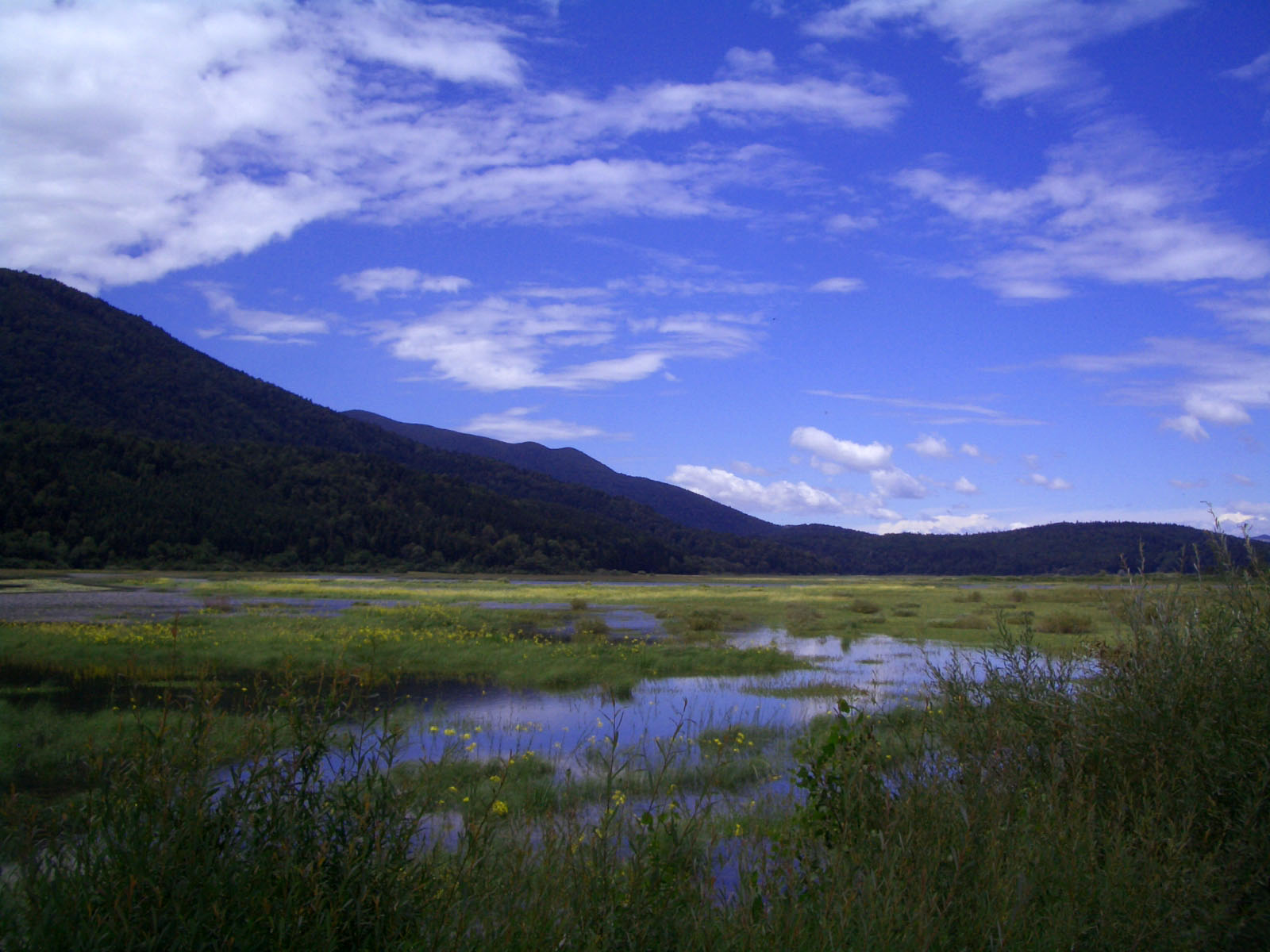
In south-central Slovenia, Lake Cerknica is a master class in vanishing lakes: brimming in wet months and retreating to meadows in summer. The basin sits atop soluble limestone riddled with swallow holes, openings that gulp surface water into caverns. When winter rains and snowmelt swell the basin, the drainage capacity is overwhelmed, and a broad, shallow lake spreads across the polje. As temperatures rise and inputs fade, water slips back underground through the same portals that once failed to keep up. The shoreline shrinks to patchwork pools, and fields reappear.
For residents, the twice-lived landscape is routine enough to plan around. Fishing and birdwatching arrive with the water; haymaking returns when grass dries on the exposed floor. Scientists monitor lake levels and cave flows to understand how the subterranean system “breathes.” Over decades, the pattern has remained recognizable despite year-to-year quirks, a resilient rhythm that still reflects broader climate swings.
The Karst Playbook: How Water Vanishes Underground
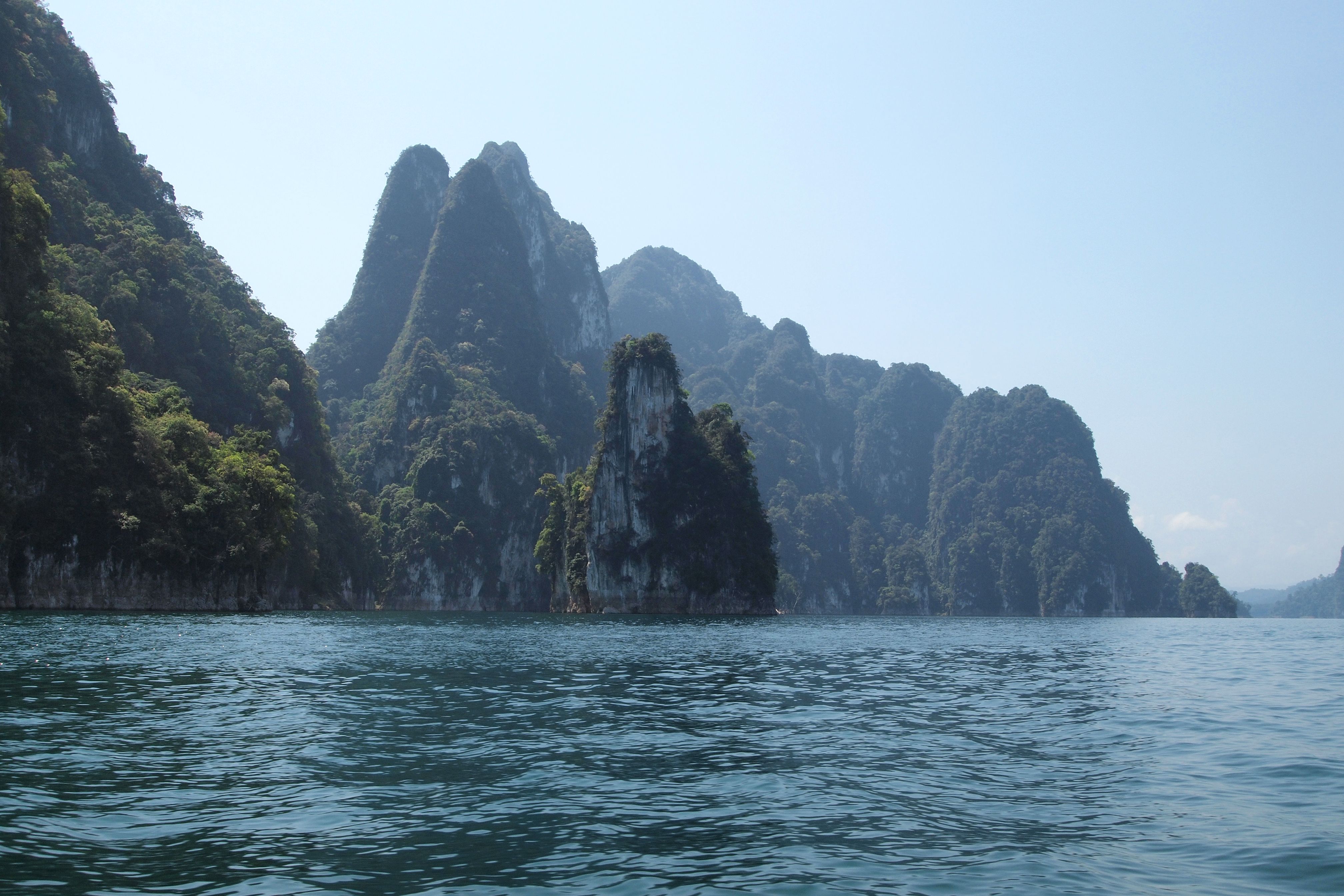
Many disappearing lakes sit in karst terrain, where rainwater dissolves limestone and dolomite, carving funnels, tubes, and chambers that behave like a hidden storm sewer. In wet months, those passages can back up, forcing water to spread across the surface; in dry months, the same conduits whisk it away. The result is a basin that toggles between lake and grassland with the seasons. Think of it as a bathtub whose drain size changes with the pressure of incoming water. When the faucet roars, the tub fills; when the faucet slackens, it empties fast.
Temperature and wind shape the story too, by governing how fast water is lost to the air. Sunlit, shallow lakes evaporate quickly, amplifying the role of heat waves. If the rock fractures are widened by freeze-thaw or seismic rumblings, the drainage network can evolve within a human lifetime. That makes long-term observations invaluable, because today’s vanishing rate might not match tomorrow’s.
Global Perspectives: Irish Turloughs and Oregon’s Lost Lake
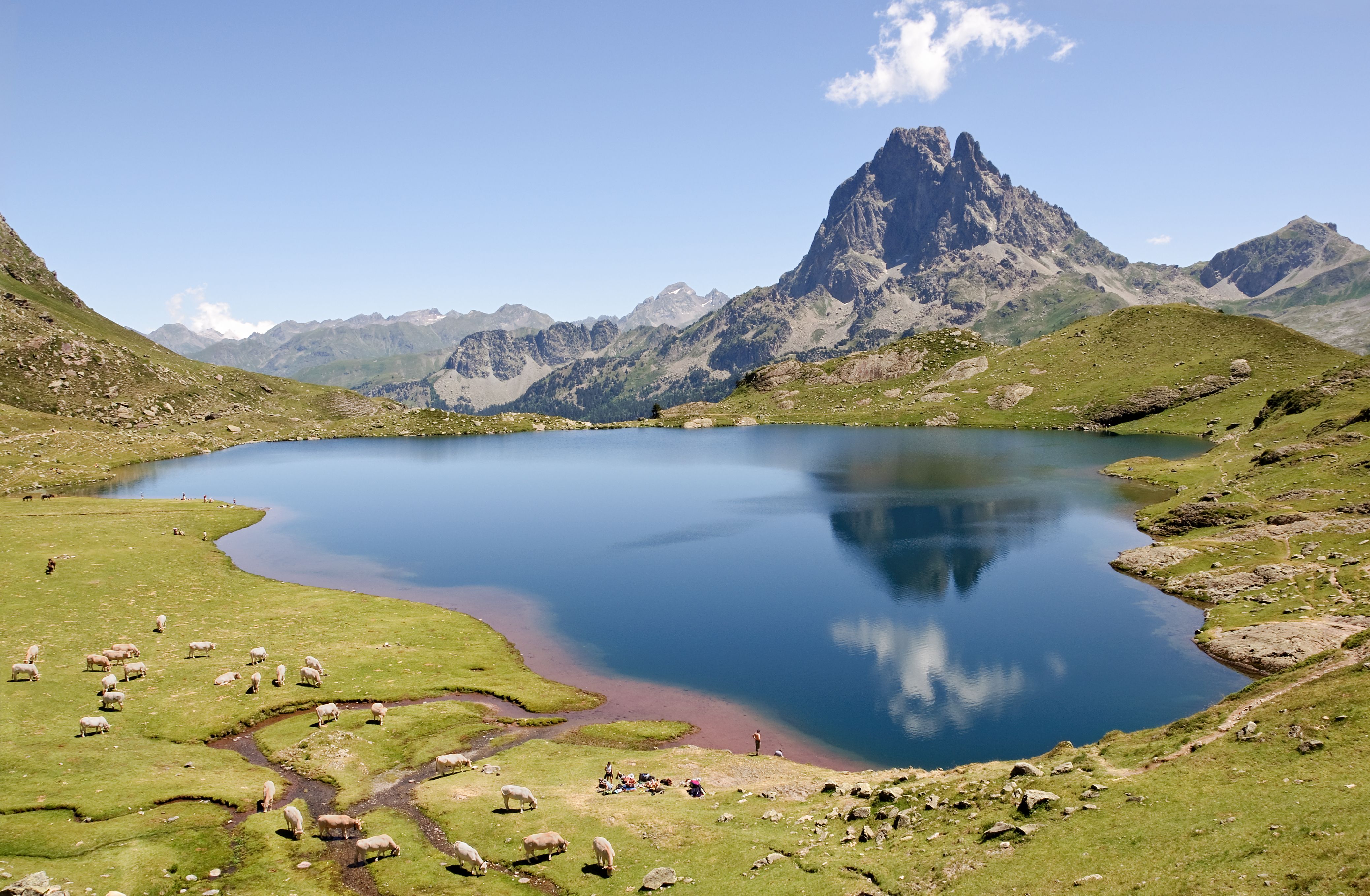
Across the Atlantic, Ireland’s turloughs – seasonal karst lakes – flood pastures in winter and slip underground in summer, leaving dry ground pocked with swallow holes. Farmers have learned the choreography, shifting livestock as the water rises and falls. The turloughs act as safety valves during storms, storing water temporarily instead of letting downstream rivers surge. When the ground reclaims the lake, wetlands shrink, yet the memory of winter remains in damp soils that feed spring growth. It’s a quiet exchange that keeps communities and ecosystems in balance.
On the volcanic flanks of Oregon, a different mechanism plays out at Lost Lake, where water drains through lava tubes as if pulled by an unseen plug. The basin fills with snowmelt, then disappears into basalt’s porous labyrinth as summer advances. While not a classic karst system, it illustrates the same principle: geology dictates the fate of surface water. From Slovenia to Ireland to Oregon, the stage differs but the script rhymes – porous worlds, pulsing lakes, and seasonal returns.
From Ancient Tools to Modern Science
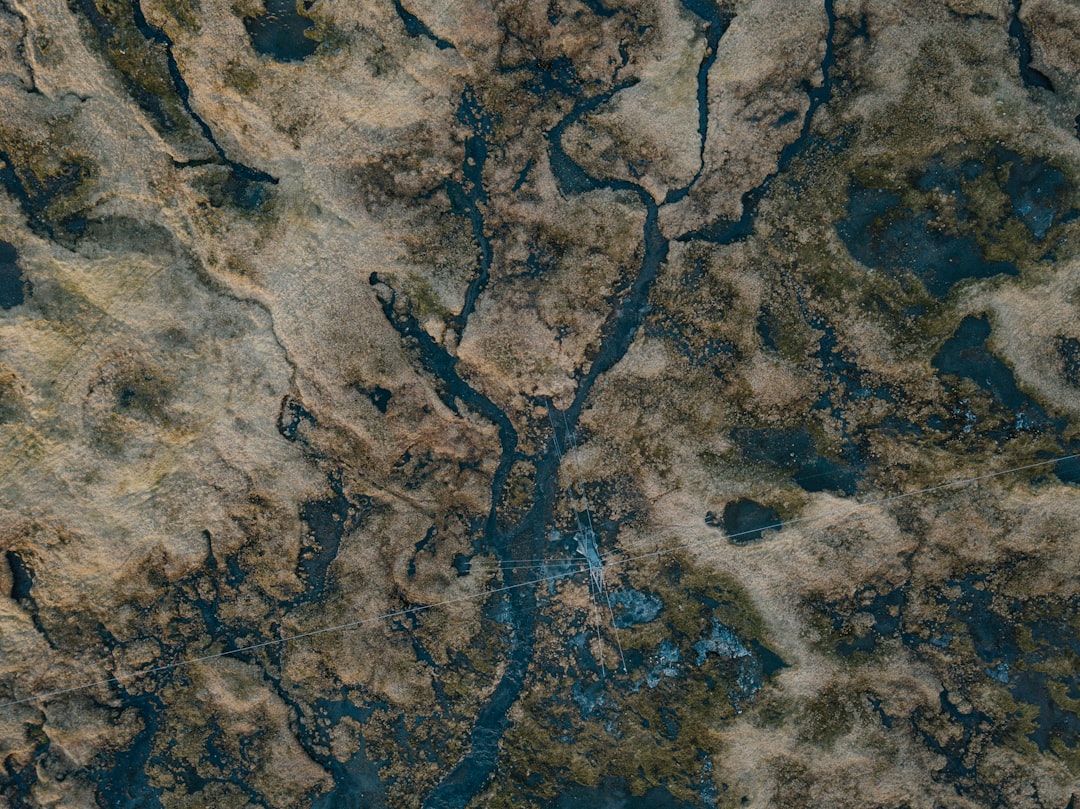
Long before satellite altimeters and dye tracers, people sketched lake margins on bark and stone to mark where water had been and where it might return. Those early maps were practical weather reports, telling herders when to move and fishers when to launch. Today, researchers pair that folk sense with radar satellites that can see through clouds and algorithms that detect shoreline shifts pixel by pixel. Drones fly repeat surveys, building time-lapse models that show basins breathing in and out. Ground sensors log pressures in caves and wells to catch the moment water flips from rising to falling.
All of this modern gear feeds predictive models that can warn when a disappearing lake will linger longer than usual – or vanish early. Managers can then prepare for unusual mosquito blooms, sudden bird habitat changes, or water-quality swings. Accuracy depends on stitching surface observations to groundwater dynamics, the part we can’t see. That’s where old stories still matter, anchoring data in lived experience and giving models a reality check.
Why It Matters
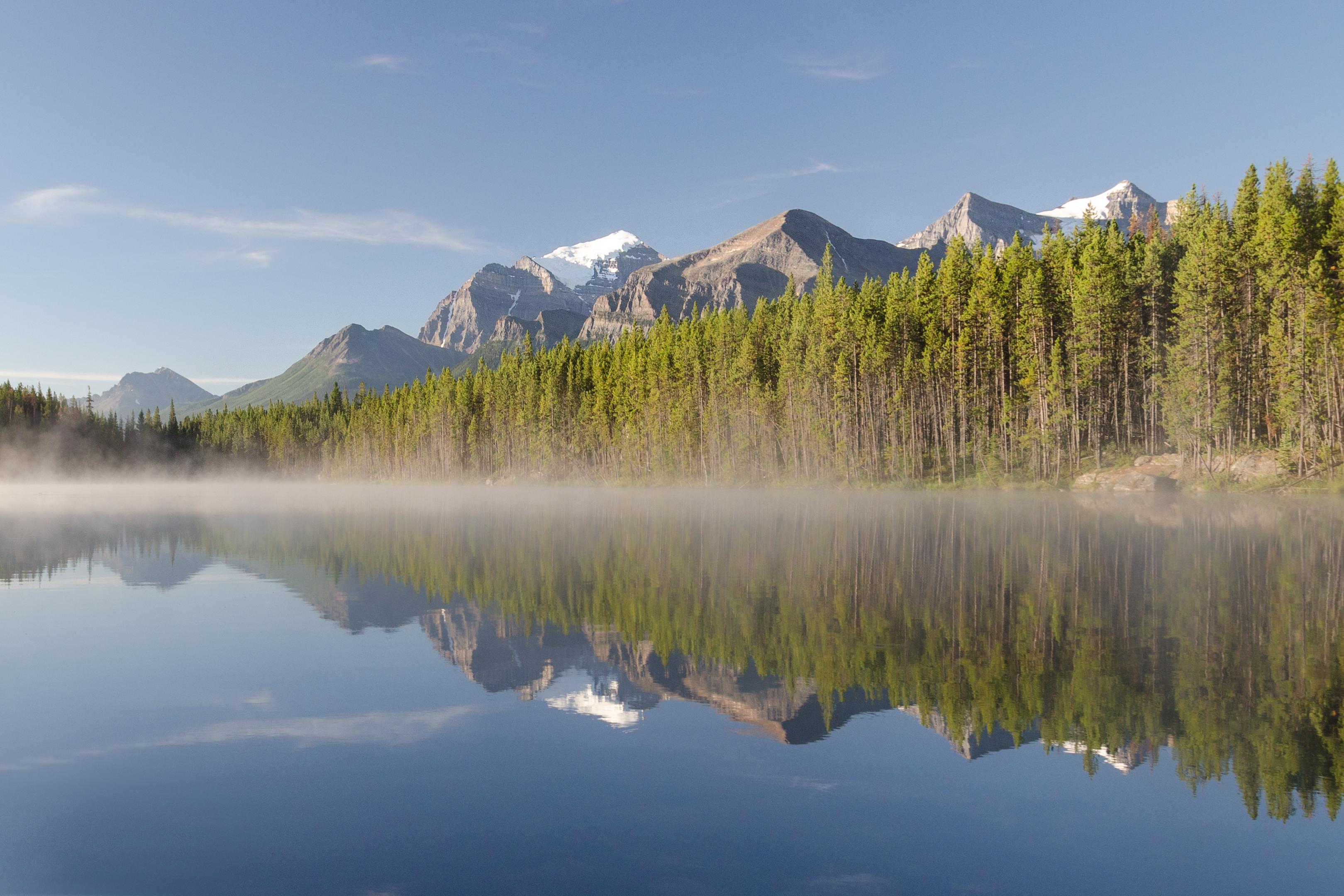
Seasonal lakes are natural regulators, absorbing storm pulses and releasing water slowly, the way a sponge evens out a spill. When they falter – draining too quickly or filling too late – downstream communities can feel the whiplash through flash floods, dry wells, or stressed wetlands. Public works often focus on rivers and dams, but these shifting basins are upstream partners in the same system. Protect them, and you reduce peak flows and bolster late-season moisture; neglect them, and the hydraulics downstream get rowdier. The lesson is simple: resilience starts where water first lingers.
There’s also the biodiversity dividend. Seasonal shorelines host flowers that germinate on wet mud then set seed before the water returns, and they shelter birds that need shallow margins for feeding. Recreational economies benefit too, from winter wildlife watchers to summer hikers crossing the revealed lakebed. This isn’t a niche curiosity; it’s infrastructure that nature built, operating for free and usually out of sight.
The Future Landscape
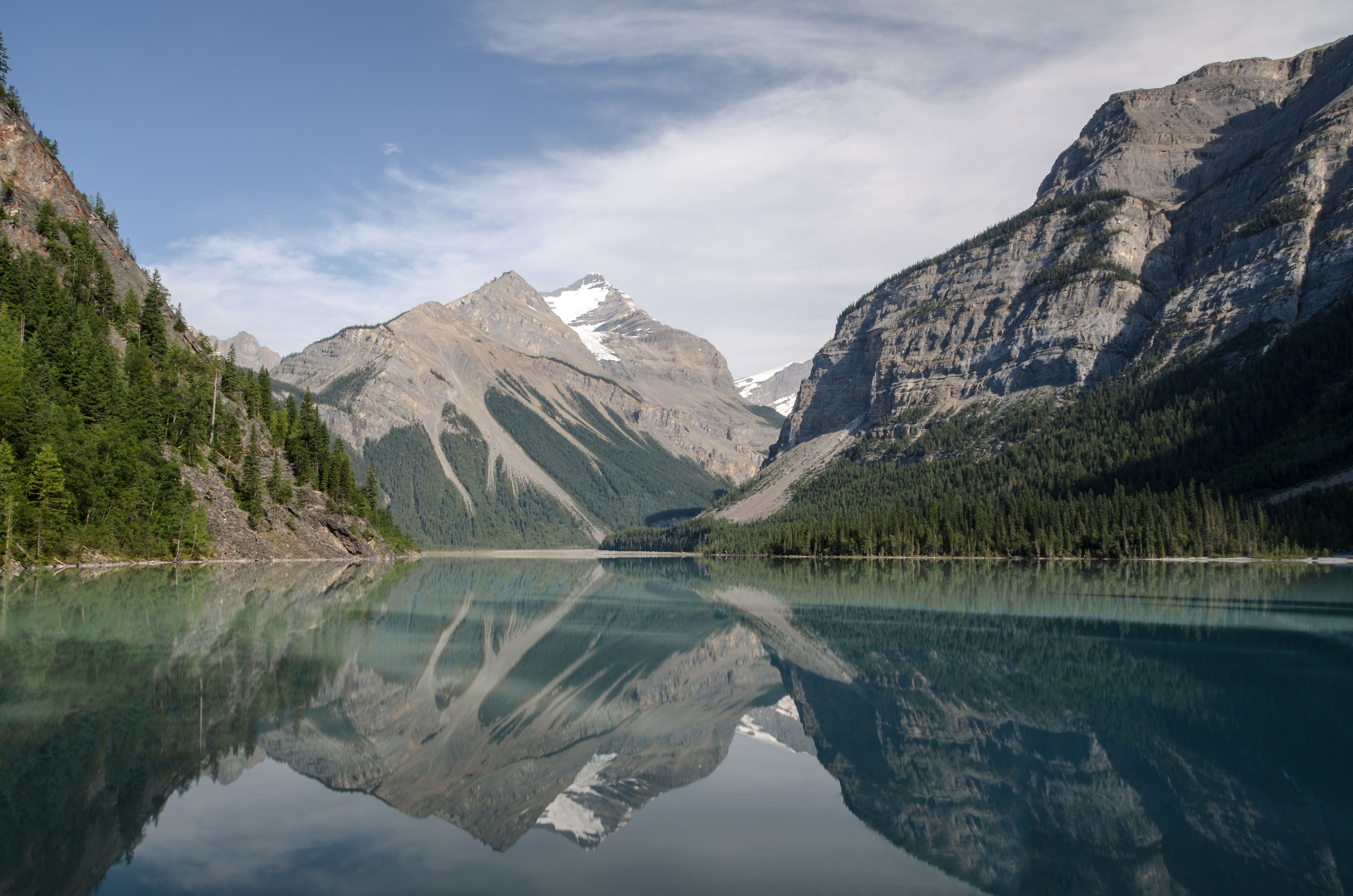
Warming trends tilt the balance by turbocharging evaporation and shifting the timing of snowmelt, which can make seasonal lakes peak earlier and retreat faster. In some basins, heavier downpours may briefly overwhelm underground drains more often, producing flashier highs that don’t last. Land use matters as well: paving and ditching speed runoff, while reforestation and wet-meadow restoration slow it down. Engineers and ecologists are experimenting with gentle fixes – reopening blocked swallow holes where sediment has choked them, or adding roughness to inflow channels to stretch the hydrograph. The best solutions work with the geology rather than against it, letting the subterranean plumbing set the tempo.
New tools on the horizon include constellations of small satellites that revisit the same lake every few days and AI models trained to anticipate level swings from weather forecasts. Low-cost cave sensors can text an alert when pressure spikes, signaling a flood underground before it reaches the surface. Together, these give managers a heads-up early enough to protect trails, safeguard nests, or shift grazing plans. The goal isn’t to freeze a lake in place, but to keep the seasonal dance intact.
What You Can Do Now
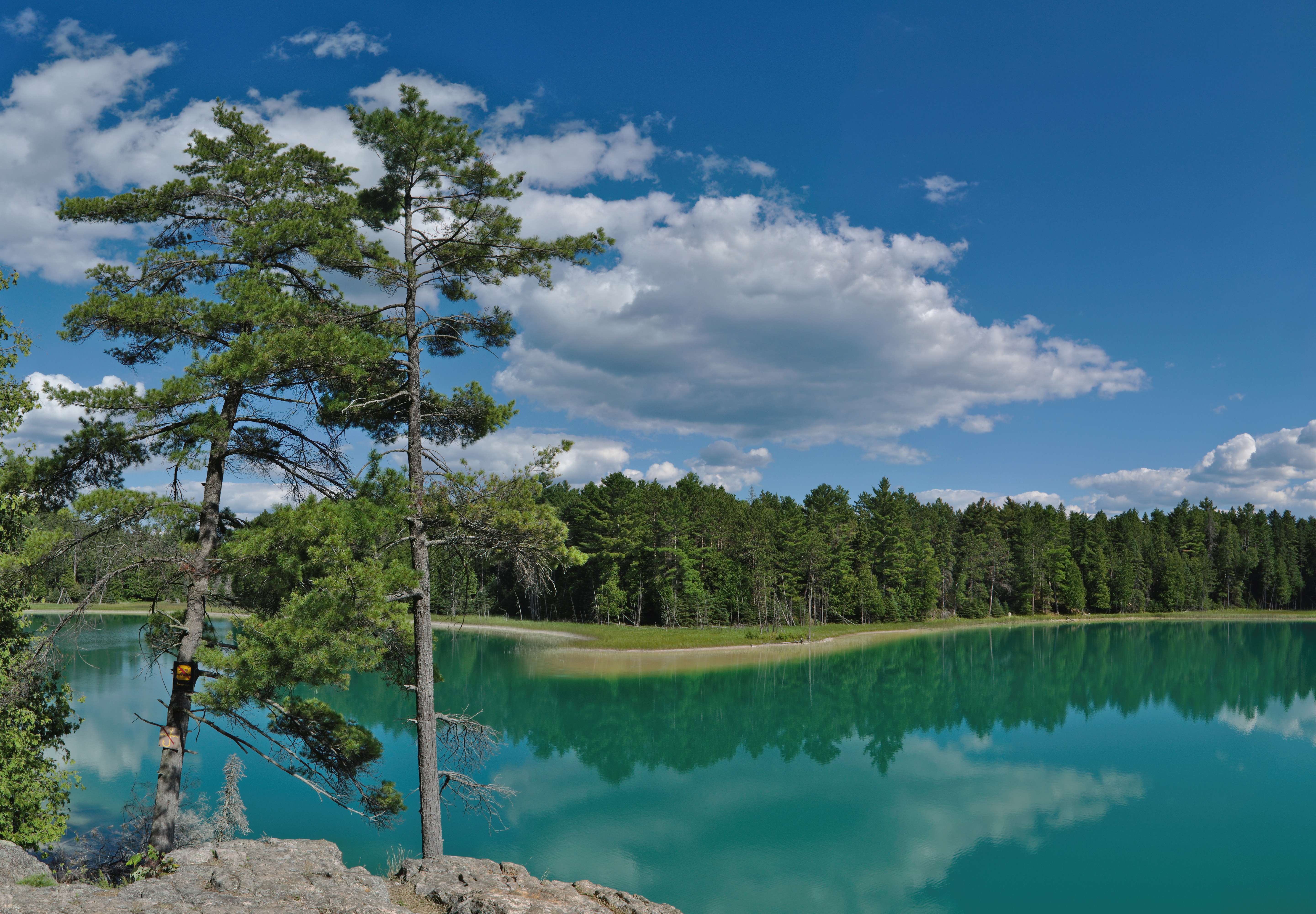
Start local: if you live near a seasonal lake, join counts for birds or amphibians that track how habitat shifts as water comes and goes. Volunteer days often focus on removing invasive plants that spread on exposed beds and explode when the water returns. If field time isn’t possible, community science apps welcome shoreline photos that time-stamp the rise and fall. Those images become valuable records when stitched together across years. Small habits add up, and data gathered by many eyes makes predictions stronger.
Support policies that keep headwaters permeable – things like protecting karst recharge zones from contamination and limiting hard surfaces that speed runoff. Ask land managers how they’re monitoring groundwater, not just stream levels, and encourage them to publish the results. When travel takes you to places like Lake Cerknica or Irish turlough country, choose guides and parks that invest in restoration and research. Curiosity is a form of care, and seasonal lakes reward it with a front-row seat to Earth’s quiet hydraulics.
Suhail Ahmed is a passionate digital professional and nature enthusiast with over 8 years of experience in content strategy, SEO, web development, and digital operations. Alongside his freelance journey, Suhail actively contributes to nature and wildlife platforms like Discover Wildlife, where he channels his curiosity for the planet into engaging, educational storytelling.
With a strong background in managing digital ecosystems — from ecommerce stores and WordPress websites to social media and automation — Suhail merges technical precision with creative insight. His content reflects a rare balance: SEO-friendly yet deeply human, data-informed yet emotionally resonant.
Driven by a love for discovery and storytelling, Suhail believes in using digital platforms to amplify causes that matter — especially those protecting Earth’s biodiversity and inspiring sustainable living. Whether he’s managing online projects or crafting wildlife content, his goal remains the same: to inform, inspire, and leave a positive digital footprint.


