
You’ve probably imagined lakes as steady features of our landscape, maintaining their familiar blue hues throughout the year. Yet countless bodies of water across our planet transform dramatically with the seasons, shifting from crystalline blue to emerald green, rusty brown, or even vibrant red. These spectacular color changes aren’t magical tricks but fascinating examples of natural chemistry at work.
Lakes can change color depending on the season due to variations in water temperature, which affect the growth of algae and phytoplankton, responsible for different hues. Throughout a year the lake color will change depending on whether recent rains have washed in sediment or depending on the presence or absence of algae. From microscopic organisms responding to warming waters to mineral particles stirred by seasonal storms, every element plays a role in this natural spectacle. Let’s dive into the remarkable science behind nature’s most colorful water shows.
The Science Behind Water’s Natural Palette
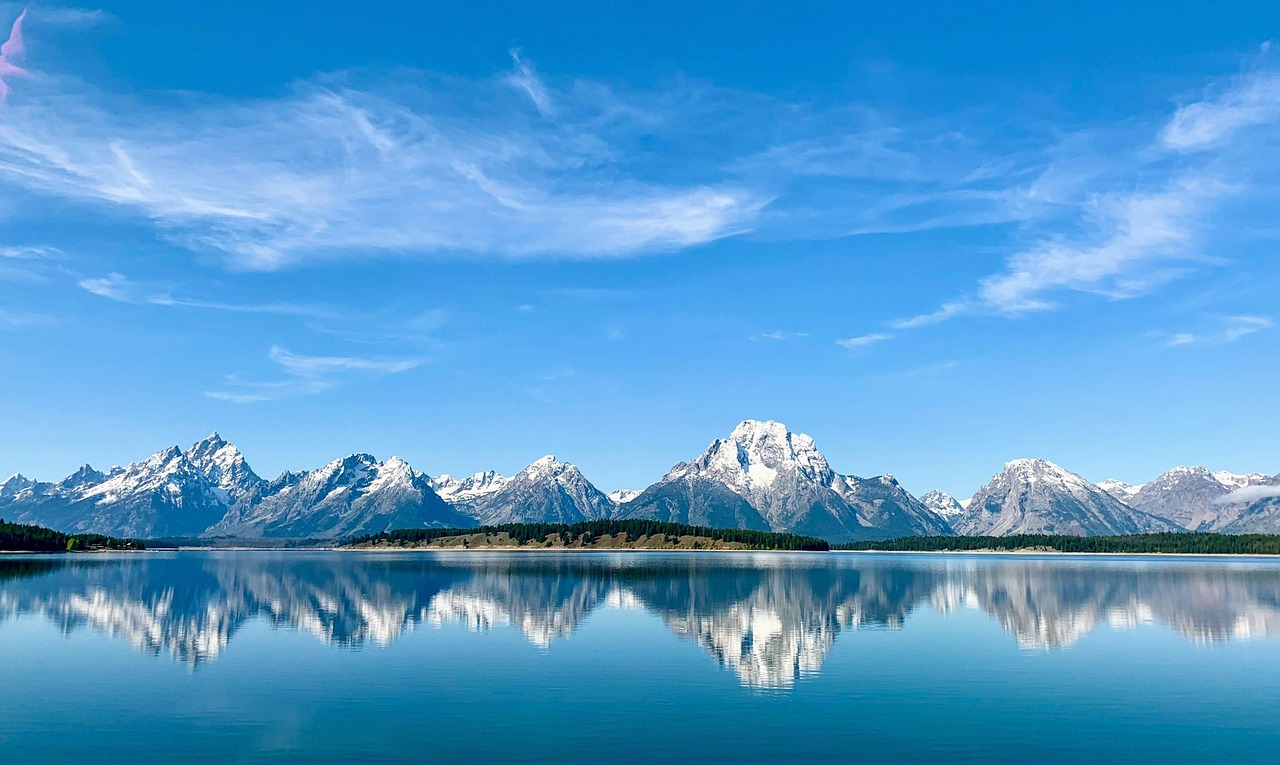
Water’s color can tell us a lot about what’s in it. As an engineer who studies water resources, I use color to help understand pollution levels in lakes, rivers, and beaches. Understanding what creates different lake colors starts with recognizing how light interacts with water itself. Pure water is very weakly blue because it absorbs light in the red wavelength. The energy of the light is converted into vibrational energy in the Oxygen-Hydrogen bond of the water molecule itself according to researchers at Dartmouth.
The depth of water plays a crucial role in the colors you observe. Red light is absorbed much more rapidly as it passes through water, with significant absorption occurring within the first few meters. Therefore, if there’s not enough water, the color won’t show, and a mere handful seems clear. Cleaner, more pure water backscatters light in the blue range, which makes it look blue. One famous example is Crater Lake in Oregon, which lies in a volcanic crater and is fed by rain and snow, without any streams to carry sediment into it.
However, the story becomes more complex when other substances enter the picture. The color of a lake mainly depends on the elements present in its water and how it reflects light. Pure water absorbs red and lets blue pass through, which often gives a beautiful bluish tint to very clear waters. Think of it like looking through colored glass – the more material in the water, the more it affects what colors you see reflected back at you.
Spring’s Green Awakening
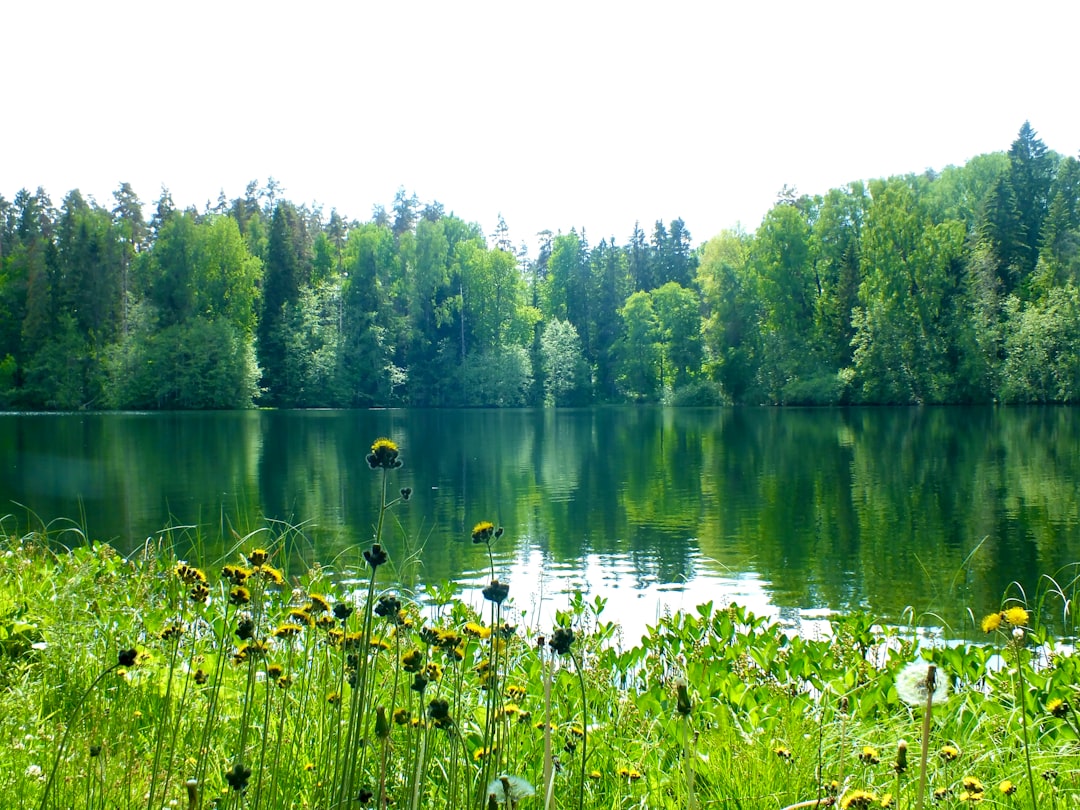
When spring arrives, you’ll witness one of nature’s most dramatic color transformations. In many lakes, rapid algal growth in the spring months produces a green color. However, this period is usually followed by a clear water phase (i.e., blue water lake) as zooplankton emerge and consume algae. The warming temperatures and increasing daylight hours trigger what scientists call the spring bloom, where dormant algae and phytoplankton suddenly burst into activity.
The following spring, with gradual warming, the explosion of life in the water returns: algae proliferate again and give the water that characteristic greenish tint when their population rapidly increases. This seasonal shift happens because microscopic plant life requires specific conditions to thrive. Finally, the presence of phytoplankton, these microscopic plant organisms, causes the color to vary depending on their quantity, ranging from bright blue-green to an uninviting khaki green. The amount of light and temperature clearly vary with each season. In summer, longer and warmer days boost the growth of phytoplankton – those small floating organisms at the base of aquatic food chains.
Spring greening lakes shift from blue to green in spring. It’s fascinating how quickly these changes can occur – sometimes within just a few weeks, entire lakes transform from their winter blue to vibrant spring green. The process resembles watching a giant natural mood ring respond to environmental changes. Sometimes lakes are exceptionally clear in the spring, due to huge populations of ravenous zooplankton feasting on algae.
Summer’s Intensifying Hues
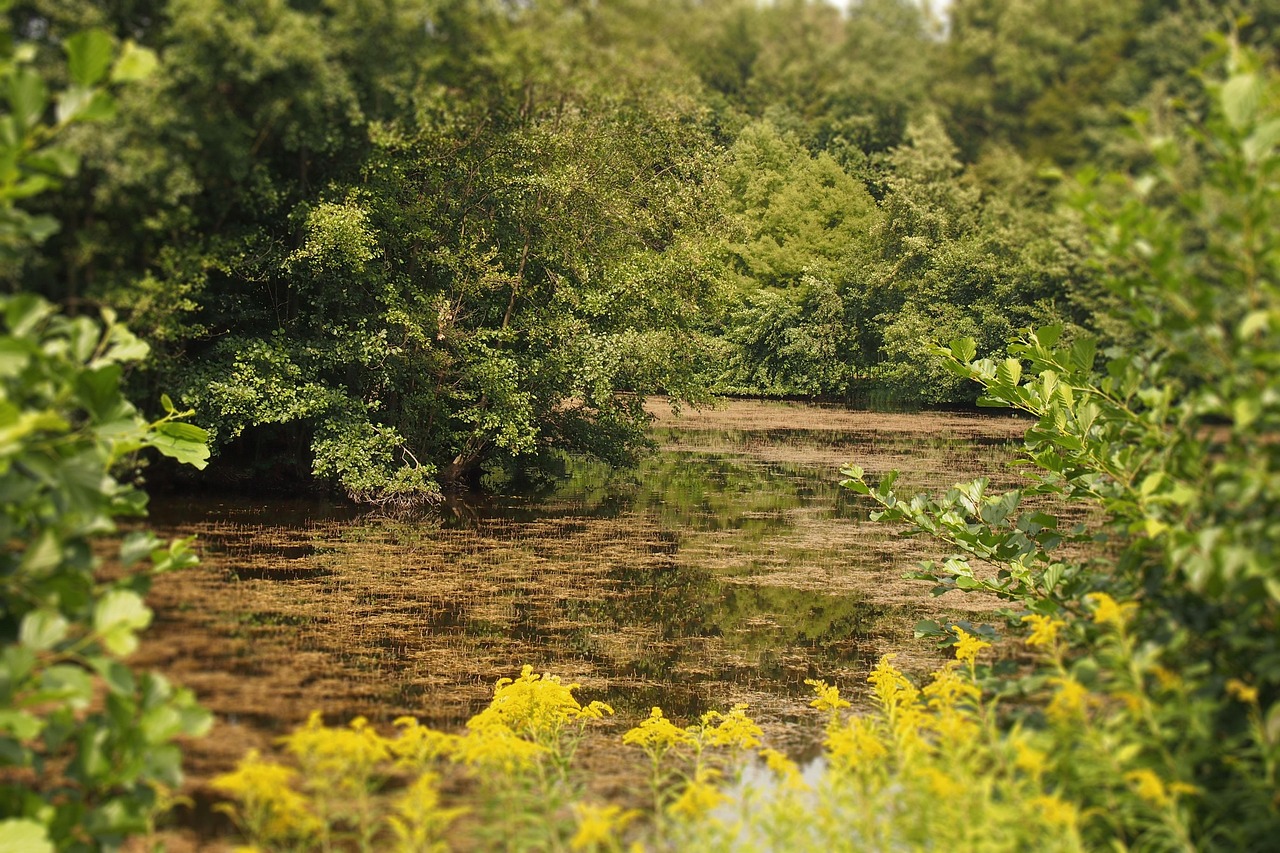
Summer brings the most intense and sustained color changes as biological activity reaches its peak. When they proliferate strongly, these organisms give the lake a greenish or bluish appearance, clearly visible during the summer period. Summer greening lakes shift greener from spring through summer. The combination of warm temperatures, extended daylight hours, and abundant nutrients creates perfect conditions for algae to flourish.
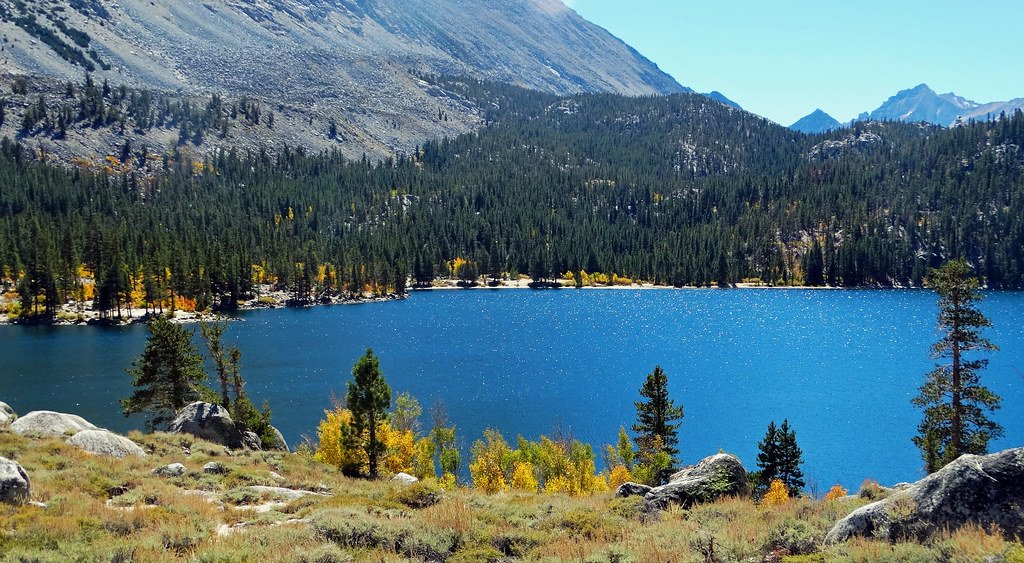
Often, lakes are ‘greener’ in the summer when algae growth is at its highest. You might notice that different parts of the same lake show varying shades of green during summer months. This happens because factors like water depth, nutrient concentration, and sunlight exposure create microenvironments that support different types and amounts of algae. When water contains a lot of plant material, chlorophyll – a pigment plants make in their leaves – will absorb blue light and backscatter green light. This often happens in water bodies that receive a lot of runoff from highly developed areas, such as Lake Okeechobee in Florida. The runoff contains fertilizer from farms and lawns, which is made of nutrients that cause plant growth in the water.
Interestingly, summer also brings unique opportunities for color variation. In addition, sunlight can bleach organic matter in the same way that materials left outside for too long become bleached and faded. The bleaching typically follows day length and lakes can be most transparent (e.g. most blue in color) when the most bleaching occurs around the summer solstice. This natural bleaching process can create stunning moments when lakes appear unusually clear and blue even during peak summer months.
Autumn’s Shifting Spectrum
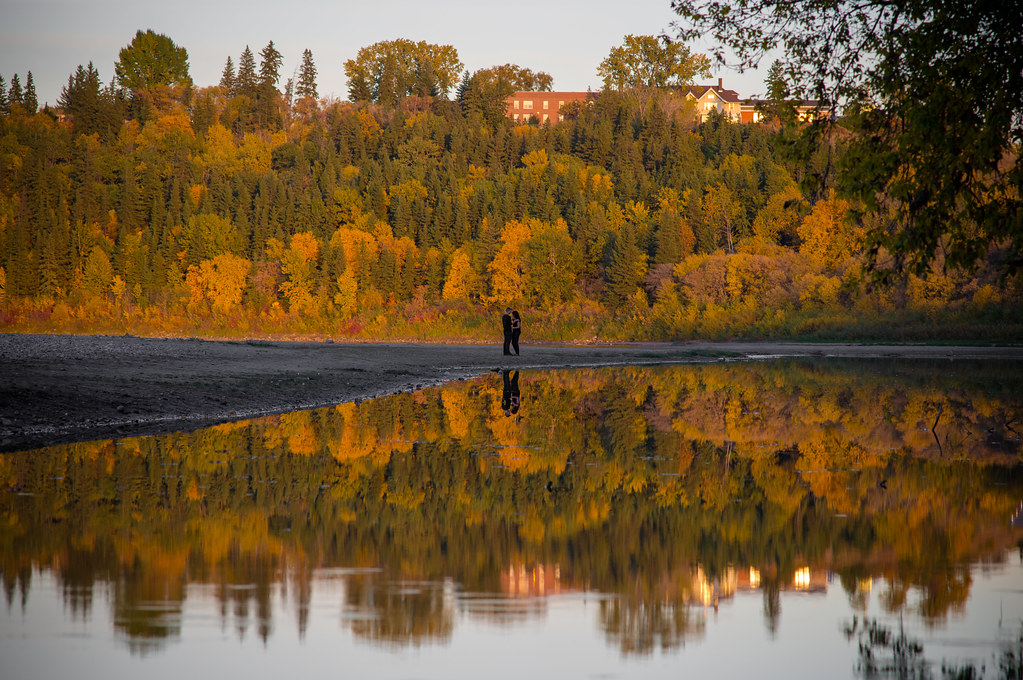
As autumn approaches, you’ll observe a gradual but noticeable shift in lake colors. Then, as autumn approaches, with shorter and cooler days, many algae and phytoplankton die off or decrease significantly. The result: less bright green color, and the water becomes clearer again or takes on darker hues. The declining temperatures and reduced sunlight hours signal the end of the growing season for most aquatic plant life, creating dramatic changes in water appearance.
Bimodal lakes shift greener in the spring, then get a little bluer in summer, and then shift to green again in autumn. This pattern reflects the complex ecological cycles that govern lake ecosystems throughout the year. You might wonder why some lakes experience this double green phase while others follow simpler patterns – it depends on the specific species of algae present and the lake’s unique environmental conditions.
Autumn also brings increased rainfall in many regions, which affects lake colors in unexpected ways. For example, heavy rain events are known to wash organic substances into the water where they dissolve and act as a dye; seasonal algae blooms can result in such high concentrations of algae that the water becomes tinted with the coloration of the algal cells; or wind events may stir up fine particles off the bottom, re-suspending them into the water column. These seasonal runoff events can temporarily transform a lake’s color within hours of a major storm.
Winter’s Crystal Clear Transformation
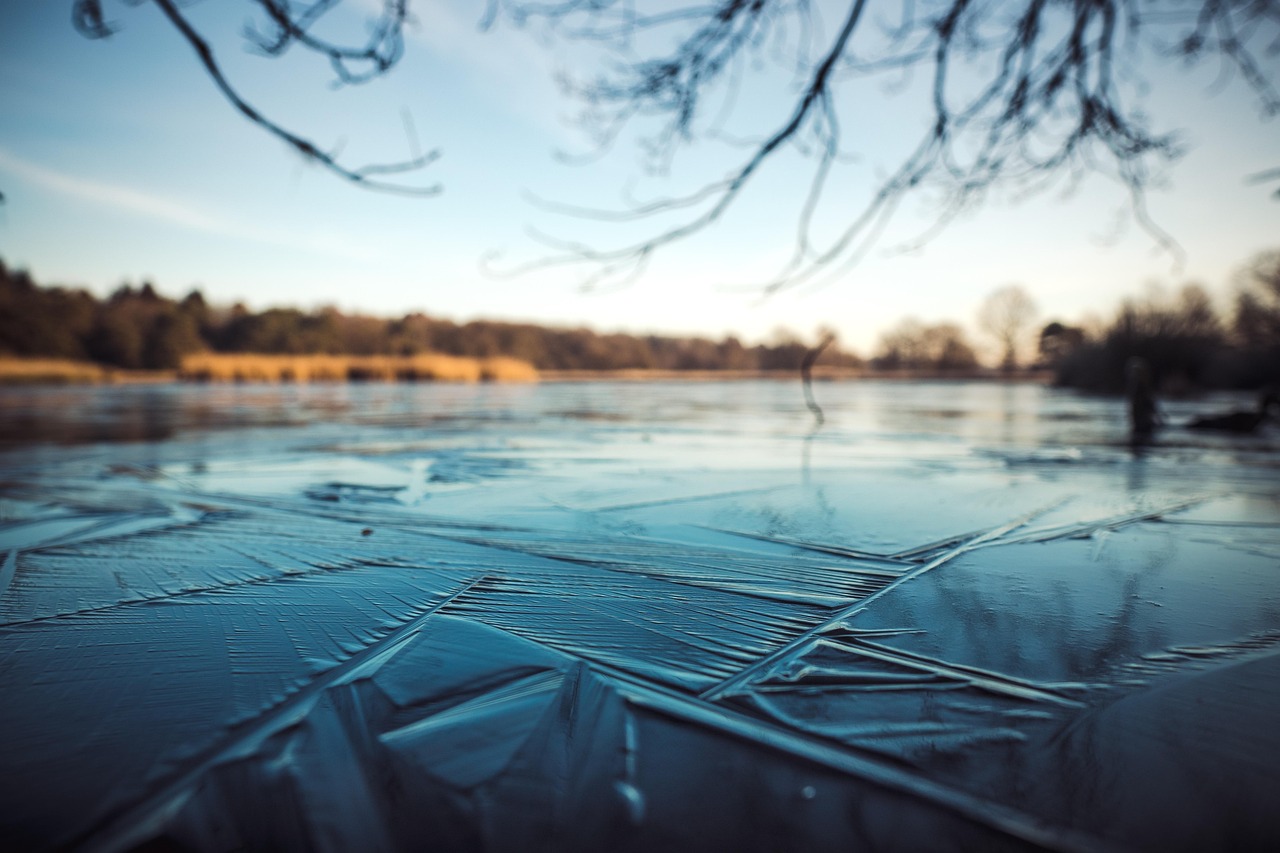
Winter brings perhaps the most dramatic color transformation as biological activity slows to a near standstill. The cold temperatures effectively shut down most algae growth, allowing lakes to return to their clearest, most natural blue state. However, this period is usually followed by a clear water phase (i.e., blue water lake) as zooplankton emerge and consume algae. The length of clear water phases can vary and is determined by the ecological interactions among aquatic organisms.
In regions where lakes freeze over, the ice cover creates unique conditions that affect water color even after the thaw. The ice acts as a protective barrier, preventing wind from stirring up sediments and limiting the exchange of gases and nutrients. When spring arrives, these lakes often display exceptionally clear blue water before the seasonal algae bloom begins. Blue lakes, which account for less than one-third of the world’s lakes, tend to be deeper and are found in cool, high-latitude regions with high precipitation and winter ice cover.
Some high-altitude and northern lakes maintain their blue color year-round due to consistently cold temperatures. Crater Lake is blue year-round because it is so clear. It’s what scientists call “ultraoligotrophic.” That means there are not a lot of nutrients in the lake to support things like algae. There are no streams or rivers to bring nutrients and sediments into the lake. Other ultraoligotrophic lakes include Clear Lake and Waldo Lake in Oregon, and Lake Tahoe in California.
The Chemistry of Color Change
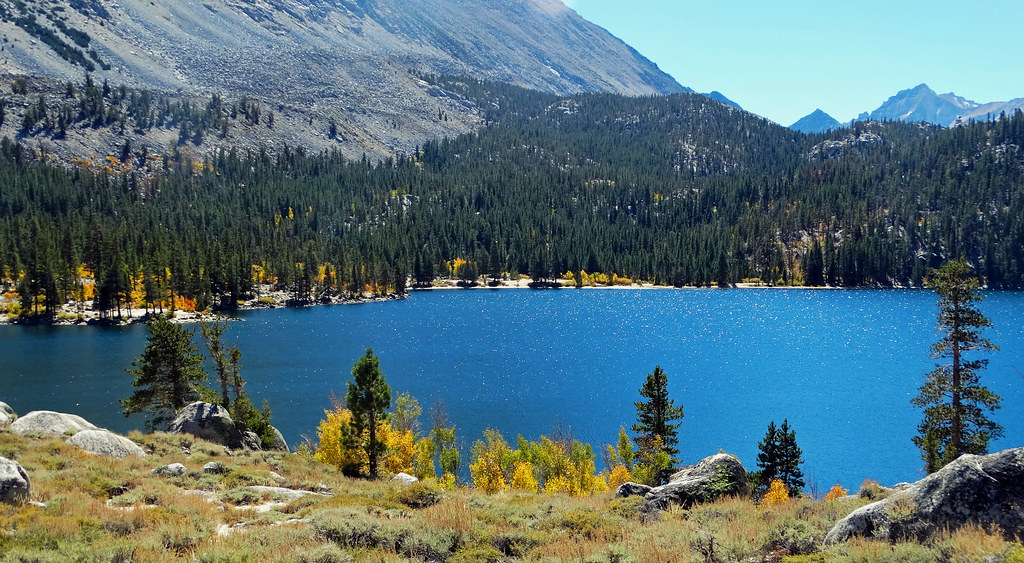
The molecular processes driving seasonal lake color changes involve complex interactions between light, water, and dissolved substances. Depending on the properties of the particles in our water sample, they will absorb and scatter radiation at different wavelengths. The light’s wavelength determines the color we see with our eyes. Understanding this process helps explain why different lakes can display such varied color palettes throughout the seasons.
Blue wavelengths are preferentially reflected from within the water column as well. When light waves move through a medium, air or water, they can run into particles that are smaller than the length of the wave. When this happens, blue light, with its shorter wavelength, is scattered more than red light. Therefore, it seems to be coming from every area of the water. The same phenomena (called Rayleigh scattering) is responsible for blue being the predominant color of the sky. This explains why even lakes with some particles can still appear blue under certain conditions.
Different types of dissolved organic matter create distinct color signatures. Finally, some water contains a lot of material called color-dissolved organic matter – often from decomposing organisms and plants, and also human or animal waste. This can happen in forested areas with lots of animal life, or in heavily populated areas that release wastewater into streams and rivers. This material mostly absorbs radiation and backscatters very little light across the spectrum, so it makes the water look very dark. You can think of this like tea steeping in water – the longer organic matter remains dissolved, the darker the water becomes.
Famous Color-Changing Lakes Around the World
For example, Figure 1 shows seasonal lake color for three well-known US lakes: 1) Oregon’s Crater Lake is consistently blue, and shows no seasonal pattern, 2) Wisconsin’s Lake Mendota shows a seasonal pattern of ‘greening’ in the summer, and 3) Florida’s Lake Okeechobee has browner water and, in the last 12 years (2008-2020), has shown less seasonal change than it historically did. These examples demonstrate how geography, climate, and human activity influence seasonal color patterns in different ways.
The turquoise blue of the lakes in Glacier National Park are caused by ground up bits of rock and sediment referred to as “glacial flour”. The movement of the nearby glaciers erodes the bedrock providing a continuous source of “flour” to the lakes. The very small particles become suspended in the water column and the water can sometimes even seem milky. Additional scattering caused by glacial flour shifts the spectrum of light toward green, yielding the more turquoise color. These glacial lakes showcase how geological processes can create stunning year-round color displays.
Carotenoid red pigments secreted by Halobacteria and algae called Dunaliella salina give them their color. While most of Australia’s pink lakes are seasonally dependent, Lake Hillier in Western Australia stays pink all year round. Lake Retba in Senegal gets its rosy hue from a protective beta carotene produced by the algae living within its waters. The organisms produce this pigment as a form of protection from the harsh salty conditions of the lake. But during rainy season, the freshly diluted water is no longer considered harsh, and the algae stop producing the brilliant red pigment. These examples show how extreme environments can create seasonal color changes beyond the typical blue-green spectrum.
Climate Change and Future Color Patterns
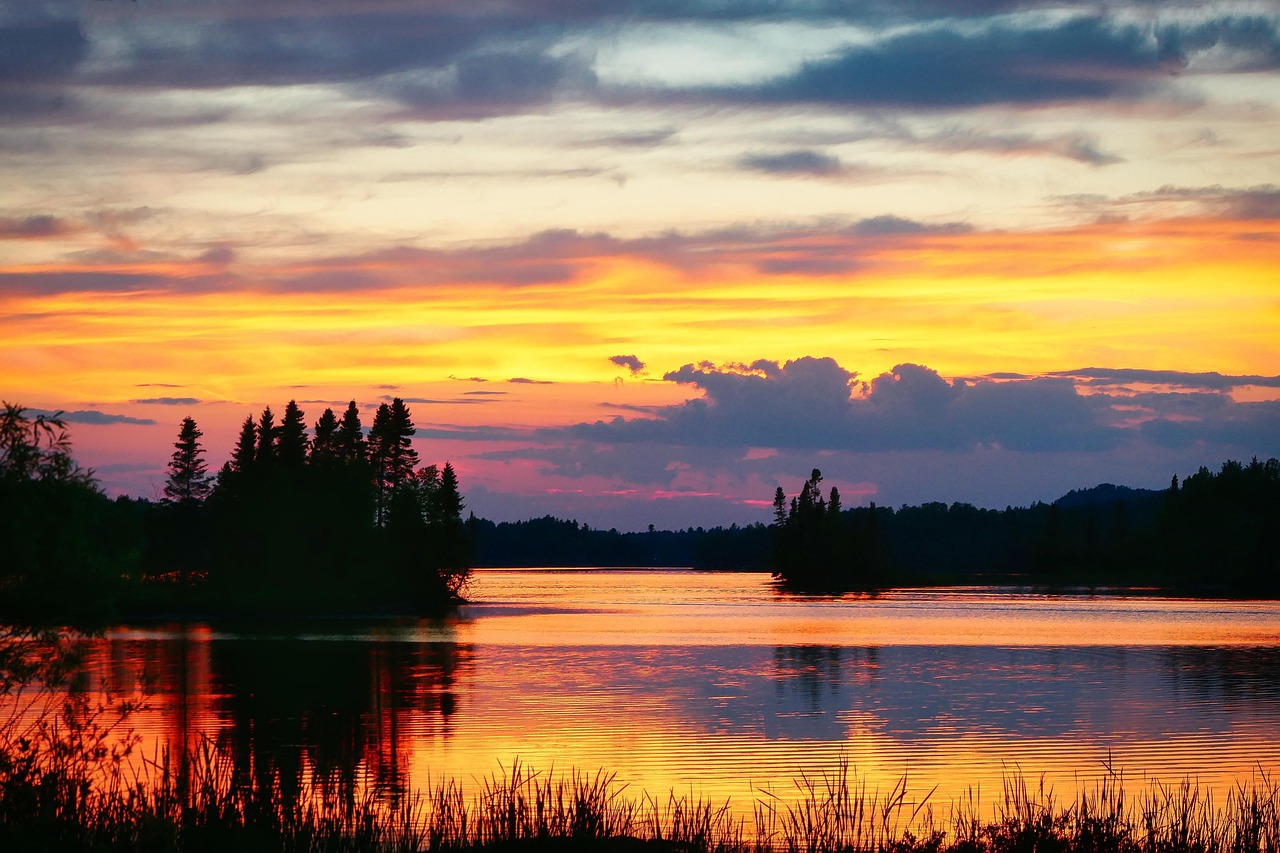
Recent research reveals concerning trends in how climate change is affecting seasonal lake color patterns globally. Many lakes and ponds are changing colors – from pleasant blue or clear to murky brown or green, caused by runoff of nutrients and carbon, coupled with warmer temperatures. Scientists and water managers are working to predict conditions that create color changes and algal blooms, but that’s easier said than done. The study finds climate change may decrease the percentage of blue lakes, many of which are found in the Rocky Mountains, northeastern Canada, northern Europe and New Zealand. “Warmer water, which produces more algal blooms, will tend to shift lakes towards green colors,” said Catherine O’Reilly, an aquatic ecologist at Illinois State University and author of the new study.
The implications extend far beyond aesthetics. If you’re using lakes for fisheries or sustenance or water drinking water, changes in water quality that are likely happening when lakes become greener are probably going to mean it’s going to be more expensive to treat that water. There might be periods where the water isn’t usable, and fish species might no longer be present, so we’re not going to get the same ecosystem services essentially from these changing lakes. Lake color changes are caused, in part, by the abundance or lack of green algae in lakes. Changes in lake temperature and influxes of nutrients that affect algae growth are governed by freeze and thaw dates, surrounding land use, and surface runoff which, in turn, are intimately tied to a changing climate.
However, some regions show unexpected resilience. A survey of satellite data over 26,000 U.S. lakes found that lakes in the Pacific Northwest are staying true to the color blue, while lakes in other regions of the United States are turning more green. “But in the Pacific Northwest, we see the opposite,” Topp said. Before 2008, many lakes in the Northwest turned green in early spring. But now “we see lakes where there is a consistent seasonal color: blue throughout the summer months.” This regional variation demonstrates that climate change effects on lake colors aren’t uniform across all locations.
The Deeper Meaning of Seasonal Color Changes
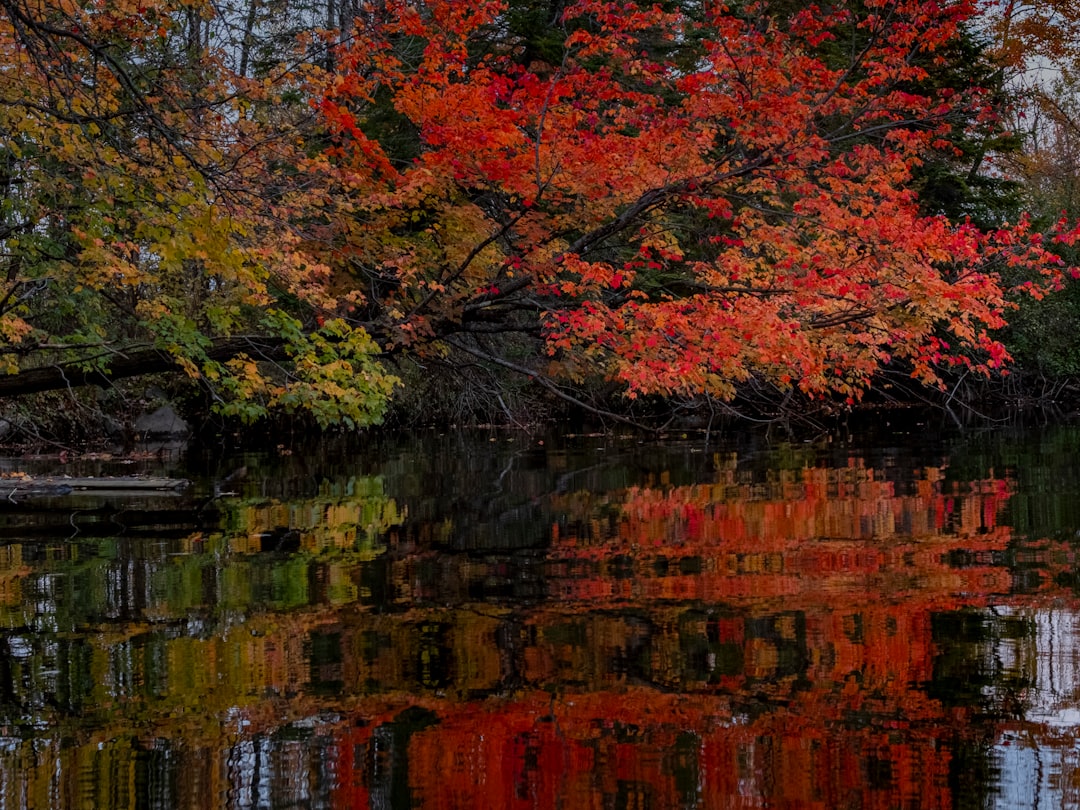
The seasonal transformation of lake colors serves as a visible indicator of ecosystem health and environmental balance. Lake color can tell you many things about the water body, like nutrient load, algal growth, and water quality. Lake color can tell you many things about the water body (e.g., including nutrient load, algal growth, and water quality) and also about the surrounding landscape. Coloured Lakes are more than just a visual marvel – they can be indicators of a lakes health. For example: Clear blue lakes usually indicate low nutrient levels and healthy aquatic life. Green or murky lakes can be signs of algal blooms caused by nutrient pollution (eutrophication).
Usually, a seasonal color change related to weather, temperature, or aquatic flora is temporary and will return to normal over the seasons. However, a lasting alteration in color may signal ecological imbalances or the arrival of invasive species that modify the aquatic environment in the long term. You should pay attention to lakes that deviate from their normal seasonal patterns, as these changes might indicate environmental stress or pollution. Monitoring the changing colours of lakes is important for environmental scientists to track the health of ecosystems and the impact of climate change.
Traditional knowledge has long recognized these patterns. Some indigenous cultures traditionally use the seasonal color of lakes as a reliable natural indicator to determine optimal fishing periods or to anticipate upcoming weather conditions. This demonstrates that observing seasonal color changes isn’t just a modern scientific pursuit but has been important to human communities for generations. Additionally, changes to water color may have recreational and cultural implications in locations such as Sweden and Finland where lakes are culturally prevalent, O’Reilly said. As warming continues, lakes in northern Europe will likely lose their winter ice cover, which could affect winter and cultural activities. “Nobody wants to go swim in a green lake,” said O’Reilly, “so aesthetically, some of the lakes that we might have always thought of as a refuge or spiritual places, those places might be disappearing as the color changes.”
Conclusion
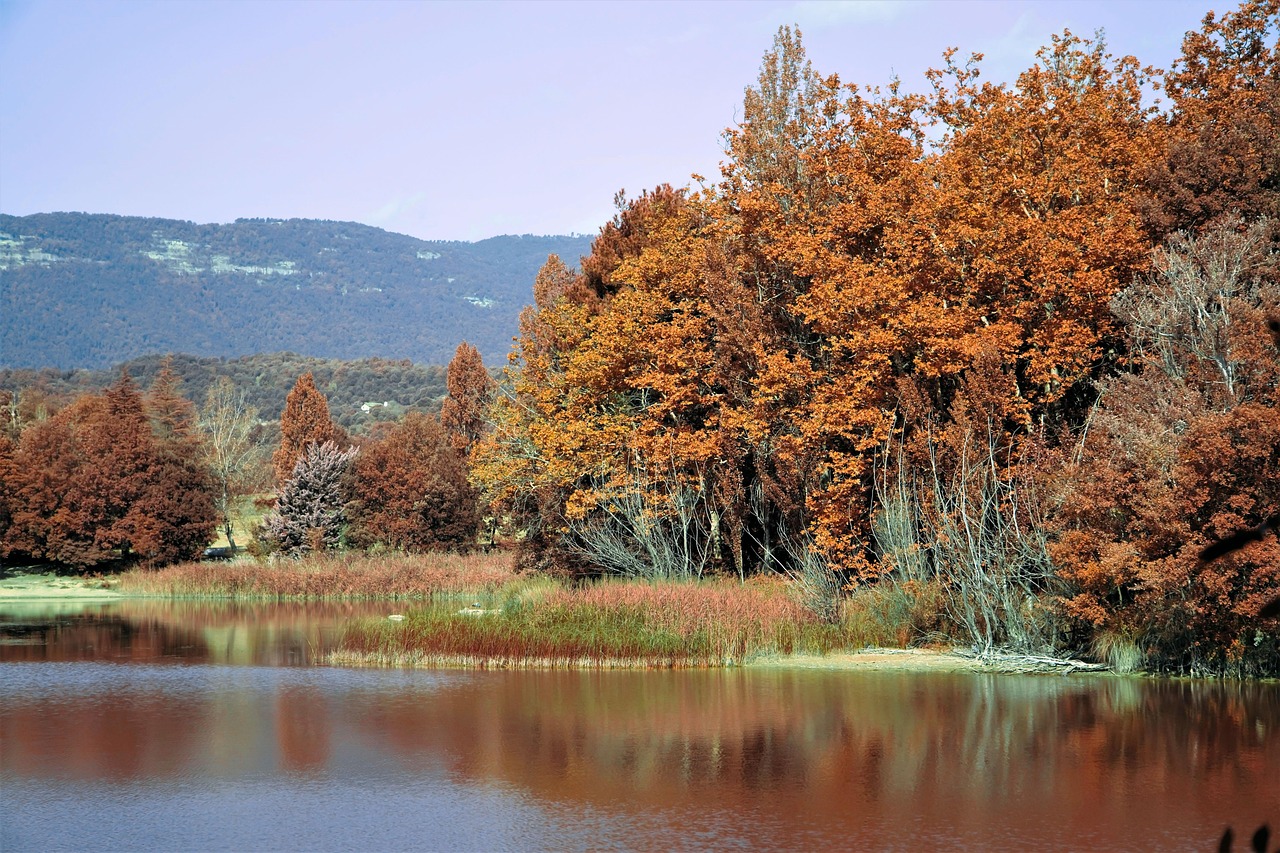
The seasonal color changes in lakes represent one of nature’s most accessible demonstrations of ecological processes at work. In short, though water has a color, the lake’s color is ever varied. Throughout a year the lake color will change depending on whether recent rains have washed in sediment or depending on the presence or absence of algae. Within a moment, the wind can ripple the shore of the lake affecting the amount of blue reflected. The simple movement of the observer up or down in elevation or the sun up or down in the sky will change the reflections of the lake.
From spring’s vibrant green blooms to winter’s crystal-clear blues, these transformations tell stories of temperature shifts, nutrient cycles, and the delicate balance between microscopic life and environmental conditions. As climate change continues to alter these patterns globally, understanding and appreciating these natural color shows becomes increasingly important for both scientific monitoring and cultural preservation. The next time you visit a lake throughout different seasons, you’ll witness not just changing colors, but a visual representation of an entire ecosystem responding to the rhythm of our planet.
What aspects of seasonal lake color changes surprised you the most? Share your observations in the comments below.
Hi, I’m Andrew, and I come from India. Experienced content specialist with a passion for writing. My forte includes health and wellness, Travel, Animals, and Nature. A nature nomad, I am obsessed with mountains and love high-altitude trekking. I have been on several Himalayan treks in India including the Everest Base Camp in Nepal, a profound experience.