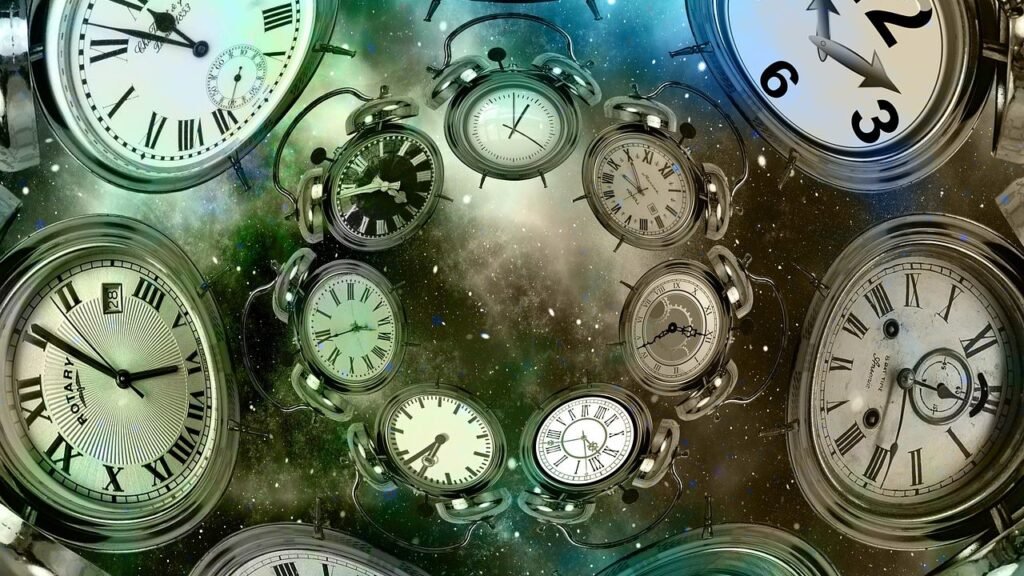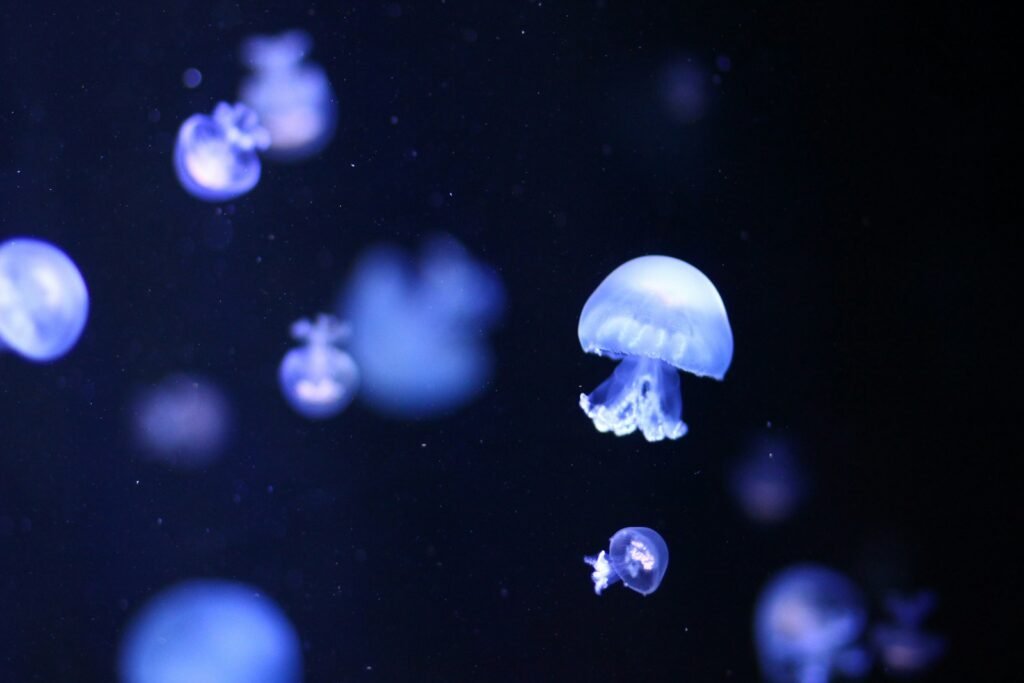

It sounds like a fable told by sailors after midnight: a tiny slips out of old age and becomes young again. But the story is real, and scientists have been following its clues to rethink how bodies age and repair themselves. At the center is a creature smaller than a thumbnail that dodges death not with bravado, but with biology. Its trick is pushing cells to become something new, then starting life over. That quiet revolution at sea is reshaping what we know about cellular regeneration – and about our own future.
The Hidden Clues
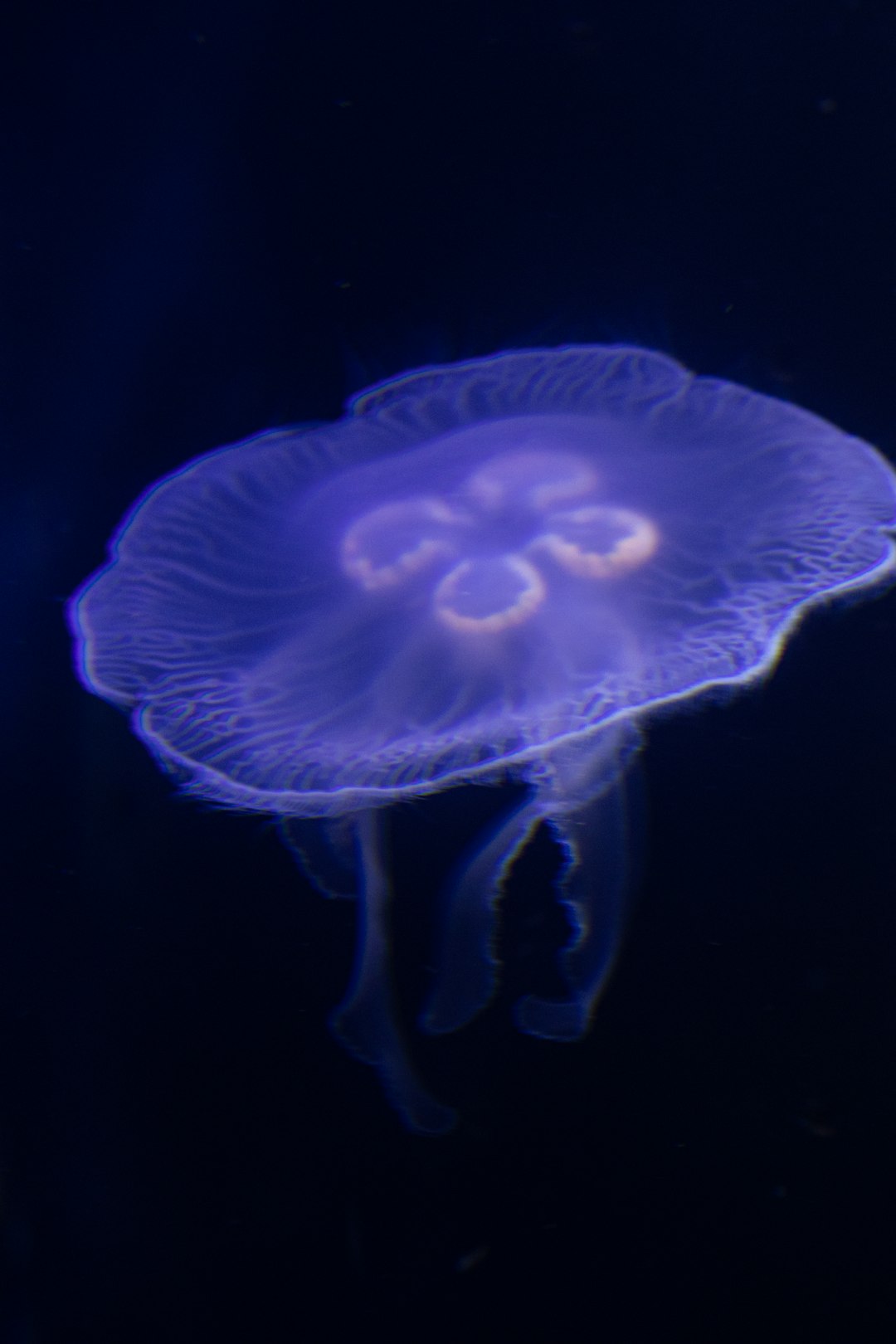
Here’s the jolt: somewhere in warm and temperate oceans, a stressed adult jellyfish can essentially rewind its life. Instead of withering, it collapses into a cellular do-over and rebuilds as a juvenile polyp. That defiance of the usual life arc – grow, reproduce, decline – is more than a marine curiosity; it’s a living case study in biological resilience.
Scientists don’t call it immortality in the superhero sense, because predation, disease, and bad luck still win. Yet the underlying reset, repeating across generations, begs a big question: if one animal can sidestep aging’s script, what hidden levers exist inside our own cells?
Meet the Jellyfish That Rewinds Time
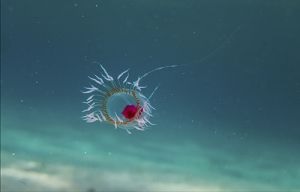
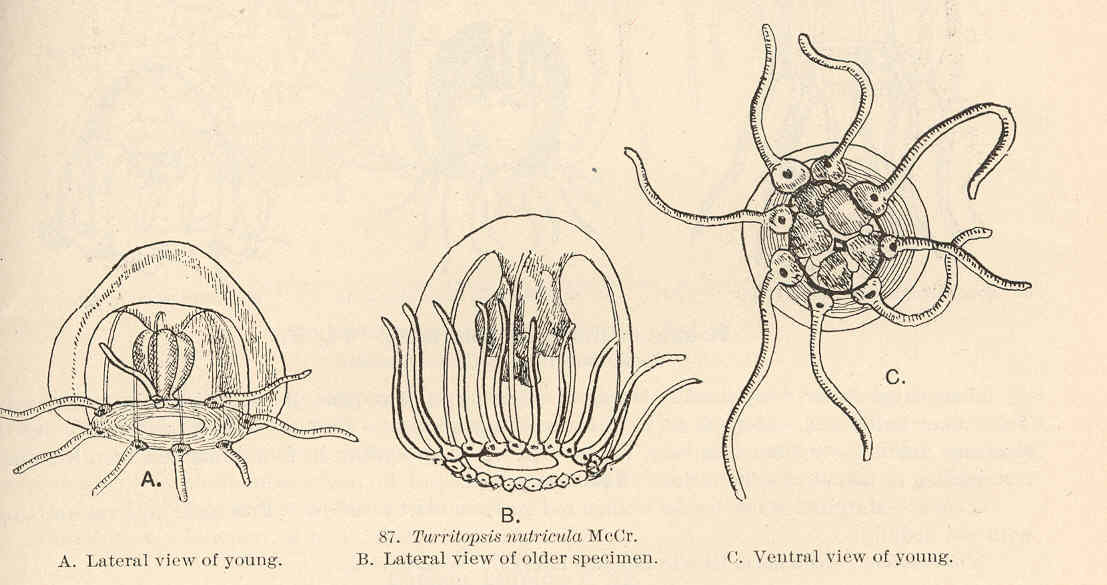
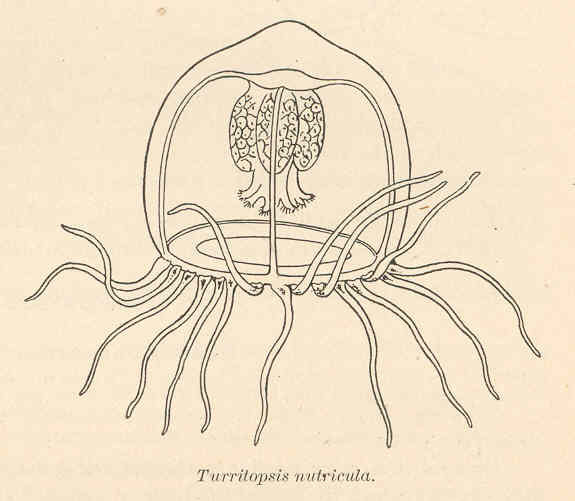
The species is Turritopsis dohrnii, a delicate hydrozoan with a clear bell and fine, hairlike tentacles. Its normal life looms familiar for jellyfish: larva to polyp, polyp to medusa, adulthood to senescence. Under starvation, injury, or other stress, the adult takes a detour, shrinking into a blob-like stage and settling onto a surface.
From there, cells reorganize, and a new polyp sprouts, capable of budding more medusae later on. Think of it like a city disassembling into bricks overnight, then reappearing as a village by morning – same materials, new plan.
Cellular Alchemy: Transdifferentiation Explained
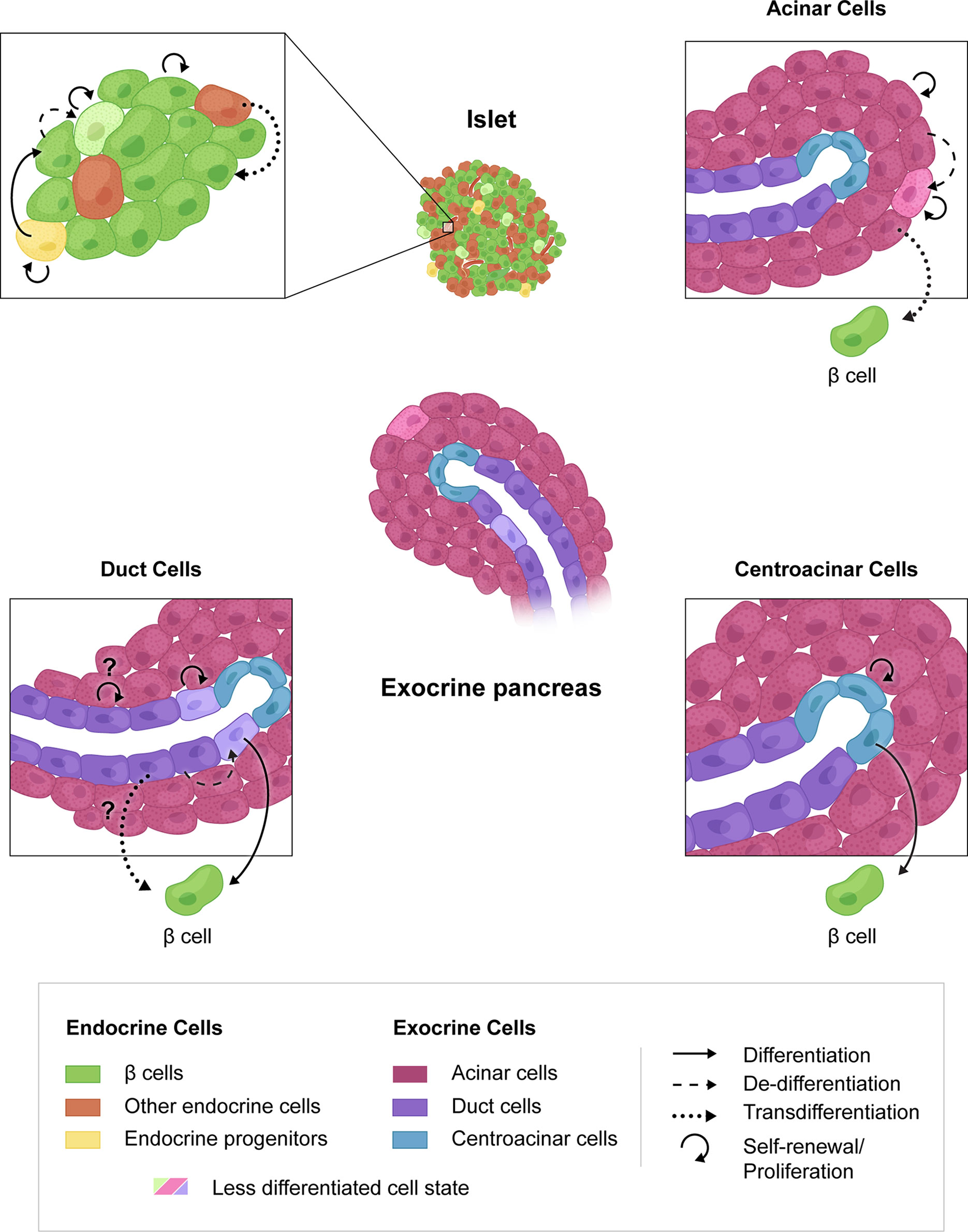
The jellyfish’s power hinges on transdifferentiation: mature cells switching identities without first going back to a full stem-cell state. Muscle-like cells can become nerve-like cells; structural cells can adopt secretory roles. Genes flip, epigenetic marks reconfigure, and the tissue map is redrawn.
In human biology, we usually coax cells with careful lab recipes to revert to a youthful, pluripotent stage before redirecting them. Turritopsis shows a shorter route, as if skipping a highway exit and taking a nimble side street. That suggests nature keeps spare keys to cellular identity tucked in more places than we assumed.
From Ancient Tools to Modern Science
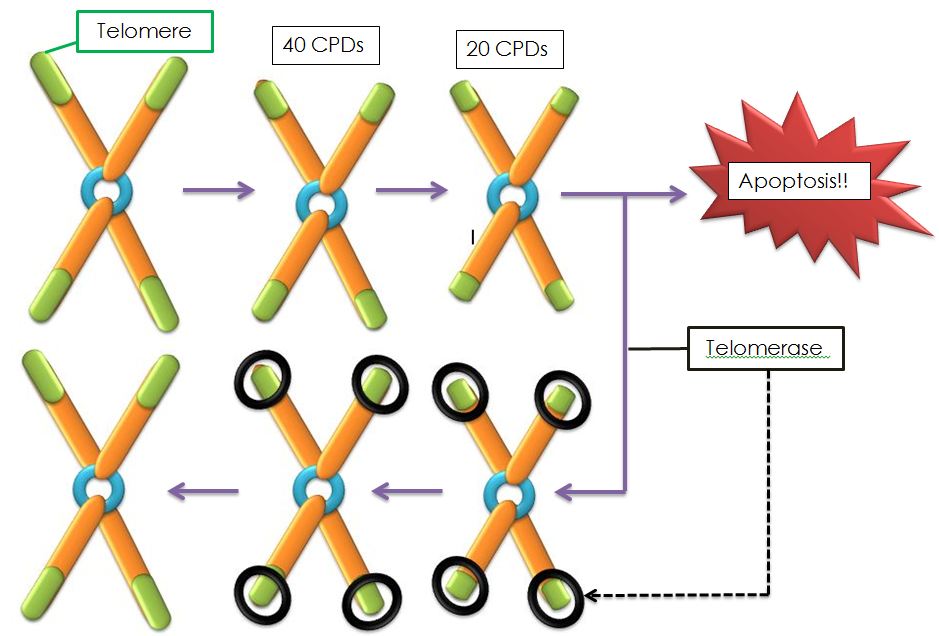
Humans have chased longevity stories for centuries, but the modern chapter started with concrete biology: telomeres that fray, cells that stop dividing, proteins that misfold. Then came the insight that age isn’t just time; it’s information – chemical notes layered onto DNA, signals that steer cells toward repair or decline. As new imaging and single-cell sequencing matured, researchers could watch those notes being written and erased in real time.
CRISPR, lineage tracing, and multi-omics now let labs test what happens if you nudge one pathway in one cell type at one moment. The jellyfish becomes less a myth and more a model: a guide to where the control knobs might be hiding in our own tissues.
The Other Immortals: Hydra, Planaria, and Company
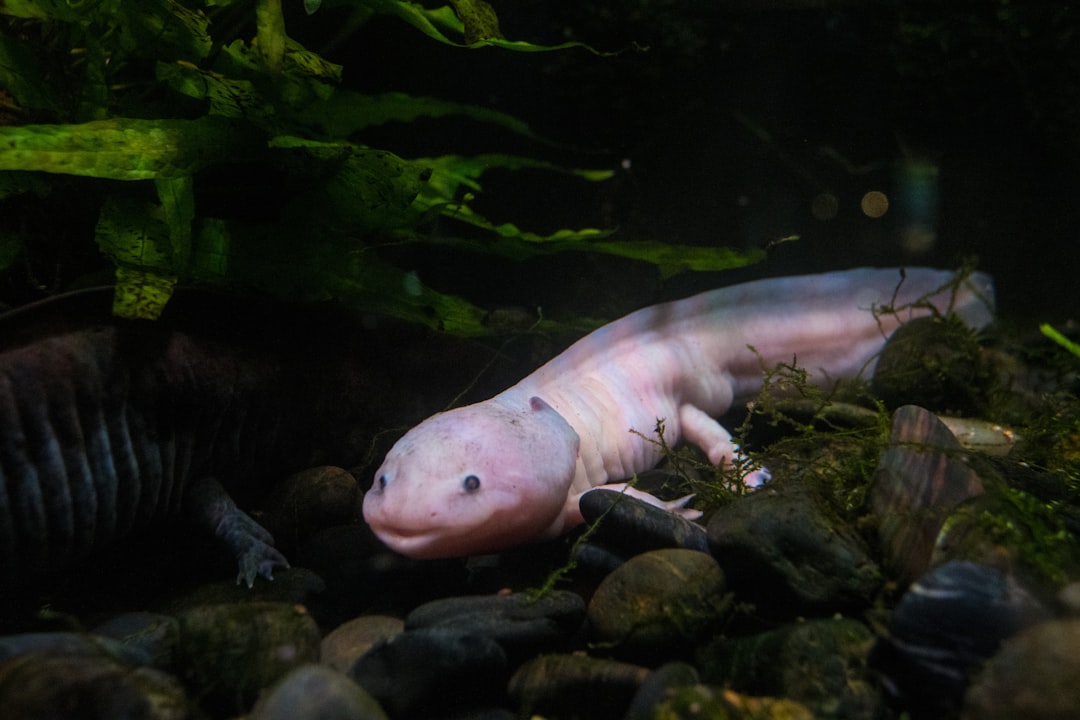
Turritopsis isn’t alone in nature’s longevity club. Hydra refresh their bodies continuously with stem cells that rarely seem to tire, while planaria harbor roving “neoblasts” that can rebuild a head from a sliver. Axolotls regrow limbs with scar-free precision, reminding us that regeneration isn’t a parlor trick – it’s a strategy many animals still wield.
Each species solves the puzzle differently, but the themes repeat: flexible cell identity, robust DNA repair, dialed-in inflammation, and strong quality control of proteins. Add them up and you get a blueprint, not for literal immortality, but for durable maintenance.
Inside the Aging Clock
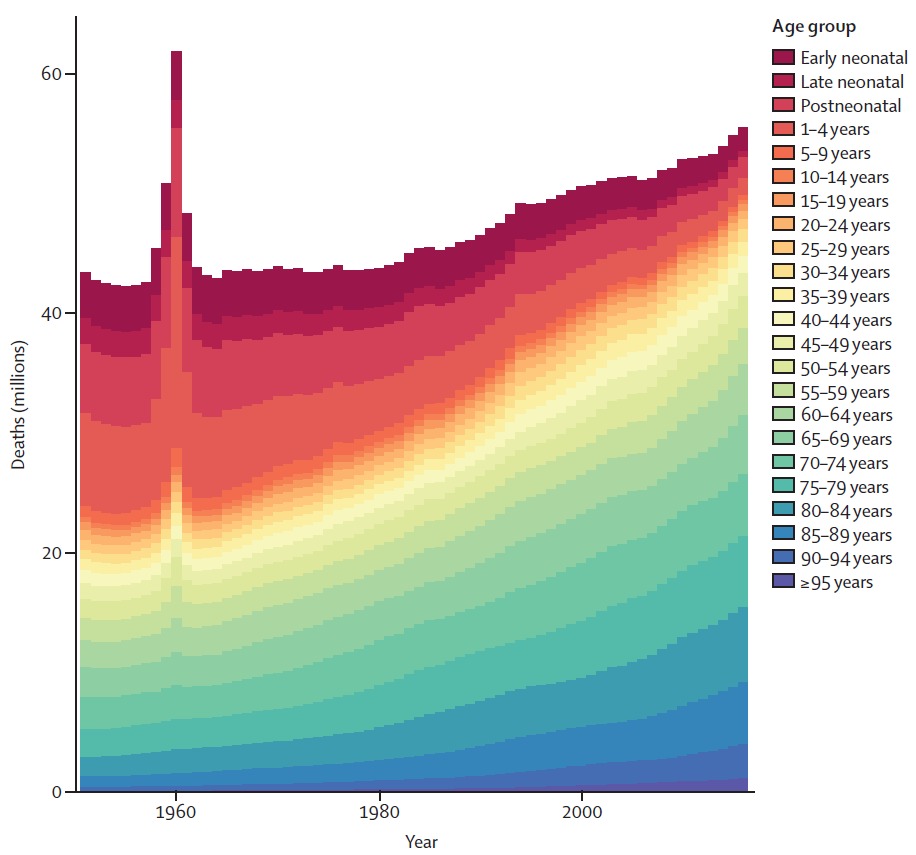
In humans, aging looks like a slow orchestra losing its conductor. Telomeres shorten, mitochondria sputter, and senescent cells shout inflammatory messages that disturb their neighbors. Epigenetic patterns – chemical tags on DNA – drift away from youthful settings, a change so reliable that researchers built “clocks” to estimate biological age from those patterns.
That clockwork matters because it’s adjustable. Diet, stress, toxins, infections, and repair capacity all move the hands forward or back. The jellyfish suggests a radical reset is biologically plausible; the challenge is scaling that idea safely to the complexity of a human body.
Why It Matters
For decades, medicine attacked diseases one by one: heart disease here, cancer there, arthritis over yonder. Aging research asks a bolder question – what if we target the shared root processes that raise risk for many conditions at once? If you steady the whole ship, maybe the cabins stop leaking.
That shift isn’t just academic. It touches hospital budgets, caregiver burnout, and how long people can live independently and with dignity. It also reframes prevention, moving from “avoid disease” to “preserve function,” a difference you feel every morning you get out of bed without pain.
Turning Back Human Cells
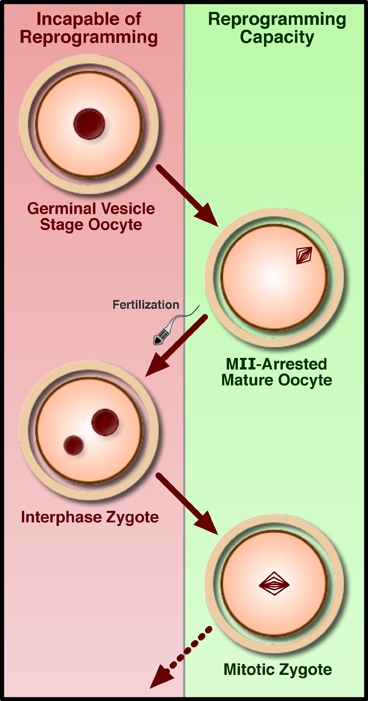
In labs, partial reprogramming gently applies developmental factors to nudge old cells toward youthful behavior without erasing their identity. Early animal studies show improved tissue repair and metabolic function when that nudge is calibrated just right. Separate efforts aim to clear senescent cells – the worn-out ones that refuse to die – using drug combinations called senolytics.
Other strategies lean on existing pathways: dialing down mTOR to spur renewal, supporting autophagy to recycle damaged parts, and tuning immunity so cleanup crews do their jobs without friendly fire. None of these are silver bullets, and safety remains paramount. Still, the contours of a multi-pronged playbook are coming into focus.
The Future Landscape
Tomorrow’s toolkit is likely to blend precision gene regulation, mRNA pulses, and tissue-specific delivery vehicles that act where they’re needed and then disappear. Single-cell atlases will map how each organ ages, allowing interventions to be timed to windows when change is most reversible. Imagine prescriptions that look like schedules: a repair pulse here, an anti-inflammatory lull there.
But there are obstacles. Cell identity can wobble if pushed too hard, and rejuvenation that invites cancer isn’t rejuvenation at all. Regulators will demand hard evidence on durability, not just short-term glow-ups. The prize is big enough to justify the caution.
Global Perspectives

What would widespread regeneration tech mean for different countries? Nations with rapidly aging populations might see pressure ease on healthcare systems if healthspan rises, even without dramatic lifespan jumps. Places battling workforce shortages could benefit if older adults stay functional longer.
There are trade-offs. Access must not be gated by wealth, and cost models need to account for long horizons. The ocean story matters too: jellyfish thrive in warming, disturbed waters, a reminder that ecological change can both teach us and warn us. Biology gives lessons; policy decides who gets to use them.
Conclusion
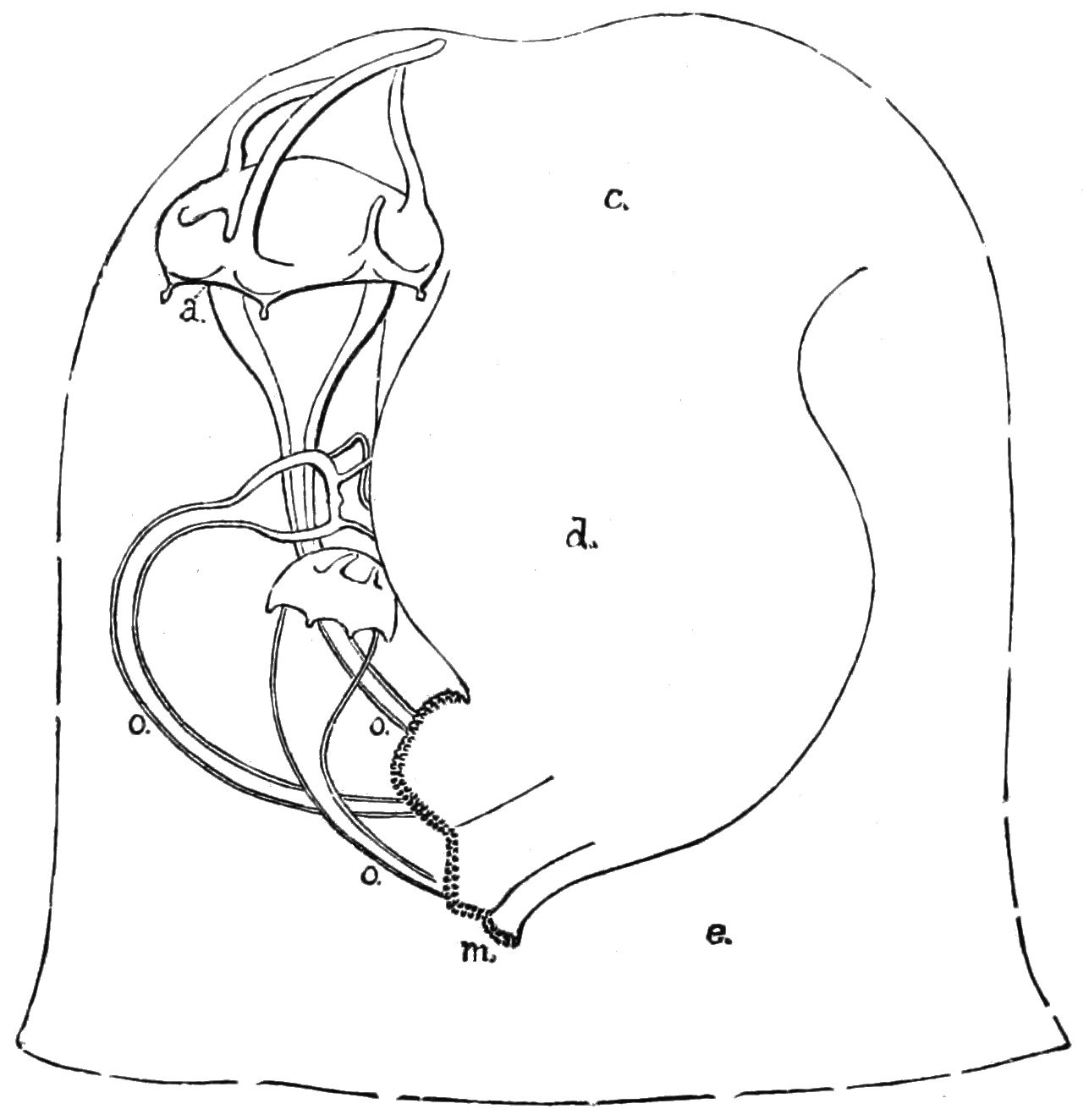
I still remember the first time I saw a photo of Turritopsis dohrnii – so ordinary that its secret felt almost mischievous. The takeaway isn’t that humans will copy a jellyfish’s life loop, but that our cells may be more negotiable than we thought. Aging turns out to be part script, part improvisation, and we’re learning the cues.
If we keep listening – to the jellyfish, the hydra, the axolotl, and to careful clinical data – we may trade fear of decline for plans to maintain function. The question isn’t whether we’ll stop time; it’s how gracefully we can redirect it. What would you rewind first?
Conclusion
Support marine conservation groups that monitor jellyfish populations; the ocean’s health is the backdrop to these discoveries. If you’re able, back reputable non-profit aging research initiatives that share data openly and publish peer-reviewed results. Stay curious about clinical trials, but be skeptical of miracle claims and look for evidence, not anecdotes.
Closer to home, treat your body like a lab you steward daily: sleep consistently, move often, eat a balanced diet, and manage stress – the basics still shift biology in your favor. Share this story with a young scientist or a student; the next breakthrough may start with their question. Small actions, multiplied, are how quiet revolutions spread.
Suhail Ahmed is a passionate digital professional and nature enthusiast with over 8 years of experience in content strategy, SEO, web development, and digital operations. Alongside his freelance journey, Suhail actively contributes to nature and wildlife platforms like Discover Wildlife, where he channels his curiosity for the planet into engaging, educational storytelling.
With a strong background in managing digital ecosystems — from ecommerce stores and WordPress websites to social media and automation — Suhail merges technical precision with creative insight. His content reflects a rare balance: SEO-friendly yet deeply human, data-informed yet emotionally resonant.
Driven by a love for discovery and storytelling, Suhail believes in using digital platforms to amplify causes that matter — especially those protecting Earth’s biodiversity and inspiring sustainable living. Whether he’s managing online projects or crafting wildlife content, his goal remains the same: to inform, inspire, and leave a positive digital footprint.