It almost sounds like something from a fantasy novel: a creature that can turn back the clock and virtually escape death itself. Yet, deep in the world’s oceans, this is the astonishing reality of Turritopsis dohrnii, famously dubbed the “immortal jellyfish.” Imagine a tiny, translucent being with the power to transform its aged body into a youthful version of itself, over and over again, in a relentless cycle of renewal. This natural marvel has not only stunned marine biologists but has also sparked the wildest dreams of aging researchers and anyone who’s wondered if eternal youth could ever be possible. Let’s unravel the fascinating story behind this tiny but mighty jellyfish—a creature whose existence blurs the line between science fiction and reality, and whose secrets may one day change our understanding of life itself.
The Astonishing Transformation: What Makes Turritopsis dohrnii Unique?
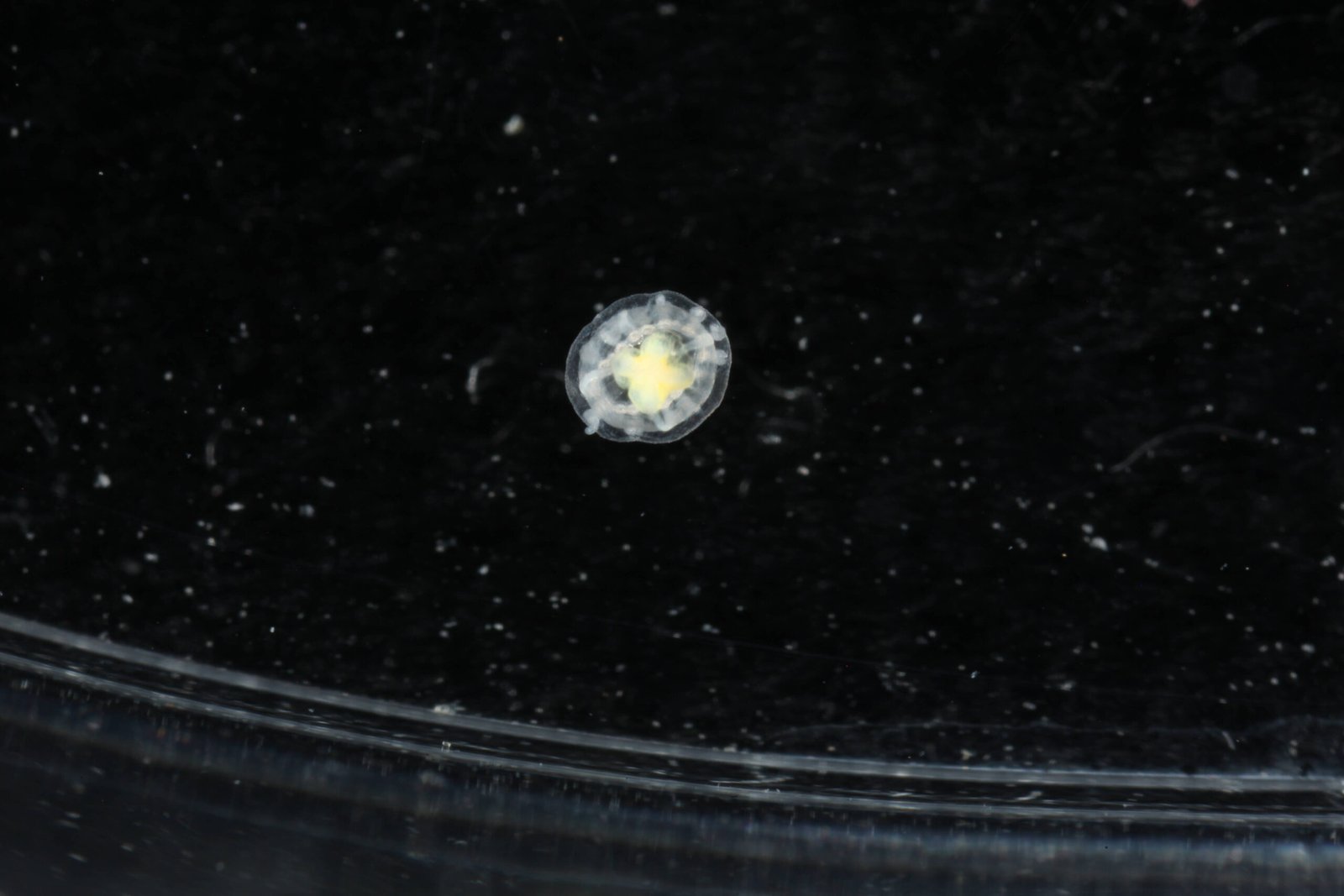
Turritopsis dohrnii isn’t your average jellyfish. Unlike most sea creatures that age and eventually die, this species has mastered a biological magic trick. When faced with stress, damage, or the threat of death, it can reverse its development, transforming mature cells back into a youthful, polyp state. This process, called transdifferentiation, is almost unheard of in multicellular animals. To picture it, imagine a butterfly turning back into a caterpillar whenever it’s in danger—then growing up all over again, potentially infinitely. The cycle isn’t just rare, it’s almost miraculous in the animal kingdom, and it’s what has earned Turritopsis dohrnii its legendary reputation.
Where Does the Immortal Jellyfish Live?
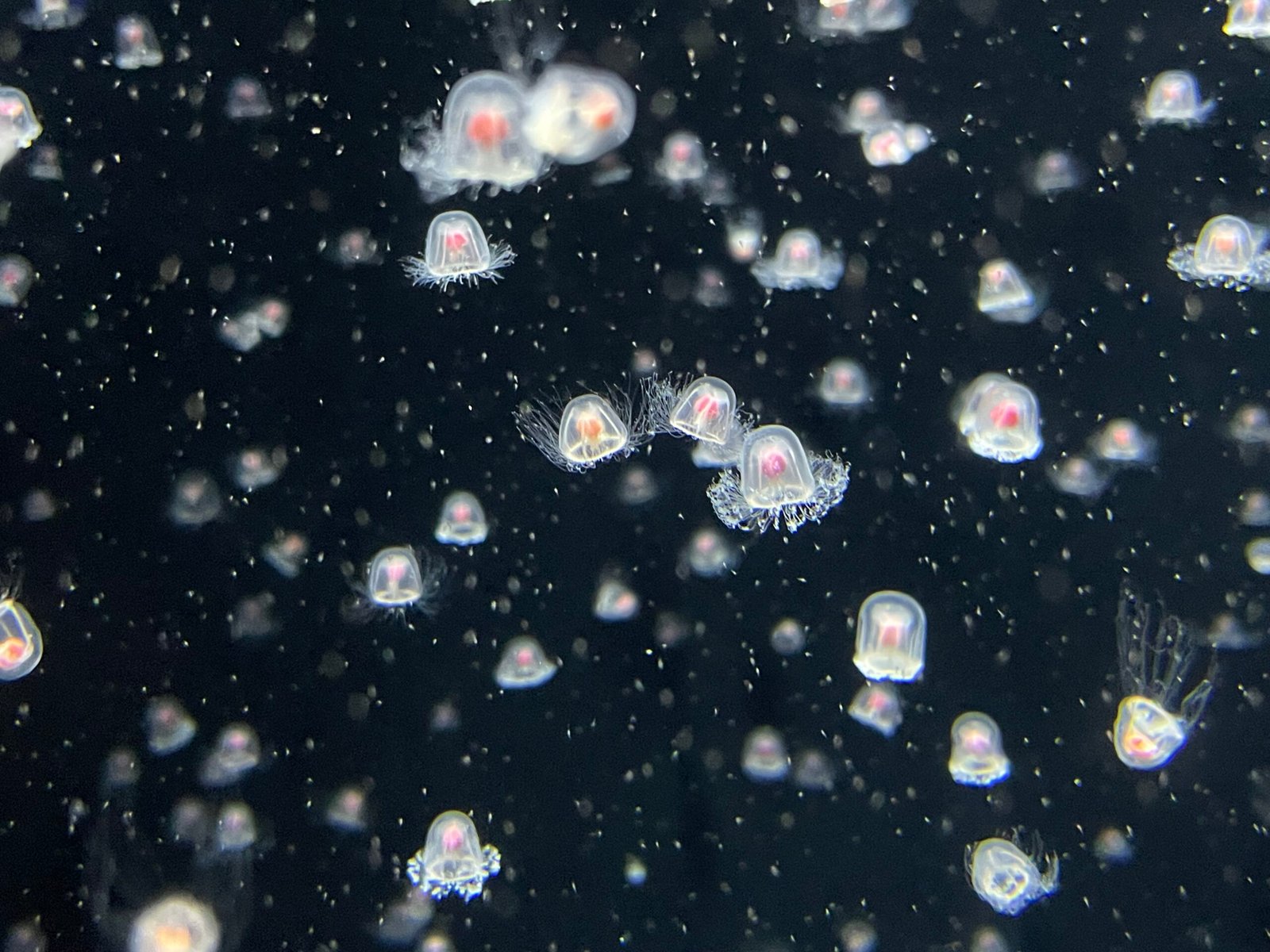
You might expect such an extraordinary creature to inhabit some mysterious, remote corner of the ocean. In reality, Turritopsis dohrnii is found in warm and temperate waters across the globe, from the Mediterranean Sea to the waters off Japan. These jellyfish are tiny—usually less than 5 millimeters across—and almost invisible to the naked eye. They drift with ocean currents, sometimes hitching rides in ballast water of ships, which has helped spread their populations worldwide. Despite their global presence, they are rarely seen, making encounters with them feel like stumbling upon a hidden treasure.
The Life Cycle: From Egg to Immortality
The life story of Turritopsis dohrnii begins like many other jellyfish. Eggs hatch into free-swimming larvae, which settle on the seafloor and grow into polyps. These polyps then bud off tiny medusae—the familiar jellyfish form. But here’s where things take a mind-bending turn. When threatened, instead of dying, the adult medusa can revert all the way back to its juvenile polyp stage. It’s like pressing the reset button on life. This cycle can repeat indefinitely, allowing the jellyfish to dodge death by starting its life anew, again and again.
The Science of Transdifferentiation
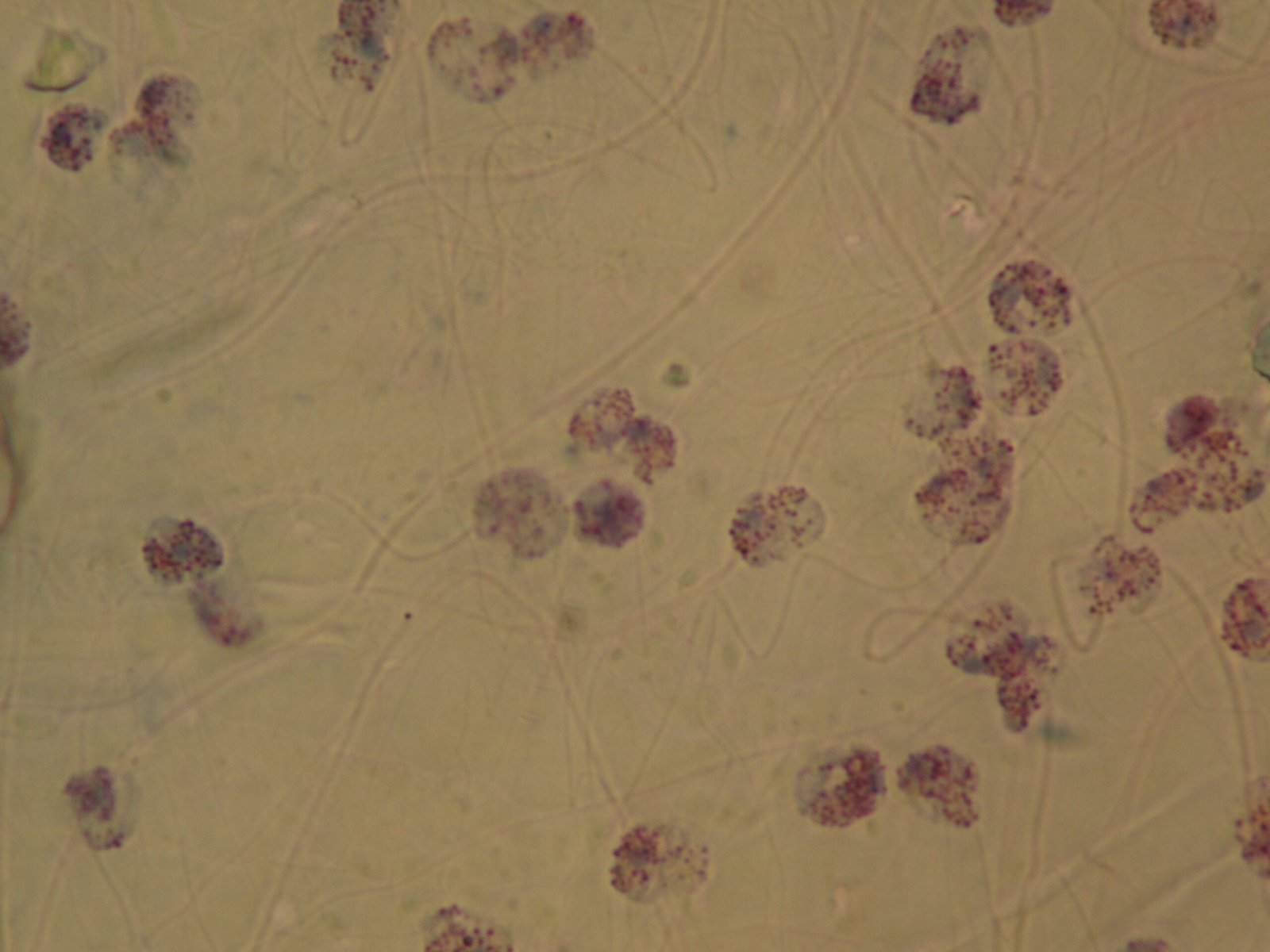
What allows Turritopsis dohrnii to perform its age-rewinding feat is a process called transdifferentiation. Unlike most animals, whose cells are permanently specialized, this jellyfish can reprogram its cells to become completely different types. For example, muscle cells might become nerve cells, or vice versa. Scientists are still unraveling the exact genetic and molecular pathways involved, but it’s clear that this cellular flexibility is at the heart of the jellyfish’s immortality. The implications are huge—not only for understanding regeneration in nature but also for the future of medicine and aging research.
Facing Death: Why Does the Jellyfish Revert?
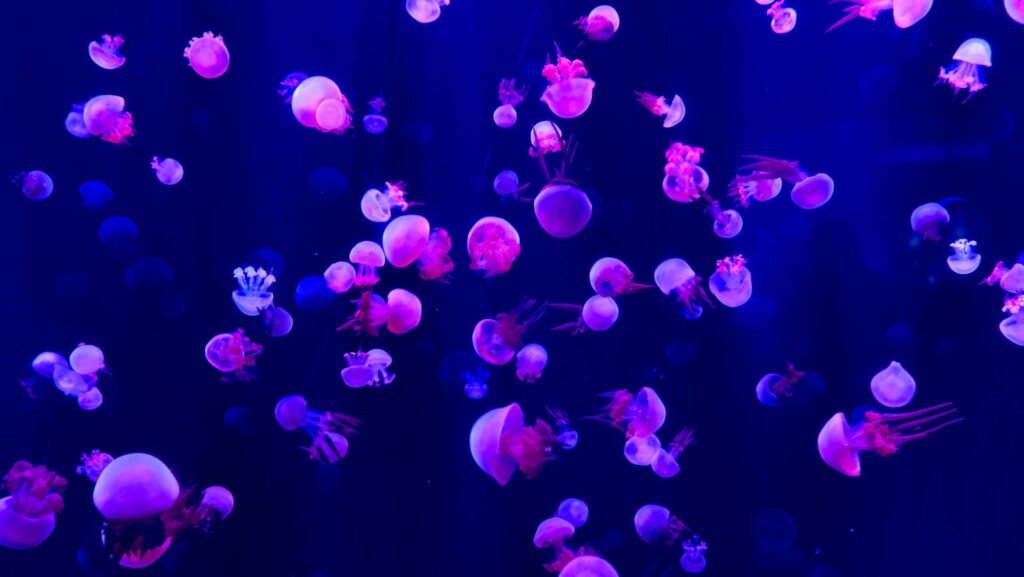
It’s not just old age that triggers Turritopsis dohrnii’s reversal. Environmental stress, physical injury, starvation, or even sudden changes in temperature can all prompt the jellyfish to transform back into a polyp. This incredible survival strategy allows it to escape threats that would spell doom for other creatures. In a way, it’s like having a built-in “get out of jail free” card, offering endless second chances whenever danger arises. The flexibility of this response also highlights the unpredictability and adaptability of life in the ocean.
How Many Times Can It Revert?
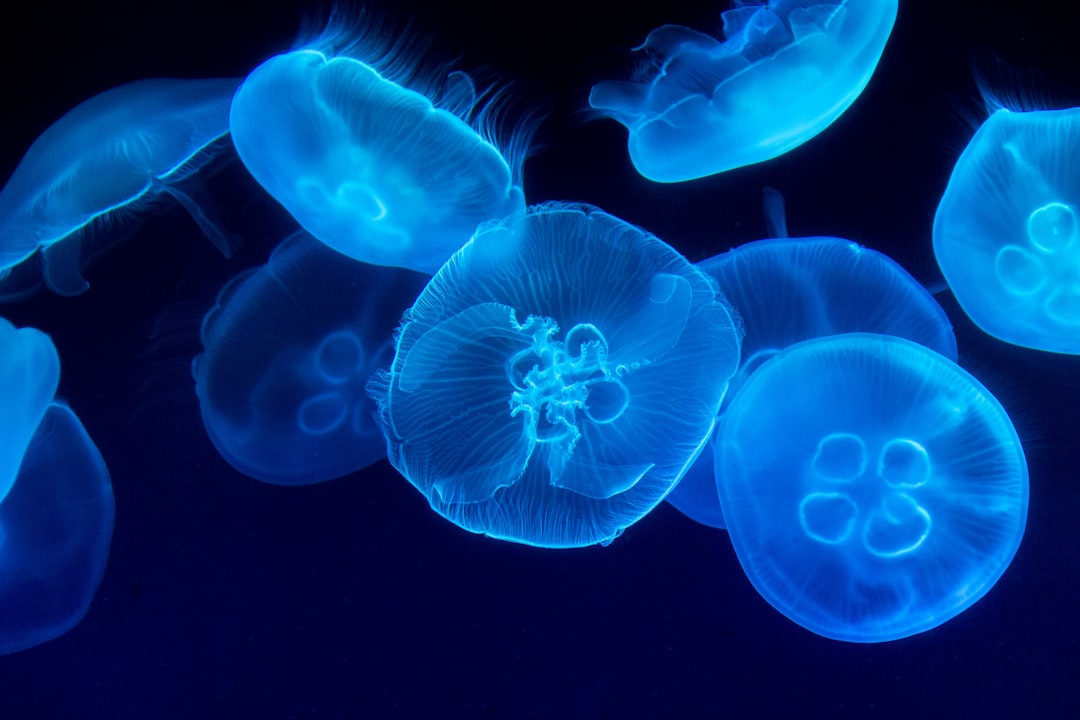
One of the biggest questions scientists have is whether there’s an upper limit to how often Turritopsis dohrnii can perform its rejuvenation trick. So far, in laboratory settings, individuals have been observed reverting multiple times, seemingly without end. However, in the wild, factors like predation, disease, or simple bad luck may still claim their lives. Although they are called “immortal,” they are not invincible. Theoretically, though, as long as conditions allow, they could continue their cycle of rebirth indefinitely—a concept that continues to boggle the human mind.
Why Don’t We See More Immortal Jellyfish?
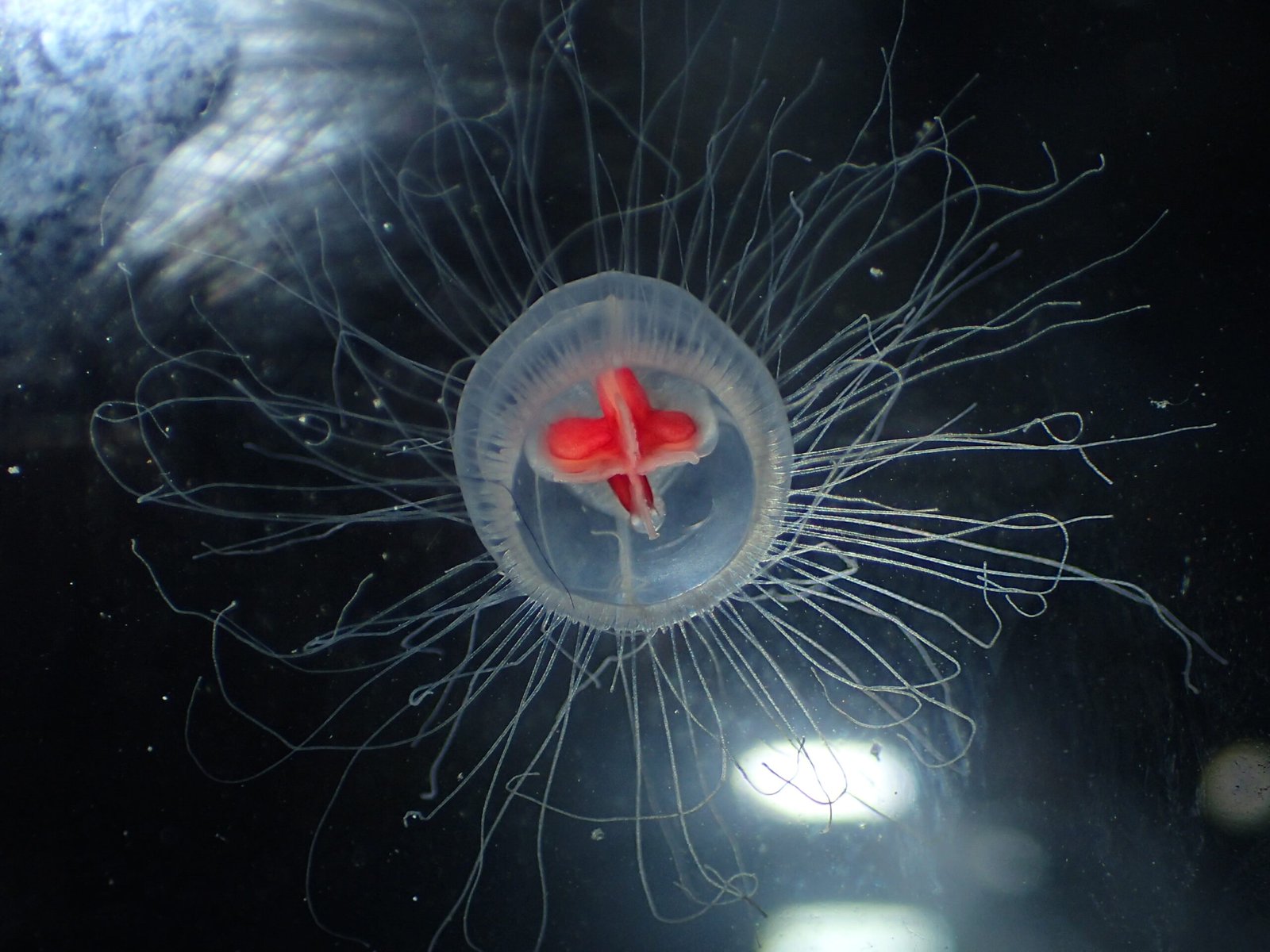
If Turritopsis dohrnii can potentially live forever, why isn’t the ocean teeming with them? The answer lies in the challenges of survival in a vast and sometimes hostile sea. Predators, environmental hazards, and competition for resources all take their toll. Furthermore, the process of reverting to a polyp isn’t instantaneous or foolproof; it leaves the jellyfish vulnerable for extended periods. As a result, immortality in theory doesn’t guarantee survival in practice. Their rarity, then, adds to their allure and mystery.
What Can Humans Learn from Turritopsis dohrnii?
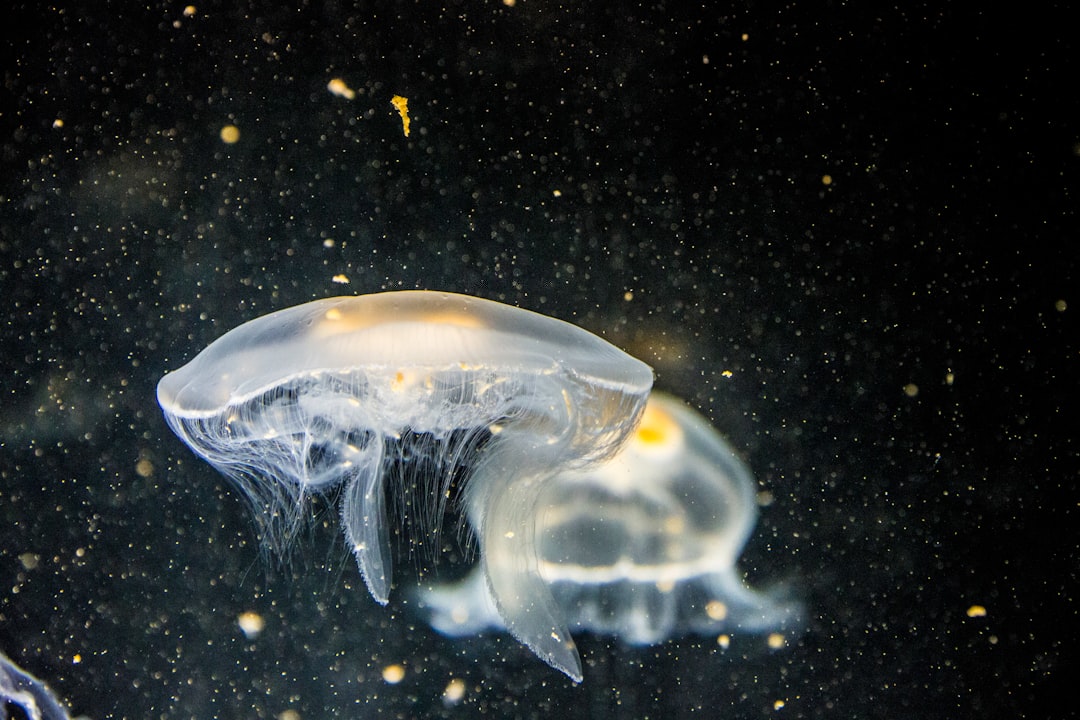
The story of the immortal jellyfish resonates far beyond the ocean. Scientists are studying its unique biology with the hope of unlocking secrets related to aging, cell regeneration, and even cancer. If we can understand how this jellyfish controls its cellular reprogramming, it could inspire new treatments for age-related diseases or injuries in humans. The promise of slowing or reversing human aging, once the stuff of myth, suddenly feels a little more tangible—thanks to a tiny jellyfish.
Are There Other “Immortal” Animals?
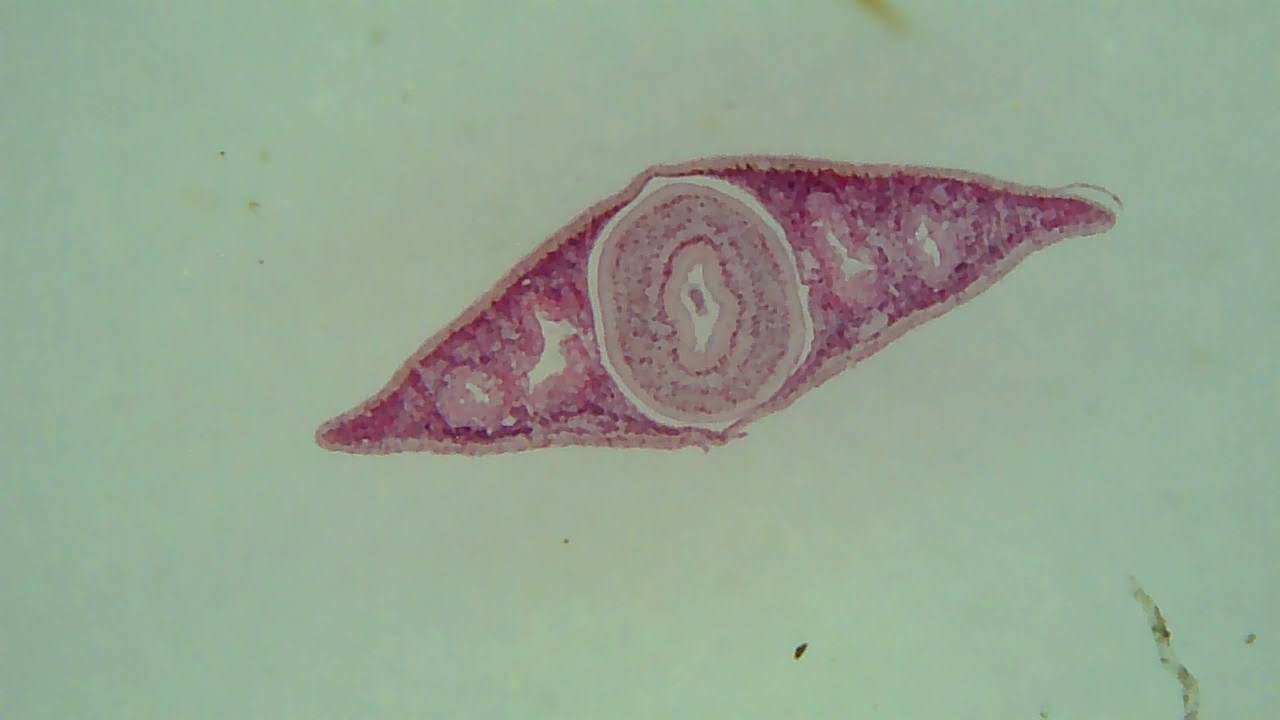
Though Turritopsis dohrnii is the most famous, it’s not entirely alone in the annals of nature’s age-defying wonders. Some planarian flatworms and hydra species also show extraordinary regenerative abilities. However, their methods and life cycles differ significantly, lacking the dramatic “reverse aging” transformation seen in this jellyfish. Turritopsis dohrnii’s capacity for complete life cycle reversal through transdifferentiation remains unique among known animals, setting it apart as a true marvel.
The Symbolism of the Immortal Jellyfish

Beyond its scientific significance, Turritopsis dohrnii has become a symbol of resilience and hope. Its story inspires artists, writers, and dreamers who see in it a metaphor for renewal, transformation, and the possibility of new beginnings. In a world often preoccupied with the inevitability of aging and death, this jellyfish offers a sparkling hint that nature may hold surprises we have yet to fully comprehend. Its delicate beauty and astonishing abilities remind us of the wonders that still wait to be discovered beneath the surface.
Ongoing Mysteries and Future Research
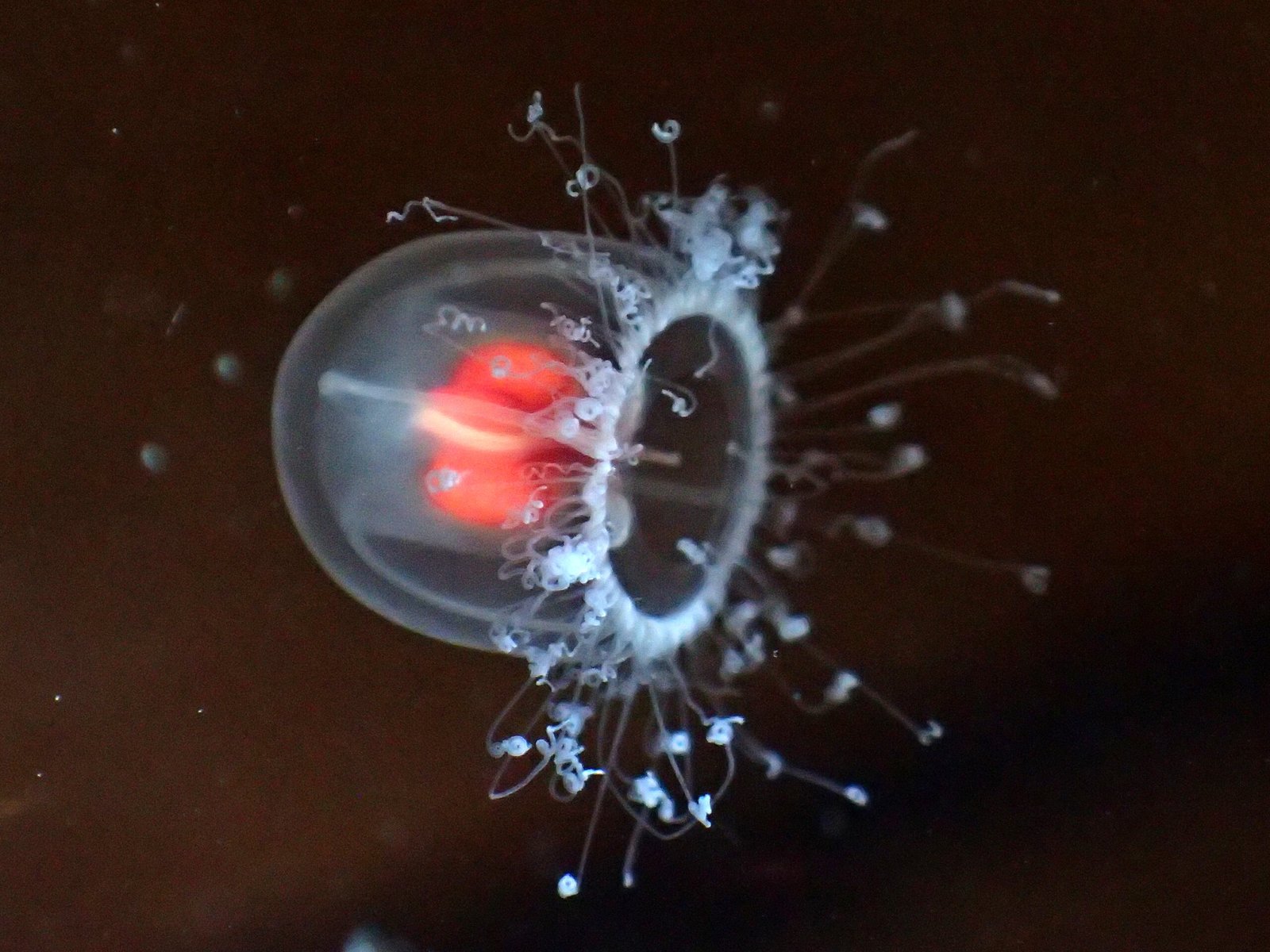
Despite years of study, much about Turritopsis dohrnii remains shrouded in mystery. Scientists are still piecing together the genetic code and cellular pathways that underpin its powers. Advances in genetic sequencing and molecular biology are opening new doors, but every answer seems to raise fresh questions. How does the jellyfish avoid the DNA damage that plagues other animals as they age? Can its abilities be replicated in other species? The quest for these answers continues, promising more astonishing discoveries ahead.
Summary
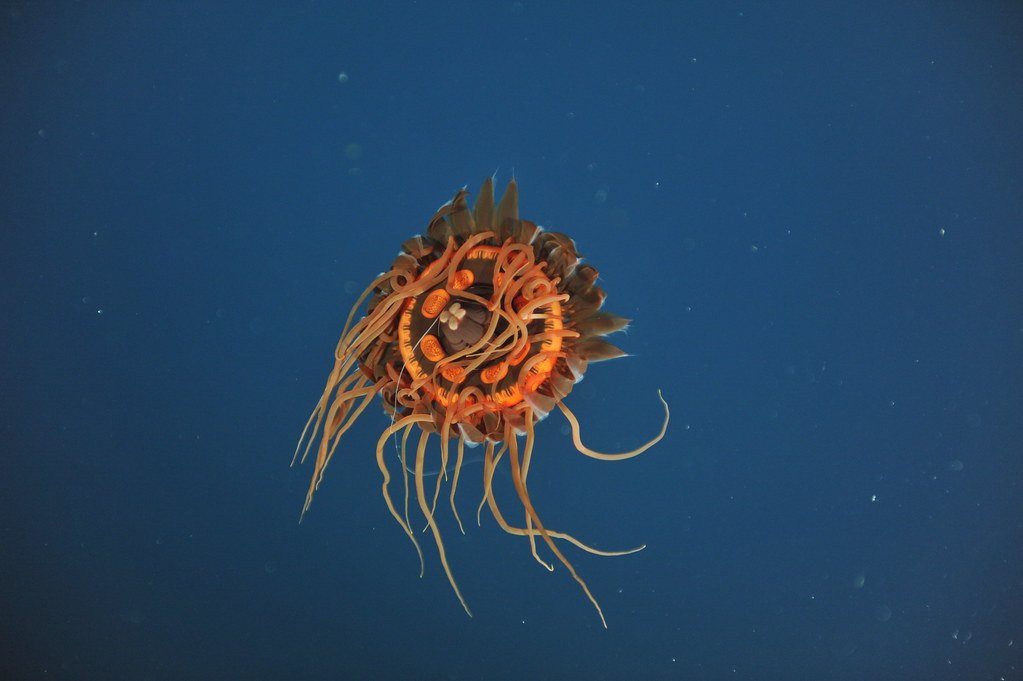
Turritopsis dohrnii, the so-called immortal jellyfish, has stunned the world with its ability to revert to its juvenile state indefinitely, challenging everything we thought we knew about aging and death. Its remarkable cycle of renewal is powered by a rare biological mechanism called transdifferentiation, setting it apart as one of the ocean’s most mysterious and inspiring creatures. As researchers continue to study its secrets, the jellyfish stands as a symbol of nature’s ingenuity and the boundless possibilities that lie ahead. Who would have guessed that something so small could hold answers to some of life’s biggest questions?