
Imagine stepping onto an island where the rules of nature have been flipped upside down—where humans once stood barely waist-high to us, and rats, usually the villains scurrying underfoot, could have been the size of family dogs. This isn’t a fantasy or a scene from a lost world; it’s the real story of Flores, a small Indonesian island where evolution took its wildest turns. Here, scientists have uncovered fossils and mysteries that challenge everything we think we know about survival, adaptation, and the strange dance of life on isolated lands. Prepare to journey into a place where the ordinary became extraordinary, and the story of life reads more like a fairy tale than a textbook.
The Mysterious Island of Flores
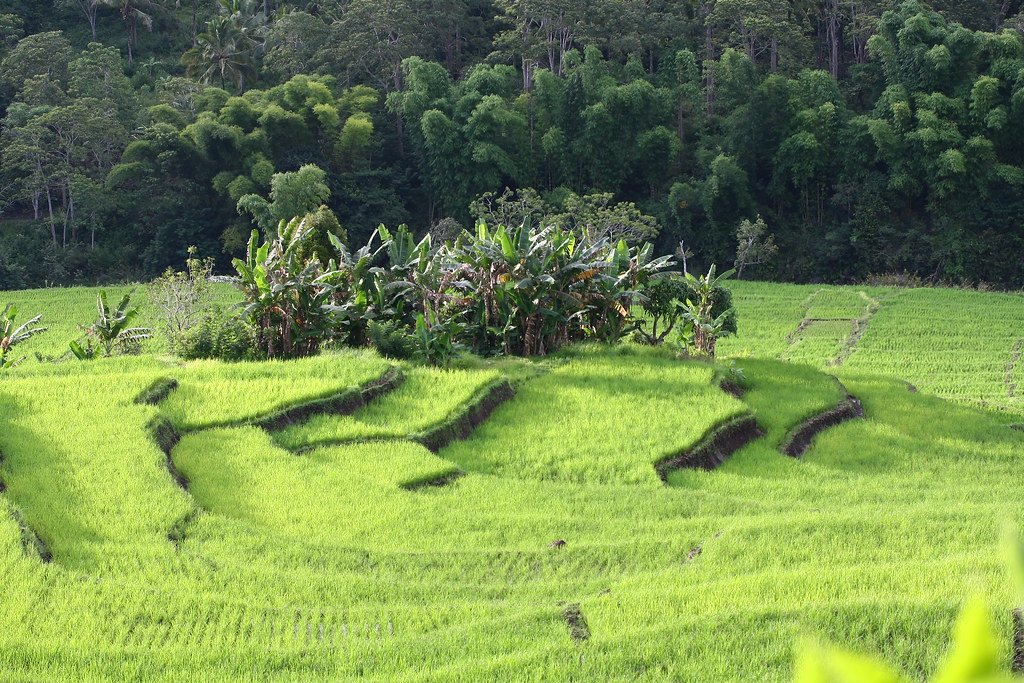
Flores, one of the many islands in Indonesia, isn’t just another tropical paradise. It’s a place that has fascinated explorers, scientists, and storytellers for decades. Rugged mountains, dense forests, and hidden caves have kept its secrets safe for tens of thousands of years. It was in one of these caves, called Liang Bua, that the first hints of Flores’s evolutionary wonders were discovered. The island’s isolation from the mainland meant that its plants and animals evolved in ways that defy the usual rules. On Flores, being small wasn’t a disadvantage for humans, and being giant was the golden ticket for rats.
Discovery of the “Hobbit” Human
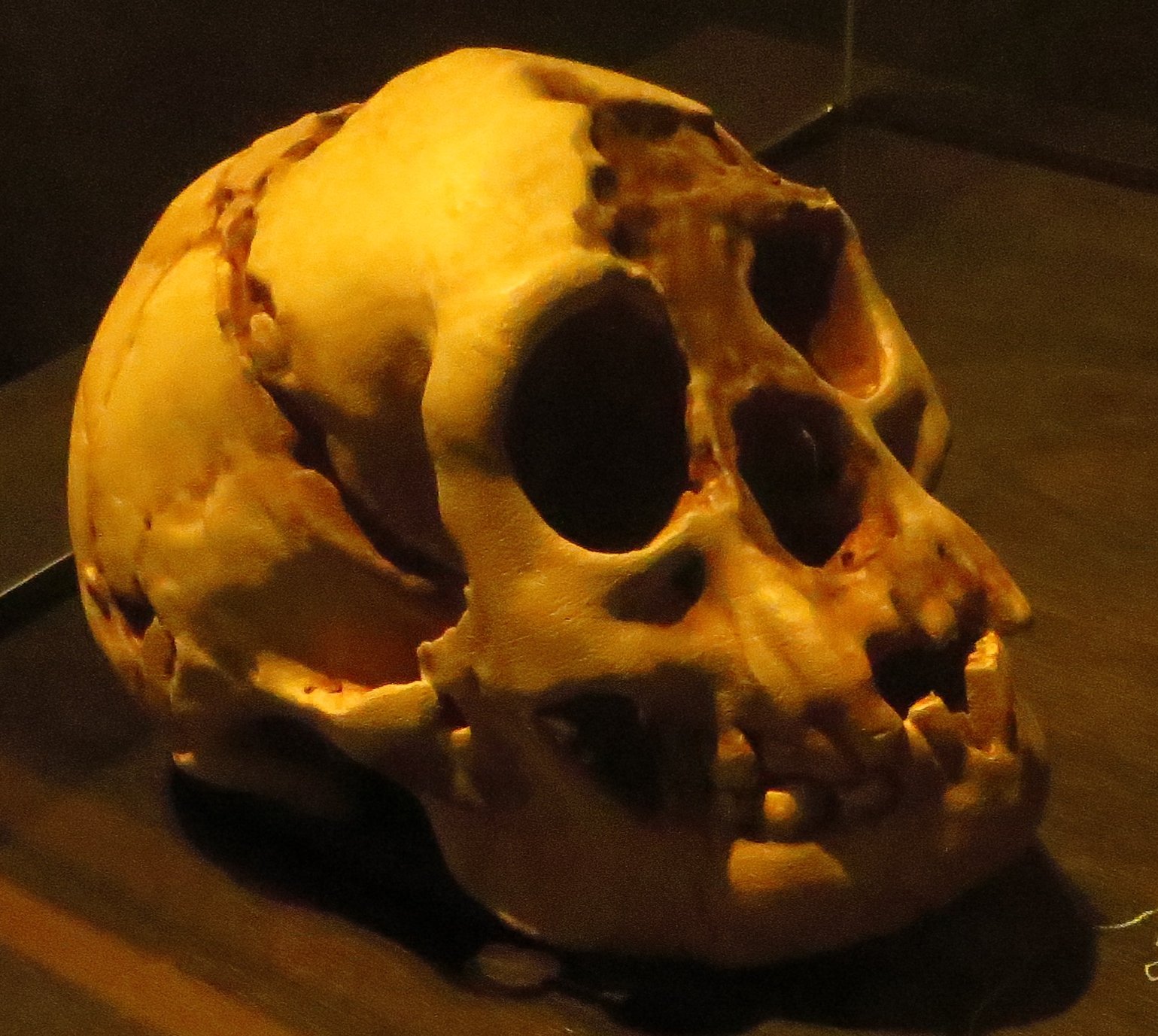
In 2003, archaeologists working in Liang Bua cave stumbled upon something that would rewrite the story of human evolution. They found the remains of a tiny human species, later named Homo floresiensis. Standing just over 3 feet tall, with a brain the size of a grapefruit, this “Hobbit” had lived alongside modern humans’ ancestors. The bones were remarkably well-preserved, allowing scientists to study every curve and ridge. The discovery sent shockwaves through the scientific community, as it suggested a completely new branch of our human family tree.
How Did Tiny Humans Evolve?
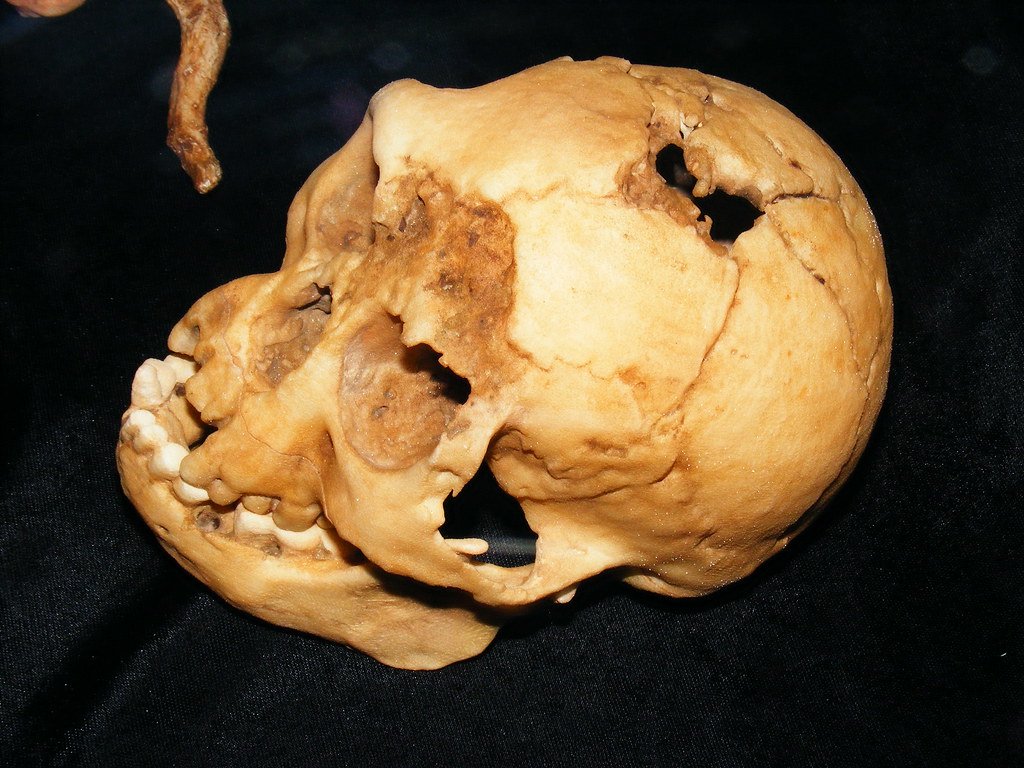
The evolution of Homo floresiensis is a puzzle that still baffles experts. On most continents, humans grew taller and smarter over time. But on Flores, the opposite happened. Scientists believe this shrinkage—called “island dwarfism”—was a response to limited food and few large predators. In this miniature world, being small meant needing less food and being able to survive on the island’s sparse resources. It’s a bit like how goldfish grow bigger in large tanks but stay small in bowls; the environment set the rules, and the tiny humans followed.
The Rise of the Giant Rats
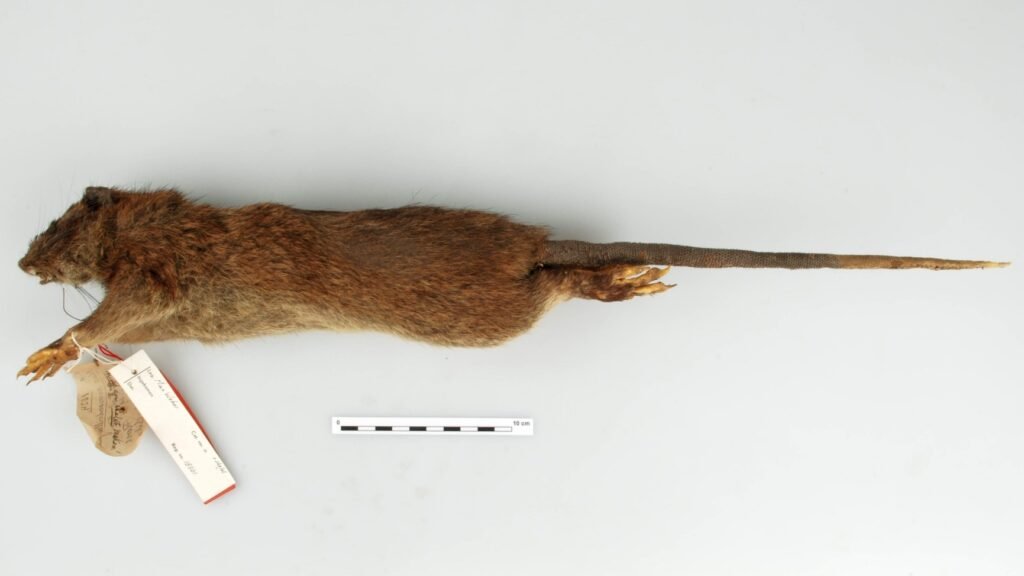
While the humans were getting smaller, the rats of Flores were living their best lives—growing to gigantic proportions. Some species of these prehistoric rats, like Papagomys armandvillei, could reach the size of a housecat or small dog. Without many predators to keep them in check, these rodents thrived. Fossils show an entire spectrum of rat sizes, from tiny mouse-like species to these remarkable giants. Unlike the rats we curse in city subways, Flores’s mega-rats were an essential part of the ecosystem, shaping the island’s food web.
Strange Rules of Island Evolution

Flores is a fantastic case study in what scientists call “island syndrome.” On islands, animals often evolve in bizarre ways because they’re cut off from the rest of the world. Big animals, like elephants, get smaller (think pygmy elephants), while small animals, like rats, get huge. There are fewer predators and competitors, so creatures can fill roles they never would on the mainland. This evolutionary playground has led to some of nature’s weirdest experiments, and Flores is one of the best examples on the planet.
Other Odd Creatures of Flores
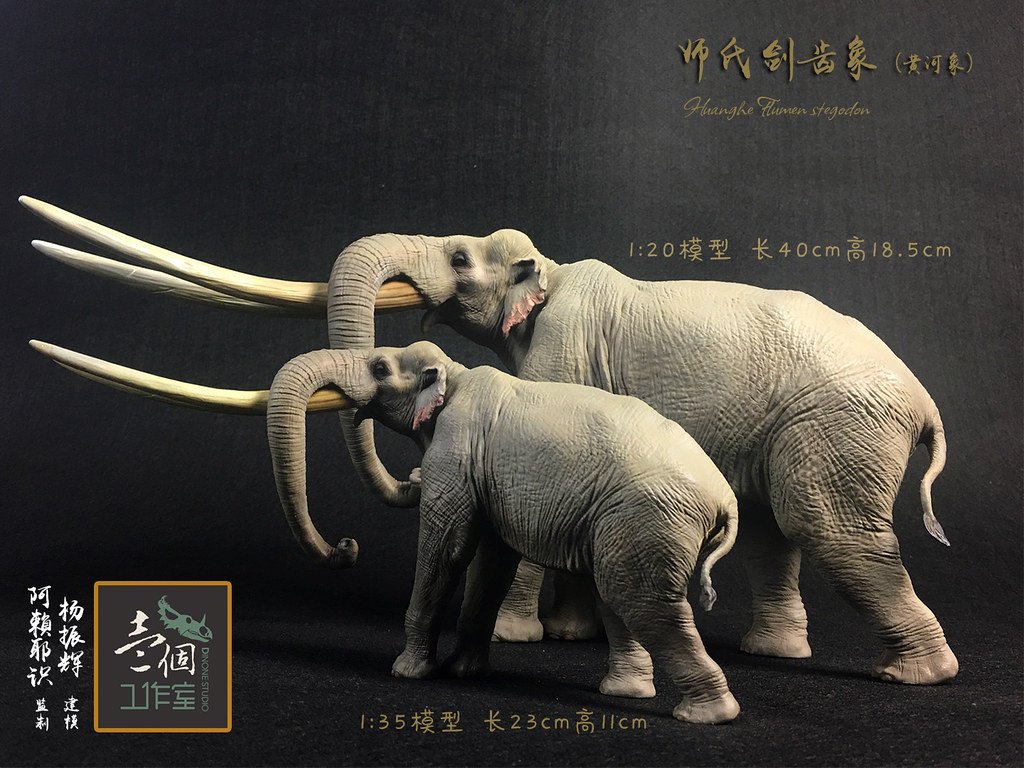
The island’s evolutionary wonders didn’t stop at humans and rats. Flores was also home to dwarf elephants called Stegodons, now extinct, and giant storks that would have towered over the little Homo floresiensis. Even the Komodo dragon, the largest living lizard in the world, roams the nearby islands. This mix of tiny and titanic animals paints a picture of an island where the usual order of things was thrown out the window. It’s as if evolution had a sense of humor here.
The Role of Isolation

Isolation is the secret ingredient in Flores’s strange recipe. Surrounded by deep ocean trenches, Flores was almost impossible for animals to reach or escape. This isolation meant that once a species arrived, it was stuck with what it had. Over generations, this led to unique adaptations and new species found nowhere else on Earth. It’s like a biological experiment that ran for tens of thousands of years, with no outside interference to spoil the fun.
How Scientists Study Ancient Life
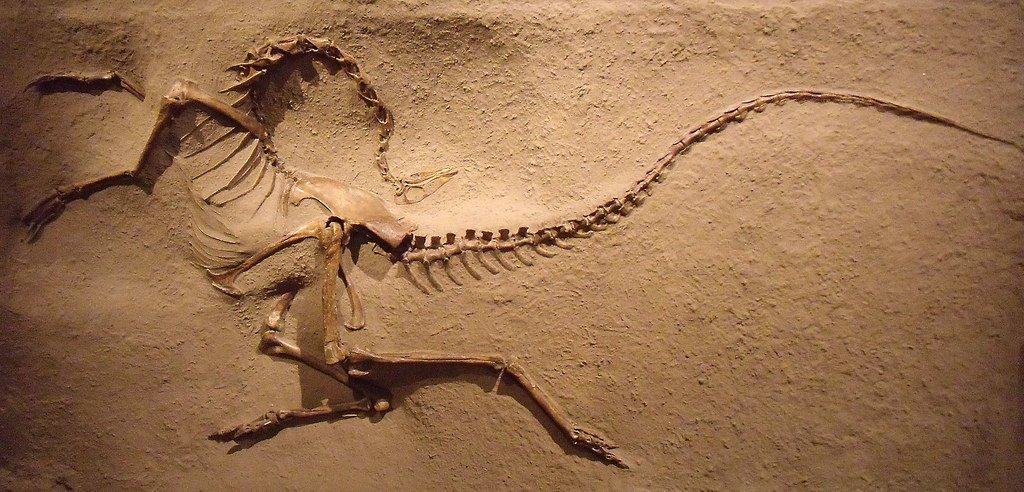
Uncovering these evolutionary secrets isn’t easy. Scientists dig deep into caves, sift through layers of ancient soil, and use high-tech tools to examine bones and teeth. Carbon dating helps them figure out how old the fossils are, while DNA analysis can reveal family connections between species. Each discovery is like a puzzle piece, adding to our understanding of how life on Flores changed over time. Every bone tells a story, and sometimes those stories are stranger than fiction.
The Diet of Homo floresiensis

What did the tiny humans eat? Evidence suggests Homo floresiensis was resourceful. Stone tools found near their remains show they hunted small animals and possibly even juvenile Stegodons. They may have fished or gathered fruits and nuts from the forest. Their small size meant they needed less food, which was crucial on an island where resources could run out quickly. Studying ancient food scraps and tool marks on bones helps scientists piece together their daily lives.
Giants in the Shadows: The Rats’ Impact
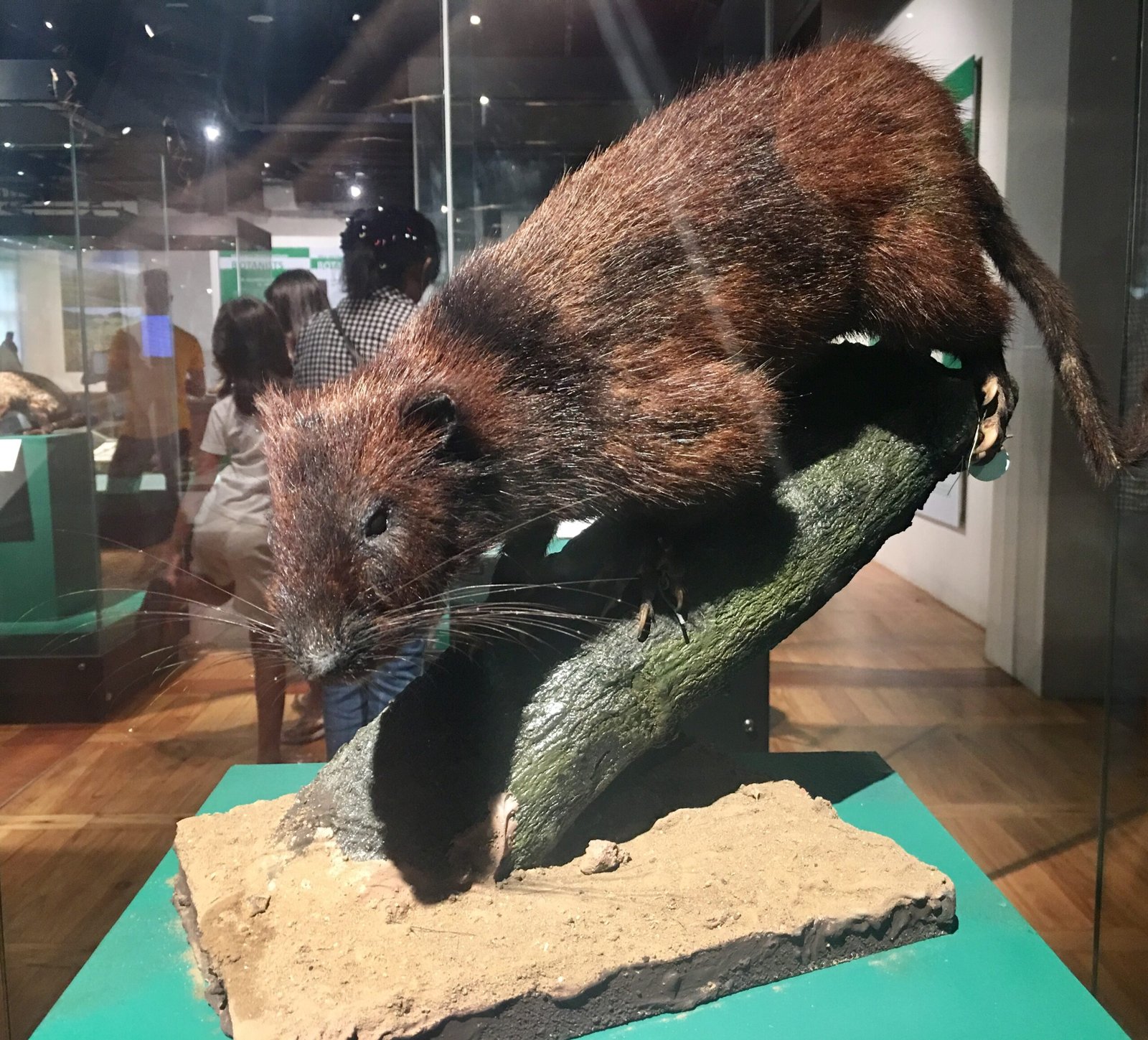
The giant rats weren’t just background players in this story. They may have been both prey and competition for Homo floresiensis. Imagine trying to steal an egg or nut, only to find yourself competing with a rat as big as a spaniel! These rodents could have shaped the entire ecosystem, eating seeds, spreading plants, and even influencing where other animals could live. The balance between tiny humans and giant rats was delicate but essential for the island’s survival.
What Happened to the Tiny Humans?

One of the biggest mysteries is why Homo floresiensis disappeared. Some scientists think natural disasters, like volcanic eruptions, may have wiped them out. Others point to climate change or competition with modern humans arriving on the island. The timing is still debated, but most agree they vanished around 50,000 years ago. Their disappearance is a reminder of how fragile life can be, especially in such a unique and isolated place.
The Importance of the Liang Bua Cave
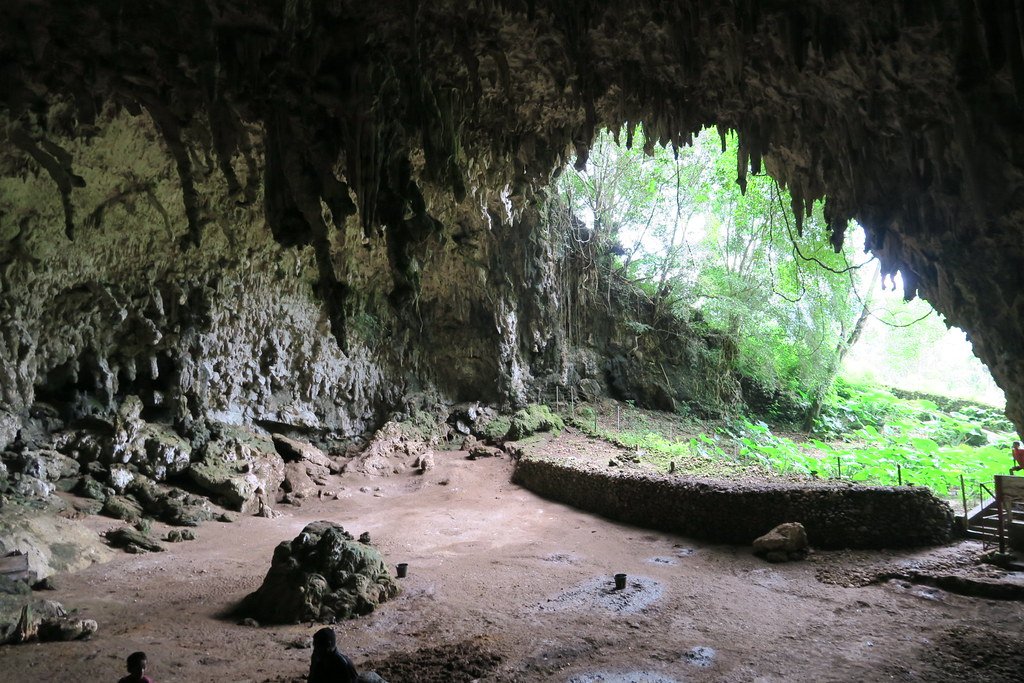
Liang Bua cave isn’t just a hole in the ground—it’s a time capsule. The cave has preserved layer upon layer of ancient history, like the pages of a book waiting to be read. Archaeologists keep returning, hoping to uncover more secrets from the dirt and stone. Each new find adds detail to the picture of what life was really like when tiny humans and giant rats shared this strange island. The cave has become a symbol of scientific curiosity and the thrill of discovery.
Modern-Day Flores: Echoes of the Past

Today, Flores is still home to incredible wildlife and vibrant cultures. While the giant rats and tiny humans are gone, their legacy lives on in the stories told by local people and the bones hidden beneath the soil. Scientists and tourists alike are drawn to the island, hoping to catch a glimpse of its wild past. Even the Komodo dragon, a living relic, prowls the forests and beaches, reminding us that Flores is still a place where nature can surprise us.
What Flores Teaches Us About Evolution

Flores isn’t just a curiosity—it’s a living lesson in how evolution works. The island shows us that life isn’t set in stone. Given enough time, isolation, and a dash of luck, nature can rewrite the rules. The story of tiny humans and giant rats challenges our understanding of what’s possible and reminds us that every place on Earth has its own unique history. It’s a humbling thought, and one that sparks the imagination.
Why This Story Matters Today
The tale of Flores matters now more than ever. As humans continue to change the environment, we risk losing the unique creatures that make each place special. The disappearance of Homo floresiensis is a warning about how quickly things can change. It’s also a call to protect the islands and ecosystems that are left, so future generations can marvel at nature’s creativity. The wild experiments of evolution aren’t over yet—they’re happening all around us.
Could There Be More Surprises Waiting?

Flores is just one of many islands across the world where strange things have happened. Scientists believe there could be more undiscovered fossils hidden in its caves and forests—maybe even new species that rewrite the story again. The thrill of discovery keeps researchers searching, digging, and dreaming. The world is full of mysteries just waiting to be uncovered. Would you dare to step onto an island where evolution writes its own rules?