
In the heart of the ocean, nature performed a miracle that has left scientists and explorers both bewildered and delighted. Imagine an unassuming sandbar, once merely a stretch of sand, slowly transforming into a vibrant wildlife sanctuary. This is the story of an island that defied odds, growing itself into a thriving ecosystem, teeming with life and wonder. It’s a tale of resilience, adaptation, and the incredible power of nature to self-engineer habitats in the most unexpected ways.
The Birth of a Sandbar
Every island starts with a humble beginning, and our sandbar was no different. Initially, it was nothing more than a collection of sand and sediment, pushed together by the gentle but persistent currents of the sea. Over time, the accumulation of these materials gave birth to a small, isolated sandbar. At first glance, it appeared barren and lifeless, but beneath the surface, the stage was set for something extraordinary to unfold. Just like a blank canvas waiting for an artist’s touch, this sandbar was ready for nature’s creative forces to take over.
The Role of Ocean Currents
Ocean currents played a pivotal role in shaping the destiny of this sandbar. These powerful streams of water are like the lifeblood of the ocean, transporting nutrients, organisms, and sediments across vast distances. The currents brought with them an array of seeds, spores, and small marine organisms, which found a new home on the sandbar. This influx of life kickstarted the island’s transformation, turning it from a mere pile of sand into a budding ecosystem. The currents acted as nature’s delivery service, providing the raw materials needed for life to flourish.
The Arrival of Pioneer Species
In any new environment, the first settlers are crucial in setting the stage for future inhabitants. These pioneer species are the hardy plants and organisms able to survive in harsh conditions, like those found on a newly formed sandbar. They play a vital role in stabilizing the sand, preventing erosion, and enriching the soil with organic matter. In this case, hardy grasses and salt-tolerant plants were among the first to take root. Their presence created a hospitable environment, paving the way for more complex life forms to follow.
Vegetation Takes Root
With the pioneer species establishing a foothold, the island began to experience a surge in biodiversity. More diverse plant species started to colonize the island, turning the once barren landscape into a green haven. Trees and shrubs began to grow, providing shade and shelter for a variety of animal species. The rich tapestry of vegetation not only stabilized the island but also contributed to its growth by trapping more sediment and organic matter. Like a flourishing garden, the island’s plant life became the backbone of the emerging ecosystem.
The Arrival of Wildlife
As the island’s vegetation flourished, it attracted a diverse array of wildlife. Birds, insects, and small mammals found a new sanctuary among the greenery. The island became a vital stopover for migratory birds, offering them a safe haven to rest and refuel during their long journeys. The presence of these animals further enriched the ecosystem, as they played crucial roles in pollination, seed dispersal, and nutrient cycling. The island was no longer just a piece of land; it had become a bustling community of life.
Marine Life and Coral Reefs
The island’s transformation was not limited to its terrestrial environment. Beneath the waves, coral reefs began to form around the island, providing a rich and diverse marine habitat. These underwater gardens attracted a myriad of marine species, from colorful fish to majestic sea turtles. The coral reefs acted as natural breakwaters, protecting the island from erosion and storm surges. The symbiotic relationship between the island and its surrounding waters highlighted the interconnectedness of land and sea, creating a balanced and thriving ecosystem.
Human Interaction and Conservation
With the island’s growing ecological significance, humans inevitably took notice. Researchers, conservationists, and nature enthusiasts were drawn to this natural wonder, eager to study and protect its unique biodiversity. Conservation efforts were put in place to ensure that the island remained a sanctuary for wildlife. These initiatives included habitat restoration, monitoring of species populations, and education programs to raise awareness about the importance of preserving such natural habitats. The island became a living laboratory, offering insights into the delicate balance of ecosystems.
The Challenges of Climate Change
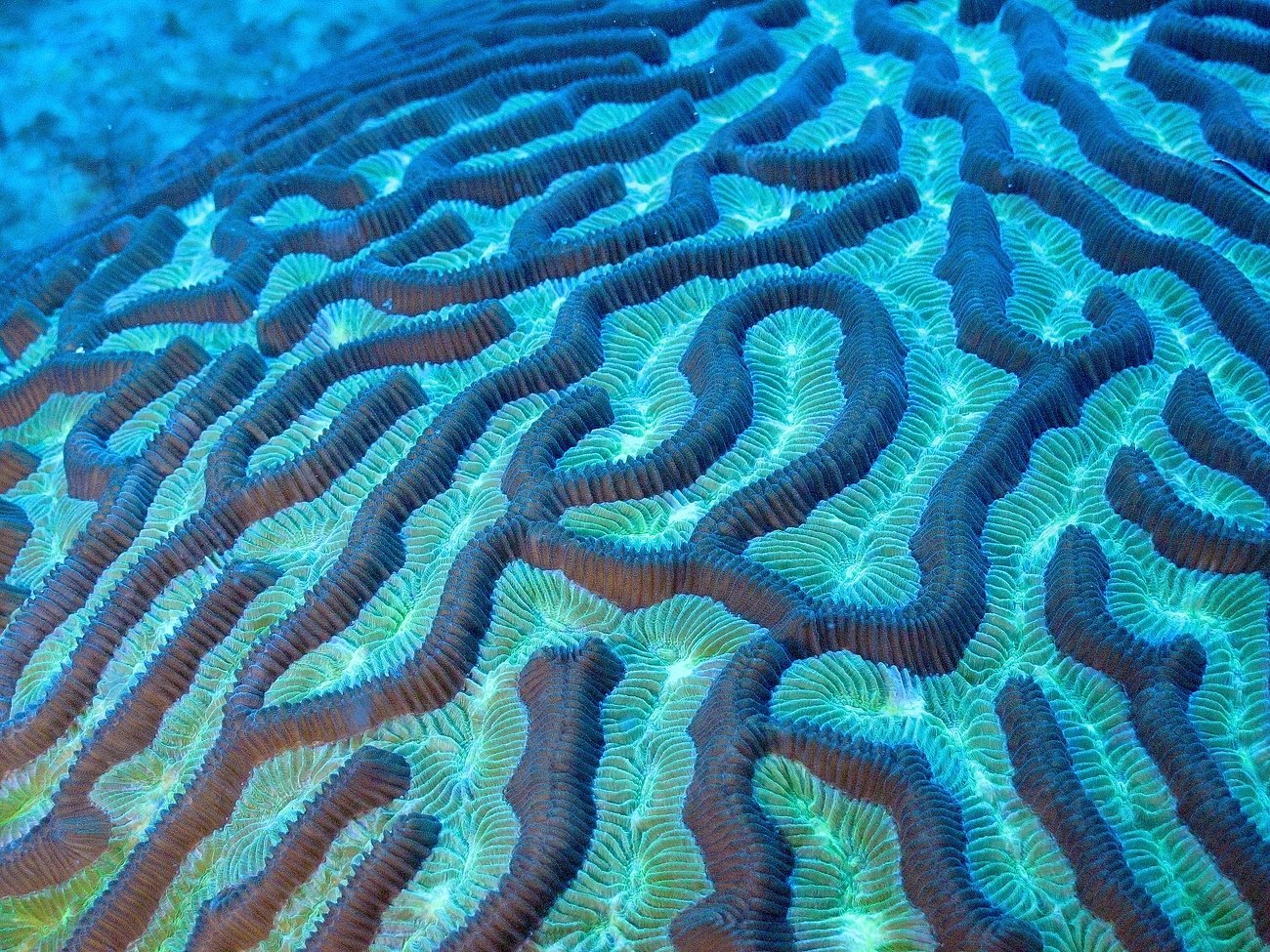
Despite its thriving ecosystem, the island faces challenges posed by climate change. Rising sea levels, increased storm intensity, and changing weather patterns threaten the delicate balance of life on the island. Conservationists and scientists are working tirelessly to mitigate these impacts, using innovative strategies to ensure the island’s survival. The resilience of the island serves as a testament to nature’s ability to adapt, but it also highlights the urgent need for global action to combat climate change and protect our planet’s natural wonders.
Lessons from Nature’s Resilience
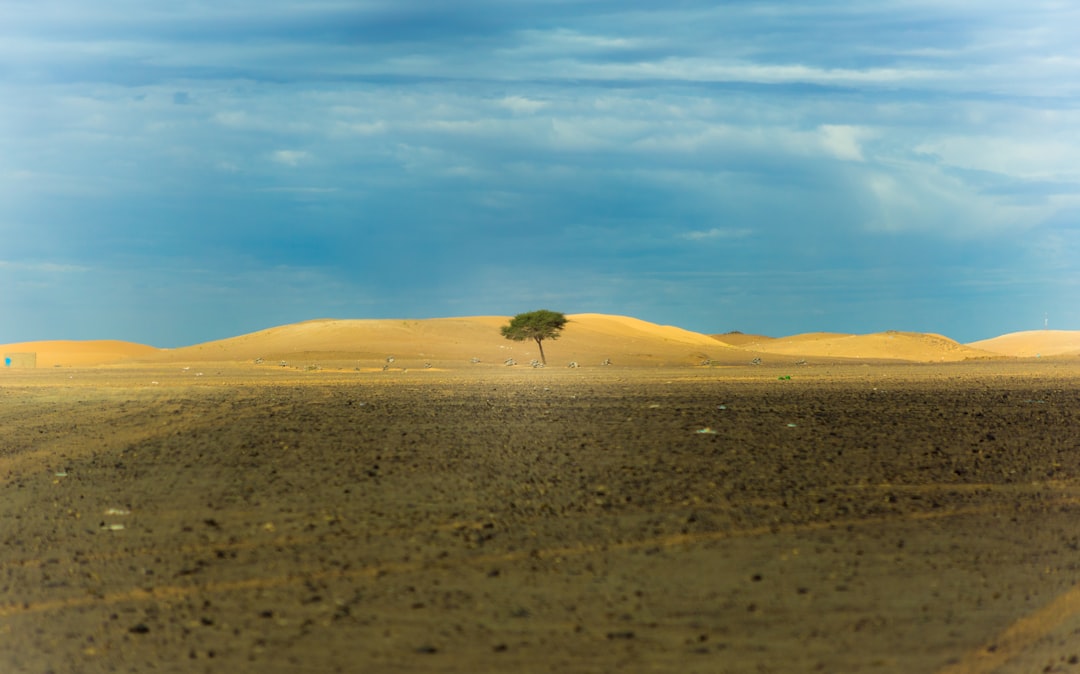
The story of this island is a powerful reminder of nature’s resilience and ability to adapt to changing conditions. It teaches us that even in the face of adversity, life finds a way to thrive. The island’s transformation from a simple sandbar to a vibrant wildlife sanctuary is an inspiration to all, showcasing the remarkable potential of nature to create and sustain life. As we marvel at this natural wonder, we are reminded of our responsibility to protect and preserve the planet for future generations.
A Call to Action for Conservation
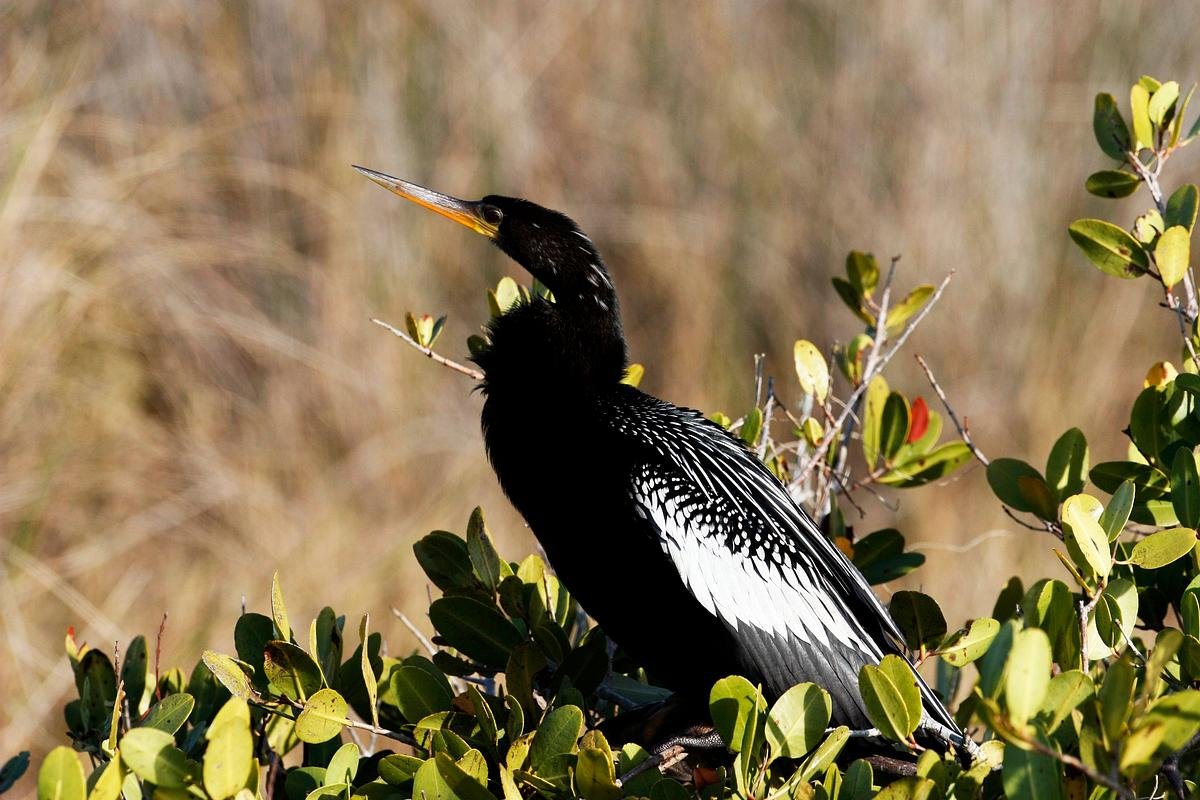
The island’s story is not just one of natural beauty and wonder; it is a call to action for conservation. It urges us to recognize the value of preserving our natural habitats and the biodiversity they support. By learning from the island’s journey, we can apply these lessons to other ecosystems, ensuring their survival in the face of environmental challenges. The island stands as a beacon of hope, reminding us that with concerted efforts and a commitment to conservation, we can protect our planet’s precious resources and secure a sustainable future for all.