Imagine walking through a bustling city, teeming with activity, organization, and cooperation. Now, shrink yourself down a thousand times, and you might just find a similar world beneath your feet—one ruled not by humans, but by insects displaying behaviors that seem almost impossibly advanced. These tiny creatures have been quietly mastering farming, herding, and tool use for millions of years—long before the first human ever tilled the soil or crafted a tool. Their miniature societies are filled with surprises that challenge our understanding of intelligence, community, and the very boundaries between nature and culture.
Ants: The Master Farmers Beneath the Soil
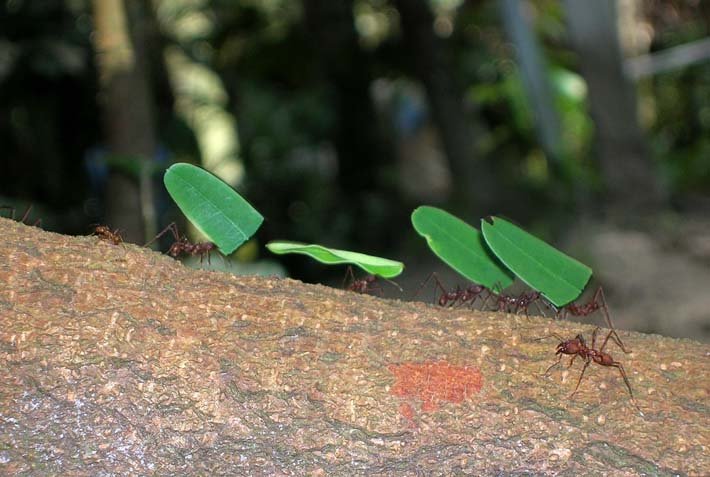
Deep underground, certain ants have developed sophisticated farming operations that would leave even the most seasoned human farmer in awe. Leafcutter ants, for example, don’t eat the leaves they collect; instead, they use them to cultivate a special fungus inside their nests. This fungus is their true food source, and the ants carefully tend to it—removing pests, pruning, and even using antibiotics secreted from their own bodies to keep the crop healthy. The colony’s survival depends on this delicate agricultural system, showing remarkable parallels to human crop management. Each ant has a job—some collect leaves, others process them, while another group cares for the precious fungal gardens, making sure conditions are just right.
Termites: Architects and Mushroom Growers
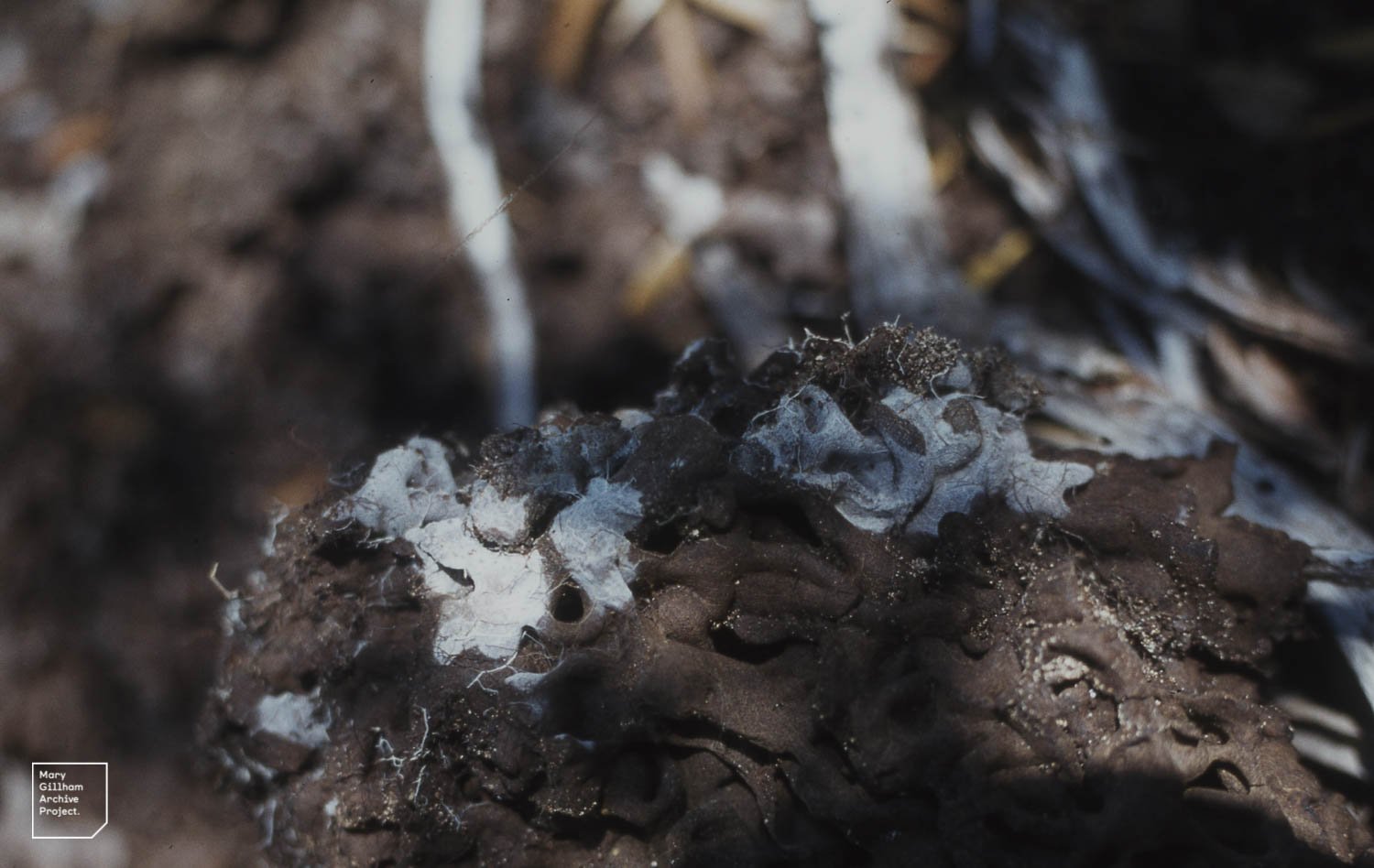
Termites are often pictured as simple wood eaters, but some species have developed an astonishing partnership with fungi. These termites build towering mounds that can rival the height of a two-story house, with intricate tunnels and ventilation systems. Deep inside, they cultivate a fungus on beds of chewed-up plant material. The termites bring in fresh food for the fungus and carefully regulate the climate of their chambers, opening and closing vents to control temperature and humidity. This farming relationship has been so successful that it has lasted tens of millions of years, a testament to the termites’ ingenuity and adaptability.
Ants as Livestock Herders
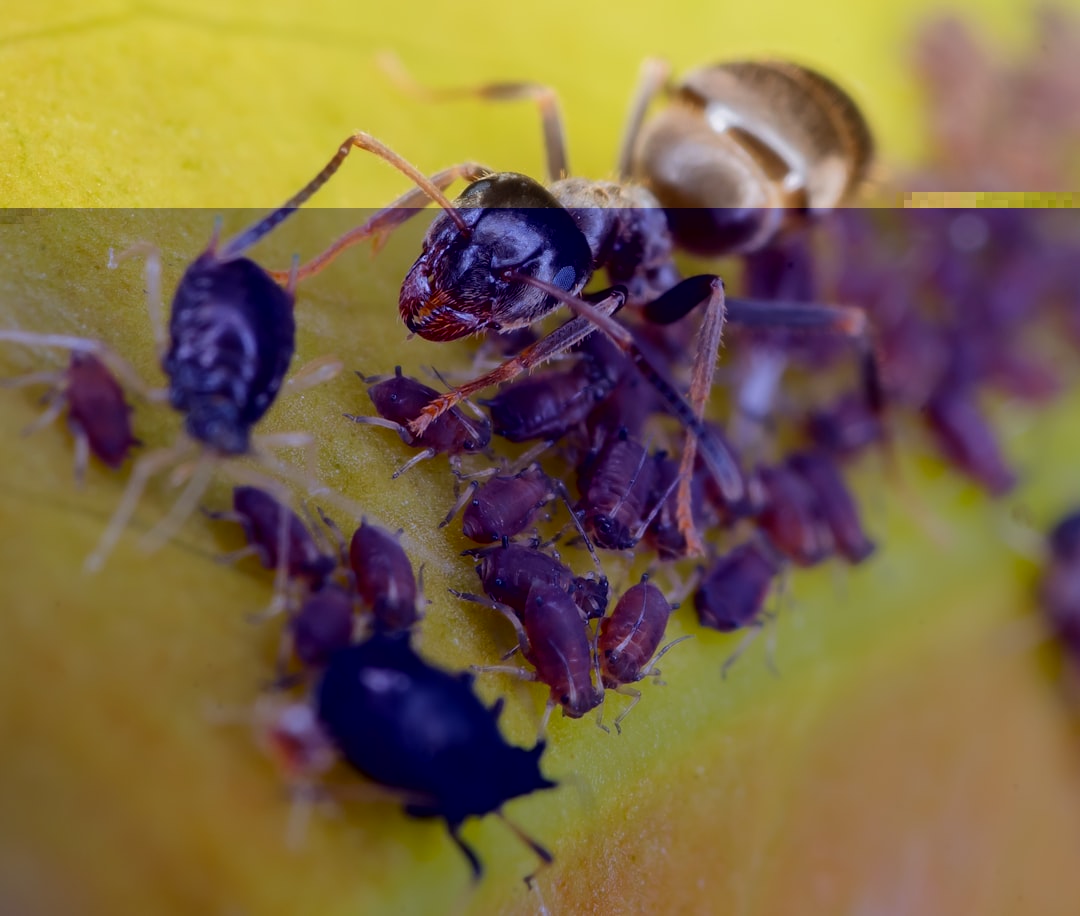
Some ants take herding to a new level by “farming” other insects. Aphids, the small, sap-sucking bugs, are herded and cared for by certain ant species just as humans herd cattle. The ants protect the aphids from predators and move them to the best feeding spots on plants. In return, the aphids excrete a sugary substance called honeydew, which the ants harvest and eat. This symbiotic relationship can get so specialized that ants will even carry aphid eggs to new plants or shelter them in their nests during bad weather, ensuring their “herds” thrive all year round.
Bees Harnessing the Power of Tools
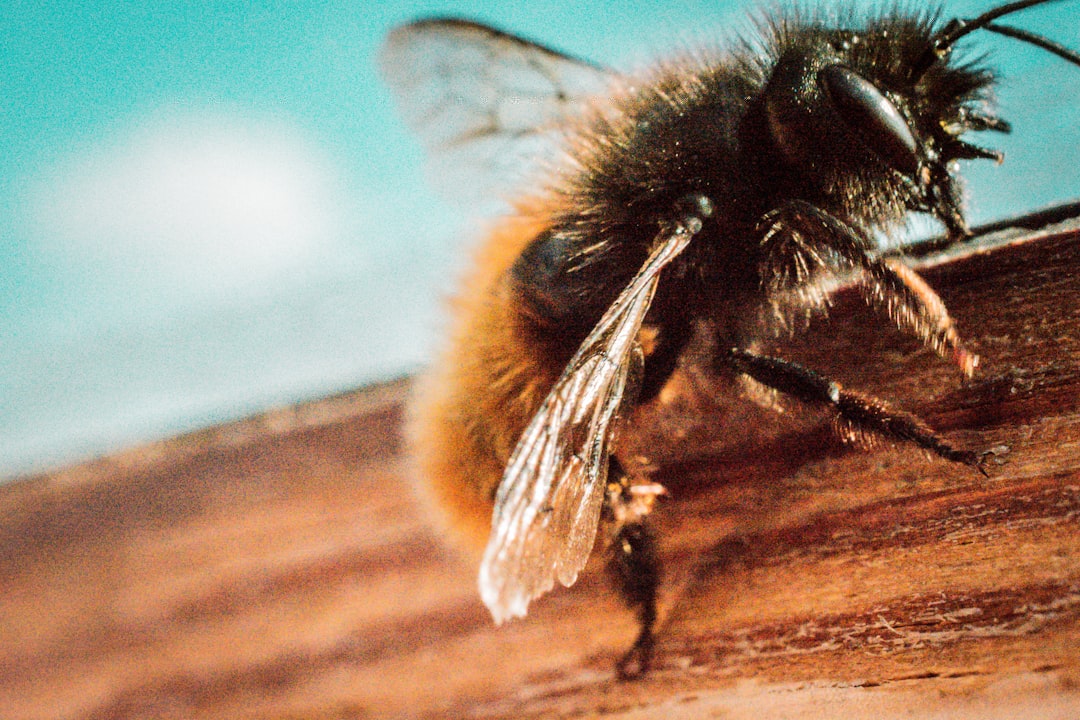
Bees are famous for their honey and complex hives, but they are also tool users in their own right. Some species, like bumblebees, have been observed using leaves or petals to cover their nests and protect them from rain. Honeybees also exhibit a form of tool use by collecting propolis—a sticky resin from trees—which they use to seal cracks in their hives and create a sterile environment. These behaviors require problem-solving skills and the ability to adapt to changing circumstances, qualities once thought to be exclusive to larger-brained animals.
Ants Building Living Bridges and Rafts
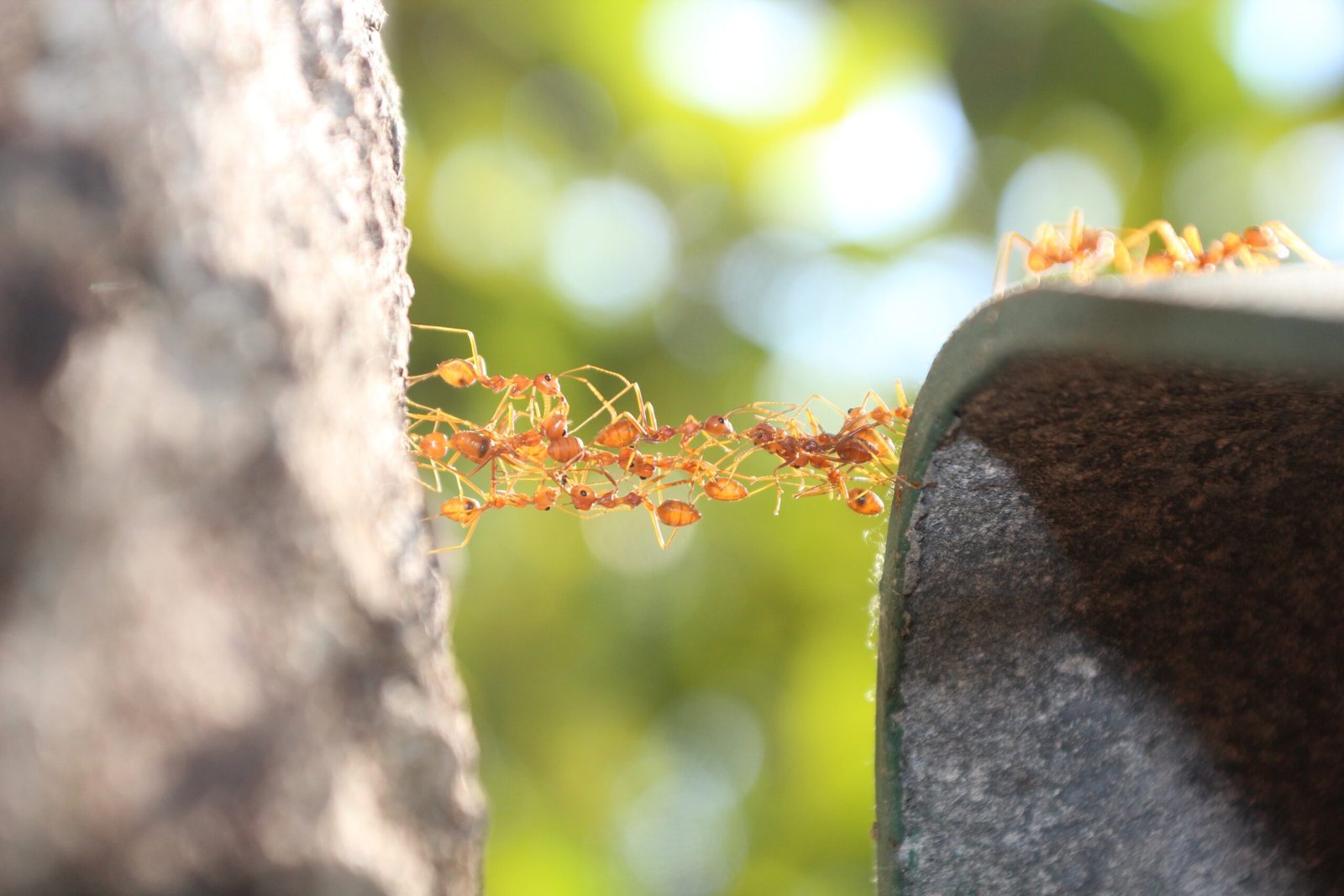
Tool use in insects isn’t always about objects; sometimes, the insects themselves become the tools. Army ants, when confronted with gaps or water obstacles, link their bodies together to form living bridges or rafts. These structures are dynamic—ants join or leave as needed, optimizing the bridge’s strength and flexibility in real time. Such collective engineering allows the colony to move quickly through challenging terrain, demonstrating both cooperation and innovation on a breathtaking scale.
Wasps: The Papermakers of the Insect World
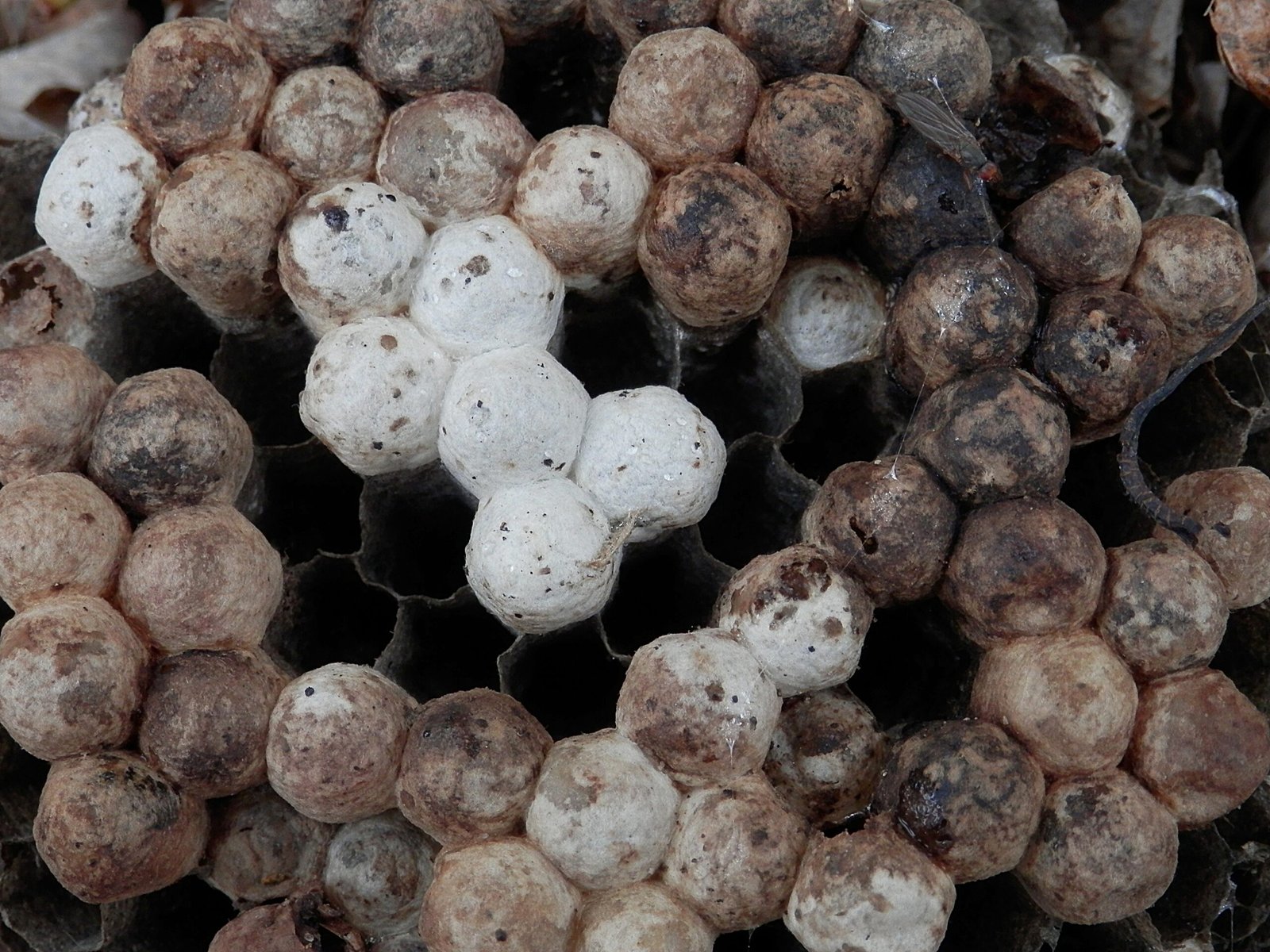
Paper wasps are nature’s original papermakers. They chew wood fibers mixed with their saliva to create a pulp, which they then use to build intricate, multi-chambered nests. These nests are lightweight yet strong, providing protection and a controlled environment for their larvae. The wasps’ ability to manipulate raw materials and shape them into complex structures is a clear example of tool use and architectural planning, echoing the skills humans use to build their own homes.
Ants Using Debris as Shields and Tools
Some ants have learned to use items from their environment as tools for survival. The “debris-carrying” ant species, for example, collect tiny pieces of sand, leaf, or wood to cover themselves while foraging. This camouflage protects them from predators and hides their scent from rivals. Others use pebbles or soil to block the entrances to their nests, creating a barrier against invaders. These behaviors show a remarkable ability to manipulate the world around them to solve problems and increase their chances of survival.
Ants Practicing Sanitation and Medicine
Cleanliness and health are not solely human concerns. Some ants go to great lengths to keep their colonies disease-free. They use antimicrobial substances produced by their bodies or collected from plants to sterilize their nests and themselves. When an ant becomes sick, it may be removed from the colony or treated by nestmates using these natural “medicines.” Such practices are essential for preventing outbreaks in crowded colonies and are surprisingly similar to human efforts at sanitation and public health.
Bees and the Dance of Communication
Honeybees have developed a dazzling method to communicate the location of food sources: the waggle dance. By moving in specific patterns, a bee can tell her nestmates exactly where to find flowers rich in nectar and pollen. This dance is a complex language that conveys distance, direction, and even the quality of the food. The precision and efficiency of this communication rival some of the most advanced animal signaling systems and have fascinated scientists for generations.
Ants and Memory: Navigating with Landmarks and Smells
Navigation is essential for insects that travel far from their nests. Some ants memorize the position of landmarks, the angle of sunlight, and even use scent trails to find their way home. They’ve been seen counting steps or using the pattern of polarized light in the sky as a compass. This combination of memory, learning, and environmental cues allows ants to forage over long distances and return with unerring accuracy, a feat that still puzzles researchers.
Termites and Their Air-Conditioned Towers
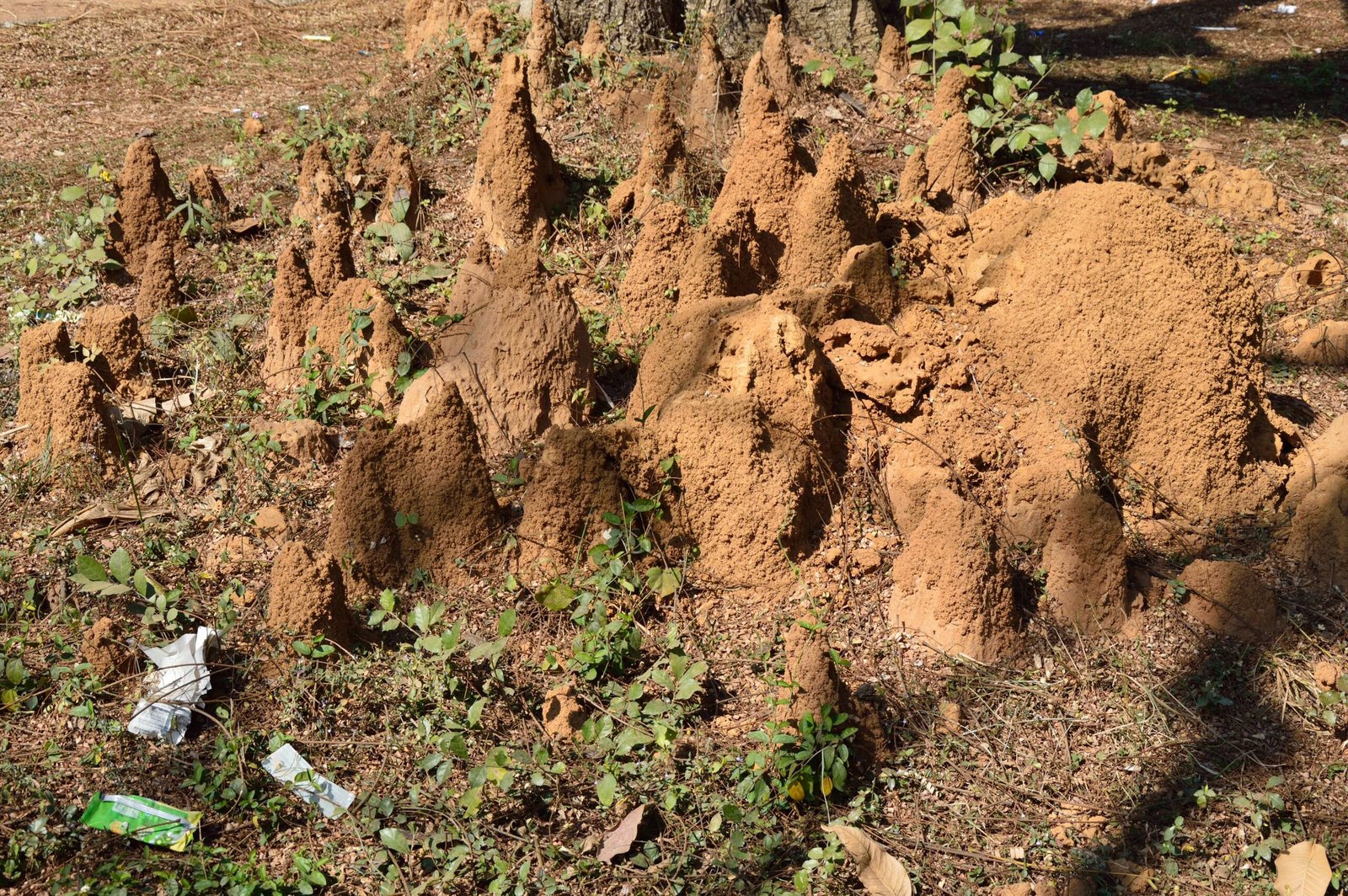
Termites are master architects who design their mounds with built-in air conditioning. The intricate structure of tunnels and vents allows air to circulate, keeping the interior at a stable temperature and humidity level, even when the outside climate is harsh. This natural engineering is so sophisticated that architects and engineers have studied termite mounds for inspiration in designing energy-efficient buildings. Termites’ ability to shape their environment for collective benefit is a striking example of insect ingenuity.
Insects: Ancient Innovators with a Modern Message
The farming, herding, and tool-using behaviors of insects are not only astonishing—they also reveal how intelligence and culture can arise in the most unexpected forms. These tiny creatures have been solving complex problems and building advanced societies for millions of years. Their achievements force us to rethink what it means to be clever, adaptable, and social. Insects show us that remarkable innovation isn’t limited to humans; it’s been thriving all around us, in miniature, since long before we ever picked up a plow or hammer. What other secrets might the insect world still be hiding?