
You might be standing on billions of gallons of water right now and not even know it. Beneath your feet, beneath your city, beneath entire mountain ranges, water is on the move – silently, invisibly, and continuously. It seeps through rock, sleeps for thousands of years in ancient reservoirs, and rises again through springs and wells to sustain life on the surface.
This underground world is one of the most fascinating and least understood systems on Earth. The journey water takes through these hidden pathways is stranger and more dramatic than most people imagine. So let’s dive in.
The Never-Ending Cycle That Has No Beginning
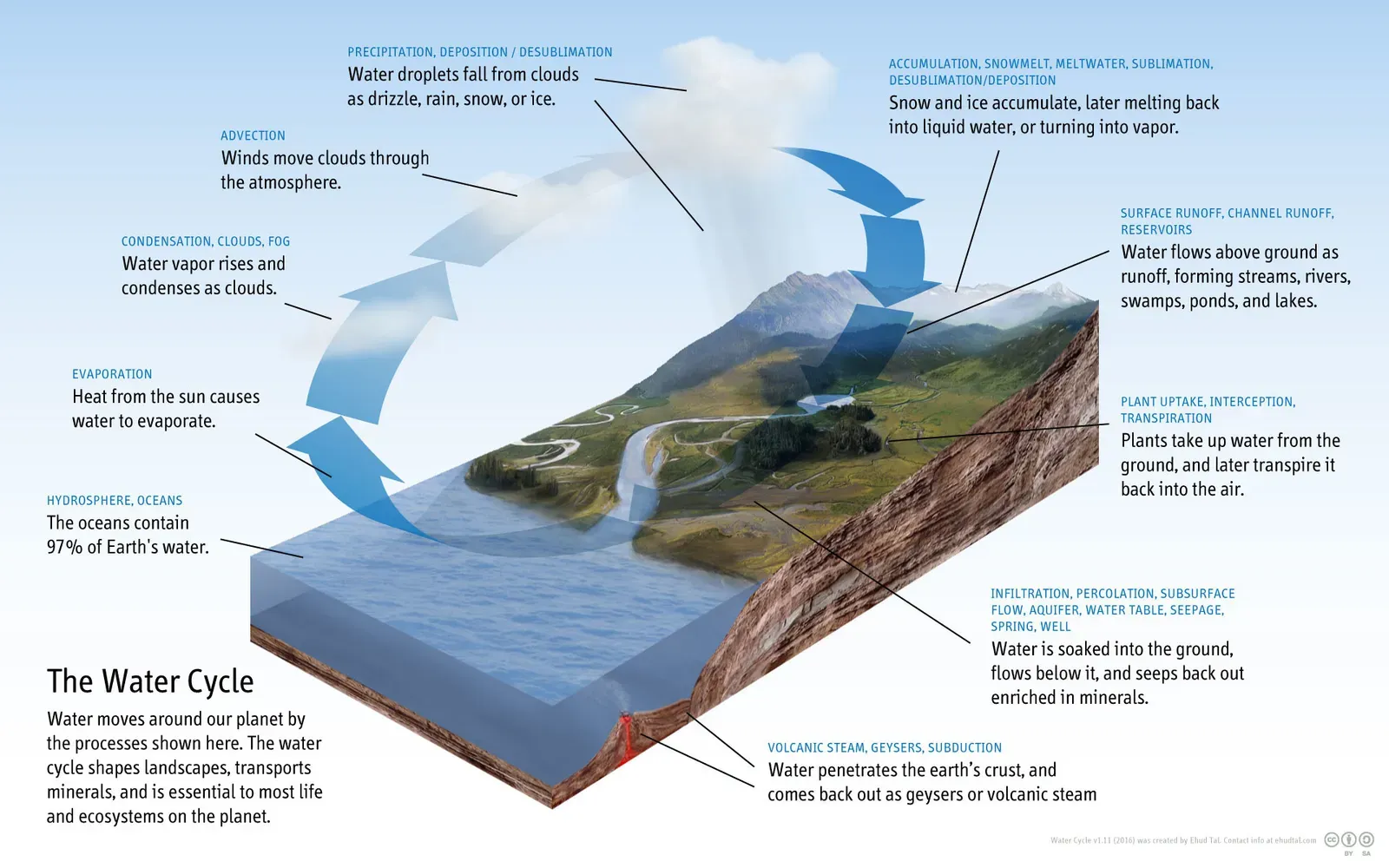
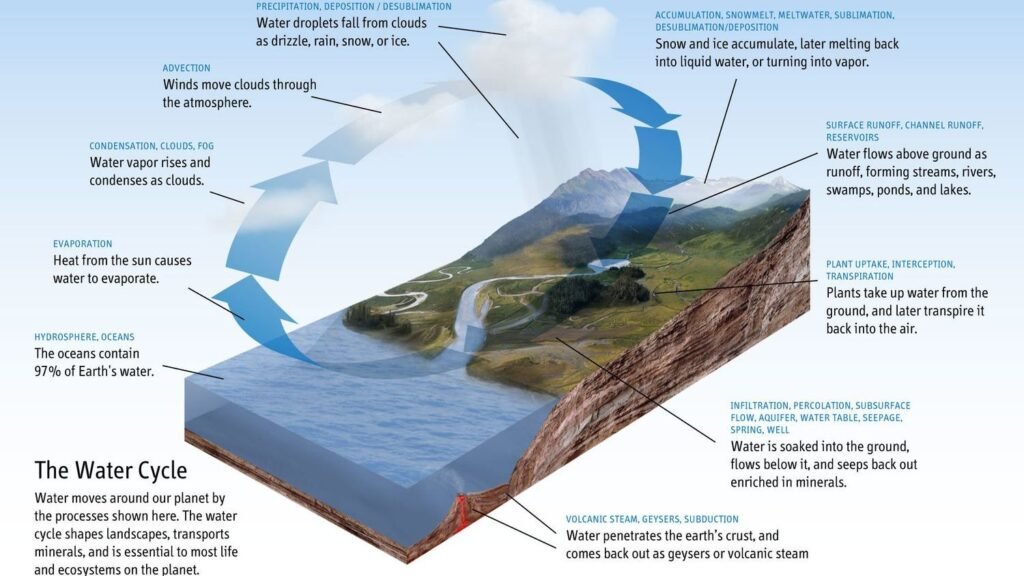
Here is a truth that took scientists centuries to fully grasp: the hydrologic cycle has no beginning and no end. You can pick it up at any point – rainfall, evaporation, infiltration, groundwater flow – and the story continues in all directions simultaneously. It is less like a straight line and more like an orchestra playing without a conductor.
Earth, for the most part, is a closed system, meaning it neither gains nor loses much matter, including water. Consequently, the same 332.5 million cubic miles of water on Earth today also existed millions of years ago. Think about that for a moment. The water in your morning coffee may have once flowed through the veins of a prehistoric creature. It is genuinely humbling when you stop to consider it.
Where Does All the Water Actually Hide?
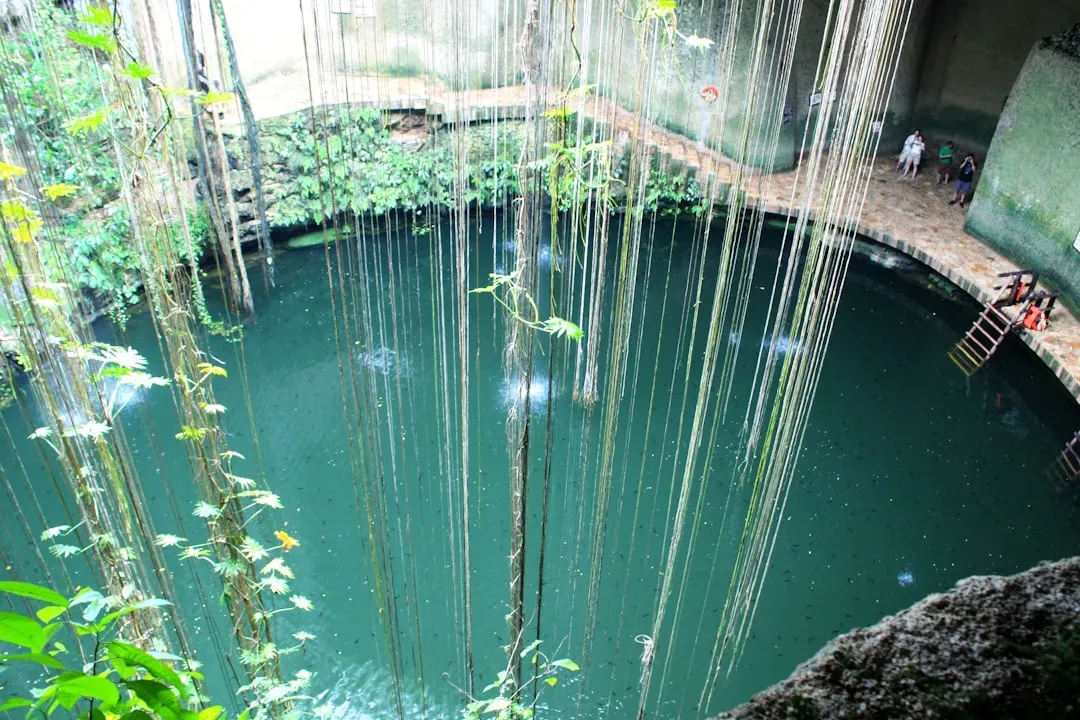
Most people picture freshwater as rivers, lakes, and streams. Honestly, that is a very incomplete picture. When most people think of freshwater, they envision rivers, wetlands, lakes, or reservoirs. But thirty times more freshwater on Earth is stored underground and out of sight.
Groundwater represents ninety-nine percent of the Earth’s liquid freshwater – the water not contained in icecaps and glaciers. Because we have so much groundwater, billions of people rely on it for drinking, and groundwater also provides about forty-three percent of the water used to grow our food. In other words, the food on your plate almost certainly had its roots in underground water at some point in its life.
How Water Actually Moves Underground
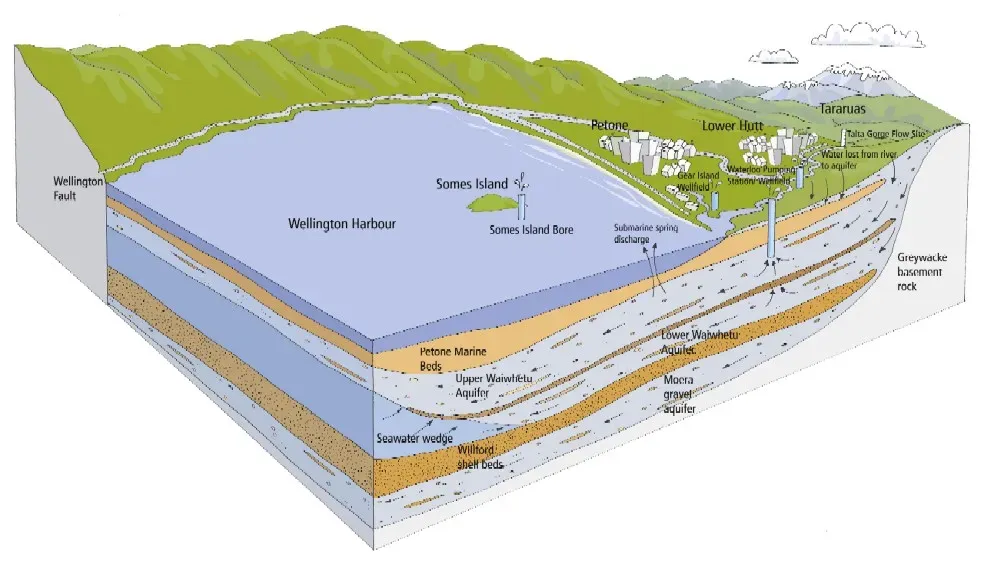
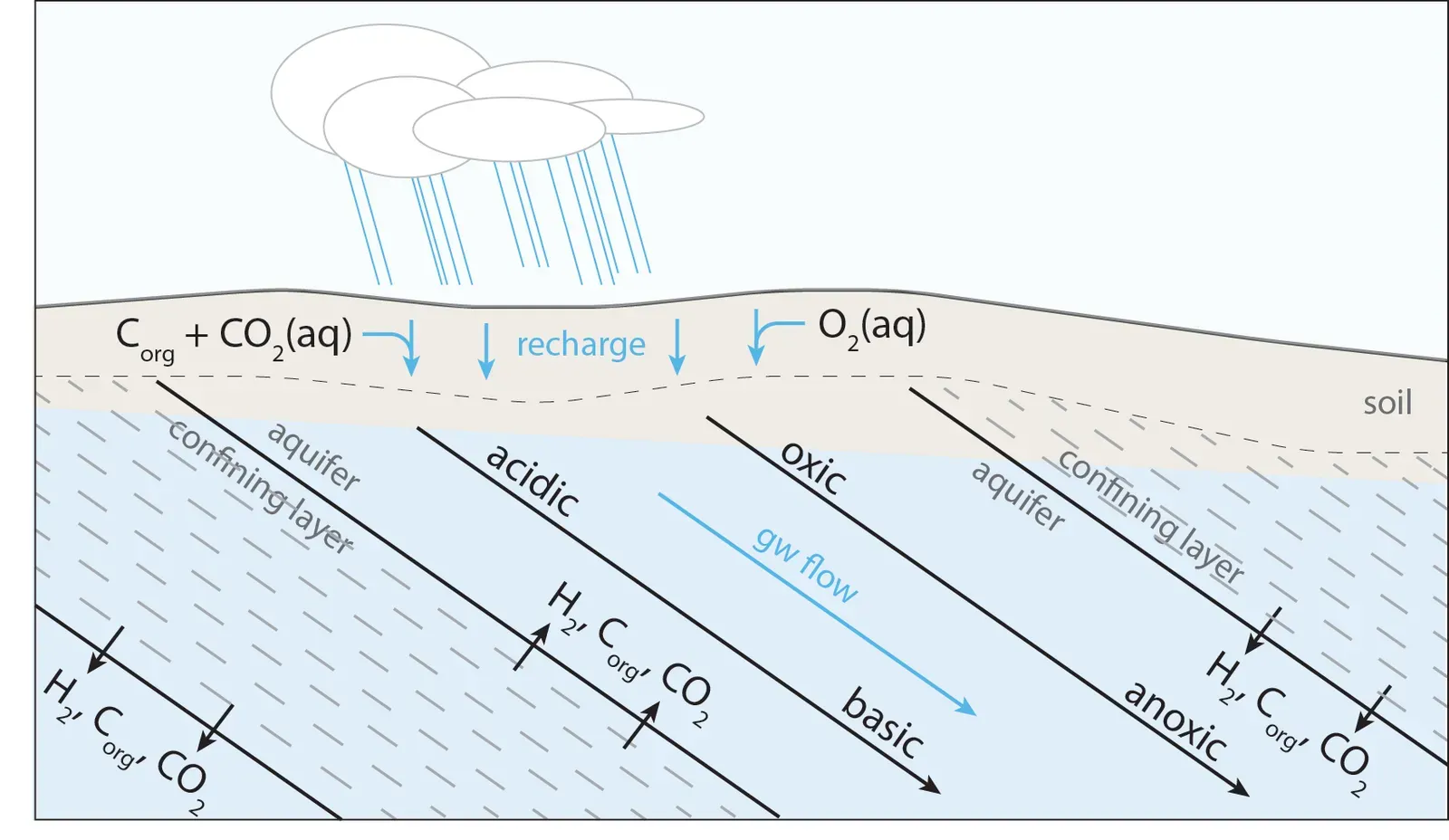
Here is where a popular myth deserves a proper burial. Many people imagine underground rivers rushing through dark caverns, like something from an adventure novel. Yes, water below your feet is moving all the time, but not like rivers flowing below ground. It is more like water in a sponge. Gravity and pressure move water downward and sideways underground through spaces between rocks.
Water moving below ground depends on the permeability and on the porosity of the subsurface rock. If the rock has characteristics that allow water to move relatively freely through it, then groundwater can move significant distances in a number of days. But groundwater can also sink into deep aquifers where it takes thousands of years to move back into the environment. So it is both a sprinter and a napper, depending on where it ends up.
The Ancient Aquifers and Their Million-Year Secrets
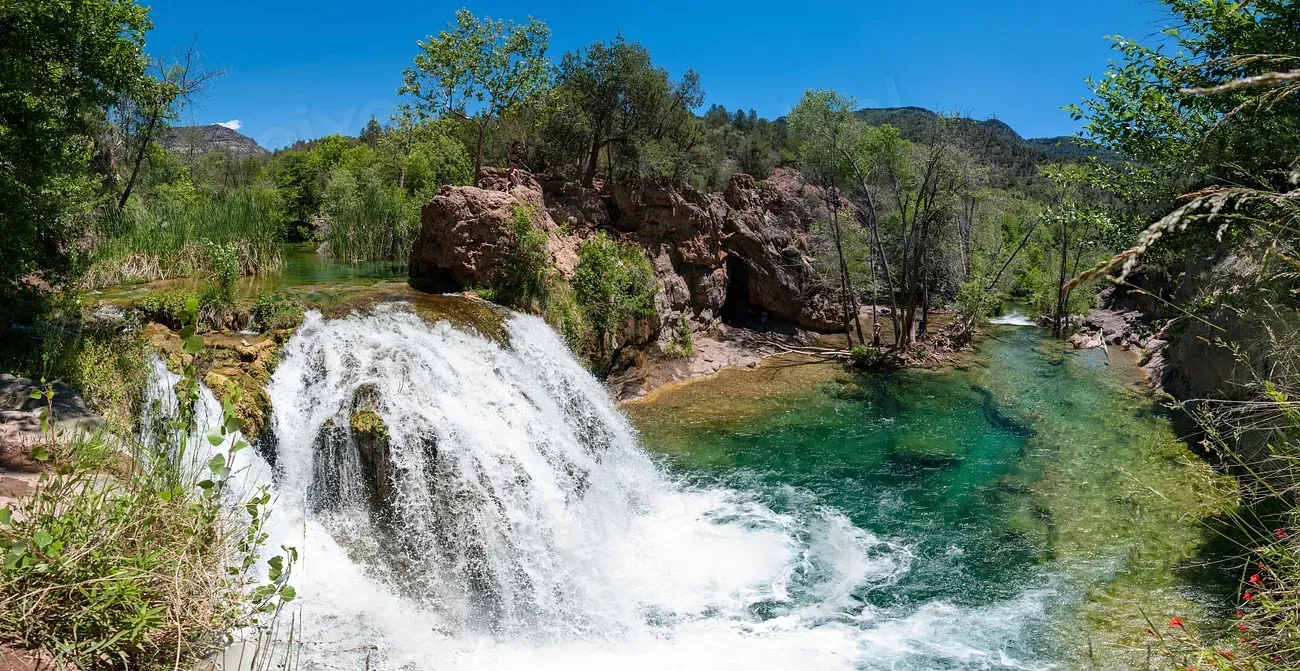
If you want something truly mind-bending, consider this: by analyzing the trace elements in water sourced from deep underground, hydrogeologists have been able to determine that water extracted from these aquifers can be more than one million years old. That is water that fell as rain before modern humans existed. Some people are drinking it today.
The Great Artesian Basin in central and eastern Australia is one of the largest confined aquifer systems in the world, extending for almost two million square kilometers. By comparing the age of groundwater obtained from different parts of the Great Artesian Basin, hydrogeologists have found it increases in age across the basin. Where water recharges the aquifers along the Eastern Divide, ages are young. As groundwater flows westward across the continent, it increases in age. It is essentially a geological clock written in water.
Karst – The Underground World That Breaks All the Rules
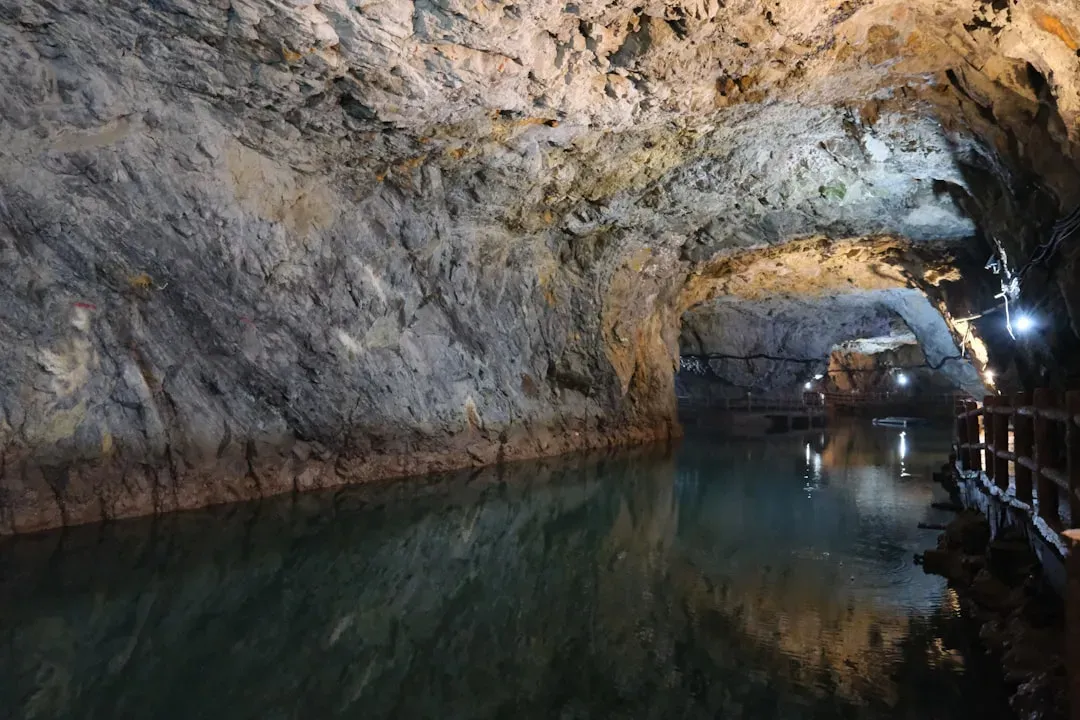
Most groundwater moves with the patience of a saint. Karst terrain, however, plays by entirely different rules. Karst is a topography formed from the dissolution of soluble carbonate rocks such as limestone and dolomite. It is characterized by features like poljes above and drainage systems with sinkholes and caves underground. Think of it as the Earth quietly eating itself from within, creating caverns, tunnels, and underground rivers over millions of years.
Because of the large size of interconnected openings in well-developed karst systems, karst terrain can have true underground streams. Rivers in karst areas may disappear underground a number of times and spring up again in different places, even under a different name. Interestingly, in the United States, about forty percent of the groundwater used for drinking comes from karst aquifers. The ground beneath your feet may be far more hollow than you realize.
The Role of Plants in Moving Water Through the System
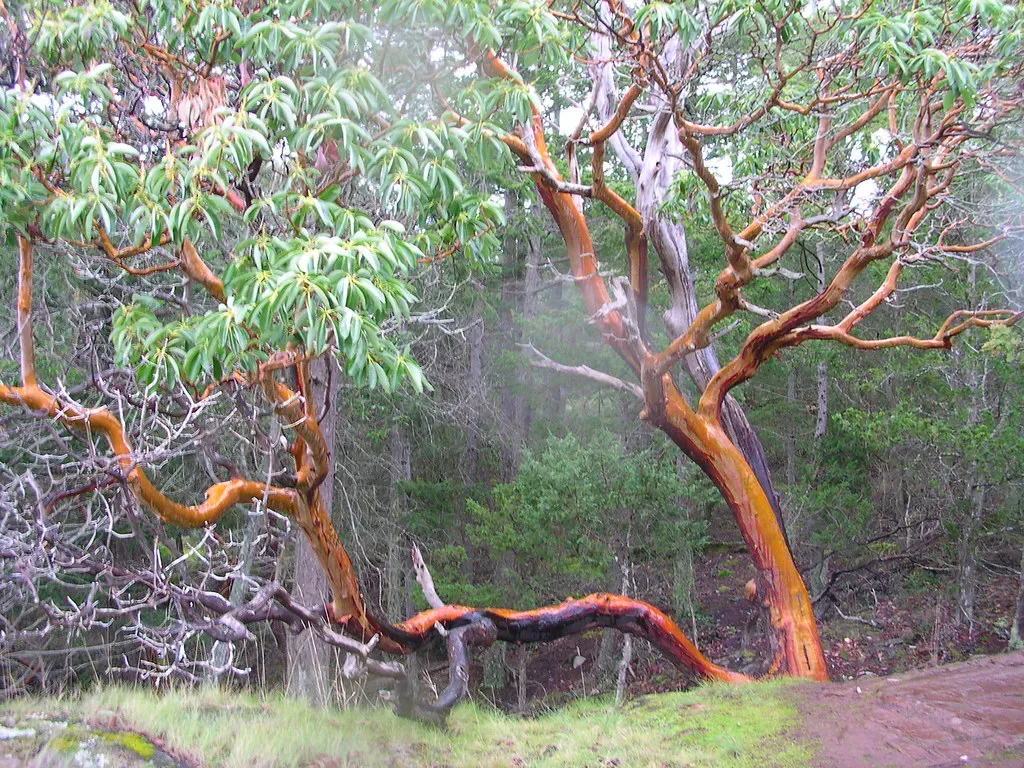
Trees and plants are not passive bystanders in the water cycle. They are active participants, and remarkably industrious ones. Transpiration is the process of plants removing water from the soil and expelling it to the atmosphere. The water is extracted by the roots, travels through the plant vascular system, and exits through structures called stomata on the underside of the leaves.
The scale of this process is staggering. During a growing season, a leaf will transpire many times more water than its own weight. An acre of corn gives off about three to four thousand gallons of water each day, and a large oak tree can transpire forty thousand gallons per year. Globally, it is estimated that on average between three-fifths and three-quarters of all land precipitation is returned to the atmosphere via evapotranspiration. Plants, in essence, are living pumps that constantly recycle water back into the sky.
Groundwater and Surface Water – An Inseparable Partnership
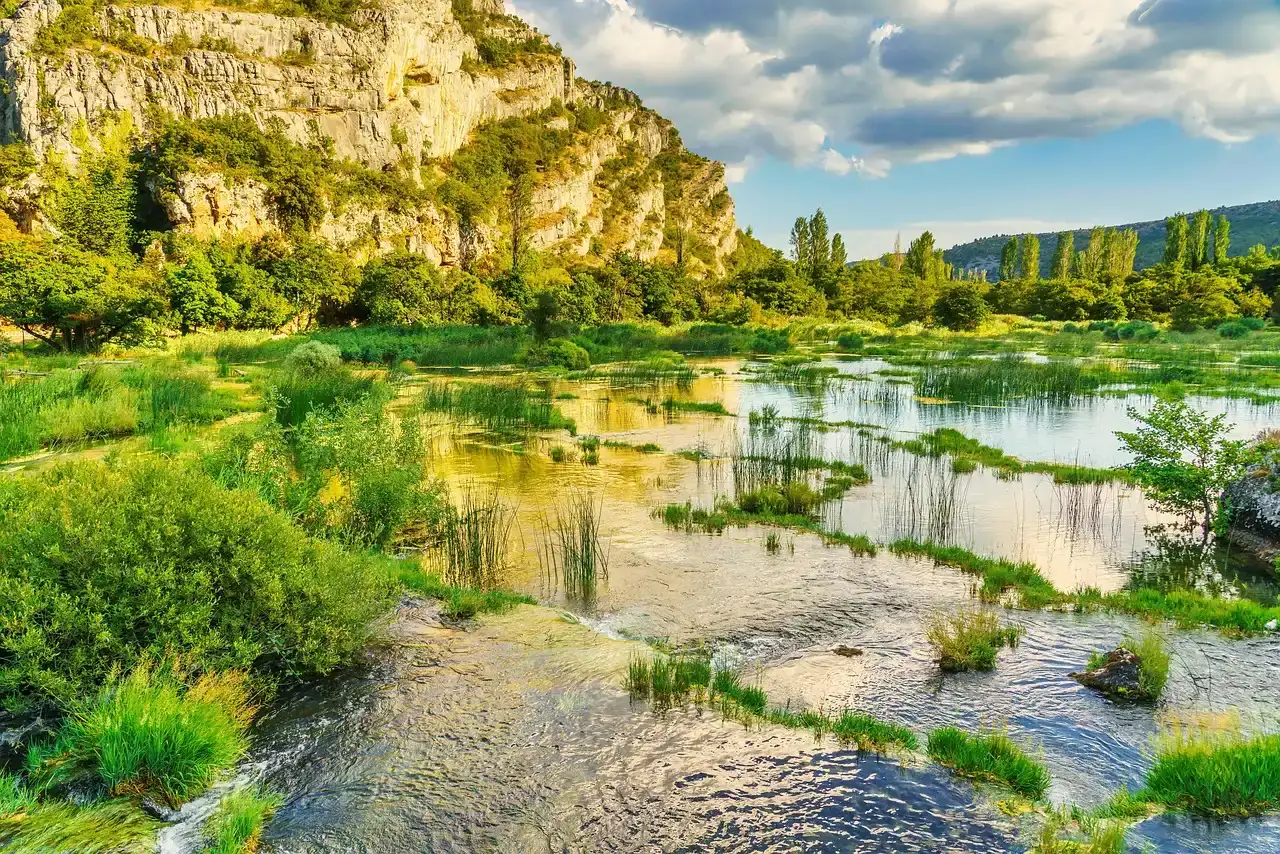
Here is something that surprises a lot of people: the river flowing through your city and the groundwater beneath it are not separate things. They are deeply, constantly interconnected. Even though you cannot see it, groundwater helps support half of all freshwater ecosystems by replenishing surface water, including rivers, streams, wetlands, and lakes. Freshwater systems above and below ground are closely interconnected, so if the groundwater level is pulled down just a few feet, the flow of groundwater into freshwater ecosystems would quickly decrease.
Groundwater seeps from the banks of rivers and lakes, feeding approximately half of our surface water resources. Its capillaries and capillary fringes not only connect with rivers and lakes, but also issue forth into springs and wetlands. Every spring you have ever hiked to, every cool stream feeding a forest – those are all, in part, the groundwater system expressing itself above the surface.
The Threats Facing Earth’s Hidden Water
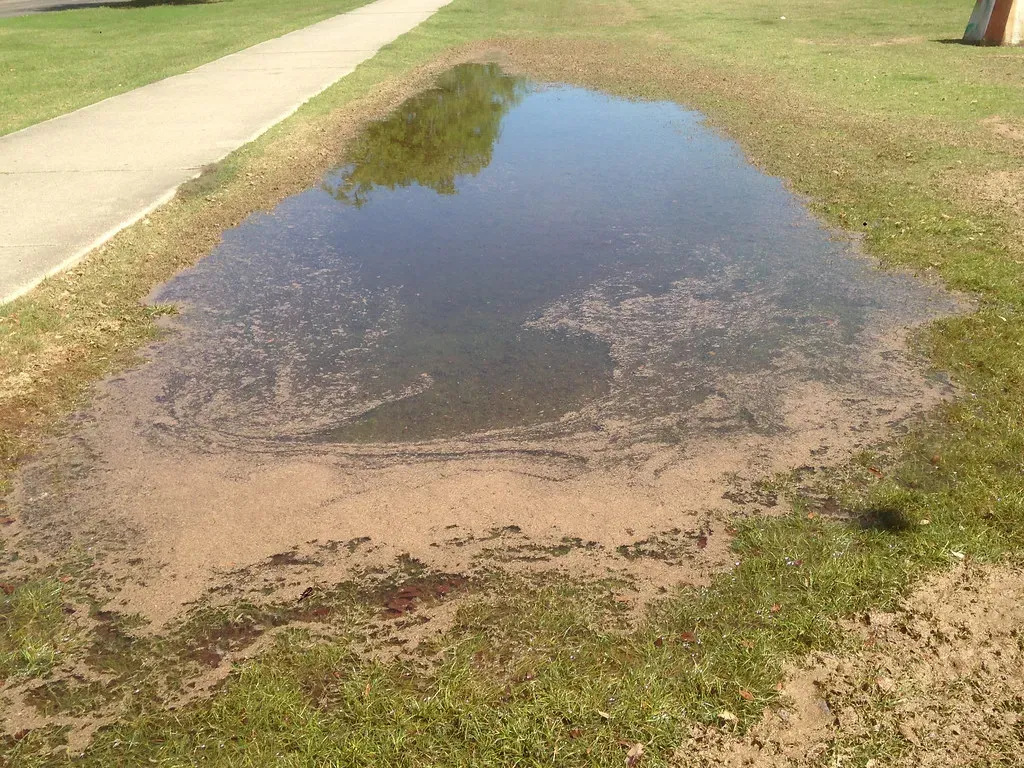
Let’s be real: this extraordinary system is under serious pressure, and we are the main cause. In recent decades, climate change and other anthropogenic activities have substantially affected groundwater systems worldwide. The consequences range from the inconvenient to the catastrophic.
Groundwater is susceptible to saltwater intrusion in coastal areas and can cause land subsidence when extracted unsustainably, leading to sinking cities like Bangkok and loss in elevation such as the multiple meters lost in the Central Valley of California. Meanwhile, unlike the concern generated when major reservoirs reach dangerously low levels, many of our aquifers have been quietly overused for decades and are not being replenished at rates that can keep up with demand. Groundwater withdrawals in the U.S. have more than tripled over the last five decades. I think that last statistic deserves a long pause.
The Living World Hidden in the Water Below
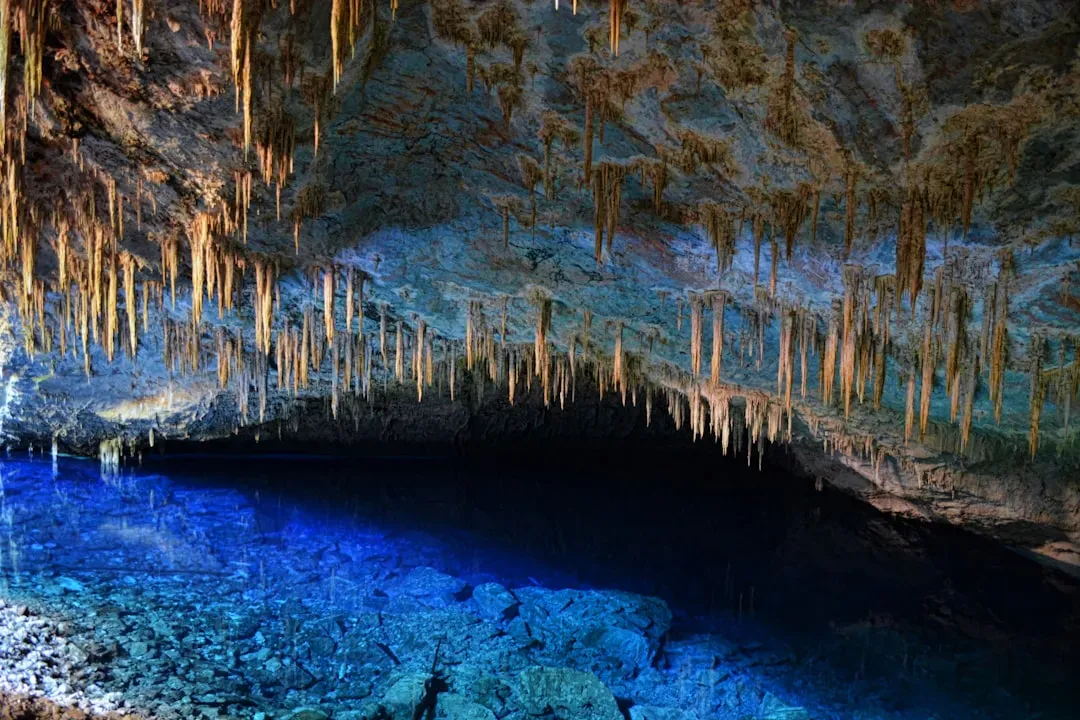
You might assume that deep underground water is a sterile, lifeless place. Science in 2026 says otherwise, and the discoveries are extraordinary. Groundwater is considered the largest reservoir of liquid freshwater on Earth and a habitat for complex microbial communities that drive essential biogeochemical cycles. The darkness below is teeming with microscopic life doing critical biochemical work.
Recent research has revealed an even stranger layer to this story. Based on widespread genomic data, researchers conclude that viruses play a role in modulating the metabolism of their microbial hosts. Although these conclusions are based on genomic data rather than experimental evidence, the results suggest that viruses have a significant impact on the groundwater microbiome. The data suggest that viruses do not only affect individual microbes, but are also integrated into complex microbial networks. In other words, even the underground water is hosting an ecosystem of staggering complexity that we have only just begun to understand.
Conclusion: The Water Beneath Your Feet Deserves More Respect
Water’s journey is one of the most extraordinary stories our planet has to tell. It seeps through stone over centuries, sleeps in ancient aquifers for a million years, races through limestone caves in a single afternoon, and rises as a cool spring to feed a mountain river. It is the same water, cycling endlessly, long before humans arrived and long after we are gone.
Yet we extract it faster than it replenishes. We contaminate it with chemicals and waste. We build over the recharge zones that refill our aquifers. Simply put, the future of humanity – our water, our food, and the environmental systems that support them both – depends on the conservation and protection of groundwater resources.
Understanding this hidden system is the first step to protecting it. You now know the journey water takes through rock, root, and river. The real question is: what will you do differently because of it? Share your thoughts in the comments below.