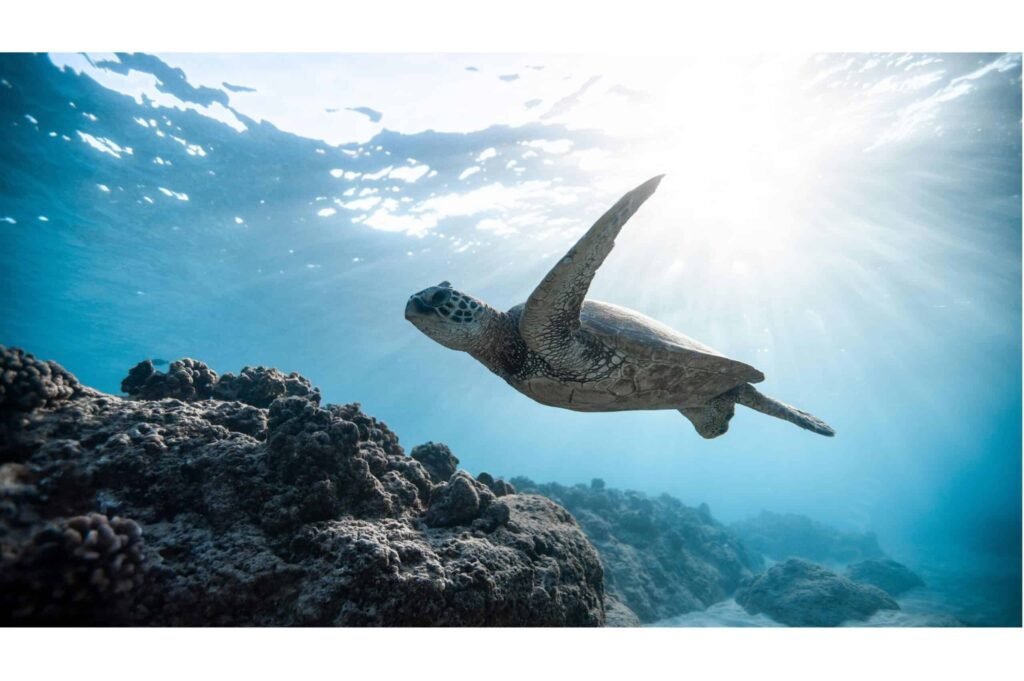

The journey of sea turtles across vast oceanic landscapes is nothing short of miraculous. These ancient mariners have been navigating the seas for over 100 million years, braving harsh environments and incredible distances to complete their life cycle. This article delves into the intricacies of their migration, the challenges they face, and the fascinating navigation methods they use.
An Overview of Sea Turtle Species
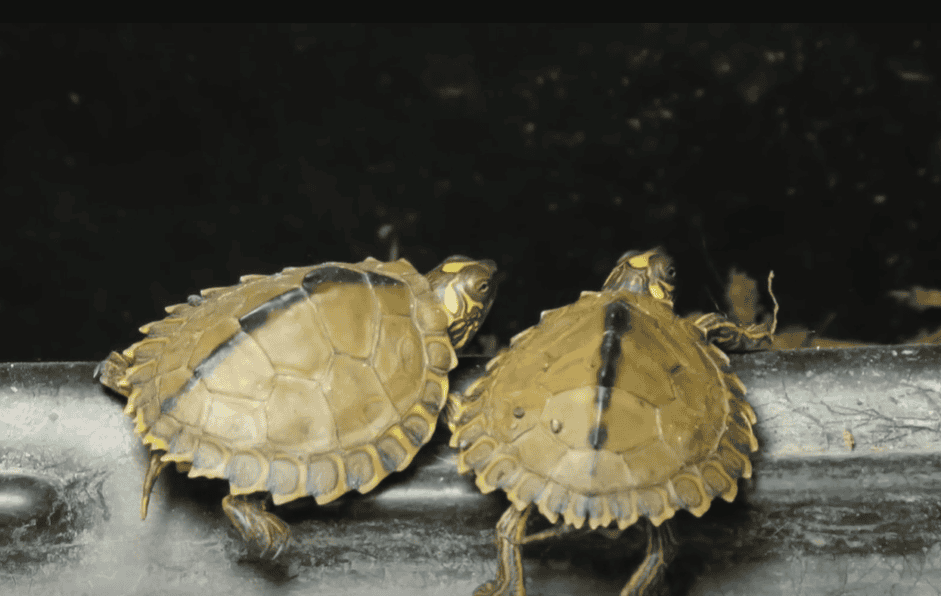
Sea turtles belong to a group of reptiles that grace our oceans, with seven distinct species known today: Leatherback, Green, Hawksbill, Loggerhead, Kemp’s Ridley, Olive Ridley, and the Flatback. Each species exhibits unique traits, but they share common life cycle patterns that involve extensive migratory journeys.
The Life Cycle of Sea Turtles
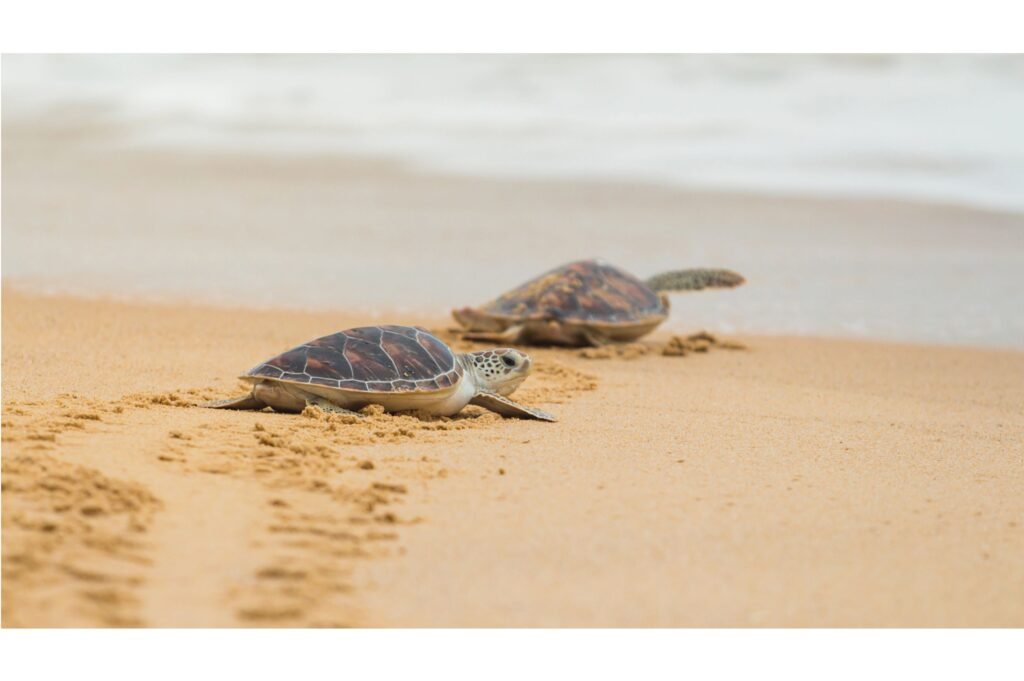
Sea turtles are known for their epic life cycles that begin and end on sandy beaches. After hatching, baby turtles (hatchlings) make a treacherous journey from their nests to the ocean, guided primarily by moonlight. Upon reaching the sea, these hatchlings enter a period called the “lost years,” spending the initial part of their life drifts with ocean currents, making it challenging for scientists to track them.
As they mature, sea turtles travel thousands of miles to find feeding grounds, often returning to the very beaches where they were born to lay their eggs—a phenomenon known as natal homing. This instinctual journey forms a critical part of the turtles’ lifecycle, ensuring future generations and contributing to genetic diversity.
Navigational Prowess: How Sea Turtles Find Their Way

One of the most incredible aspects of sea turtles is their ability to navigate across entire oceans. But how do these creatures find their way? Sea turtles use a combination of environmental cues for navigation:
- Magnetic Fields: Sea turtles have an innate ability to detect the Earth’s magnetic fields, using them as a map to find their way across vast distances.
- Celestial Navigation: The position of the sun, stars, and even the moon plays a role in helping sea turtles orient themselves.
- Ocean Currents: By utilizing ocean currents, sea turtles can travel long distances relatively efficiently.
- Olfactory Cues: Research suggests that sea turtles may also use smell to guide them, particularly in the final stages of their journey home.
Challenges Along the Way

Despite their impressive navigational abilities, sea turtles face numerous challenges throughout their lives. Human activities, such as coastal development, pollution, and fishing, pose significant threats. Climate change also alters sea temperatures and affects nesting sites, further challenging their survival.
Predators, both natural and human-induced, add to the dangers, making the journey hazardous from the moment they hatch. Conservation efforts are crucial in mitigating these threats, ensuring that sea turtles continue their epic journeys for generations to come.
Conservation Efforts: Protecting Sea Turtle Migrations

Globally, conservation efforts are underway to protect sea turtles and their habitats. Many organizations focus on protecting nesting sites, reducing bycatch in fisheries, and mitigating the impacts of climate change. Public awareness and education programs are also vital, encouraging responsible human behavior and fostering a sense of stewardship for these remarkable ocean travelers.
Legislation, such as the Endangered Species Act and international agreements like the CITES (Convention on International Trade in Endangered Species of Wild Fauna and Flora), plays an essential role in protecting sea turtle populations.
The Fascination with Migratory Wonders
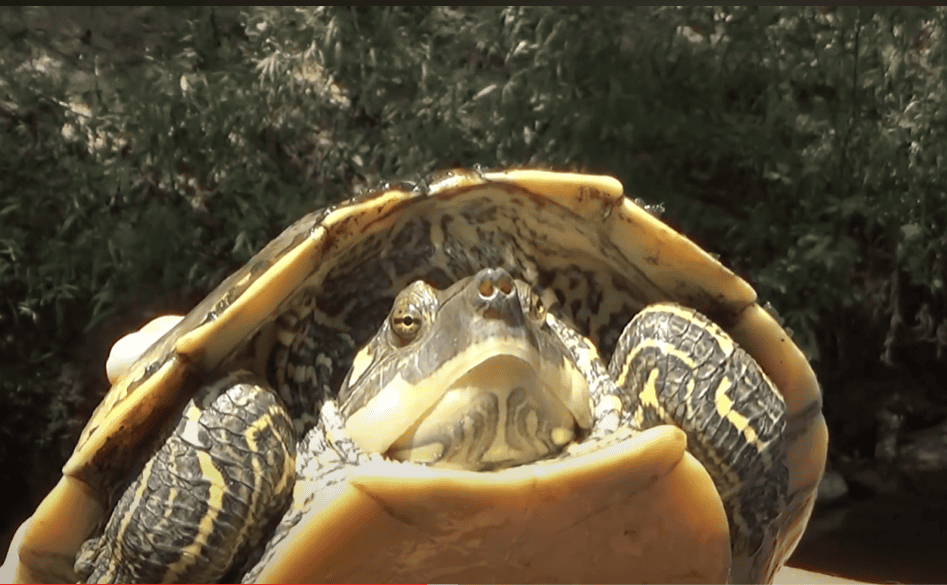
The study of sea turtles’ migratory patterns not only captivates scientists but also serves as an inspiration to people worldwide. Their incredible journey is a testament to nature’s resilience, complexity, and the unyielding drive of life to persist against the odds. Understanding their voyage helps us appreciate the interconnectedness of ocean ecosystems and our role in preserving them.
As we continue to learn more about these ancient mariners, it is essential to support and engage in conservation efforts that will allow these remarkable creatures to thrive and continue their journeys across the world’s oceans.