Florida’s picturesque coastlines, celebrated for their stunning beaches and vibrant ecosystems, stand on the front lines of climate change. As global temperatures rise, so do sea levels, threatening both human settlements and the diverse wildlife unique to the region. This silent but inexorable rise poses multifaceted challenges that require urgent attention and action.
The Science Behind Sea Level Rise
Sea level rise is primarily driven by two major factors: the melting of ice caps and glaciers, and the thermal expansion of seawater as it warms. Both processes are exacerbated by increased greenhouse gas emissions, which trap heat in the Earth’s atmosphere. In Florida, where the land is relatively flat and low-lying, even a modest increase in sea level can lead to significant flooding and erosion.
Florida’s Vulnerable Coastal Cities
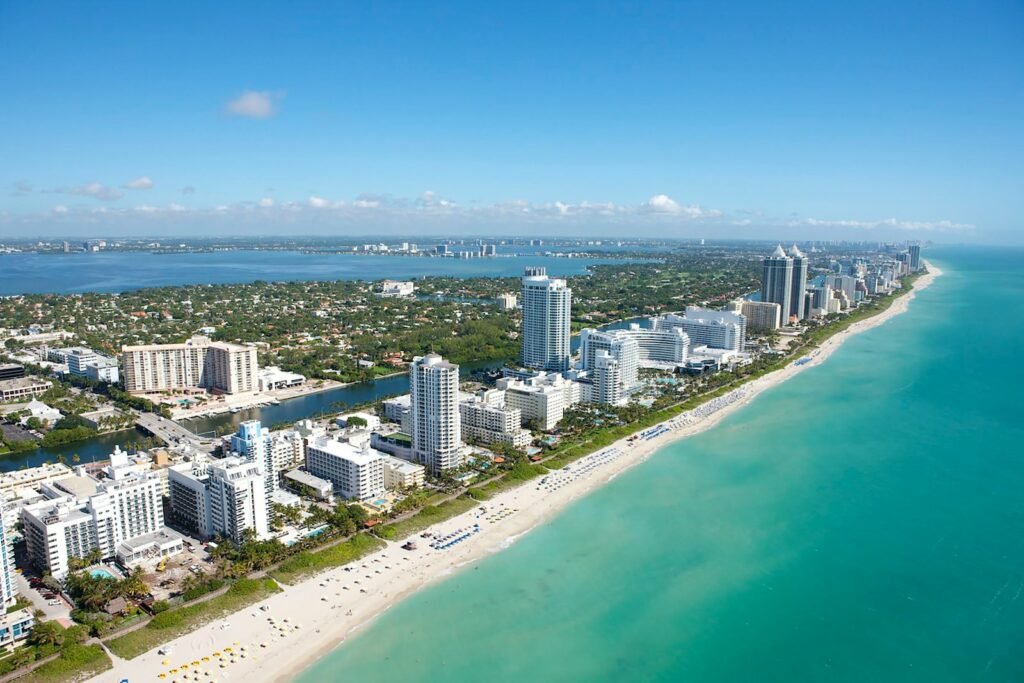
Florida is home to some of the nation’s largest and fastest-growing metropolitan areas, including Miami, Tampa, and Fort Lauderdale. These cities are particularly susceptible to flooding due to their proximity to the ocean and the intracoastal waterways. Sea level rise increases the risk of storm surge, inundation, and infrastructure damage, posing a threat to millions of residents and billions of dollars in property.
Economic Impacts and Infrastructure Challenges
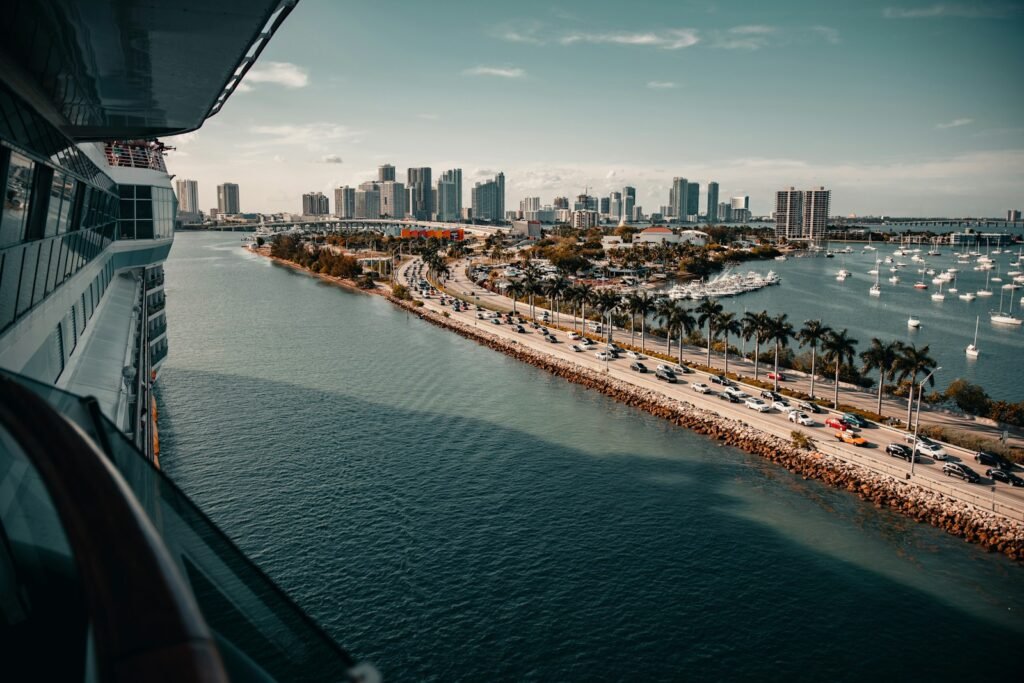
The economic implications of rising sea levels are profound. Costly damage to homes, businesses, and public infrastructure such as roads and sewage systems could become more frequent. Insurance costs are skyrocketing, reflecting the increased risk, and some insurers are withdrawing from high-risk areas altogether. Coastal cities face the expensive challenge of prioritizing and funding protective measures.
Wildlife at Risk: Florida’s Unique Ecosystems

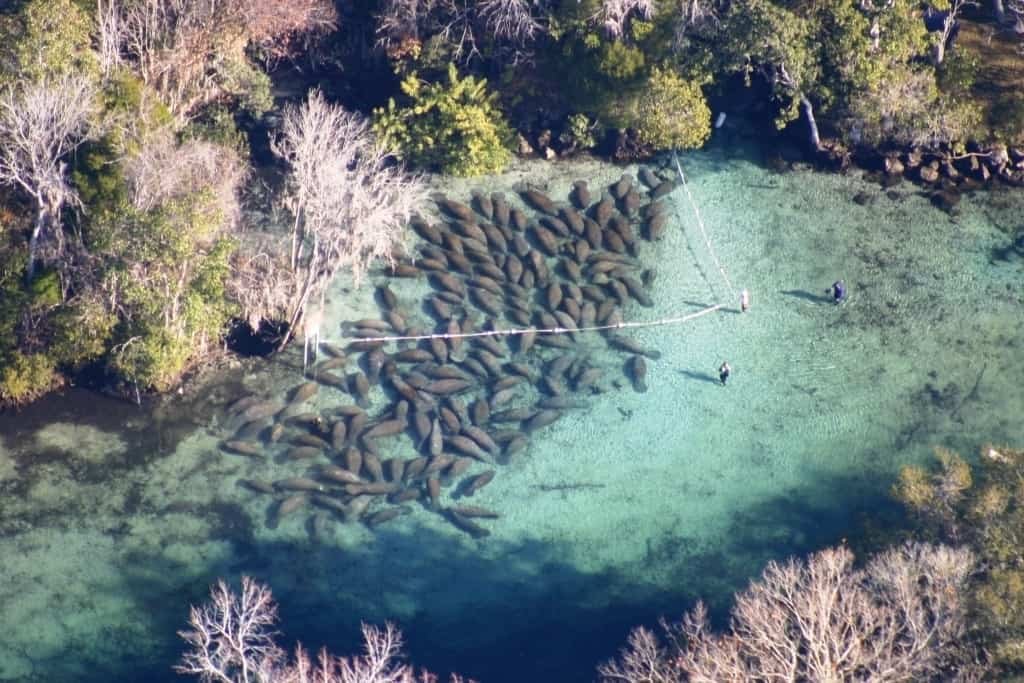
Florida’s diverse ecosystems support a variety of species, many of which are endemic and vulnerable. From the iconic manatee to the elusive Florida panther, these animals rely on stable and healthy habitats. Rising sea levels threaten coastal ecosystems like mangroves and marshlands, which are crucial for water filtration, storm protection, and serving as breeding grounds for various species.
The Fragile Balance of the Everglades
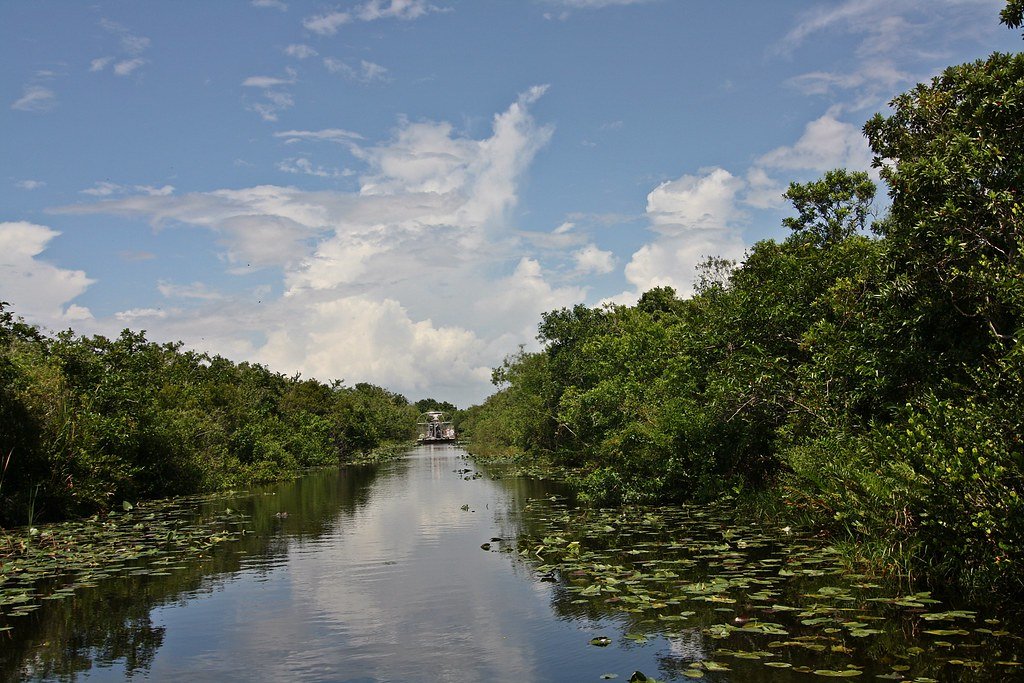
The Everglades, a unique wetland ecosystem, is already affected by human interference and water management practices. Sea level rise could further alter salinity levels, harming freshwater habitats and threatening the species that depend on them. Efforts to restore this essential habitat face the daunting challenge of adapting to changing water levels.
Impact on Marine Life

Marine species, such as coral reefs, face dual threats from rising temperatures and sea levels. Coral reefs, vital to the ocean’s biodiversity, are already experiencing bleaching due to warmer waters. An increase in sea level can exacerbate these conditions by altering sunlight penetration, which is crucial for photosynthesis in coral symbiosis.
Human Health and Safety Concerns

Rising sea levels are linked to increased flooding and water contamination events, which can pose public health risks. Floodwaters can carry pollutants and pathogens, leading to outbreaks of waterborne diseases. Additionally, the mental health toll of climate-induced displacement could become a growing concern.
Efforts in Mitigation and Adaptation
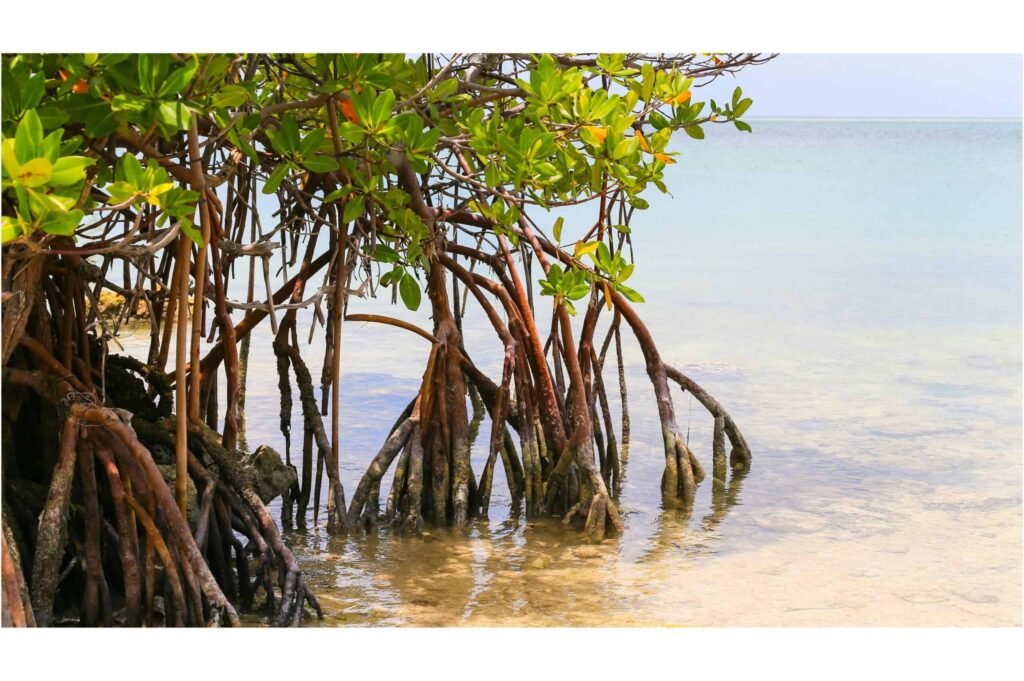
Efforts to combat the impacts of rising sea levels in Florida include building seawalls, improving stormwater management systems, and restoring natural barriers like mangroves. However, these measures require substantial investments and a coordinated approach across federal, state, and local levels. Community engagement and planning are vital to ensure effective adaptation strategies.
The Role of Policy and Legislation

Addressing sea level rise requires strong leadership and effective policymaking. Legislation aimed at reducing carbon emissions and investing in renewable energy sources is crucial. At the same time, building codes and land-use policies need updating to reflect the realities of a changing climate. Integrated policies that leverage scientific insights can help mitigate and manage future risks.
Community Involvement and Education

Community involvement plays a critical role in adaptation efforts. By promoting education and awareness, residents can better understand the risks they face and the actions they can take. Citizens can also advocate for sustainable practices and policies at the local level, enhancing resilience and preparedness among coastal communities.
The Future of Florida’s Coastlines
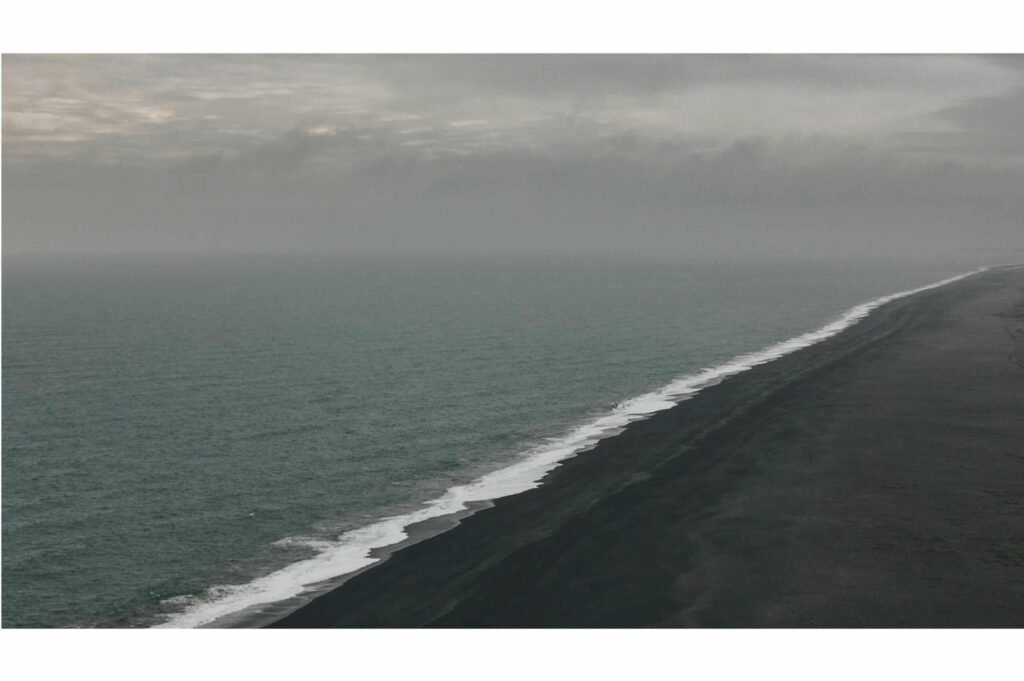
The future of Florida’s coastlines will depend heavily on both global and local actions. While challenges are significant, innovative solutions are imaginable with cooperation and dedication. Coastal cities must continue to invest in sustainable infrastructure while wildlife conservation efforts adapt to the changing landscape.
Conclusion: Navigating the Uncertain Tides

The rise in sea levels presents multifaceted challenges to Florida’s coastal areas, affecting human habitation, economic stability, and ecological diversity. However, by investing in resilient infrastructure, enacting supportive policies, and fostering community engagement, Florida can work towards safeguarding its cherished landscapes and wildlife. As the tide of change accelerates, proactive and informed action will be key to preserving the character and vitality of Florida’s coastlines for future generations.