In recent years, the effects of climate change have become increasingly apparent across the globe. Among the most vulnerable and unique ecosystems are the alpine regions of Tasmania. These areas, known for their distinct flora and fauna, are facing unprecedented changes that threaten their delicate balance. This article delves into the various ways climate change is impacting Tasmania’s alpine ecosystem, highlighting the importance of preservation efforts.
Understanding Tasmania’s Alpine Ecosystem
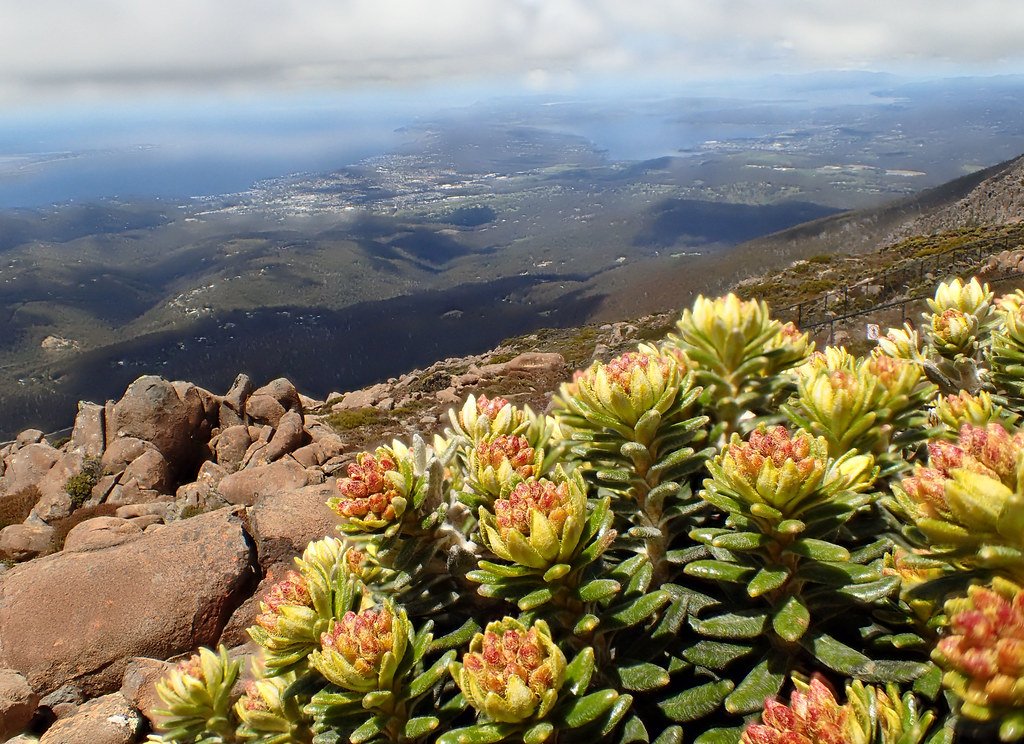
Tasmania’s alpine ecosystem is a mesmerizing landscape situated above the natural tree line, featuring a mix of rocky outcrops, heathlands, and unique vegetation. These ecosystems are characterized by harsh conditions, including low temperatures, strong winds, and snow cover during winter months. Despite these extreme conditions, the alpine regions host a diverse array of plant and animal species that have adapted to thrive in such an environment.
Unique Flora and Fauna of the Alpine Regions

The Tasmanian alpine ecosystem is home to several endemic species of flora and fauna, meaning they are found nowhere else in the world. These include the Cushion Plant, the Pencil Pine, and a variety of mosses and lichens. On the fauna side, species such as the Mountain Pygmy Possum and various alpine moths have adapted to the cold climate. These organisms form an interdependent community, each playing a crucial role in maintaining ecological balance.
The Threat of Rising Temperatures

One of the primary climate change impacts on Tasmania’s alpine ecosystem is the rise in average temperatures. Even slight temperature increases can have profound effects on these cold-adapted species. Warmer temperatures can lead to habitat shrinkage as species that require colder conditions are forced to move higher or risk extinction. This is a particular concern for slow-growing plant species that cannot quickly adapt or migrate.
Altered Snow Patterns
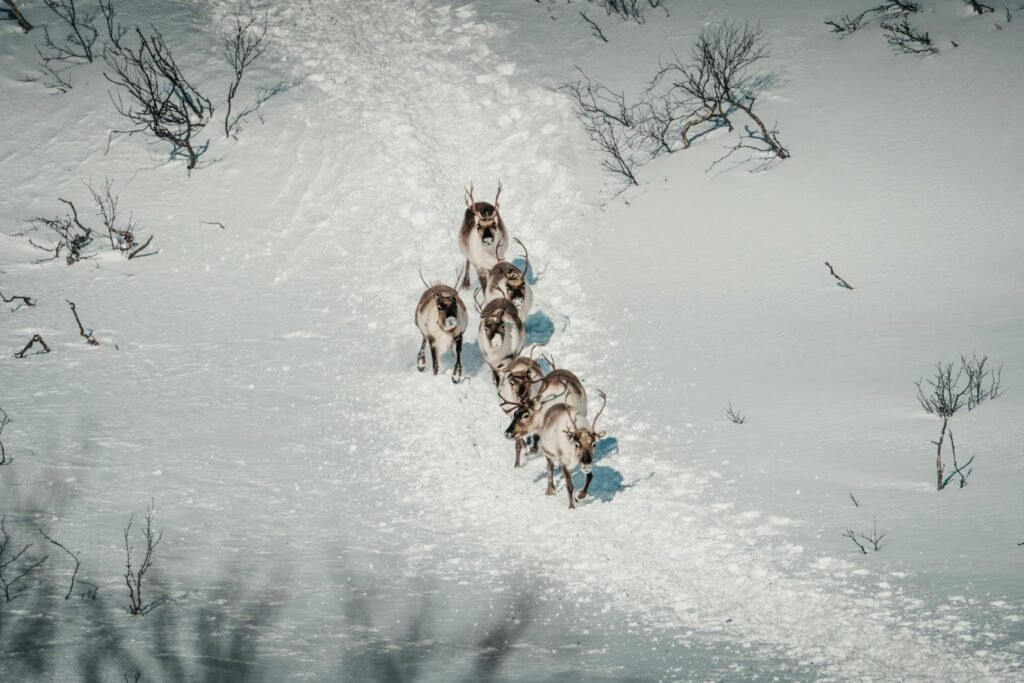
Snowfall patterns play a crucial role in the survival of many alpine species, acting as an insulating layer that protects plants and animals from harsh winter conditions. However, climate change has led to reduced snow cover and altered precipitation patterns, threatening species dependent on these conditions for survival. A decrease in snow can expose fragile plants to freezing temperatures and dry conditions, causing mortality rates to rise.
Impacts on Water Availability

Climate change is affecting the availability and distribution of water in Tasmania’s alpine regions. Changes in rainfall patterns and snowmelt can lead to fluctuating water levels in alpine lakes and streams, impacting the species that rely on this water. Species that depend on consistent water availability for survival or reproduction, such as certain amphibians and aquatic plants, are at significant risk.
Ecosystem Imbalance and Species Extinction

As climatic conditions change, the balance in the ecosystem is disrupted. New, invasive species may move into alpine areas, outcompeting native species for resources and further stressing the ecosystem. This can lead to a loss of biodiversity and, in some cases, species extinction. Such changes not only affect the natural world but can also impact human activities reliant on these ecosystems.
Conservation Challenges and Strategies
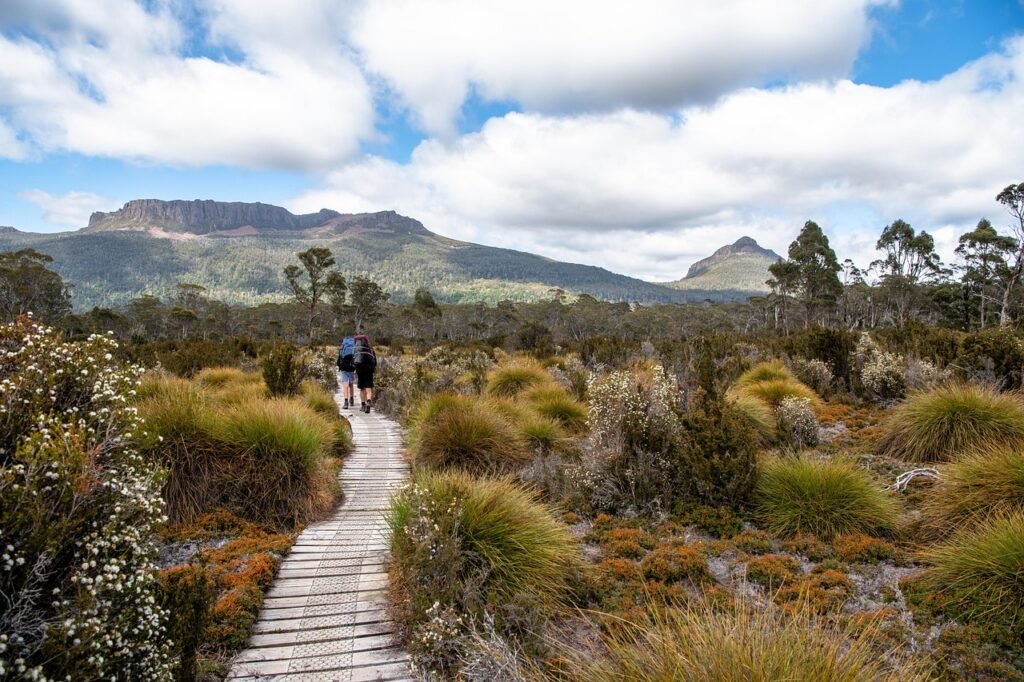
Efforts to conserve Tasmania’s alpine ecosystem face numerous challenges, ranging from funding constraints to the complex, interlinked nature of ecosystem dynamics. Conservation strategies must be adaptive and forward-thinking, incorporating detailed climate models and ecological studies to predict and mitigate impacts. This includes initiatives like creating protected areas and promoting research that focuses on the resilience of alpine species.
The Role of Policy and Global Action

Local and global policy plays a critical role in mitigating the impacts of climate change on Tasmania’s alpine regions. Efforts at the local level, such as those by the Tasmanian government, emphasize the need for effective resource management and habitat preservation. Globally, reducing greenhouse gas emissions and supporting international climate agreements are crucial steps toward protecting these fragile ecosystems.
Community Engagement and Education

Community involvement and education are vital in fostering a culture of conservation and environmental stewardship. By promoting awareness of the unique aspects and the vulnerability of Tasmania’s alpine ecosystems, individuals and communities can play an active role in preservation efforts. Educational programs and citizen science projects can help bridge the gap between scientific research and public participation.
Final Thoughts

Climate change poses a significant threat to Tasmania’s unique alpine ecosystem, but with concerted efforts from scientists, policymakers, and communities, it’s possible to mitigate some of these impacts. Conservation efforts must be multi-faceted, incorporating forward-thinking strategies and global cooperation to ensure the survival of these unique environments. The resilience of Tasmania’s alpine ecosystem depends on the actions we take today to protect tomorrow.