The Ice Age, an era of colossal creatures and dramatic climate shifts, paints a vivid picture of a world vastly different from our own. Alberta, a province nestled in the heart of Canada, was once a thriving habitat for some of the most fascinating megafauna. Among these were the majestic mammoths, the robust mastodons, and the intriguing giant beavers. These creatures, each unique in their own right, roamed the icy landscapes, leaving behind traces that continue to captivate scientists and enthusiasts alike. Let’s delve into the captivating world of these Ice-Age giants and explore their lives, habitats, and eventual extinction.
The Majestic Mammoths

Mammoths, with their towering stature and impressive tusks, were the true giants of the Ice Age. These magnificent creatures belonged to the elephant family and were remarkably adapted to the cold climates of Alberta. Their thick, shaggy coats provided insulation against the harsh winter winds, while their large size helped them conserve heat. Mammoths primarily fed on grasses and shrubs, using their long tusks to dig through the snow in search of food. Despite their formidable appearance, mammoths were gentle giants, often traveling in herds for social interaction and protection. Their presence in Alberta has been confirmed through numerous fossil discoveries, offering a glimpse into their fascinating existence.
The Robust Mastodons
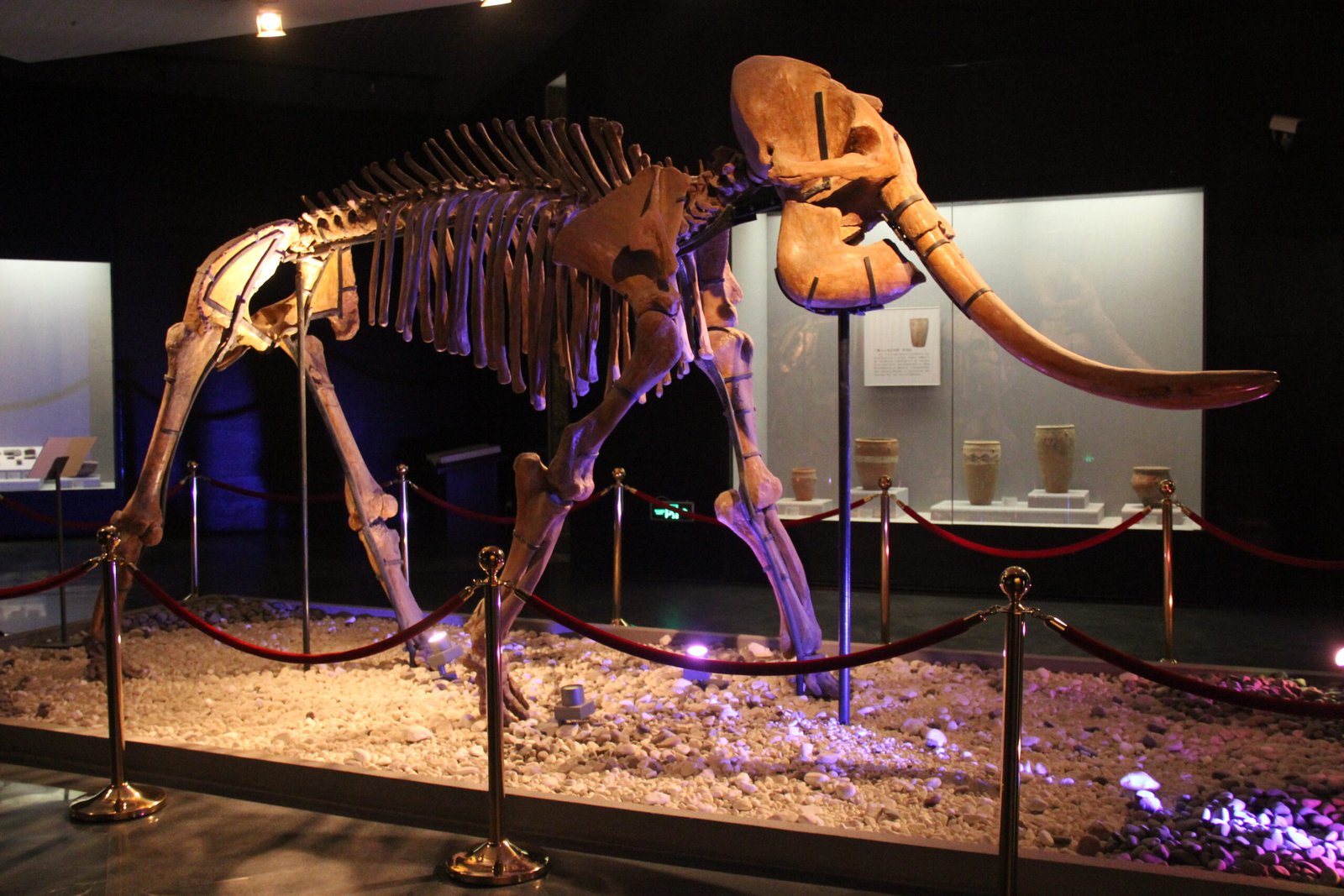
While often confused with mammoths, mastodons were a distinct species that roamed the Ice Age landscapes. These creatures were shorter and stockier, with a more elongated body and a distinct ridge of bone running down their backs. Mastodons were primarily forest dwellers, favoring the lush woodlands of Alberta. Unlike mammoths, their teeth were more suited for chewing leaves and twigs, indicating a varied diet. Fossilized remains of mastodons have been found across Alberta, providing valuable insights into their habits and lifestyles. These creatures were well adapted to their environment, but their reliance on specific habitats may have contributed to their eventual extinction.
The Intriguing Giant Beavers

Among the most unique of Alberta’s Ice Age fauna were the giant beavers. These creatures were much larger than their modern counterparts, weighing up to 200 kilograms and reaching lengths of up to 2.5 meters. Giant beavers were primarily aquatic, thriving in the vast network of lakes and rivers that once covered Alberta. Their teeth were specialized for gnawing on wood, and they were known to construct elaborate lodges and dams. Despite their size, giant beavers were gentle creatures, using their powerful tails for navigation and communication. Their fossils are a testament to the diverse ecosystems of the Ice Age and the unique adaptations that emerged during this period.
Adaptations to a Cold Climate
The Ice Age presented numerous challenges, and the creatures of Alberta developed remarkable adaptations to survive. Mammoths, with their thick fur and fat layers, were equipped to withstand freezing temperatures. Mastodons, on the other hand, relied on their sturdy builds to navigate dense forests and find food. Giant beavers adapted to their aquatic environments, using their webbed feet for efficient swimming. These adaptations not only ensured survival but also allowed these creatures to thrive in their respective habitats. Understanding these adaptations provides valuable insights into the resilience and ingenuity of Ice Age fauna.
The Role of Predators
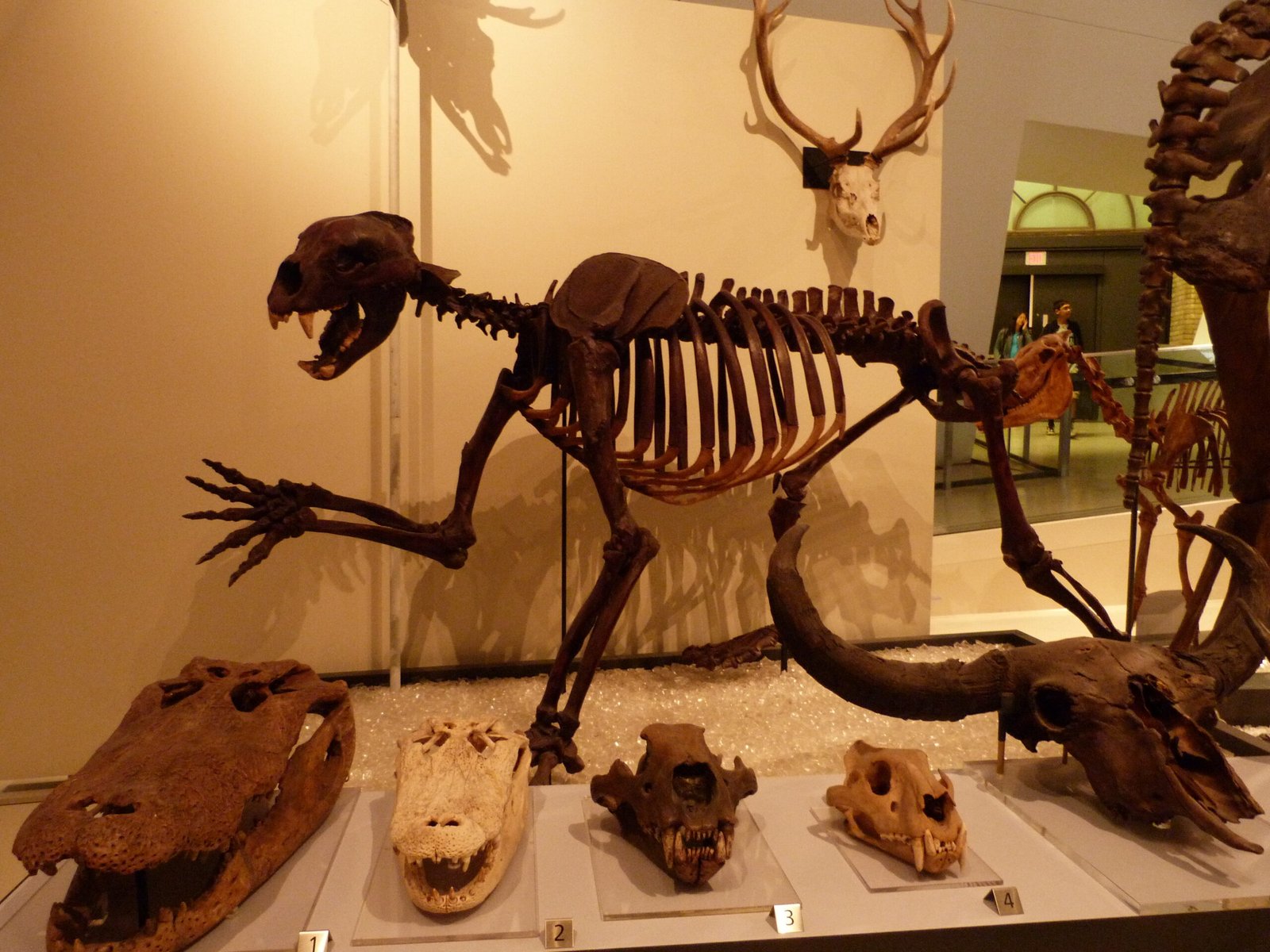
The Ice Age ecosystem was a complex web of interactions, with predators playing a crucial role in maintaining balance. Large carnivores, such as saber-toothed cats and dire wolves, roamed the lands of Alberta, preying on the megafauna. These predators exerted selective pressure on mammoths, mastodons, and giant beavers, influencing their behavior and evolution. The presence of predators led to the development of defensive strategies, such as herd formation and protective behaviors. This dynamic interaction between predator and prey was essential for the health and stability of the ecosystem, highlighting the intricate relationships that defined the Ice Age.
The Fossil Record
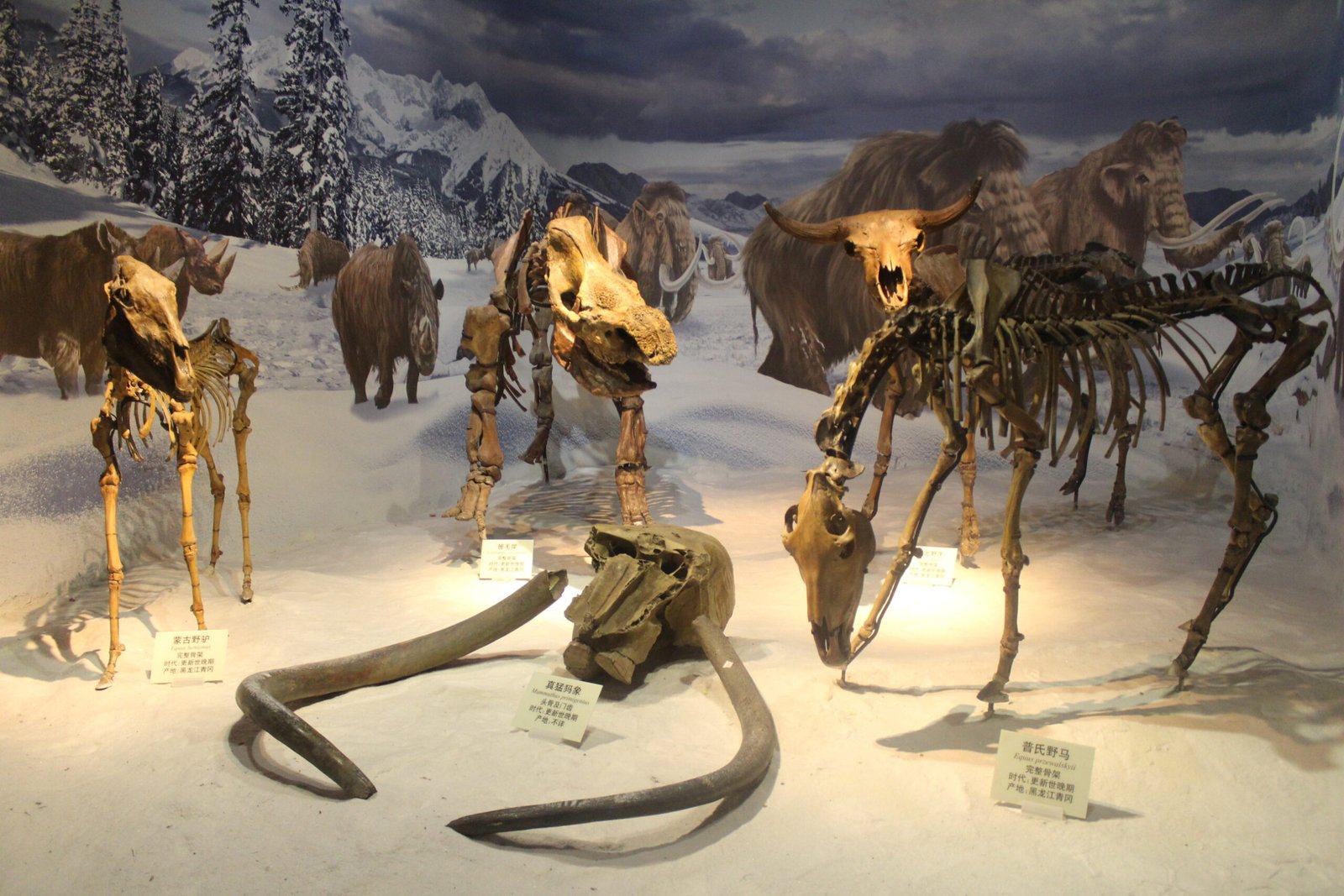
Fossils serve as the primary window into the world of Ice-Age Alberta, providing tangible evidence of the creatures that once roamed the land. Excavations across the province have unearthed a treasure trove of fossils, from mammoth tusks to mastodon bones and giant beaver skulls. These discoveries have enabled scientists to reconstruct the lives of these ancient giants, offering insights into their anatomy, behavior, and environment. Fossils also serve as a reminder of the impermanence of life, as they capture moments frozen in time, preserving the legacy of creatures long gone.
The Mystery of Extinction
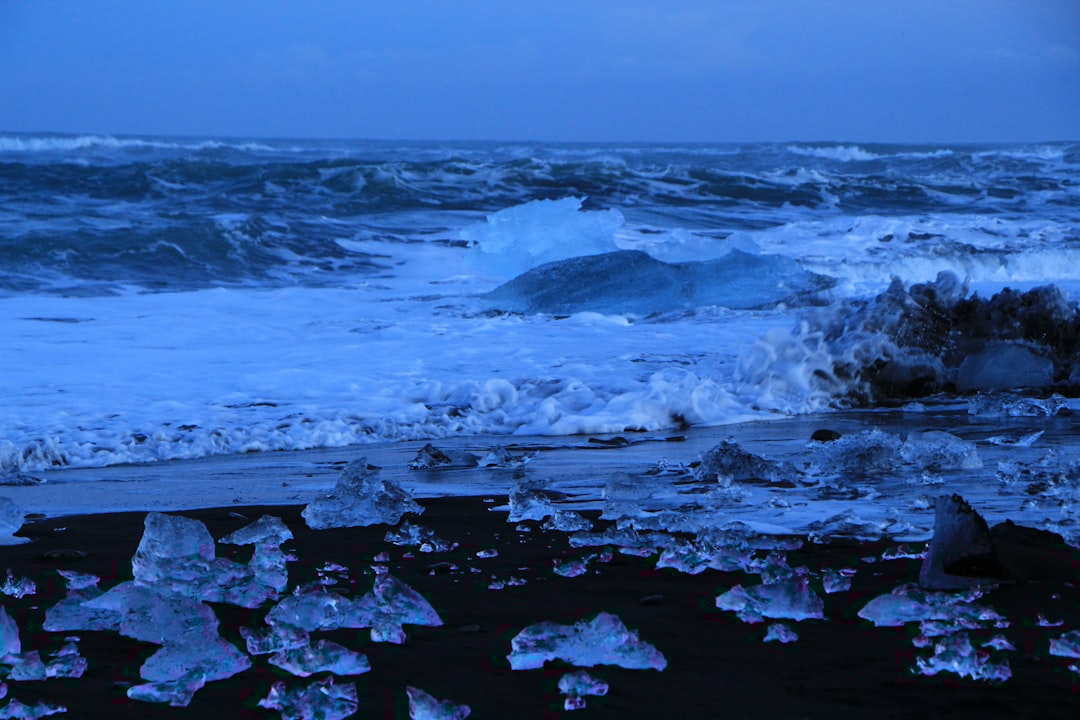
The extinction of Alberta’s Ice Age megafauna remains one of the greatest mysteries in paleontology. Various theories have been proposed, from climate change to overhunting by early humans. The end of the Ice Age brought about dramatic shifts in temperature and vegetation, challenging the survival of these creatures. Additionally, the arrival of human populations introduced new pressures, including hunting and habitat disruption. While the exact cause of their extinction remains debated, it is likely a combination of factors that led to the demise of mammoths, mastodons, and giant beavers.
Lessons from the Ice Age
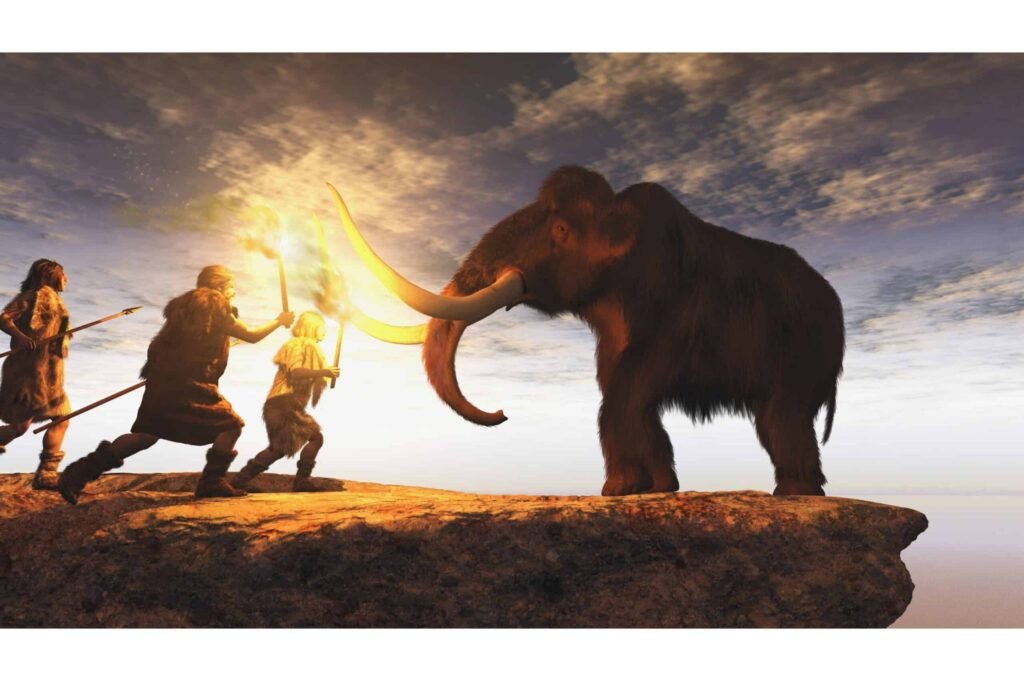
The story of Alberta’s Ice Age giants offers valuable lessons for our understanding of ecology and evolution. It highlights the importance of adaptation and resilience in the face of environmental change. The interactions between species, from competition to cooperation, underscore the complexity of ecosystems. Additionally, the extinction of these creatures serves as a cautionary tale, reminding us of the fragility of life and the impact of human activities on the natural world. By studying the past, we gain insights into the present and future, guiding our efforts in conservation and sustainability.
Continued Exploration and Discovery

The exploration of Alberta’s Ice Age past is an ongoing journey, with new discoveries continually reshaping our understanding. Advances in technology and research methods have opened new avenues for exploration, from DNA analysis to 3D imaging of fossils. Each new find adds a piece to the puzzle, enriching our knowledge of these ancient giants. The continued study of Alberta’s Ice Age fauna not only deepens our connection to the past but also inspires future generations of scientists and enthusiasts. As we uncover more about this fascinating era, we are reminded of the wonder and complexity of the natural world.
A Glimpse into a Lost World
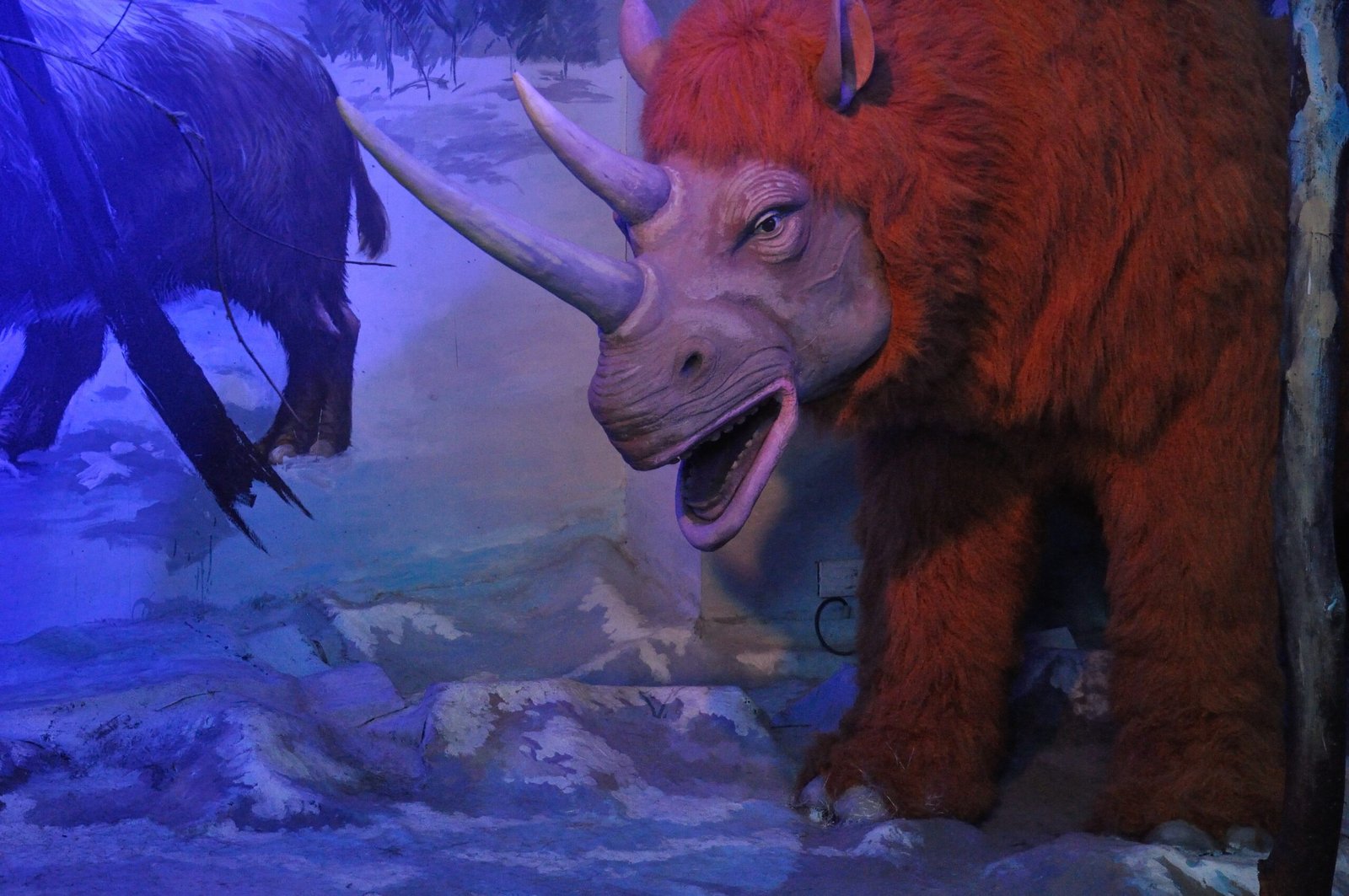
The Ice Age beasts of Alberta offer a fascinating glimpse into a world lost to time. Their stories of survival, adaptation, and eventual extinction resonate with the enduring mysteries of our planet’s history. These creatures, from the mighty mammoths to the enigmatic giant beavers, continue to captivate our imagination, inviting us to explore the depths of Earth’s past. As we piece together their stories, we are reminded of the delicate balance of nature and the ever-changing tapestry of life. The legacy of Alberta’s Ice Age giants lives on, inspiring curiosity and wonder for generations to come.