
Walk into any neuroscience lab today and you’ll find dazzling brain scans, powerful algorithms, and researchers confident about synapses and circuits – but far less certain about the lived reality of a thought, a memory, or a sudden flash of insight. The gap between what we can measure in the brain and what we experience as a mind is turning into one of the most stubborn frontiers in science. This article dives into some of the most intriguing, empirically grounded mysteries of human cognition that resist easy explanation, from spontaneous creativity to the eerie precision of unconscious processing. Rather than promising secret powers or pseudoscientific hacks, it looks at what rigorous research actually suggests about the mind’s still-unmapped terrain. Ultimately, it raises an uncomfortable possibility: the human mind may not simply be a puzzle waiting for better tools, but a phenomenon that forces us to rethink what “understanding” itself can mean.
When Brain Maps Fail to Capture a Single Thought

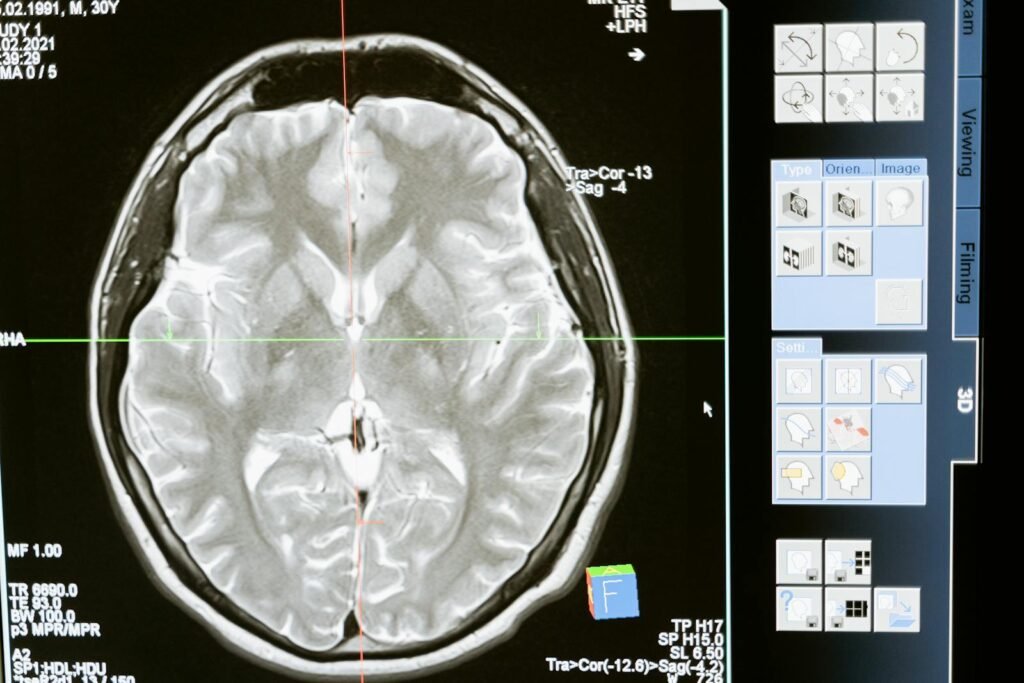
Neuroscience has made huge strides in mapping which brain regions light up during certain tasks, yet this success hides a deep conceptual problem: no scan, however detailed, tells us what it feels like to be you having that thought. Functional MRI can show blood flow and activity patterns, but translating those patterns into the subjective experience of remembering your grandmother’s kitchen or feeling sudden grief remains out of reach. This mismatch between objective data and subjective experience is sometimes called the “hard problem” of consciousness, and it is not solved by more resolution or better statistics. What we see are correlates – brain activity that accompanies experience – not a clear explanation of how or why that activity becomes a felt inner world. In practice, even the most advanced brain atlas is like a street map that labels every corner but still cannot tell you what it is like to stand in your childhood home.
Attempts to bridge this gap have produced competing theories that each capture part of the story but leave key questions hanging. Some focus on global patterns of communication across the brain, others on integrated information, and still others on predictive models the brain builds about the world. Yet none has secured sweeping empirical confirmation, and many remain difficult to test directly in humans. As experimental tools become more precise, the lack of a unifying explanation feels more glaring, not less. For now, the simple fact that you can close your eyes and vividly imagine a place you have never seen, or replay a memory in rich detail, stands as a daily reminder that our models of neural firing are still only rough sketches of the mind’s interior landscape.
Unconscious Judgments That Outpace Deliberate Thought
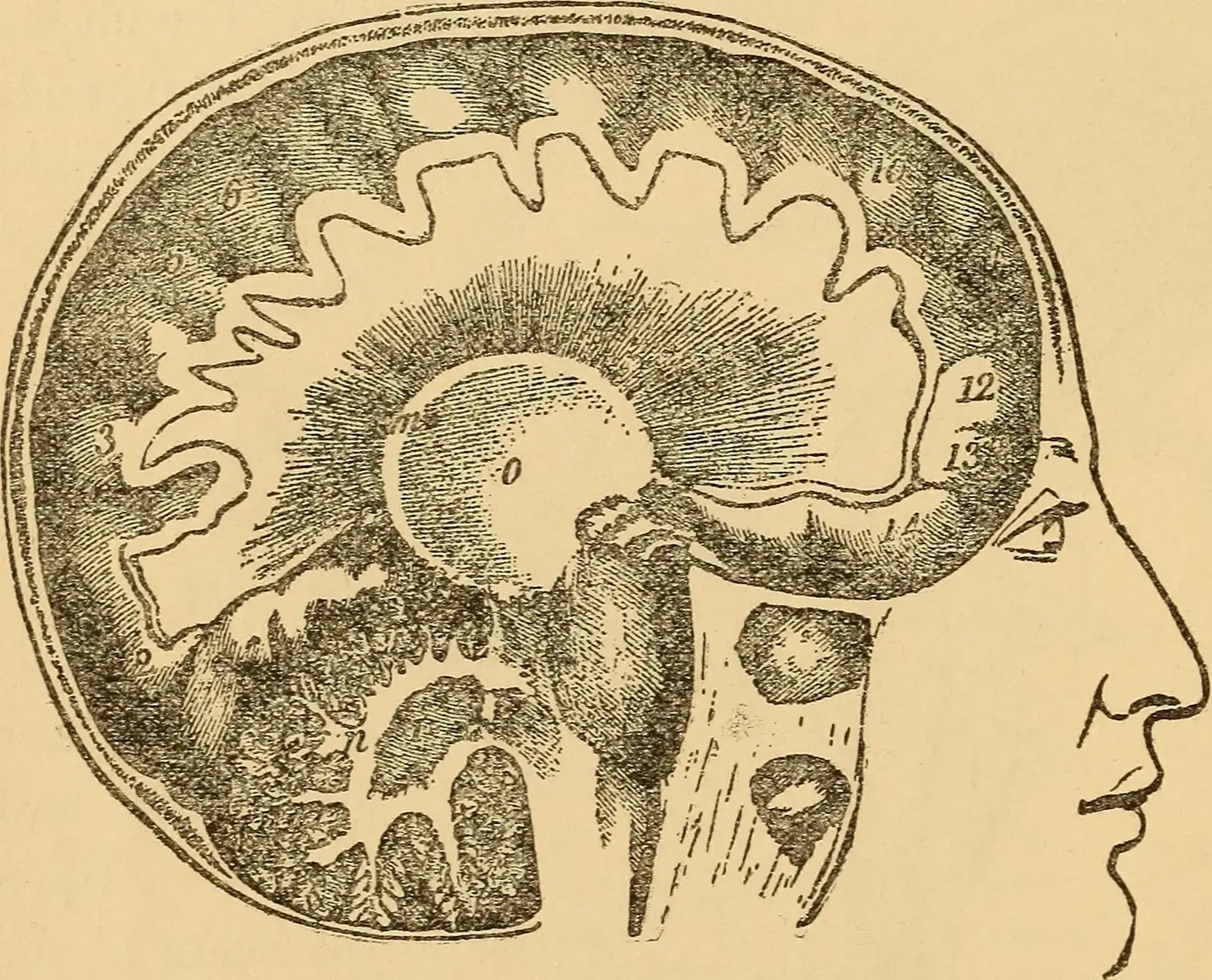
One of the most unsettling findings in modern psychology is how often our minds reach conclusions before we are aware of having thought at all. Studies show that people can make rapid, accurate judgments about a scene, a face, or a risk in a fraction of a second – too fast for careful reasoning, yet often in line with later, more reflective decisions. In some experiments, subtle patterns in brain activity or physiological signals predict which option a person will choose several seconds before they report having made a conscious choice. This does not mean free will is an illusion in a simple sense, but it does suggest that conscious deliberation is sometimes more like a spokesperson arriving late to a decision than a commander issuing orders.
In everyday life, we rely on these unconscious processes all the time: the driver who slams the brakes before fully registering the danger, the doctor who senses something is off with a patient even though all the numbers look fine, the musician who adjusts mid-performance without knowing exactly how. These skills arise from large amounts of experience compressed by the brain into patterns and shortcuts that do not surface into awareness. Science can model aspects of this pattern recognition, especially with machine learning, but it still struggles to explain how the brain weaves countless micro-computations into a unified “gut feeling.” The border between intuition and analysis turns out to be more porous, and more mysterious, than most of us were taught.
Memory as Reconstruction, Not Recording
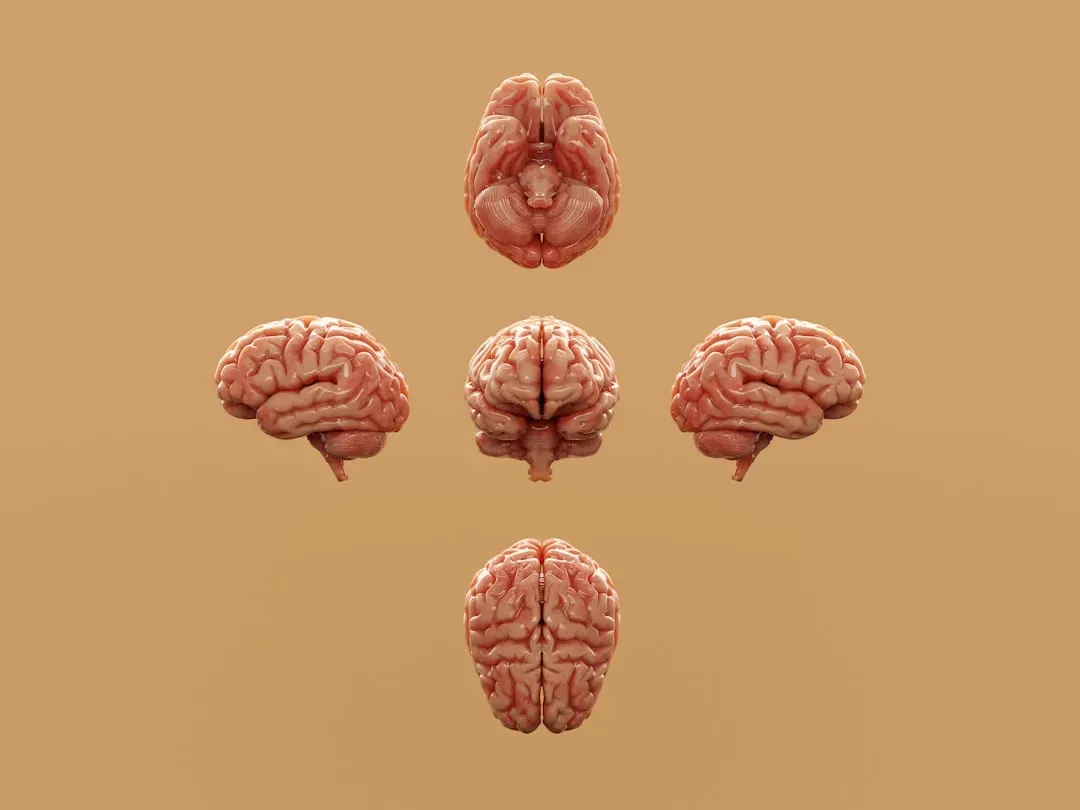
For much of the twentieth century, memory was often described in popular culture as a kind of mental recording that could be stored, retrieved, or lost. Research over the past few decades has overturned that simple picture, revealing memory to be a creative, constantly updated process. Each time you recall an event, your brain partially rewrites it, stitching together fragments of sensory detail, emotion, and later information into a coherent story. That is why two siblings can passionately disagree about the same childhood moment, both feeling absolutely certain they are right. The mind prefers meaning and narrative over strict accuracy, even when the stakes feel high.
On a neural level, this reconstructive nature of memory involves widespread networks, from the hippocampus to regions involved in imagination and future planning. Intriguingly, the same brain systems that let us remember the past also help us simulate possible futures, as if the mind uses past experiences as raw material for what might come next. This blending of memory and imagination is adaptive – it helps us learn and anticipate – but it leaves deep questions about where one ends and the other begins. When you remember a crucial life event that shaped your identity, how much of what you recall is what happened, and how much is who you have since become?
Creative Insight and the Mystery of the “Aha” Moment

Ask scientists, artists, or engineers about breakthroughs, and many will describe a pattern that defies neat explanation: long periods of struggle followed by a sudden flash of clarity, often while doing something unrelated. Cognitive neuroscience has identified some signatures of these insight moments, including shifts in brain rhythms and bursts of activity in areas associated with integrating distant concepts. Yet knowing that certain regions become active seconds before an idea emerges does not tell us how the mind manages to rearrange familiar pieces into something genuinely new. Creativity still feels less like a linear problem-solving process and more like a kind of controlled daydreaming that unexpectedly snaps into focus.
Lab experiments trying to provoke creative insight – through puzzles, word association tasks, or atypical situations – capture only thin slices of what people describe in real life. Real-world creativity often involves years of quiet accumulation and failed attempts before a turning point that, in retrospect, seems both inevitable and impossible to predict. Some theories emphasize the brain’s ability to explore weak associations, others highlight the alternation between focused attention and relaxed mind-wandering. What remains largely unexplored is how subjective experience shifts during these phases, and why certain brain states are fertile ground for originality while others are not. For anyone who has ever felt a life-changing idea arrive seemingly from nowhere, the notion that creativity can be fully reduced to wiring diagrams still feels premature.
The Self as a Story That Keeps Rewriting Itself

Perhaps the most intimate mystery of the mind is the feeling of being a unified “self” that persists over time. Neuroscience consistently fails to find a single control center or fixed core of identity; instead, it reveals distributed processes involved in self-reflection, body awareness, memory, and social understanding. Disturbances in any of these networks – through injury, illness, or certain psychiatric conditions – can profoundly alter a person’s sense of who they are. Cases of individuals who lose access to autobiographical memories yet retain skills, or who develop new personality traits after brain injury, show how fragile and constructed the self can be. The mind appears to maintain a narrative about “me” that it continuously updates, sometimes subtly, sometimes dramatically.
This narrative nature of selfhood helps explain why people can radically reinterpret their past after a major life event, and why therapy or introspection can change not only how we feel but who we believe ourselves to be. From a scientific perspective, the self looks less like a static thing and more like a process – a looping conversation between brain, body, and environment. Cultural frameworks and social feedback further shape this inner story, providing scripts for what counts as success, failure, or transformation. Yet for all this theoretical progress, the lived sense of “I am this person right now” remains deeply resistant to reduction. It is possible that the self, like a novel read from the inside, can never be fully captured by the notes of a critic looking on from the outside.
What Machines Reveal – and Miss – About Human Cognition

The recent rise of powerful artificial intelligence systems has reignited questions about what, if anything, makes human minds special. Modern machine-learning models can recognize patterns, generate language, and even solve problems at levels that rival or surpass human performance in specific domains. This has led some to argue that cognition is essentially advanced pattern processing and that human thought is just a particularly intricate instance. Yet these systems still differ from human minds in key ways: they do not possess embodied experience, developmental histories, or an inner perspective that feels like something from the inside. They process inputs and outputs, but they do not wake up wondering who they are or what their life means.
Comparing human and machine cognition has, however, exposed our own blind spots. When an algorithm makes a strange but effective move in a game or finds a non-intuitive pattern in data, it highlights how intuition can develop in structures very unlike our own. At the same time, the tendency of such systems to confidently produce errors, reflect training biases, or fail catastrophically outside their comfort zone underscores how much human judgment depends on context, emotion, and values. The juxtaposition forces a sharper question: if an artificial system can mimic aspects of thinking without ever having a subjective life, then what, precisely, is missing? Whatever that missing ingredient is, it sits squarely in the unexplored realms of the human mind.
The Deeper Stakes: Why These Mysteries Matter
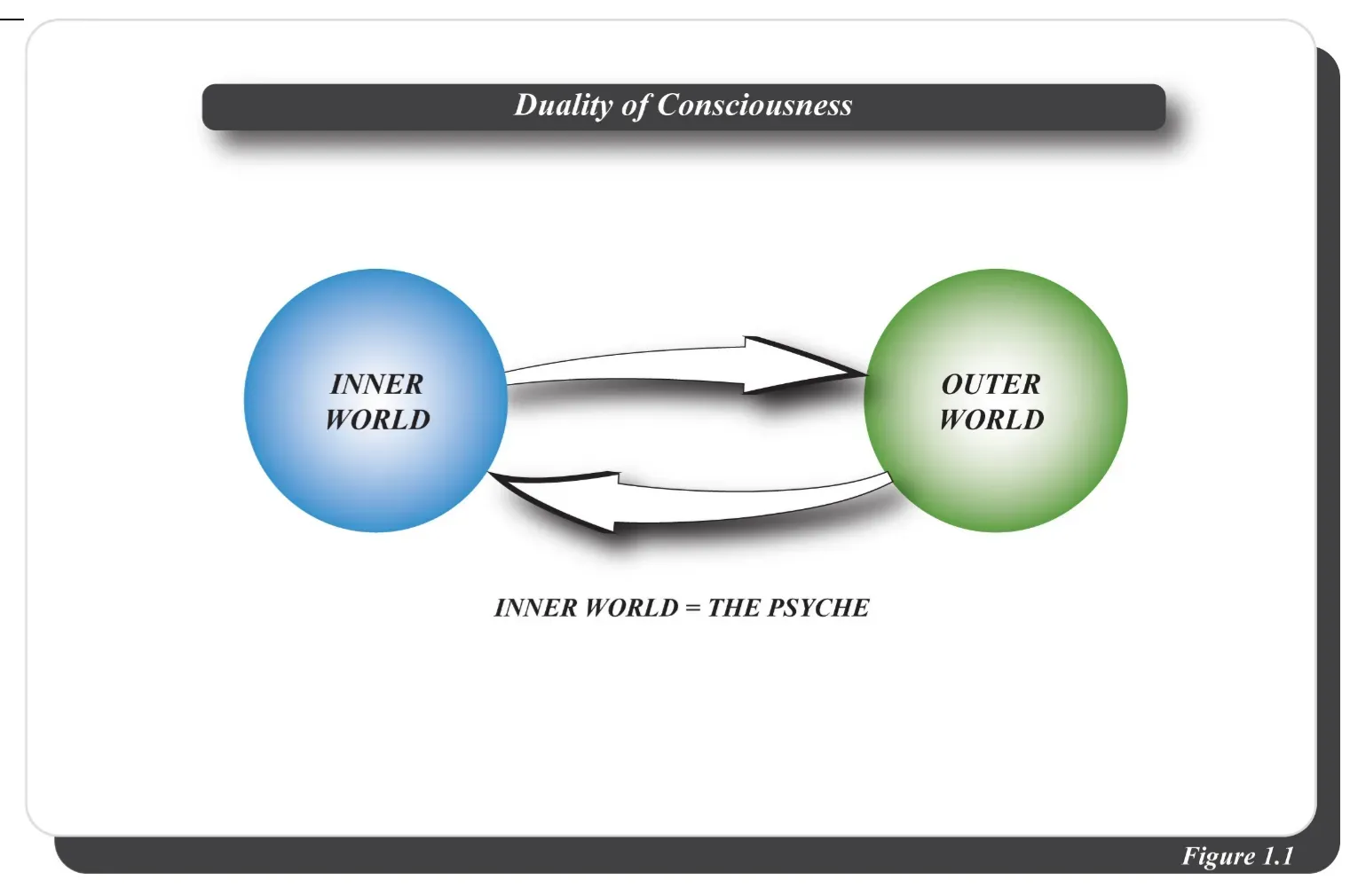
The unresolved puzzles of consciousness, memory, intuition, and selfhood are not just academic curiosities; they cut into how we build societies, design technologies, and treat each other. Legal systems depend on assumptions about intent and responsibility that are tangled up with debates over free will and unconscious processing. Medicine and psychiatry must grapple with disorders that affect lived experience in ways that brain scans and lab tests only partially capture. Education systems often treat thinking as a linear process of information transfer, even as research shows that insight, emotion, and identity deeply shape how we learn. When our models of the mind are shallow, our institutions risk being shallow too.
There is also a cultural dimension: different traditions around the world have long cultivated introspective practices – meditation, contemplation, ritual – that explore inner life from the first-person perspective. Modern science is only beginning to engage seriously with some of these methods, trying to integrate subjective reports with objective measures. This cross-pollination, if done carefully, could widen our understanding of what minds can do and how they can change. The most profound implication is simple but unsettling: if we underestimate the depth and plasticity of human consciousness, we may be living with a cramped view of what human flourishing can look like. Recognizing the limits of current science is not a failure; it is a step toward a more honest and expansive inquiry.
Unanswered Questions at the Edge of Mind Science
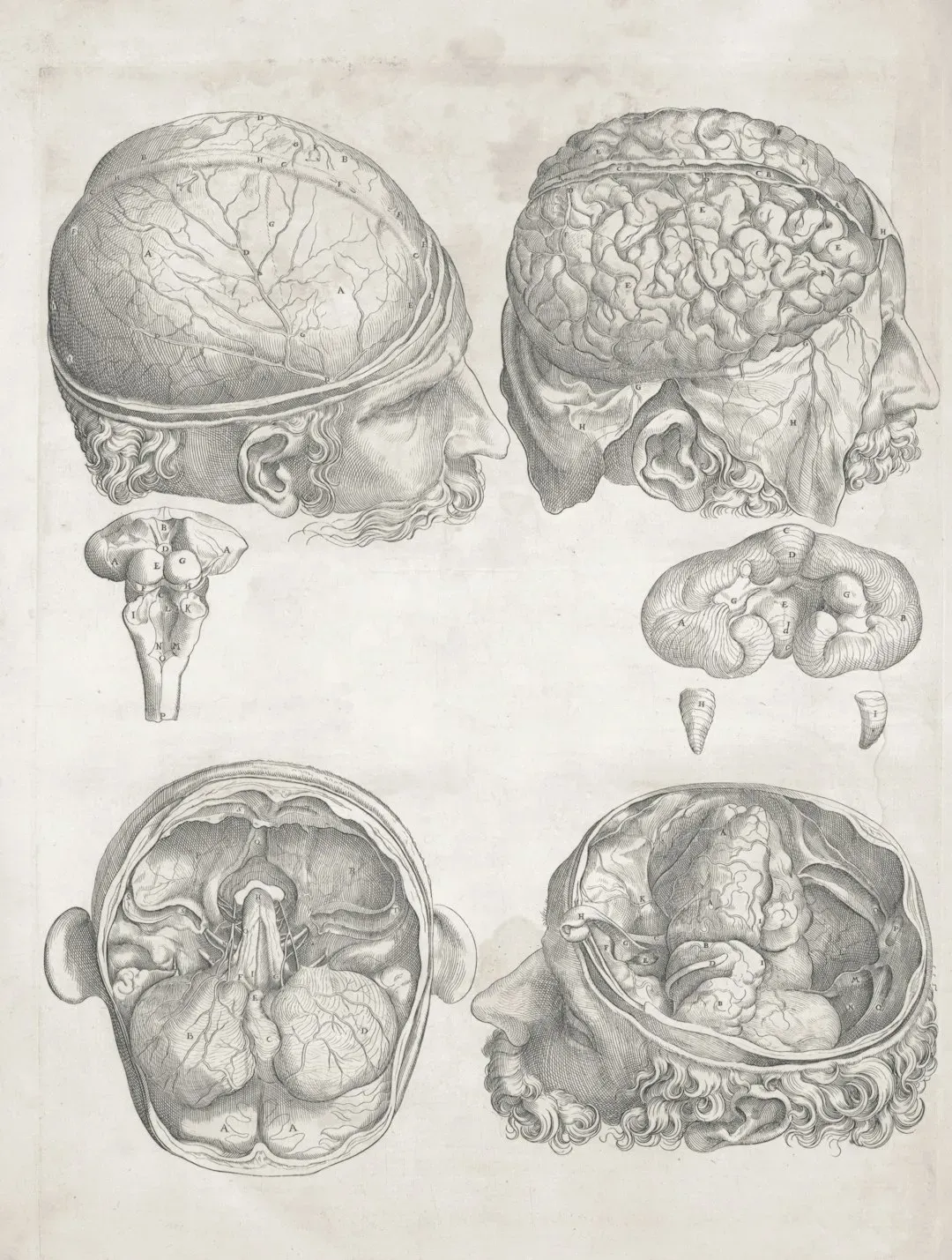
Despite rapid advances in neuroscience and cognitive science, some of the most basic questions about the mind remain open. How exactly does brain activity give rise to the felt quality of experience rather than a mere exchange of signals? Why do certain brain states correspond to rich inner awareness while others, outwardly similar, do not? What explains the vast individual differences in imagination, resilience, or inner monologue that standard models barely address? These are not only technical problems but conceptual ones, touching on what counts as an explanation in the first place. It is entirely possible that we will need new theoretical frameworks, not just better instruments, to make real progress.
At the same time, researchers are uncovering surprising hints that long-held assumptions may need revising. Findings in neuroplasticity show that experiences, training, and even beliefs can reshape brain networks across the lifespan more than once thought possible. Studies of altered states of consciousness – through sleep, anesthesia, meditation, or certain clinical interventions – are mapping out variations in awareness that do not fit neatly into simple “on” or “off” categories. Each of these lines of research opens a new doorway into the mind’s architecture, while also revealing how much of the house is still in darkness. The unexplored realms are not mystical fog; they are regions where our tools, concepts, and imaginations have not yet fully caught up with what the mind can do.
Inviting Readers Into the Frontier of Their Own Minds

The most powerful laboratory for exploring these mysteries is not hidden in a university basement; it is the everyday experience of your own mind. Paying close attention to how thoughts arise, how memories shift over time, and how moods color perception can turn ordinary days into field studies in consciousness. Practices like journaling, mindfulness, or even candid conversations about inner life with friends can reveal patterns that no brain scanner could catch on its own. You do not need specialized equipment to notice how a problem feels impossible one evening and trivial the next morning, or how a stray comment can reshape a long-held belief. Those shifts are not just quirks; they are data points in the grand experiment of being human.
Readers who stay curious, ask careful questions, and resist easy answers about the mind become quiet collaborators in this scientific journey. Following reputable research, supporting mental health science, and approaching claims about “hidden powers” with both openness and skepticism all contribute to a more mature public understanding of cognition. Most importantly, recognizing that your inner life is both deeply personal and part of a larger, still-unfolding scientific story can change how you treat yourself and others. The unexplored realms of the human mind are not only out there for researchers to chart; they are also within you, waiting to be noticed, questioned, and better understood.
Suhail Ahmed is a passionate digital professional and nature enthusiast with over 8 years of experience in content strategy, SEO, web development, and digital operations. Alongside his freelance journey, Suhail actively contributes to nature and wildlife platforms like Discover Wildlife, where he channels his curiosity for the planet into engaging, educational storytelling.
With a strong background in managing digital ecosystems — from ecommerce stores and WordPress websites to social media and automation — Suhail merges technical precision with creative insight. His content reflects a rare balance: SEO-friendly yet deeply human, data-informed yet emotionally resonant.
Driven by a love for discovery and storytelling, Suhail believes in using digital platforms to amplify causes that matter — especially those protecting Earth’s biodiversity and inspiring sustainable living. Whether he’s managing online projects or crafting wildlife content, his goal remains the same: to inform, inspire, and leave a positive digital footprint.