
You might think you’re just one person, but there’s an entire ecosystem living inside of you right now. Trillions of microscopic organisms call your body home, particularly in your gut, and they’re doing far more than just taking up space. These tiny inhabitants influence everything from how you digest your breakfast to how you feel emotionally by the end of the day.
The conversation around the microbiome has exploded in recent years, but most people still don’t realize just how intimately connected these microbes are to their daily lives. What happens when this hidden universe gets thrown out of balance? How can you nurture it back to health? Let’s dive in and explore this fascinating world that you carry with you everywhere.
What Exactly Is Your Microbiome and Why Should You Care
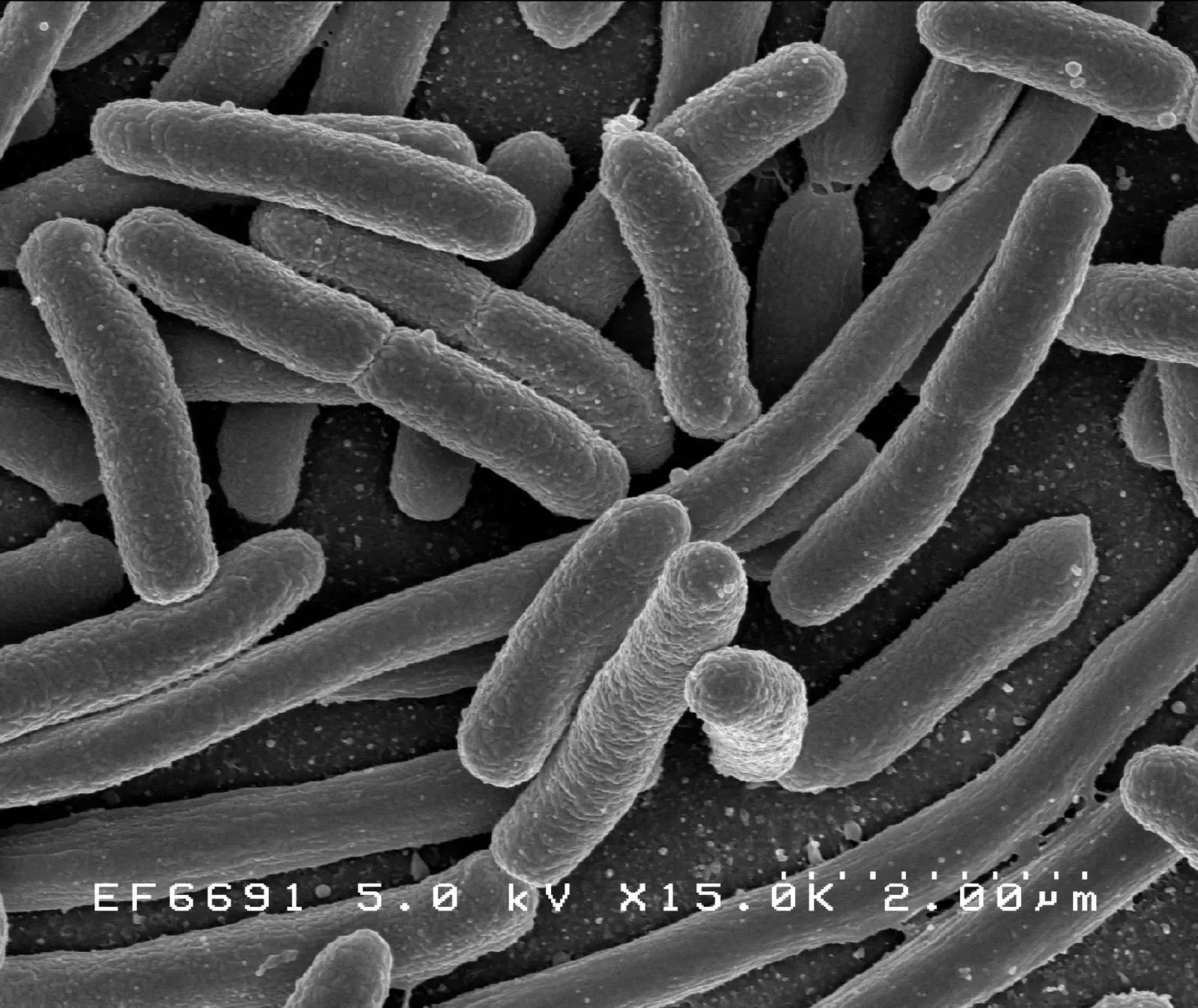
Your human microbiome is composed of a collection of dynamic microbial communities that inhabit various anatomical locations in the body. Think of it like a bustling city of bacteria, viruses, fungi, and other microscopic organisms, with the highest concentration found in your gut. Trillions of bacteria, viruses, yeasts, protozoa, and fungi inhabit the intestinal tract.
Here’s the thing that surprises most people. The recognition that the microbes living inside us outnumber our body’s own cells has turned our view of ourselves inside out, with the gut microbiome weighing about 2 kilograms. That means you’re walking around with roughly four pounds of microbes in your gut alone.
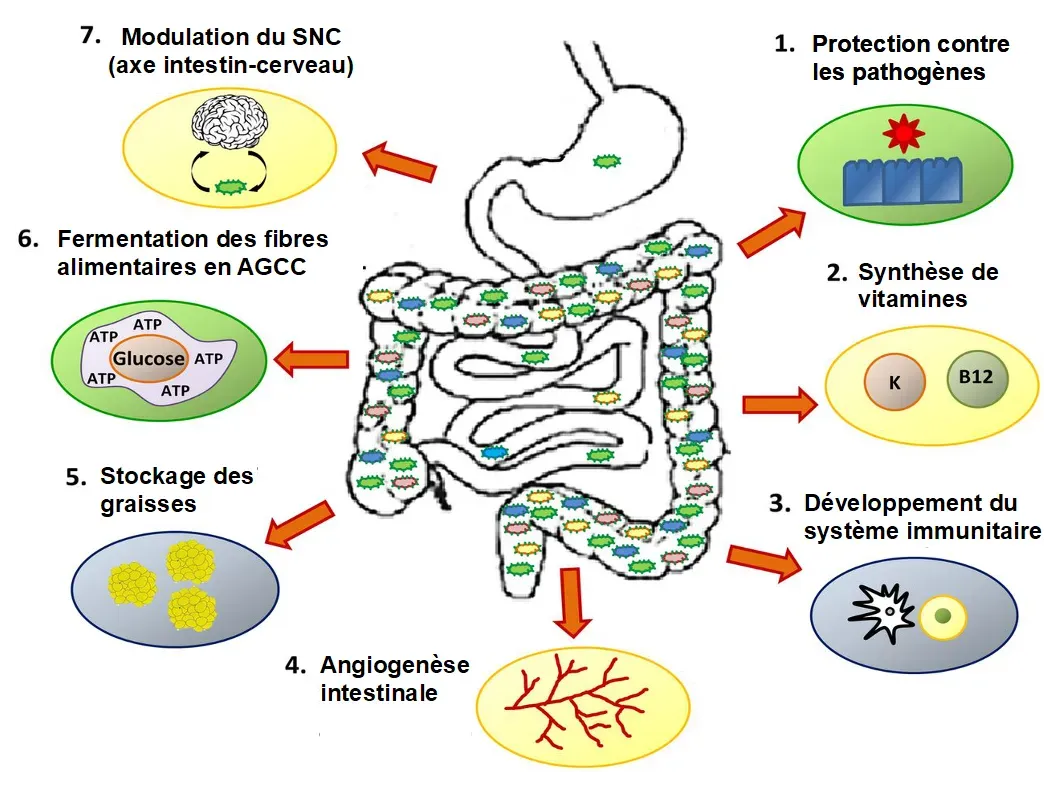
The coevolution of the microbiome with the host has resulted in these communities playing a profound role in promoting human health. These aren’t invaders or freeloaders. They’ve been with humanity throughout our entire evolutionary journey, shaping how our bodies function. The trillions of microbes that reside within the human body are not just passengers, but active participants in sustaining human health, with critical functions including biosynthesis of essential vitamins, nutrient harvest, and generation of metabolites.
How Your Gut Bacteria Control Your Immune System
These microbes help our bodies break down food, assist our immune system, send chemical signals to our brain, and potentially serve many other functions. Let’s be real, your immune system would be pretty lost without your microbiome. Studies have shown that animals raised without any microbes at all have severely underdeveloped immune systems.
The maturation and function responses of major immune effector cells, including T cells, B cells, and dendritic cells, are significantly influenced by the microbiota. Recent research has uncovered something remarkable. Bacteria in the human gut can directly deliver proteins into human cells, actively shaping immune responses, and these proteins can modulate key immune signaling pathways, including NF-κB and cytokine responses.
What’s particularly fascinating is how specific these interactions can be. The healthy adult microbiota continuously stimulates IgA production by plasma cells in the gut-associated lymphoid tissue, with secretory IgA playing a vital role in coating commensal bacteria and restricting their penetration into the epithelium. It’s like your gut bacteria are training your immune system every single day, teaching it the difference between friend and foe.
The Gut-Brain Connection You Never Knew Existed
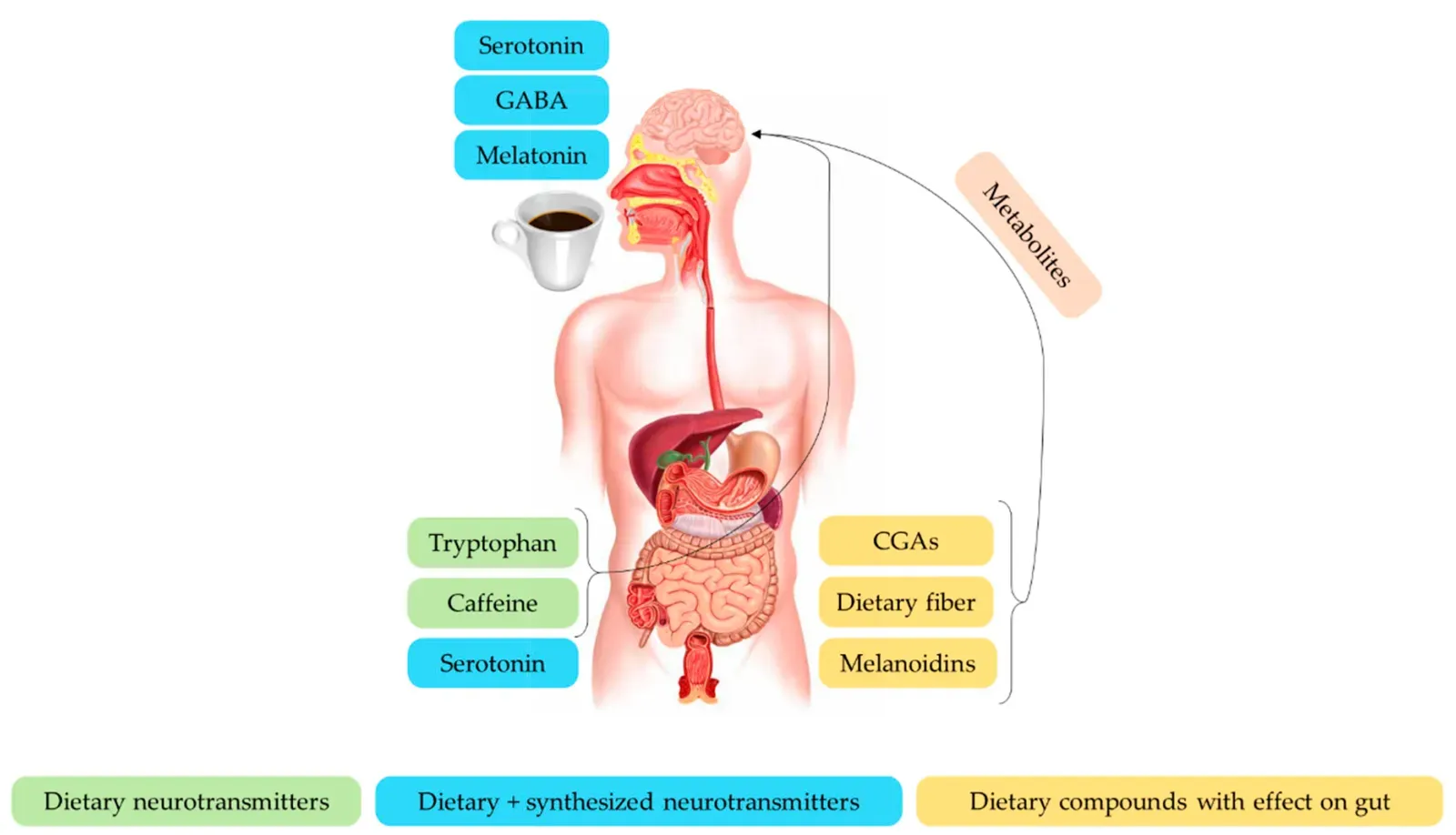
This is where things get really interesting. Healthy gut function has been linked to normal central nervous system function, with hormones, neurotransmitters and immunological factors released from the gut sending signals to the brain. There’s actually a two-way highway between your gut and your brain, constantly exchanging information.
The gut microbiota could influence the brain and mental health in several ways, such as the vagus nerve, microbial regulation of neuro-immune signaling, microbiota-mediated tryptophan metabolism, and microbial production of neuroactive compounds. Think about that for a moment. The bacteria in your gut are producing chemicals that can actually affect your mood and thoughts.
Studies showed transferring fecal matter from someone with depression into rodents gave the animals depression-like behaviors, and people with depression harbored microbial communities that differed from those of healthy people. While that sounds almost unbelievable, it demonstrates just how powerful the gut-brain connection truly is. Your gut microbiome isn’t just influencing digestion; it might be playing a role in conditions like anxiety, depression, and other mental health disorders.
What Diet Does to Your Microbial Garden
What we eat is a major determinant of which microbes take up residence in our guts, with diet estimated to account for 20% of the variation in the microbial structure in humans. You’re essentially feeding trillions of guests every time you eat, and those guests have strong preferences about what they want on the menu.
Western dietary patterns, characterized by high intake of fat, sugar, and ultra-processed foods, are associated with gut dysbiosis, increased intestinal permeability, reduced short-chain fatty acid production, and heightened systemic inflammation, while Mediterranean, high-fiber, plant-based, and fermented-food diets promote microbial diversity and enhance SCFA synthesis. It’s hard to say for sure, but the standard Western diet might be starving your beneficial bacteria while feeding the troublemakers.
Here’s something that caught researchers by surprise. A diet rich in fermented foods enhances the diversity of gut microbes and decreases molecular signs of inflammation, while none of the inflammatory proteins decreased in participants assigned to a high-fiber diet, and on average, the diversity of their gut microbes remained stable. This doesn’t mean fiber is bad, but it suggests that simply adding fiber might not be enough if your gut bacteria haven’t been properly established to break it down.
The Everyday Chemicals Disrupting Your Microbiome
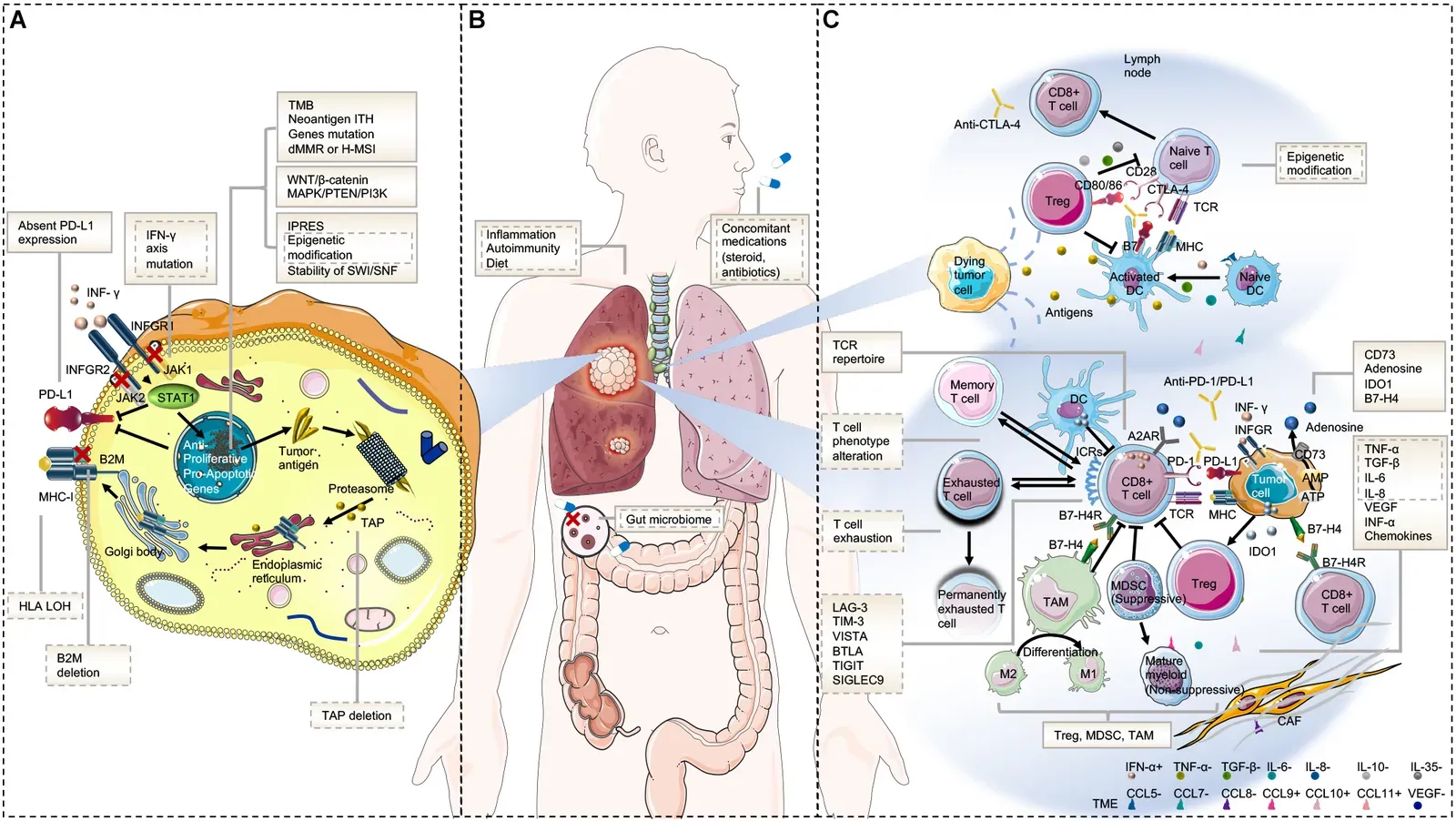
Most people worry about what they eat, but few think about the invisible chemicals they’re exposed to daily. A large study has revealed that dozens of widely used chemicals can damage beneficial gut bacteria, with many of these substances found in pesticides and everyday industrial products never thought to affect living organisms at all.
Researchers have identified 168 common chemicals that can disrupt healthy gut bacteria, including compounds found in pesticides and plastics, as these substances slow or stop the growth of microbes that play an important role in supporting overall health. Let that sink in for a moment. The products you use around your home or the residues on your food might be quietly sabotaging your microbiome.
The human gut microbiome contains roughly 4,500 different types of bacteria that help keep the body functioning properly, and when this delicate system is disrupted, it can contribute to digestive issues, obesity, weakened immune function, and effects on mental health. The researchers recommend simple steps like washing fruits and vegetables before eating them and avoiding unnecessary pesticide use.
How Your Microbiome Develops From Birth Through Adulthood

The gut microbiome plays a vital role in human health, and this enormous and constantly changing community of microorganisms is shaped by countless chemical exchanges, both among the microbes themselves and between microbes and the human body. Your microbial journey begins the moment you’re born, and the first few years are absolutely critical.
This developmental milestone marks the establishment of the core microbiome, which provides functional resilience but remains modifiable by diet, antibiotic exposure, and geography throughout life. Think of it like building a house. The foundation gets laid early, but you can always renovate.
The study of the gut microbiome of infants in nurseries revealed that peer-to-peer interaction during the first years of life is a prominent route of acquisition of microbial strain diversity, with the impact of nursery-acquired microorganisms comparable to that of microorganisms sourced from family members. This suggests that social interactions, even among babies, help diversify and strengthen the microbiome. It’s another reminder that we’re more connected to each other than we realize, even on a microbial level.
The Power of Probiotics, Prebiotics, and Fermented Foods
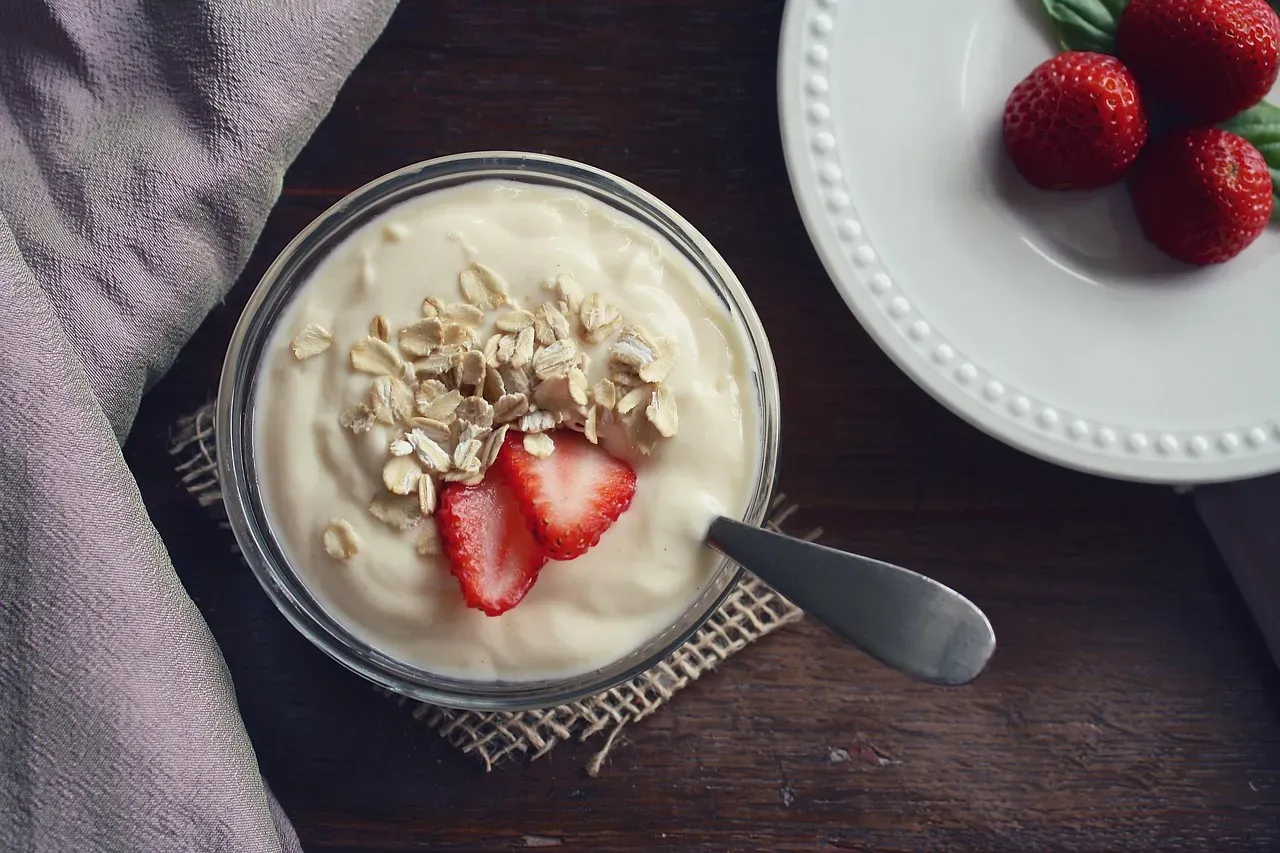
Probiotics are living bacteria that provide health advantages when ingested sufficiently, while prebiotics are non-digestible carbohydrates that support good gut bacteria, and synbiotics work together to improve immunity and intestinal health by combining probiotics and prebiotics. Think of probiotics as the reinforcements you’re sending in, and prebiotics as the supplies that keep them fed and happy.
Eating prebiotic and probiotic foods helps increase helpful bacteria in your gut and decrease the amount of pathogenic, or harmful, bacteria. But here’s where many people get confused. Not all probiotics are created equal, and simply taking a random supplement might not do much for you.
Beneficial intestinal bacteria have numerous and important functions, producing various nutrients for their host, preventing infections caused by intestinal pathogens, and modulating a normal immunological response, therefore modification of the intestinal microbiota is necessary for the improved health condition of the host. Foods like yogurt with live cultures, kimchi, sauerkraut, and kefir naturally contain these beneficial organisms. Meanwhile, prebiotic fiber from vegetables, whole grains, and legumes gives your existing bacteria something to thrive on.
When Things Go Wrong: Dysbiosis and Disease
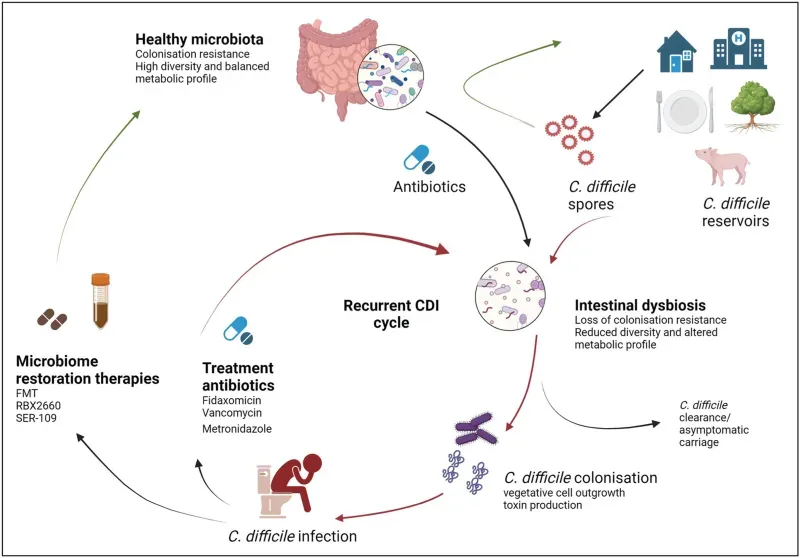
Alterations of gut microbial communities can cause immune dysregulation, leading to autoimmune disorders. The term for this imbalance is dysbiosis, and honestly, it’s becoming increasingly common in modern societies.
The progressive loss of microbes during infancy and adulthood, along with the cumulative effects across generations, may gradually propel humanity towards a state resembling germ-free syndrome. It sounds dramatic, but some researchers genuinely believe we’re losing microbial diversity generation by generation, largely due to overuse of antibiotics, processed foods, and reduced contact with diverse environments.
Researchers at Stanford have studied how many common medications impact the trillions of microbes in the gut, with potentially far-reaching consequences across metabolism, immune system response, and overall health, showing that many changes to the gut microbiome are driven by competition for nutrients. Medications aren’t inherently bad, but we’re only now beginning to understand their unintended effects on our microbial partners.
Practical Steps You Can Take to Support Your Microbiome
The good news is that your microbiome is surprisingly responsive to positive changes. A short-term diet plays a crucial role in determining both microbiome composition and circulating lipid mediators, and the effect and success of dietary interventions may depend on the initial diversity of the gut microbiome. You can start making a difference relatively quickly.
Focus on eating a diverse range of plant foods. The more diverse the diet, the more diverse the microbiome and the more adaptable it will be to perturbations. Variety matters more than you might think. Instead of eating the same vegetables every week, try rotating through different options to expose your gut bacteria to a wider range of nutrients.
Incorporate fermented foods regularly, not just occasionally. Focus on consistency; it doesn’t take long to change the gut microbiome, so if your diet is consistent and you’re getting enough fiber, you’re probably changing your gut microbiome. Limit ultra-processed foods, wash your produce, and consider being more thoughtful about antibiotic use. Every small choice adds up over time.
Conclusion: Your Microbiome Is Your Health
The human microbiome represents one of the most exciting frontiers in health research today. We’re learning that these trillions of tiny organisms aren’t just along for the ride; they’re active participants in nearly every aspect of your health, from immunity to mood to metabolism.
The gut microbiome exerts a considerable influence on human neurophysiology and mental health, with interactions between intestinal microbiology and host regulatory systems implicated both in the development of psychiatric conditions and in the efficacy of many common therapies. The implications are genuinely profound. What we once dismissed as separate issues might all trace back to the same root cause.
Taking care of your microbiome isn’t complicated, but it does require some intention. Eat a varied diet rich in plant foods and fermented products, minimize exposure to unnecessary chemicals and medications, and remember that your gut health is fundamentally your health. What steps will you take today to support the trillions of organisms working hard to keep you healthy?