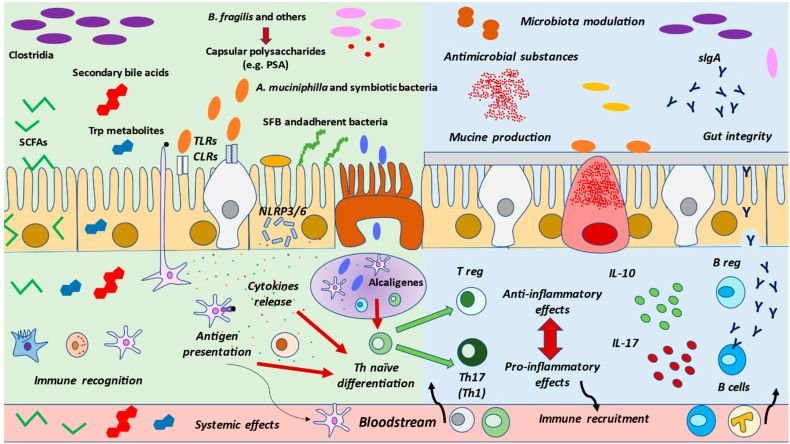

Your body isn’t just yours. Right now, at this very moment, you’re sharing space with trillions of microscopic guests that outnumber your own cells. These tiny inhabitants form an intricate ecosystem inside you that scientists are only beginning to understand, yet their influence reaches far beyond your gut. They shape your immune responses, influence your mood, affect how you respond to stress, and even determine whether you’ll fall ill when exposed to certain pathogens.
This hidden world inside us has become one of the most exciting frontiers in medical research, with discoveries that challenge everything we thought we knew about health and disease. Let’s explore this fascinating internal universe and discover why nurturing these invisible allies might be the key to better health.
Your Body Is Home to an Invisible Universe
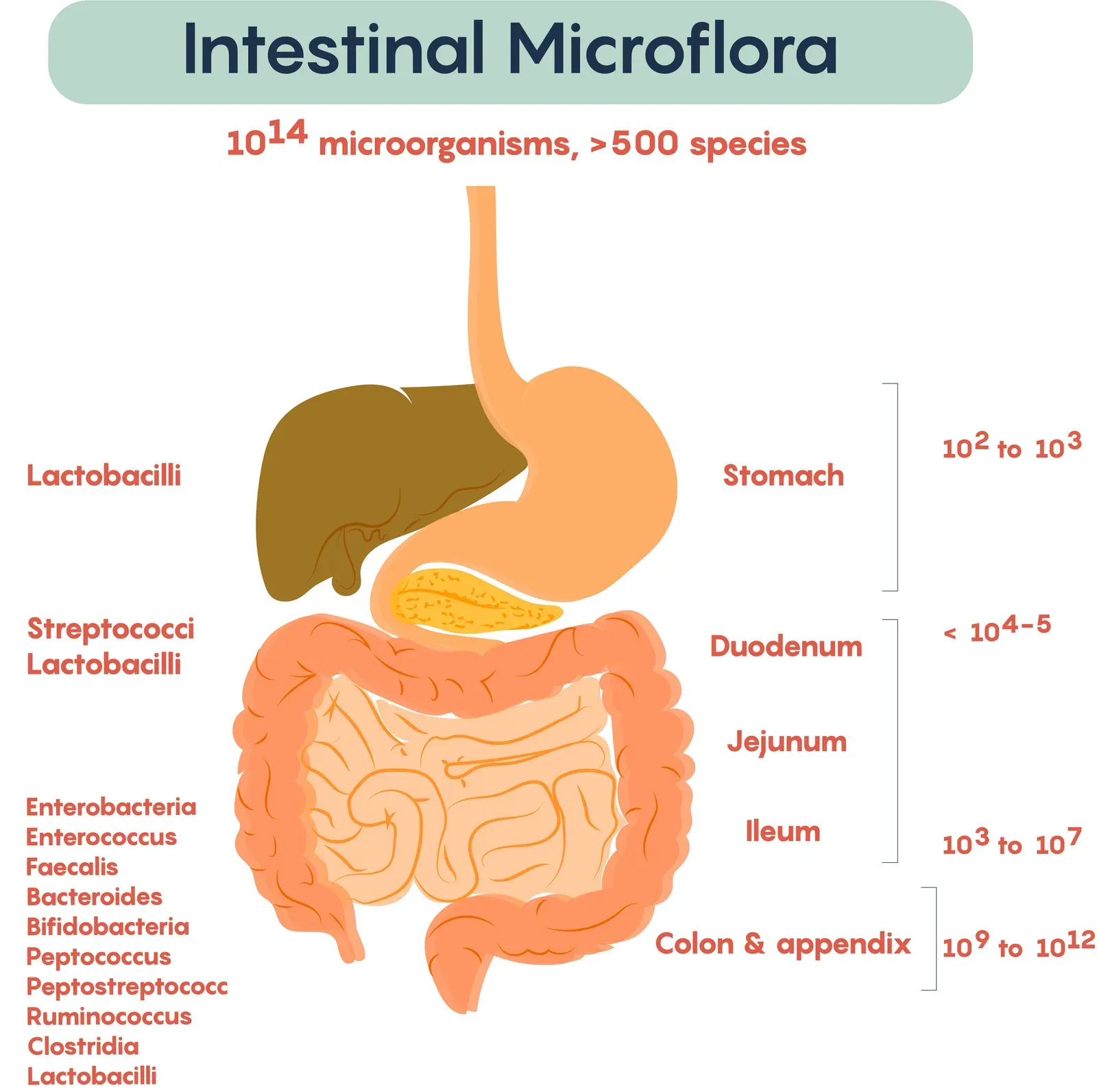
Think about this for a moment. The human gut contains billions of bacteria representing about 4,600 species. These aren’t just passive hitchhikers. They’re active participants in nearly every aspect of your physiology. Your skin, mouth, lungs, and especially your intestines host these microbial communities that collectively weigh around four pounds.
The human microbiome is composed of a collection of dynamic microbial communities that inhabit various anatomical locations in the body, and the coevolution of the microbiome with the host has resulted in these communities playing a profound role in promoting human health. What makes this even more remarkable is that each person’s microbial signature is as unique as their fingerprint, shaped by birth method, diet, geography, and lifestyle choices.
The Gut-Immune System Alliance You Never Knew Existed
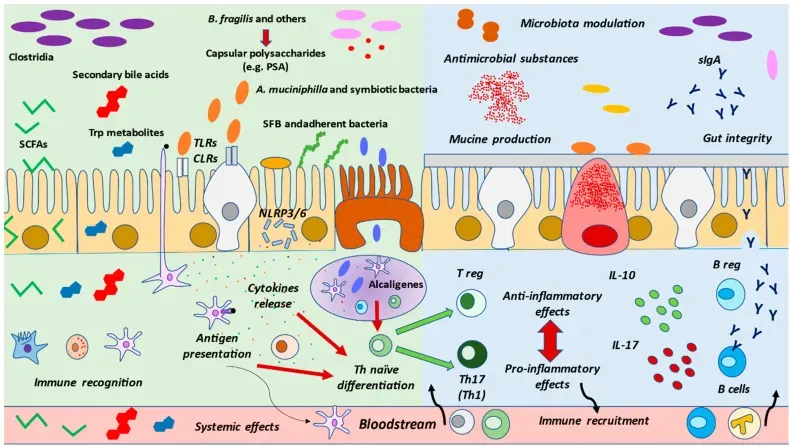
Here’s where things get really interesting. Your gut bacteria aren’t just sitting there digesting food. Bacteria in the human gut can directly deliver proteins into human cells, actively shaping immune responses, and bacterial proteins preferentially target human pathways involved in immune regulation and metabolism. This is groundbreaking stuff that scientists discovered just recently.
Your microbiome essentially trains your immune system from birth. The maturation and function responses of major immune effector cells, including T cells, B cells, and dendritic cells, are significantly influenced by the microbiota, and gut microbiota contributes to the maturation of gut-associated lymphoid tissue. Without this microbial education, your immune system would be like a soldier without training, unable to distinguish friend from foe.
The Surprising Link Between Your Gut and Your Brain
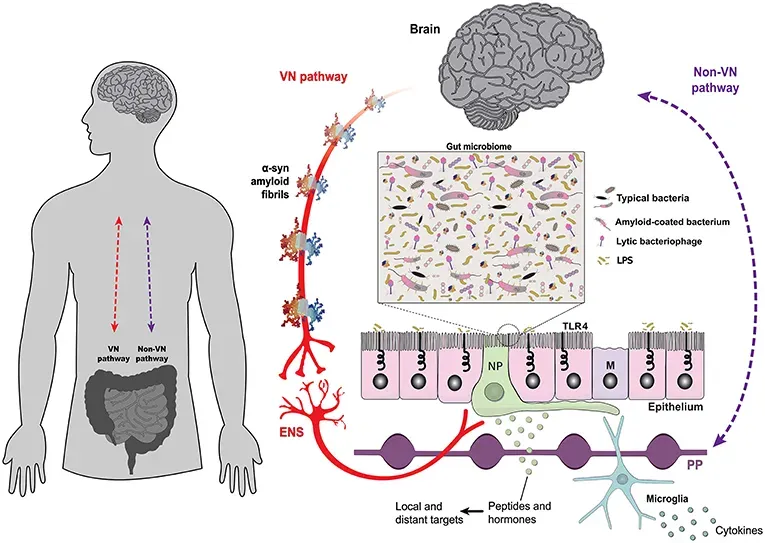
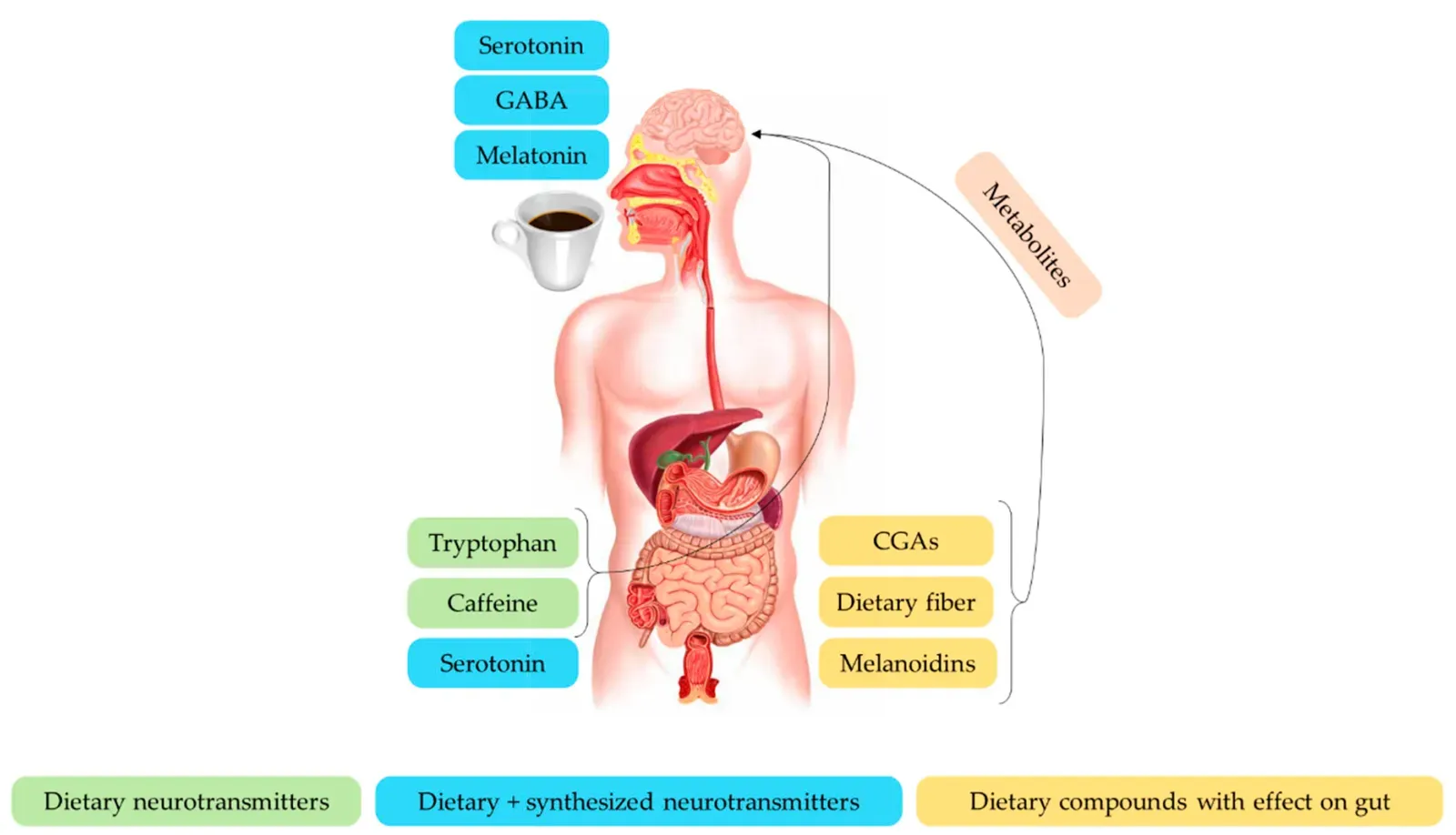
This might sound bizarre, but your gut bacteria can influence your thoughts and emotions. The gut microbiota and its metabolites could play an important role in mental health through the microbiota–gut–brain axis. Scientists have even transferred fecal matter from people with depression into rodents, and the animals developed depression-like behaviors. It’s not science fiction. It’s happening right now in laboratories around the world.
Changes in the microbiome are linked to mood and mental health, and distinct biological signatures exist in the microbiomes of people who are highly resilient in the face of stressful events. Your gut literally talks to your brain through multiple channels including the vagus nerve, immune signaling, and the production of neurotransmitters like serotonin and dopamine.
Why Diversity Is Your Microbiome’s Superpower
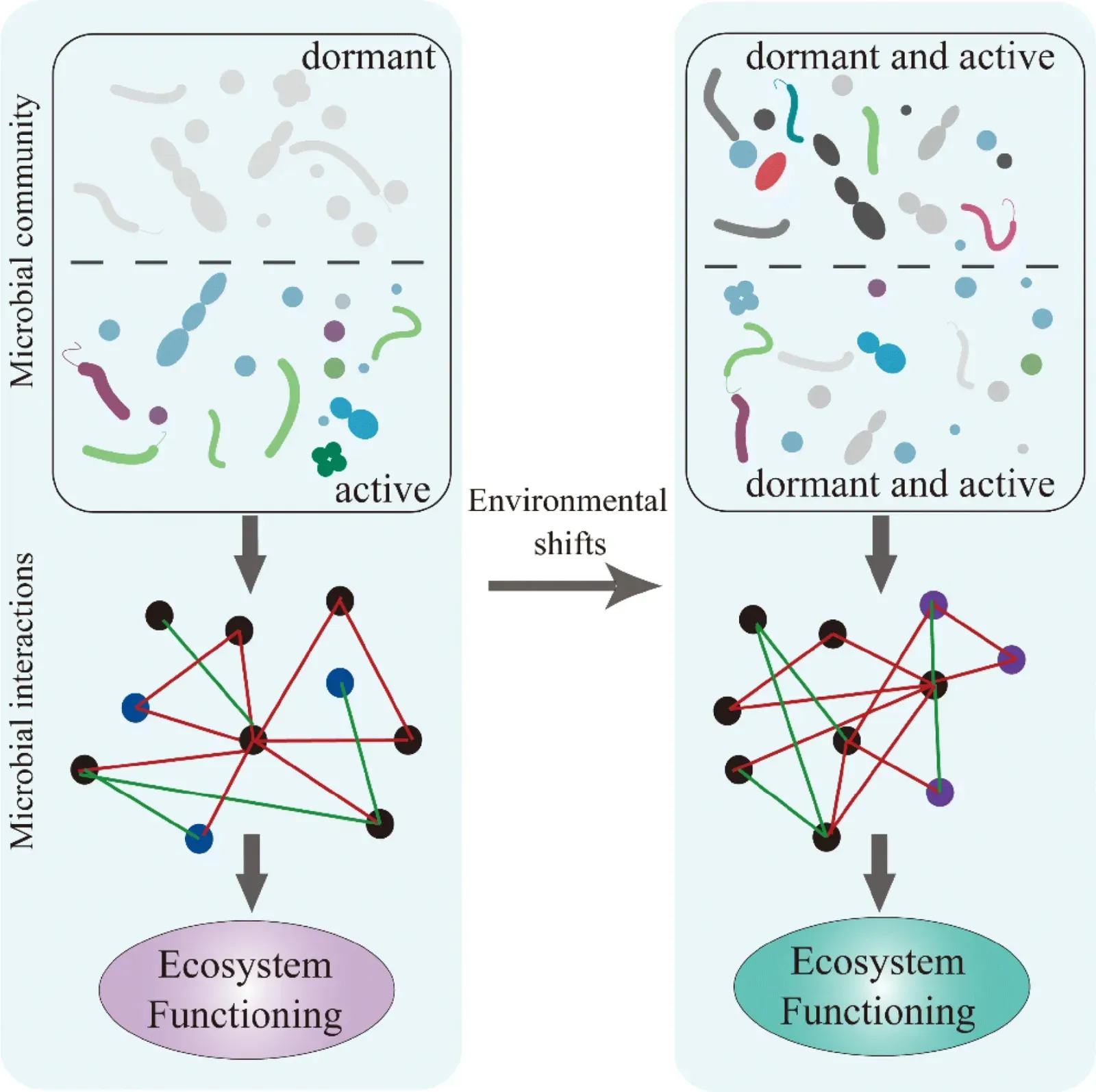
Diverse communities of resident bacteria can protect the human gut from disease-causing microorganisms, and protective communities block the growth of harmful pathogens by consuming nutrients that the pathogen needs. Think of it like an ecological defense system. The more diverse species you have, the harder it becomes for invaders to find a foothold.
More diverse and balanced gut microbiotas are present in healthy, long-living people, whereas disturbed gut microbiotas with dysbiosis are observed in the elderly who suffer from different comorbidities. Centenarians, those who live past one hundred years, often possess surprisingly diverse gut communities enriched with beneficial bacteria that produce important metabolites like short-chain fatty acids.
Hidden Bacteria That Keep You Healthy
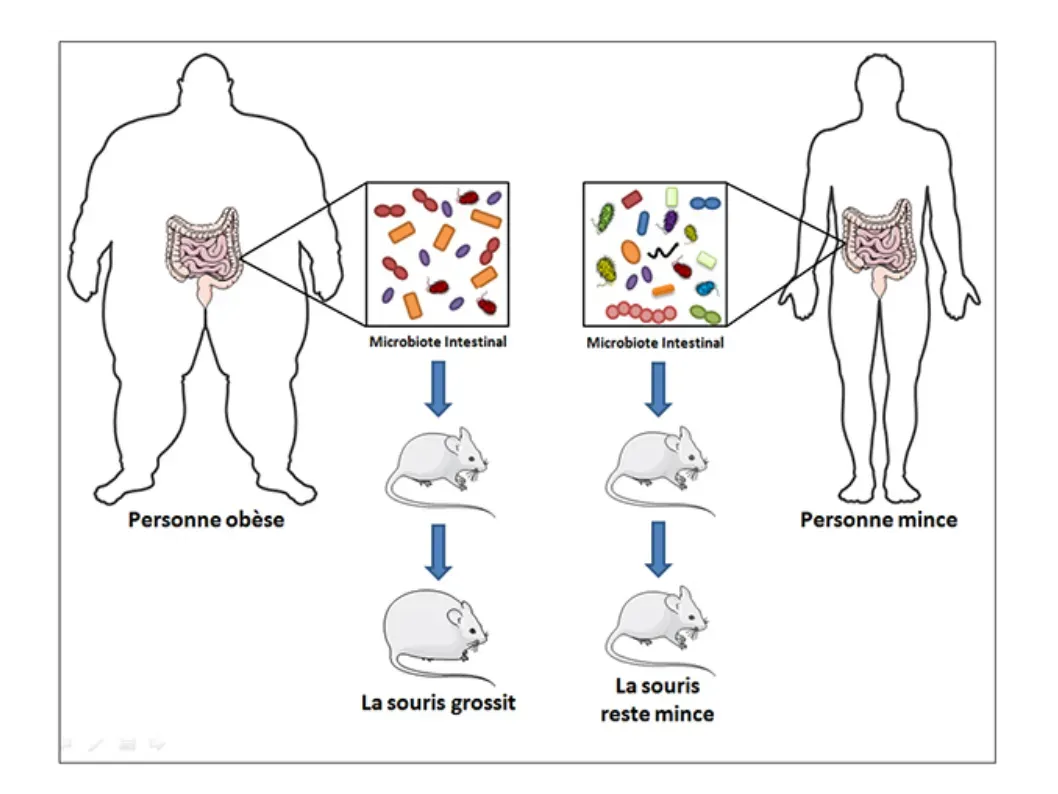
Recent research has uncovered something fascinating about the so-called “hidden microbiome.” People with diseases like Crohn’s and obesity consistently had lower levels of CAG-170 bacteria in their gut. These bacteria were previously unknown to science, yet they appear to play fundamental roles in human health by helping digest food components and keeping the entire microbiome running smoothly.
Around two-thirds of the species in our gut microbiome were previously unknown, and some of these are a fundamental and underappreciated component of human health. We’re essentially discovering new planets in an inner universe we never fully explored. Each discovery opens new possibilities for understanding disease and developing treatments.
The Chemical Threats Disrupting Your Internal Ecosystem
Here’s something that should concern you. Researchers have identified 168 common chemicals that can disrupt healthy gut bacteria, including compounds found in pesticides and plastics, and these substances slow or stop the growth of microbes that play an important role in supporting overall health. Many of these chemicals were never thought to affect living organisms at all, yet they’re silently damaging the beneficial bacteria you depend on.
When this delicate system is disrupted, it can contribute to a wide range of health problems, including digestive issues, obesity, weakened immune function, and effects on mental health. The researchers recommend simple protective steps like washing produce thoroughly and avoiding unnecessary pesticide use in home gardens.
Food as Medicine for Your Microbiome
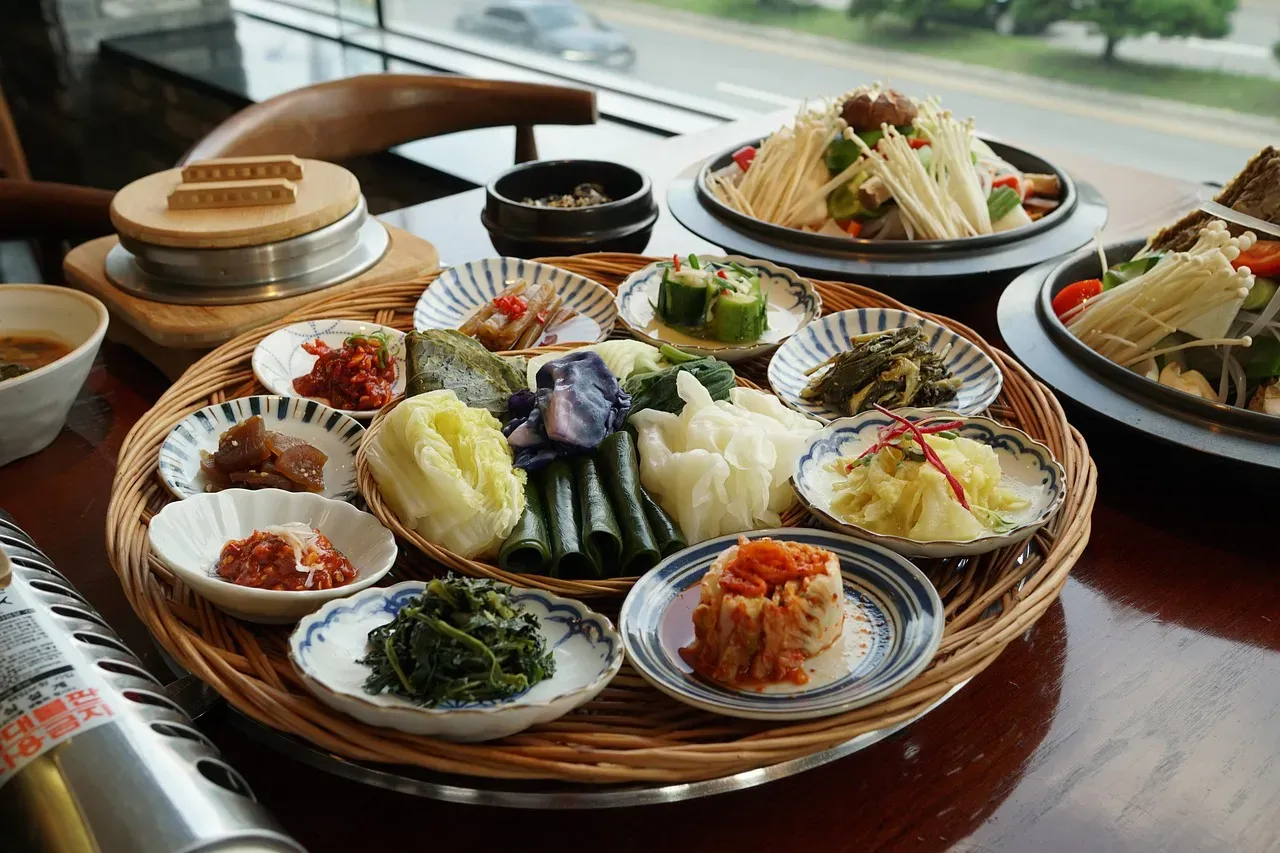
What you eat directly shapes your internal ecosystem. A diet rich in fermented foods enhances the diversity of gut microbes and decreases molecular signs of inflammation, and eating foods such as yogurt, kefir, kimchi and kombucha led to an increase in overall microbial diversity. It’s honestly remarkable how quickly dietary changes can reshape your microbiome composition.
The power of fermented foods comes from their ability to introduce living beneficial bacteria directly into your system. Even small amounts can make a difference. Honestly, I think we’ve sanitized our modern diet to death, removing the very microbes our ancestors consumed regularly through traditionally prepared foods that are now making a comeback in health-conscious communities.
The Future of Personalized Health Through Your Microbiome
By better defining what a healthy microbiome looks like, researchers can identify how it changes in disease and potentially restore balance, and tailored probiotics represent an important step in that direction. We’re moving beyond one-size-fits-all approaches toward precision medicine that considers your unique microbial signature.
Many changes to the gut microbiome are driven by competition for nutrients, and this work reveals that drug-induced microbiome disruption follows predictable ecological rules, which opens the door to anticipating and even preventing side effects on gut health. The implications are enormous. Imagine doctors prescribing not just medications but microbiome-protective strategies tailored to your specific bacterial community. That future is closer than you might think.
Conclusion
The human microbiome represents one of the most profound scientific discoveries of our time. This hidden ecosystem within us influences virtually every aspect of our health, from how effectively our immune system responds to threats, to how resilient we are in the face of stress, to whether we develop chronic diseases as we age. We’re not just individuals but walking ecosystems, and our health depends on nurturing the trillions of microscopic partners we carry with us.
The research continues to reveal surprising connections and potential therapeutic applications. From understanding how specific bacterial species protect against pathogens through nutrient blocking, to discovering how gut microbes communicate directly with our brain and influence our mental state, each finding opens new possibilities for improving human health. What’s most exciting is that many interventions are remarkably simple: eating more diverse plant foods, including fermented foods in your diet, reducing exposure to harmful chemicals, and being mindful about antibiotic use.
Have you thought about what’s living inside you and how it might be shaping your health right now? The answers might surprise you, and the steps you take to nurture your microbiome today could influence your wellbeing for years to come.