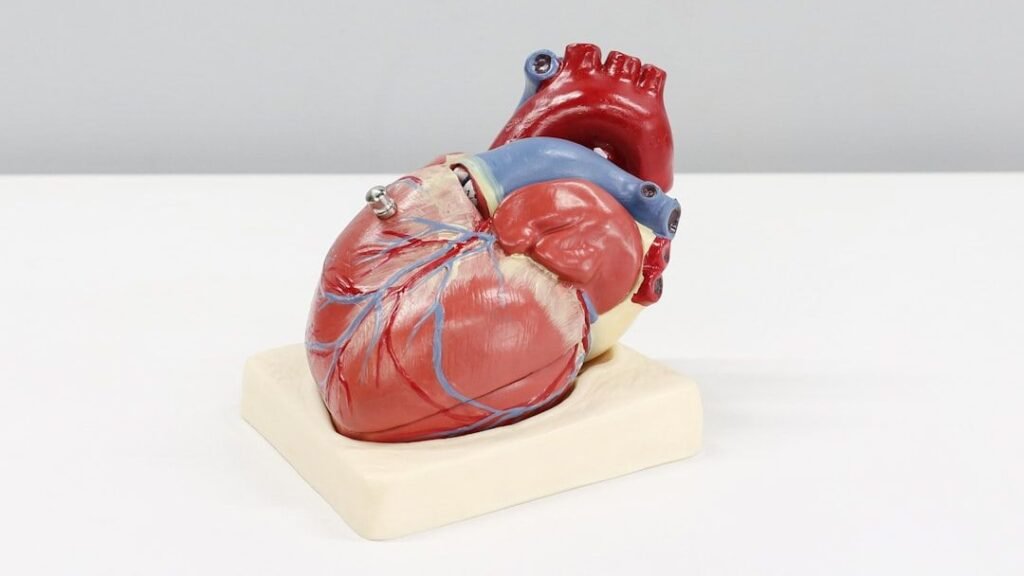

If someone told you there was a tiny, silent engine inside your chest that beats more than two and a half billion times in a lifetime without ever taking a break, you’d probably call it science fiction. Yet that’s exactly what your heart does every single day, often without you noticing until it skips, races, or aches. We obsess over smartphones, rockets, and AI, but the most extraordinary piece of “technology” you’ll ever own is already installed from birth.
I still remember sitting in a waiting room years ago, listening to my own heartbeat thudding in my ears after a doctor casually mentioned a “minor irregularity.” In that moment, my chest felt less like a body part and more like a mysterious, fragile machine that somehow kept everything going. That’s the thing about the heart: we take it for granted, right up until the second we realize how much literally depends on it. The deeper you look into how it works, the more every man‑made invention starts to feel clumsy and slow in comparison.
The Relentless Powerhouse That Never Shuts Down
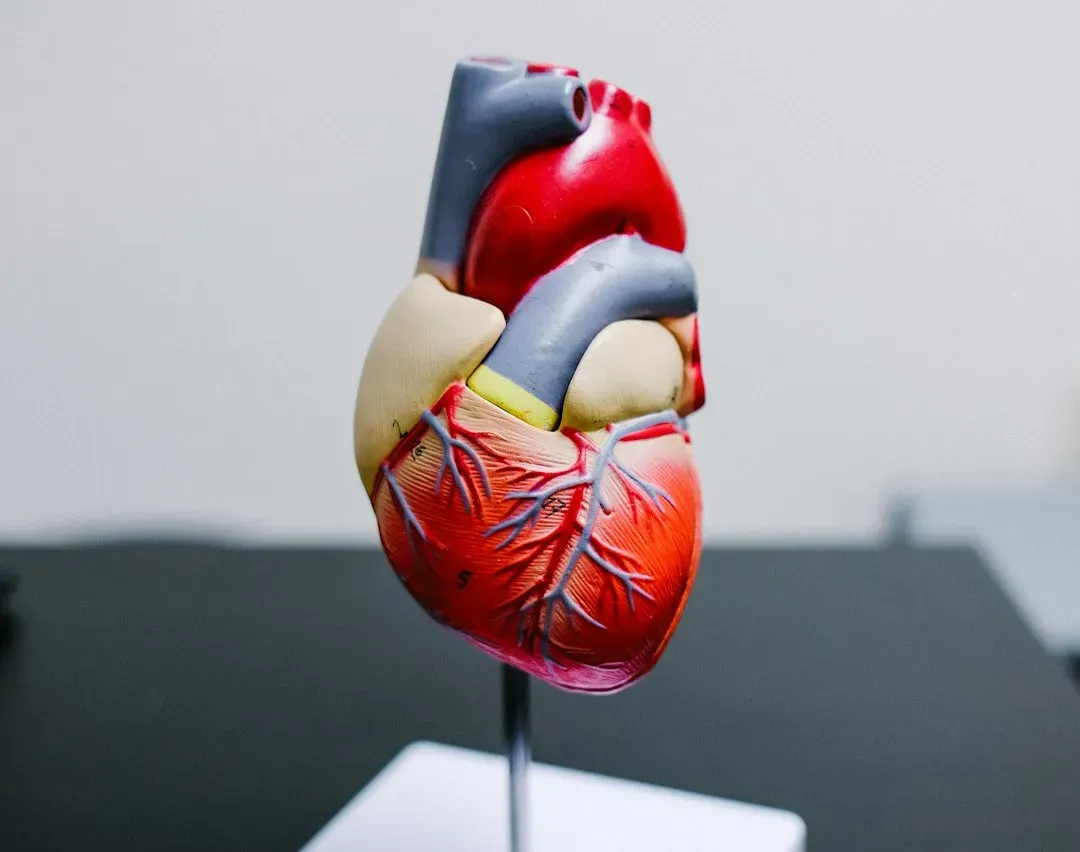
Imagine an engine that starts running before you’re even born and doesn’t stop until the last moment of your life, with no maintenance breaks, no power-offs, and no reboot button. Your heart pumps blood day and night, moving roughly thousands of liters through your body every twenty‑four hours, and it does this with a rhythm so steady that entire branches of medicine revolve around just measuring and interpreting it. Machines in factories overheat, planes need constant checks, and even space probes hibernate, but your heart keeps going through fevers, stress, lack of sleep, and emotional storms.
Over an average lifetime, your heart will beat billions of times, creating enough force to send blood shooting out several feet if an artery were opened, yet you barely feel the effort most of the time. That mix of raw power and quiet efficiency is something engineers still struggle to copy, even with advanced pumps and artificial hearts. The closest mechanical devices that try to replace a failing heart are big, noisy, and fragile compared with the compact, tireless muscle in your chest. When you think about it that way, every steady heartbeat feels a little bit like a miracle repeated over and over.
A Precision Pump With Built‑In Smart Controls
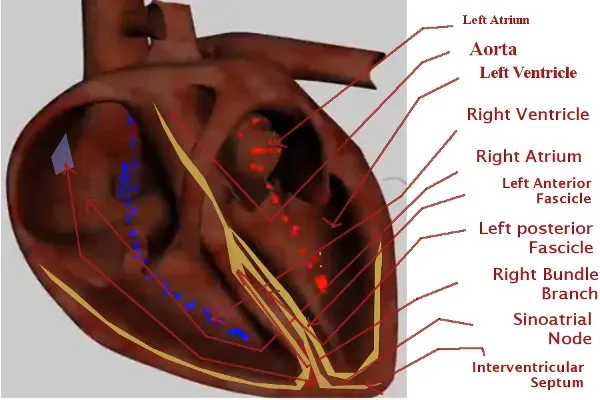
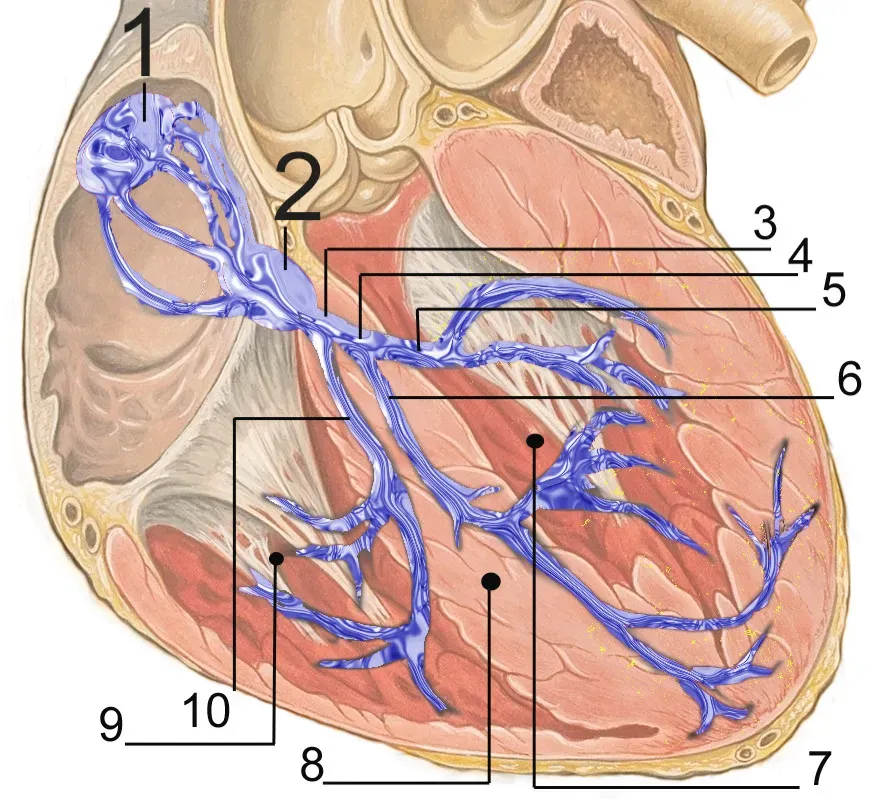
On the surface, the heart looks like a simple pump, but inside, it’s more like a fully automated system with its own built‑in control center and wiring. A small cluster of cells in the right atrium, often called the heart’s natural pacemaker, sends out electrical signals that tell the heart when to contract. These impulses travel along specialized pathways, making sure the upper and lower chambers squeeze in a perfectly timed sequence so blood flows efficiently, not chaotically.
What makes this truly stunning is how intelligently your heart adjusts without you ever having to think about it. When you stand up suddenly, your heart subtly speeds up to keep you from fainting; when you sprint for a bus, it ramps up delivery of oxygen and slows down once you sit. Hormones, nerves, blood pressure, and even your breathing pattern feed into this control system like inputs into a highly advanced feedback loop. It’s the kind of self-regulating, real‑time responsiveness engineers spend careers trying to build into machines, but your body got it standard from the start.
Stronger Than Steel, Yet Soft Enough to Break
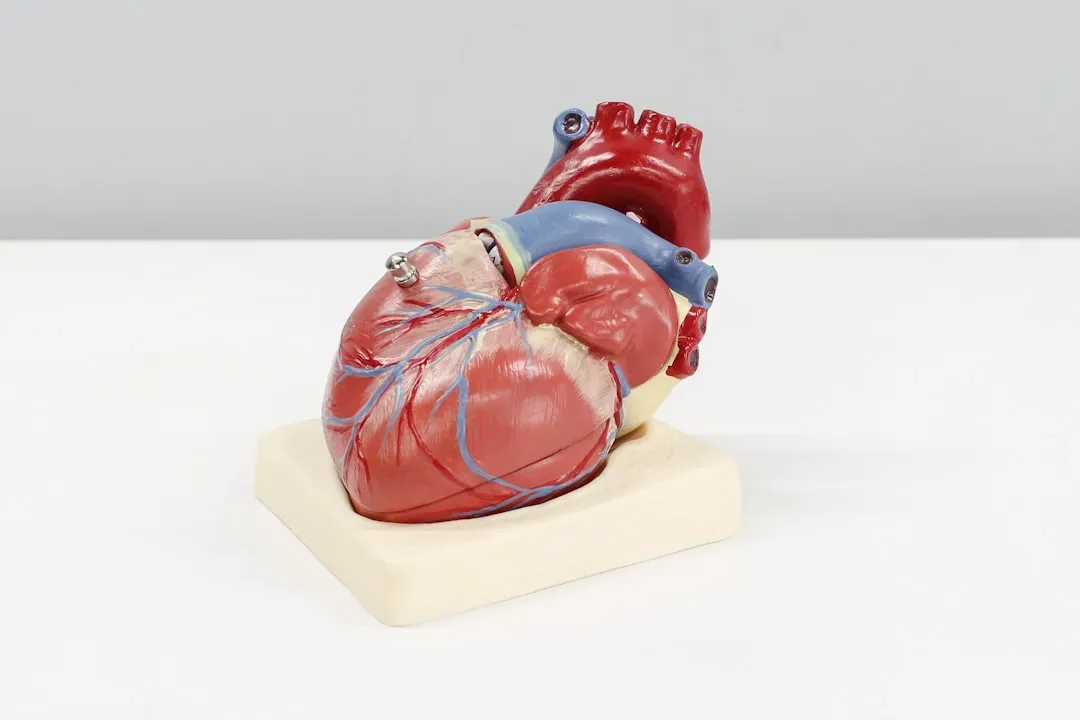
The heart lives in this strange space where it’s both incredibly tough and unbelievably vulnerable at the same time. Physically, cardiac muscle is specialized to withstand constant contraction and relaxation, day in and day out, for decades. It repairs small injuries, adapts to increased demand when you get fitter, and can even grow slightly stronger when challenged by regular exercise, almost like it’s in training for a lifelong marathon. That resilience is why some people can climb mountains in thin air while their hearts figure out how to keep everything supplied.
Yet there’s another side to it: for all its strength, the heart is dramatically sensitive to what we feed it and how we live. Too much processed food, chronic stress, smoking, and poor sleep slowly wear it down, sometimes without obvious signals until real damage appears. There’s something painfully human about a muscle that can keep beating through trauma, heartbreak, and grief, but can be undone by years of quiet neglect. It’s a reminder that no matter how powerful this “engine” is, it still depends on the choices we make every single day.
An Emotional Barometer Hidden in Plain Sight
We talk about having a “broken heart” or our “heart racing” with fear for a reason: emotions show up in our chest before we can even explain them. When you’re anxious, your heart rate climbs; when you’re calm, it settles; when you’re thrilled or in love, it might skip in that strange, fluttery way that makes you suddenly aware of its presence. Researchers have found that how your heart beats, not just how fast, changes with emotional states, creating patterns that often reflect stress, joy, or exhaustion.
From a purely mechanical point of view, that sounds almost irrational, like a pump taking orders from feelings. But that’s exactly what happens: your nervous system and hormones constantly communicate with the heart, and the heart’s feedback, in turn, affects your brain. It’s a two‑way relationship, more like a conversation than a command. That’s why breathing exercises, mindfulness, and relaxation can literally shift your pulse, turning a chaotic rhythm into a steadier, more coherent pattern. It blurs the line between body and mind in a way no machine can really mimic.
A Master of Adaptation From Birth to Old Age
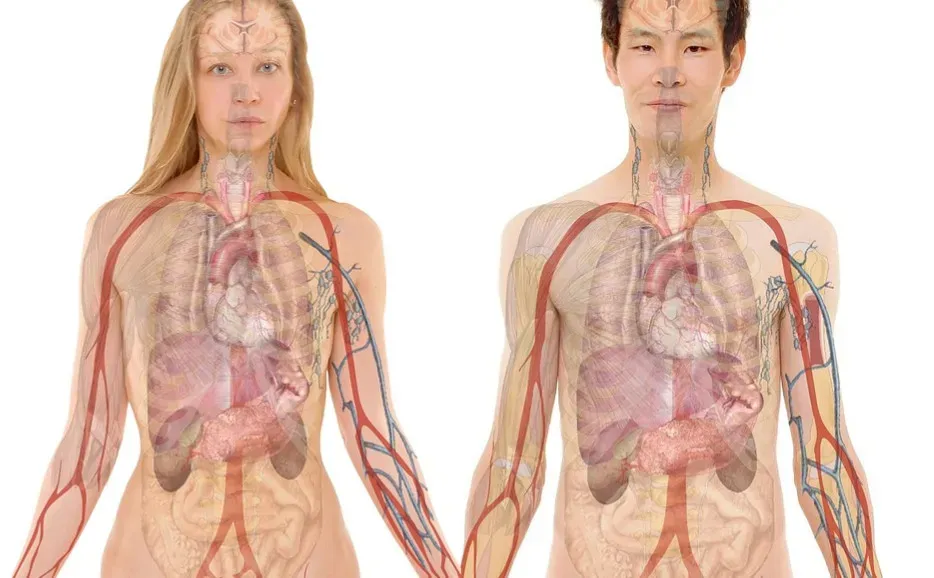
Your heart doesn’t stay the same from one stage of life to another; it quietly reshapes itself to match what you need. Before you’re born, your fetal heart works in a completely different environment, handling oxygen from the placenta instead of the lungs, then rapidly reconfigures in the first breaths after birth. As a child, your heart beats faster to keep up with growth and endless movement, while in adulthood it often slows slightly as it becomes more efficient and settled into its lifelong workload.
Even in older age, the heart keeps adapting, sometimes thickening its walls or shifting how it fills and pumps to cope with years of use. Athletes’ hearts can enlarge slightly and pump more strongly, while a sedentary lifestyle can nudge it in the opposite direction. What’s remarkable is that much of this adaptation happens quietly in the background, guided by genes, environment, and lifestyle. Machines usually only work in the narrow band they were designed for, but your heart spends decades fine‑tuning itself to your particular story.
Why Our Best Machines Still Can’t Replace It
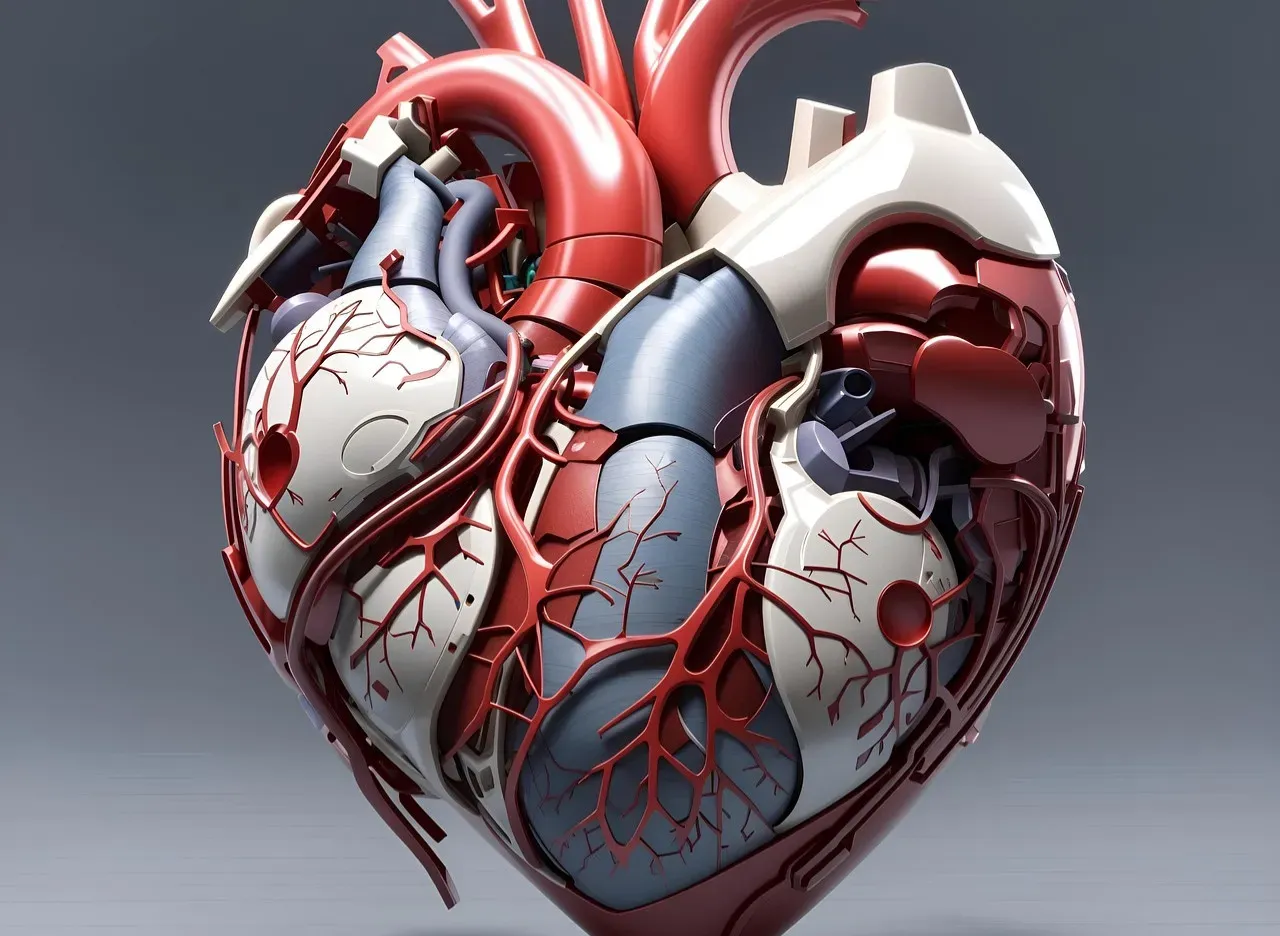
Modern medicine has come up with artificial hearts, ventricular assist devices, and advanced pumps that can keep people alive when their own hearts fail. These devices are incredible achievements, but when you look closely, they show how far we still are from truly duplicating what a natural heart does. Many of these machines are bulky, need external power sources, or carry risks of clots and infections that the original organ manages to avoid most of the time. They buy precious time, but they rarely match the seamless, instinctive performance of the real thing.
Even the most cutting‑edge prototypes struggle with things the human heart does routinely: adjusting in milliseconds to posture changes, syncing with breathing, responding to emotional surges, and working in a compact, quiet, self‑healing package. Transplanted donor hearts are still the gold standard when a heart can’t be repaired, which says a lot about how complex this organ really is. For all the money, talent, and technology poured into designing artificial hearts, nature’s version remains the benchmark we’re still chasing. It’s humbling to realize that inside your chest is something scientists are still trying to fully understand, let alone replicate.
Caring for the Most Important Machine You’ll Ever Own
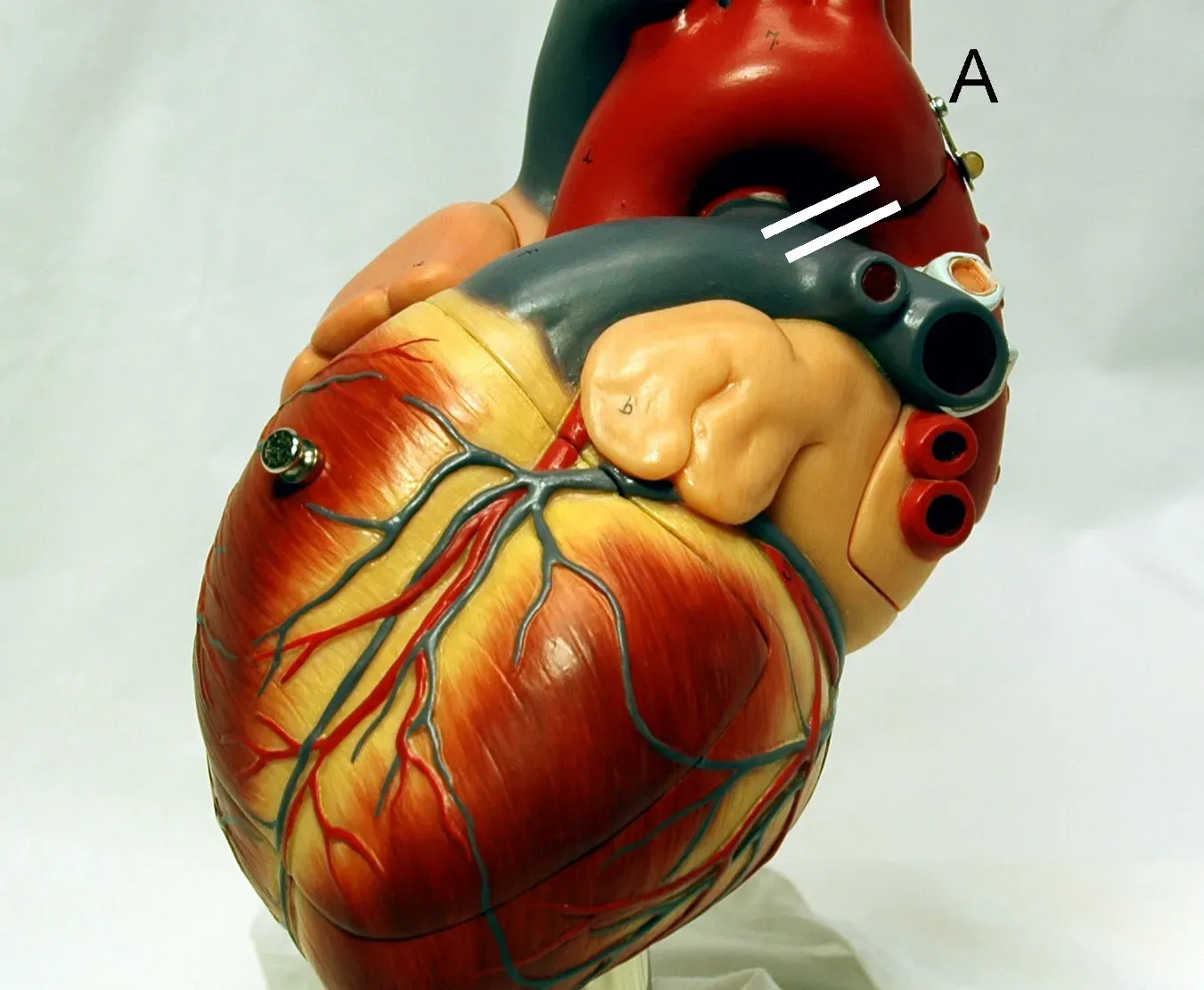
If the heart is the most astonishing “device” you’ll ever have, then taking care of it is less about fear and more about respect. The basics are surprisingly unglamorous: move your body regularly, eat more real food than processed junk, get enough sleep, and find ways to keep your stress from chewing on you nonstop. Even modest changes, like walking a bit more each day or cutting down on sugary drinks, can ease the workload on your heart in ways that quietly add up over years. It’s like giving your engine cleaner fuel and a smoother road to run on.
There’s also something powerful about simply paying attention to your heartbeat every now and then, not in an anxious way, but with curiosity. Feeling it drum in your chest after you laugh too hard, climb stairs, or get startled is a reminder that you’re alive and that something is tirelessly looking out for you in the background. Routine checkups, blood pressure monitoring, and knowing your family history can give that hard‑working muscle a fair chance to keep doing its job well into old age. When you treat your heart less like an invisible default setting and more like the miracle engine it is, your entire life tends to shift around that awareness.
The Quiet Miracle in Your Chest
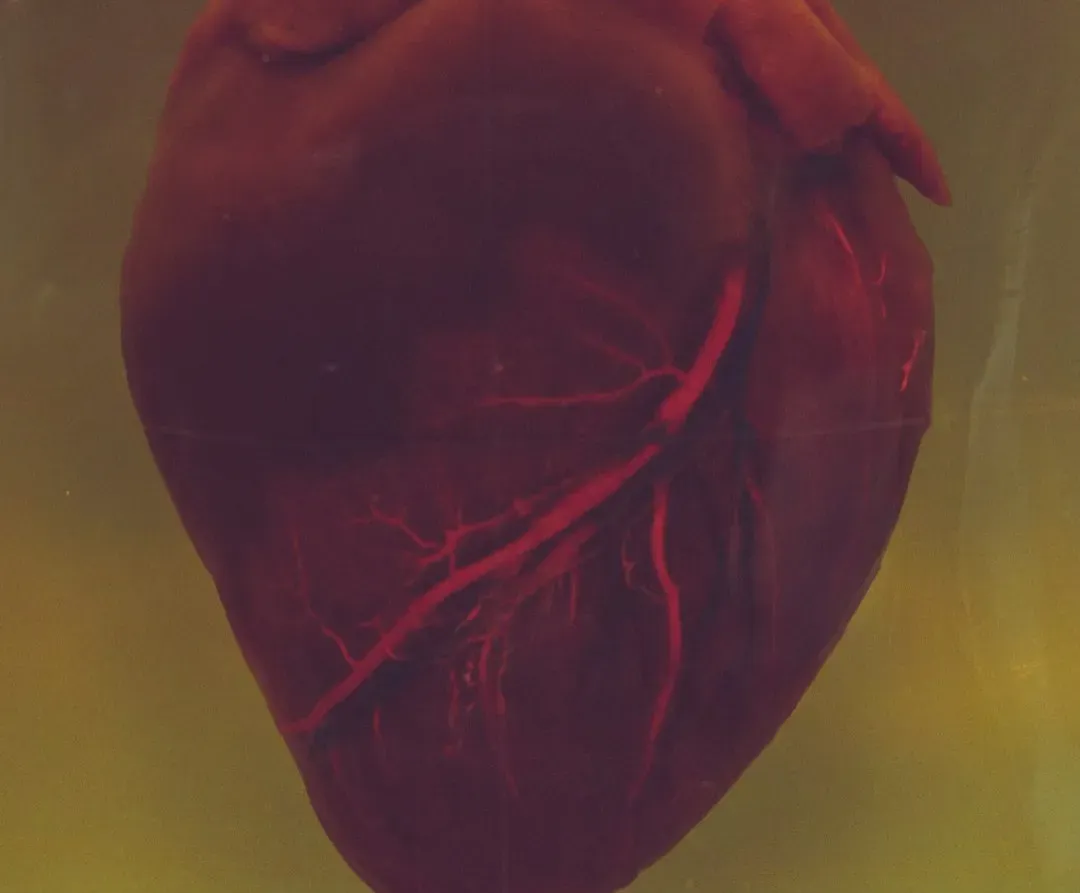
When you stack the human heart against every machine humans have built, the comparison almost feels unfair to the machines. This fist‑sized organ runs nonstop for decades, adapts to your emotions and environment, and quietly coordinates with every other system in your body without so much as a status update. It’s tougher than any alloy we’ve forged, yet sensitive enough to reflect stress, joy, fear, and love in its rhythm. The more we study it, the more it blurs the line between pure biology and something that feels almost poetic.
We celebrate new gadgets and breakthrough technologies, but the most extraordinary “device” you’ll ever rely on is already beating inside you right now. Every thump in your chest is proof that an unimaginably complex, finely tuned system is still choosing to show up for you, second after second. Maybe the real question isn’t whether the human heart is more amazing than any machine, but whether we’re willing to treat it like it is. How differently would you live if you truly believed the most advanced piece of engineering in your world was the one keeping you alive this very moment?