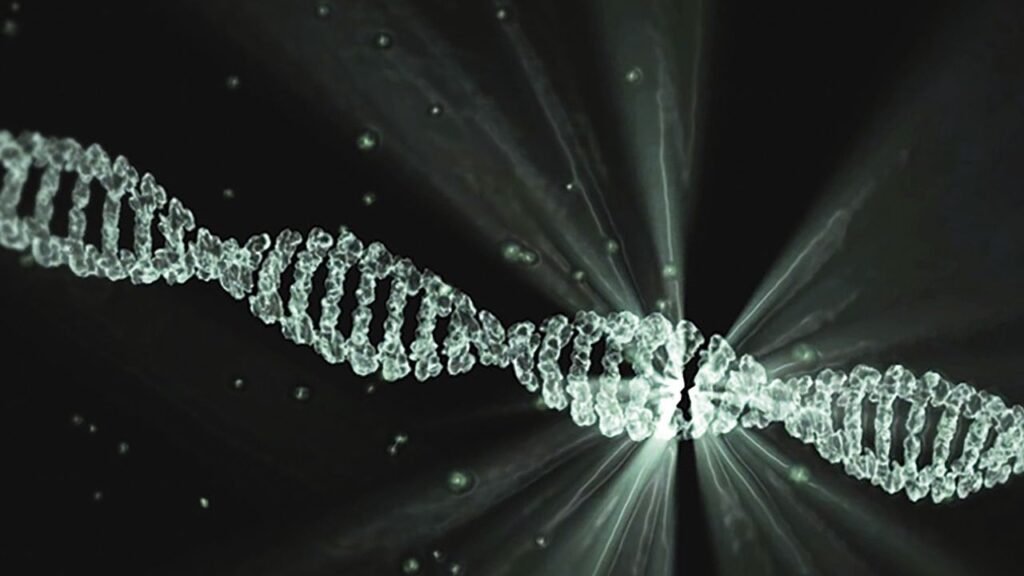

Every time scientists think they have the human genome figured out, it throws another curveball. What was once thought to be a tidy, well-understood blueprint for our species has turned into something far messier, far older, and honestly, far more fascinating than anyone predicted. We are not the clean, single-lineage species we assumed we were. Our DNA carries echoes of ancient viruses, long-vanished populations, brand-new genes emerging from what was once called “nothing,” and genetic chapters so hidden they required entirely new technology to even read.
In 2026, the pace of genomic discovery shows absolutely no signs of slowing down. The revelations keep stacking up, each one reshaping the story of what it means to be human. So let’s dive in.
You Descend From Not One, But Two Ancient Populations
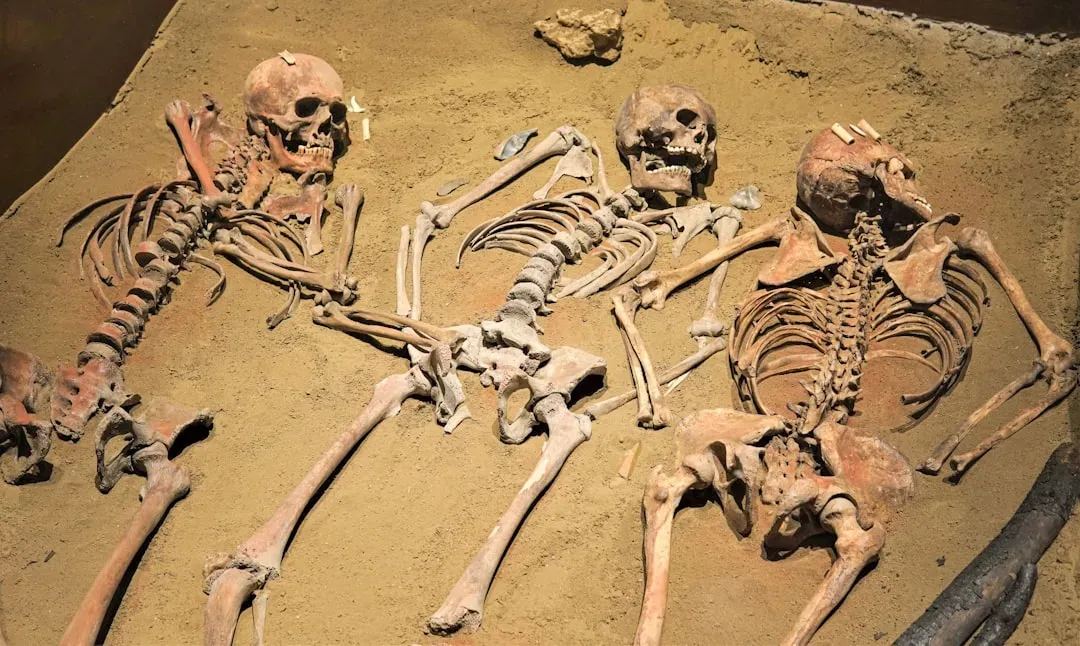
Here’s the thing that might genuinely stop you in your tracks. For decades, the dominant story of human origins was relatively simple: Homo sapiens emerged from a single lineage in Africa somewhere between 200,000 and 300,000 years ago. Comfortable, clean, and easy to visualize. For the last two decades, the prevailing view in human evolutionary genetics has been that Homo sapiens first appeared in Africa around 200,000 to 300,000 years ago and descended from a single lineage. However, the latest results, reported in the journal Nature Genetics, suggest a more complex story.
Using advanced genome analysis, researchers from the University of Cambridge found evidence that modern humans descended from not one, but at least two ancestral populations that diverged around 1.5 million years ago and reconnected about 300,000 years ago. Think of it like two separate rivers flowing apart for an unimaginably long time, then merging back into one. This genetic mixing event contributed significantly to the modern human genome, with one group providing roughly four-fifths and the other about one-fifth.
The Ancient Mixing That Makes Neanderthal DNA Look Tiny
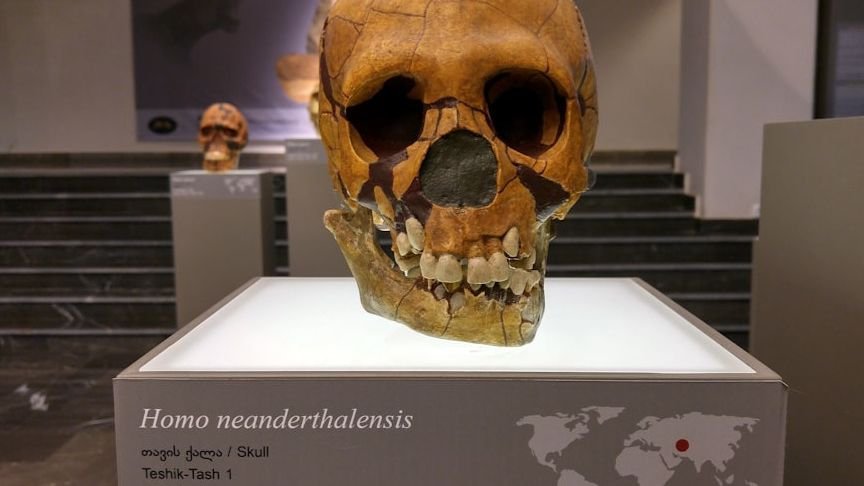
You’ve probably heard that you carry a small percentage of Neanderthal DNA. It’s practically a cultural fact at this point. Yet that piece of information is now somewhat overshadowed by what researchers have uncovered about an even earlier and more substantial genetic merger. While earlier research has already shown that Neanderthals and Denisovans interbred with Homo sapiens around 50,000 years ago, new research suggests that long before those interactions, around 300,000 years ago, a much more substantial genetic mixing took place. Unlike Neanderthal DNA, which makes up roughly two percent of the genome of non-African modern humans, this ancient mixing event contributed as much as ten times that amount and is found in all modern humans.
What makes this discovery so staggering is not just the scale but the method. The team’s method relied on analyzing modern human DNA, rather than extracting genetic material from ancient bones, and enabled them to infer the presence of ancestral populations that may have otherwise left no trace in the fossil record. You are essentially reading a chapter of human history that left no bones behind, only code.
Your Genome Is Half Ancient Virus, and That’s Actually a Good Thing
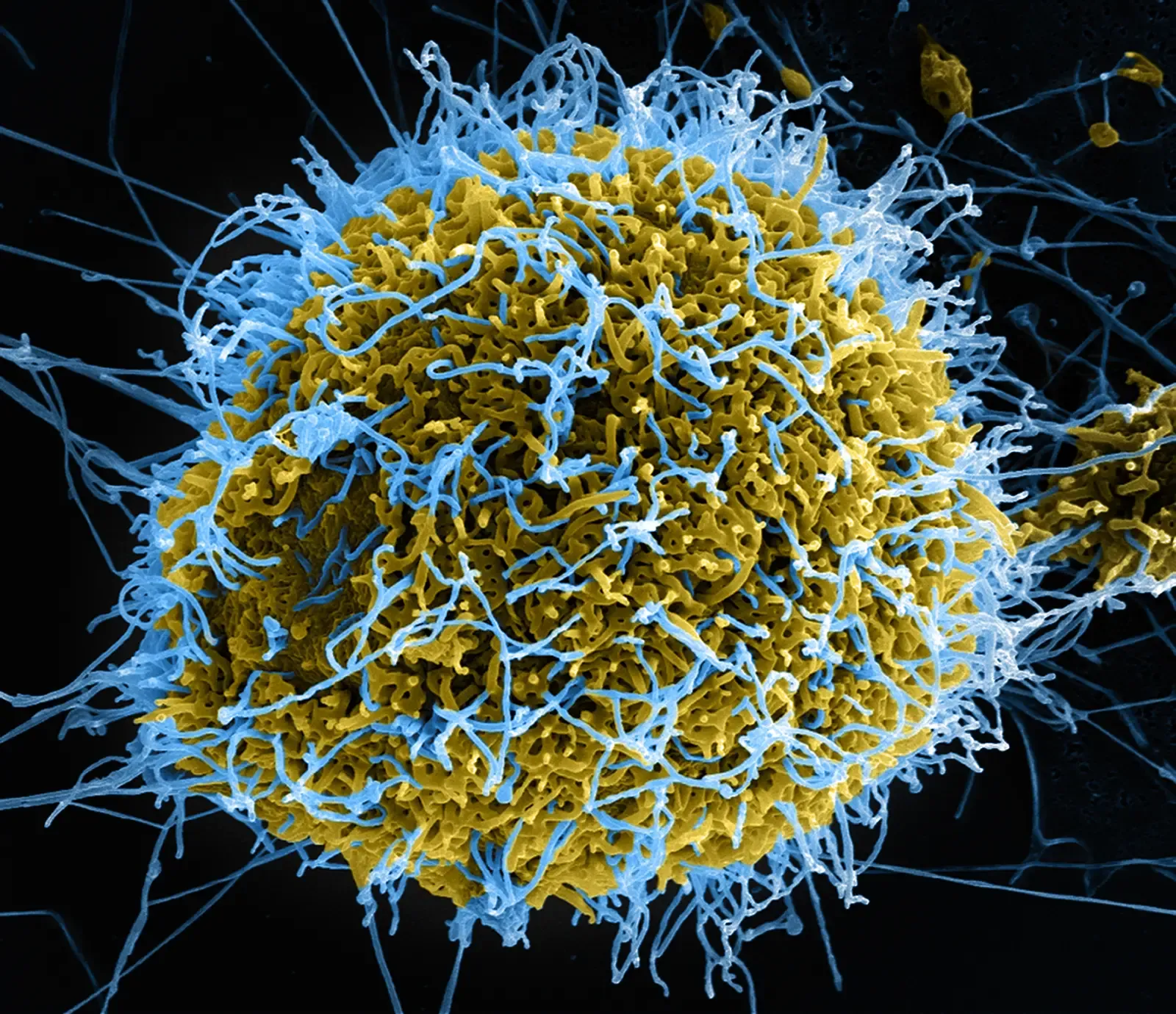
Let’s be real: if someone told you that roughly half of your DNA is descended from ancient viruses, your first instinct might be concern. Once derided as “junk DNA,” transposons make up half the human genome and are descended from ancient viruses encountered by our evolutionary ancestors. The logic of how this happened is almost poetic when you think about it.
If you survive a viral infection, the virus becomes dormant, but the virus’s DNA sticks around. If that DNA gets into a sperm or an egg cell, then it can be passed on to the next generation and every descendant from there on. This process has happened thousands and thousands of times over evolutionary history. Far from being useless baggage, transposons play critical roles in immune response, neurological function, and genetic evolution. Your immune system, in part, owes its sophistication to viruses that infected your ancient ancestors.
Ancient Viral DNA Is Still Actively Shaping Your Development Right Now
It gets even stranger and more wonderful. Those ancient viral remnants are not just passive passengers sitting quietly in your genome. New research published in 2025 reveals they are actively participating in your biological story. A new study offers support for the hypothesis that these ancient viral remnants play a key role in the early stages of human development and may have been implicated in our evolution. Once dismissed as “junk” DNA, ancient viruses embedded in the human genome play a key role in early human development.
The new study focused on a group of transposable element sequences called MER11 found within primate genomes. By using a new classification system as well as testing the DNA’s gene activity, researchers identified four previously undiscovered subfamilies. The most recently integrated sequence, named MER11_G4, was found to have a strong ability to activate gene expression in human stem cells and early-stage neural cells. In other words, the ancient virus in your genome is helping to build you from the very earliest moments of life. I know it sounds crazy, but there it is.
Brand-New Genes Are Literally Appearing From Nowhere
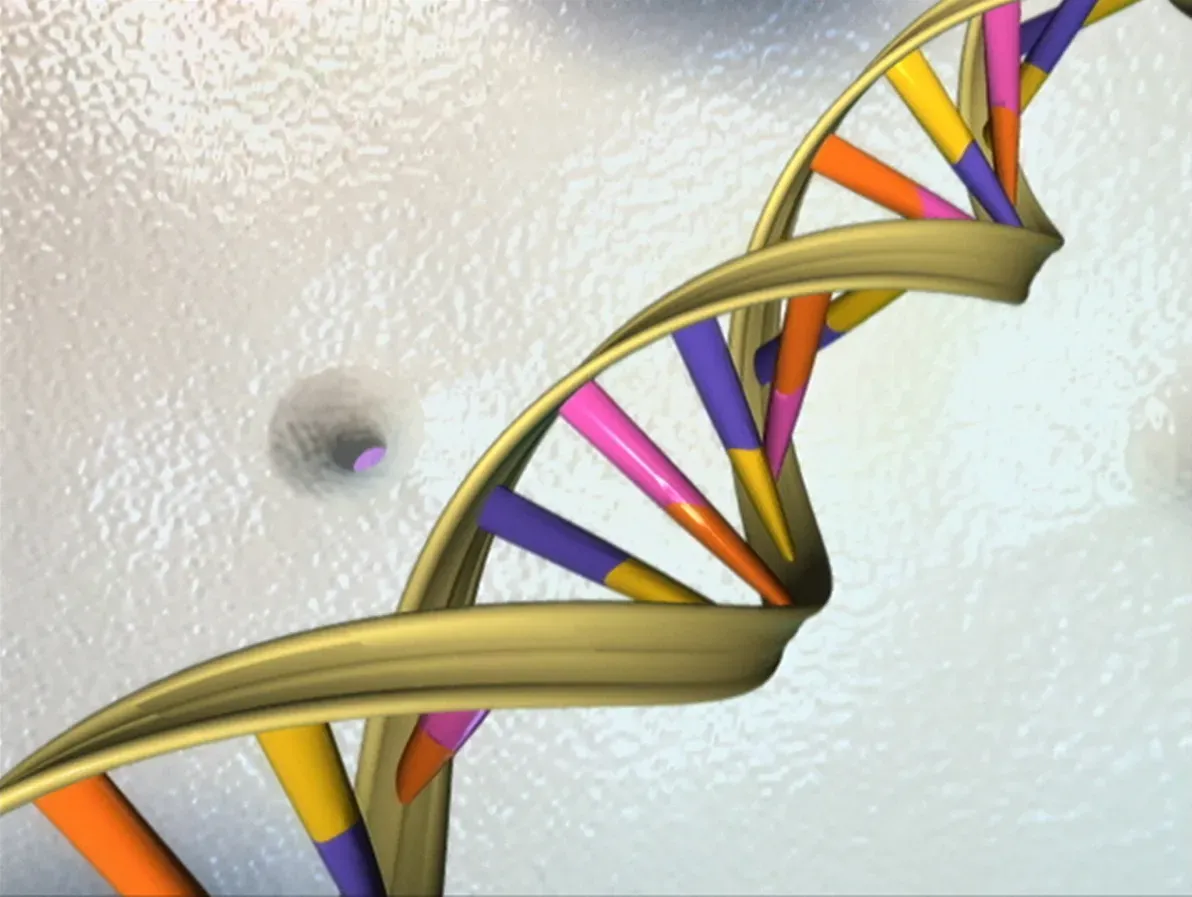
The textbook story of gene creation was always about copying and modifying existing genes. Evolution as a great recycler, borrowing from what already works and tweaking it over time. But that picture is now fundamentally incomplete. Over the past two decades, comparative genomics has fundamentally reshaped our understanding of gene evolution by revealing that entirely new protein-coding genes can arise from previously noncoding DNA. This process, known as de novo gene birth, challenges the long-standing view that new genes primarily originate through duplication and divergence.
Unlike most genes, which have ancient roots, so-called de novo genes arose recently, emerging from DNA that once encoded nothing at all. Research has uncovered how these genetic newcomers are switched on and woven into cellular circuitry. In complementary studies, scientists identified a small set of transcription factors that act as master regulators for de novo genes, and showed that many of these evolutionarily young genes share regulatory elements with their genomic neighbors. Think of it as a melody spontaneously composing itself from silence, and then the whole orchestra learning to play around it.
The Pangenome Is Rewriting What We Call “The Human Genome”
Here’s something worth considering: for most of genomic history, when scientists said “the human genome,” they really meant one genome used as a reference, mostly derived from a handful of individuals. That single-reference approach is now being replaced by something far more representative and far more powerful. An international team of scientists has decoded some of the most stubborn, overlooked regions of the human genome using complete sequences from 65 individuals across diverse ancestries. The study, published in Nature, reveals hidden DNA variations that influence everything from digestion and immune response to muscle control, and could explain why certain diseases strike some populations harder than others.
The pangenome also contains more than 100 million more base pairs than the previous reference. Using the pangenome to identify small variants in sequencing data reduced errors by roughly a third compared with using the older reference. The implication for you personally is enormous. For too long, our genetic references have excluded much of the world’s population. This work captures essential variation that helps explain why disease risk isn’t the same for everyone.
Your Evolutionary History Is Far Older and More Interconnected Than You Imagined
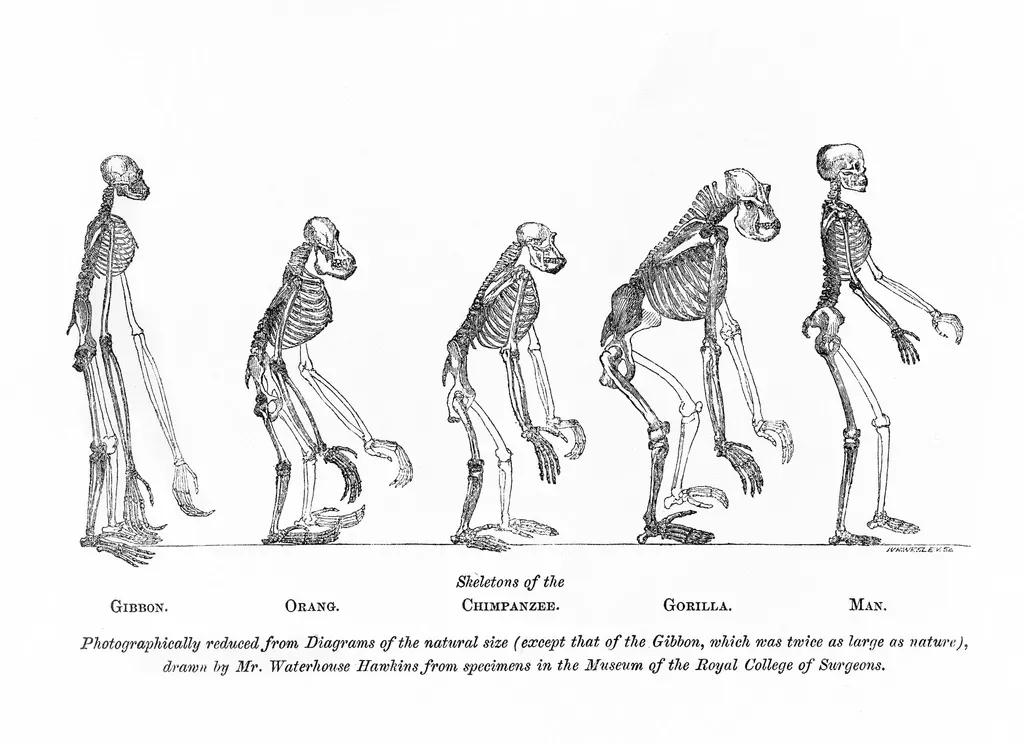
One of the most quietly astonishing shifts in genomic science is the realization that our family tree is not a simple upright ladder. It is more like a tangled, sprawling banyan tree with roots that shoot back into the ground and branches that merge back together. Rather than a simple linear progression from ape to modern human, we now see a “bushy tree” of evolution, with numerous branches, some leading to dead ends while others merged and interbred, ultimately contributing to the rich genetic and cultural heritage of Homo sapiens.
Phylogenetic analysis changes the perspective of late hominin divergence, with Homo longi and Homo sapiens being sister taxa to the exclusion of Neanderthals, and all three groups having evolutionary origins two to three times older than previously thought, at least 1.2 million years ago. Your past, it turns out, stretches back much further and branches out far more widely than the textbooks once suggested. As archaeological techniques improve and new sites are excavated, we can expect even more surprises that will continue to reshape our understanding of where we came from and what makes us human.
Conclusion: The Genome Is a Story Still Being Written
What strikes me most about all of this is the sheer humility it demands of us. Every decade, every few years now, the human genome reveals that the story scientists had confidently told is only a chapter, not the whole book. You carry within you the echoes of populations that lived and diverged over a million years ago. Ancient viruses that infected your distant ancestors are now essential to your development. Genes are still being born from the silence between older genes. The very reference we used to define “human DNA” turned out to be far too narrow to represent humanity.
The genome is not a finished document. It is a living, still-evolving, endlessly surprising manuscript. And the more tools researchers build to read it, the stranger and more magnificent the story becomes. The real question worth sitting with is this: if what we thought we knew was this incomplete just a decade ago, what revelations are quietly waiting in the parts of the genome we still cannot fully read? What do you think we’ll find next? Share your thoughts in the comments below.