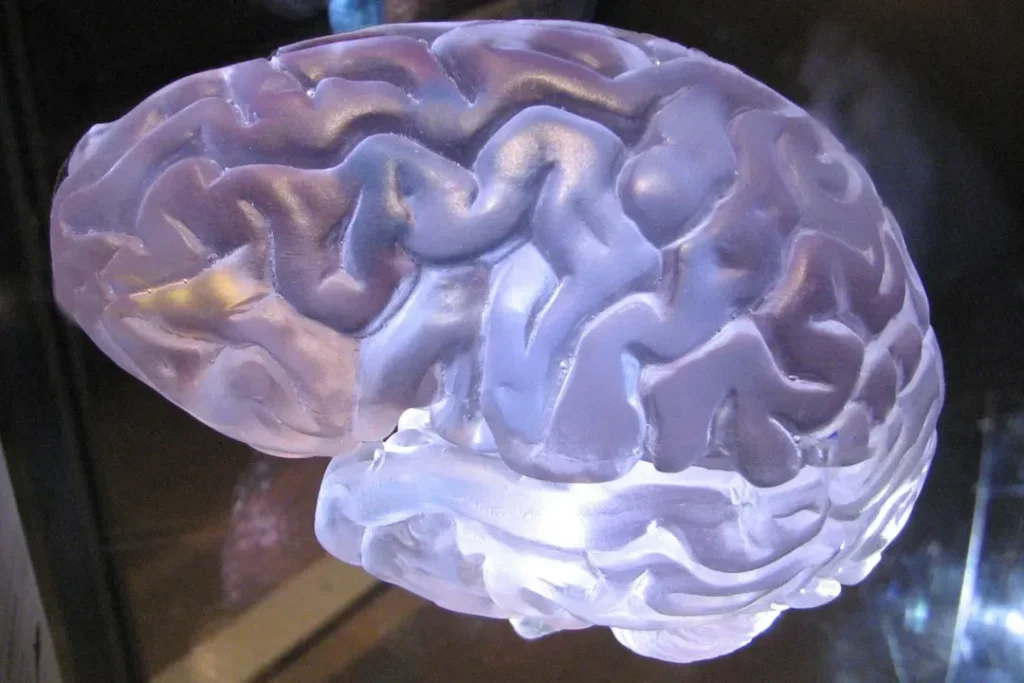

You carry the most complex thing in the known universe on top of your shoulders. Not a supercomputer. Not a black hole. Not a distant quasar burning a billion light-years away. It’s the three-pound, wrinkled, slightly pinkish mass sitting quietly inside your skull right now, as you read these words and process them into thought.
Honestly, the more science learns about the human brain, the more it seems to reveal just how little we truly understand. Every answered question seems to birth five new ones. And in 2026, despite the breathtaking tools we now have, from real-time brain mapping to artificial intelligence-assisted imaging, that feeling of deep mystery has not gone away. If anything, it’s grown.
So let’s dive in.
A Machine of Staggering Scale and Complexity
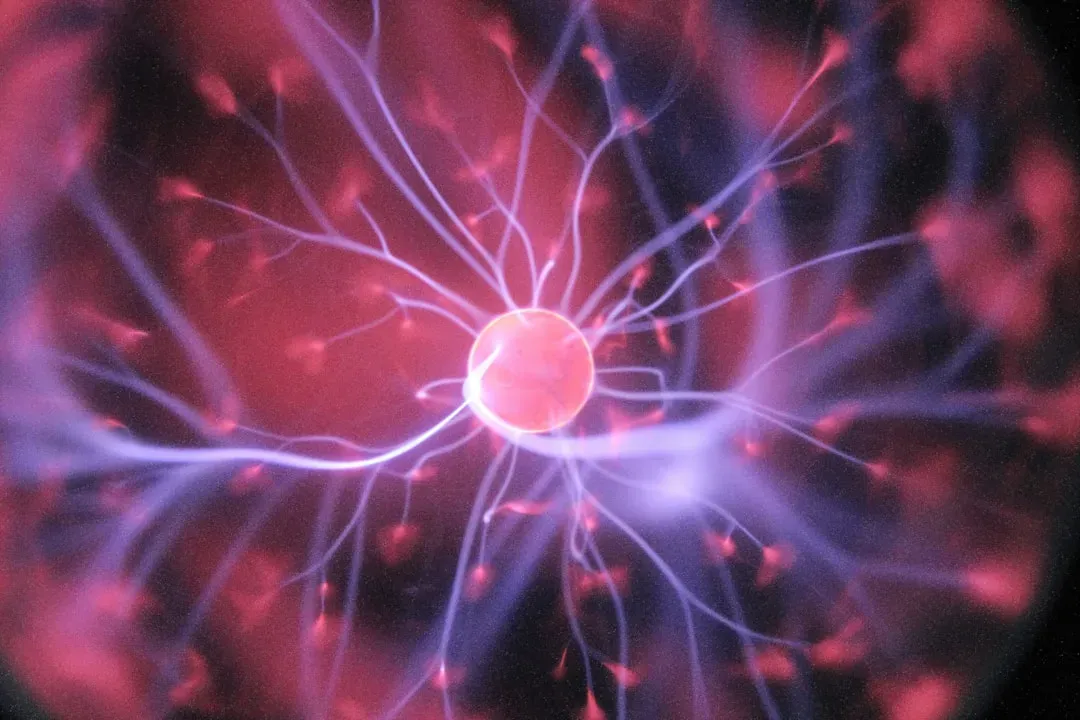
Think about the most powerful computer you can imagine. Racks of processors, miles of wiring, humming with electricity. Then consider this: the human brain has 86 billion neurons connected by roughly 100 trillion synapses, making it one of the most complex objects in the known universe. That number, 100 trillion connections, is so large it defies real visualization. It’s more than the number of stars estimated in the Milky Way galaxy.
What makes this even more astonishing is what happens at those connection points. Unlike typical computer memory, where data storage relies on fixed capacities, synapses have variable strengths. This adaptability allows each synapse to store up to 4.7 bits of information, creating nearly 26 distinct “storage levels” within the brain. You’re not running on a binary system. You’re running on something far richer, far stranger, and far more beautiful than any circuit board ever made.
The Brain’s Astonishing Storage Capacity
Here’s the thing about your brain’s memory: it would make even the biggest data centers blush. Neurons combine so that each one helps with many memories at a time, exponentially increasing the brain’s memory storage capacity to something closer to around 2.5 petabytes, or a million gigabytes. For comparison, if your brain worked like a digital video recorder in a television, 2.5 petabytes would be enough to hold three million hours of TV shows. You would have to leave the TV running continuously for more than 300 years to use up all that storage.
Yet, here is where it gets deeply counterintuitive. Even with all that space, some studies suggest that you forget approximately 50% of new information within an hour of learning it. Within 24 hours, that number goes up to an average of 70%. Forgetting, it turns out, is not a flaw. The brain manages and organizes the vast amounts of information it receives daily. Part of this process is called forgetting, a way to manage colossal information overload so that the brain operates efficiently and effectively. It’s less like losing files and more like a very aggressive editor keeping only the most important pages.
The Hardest Problem in All of Science: Consciousness
The greatest mystery about the brain is how it creates consciousness. How does the activity of tens of billions of neurons create your experience of the world? This question, known as the “hard problem of consciousness,” is so confounding that philosophers have wrestled with it for centuries and scientists still can’t crack it. You’re aware. You feel things. You know you exist. But why? How does electrochemical noise become the sensation of “you”?
The consciousness mystery remains one of the most stubborn puzzles in modern science, even as brain scans grow sharper and data sets explode in size. Researchers can track neural signals linked to attention, memory, and perception, yet the leap from electrical activity to felt experience still feels out of reach. This tension defines today’s brain science and mind research, where objective tools collide with the deeply personal nature of awareness. I think it’s genuinely humbling, and a little thrilling, that the organ doing the searching for answers is the very thing being searched.
Your Brain Never Really Switches Off, Even While You Sleep

Most people imagine sleep as the brain powering down for the night, like closing a laptop lid. That picture could not be more wrong. Everyone needs sleep, but its biological purpose remains a mystery. Sleep affects almost every type of tissue and system in the body, from the brain, heart, and lungs to metabolism, immune function, mood, and disease resistance. Far from going quiet, the brain during sleep is doing some of its most important work.
REM-sleep dreaming appears to take the painful sting out of difficult, even traumatic, emotional episodes experienced during the day, offering emotional resolution when you awake the next morning. REM sleep is the only time when your brain is completely devoid of the anxiety-triggering molecule noradrenaline. At the same time, key emotional and memory-related structures of the brain are reactivated during REM sleep as you dream. This means that emotional memory reactivation is occurring in a brain free of a key stress chemical, which allows you to re-process upsetting memories in a safer, calmer environment. Sleep, in other words, is nature’s built-in therapy session, and your brain is the therapist working the night shift.
The Brain Keeps Changing Throughout Your Entire Life
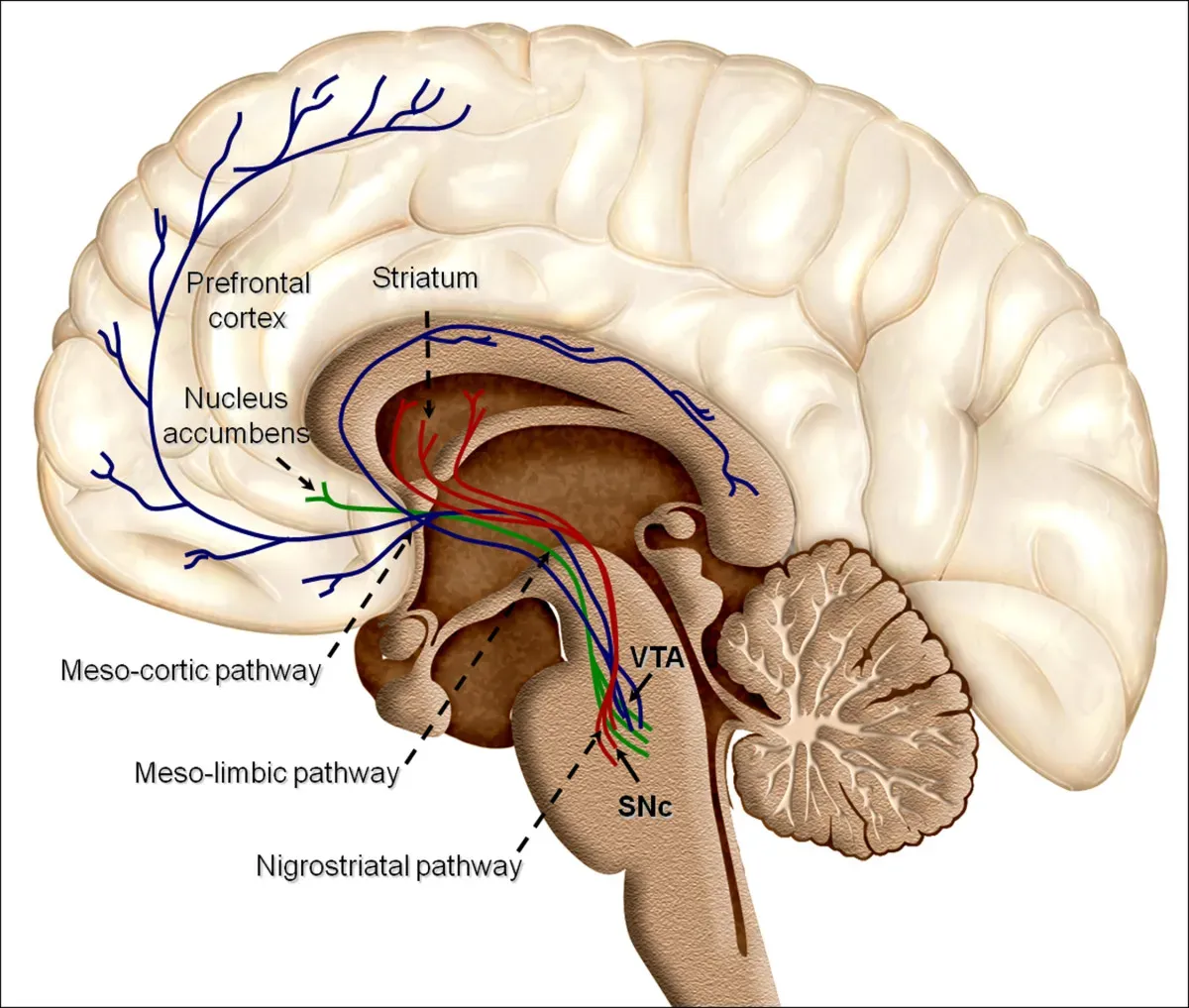
You may have been told at some point that the brain stops developing in your mid-twenties, peaks, and then slowly declines. Turns out, that is a myth worth dismantling. A massive lifespan study rewrote one of the most persistent myths in neuroscience: that the brain “peaks in your mid-20s.” Instead, researchers identified five major stages of brain-network organization, with transitions around ages 9, 32, 66, and 83. Think of it less like a hill you climb and then fall off, and more like a piece of software continuously releasing major updates across your whole life.
Neuroplasticity is how the brain adapts to changes in response to new learning and memory demands. This process involves the formation of new neural connections and the strengthening or weakening of existing ones, which allows the brain to reorganize and adapt to new information and experiences. And as if that wasn’t remarkable enough, evidence has slowly accumulated to suggest that adults can form new neurons, a process called neurogenesis. Until recently, the evidence was mostly circumstantial and controversial. Researchers then discovered newly formed neurons and the precursor cells that birthed them in the brains of adults, some as old as age 78. Your brain, at 78, can still be building new parts of itself. Let that sink in.
The Brain Under Threat: Microplastics, Metals, and Hidden Dangers
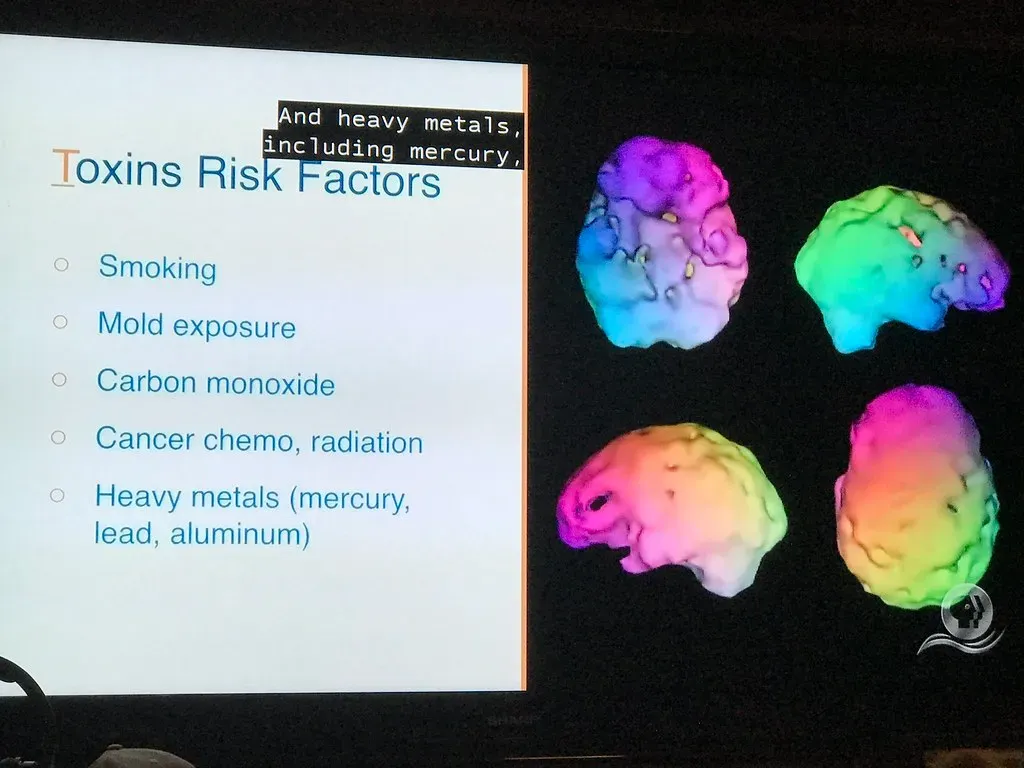
Here’s something genuinely alarming. Researchers from the University of New Mexico sought to see where microplastics accumulated in people. By analyzing organs from deceased individuals, the team found that microplastics and nanoplastics accumulated at especially high levels in brain tissue. Even more striking, liver and brain samples collected in 2024 contained significantly more plastic than those from 2016, hinting that environmental plastic exposure is rising fast. The brain, for all its brilliance, cannot filter out everything the modern world throws at it.
Meanwhile, other researchers are discovering unexpected links between everyday minerals and brain health. Imbalances in metals such as iron, copper, and zinc have long been linked to brain pathology, but when researchers at Harvard Medical School analyzed metals in human brain tissue and blood, lithium caught their attention. They found that lithium deficiency was associated with early physiological changes. Mice fed a lithium diet had reduced expression of genes related to neurodegeneration and increased expression of genes related to learning and memory. It’s hard to say for sure where this research leads, but the idea that a trace mineral could hold clues to protecting the brain is the kind of unexpected discovery that makes neuroscience endlessly fascinating.
The Frontier Ahead: What Science Is Still Trying to Crack
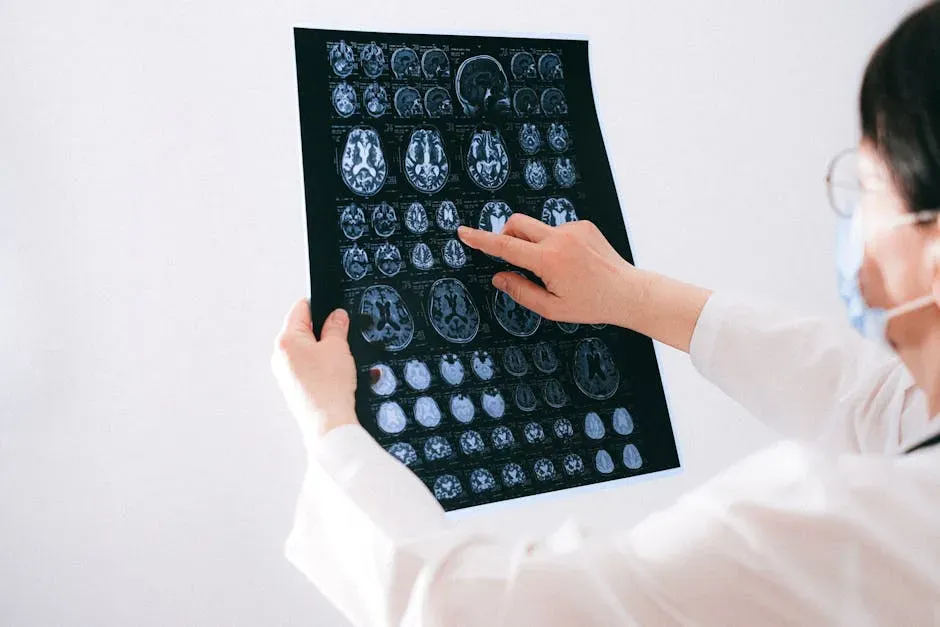
As we stand in 2026, the pace of brain research has never been faster. Instead of merely watching how the brain works, scientists are increasingly learning how to repair, support, or even augment human cognition. Recent breakthroughs have ranged from reversing brain aging in mice, to restoring speech with brain-computer interfaces, to organoids, or mini-brains, that can learn. The distance between science fiction and reality is shrinking at a dizzying speed.
Still, no single researcher or discovery will solve the brain’s mysteries. The most exciting approaches will bridge fields, linking experiment to theory, biology to engineering, tool development to experimental application, human neuroscience to non-human models, and more, in innovative ways. Consciousness may remain unsolved for years to come, but the search itself continues to reshape how we understand minds, brains, and what it means to be aware. The deeper we look, the more we realize the brain is not just a mystery to be solved. It is the instrument by which all mysteries are even noticed in the first place.
Conclusion
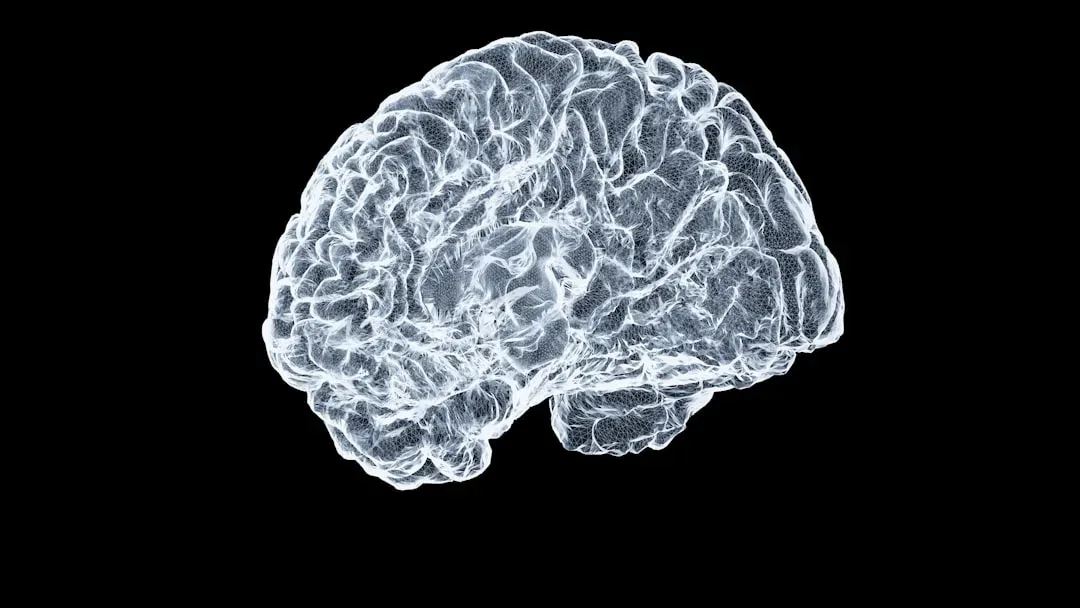
The human brain remains, without serious competition, the most remarkable and baffling structure ever studied in the history of science. It stores more than you could ever use, rebuilds itself across a lifetime, processes a dreamworld every night, and somehow gives rise to the very sense of being you. All of this, from roughly three pounds of tissue, running on about as much power as a dim light bulb.
We have mapped its ridges, traced its circuits, and decoded fragments of its language. Yet the deepest questions remain unanswered. What is a thought? Where does awareness live? Why do you feel anything at all? These are not small questions. They are possibly the largest ones humanity has ever asked. And the fact that the brain is the thing asking them about itself might be the most mysterious thing of all.
What aspect of your own brain surprises you the most? Tell us in the comments.