You carry roughly three pounds of tissue between your ears, and yet that small, wrinkled mass has produced every symphony ever written, every scientific breakthrough ever made, and every tear ever shed over a sunset. It is the most complex object known in the entire universe, and the remarkable part is this: we have only barely begun to understand it.
The human brain contains 86 billion neurons connected by roughly 100 trillion synapses, making it a structure of staggering intricacy. What makes this even more thrilling in 2026 is that the science surrounding it is accelerating at a pace that would have seemed like science fiction just a decade ago. Prepare to have some of your oldest assumptions about the brain challenged, overturned, and replaced with something far more wonderful. Let’s dive in.
Your Brain Never Stops Being Built
For most of the history of neuroscience, experts believed you were born with all the neurons you would ever have. Full stop. End of story. It was a tidy, if slightly depressing, idea.
That idea is now definitively shattered. The long-standing debate over whether the adult human brain continues to produce new neurons took a significant turn with a study from researchers at the Karolinska Institutet in Sweden, confirming that neurogenesis persists throughout life in the hippocampus, a region crucial for memory and learning. Equally fascinating is that individual variation plays a role here. Some adults retained a high number of progenitor cells, while others showed few, suggesting biological and perhaps environmental factors influence adult neurogenesis.
Adult neurogenesis is vital for learning, memory, and mood regulation, and factors such as exercise, sleep, and learning can stimulate neurogenesis, while stress and aging can decrease it, offering one possible explanation for cognitive decline. Think of it like tending a garden. The seeds are always there, but whether they grow depends entirely on the conditions you create for them.
The Brain Literally Rewires Itself Based on Your Life
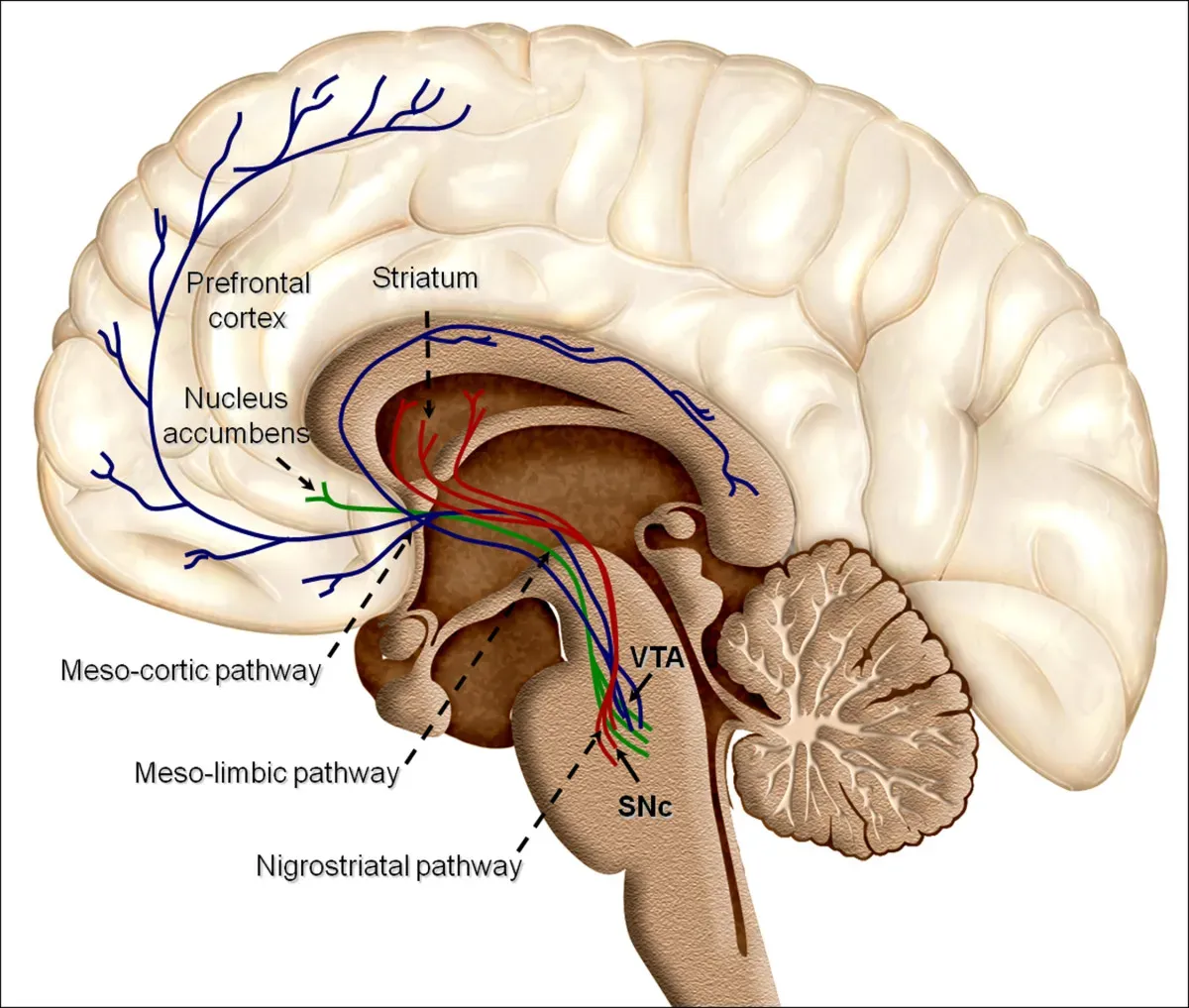
Here’s the thing that genuinely blows my mind every time I revisit it. Your brain is not a fixed machine. It is a living, shifting network that physically changes in response to what you do, think, and experience.
A surprising consequence of neuroplasticity is that brain activity associated with a given function can be transferred to a different location, occurring through normal experience and also in the process of recovery from brain injury. This process can happen in response to learning new skills, experiencing environmental changes, recovering from injuries, or adapting to sensory or cognitive deficits. Such adaptability highlights the dynamic and ever-evolving nature of the brain, even into adulthood.
The brain changes most reliably in response to repeated, focused, and meaningful engagement that requires attention, effort, and feedback. Passive exposure to information has far less impact. So scrolling endlessly through your phone? Probably not doing much. Learning a new language or a musical instrument? Now you are genuinely remodeling your neural architecture. There is something quietly empowering about that truth.
The Brain Has Clear Turning Points Throughout Your Life
Most people assume the brain peaks somewhere in your mid-twenties and then slowly declines from there. That picture is far too simple, and honestly, it undersells what your brain is capable of at every stage of life.
For many years, scientists believed brain networks remained fairly stable after early childhood. However, research published in 2025 challenged that view. The study identified five clear turning points in brain organisation at ages 9, 23, 32, 66, and 83. At each stage, the brain undergoes significant structural and functional reorganisation. Rather than a simple arc of rise and fall, your brain is more like a piece of software that keeps installing new operating versions throughout your life.
Neuroscience is shifting from observing the brain to interacting with it. Rejuvenation research shows the brain may be more repairable than we assumed. Lifespan mapping reveals we have multiple windows for optimizing cognitive health. It is hard to say for sure exactly how to leverage every single one of these windows, but identifying them at all is a profound leap forward.
You Can Actually Keep Your Brain Younger

The idea of “keeping your brain young” used to sound like the kind of vague advice you’d find on a wellness blog. But the science backing it up has become increasingly hard to dismiss.
In a landmark study involving about 2,000 people in their 60s and 70s, half of the participants spent two years getting aerobic exercise at the gym, eating a Mediterranean diet, watching their blood pressure, and taking part in a demanding cognitive training program. The other group was simply told to eat better and exercise more. At the end of the study, those in the intensive program did better on tests of thinking and memory, and their scores were actually as good as those from people a year or two younger than they were.
Research syntheses from 2025 continue to reinforce that physical activity, sleep optimization, and diet can help preserve what researchers call “brain youth,” potentially modulating vulnerability to cognitive decline and some psychiatric symptoms. The brain, in a very real sense, rewards the effort you put into your body. That is not magic. That is biology.
Brain-Computer Interfaces Are Giving Voices Back to the Silent
If you wanted a single story from recent neuroscience that captures what is possible when you combine brain science with technology, this is it. I know it sounds like something from a Hollywood screenplay, but it is completely real.
Researchers at the University of California, Davis, developed an investigational brain-computer interface that holds promise for restoring the ability to hold real-time conversations to people who have lost the ability to speak due to neurological conditions. In a study published in the scientific journal Nature, the researchers demonstrated how this new technology can instantaneously translate brain activity into voice as a person tries to speak, effectively creating a digital vocal tract with no detectable delay.
In structured tests, one BCI was consistently 99 percent accurate at outputting a user’s intended words. The user controlled his personal computer, worked full-time, and communicated with loved ones. Over 4,800 hours of use, he communicated more than 237,000 sentences at around 56 words per minute. Think about what that means for someone who was robbed of their voice by ALS or stroke. That is not just technology. That is a life restored.
The Brain Generates a “Reality Signal” to Tell Dreams from Waking Life
Here is something that will make you pause the next time you try to recall a vivid dream. When you imagine an apple, your brain fires in patterns that are surprisingly similar to when you actually look at one in your hand. So how does your brain know the difference between what is real and what is imagined?
Scientists discovered a “reality signal” generated by a region of the brain called the fusiform gyrus, which is then evaluated by another region to determine whether something is real or imagined. This discovery has enormous implications for understanding conditions like psychosis, where the boundary between imagination and reality becomes dangerously blurred.
Think of the fusiform gyrus as a kind of fact-checker sitting quietly in the back of your brain, cross-referencing your perceptions against reality in real time. When that system misfires, the consequences can be devastating. When it works as it should, it is one of the most elegant biological systems imaginable. Honestly, it’s one of the most astonishing neuroscience discoveries of recent years.
Lifestyle Directly Sculpts the Physical Structure of Your Brain
People often think of the brain as somehow separate from the body, this ethereal organ floating above the messy physical world of muscles and blood and sweat. The science tells a very different story.
Physical exercise is one of the most powerful enhancers of plasticity. Aerobic activity increases levels of brain-derived neurotrophic factor, or BDNF, which supports neuron survival and strengthens synaptic connections. Meanwhile, the destructive side of lifestyle is just as real. Chronic stress can seriously impair plasticity. Long-term exposure to stress hormones is associated with reduced complexity of neural connections in memory-related brain regions and heightened sensitivity in threat-processing systems, undermining learning and flexibility.
During deep sleep, important neural connections are strengthened while less useful ones are weakened, supporting learning and emotional regulation. So when you skip sleep to squeeze in extra hours of productivity, you are not just tired the next day. You are literally degrading the physical architecture of your memory. That fact deserves far more attention than it usually gets.
The Future of Brain Discovery Is Just Getting Started
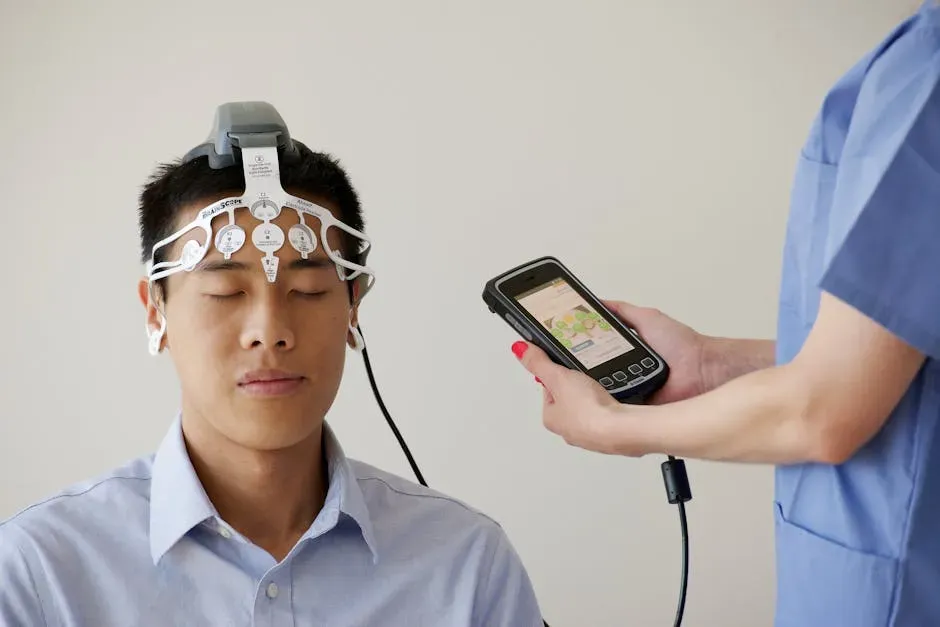
What makes this moment in neuroscience so genuinely exciting is not just the individual discoveries. It is the sense that we are standing at the very beginning of a much longer, more transformative journey.
We are at a unique moment in the history of neuroscience, a moment when technological innovation has created possibilities for discoveries that could cumulatively lead to a revolution in our understanding of the brain. Researchers at MIT have even developed a model called the miBrain, designed to simulate human brain tissue, and researchers expect that miBrains could advance research discoveries and treatment modalities for Alzheimer’s disease and beyond.
Perhaps the most significant conceptual shift is the emerging integrated brain-health framework that cuts across traditional diagnostic categories. Major institutes are now recognizing that neurological and psychiatric disorders share mechanisms and risk factors, viewing dementia, schizophrenia, and autism as different expressions of overlapping biological abnormalities rather than entirely separate conditions. That reframing alone could reshape how medicine approaches some of the most heartbreaking diseases humanity faces.
Conclusion
The human brain is not a finished product. It is a living frontier, constantly reshaping itself, growing new cells even into old age, and revealing secrets that scientists have chased for centuries. Every discovery made in 2025 and into 2026 makes one thing unmistakably clear: the deeper we look, the more extraordinary the brain becomes.
What you do with your brain every single day matters more than most people realize. The food you eat, the sleep you get, the challenges you choose to pursue, and the stress you manage or fail to manage are all quietly sculpting the organ that defines everything you think and feel and are. That is not abstract science. That is your daily life.
The most thrilling chapter in the story of the human brain has not yet been written. Given the pace of discovery right now, it might be closer than any of us expected. What part of your brain’s untapped potential are you most curious about exploring?