
There is something almost unbelievable about the organ sitting inside your skull. It weighs roughly three pounds, uses about as much energy as a dim light bulb, and yet it is capable of rebuilding itself from the inside out. Not metaphorically. Literally. The science behind this idea has been unfolding for decades, and what researchers have discovered is nothing short of revolutionary.
For most of the twentieth century, scientists believed the adult brain was fixed. Done. Finished. You got what you got, and no amount of effort was going to change that. We now know that was completely wrong. Your brain is not a static machine. It is a living, shifting, endlessly adaptable landscape that changes in response to everything you do, think, and experience. Let’s dive in.
What Neuroplasticity Actually Means – Beyond the Buzzword
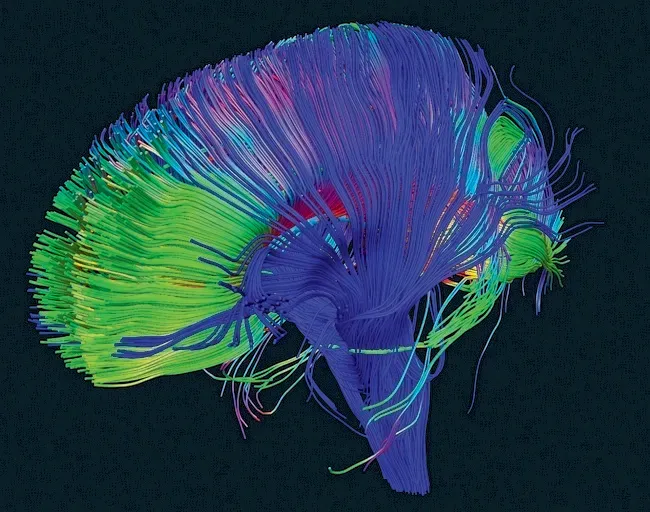
You have probably heard the word “neuroplasticity” thrown around a lot lately. Honestly, it can start to sound like one of those wellness buzzwords that loses meaning through overuse. So let’s get precise about what it actually describes. Neuroplasticity refers to the ability of the brain to reorganize and modify its neural connections in response to environmental stimuli, experience, learning, injury, and disease processes. Think of it like a city’s road system constantly building new highways and closing down old routes depending on where traffic actually flows.
It encompasses a range of mechanisms, including changes in synaptic strength and connectivity, the formation of new synapses, alterations in the structure and function of neurons, and the generation of new neurons. What makes this even more remarkable is the sheer scale of potential change. The human brain contains about 100 billion neurons and can adapt and change throughout our lives. The connections between those neurons are almost beyond counting, and every single experience you have is quietly reshaping them.
The Old Myth: A Brain Frozen in Time
Here’s the thing – the old scientific consensus was not just slightly off. It was dramatically, stubbornly wrong. For decades, scientists believed the brain was a static, unchangeable organ after reaching a certain age. We were taught that once we reached adulthood, our brain’s structure was fixed and immutable. This belief has since been completely overturned by mounting scientific evidence. It’s a bit like telling people they could never improve at anything after turning 25. Imagine how limiting that was.
Neuroplasticity, the brain’s capacity to reorganize itself by forming new neural connections, is central to modern neuroscience. Once believed to occur only during early development, research now shows that plasticity continues throughout the lifespan, supporting learning, memory, and recovery from injury or disease. This single shift in understanding has transformed medicine, psychology, education, and rehabilitation in ways that are still rippling outward today.
How the Brain Physically Rewires Itself
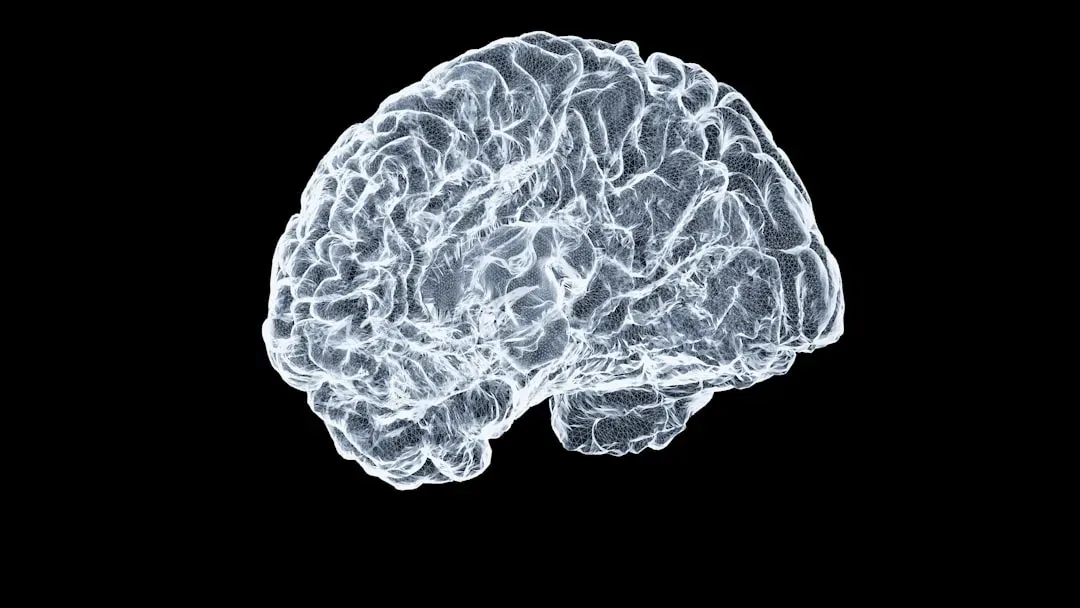
It sounds abstract to say your brain “rewires itself,” but the physical process is surprisingly concrete. Neuroplasticity facilitates nervous system recovery by enabling structural and functional adaptations following injuries. Central to this process are dynamic cellular and molecular mechanisms, including synaptic remodeling, axonal sprouting, neurogenesis, and remyelination. If you imagine neurons as individual trees in a dense forest, these processes are like branches reaching toward new sunlight, growing new roots, and sometimes dying back to make room for something stronger.
Some of the changes are structural and visible, others are functional. An example of functional neuroplasticity is long-term potentiation (LTP), the persistent strengthening of synapses in response to repeated stimulation. LTP is thought to be a key mechanism underlying learning and memory. Conversely, long-term depression (LTD) is the persistent weakening of synapses and also plays a role in learning and memory. In simpler terms, practice literally makes pathways stronger. Neglect them, and they quietly fade away.
Stroke Recovery: The Brain’s Most Dramatic Comeback

Few examples demonstrate neuroplasticity more powerfully than what happens after a stroke. A stroke can devastate regions of the brain responsible for speech, movement, memory, or perception. The damage is real, immediate, and often terrifying. Yet the brain’s response over time can astonish even experienced neurologists. The brain can often find alternative ways to compensate for damaged areas. For example, if the brain region responsible for speech is damaged, other healthy areas can sometimes assume that function.
For lasting changes to take place via neuroplasticity after stroke, it is necessary to perform high repetition of the skills or movements you want to improve. Therapists often refer to this as massed practice, and this consistent high repetition is the key to stroke recovery. Neuroplasticity after stroke is activated by massed practice: high repetition of a task. This is why stroke rehabilitation is not just physical exercise. It is, at its core, a deliberate process of brain rewiring. Neuroplasticity is most receptive immediately after stroke, which is why stroke rehabilitation starts on day one. The first six months of recovery are when survivors will likely experience the fastest, greatest improvements in function.
When You Lose One Sense, the Brain Turns Up the Others
One of the most jaw-dropping demonstrations of the brain’s flexibility involves what happens when a major sensory channel goes dark. I think this might be the most emotionally striking example of neuroplasticity in everyday life. Blind individuals can have enhanced sensory processing in other modalities, such as touch and hearing, due to cortical reorganization. The visual cortex, which normally processes sight, does not simply sit idle. It gets repurposed.
A blind person’s brain re-wires itself to adapt and make the most of other senses like hearing and touch, resulting in enhanced hearing and touch to help process information. The brain adapts by reallocating the visual cortex, the part of the brain dedicated to processing sight, to enhance other senses, which is an example of neuroplasticity in action. It’s a breathtaking example of biological efficiency. The brain refuses to waste real estate. If one department closes, another one moves in and starts operating. Individuals who are blind or deaf frequently exhibit enhanced abilities in their remaining senses.
Learning, Musicians, and the Brain That Grows With Practice

Every time you sit down to learn something new, something physical is happening inside your head. Not just chemically, but structurally. Neuroplasticity serves as the foundation for all learning throughout our lives. From birth, our brains are in a constant state of adaptation and growth, a process that continues well into old age. Neuroplasticity and learning are inextricably linked – whether you’re acquiring a new language, mastering a musical instrument, or simply remembering someone’s name, you’re actively engaging neuroplastic principles.
The example of musicians is one worth pausing on. When you practice a new skill, your brain literally reorganizes itself to make that skill easier to perform. Musicians, for instance, develop enlarged brain regions dedicated to finger control and auditory processing. The more they practice, the more their brains physically change to support their musical abilities. This process demonstrates that our brains are not static structures but are constantly being sculpted by our actions and experiences. Think of it like a river carving a canyon. One drop of water does nothing. Millions over years create something magnificent.
Neuroplasticity and Aging: It Does Not Stop at 40
Here is a piece of news that might genuinely change how you approach your later decades. The popular assumption that the aging brain is simply declining, helplessly, is far too bleak. The human brain is often thought of as a finite resource that gradually declines with age, resulting in the permanent loss of brain cells. However, the latest research challenges this notion, suggesting that healthy cognitive aging does not result in the loss of neurons. In fact, new brain cells emerge in memory centers of the brain, well into old age.
As people age, plasticity does not disappear but becomes more targeted, allowing learning and recovery through focused repetition. It is hard to say for sure exactly how much of this plasticity can be preserved, but the evidence is encouraging. Molecular and structural changes within the brain with aging can contribute to a decline in brain function and neurodegeneration. However, the cognitive reserve can significantly reduce the risk of dementia and other age-related neurodegenerative conditions. Various non-invasive and non-pharmacological approaches have been shown to increase the cognitive reserve and potentially counteract the deleterious effects of aging. These strategies, including physical exercise, environmental enrichment and social stimulation, a healthy diet, and caloric restriction, as well as sleep hygiene, have been shown to enhance brain plasticity and improve cognitive function in aging individuals.
Sleep, Meditation, and the Everyday Habits That Shape Your Brain

You do not need a stroke or a dramatic injury to experience the brain’s capacity for change. Your daily choices, the ones that seem mundane and small, are quietly influencing the structure of your brain right now. Sleep is perhaps the most underrated neuroplasticity tool of all. Quality sleep is essential for cognitive function and memory consolidation. During sleep, the brain processes and stores information, clears out toxins, and repairs neural pathways. Missing sleep is not just feeling tired. It is literally denying your brain its nightly maintenance window.
Meditation, too, turns out to do something measurable to brain structure – not just to mood. The consistent practice of mindfulness meditation results in neuroplasticity, which brings about observable modifications in different areas of the brain. It has been demonstrated that increasing the production of brain-derived neurotrophic factor (BDNF) can support neuroplasticity. A higher amount of BDNF leads to a longer lifespan, growth of neurons, and synaptic plasticity, enhancing learning and memory. Exercise contributes similarly. Brain-derived neurotrophic factor (BDNF) is a key facilitator of neuroplasticity. Evidence suggests that aerobic exercise is an important intervention for improving brain function, these effects are mediated partly by upregulation of BDNF. Aerobic exercise–induced increases in BDNF help facilitate motor learning-related neuroplasticity.
Conclusion: Your Brain Is Not Finished With You Yet
The science of neuroplasticity carries a deeply hopeful message. Your brain is not a fixed piece of hardware waiting to wear out. It is dynamic, responsive, and perpetually capable of change at every stage of life. Whether you are recovering from an injury, learning a new language at sixty, or simply trying to build better mental habits, the architecture inside your skull is listening and responding. The changes may be invisible, but they are profoundly real.
Of course, neuroplasticity is not a magic cure-all. It has limits. It can work against you just as easily as it works for you, reinforcing bad habits with the same efficiency it builds good ones. The key is direction. Purposeful, repeated engagement with new challenges is what steers the brain toward growth rather than stagnation. Throughout life, neuroplasticity remains your brain’s superpower, it enables learning, emotional stability, and healing in ways that continue to amaze researchers and bring hope to people facing cognitive challenges.
We are only beginning to understand the full extent of what the human brain can do. The deeper we look, the more astonishing it becomes. So here is a question worth sitting with: knowing your brain can reorganize and grow right now, today, what will you choose to do with that power?