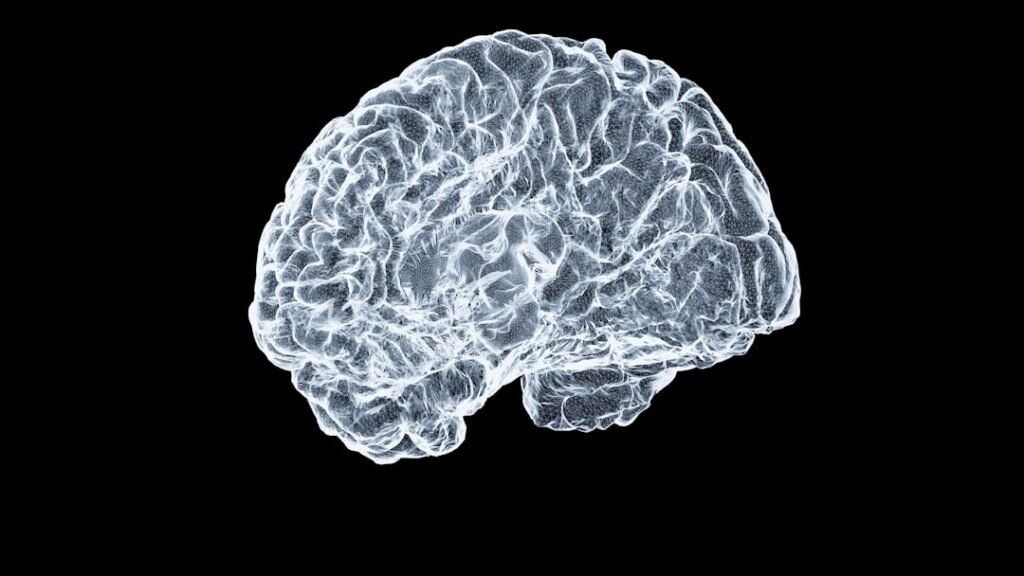

You carry around roughly three pounds of the most complex material in the known universe, right inside your skull. Most people go about their entire lives barely scratching the surface of what their brains are actually doing for them at any given moment. It regulates your heartbeat, stores lifetimes of memories, generates emotions, controls your immune system, and even shapes your experience of pain, all without you asking it to.
What makes this even more jaw-dropping is how much of it happens invisibly. Your conscious mind is almost like the tip of an iceberg. The real action is happening in places you can’t see, driven by forces most of us never consider. If you think you already know how remarkable your brain is, you’re about to find out you’ve been seriously underestimating it. Let’s dive in.
Your Brain Is a Universe of Staggering Numbers
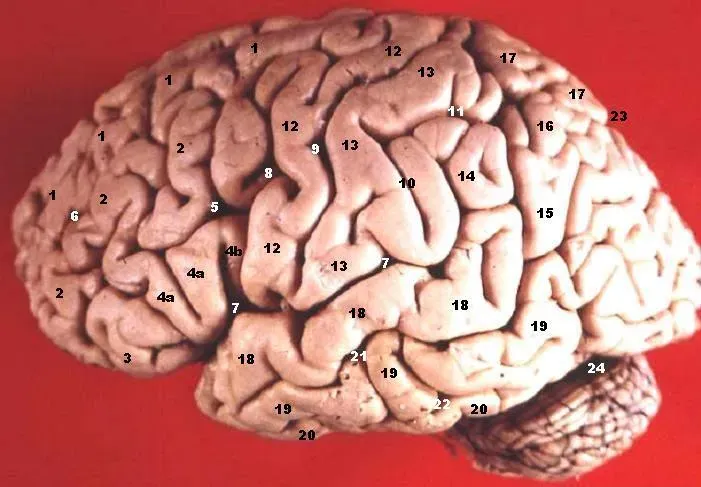
Let’s be real – numbers rarely excite people. But the numbers attached to the human brain are genuinely mind-bending. Your brain has 86 billion neurons connected by roughly 100 trillion synapses, making it one of the most complex objects in the known universe. Think about that for a moment. There are more synaptic connections in your head than there are stars visible in the night sky from Earth.
Every second, the brain performs up to a quadrillion synaptic operations, with signals traveling as fast as 100 meters per second along myelinated axons. That is not a typo. A quadrillion. Your brain is essentially running faster than most computers while you sit there scrolling through your phone and thinking about what to have for dinner. The sheer scale of it is hard to wrap your head around, which is funny, because your head is the very thing making this possible.
The Astonishing Storage Capacity Hiding Inside You
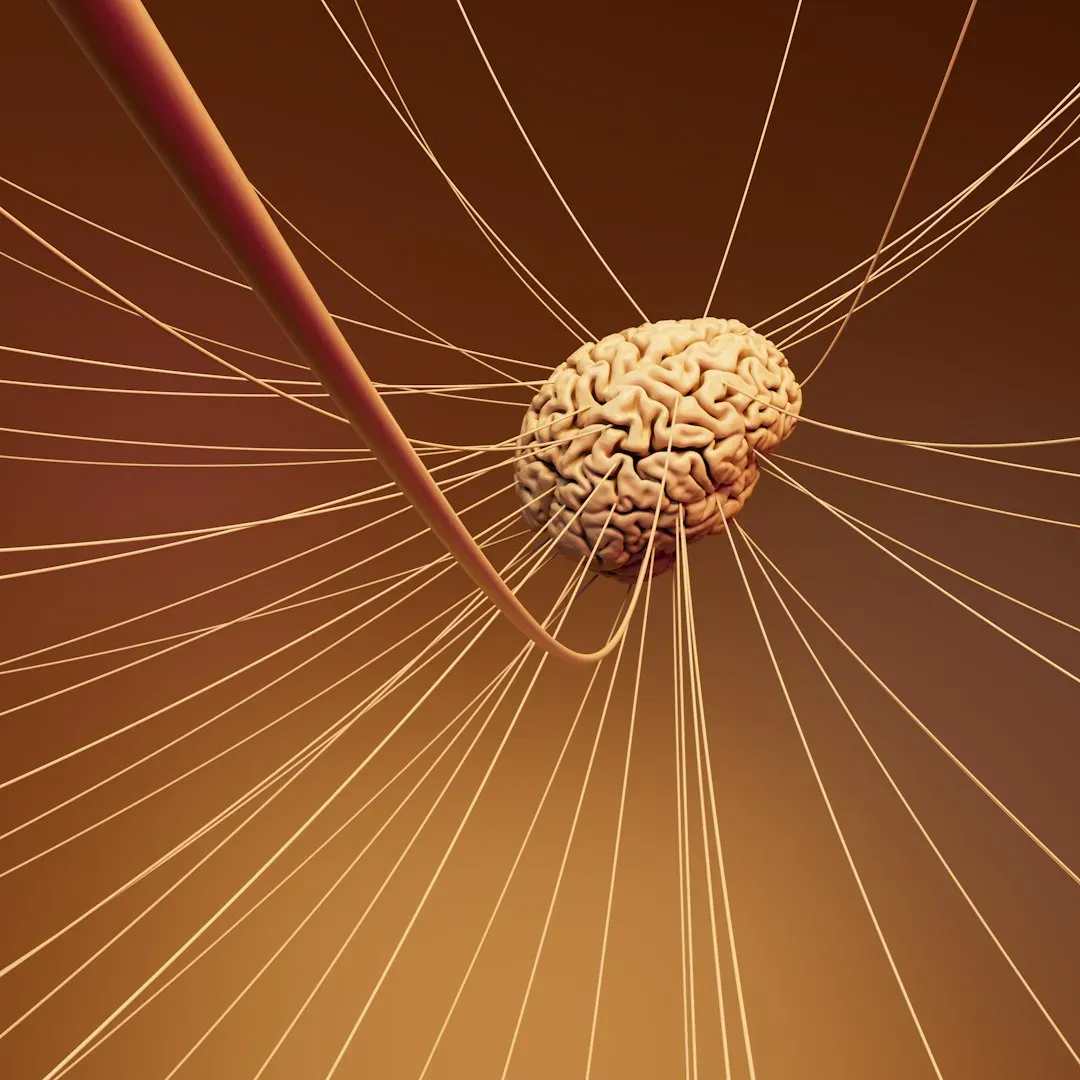
Here is something that should genuinely shock you. Neurons combine so that each one helps with many memories at a time, exponentially increasing the brain’s memory storage capacity to something closer to around 2.5 petabytes, or a million gigabytes. For comparison, if your brain worked like a digital video recorder, 2.5 petabytes would be enough to hold three million hours of TV shows. You would have to leave the TV running continuously for more than 300 years to use up all that storage.
Even more fascinating is the way the brain’s storage system differs fundamentally from a computer. The human brain is far more complex than a computer, with more degrees of excitability than the binary settings used by computers. As it stands, the human brain still holds the edge in things like creativity, consciousness, and complex planning. Your brain isn’t just a hard drive. It’s a living, dynamic system that rewrites and reorganizes itself constantly.
Neuroplasticity: Your Brain Literally Rewires Itself
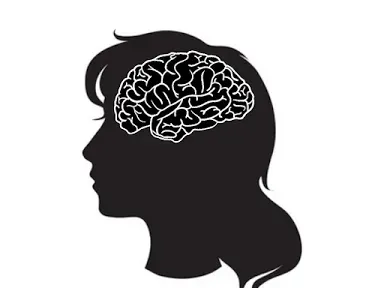
Most people grew up believing the brain was fixed. You got what you got, and that was that. Science has completely shattered that idea. Once believed to occur only during early development, research now shows that plasticity continues throughout the lifespan, supporting learning, memory, and recovery from injury or disease. This is one of the most hopeful discoveries in all of modern neuroscience.
The brain can reorganize itself after injury by forming new neural pathways. Language and motor functions can shift to undamaged areas with training and time. Think about that like a city rebuilding its roads after an earthquake. The destination stays the same, but the route gets rerouted, repaved, and sometimes made better than it was before. There is even a beneficial effect of multilingualism on cognition. Numerous studies have shown that people who study more than one language have better cognitive functions and flexibility. Bilinguals are found to have longer attention spans, stronger organization and analyzation skills, and a better theory of mind than monolinguals.
The Brain Controls Your Immune System More Than You Think
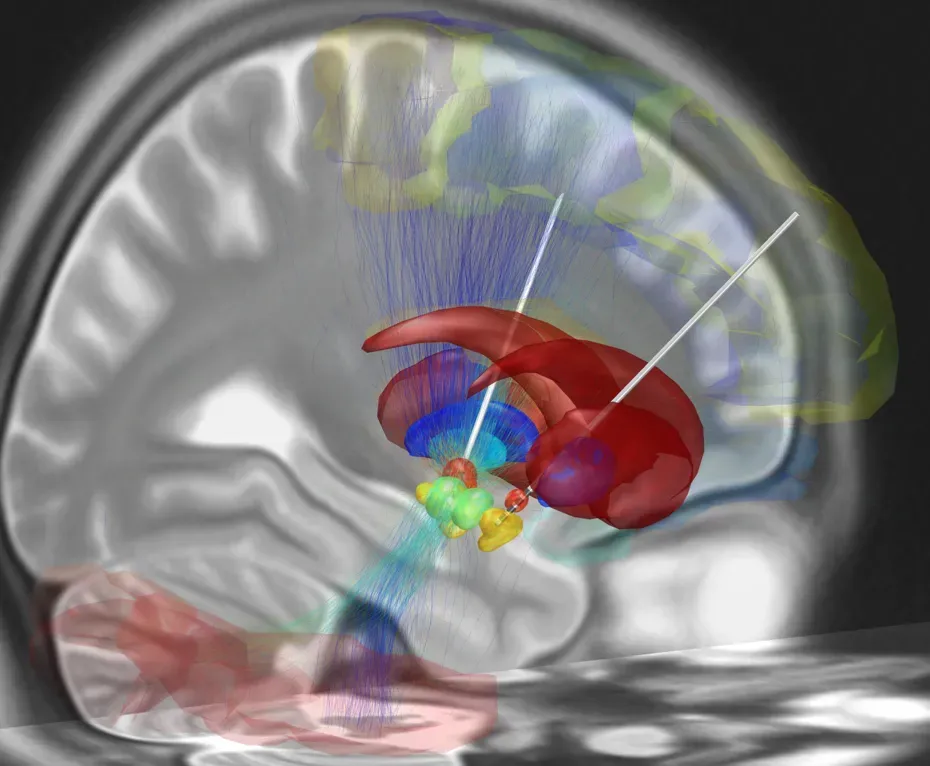
This one genuinely surprised me when I first read about it. Your brain doesn’t just live in your body. In many ways, it runs your body’s defense system. Believing that a treatment will work can trigger neurotransmitter release, hormone production, and an immune response, easing symptoms of pain, inflammatory diseases, and mood disorders. Your thoughts, in other words, have actual biological consequences on your immune function.
The research has gotten even more striking recently. Increasing activity in a deep-brain region can boost the immune system’s response to vaccines, and people can be trained to do it themselves using the power of brain scans and positive thinking, according to a study published in Nature Medicine. That’s not pop psychology. That is peer-reviewed science. More than 20 years ago, researcher Dr. Kevin Tracey became fascinated by the discovery that a signal from the brain could suppress inflammation in the body. That discovery has since led to new devices that literally use brain signals to treat inflammatory disease.
The Placebo Effect Is Really Your Brain Self-Healing
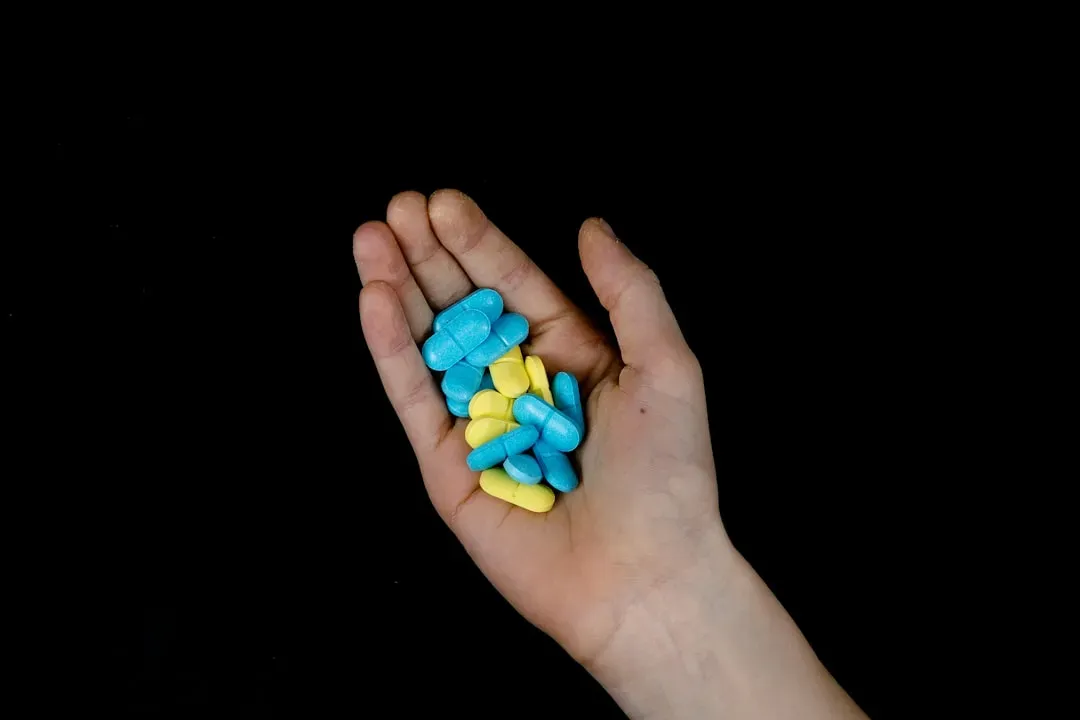
People often dismiss the placebo effect as “just imagination.” Honestly, that attitude misses something extraordinary. Placebo effects are now understood to result from active, endogenous brain processes related to expectation, meaning, and predictive regulation of the body. A substantial part of the benefit of many kinds of treatments, including conventional drug therapies, surgery, acupuncture, and psychotherapy, is related to these psychological and brain processes.
The placebo effect can influence the autonomic nervous system, altering heart rate, blood pressure, and immune function. Placebo treatments have been shown to reduce inflammation by triggering the release of anti-inflammatory molecules such as cortisol. These effects are mediated through conditioned responses and learned associations, where the body responds to the expectation of relief or healing as if an active treatment were administered. Thus, placebo effects can lead to genuine, organic changes in the body, driven largely by neurobiological processes. Your brain is not being tricked. It is actively generating real, physical healing based purely on expectation.
Your Brain Never Truly Stops Growing or Changing
Here is something that used to be considered impossible. Neuroscientists long believed that you’re born with all of the neurons you’ll ever have. Evidence has slowly accumulated to suggest that adults can form new neurons, a process called neurogenesis. Researchers discovered newly formed neurons and the precursor cells that birthed them in the brains of adults, some as old as age 78. Seventy-eight years old. The brain is still building itself.
A massive lifespan study rewrote one of the most persistent myths in neuroscience: that the brain peaks in your mid-20s. Instead, researchers identified five major stages of brain-network organization, with transitions around ages 9, 32, 66, and 83. Your brain doesn’t simply peak and decline like a stock market chart. It keeps reorganizing, adapting, and in some ways improving across your entire lifespan. Neuroscience research now shows that intelligence, memory, and emotional regulation are not fixed traits but dynamic processes influenced by sleep, nutrition, learning, and environment.
Meditation and Mindfulness Actually Reshape Your Brain’s Physical Structure

Some people still roll their eyes at meditation. I get it. It can sound like wellness-industry fluff. The science, however, is not fluff at all. Research has shown that meditation and mindfulness induce neuroplasticity, increase cortical thickness, reduce amygdala reactivity, and improve brain connectivity and neurotransmitter levels, leading to improved emotional regulation, cognitive function, and stress resilience. These are structural, measurable changes to the physical brain.
A remarkable recent study pushed this even further. A week-long retreat combining meditation and mind-body healing produced significant changes in brain activity and blood biology, demonstrating how consciousness-based practices can transform physical health. Participants showed reduced default-mode activity, enhanced neural connectivity, elevated natural opioids, immune activation, and metabolic shifts. Blood plasma collected after the retreat even increased neuroplasticity in cultured neurons, indicating systemic biological change. That last part is wild. The effects were so real they could be measured in a petri dish.
Conclusion: You Haven’t Even Met Your Brain Yet
What neuroscience keeps revealing, year after year, is that the brain’s capabilities extend far beyond what most of us casually assume. You can reshape its structure through thought and practice. You can use it to modulate pain, alter immune responses, and build new neural pathways well into old age. The growing body of brain research reveals a system that is both powerful and fragile, shaped by energy use, experience, and time. Neuroscience now shows that intelligence, memory, and emotional regulation are not fixed traits but dynamic processes influenced by sleep, nutrition, learning, and environment.
The honest truth is that most of us are running on a fraction of the awareness we could have about this organ we depend on every single second of our lives. Your brain is not a passenger. It is the driver, the navigator, the mechanic, and the engineer all at once. The human brain is the source of our thoughts, emotions, perceptions, actions, and memories; it confers on us the abilities that make us human, while simultaneously making each of us unique. Once you truly absorb that, it changes how you think about almost everything you do.
So here’s a thought to leave you with: if your brain is capable of all this, and science keeps proving it can do even more than we thought, what would happen if you started treating it like the extraordinary tool it actually is? What would you do differently starting tomorrow?