
For decades, many people quietly accepted a bleak idea: that the brain peaks in youth and then slides steadily downhill, like an old radio losing its signal. Now, a wave of research is taking a hammer to that myth, replacing it with something far more hopeful and far more interesting. Scientists are finding that the adult brain is not a static control center, but a living, rewiring ecosystem that responds to how we live, what we practice, and even what we believe about our own abilities. This shift in understanding is especially powerful for older adults who were once told to expect only decline. What if, instead, the later decades of life could be a second season of growth, mastery, and mental reinvention?
The Hidden Clues Inside an Aging Brain
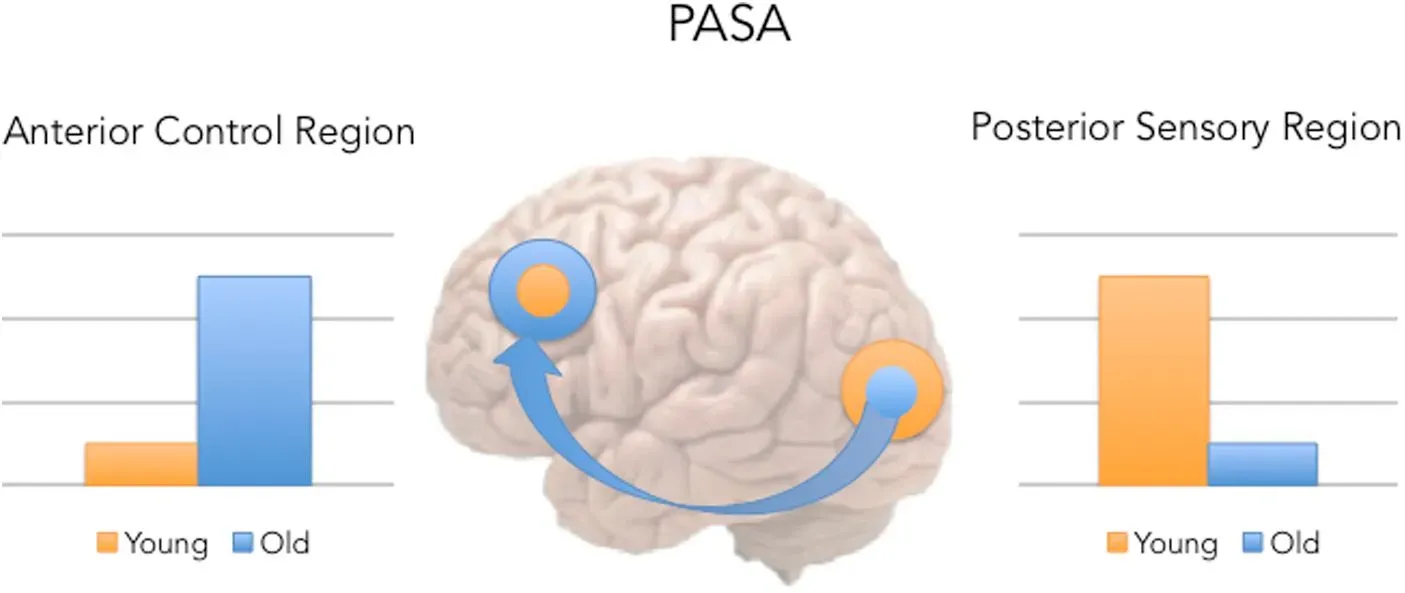
One of the most surprising clues about lifelong brain change came from studies of older adults whose brains were examined after death. Some of these people had the tangled proteins and plaques typically linked to dementia, yet during life they showed little or no memory loss. Their brains seemed to have built up a kind of cognitive reserve, a hidden buffer that helped them function despite damage that, on a scan, looked alarming. That reserve did not appear by magic; it was associated with years of mental stimulation, social connection, and learning.
When neuroscientists looked closer, they saw that aging brains could sprout new connections between neurons, strengthen existing pathways, and recruit fresh regions to handle demanding tasks. In one sense, the older brain behaved like a city that has lost a major bridge but reroutes traffic through side streets and newly built overpasses. The routes may be different from those in youth, but they can still get you where you need to go. That flexibility is the essence of neuroplasticity, and it does not suddenly switch off at age forty, sixty, or even eighty.
From Fixed Mindset to Flexible Wiring
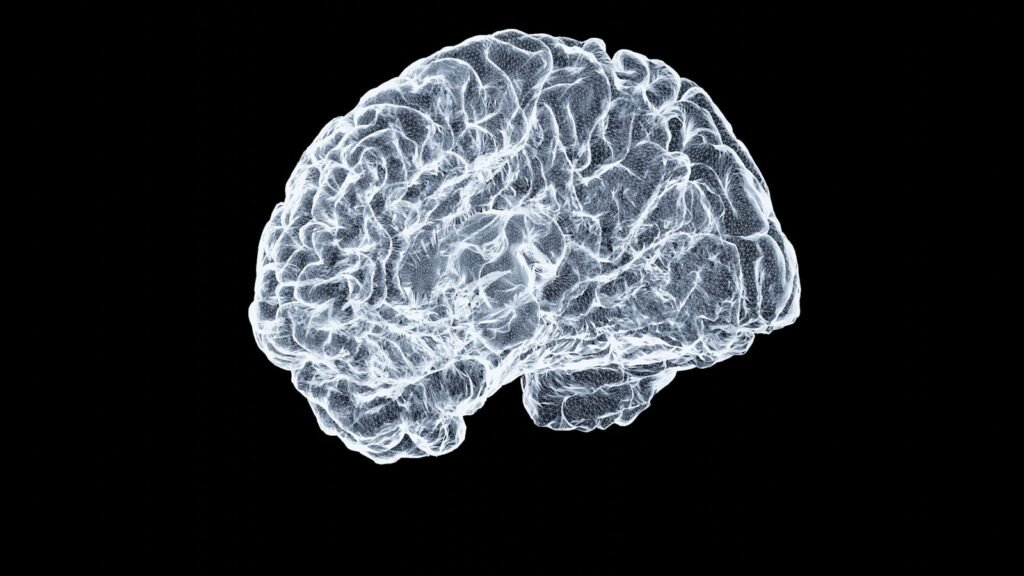
For a long time, textbooks described the nervous system as if it were a sculptor that finished its work early in life and then simply guarded the statue. Childhood and adolescence were portrayed as a golden window for brain change, while adulthood was cast as a long epilogue of slow loss. Many older readers grew up with that message, and it shaped how they saw themselves: if you did not learn a language or master an instrument young, the door was thought to be firmly shut. That belief alone can quietly limit what people attempt in their fifties, sixties, and beyond.
Modern imaging techniques, from high‑resolution MRI to tools that track blood flow and electrical activity, flipped that old script. Again and again, researchers saw adult brains reorganize after stroke, injury, or intense training, sometimes in as little as a few weeks of practice. Experiments in which adults learned to juggle, navigate complex virtual cities, or take up musical training late in life all showed structural and functional changes in key brain regions. Instead of a finished statue, the brain started looking more like a clay model that stiffens with age but can still be reshaped with enough consistent pressure.
The Science of Neuroplasticity in Everyday Life
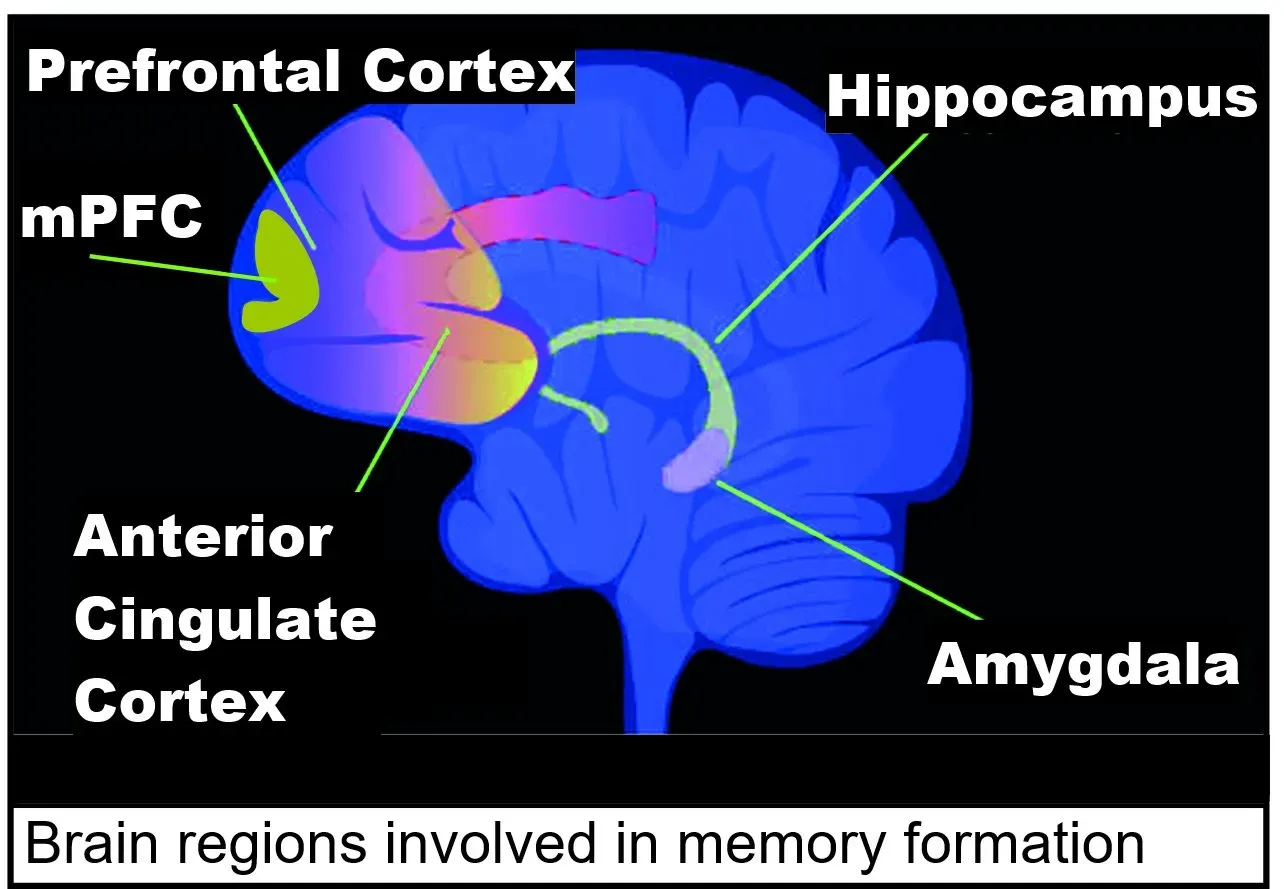
Neuroplasticity sounds technical, but its effects show up in very ordinary ways. When an older adult decides to learn to play the piano, at first the keys feel confusing and the timing is clumsy. After weeks of practice, the movements become smoother, and reading music no longer feels like deciphering a foreign code. Under the surface, networks that coordinate vision, hearing, and fine motor control have strengthened their connections and synchronized their activity.
Studies of language learners in midlife and beyond show similar patterns: regions involved in memory, sound processing, and attention light up more efficiently as vocabulary and grammar improve. Researchers have reported that adults who regularly challenge their brains with new skills – whether it is woodworking, digital photography, or community college classes – often show better performance on tests of thinking speed and memory than peers who stay mentally passive. The changes are not magic and they are not instant, but they are measurable and meaningful. In many ways, the brain is like a muscle that does not care how old you are when you start using it differently; it responds to the work you give it.
Resilience, Recovery, and Second Chances
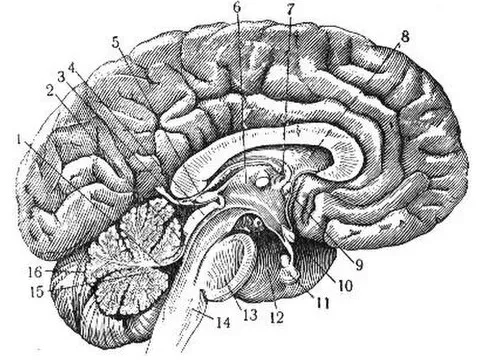
The most dramatic evidence for lifelong adaptability often comes from stories of recovery after brain injury or stroke. Older adults who once struggled to move a hand or form simple words have, through months of targeted therapy, regained impressive levels of independence. What is happening in those cases is not simply compensation with the uninjured parts of the body; it is the brain itself rerouting and rebuilding pathways to restore lost functions. Rehabilitation specialists now deliberately design exercises to harness this plasticity, repeating specific tasks until the nervous system strengthens new routes.
This same principle is being used to address age‑related declines that were once considered inevitable. Programs that combine physical exercise, memory challenges, and social engagement are showing that, for at least a sizeable group of older adults, thinking skills can stabilize or even improve. While no program is a cure‑all and individual results vary, the big picture is clear: the later chapters of life are not written in stone. When people are given structured challenges, feedback, and support, the brain often answers with surprising resilience, like a seasoned athlete learning a new sport after years of playing another.
Why It Matters for How We Age
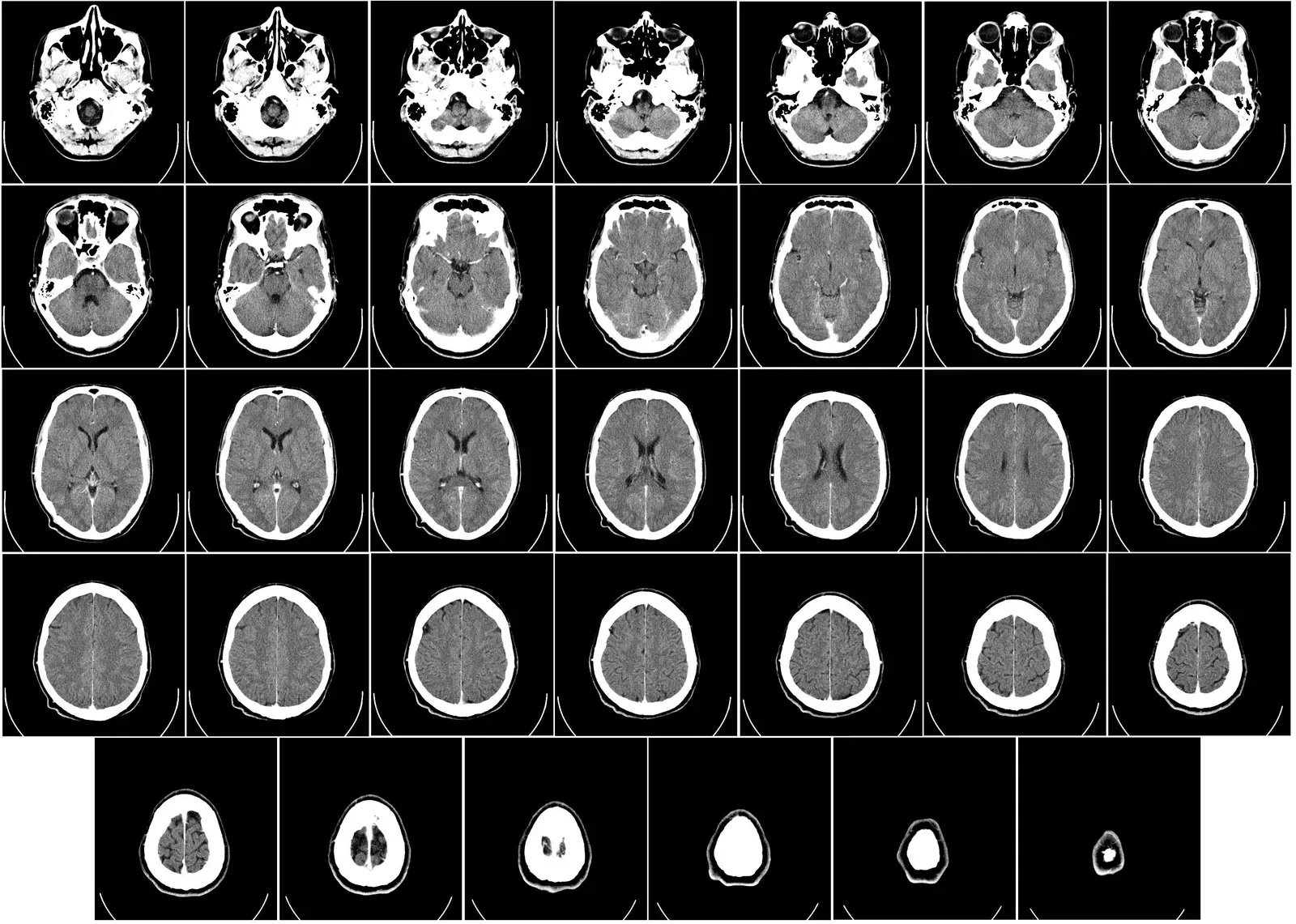
The idea that the brain can change at any age is not just an interesting lab result; it carries real weight for how societies approach aging. If we cling to the older belief that mental decline is unavoidable, it becomes easy to underestimate older adults and design systems that quietly push them aside. Workplaces may pass them over for training, universities may ignore them as potential students, and even families may assume they cannot adapt to new technologies or roles. That mindset can be as limiting as any biological constraint, because people rarely invest effort in possibilities they have been told do not exist.
Understanding neuroplasticity shifts responsibility and opportunity in a more hopeful direction. It suggests that governments, communities, and individuals can take concrete steps to support lifelong learning as a form of brain health, not just personal enrichment. Simple choices like offering multigenerational classes, creating beginner‑friendly technology courses, and designing cities that encourage social interaction can nurture the brain’s adaptive capacities. On a personal level, it reframes that uneasy question – am I too old for this? – into something more productive: how can I practice this in a way my brain can respond to?
The Everyday Habits That Shape a Plastic Brain
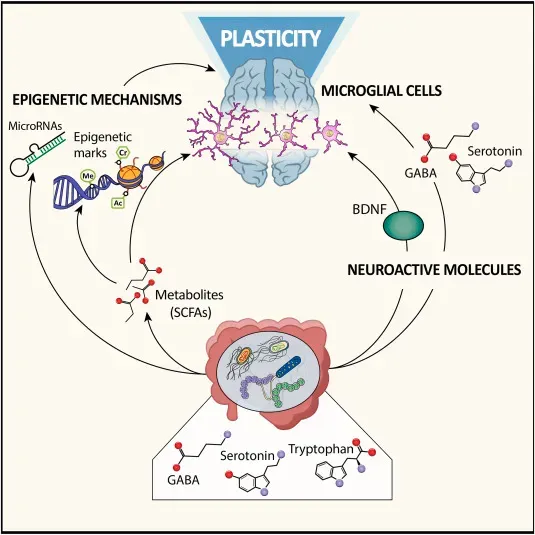
One of the most empowering findings is that brain plasticity is not driven only by rare, heroic efforts, but by ordinary daily habits. Regular physical activity improves blood flow to the brain, supports the growth of new connections, and is linked with better memory in older adults. A pattern of sleep that allows for deep, uninterrupted cycles helps the brain consolidate new information and clear out metabolic waste. Diets that emphasize whole foods, fruits, vegetables, and healthy fats appear to support long‑term brain health more reliably than highly processed alternatives.
Cognitive challenges matter as well, but they do not need to be exotic. Joining a book club that reads demanding material, learning a new card game with friends, or finally tackling that foreign language app you have been ignoring can all nudge the brain into forming new pathways. Social interaction adds another layer, as conversations require rapid processing, memory, and emotional attunement. Think of these habits as the daily “training environment” in which your brain decides whether to maintain and upgrade its circuits or slowly let them go unused.
The Future Landscape of Brain Plasticity Research
Looking ahead, scientists are exploring tools that could intentionally amplify the brain’s natural capacity to adapt. Noninvasive brain stimulation techniques, for instance, are being tested alongside language learning and physical therapy to see if gentle electrical pulses can make practice more effective, especially in older adults. Digital platforms are being designed to tailor cognitive exercises in real time, adjusting difficulty based on a person’s performance and fatigue. These approaches raise real questions about access and equity, but they also hint at a future in which training the brain is more personalized and precise.
At the same time, large, long‑term studies are tracking how lifestyle, environment, and genetics interact across decades to shape brain health. Researchers are particularly interested in communities where people regularly live into their nineties with relatively preserved thinking skills, asking what habits and social structures might be protective. That knowledge could guide public health efforts worldwide, not only to extend lifespan but to stretch out the years of clear, independent thought. The challenge will be translating high‑tech insights into practical tools that can reach people in ordinary clinics, classrooms, and homes rather than staying locked in elite research centers.
Small Steps You Can Take Starting Today
For readers who did not grow up hearing that the brain can change throughout life, this science can feel both exciting and slightly intimidating. The good news is that you do not need a lab, a special headset, or a radical routine to participate in your own brain’s evolution. Choosing one meaningful new skill – learning to sketch, taking up tai chi, or enrolling in a community course – can be more powerful than juggling a dozen scattered brain games. The key is consistency: showing up several times a week, even when you feel clumsy or slow, is exactly what tells your nervous system to adapt.
If you want a simple framework, you might think in terms of three pillars: move more than you sit, connect more than you withdraw, and learn more than you repeat. That could mean a daily walk with a friend where you both discuss a challenging article, or volunteering in a role that forces you to master new tools instead of staying in your comfort zone. None of this guarantees perfect memory or protection from disease, but it shifts the odds in your favor and, just as importantly, makes daily life richer and more interesting. Your brain is listening to how you live right now; what message do you want to send it?
Suhail Ahmed is a passionate digital professional and nature enthusiast with over 8 years of experience in content strategy, SEO, web development, and digital operations. Alongside his freelance journey, Suhail actively contributes to nature and wildlife platforms like Discover Wildlife, where he channels his curiosity for the planet into engaging, educational storytelling.
With a strong background in managing digital ecosystems — from ecommerce stores and WordPress websites to social media and automation — Suhail merges technical precision with creative insight. His content reflects a rare balance: SEO-friendly yet deeply human, data-informed yet emotionally resonant.
Driven by a love for discovery and storytelling, Suhail believes in using digital platforms to amplify causes that matter — especially those protecting Earth’s biodiversity and inspiring sustainable living. Whether he’s managing online projects or crafting wildlife content, his goal remains the same: to inform, inspire, and leave a positive digital footprint.