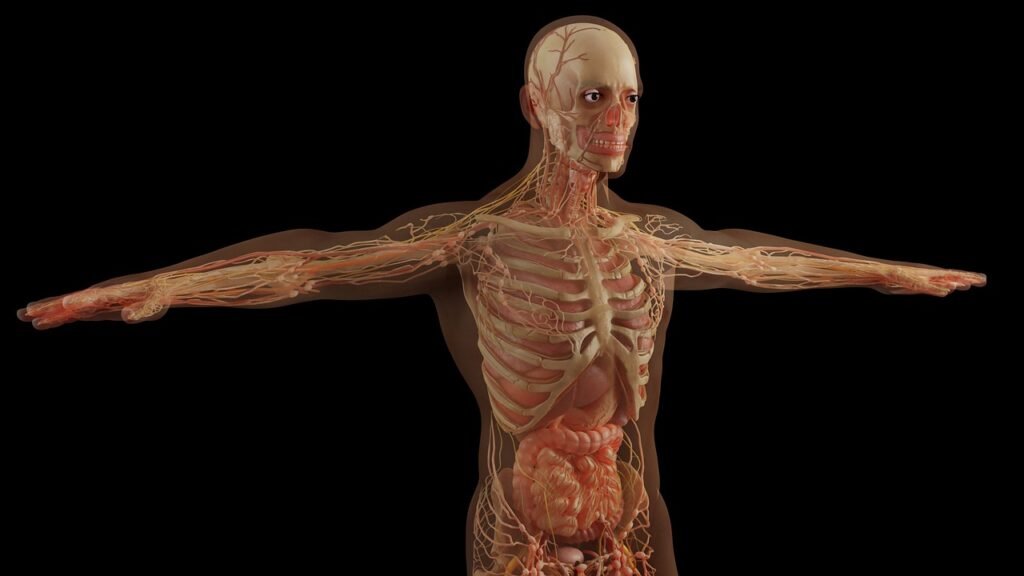

Your body is keeping secrets from you. Right now, as you read these words, biological processes are unfolding inside you that scientists are only beginning to comprehend. We tend to think we know ourselves pretty well, understanding how we see, hear, touch, taste, and smell the world around us. The truth is, your body possesses capabilities that would sound like science fiction if they weren’t backed by rigorous research.
Let me be honest with you. For centuries, we’ve underestimated what the human organism is truly capable of. Recent discoveries are turning conventional wisdom on its head, revealing hidden senses, regenerative abilities, and mind bending connections between thought and physiology. These aren’t superpowers reserved for comic book heroes. They’re real, measurable, and happening inside you right now. So let’s dive in.
Beyond the Five Senses: Your Body’s Hidden Perception Network
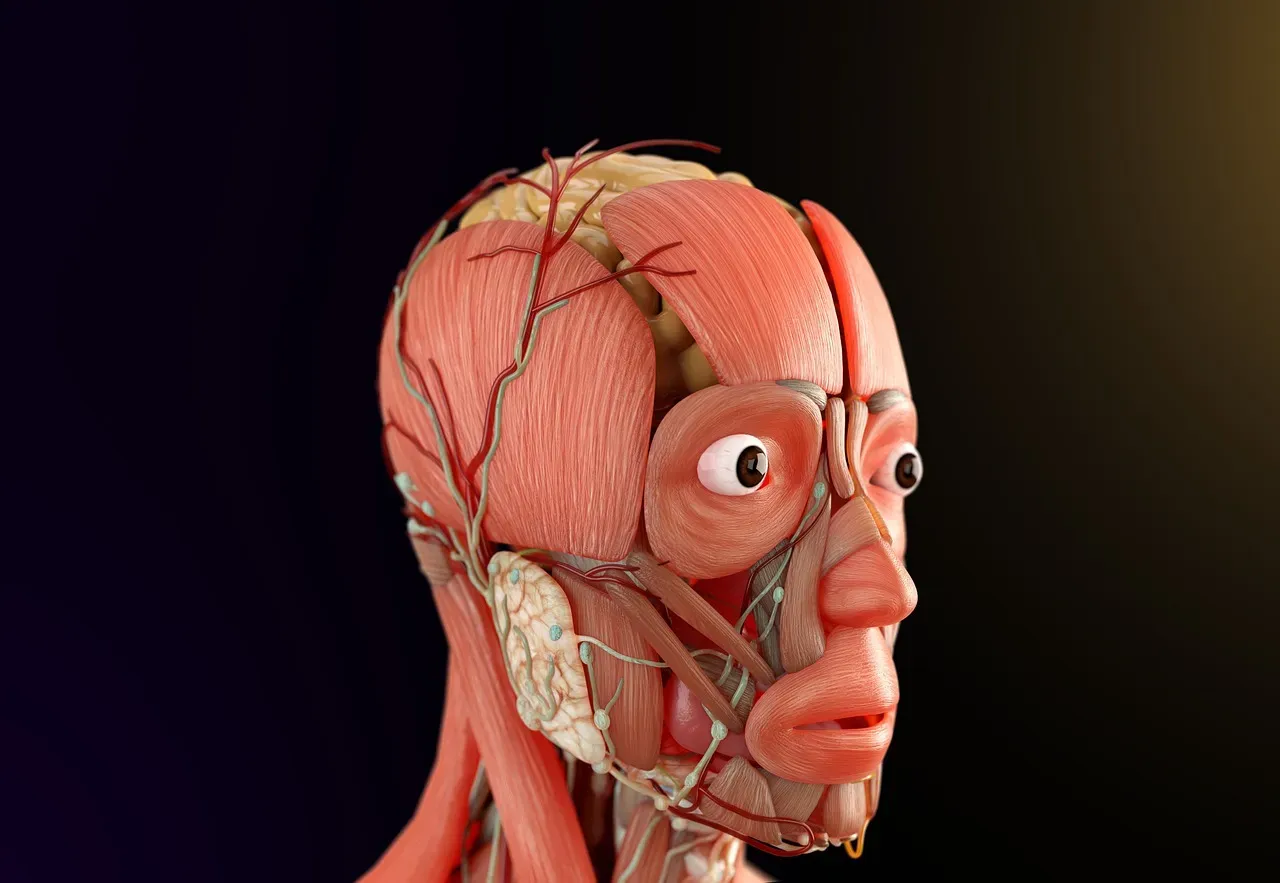
Most neuroscience colleagues believe humans have anywhere between 22 and 33 senses, not the five that Aristotle taught us about thousands of years ago. Think about that for a moment. You’ve been operating with a fraction of the sensory story. Proprioception enables you to know where your limbs are without looking at them, which is why you can touch your nose with your eyes closed or type on a keyboard without staring at your fingers.
Interoception lets you sense changes in your own body, such as a slight increase in heart rate and hunger. Inside your body, an intricate communication network constantly monitors breathing, heart rate, digestion, and immune function. This hidden awareness keeps you alive, adjusting thousands of parameters every second without you ever thinking about it. You’re not just experiencing the outside world. You’re constantly monitoring an entire internal universe.
The Brain’s Self-Medication Pharmacy: Understanding Placebo Power

Here’s where things get truly fascinating. Your brain can convince your body a fake treatment is the real thing and stimulate healing, and under the right circumstances, a placebo can be just as effective as traditional treatments. This isn’t about positive thinking or wishful delusions.
Brain regions like the prefrontal cortex light up more when a patient receives a placebo treatment for pain, integrating context clues and connecting to other brain regions that are responsible for making neurochemicals, like dopamine, oxytocin, and opioids. Yes, your brain makes its own opioids naturally, which has a strong calming and anti-pain effect. Emerging neuroscience evidence implicates multiple brain systems and neurochemical mediators, including opioids and dopamine, essentially activating an internal pharmacy you didn’t know you possessed. The implications are staggering for how we think about healing.
Genetic Superpowers: Mutations That Grant Extraordinary Abilities
Sometimes real life superpowers arise through genetic mutations, and the Sherpa people of the Himalaya have adapted to high altitude with genes that help give them super strength and endurance. Sherpas have developed several genetic mutations that allow them to maintain low levels of red blood cells while the mitochondria in their cells use oxygen more efficiently. This isn’t training or willpower. It’s evolution in action.
Other genetic variations are equally remarkable. A mutation associated with the LRP5 gene was discovered among one particular Connecticut family who have bones that are super strong and extremely resistant to breaking. Those with tetrachromacy are estimated to see up to 100 million colors, while most humans have three color receptors in their eyes, tetrachromats, usually women, have four. Imagine perceiving a visual world roughly 100 times richer than everyone around you. That’s not fantasy. That’s documented reality.
The Liver’s Resurrection: A Regeneration Marvel Inside You
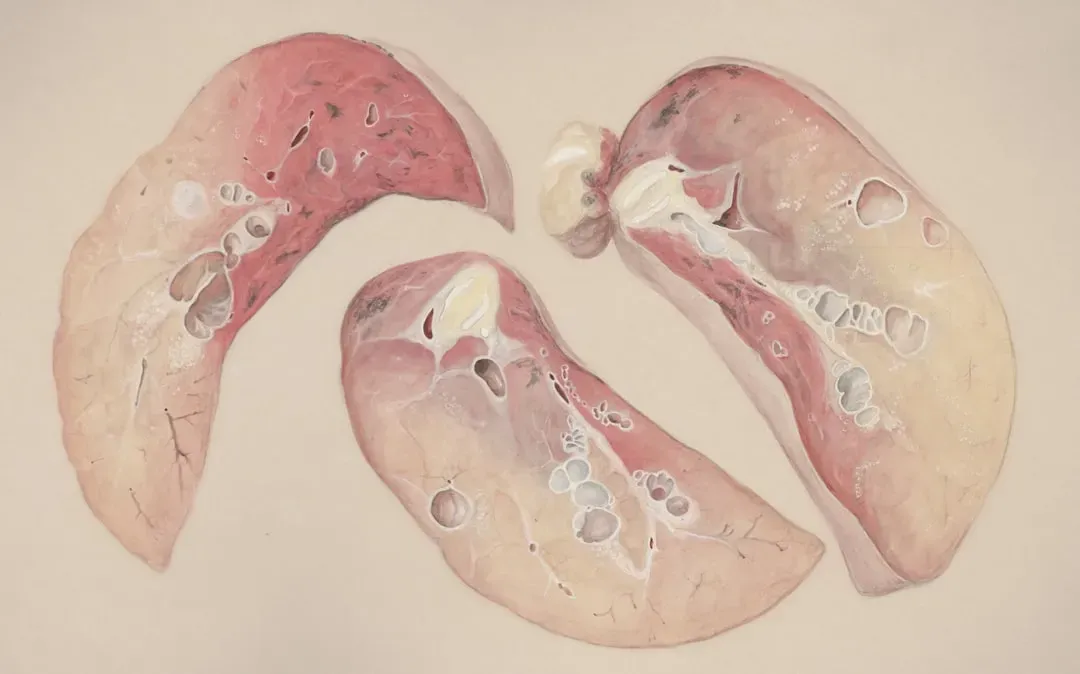
The human liver is capable of regenerating from only one quarter of its tissue, due chiefly to the unipotency of hepatocytes. Let that sink in. You could lose three quarters of your liver, and the remaining portion would grow back. In otherwise healthy patients, the liver is capable of regenerating up to half its mass in 30 days.
This regenerative capacity is unique among human organs. Many patients who receive liver cancer surgery see that their remaining liver tissue grows to be almost as big as what was removed only a month after surgery, even in patients who have up to 50% of their liver removed. Scientists are still unraveling exactly how the liver accomplishes this feat, but liver regeneration is driven not by stem cells, but rather by the proliferation of the liver’s differentiated cells, and many of these liver cells are polyploid, yet still able to execute proper cell division. The implications for regenerative medicine are profound.
Your Brain’s Reality Filter: How Perception Creates Experience
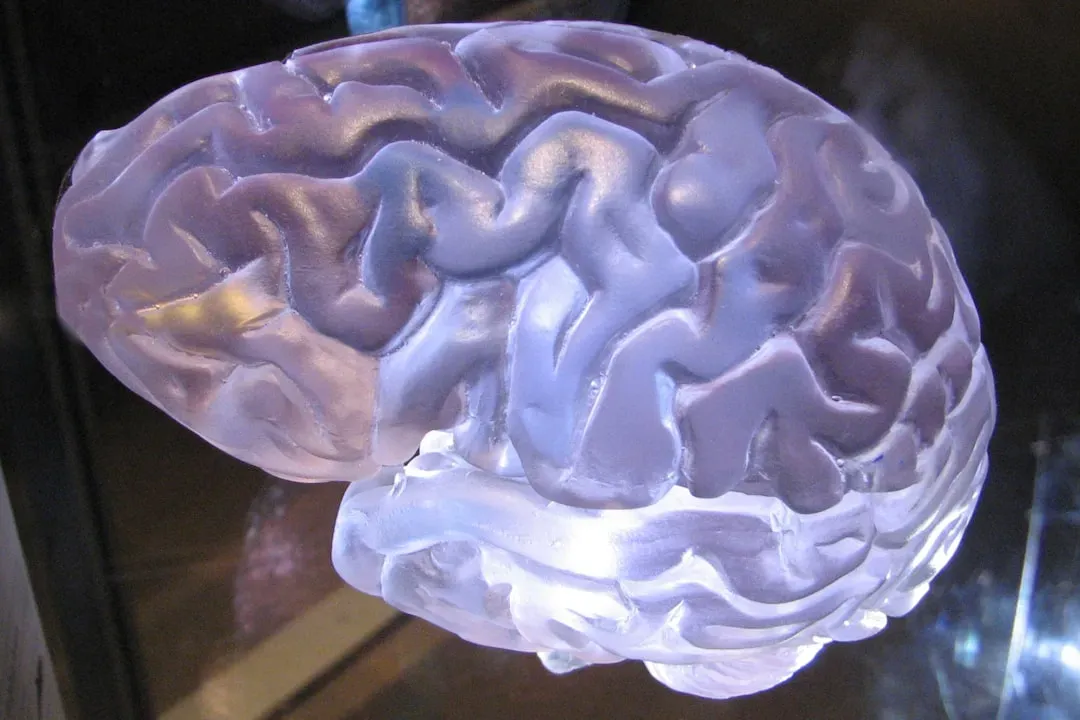
When you imagine an apple, your brain activity is not that different from when you actually see an apple, so how does your brain know the difference? Scientists discovered a reality signal generated by a region of the brain called the fusiform gyrus. This revelation is unsettling when you think about it. What you perceive as objective reality is actually a construction your brain assembles from sensory data and predictions.
What you see, and how you see it, is yoked to your brain’s tracking of your heartbeat, and in the moments when your heart contracts and pushes blood out to your arteries, your brain takes in less visual information from the world. Your supposedly separate senses are intimately intertwined. Your brain also constructs senses that you don’t have receptors for, like flavor, which the brain constructs from gustatory taste and olfactory smell data, and wetness, which is created from touch and temperature. You’re experiencing a carefully curated simulation, not raw reality.
Interoception: The Sixth Sense Monitoring Your Internal Landscape
Interoception turns proprioception inside out, and senses changes inside the body in an effort to maintain homeostasis, and being aware of your pulse or signs of pain are examples of interoception, with underlying signals from the vagus nerve. This internal monitoring system is constantly adjusting everything from your breathing rate to your immune responses, keeping you balanced without conscious effort.
Patapoutian, who shared the 2021 Nobel Prize in Physiology or Medicine for his discovery of cellular sensors that detect touch, is now applying his expertise to understanding interoception. Think about what happens when you feel anxious. Your heart races, your palms sweat, your stomach tightens. Those aren’t just symptoms. They’re your interoceptive system sending alarm signals. Understanding this hidden sense could revolutionize how we treat everything from anxiety disorders to chronic pain. The body is constantly talking to itself, and scientists are finally learning to listen.
Neuroscience of Memory: Your Brain’s Seven Dimensional Filing System
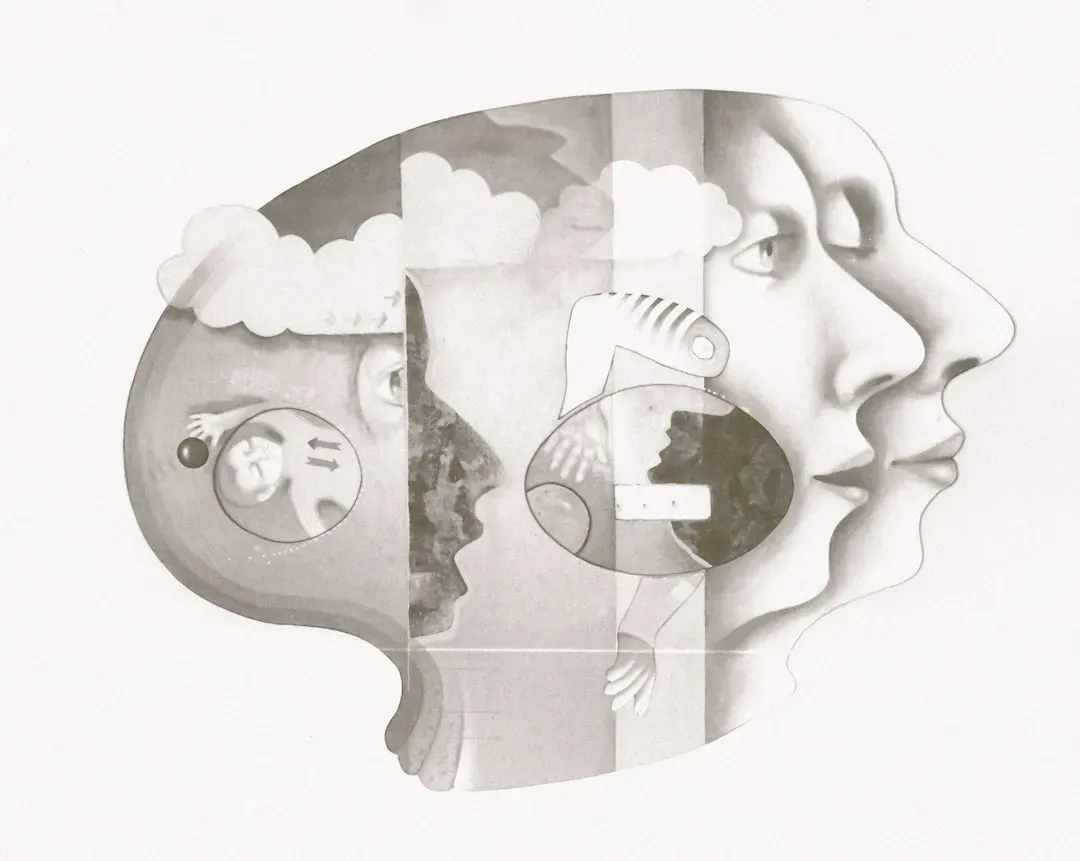
Scientists at Skoltech developed a new mathematical model of memory that explores how information is encoded and stored, and their analysis suggests that memory works best in a seven dimensional conceptual space, equivalent to having seven senses. This isn’t abstract mathematics. It’s about how your brain actually organizes what you know.
For humans, memory features correspond to sensory experiences, like the concept of a banana includes its appearance, smell, taste, and other sensory qualities, and engrams evolve over time, becoming sharper or more diffuse depending on how often they are triggered by sensory input from the outside world. Your memories aren’t static photographs filed away in mental drawers. They’re dynamic, living constructs that change each time you access them. This explains why eyewitness testimony can be so unreliable, and why your childhood memories probably aren’t as accurate as you think.
The Emerging Science of Human Potential: What Comes Next

Researchers discovered another oddity of newborn babies’ brains: they have very high levels of a protein that, in adults, indicates Alzheimer’s disease, and the fact that healthy newborn brains have high levels of these proteins, which later decrease, suggests that these detrimental changes in adults could be avoided or reversed. This discovery opens entirely new avenues for treating neurodegenerative diseases. What if the cure for Alzheimer’s lies in understanding what infant brains do naturally?
A landmark real world experiment gave the strongest evidence yet that the shingles vaccine could lower the risk of Alzheimer’s disease and other forms of dementia, with people in Wales who received the shingles shot being 20 percent less likely to develop dementia over the next seven years. The connections between seemingly unrelated systems in the body continue to surprise researchers. Your immune system, your brain, your senses, they’re all part of an integrated whole that science is only beginning to map. We’re standing at the frontier of understanding human capabilities that have always been present but remained invisible to us.
Conclusion
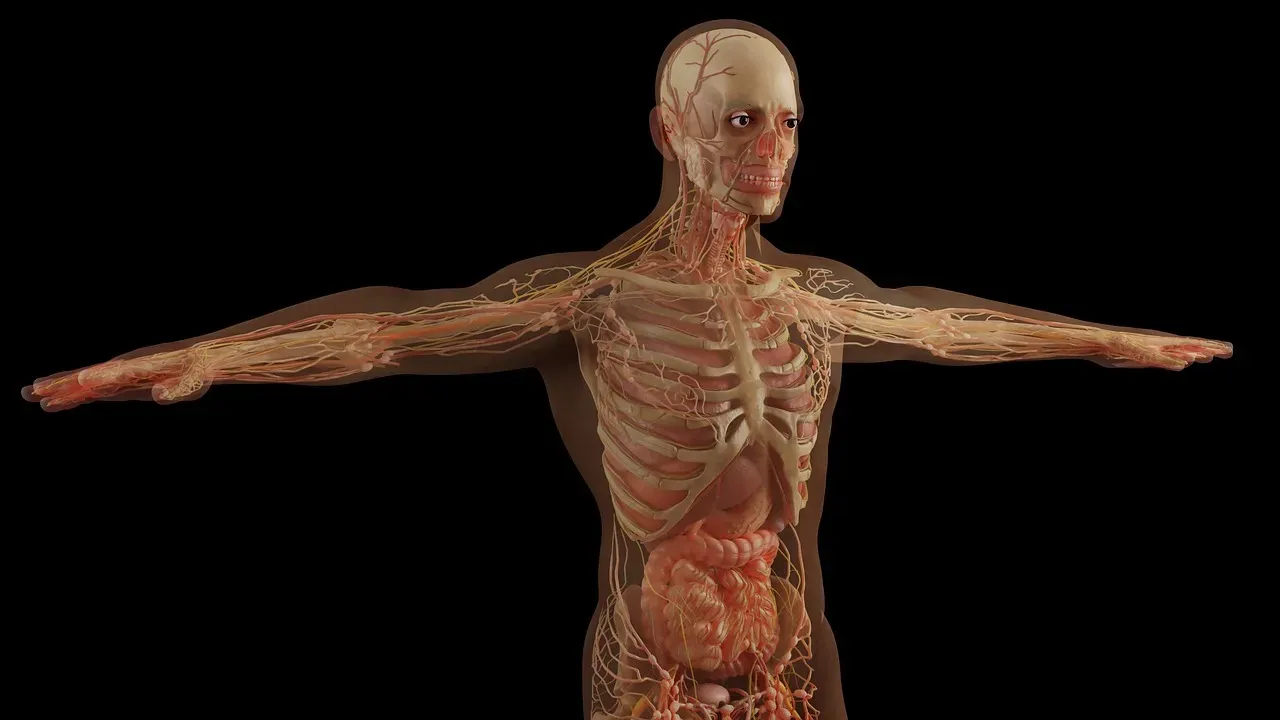
Your body isn’t the simple biological machine you learned about in school. It’s a complex, interconnected system with capabilities that still astonish scientists who dedicate their lives to studying it. From hidden senses monitoring your internal state to genetic variations that grant remarkable abilities, from a liver that can regenerate itself to a brain that manufactures its own healing chemicals, you’re walking around with powers you never knew existed.
Science is peeling back the layers of what seemed ordinary to reveal the extraordinary. These aren’t distant possibilities or theoretical concepts. They’re measurable realities happening inside you right now. The question isn’t whether humans possess these abilities. It’s how we can better understand and potentially harness them for healing, enhancement, and pushing the boundaries of what we thought was possible. What other secrets is your body keeping? Only continued research will tell.