
Think about the last time you cut your finger, caught a bad cold, or pushed yourself too hard at the gym. In the moment, it probably felt frustrating, painful, or even a bit scary. But quietly, without you having to do anything, your body got to work fixing, clearing, rebuilding, and adapting. That silent, relentless effort is one of the most underrated miracles of everyday life.
We tend to notice our bodies when something goes wrong, but not when things go right. Yet every second, cells are dying and being replaced, tissues are repairing, and your brain and immune system are learning from experience. Once you start to see how many backup systems and clever tricks your body uses to bounce back, it’s hard not to feel a sort of stunned respect. Let’s dig into a few of the ways your body quietly proves, over and over, that it’s built to survive, heal, and adapt.
The Skin: Your Self-Repairing Armor

It’s almost shocking how casually we treat our skin, considering it’s the biggest organ we have and our first line of defense against the world. You can scrape it, cut it, burn it slightly on a hot pan, and most of the time it just…fixes itself. Within minutes of an injury, tiny blood vessels tighten, platelets rush in to form a clot, and a delicate scab becomes your temporary shield.
Under that scab, the real magic is happening. New cells divide and crawl across the wound, collagen fibers knit the area together like a biological sewing job, and blood vessels regrow to feed the new tissue. Over time, the scar softens and remodels, sometimes to the point where you can barely see it. I still have a faint, silvery line on my hand from a childhood fall; what once looked dramatic is now just a quiet reminder of how efficiently my body patched me up without asking for any help beyond soap, water, and patience.
Bone: The Material That Gets Stronger After Breaking
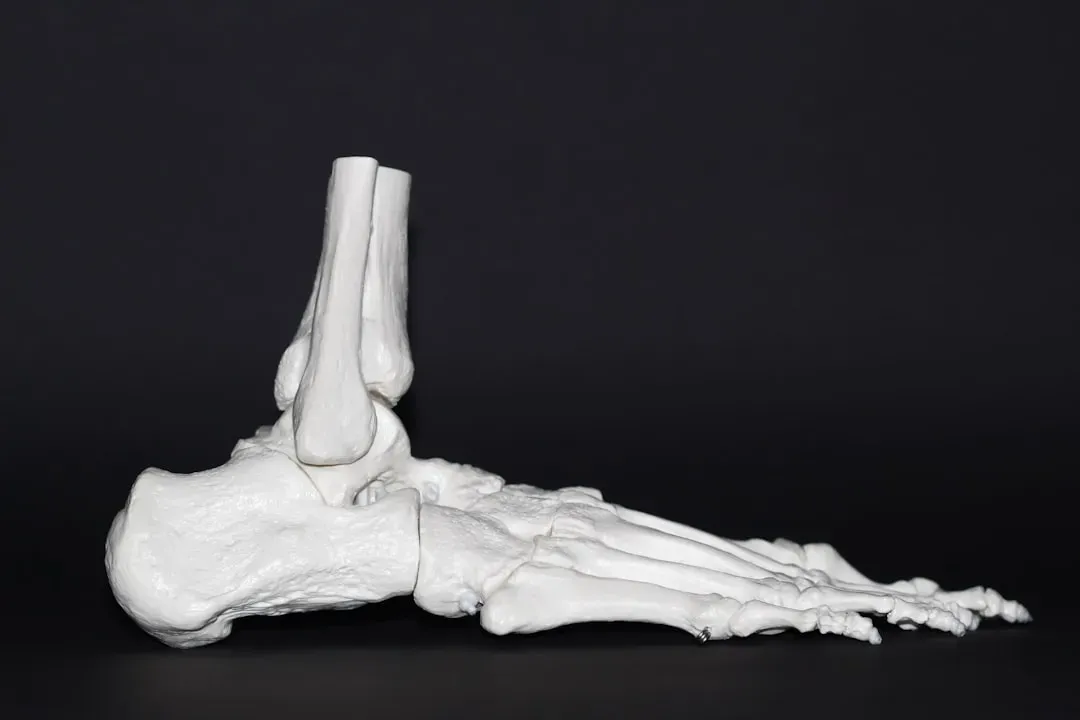
Bone seems hard and static, but it’s actually one of the most dynamic tissues in your body. Tiny cells called osteoclasts and osteoblasts are constantly breaking down old bone and laying down new bone, like a never-ending renovation project. When a bone breaks, this process goes into overdrive: a blood clot forms, a soft “callus” of cartilage appears, and then mineral-rich bone gradually replaces it.
Here’s the wild part: a healed bone, when properly set and given time, can become as strong as it was before, sometimes even a bit stronger at the break site. Your bones also adapt to how you use them. Put more load on them with weight-bearing exercise, and they respond by becoming denser, like a bridge reinforced after years of heavy traffic. Of course, age, nutrition, and hormones all affect how well this works, but the basic idea stands: your skeleton isn’t just a frame, it’s a living system constantly tuning itself to your life.
Muscles and Tendons: From Soreness to Strength
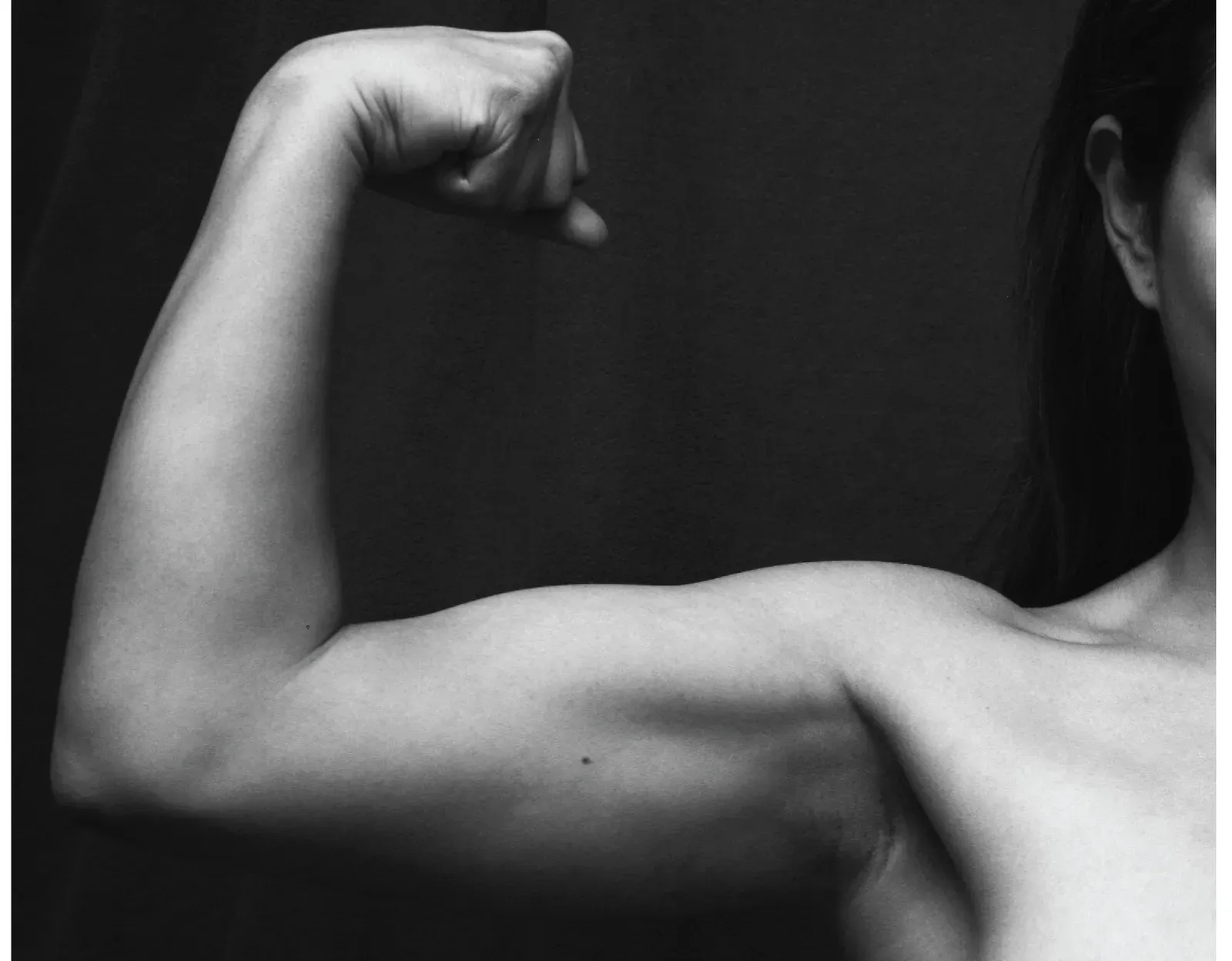
If you’ve ever woken up the day after a tough workout barely able to walk down the stairs, you’ve experienced one of the most direct examples of adaptation. That soreness, especially the kind that shows up a day or two later, often comes from tiny microscopic tears in your muscle fibers. It sounds bad, but those micro-tears are actually the signal your body uses to rebuild stronger.
In response, your body ramps up protein synthesis, strengthens connective tissue, and reorganizes fibers so they can better handle the stress next time. Tendons, which connect muscle to bone, also adapt by becoming thicker and more robust with gradual, repeated use. There’s a sweet spot here: consistent, progressive challenge prompts adaptation, while sudden, extreme overload risks injury. It’s a bit like learning a skill; you have to push just beyond your comfort zone, not jump off a cliff. But when you get that balance right, your body rewards you with more power, endurance, and resilience than you might have believed you had.
The Immune System: Learning from Every Battle
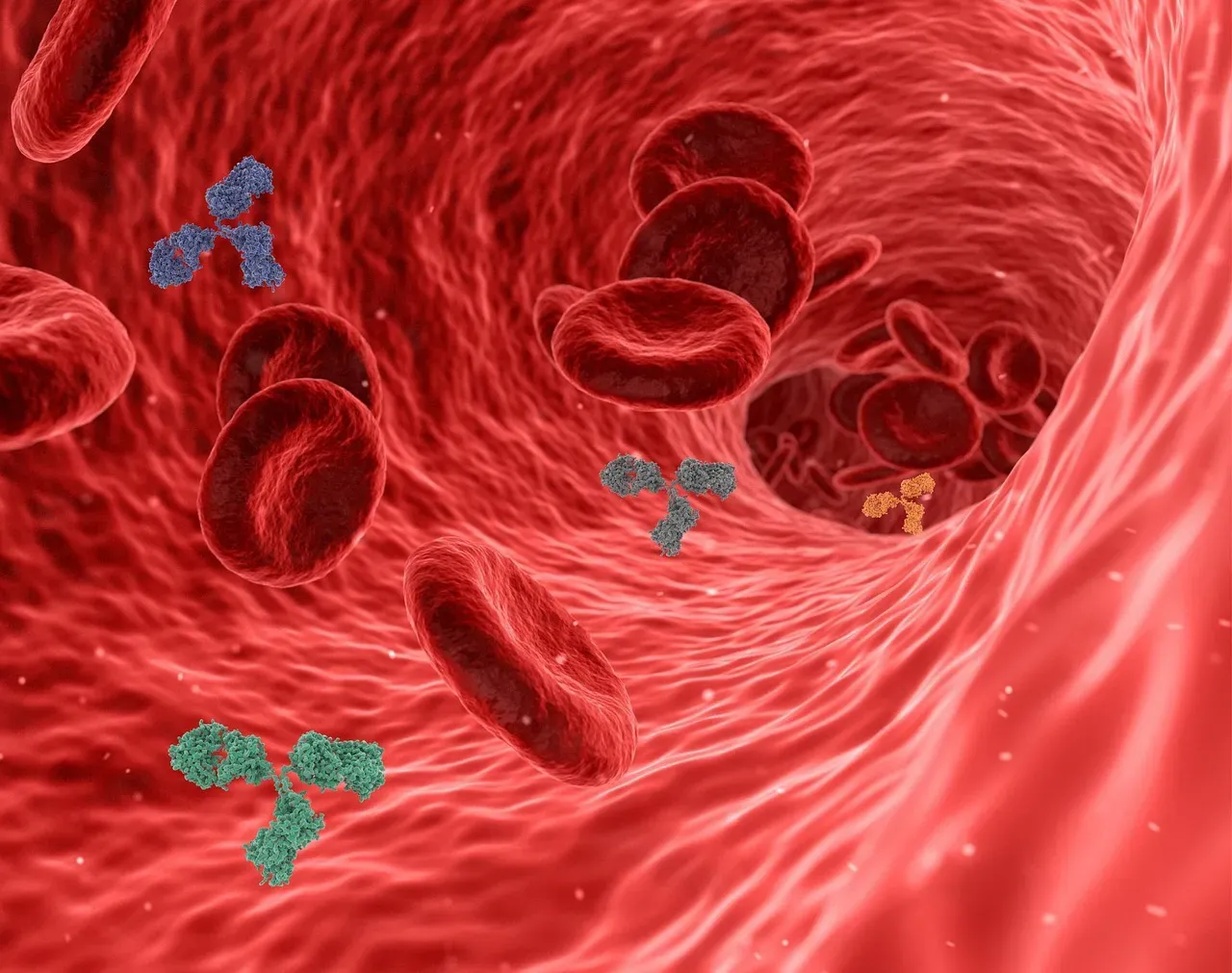
The immune system is like a constantly updating security team that never really clocks out. The first time you meet a virus or bacterium, your body may struggle; you feel sick while your immune cells figure out what they’re dealing with and how to respond. But once they’ve seen that threat, many of those cells stick around as memory cells, like seasoned guards who remember the face of a troublemaker.
The next time that same invader shows up, the response is faster and sharper, often stopping the infection before you even feel symptoms. Vaccines take advantage of this memory feature by giving your immune system a safe preview of a threat so it can be ready in advance. It’s not a perfect system, and pathogens can change or outsmart our defenses, but as a learning, adapting network, the immune system is astonishing. It remembers, it adjusts, and it can even dial itself down again when the danger has passed – at least when everything is working as it should.
The Brain: Rewiring Through Experience and Injury
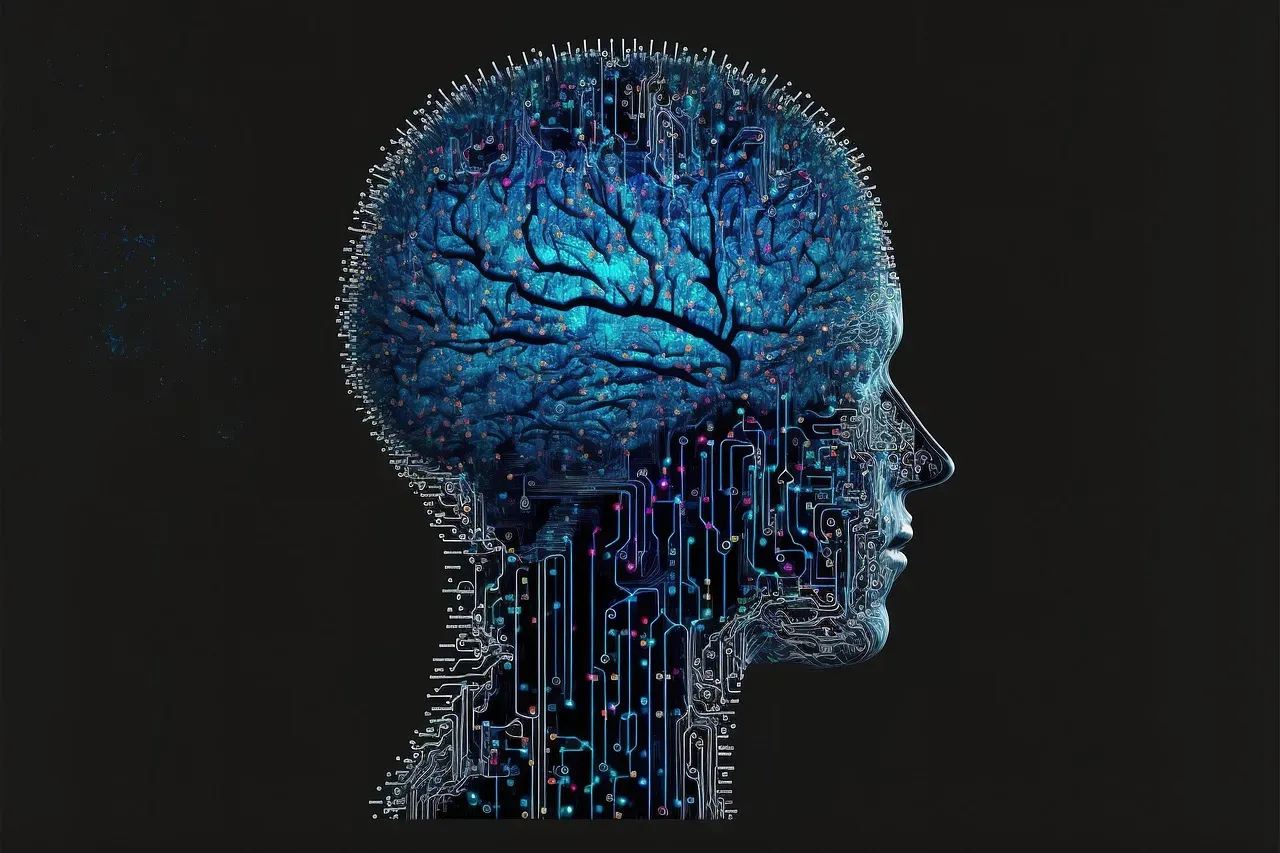
The idea that the adult brain is fixed and unchangeable turned out to be one of the most misleading beliefs in modern science. We now know that the brain has a remarkable capacity for neuroplasticity, which simply means it can reorganize itself based on what you do, feel, and learn. Practice a skill over and over, and the brain literally reshapes its connections to make that skill more efficient, like smoothing and widening a path through a forest.
This plasticity is also a big part of how the brain adapts after injury. In some cases, other regions can partially take over lost functions, especially when therapy and training are involved. Even emotional patterns can shift: habits of thought and reaction can be rewired over time through therapy, mindfulness, or new experiences. I think of it as the brain’s way of refusing to be fully defined by what’s happened to it. It might not always bounce back exactly to the old normal, but it often finds a new one, and that alone is a form of resilience.
Metabolic and Cardiovascular Adaptation: How the Body Adjusts to Stress

Your heart, lungs, and metabolism are constantly listening to the demands you place on them and reacting in surprisingly clever ways. Start walking more, and over time your heart gets better at pumping blood, your blood vessels become more flexible, and your muscles grow more tiny capillaries to deliver oxygen. That’s why climbing stairs that once left you gasping can start to feel almost effortless after a few weeks of regular movement.
Even at the metabolic level, your body is always making adjustments. When you change how you eat, sleep, or move, hormones and enzymes respond, trying to keep your internal environment as stable as possible. This stability is called homeostasis, and it’s like your body’s obsession with staying in a comfortable zone despite whatever chaos is happening outside. The flip side is that your body also adapts to less helpful habits – like chronic stress or long-term inactivity – so resilience can work in directions we don’t always like. But that also means small, consistent positive changes can slowly tip the system back toward balance.
Quiet Miracles Happening All the Time
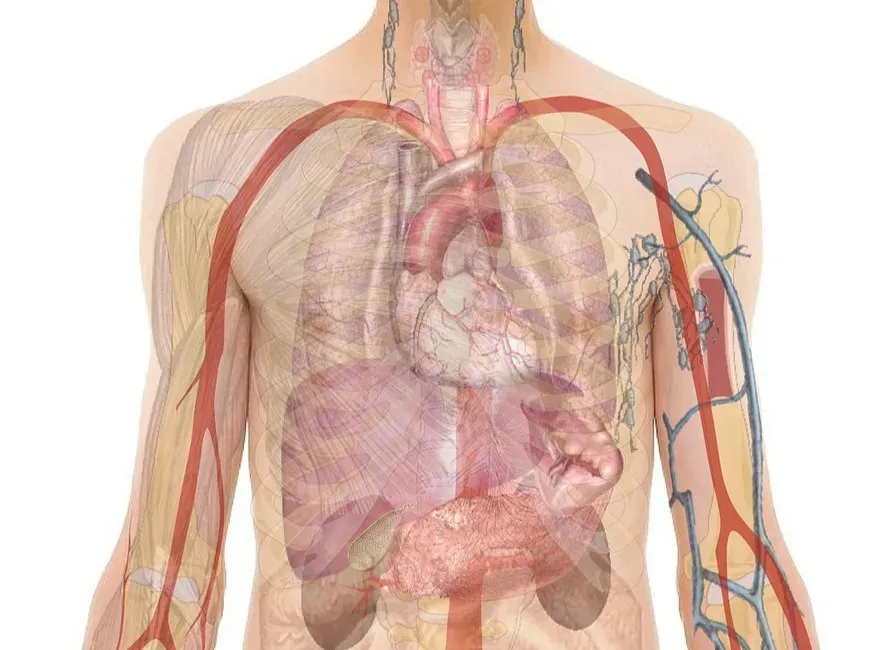
Seen up close, the human body is less like a machine and more like a constantly negotiating community, always repairing, adjusting, and learning from what happens to it. Cuts close, bones knit, muscles rebuild, immune cells remember, brains rewire, and hearts learn to work more efficiently. None of this feels dramatic because it unfolds quietly in the background of ordinary days, but it’s exactly this quiet work that lets us recover from falls, illnesses, heartbreaks, and bad choices.
Of course, our resilience has limits, and not every injury or illness ends in full recovery. But understanding how many systems are on your side can shift how you relate to your own body – from frustration when it hurts or fails, to a sort of partnership and respect. Every good night’s sleep, walk outside, decent meal, or moment of stress relief is like handing your body a better set of tools for the next repair job. Knowing all that, what might you start doing differently to help your body keep doing what it’s been trying to do for you all along?