

Every morning, you wake up in a body that is not quite the same as yesterday’s. Cells have died, others have been born, tiny repairs have been made in places you didn’t even know could break. On the surface, we look stable and continuous, but underneath, it’s more like a construction site that never shuts down than a finished building.
Once you really feel that, it’s strangely comforting. You’re not stuck with the same body forever; you’re in a living, changing system that keeps trying to fix, replace, and improve itself. It’s not magic, and it’s not perfect, but it’s relentless. Understanding how this quiet regeneration works can change how you see aging, illness, and even your everyday choices.
Your Skin: The Constantly Shedding Shield

Here’s a slightly shocking thought: the outer layer of your skin right now is mostly dead. The top cells are like tiny armor plates, flattened and dried out, forming a barrier between you and the outside world. Those cells are constantly flaking off into your clothes, your bed, and the air around you, while new ones are pushed upward from below to take their place.
On average, it takes a few weeks for a skin cell to be born in the deeper layer and reach the surface, where it will eventually be shed. That means the skin you will have next month is already quietly forming under the surface today. When people talk about a “new you” every few weeks, this is one place where that’s literally true. Simple things like sleep, nutrition, sun exposure, and gentle skin care affect how well that constant cycle of death and renewal protects you from germs, injuries, and everyday wear and tear.
Your Gut Lining: Rebuilt Faster Than You Eat Your Next Meal
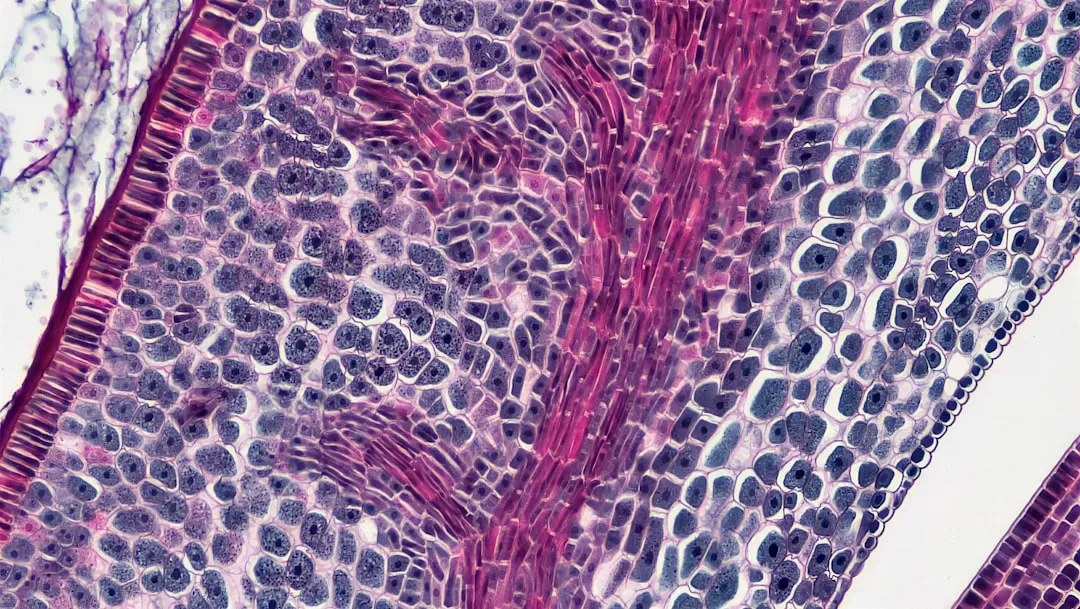
The lining of your gut is one of the fastest-renewing parts of your entire body. Cells there are exposed to acid, enzymes, rough food particles, and countless microbes every single day. To survive all that abuse, your body flips the script: instead of trying to make each cell last, it just replaces them very quickly. Many of the cells that touch your food are brand new and will be gone again in just a few days.
This rapid turnover happens thanks to powerful stem cells tucked into the folds of your intestines. They divide, specialize, and migrate upward, becoming the cells that help you absorb nutrients or produce protective mucus. When things go wrong – like with chronic inflammation, certain infections, or long-term stress – that renewal process can be disrupted, and the lining becomes leaky or damaged. In that sense, your meals, your microbiome, and your stress levels are all quietly shaping the gut wall that will exist inside you by the end of the week.
Your Blood: A River That Never Stops Being Replaced
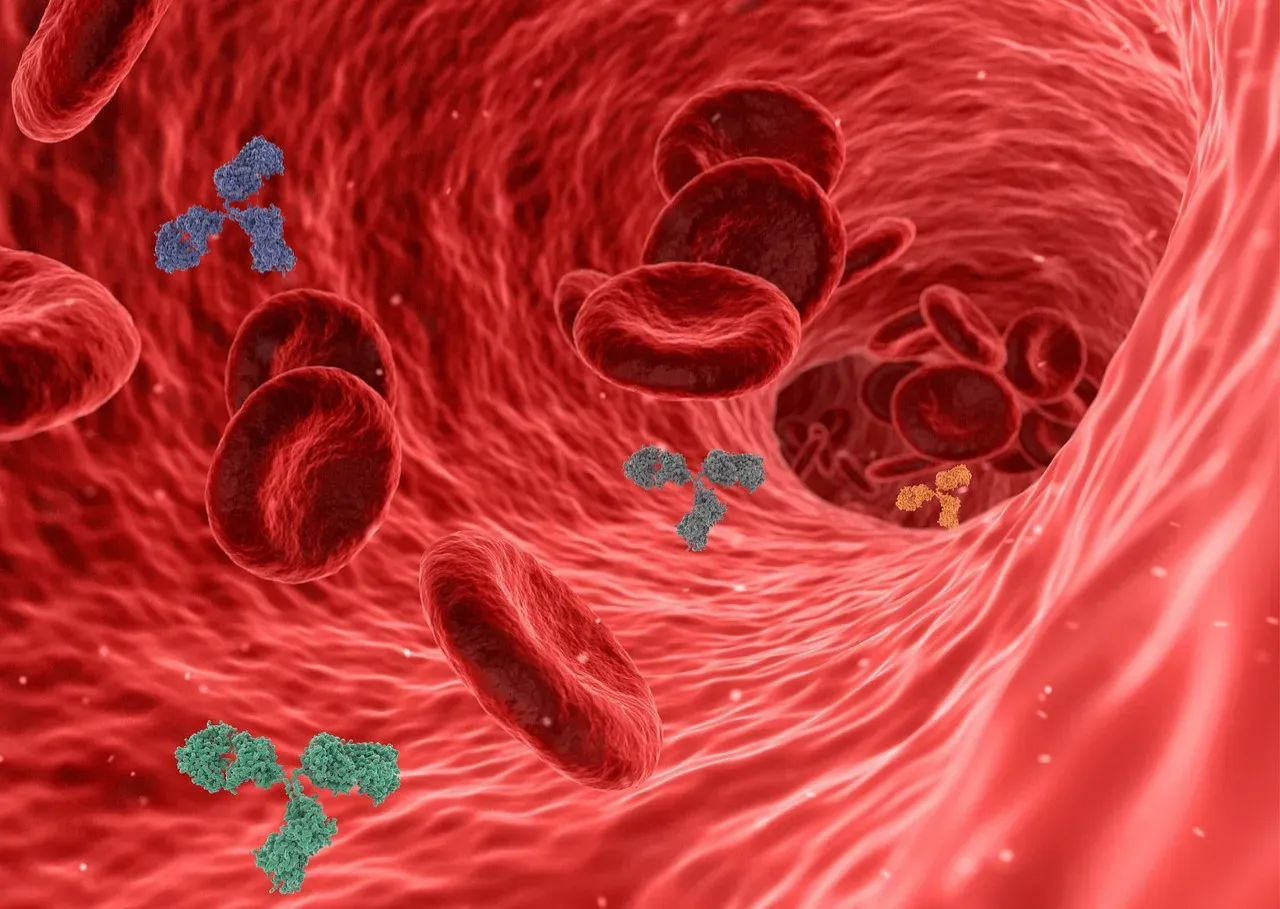
Your blood might feel like one single thing, but it’s really an enormous crowd of cells flowing through your veins. Red blood cells carry oxygen, white blood cells defend you, platelets help your blood clot. These cells don’t last forever; red blood cells, for example, live for only a few months before they’re broken down and replaced. That means the oxygen carriers in your body right now will be completely different from the ones you had earlier this year.
Deep inside your bones, in the bone marrow, stem cells are constantly dividing to make fresh blood cells. It’s like an underground factory that never closes, even while you sleep. Illness, certain medications, radiation, and nutritional deficiencies can all slow down or damage this production line, which is why conditions that affect the bone marrow can be so serious. On the flip side, when the system is healthy, it can bounce back from blood loss, infection, or even some cancer treatments with impressive resilience.
Your Bones: Solid, But Always Under Renovation
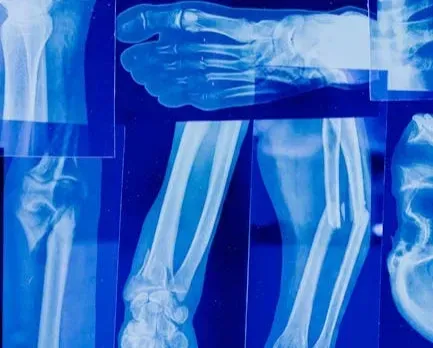
It’s easy to think of bones as permanent, rigid sticks holding us up, but they are surprisingly dynamic. Throughout your life, specialized cells are dissolving old bone and building new bone in a delicate balance. It’s like having a demolition crew and a construction crew working on the same structure at the same time, constantly fine-tuning its strength and shape.
This remodeling does several important things: it repairs microscopic damage from everyday impacts, adjusts the skeleton to changing loads, and helps control minerals like calcium in your blood. During childhood and adolescence, bone building outpaces bone breakdown, creating stronger, denser bones. Later in life, especially after midlife and in many women after menopause, the balance often tips the other way, and bone loss accelerates. That’s why weight-bearing exercise, vitamin D, and adequate protein and calcium really matter; they don’t just “support bone health” in a vague way, they influence how your bones choose to rebuild themselves year after year.
Your Liver: The Regeneration Champion
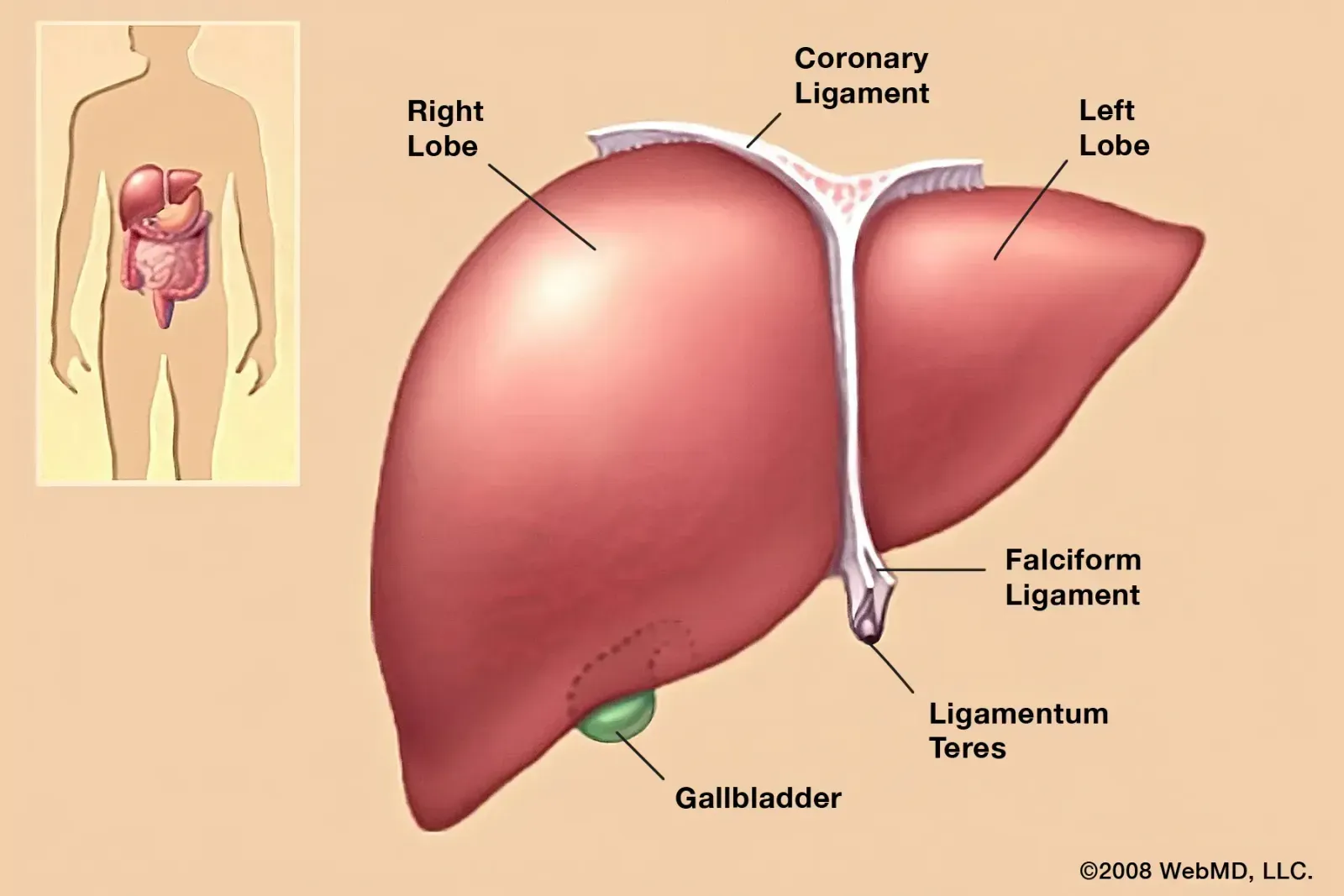
If the body had a regeneration trophy, the liver would be a top contender. It can regrow lost tissue in a way that seems almost unbelievable for a human organ. After certain kinds of damage or even surgical removal of a portion, the remaining liver cells can divide and expand until the organ recovers much of its original size and function. This capacity is why partial liver transplants from living donors are possible in the first place.
That doesn’t mean the liver is invincible. Constant heavy drinking, chronic infections, extreme obesity, and some toxins can overload its ability to heal and lead to scarring that does not reverse easily. Still, compared to many other organs, the liver’s resilience is remarkable. Supporting it with moderate alcohol use, managing weight, staying updated on vaccinations where appropriate, and limiting unnecessary medications or supplements can make the most of this built-in repair system.
Your Brain: Changing Connections Rather Than Swapping Parts
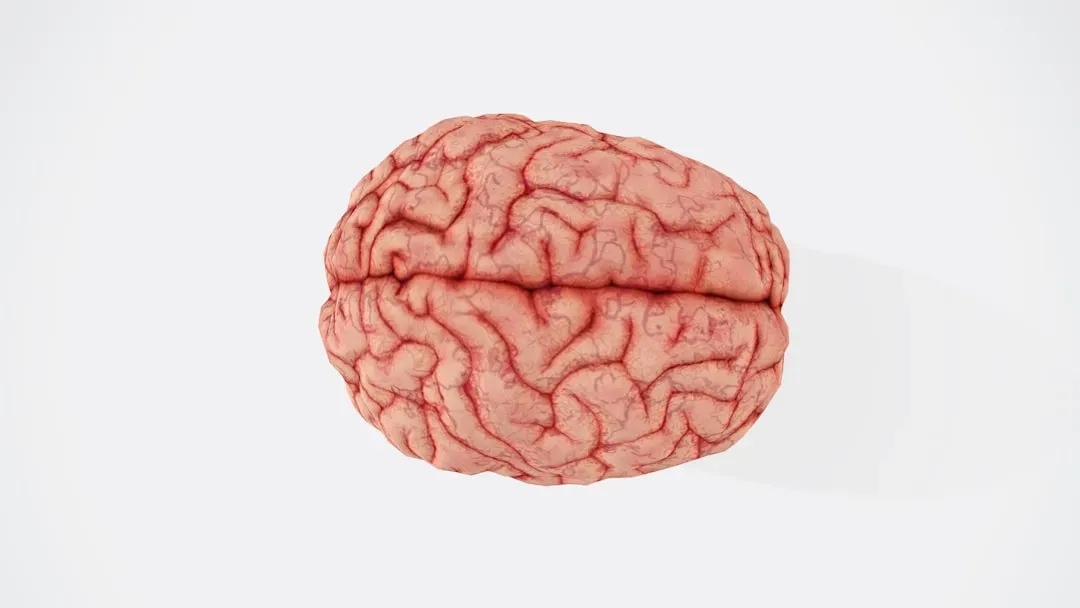
The brain is a more complicated story. Most of the neurons you have as an adult will be with you for the long haul. Unlike skin or gut cells, they are not constantly being replaced on a large scale. However, that doesn’t mean your brain is static. It changes by rewiring: strengthening some connections, weakening others, growing new branches, and adjusting networks based on what you do, feel, and learn.
In certain specific regions, like parts of the hippocampus that are involved in memory, new neurons can be born even in adulthood, though this is limited compared to other tissues. More importantly, the way neurons connect and communicate is incredibly flexible. Habits, sleep quality, mental training, physical exercise, and chronic stress all influence how your brain restructures itself over time. You may not be getting an entirely new brain every few years, but the patterns inside it are constantly under renovation, which is one reason change – though hard – is rarely impossible.
Your DNA: Repairs, Errors, and the March of Time
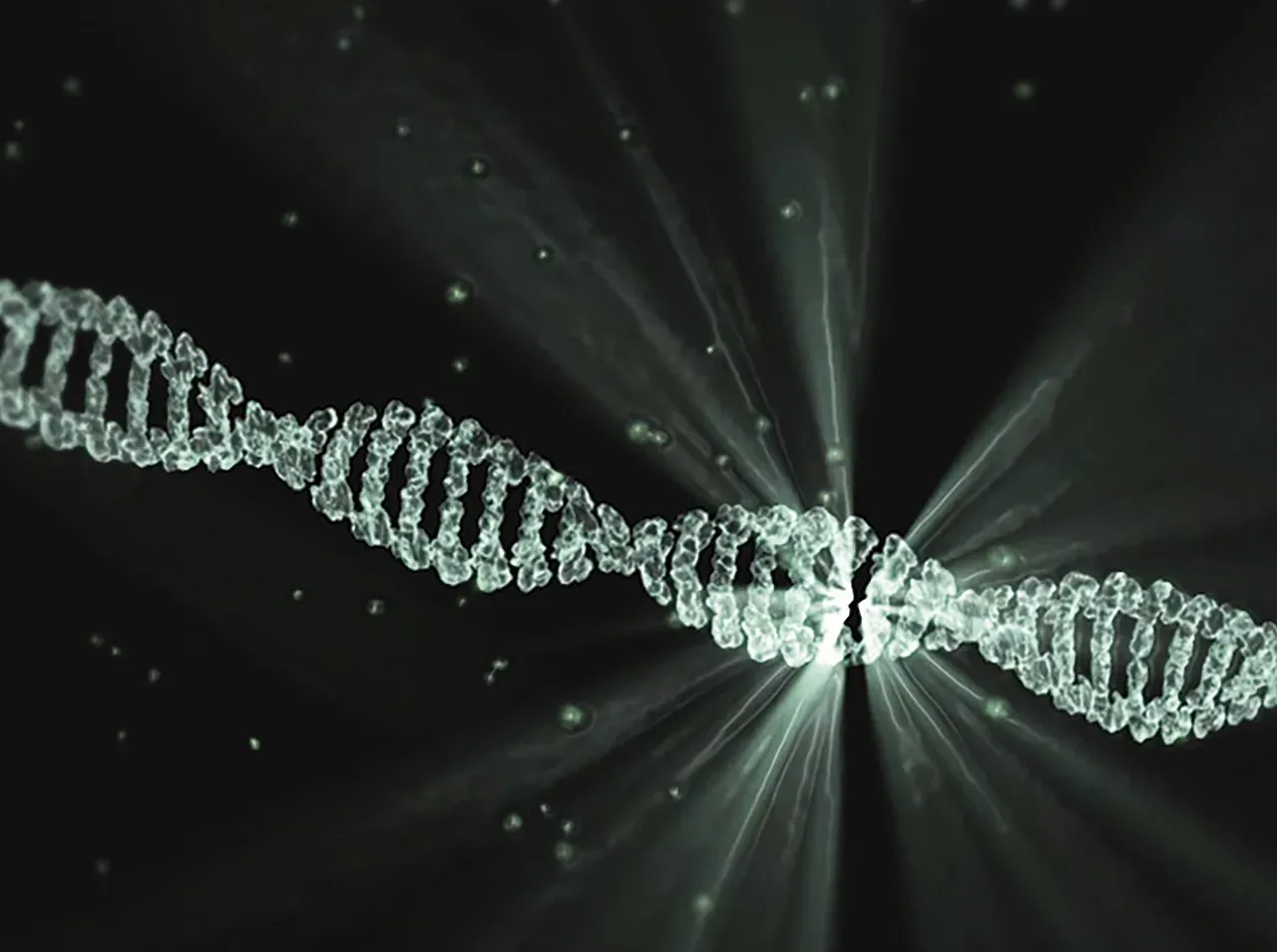
At the core of all this regeneration sits your DNA, the instruction set inside each cell. You might think of it as fixed, but it’s under regular attack from radiation, chemicals, and even normal metabolic processes. Your cells are constantly scanning and repairing damage to DNA. Thousands of tiny fixes can take place in a single cell in a single day, quietly preventing errors from turning into bigger problems.
Of course, the system isn’t perfect. Some damage slips past the repair machinery, and over many years, those small changes can accumulate. This gradual buildup of mutation and wear is tightly linked to aging and cancer risk. Lifestyle choices – like avoiding tobacco, managing sun exposure, sleeping enough, staying active, and eating in a way that supports metabolic health – can reduce some of the stress on your DNA and support the repair systems you already have. You can’t rewind your genetic clock, but you can influence how smoothly it keeps ticking.
Regeneration Has Limits – But Also Possibilities

For all its marvels, human regeneration has clear limits. We can’t regrow a lost limb like some salamanders, and severe injuries to the spinal cord or extensive scarring in organs like the heart still pose massive challenges. Age, chronic disease, and repeated damage gradually outpace many of our natural repair systems, leading to frailty and vulnerability. This is a hard truth, but it’s also what makes the body’s quiet, everyday rebuilding work so precious.
At the same time, medical science is increasingly learning how to support or even partially harness our regenerative abilities. Stem cell research, tissue engineering, gene therapies, and advanced biologic drugs are all attempts to work with, not against, the body’s own repair logic. Even before any futuristic treatment, though, simple daily acts – movement, restful sleep, social connection, decent food, avoiding obvious toxins – are like casting a vote in favor of your body’s ongoing rebuilding project. Knowing that you are never exactly the same body from one season to the next, how do you want to shape the version of you that your cells are quietly constructing tomorrow?