
If you’ve ever sliced your finger chopping vegetables and watched it slowly close and disappear, you’ve seen something quietly astonishing: your body fixing itself, on autopilot. We get used to it, so it starts to feel boring, but underneath that tiny scab there’s a complex, almost orchestral process unfolding with zero conscious effort from you. It’s like having a built-in repair shop that never sleeps.
What’s even more surprising is how far this self-repair goes. From broken bones and damaged skin to subtle tweaks in your brain and immune system, your body is constantly scanning for problems and patching them up. A lot of it happens invisibly and silently, until something goes wrong and we suddenly realize how much quiet work was happening behind the scenes all along.
The Skin: Your Regenerating Armor

Next time you notice a bruise fading or a scrape turning into smooth skin again, remember that your outer layer is basically a self-renewing shield. The skin is constantly shedding old cells and replacing them with new ones, a full-body renovation that keeps your protective barrier intact even as it’s under daily attack from sunlight, friction, and microbes. When you get a cut, your blood clots, immune cells move in, and new skin cells slowly bridge the gap, like workers rebuilding a broken wall brick by brick.
What’s wild is how fast this system can move when it has to. Superficial cuts often knit together in days, and the top layer of skin is being replaced regularly even when you feel perfectly fine. Of course, wounds heal differently depending on depth, blood flow, and health conditions like diabetes or poor nutrition. Still, for most people, the default setting is repair, not decline, which is pretty comforting when life inevitably hands you a few scrapes.
Bones: Breaking and Rebuilding Stronger
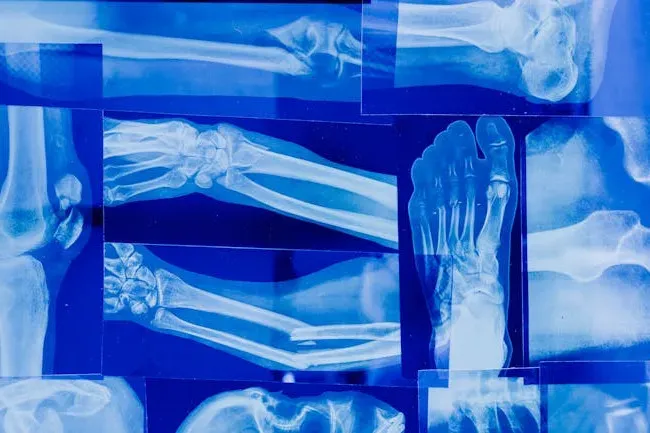
A broken bone feels like the ultimate failure of the body, but in a strange twist, it’s also one of the most dramatic demonstrations of self-healing. When a bone fractures, your body responds almost immediately by forming a blood clot, then a soft callus made of collagen and cartilage, and eventually hard bone that fuses the broken pieces. Over time, that new bone remodels itself, sometimes becoming as strong as, or stronger than, what was there before.
Even without obvious injuries, your bones are constantly being remodeled in a quiet tug-of-war between cells that break bone down and cells that build it up. This ongoing renovation responds to how you use your body – more load and movement can encourage stronger bones, while long periods of inactivity or bed rest can lead to loss of bone density. It’s like living in a house that notices which rooms you use the most and then reinforces them for you, without asking.
The Immune System: Your Internal Security Team
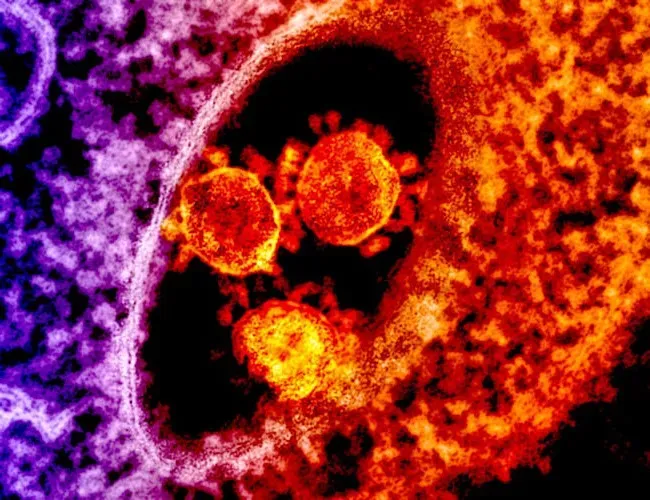
What makes this system remarkable is its ability to learn and adapt over time. After fighting off an infection, your body keeps memory cells that remain on standby, ready to respond more quickly if that same threat shows up again. Vaccines tap into this same principle by training your immune system in advance, like a rehearsal for a performance you hope never happens. When it works well, you barely notice it; when it’s overwhelmed or misdirected, you suddenly understand how much you were relying on it the whole time.
The Liver: The Quiet Regeneration Champion
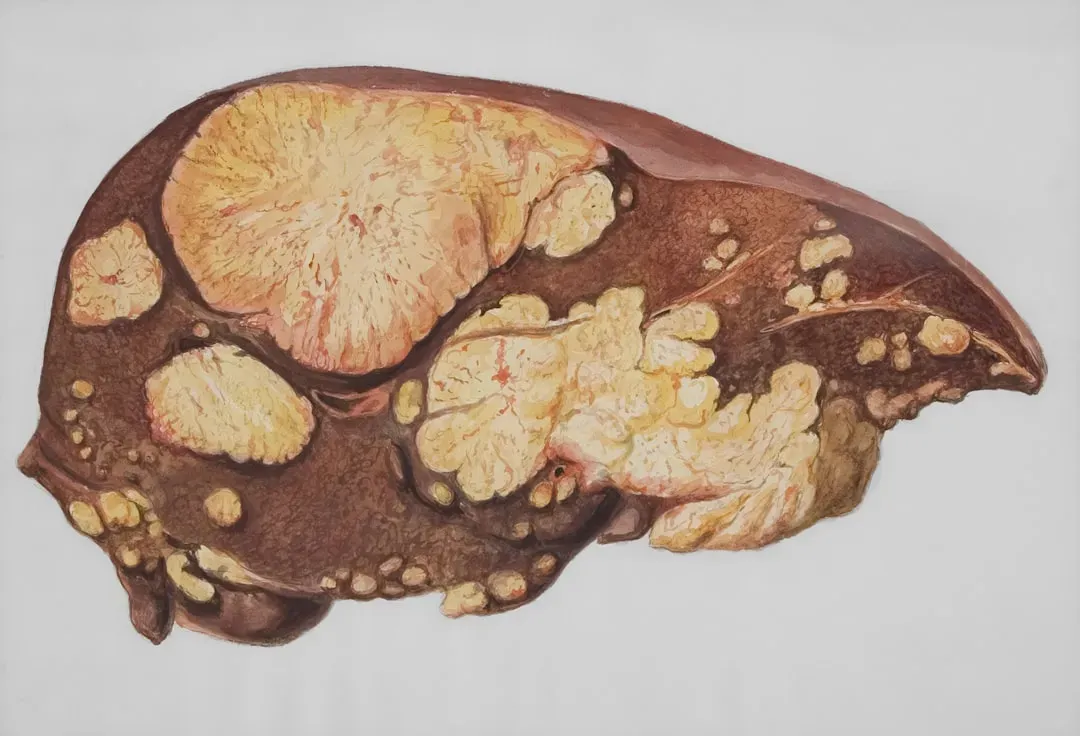
If the body had a “most underrated healer” award, the liver would probably win it. This organ helps filter toxins, process nutrients, and manage an enormous number of chemical reactions that keep you alive, all while having a rare superpower: the ability to regenerate lost tissue. If part of the liver is removed or damaged, the remaining cells can grow and divide to restore overall function, as long as there’s enough healthy tissue left and the damage doesn’t keep happening.
That doesn’t mean the liver is invincible – in fact, long-term alcohol use, certain medications, and chronic infections can scar it to the point where regeneration can’t keep up. But the very fact that it can bounce back from significant injury at all is impressive. It’s a bit like having a workforce that can suddenly double its efforts when members are laid off, redistributing tasks and rebuilding capacity in ways most organs just can’t match.
The Brain: Plasticity and Rewiring After Damage

The old myth was that brain cells never change and never repair, but modern research has quietly blown that idea apart. While neurons don’t regenerate in the same obvious way as skin or liver cells, the brain can form new connections, reroute pathways, and adapt its wiring – this is called neuroplasticity. After strokes or injuries, some people regain abilities not because damaged neurons magically reappear, but because other parts of the brain learn to take over certain tasks.
Even in everyday life, small changes in how you think, move, or practice new skills reflect tiny structural shifts in your brain. Learning a language, playing an instrument, or even picking up a new hobby in your older years can influence how your neural circuits organize themselves. It’s less like swapping out parts in an engine and more like a city rerouting traffic, building new roads, and adjusting signals to keep everything flowing despite occasional breakdowns.
Tissue Repair: Inflammation, Scars, and Recovery
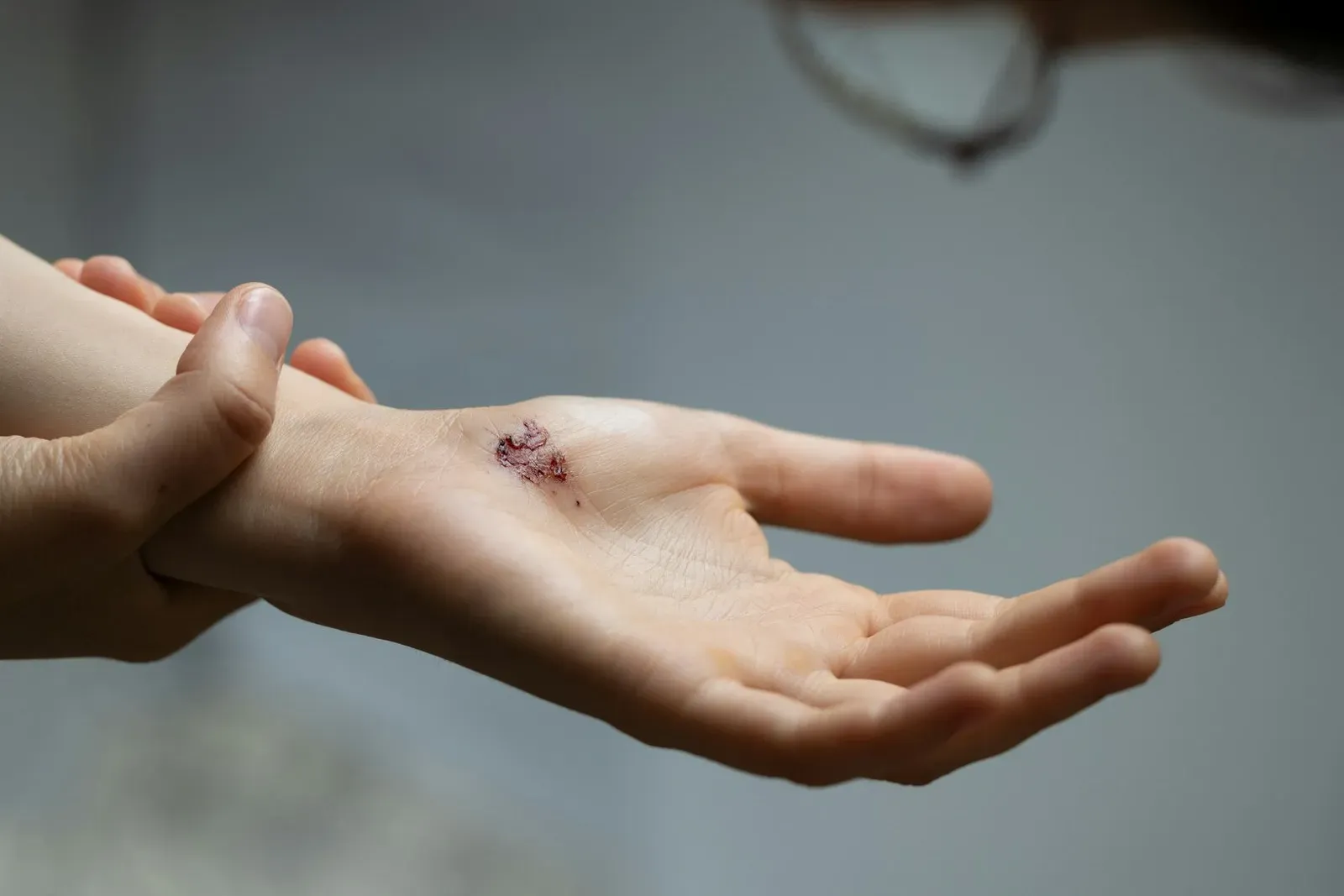
Whenever you twist an ankle, strain a muscle, or bruise your thigh, your body starts a healing script that’s surprisingly consistent across different tissues. First comes inflammation, with swelling, warmth, and sometimes pain, which is your body’s version of sending an emergency crew to the scene. Then comes the repair phase, when cells rebuild damaged structures and lay down fresh collagen, followed by a longer remodeling phase, where that new tissue is shaped and strengthened.
Sometimes, this repair process leaves behind scars, especially when the damage is deep or repetitive. A scar is your body’s way of patching a hole quickly, even if the patch is not a perfect match to the original. Over time, scars can fade, soften, and become less noticeable, but they rarely vanish entirely. They’re like physical reminders that healing happened, even if it wasn’t flawless.
Cell Turnover: A Constant, Invisible Renewal
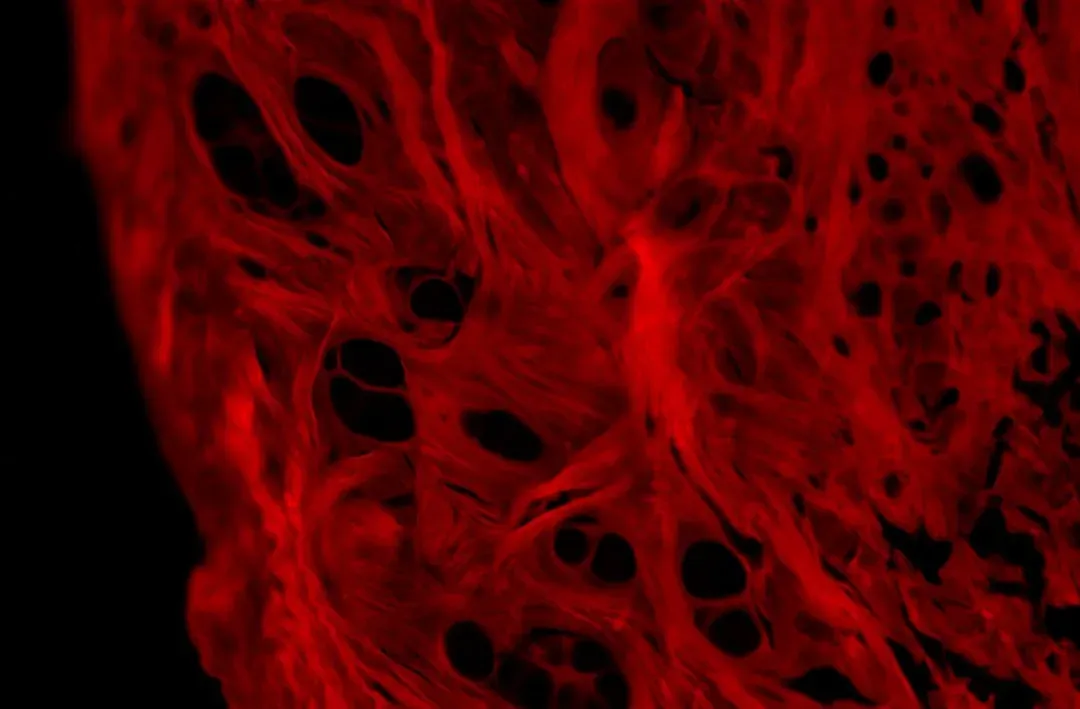
Even when you feel like nothing is happening, your body is quietly cycling through cells at different speeds. The lining of your gut renews itself regularly, your blood cells are constantly being replaced, and your hair and nails grow as old cells are pushed out by new ones. This ongoing turnover is a subtle but powerful form of self-healing, clearing out worn or damaged cells before they become a serious problem.
Of course, not every cell type renews at the same rate, and some tissues, like parts of the brain, are far less regenerative than others. Still, the sheer scale of this silent housekeeping is astonishing when you stop to think about it. Your body is less like a static object and more like a river – always moving, always reshaping itself, even though it looks the same from the outside.
Sleep: The Nightly Repair Window

Sleep can feel like a luxury when life gets busy, but from your body’s perspective, it’s non-negotiable repair time. During deep sleep, growth hormones are released, tissues rebuild, and the brain clears out metabolic waste products that build up during the day. Inadequate or poor-quality sleep doesn’t just make you groggy; it can slow wound healing, weaken the immune system, and worsen inflammation.
There’s something almost poetic about the fact that you heal best when you step out of the way and let your body do its thing. Creating a regular sleep routine, dimming lights before bed, and avoiding heavy meals or screens late at night are less about “good habits” and more about not interrupting your body’s maintenance crew. You lie there doing nothing, but behind the scenes, recovery work is in full swing.
Lifestyle Choices: Supporting or Sabotaging Self-Healing

The body’s built-in healing capacity is impressive, but it’s not magic, and it can be either supported or undermined by daily choices. Nutrient-dense food, moderate movement, hydration, and stress management give your cells the raw materials and environment they need to repair themselves. On the flip side, chronic sleep loss, constant high stress, smoking, and heavy drinking can overwhelm or slow those same processes.
It’s oddly empowering and frustrating at the same time: so much is out of our control, yet simple habits can make a real difference in how well we bounce back from injuries, infections, and everyday wear and tear. You don’t have to be perfect; even small changes can help shift things in favor of healing. Think of it as nudging your internal repair shop instead of constantly throwing wrenches in its gears.
When Self-Healing Needs Help: Medicine as a Partner

As incredible as the body’s are, there are clear limits, and this is where medicine comes in as an ally rather than a replacement. Antibiotics, surgeries, physical therapy, and modern treatments often work by clearing obstacles so the body can finish the job it was already trying to do. A broken bone put into a cast, for example, is not healed by the cast itself; the cast simply keeps things still enough for your natural repair machinery to work effectively.
There’s a delicate balance between trusting the body and ignoring warning signs that need real medical attention. Persistent pain, non-healing wounds, sudden changes in function, or severe symptoms are signals that self-healing might not be enough on its own. The most realistic view is that your body and modern medicine are on the same team, each doing different parts of the same larger task: keeping you going, and getting you back on your feet when life knocks you down.
Conclusion: Living With a Body Built to Repair

Once you start noticing it, the theme is hard to unsee: your body is constantly trying to move toward repair, balance, and survival. From the skin that quietly knits itself back together to the liver that regenerates, the brain that rewires, and the immune system that learns and remembers, you’re walking around in something far more dynamic than it looks from the outside. Even when you feel worn out or fragile, there’s a quiet resilience at work under the surface.
That doesn’t mean you’re invulnerable, and it doesn’t excuse ignoring serious symptoms or skipping medical care when it’s needed. But it does mean you’re not starting from zero; you already have a powerful repair system built in, and your daily choices can either help it or make its job harder. Maybe the most surprising part is this: your body has been on your side the whole time, doing its best with what it’s given. Knowing that, what might you choose to give it from here on out?