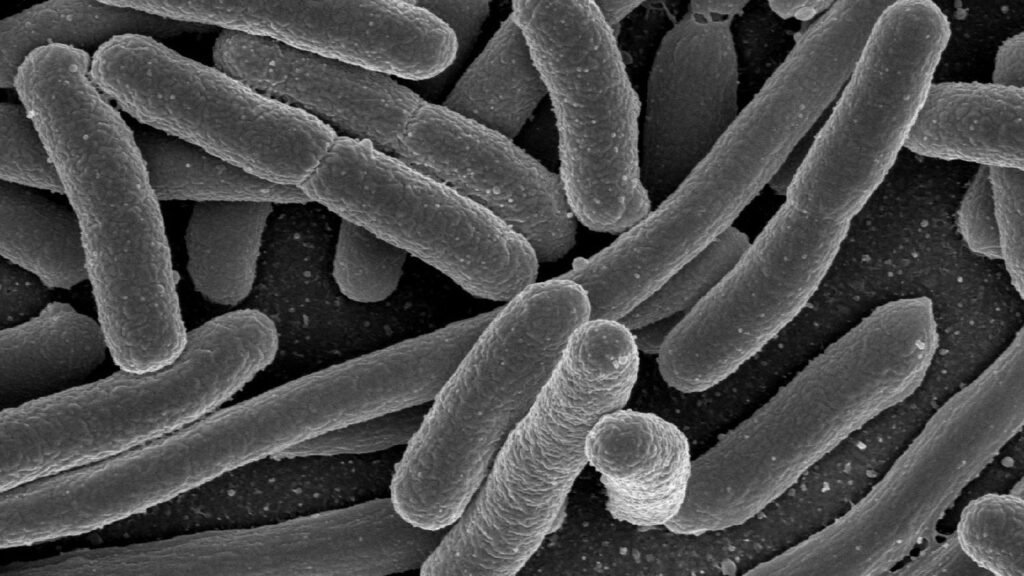

You carry entire civilizations inside you. Right now, as you read this, your body is home to trillions of microscopic organisms doing things science is only just starting to decode. Some protect you. Some communicate with your brain. Some may even influence how you feel, think, and age. It is, honestly, one of the most jaw-dropping frontiers in modern biology.
The sheer scale of it is almost difficult to process. In any human body, there are around 30 trillion human cells, but the microbiome alone contains an estimated 39 trillion microbial cells including bacteria, viruses, and fungi that live on and in us. You are, in the most literal sense, more microbe than human. So what does all of this actually mean for your health, your mind, and your future? Let’s dive in.
You Are Home to a Universe of Microbial Life
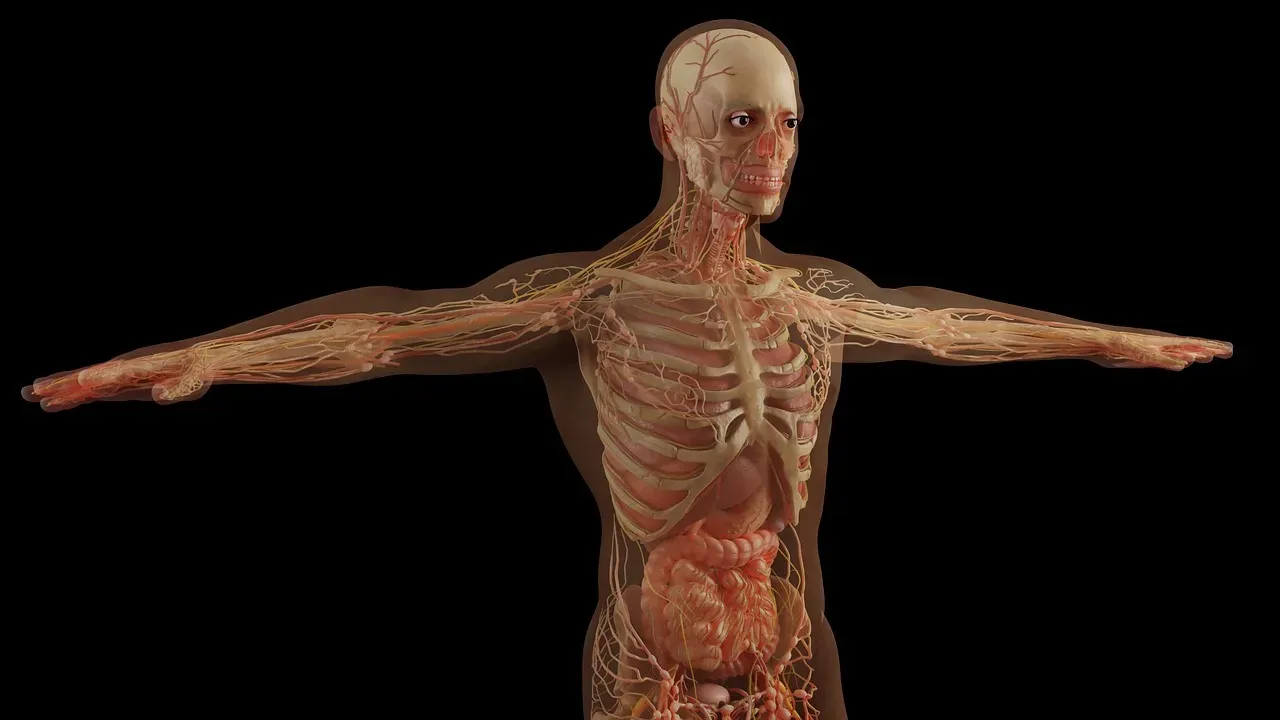
Think of your body less like a single organism and more like a planet. The human microbiome is a complex and dynamic ecosystem of microorganisms that plays a fundamental role in regulating immunity, metabolism, and neuroendocrine signaling throughout life. It is everywhere inside you and on you, from your skin to your gut, from your lungs to your mouth.
The microbiome is defined as all the bacteria, viruses, fungi, archaea, and eukaryotes that inhabit the human body. Collectively referred to as the “second human genome,” the gut microbiome in particular is now being considered a separate “organ” with distinct metabolic and immune activity. That comparison to an organ is not dramatic. It is simply accurate. And what this “organ” does on a daily basis would stagger most people.
Your Gut Is the Densest Ecosystem on Earth
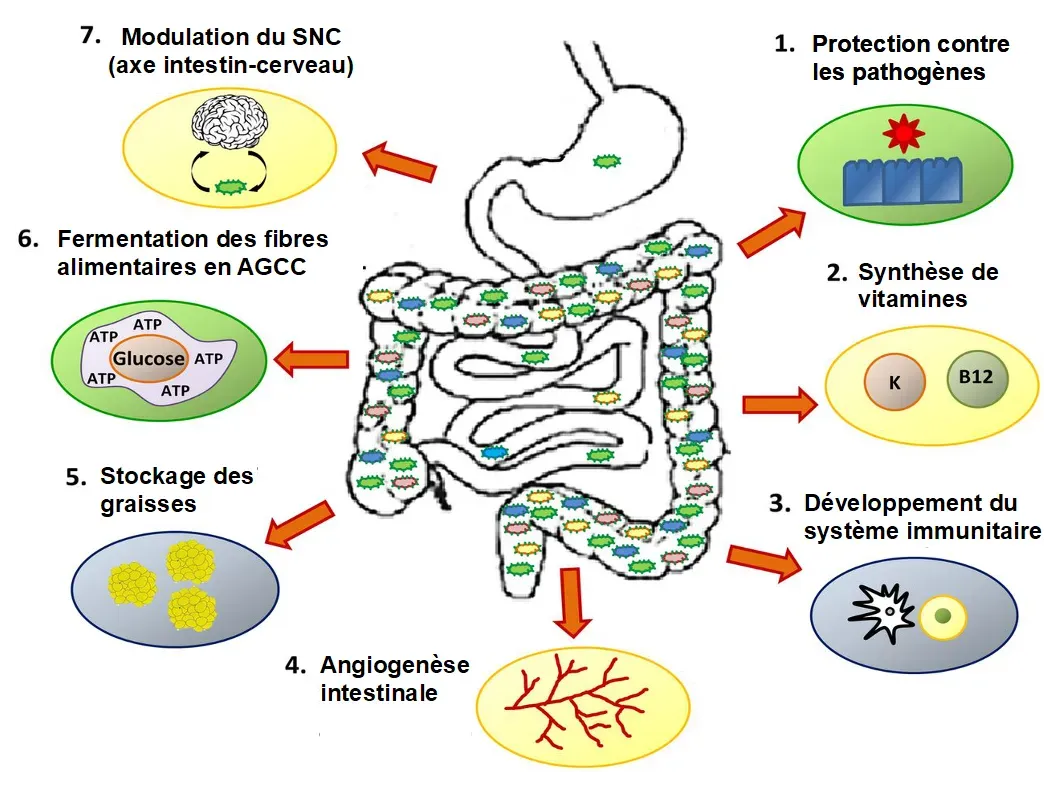
The microbial community in the human large intestine, at up to 100 billion to one trillion cells per milliliter, is among the densest microbial ecosystems ever observed. The gut microbiome acts as a highly efficient bioreactor, helping to extract energy and nutrients from the food you eat. Think about that for a second. Your colon is more densely packed with life than almost any environment on the planet, including ocean floors and volcanic hot springs.
Bacteria in your gut help break down certain complex carbohydrates and dietary fibers that you cannot break down on your own. They produce short-chain fatty acids, an important nutrient, as byproducts. They also provide the enzymes necessary to synthesize certain vitamins, including B1, B9, B12, and K. Without your gut microbiome functioning properly, basic nutrition would simply collapse. It is not a passenger in your body. It is a co-pilot.
The Hidden Microbiome: Species We Barely Knew Existed
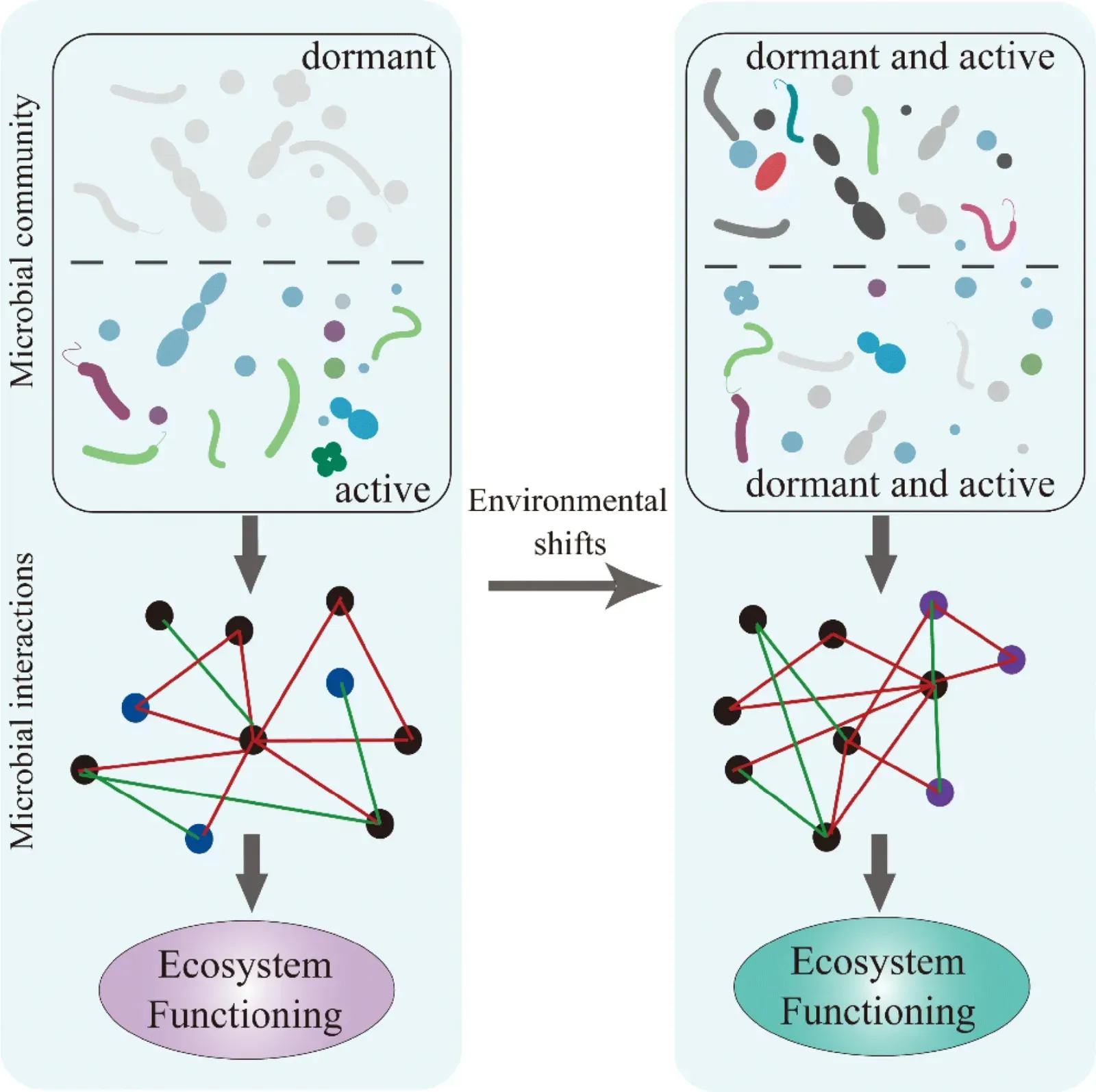
Here is something that should genuinely surprise you. Research has identified more than 4,600 bacterial species living in the gut. Remarkably, more than 3,000 of these had never been documented there before, highlighting how much of the microbiome remains unexplored. Scientists have essentially been mapping a continent while knowing only its coastline.
A large-scale international study recently identified a hidden group of gut bacteria called CAG-170. Led by researchers at the University of Cambridge, the study found this little-known group of gut bacteria appears far more often in healthy people. The group was consistently found at higher levels in individuals without chronic illness. It’s hard to say for sure what the full picture looks like, but evidence like this strongly suggests that some of the most important players in your health are ones science has barely named yet.
Your Microbiome Is as Unique as Your Fingerprint
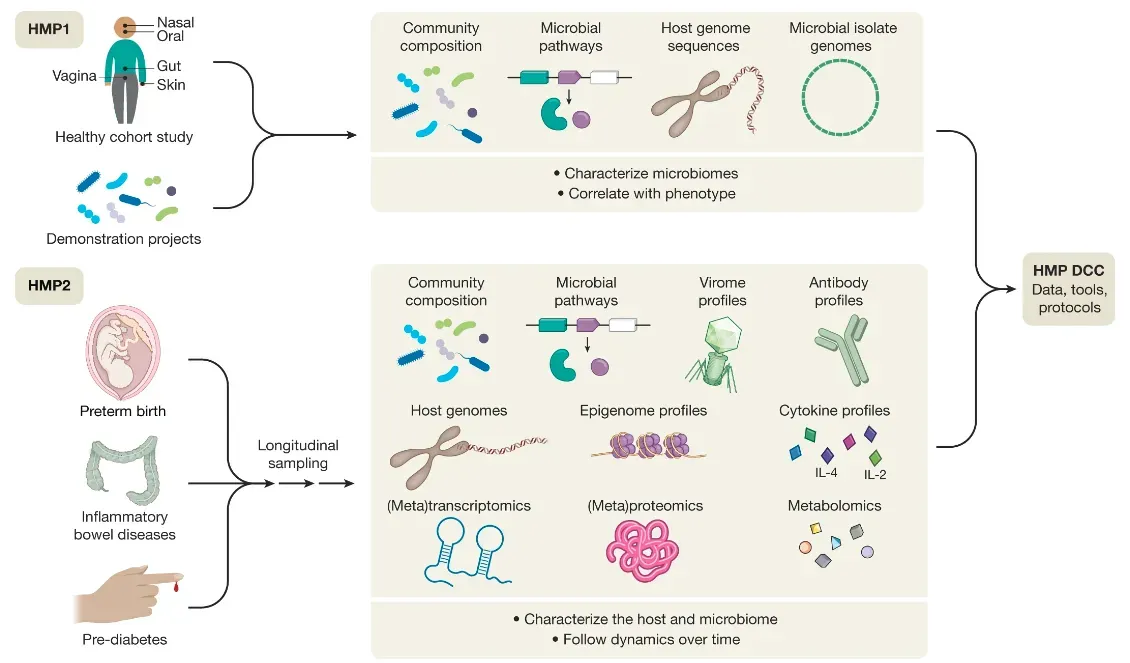
No two people share an identical microbial universe. The trillions of bacteria that call your body home, collectively known as the microbiome, appear to be unique to you, like a fingerprint. That is one conclusion of a detailed study of the gut, mouth, nose, and skin microbiomes of 86 people. This is a radical idea when you think about what it means for medicine.
Over the course of six years, the bacteria that persisted best in each person’s microbiome were those that were most particular to the individual, rather than those shared by the entire population. Your microbiome is shaped by your genetics, your diet, your environment, your stress levels, and even the seasons. Microbes predictably shifted with the seasons, for instance, likely due to changing humidity and sunlight levels as well as fresh food availability. The idea of a “standard” healthy microbiome may, in fact, be a myth.
Gut Bacteria Can Sense and Respond to Their Environment
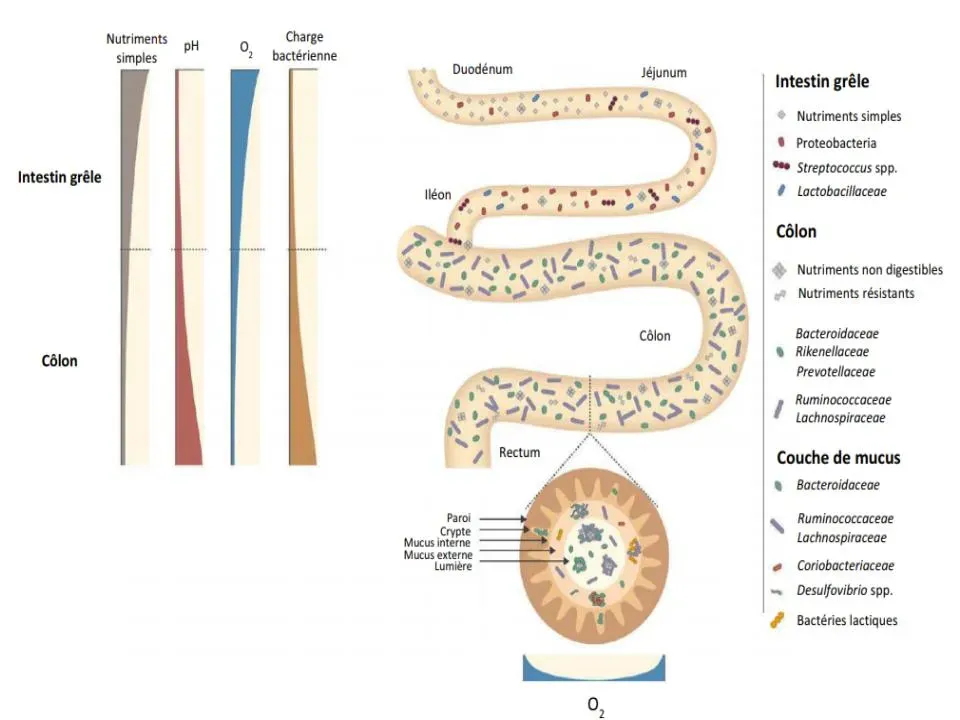
This one might genuinely blow your mind. Your gut bacteria are not passively drifting around. They are actively sensing their chemical surroundings. The gut microbiome plays a vital role in human health. This enormous and constantly changing community of microorganisms is shaped by countless chemical exchanges, both among the microbes themselves and between microbes and the human body. For these interactions to work, gut bacteria must be able to detect nutrients and chemical signals around them.
A 2026 study found that receptors from the human gut microbiome can recognize a surprisingly broad array of metabolic compounds, including breakdown products from carbohydrates, fats, proteins, DNA, and amines. Through systematic screening, researchers identified clear patterns. Different types of bacterial sensors showed distinct preferences for certain classes of chemicals. This revealed that gut bacteria are not responding randomly to their environment but are selectively tuned to specific metabolic signals. They are, in a sense, listening. Constantly.
The Gut-Brain Axis: Your Second Brain Is Talking to Your First
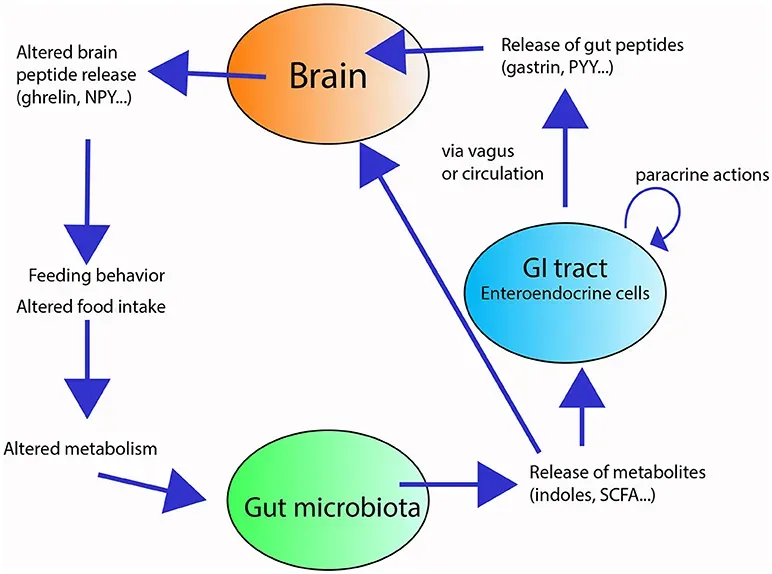
Let’s be real, the idea that your gut influences your mental health sounds like wellness-industry nonsense. But the science behind it is now staggering. The microbiota-gut-brain axis is increasingly recognized as a critical regulator of brain health, influencing both neurodevelopment and age-related neurological decline. This is not a fringe theory. It is published, peer-reviewed neuroscience.
Mounting evidence suggests that microbial communities influence neurodevelopment, neurotransmission, and behavior via pathways involving the vagus nerve, immune signaling, and microbiota-derived metabolites such as short-chain fatty acids and neurotransmitter precursors. Even more startling, the gut-brain axis has significant implications for neurodegenerative disorders, and recent studies have underscored the role of the gut microbiome in conditions such as Parkinson’s disease, with evidence indicating that gut dysfunction and pathological features can precede motor symptoms by decades. Decades. Before motor symptoms appear.
Your Skin Is Crawling With Life, and That Is a Good Thing
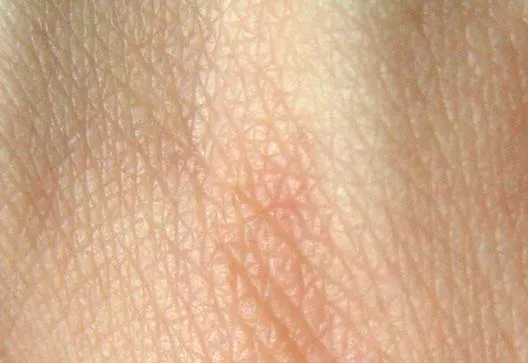
Your skin is not just a barrier. It is an entire ecosystem, alive with microbial communities that vary by body region, temperature, moisture, and even age. The skin is an ecosystem composed of roughly 1.8 square meters of diverse habitats with an abundance of folds, invaginations, and specialized niches that support a wide range of microorganisms. The back of your elbow and the inside of your nostril are home to completely different microbial neighborhoods.
Researchers have recently discovered that the skin microbiome is far more complex than previously understood. The Skin Microbial Genome Collection includes 174 previously unknown bacterial species, four new eukaryotes, and 20 new jumbo phages, which are viruses with a genome three to five times larger than an average virus. Meanwhile, the skin microbiome is thought to play a key role in skin health and disease. Certain microorganisms in the skin microbiome are associated with different skin conditions, including acne and eczema. Your skin is not just wearing bacteria. It depends on them.
You Also Carry a Virome, and Almost Nobody Talks About It
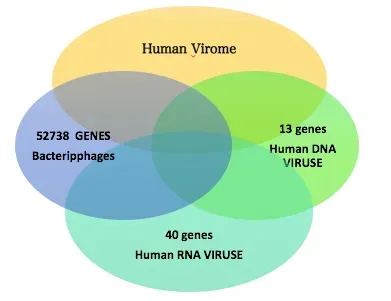
Most conversations about the microbiome focus on bacteria. However, your body also hosts a massive and largely unmapped collection of viruses. The human body hosts vast microbial communities, termed the microbiome. Less well known is the fact that the human body also hosts vast numbers of different viruses, collectively termed the “virome.” Viruses are believed to be the most abundant and diverse biological entities on our planet, and the human virome is similarly vast and complex, consisting of approximately 10 trillion particles per human individual, with great heterogeneity.
Here is the twist that surprises almost everyone. Contrary to common belief, harmful viruses may be in the minority, compared to benign viruses in the human body. It is much harder to identify viruses than it is to identify bacteria, therefore the understanding of benign viruses in the human body is very rudimentary. The collection of all viruses in the human body which do not cause disease in healthy individuals is often referred to as the “healthy human virome.” Despite increasing focus, it remains the case that the majority of sequence data in a typical virome study remain unidentified, highlighting the extent of unexplored viral “dark matter.” You are, in part, a living library of viruses that science has not even catalogued yet.
Conclusion: A Universe Within, Still Waiting to Be Mapped
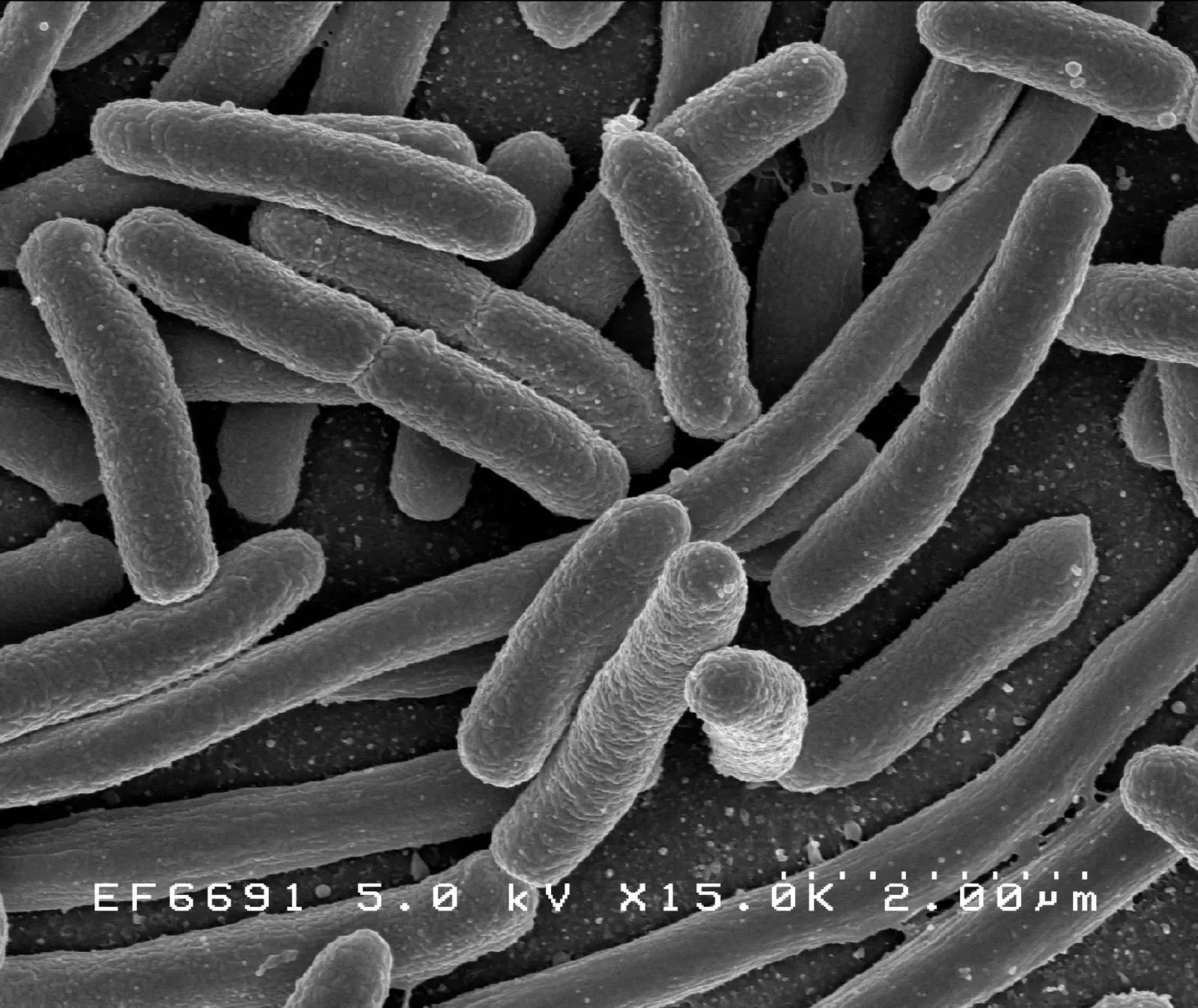
What science has uncovered so far about the microscopic worlds inside your body is extraordinary. Yet, honestly, it may represent just the tip of the iceberg. The human microbiome, once regarded as a passive passenger, is now recognized as a dynamic and essential determinant of human physiology, shaping immunity, metabolism, neurodevelopment, and therapeutic responsiveness across the lifespan. That shift in understanding has happened within a single generation.
Collectively, these insights reflect a paradigm shift in microbiome science: from descriptive associations to intervention-ready, mechanistically grounded models. The growing body of evidence positions the human microbiome at the center of precision medicine, where microbiota-informed diagnostics and therapeutics are increasingly recognized as integral to the prevention and treatment of complex diseases. The future of medicine may not lie in creating more powerful drugs. It may lie in understanding the ancient, living ecosystem your body has been carrying all along.
You have been living with these microscopic worlds your entire life without knowing most of their names, their roles, or their extraordinary influence over who you are. Now that you do, it changes the way you think about health entirely. Does it change the way you think about yourself?