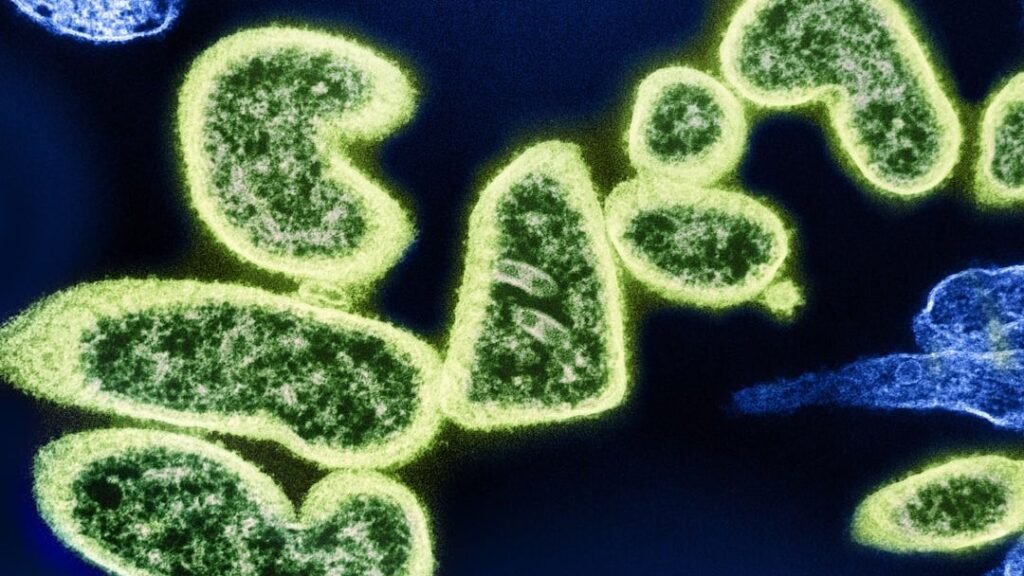

For most of medical history, the human body has been treated like a fragile machine: when something breaks, you call in outside help to fix it. Yet a growing wave of research is turning that story on its head, revealing that our tissues, cells, and even genes are constantly repairing damage in ways that look almost uncanny. Far from being passive, the body is more like a tireless pit crew working around the clock, swapping parts, patching leaks, and rewiring circuits before we ever notice something is wrong. Scientists are now mapping these hidden repair systems in extraordinary detail, and what they are finding is both humbling and hopeful. Understanding how this self-healing works is not just a scientific curiosity – it may reshape how we treat everything from heart attacks to neurodegenerative disease.
The Hidden Clues: Tiny Repairs You Never Feel
Right now, as you read this, your body is quietly fixing thousands of microscopic injuries you will never feel. Every breath brings in oxygen that keeps you alive but also creates reactive molecules that can nick DNA, bruise proteins, and scuff cell membranes. Rather than being overwhelmed, cells respond with a sophisticated toolkit of repair enzymes that scan genetic material, correct mismatches, and cut out damaged sections like an editor working through a draft. In a typical day, each cell in your body may experience many DNA lesions, yet the vast majority are fixed so efficiently that you never know they occurred. This constant maintenance is why most of us can go decades before cancers or age-related failures start to appear in force.
These quiet fixes are not limited to DNA. Proteins that misfold are tagged for recycling, broken cell components are digested and rebuilt, and tiny tears in muscle fibers are stitched and strengthened. Think of a house with a caretaker who is always repainting, tightening bolts, and swapping out cracked tiles before they become dangerous. What feels like stability is actually a blur of ongoing renewal, and illness often arises when these micro-repairs are outmatched or begin to falter with age.
Regeneration in Action: From Skin and Liver to Surprising Tissues
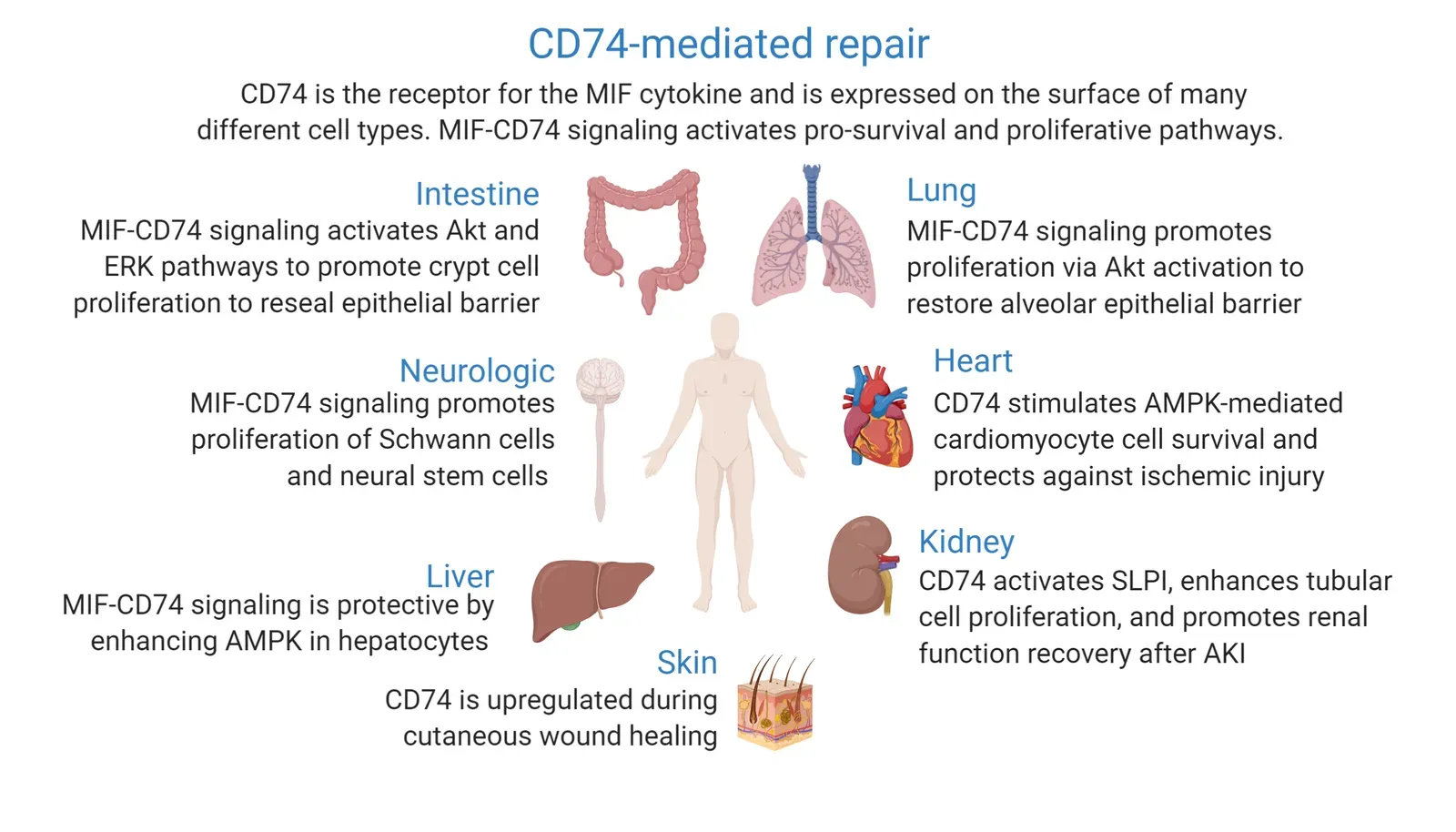
If you have ever watched a cut slowly disappear from your skin, you have seen just one visible slice of an enormous regenerative capacity. Skin cells are among the fastest-turning populations in the body, with new cells constantly rising from the basal layer to replace those that flake away. When a wound opens, immune cells stream in like first responders, clotting stops the bleeding, and a complex choreography of growth factors nudges stem cells to divide, migrate, and rebuild. The redness and swelling many people worry about are actually signs of a repair crew hard at work, laying down scaffolds of collagen and forming new vessels to feed the emerging tissue. Over time, the rough patch smooths out, and in many cases only a faint line remains.
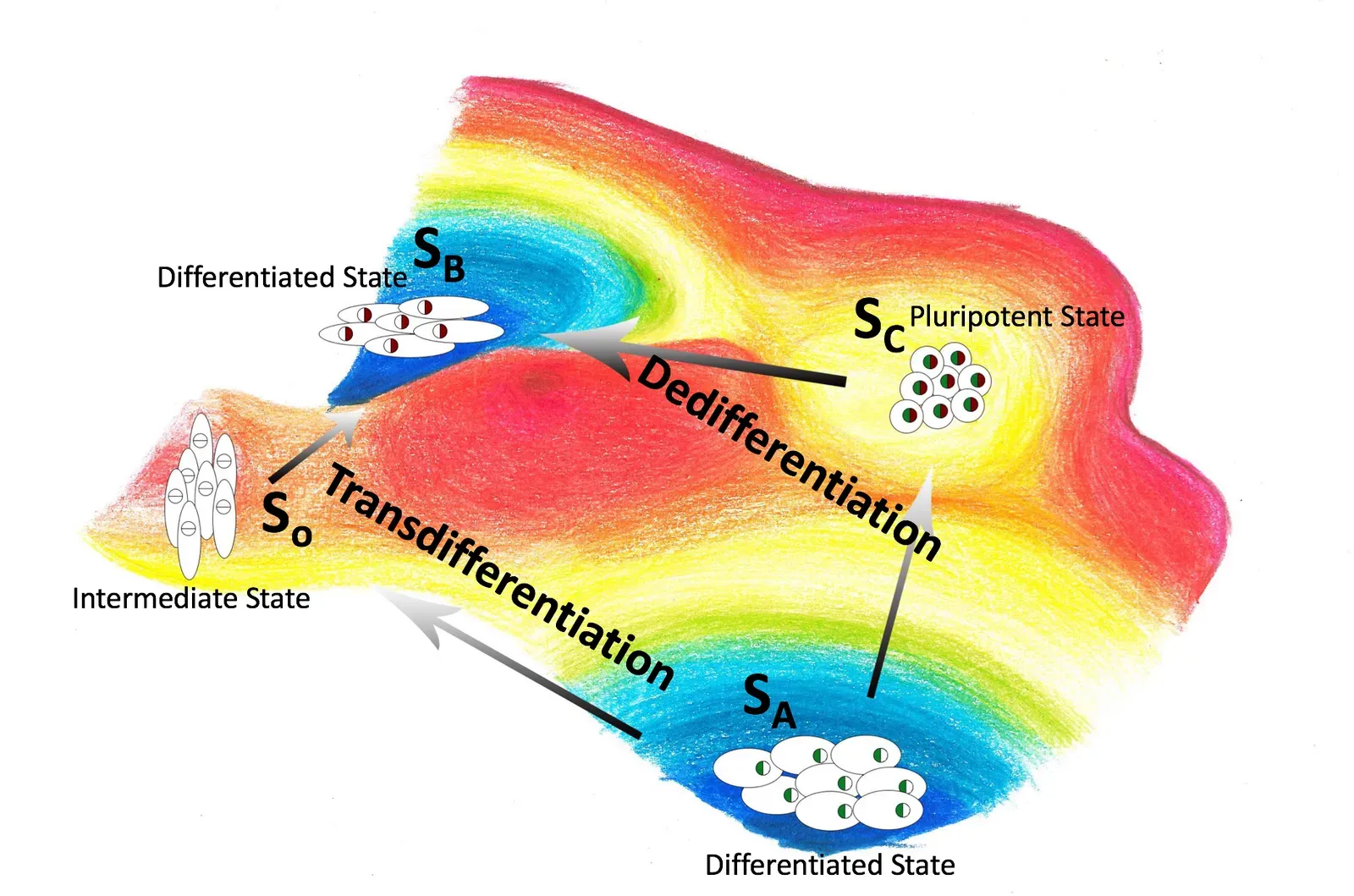
The liver takes this idea of regrowth to a different league. Biologists have long known that the liver can restore its mass after substantial surgical removal, driven by resident cells that re-enter the cell cycle and expand. This remarkable capacity is not quite the limb-regrowing feat seen in salamanders, but it is still one of the most dramatic examples of regeneration in a human organ. Even organs once thought almost static, like the heart and parts of the brain, have shown limited abilities to renew certain cell types. Researchers now talk about “plasticity” instead of rigidity, acknowledging that adult tissues are more adaptable – and more repair-prone – than older textbooks suggested.
Immune Defense: The Body’s Internal Emergency Response Team
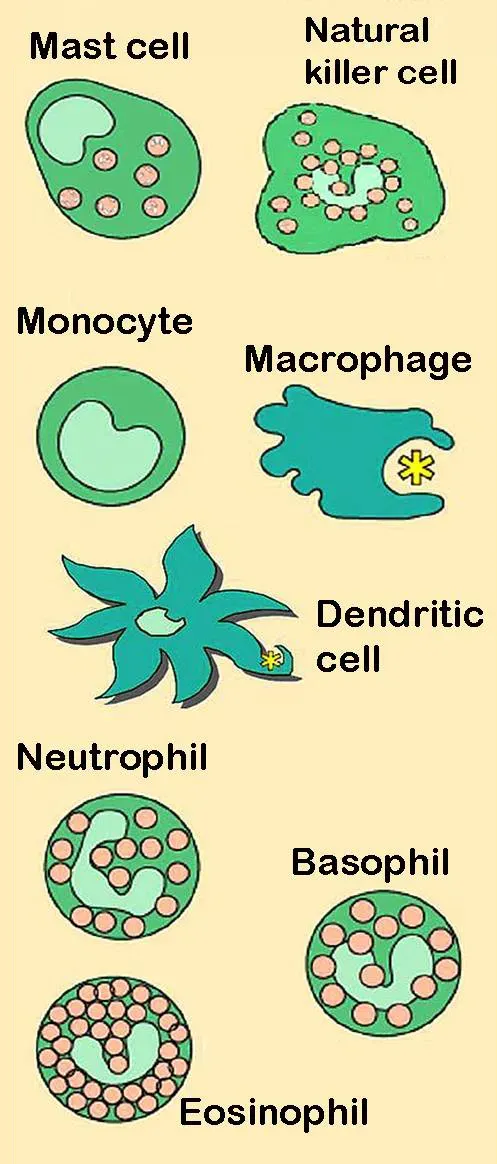
When you catch a cold, scrape your knee, or inhale a lungful of polluted air, the first lines of defense are always your own immune cells. They patrol like neighborhood watch volunteers, scanning for anything that looks suspicious: viral fragments, bacterial molecules, or cells that have gone off-script and started behaving like tumors. Inflammation, often treated as the villain in wellness conversations, is in fact the opening phase of many repair programs. Blood vessels widen, immune cells swarm the site, and chemical signals saturate the area, turning a local problem into a high-priority emergency for the entire system. Without this rapid, messy reaction, even minor infections could spiral into lethal events.
Once the immediate threat is contained, the immune system performs an equally vital act: it stands down. Specialized cells help clear debris, dampen inflammatory signals, and promote tissue reconstruction so that the site can return to normal function. Misfires in this delicate off switch are behind autoimmune diseases, chronic inflammation, and long-term tissue damage. Yet when it works well, this immune choreography shows how defense and repair are two sides of the same coin, embedded into our biology long before modern medicine arrived on the scene.
From Ancient Observations to Modern Repair Science
Long before anyone could see cells under a microscope, healers saw that bones knit, skin closed, and fevers broke without intervention. Ancient medical texts from many cultures describe the body as having an inner healing force, even if the language was more mystical than molecular. What has changed in the past few decades is not the phenomenon itself, but our ability to watch it unfold at astonishing resolution. Advanced imaging techniques now let researchers follow individual cells as they crawl into wounded areas, divide, and differentiate, almost like tracking construction workers on a live building site. Genomic tools reveal which genes switch on or off during each phase of repair, exposing molecular playbooks hidden within chromosomes.
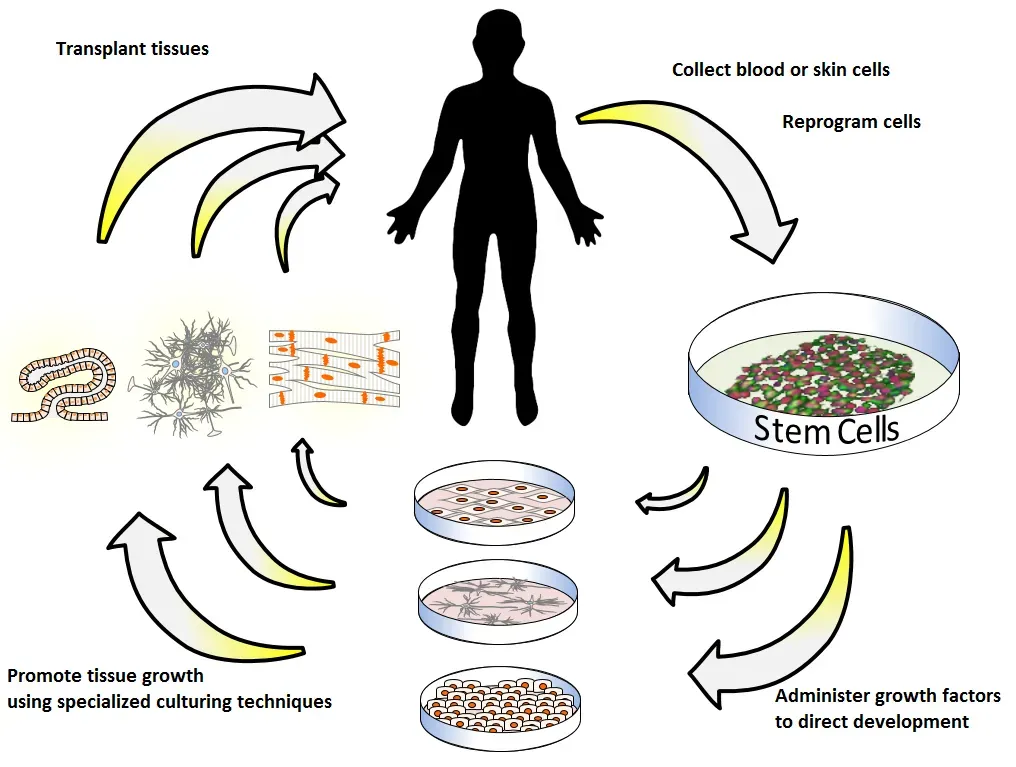
This scientific clarity is reshaping how clinicians think about treatment. Instead of simply patching or replacing damaged parts from the outside, many newer therapies aim to amplify or redirect the body’s own repair machinery. Blood-based drugs that boost growth factors, cell therapies that supply fresh regenerative cells, and gene-editing tools that correct faulty repair genes are all being actively explored. The ancient intuition that the body wants to heal itself is gaining a hard, empirical backbone, bridging centuries of observation with twenty-first-century lab science.
Why It Matters: Rethinking Illness, Aging, and Everyday Health

Understanding self-healing is not an abstract scientific hobby; it changes how we interpret symptoms, risk, and even aging itself. For one thing, it highlights that damage is inevitable – and usually manageable – rather than something to be entirely avoided. Daily life produces cellular wear and tear from sunlight, mechanical stress, metabolic byproducts, and more, but a robust repair system quietly handles most of it. Problems arise when the volume of damage overwhelms those systems, or when the repair crews are exhausted or genetically compromised. This shift in perspective moves the focus from chasing perfect avoidance to supporting the resilience of the body’s internal mechanics.
It also reframes aging as a long, uneven negotiation between injury and recovery. Many chronic diseases can be seen as situations where damage has been accumulating faster than the body can keep up, like a city that has stopped maintaining its roads and pipes. Lifestyle factors – sleep, nutrition, exercise, stress – suddenly look less like moral choices and more like ways of budgeting your repair capacity. Rather than promising magical immortality, scientists studying self-healing are mostly looking for realistic ways to tilt the balance back toward recovery for longer, extending healthspan even if lifespan only budges modestly.
When Healing Goes Wrong: Scars, Cancer, and Chronic Conditions
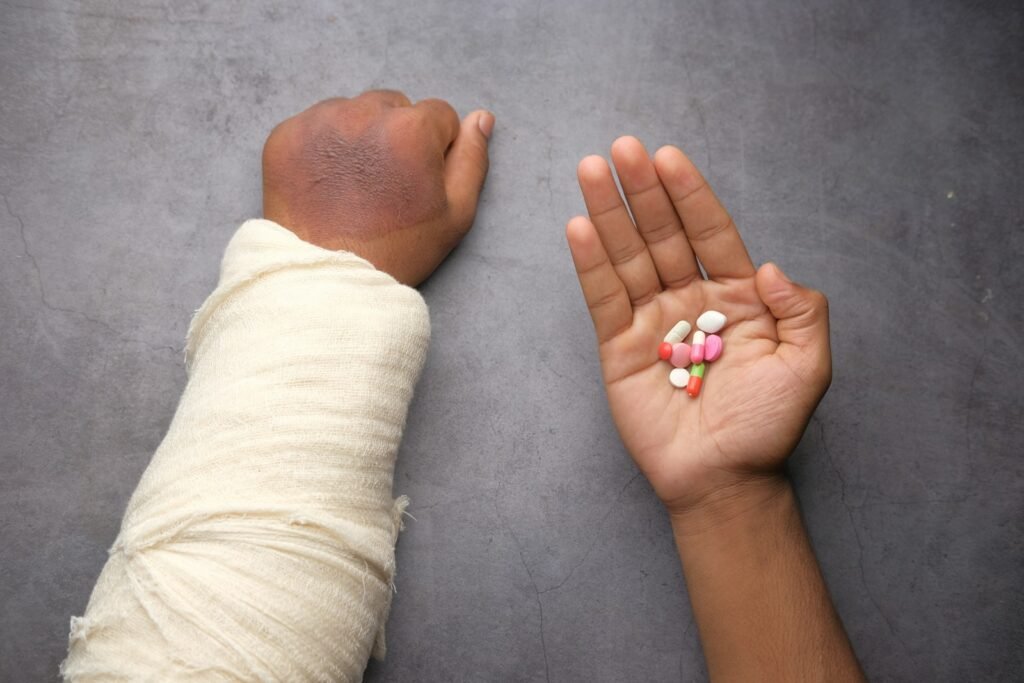
As impressive as the body’s repair systems are, they are not perfect, and their failures can be as revealing as their successes. Scar tissue, for example, is a fast but somewhat crude way of closing a wound when speed matters more than flawless restoration. The resulting tissue is often less flexible and lacks some of the original structure, which is why severe burns or heart attacks can leave long-term functional deficits. In other cases, healing processes may stall halfway, leaving chronic non-healing wounds that plague people with diabetes or poor circulation. Here the body’s usual choreography is stuck in a loop, with inflammation and incomplete repair feeding into each other.
Cancer represents a darker twist on self-healing: cells meant to divide and repair tissues break free from their normal restraints and begin to grow chaotically. Many of the genes that drive tumor formation are involved in growth, survival, and repair pathways that are beneficial in the right context. When they are overactivated or damaged, the very tools that help us regenerate become engines of disease. Studying these misfires has helped researchers understand both how to stop runaway cells and how to harness safer versions of growth programs for regenerative medicine. In that sense, the failures of healing have become roadmaps to better, more controlled versions of it.
The Future Landscape: Tapping Into the Body’s Own Repair Toolkit
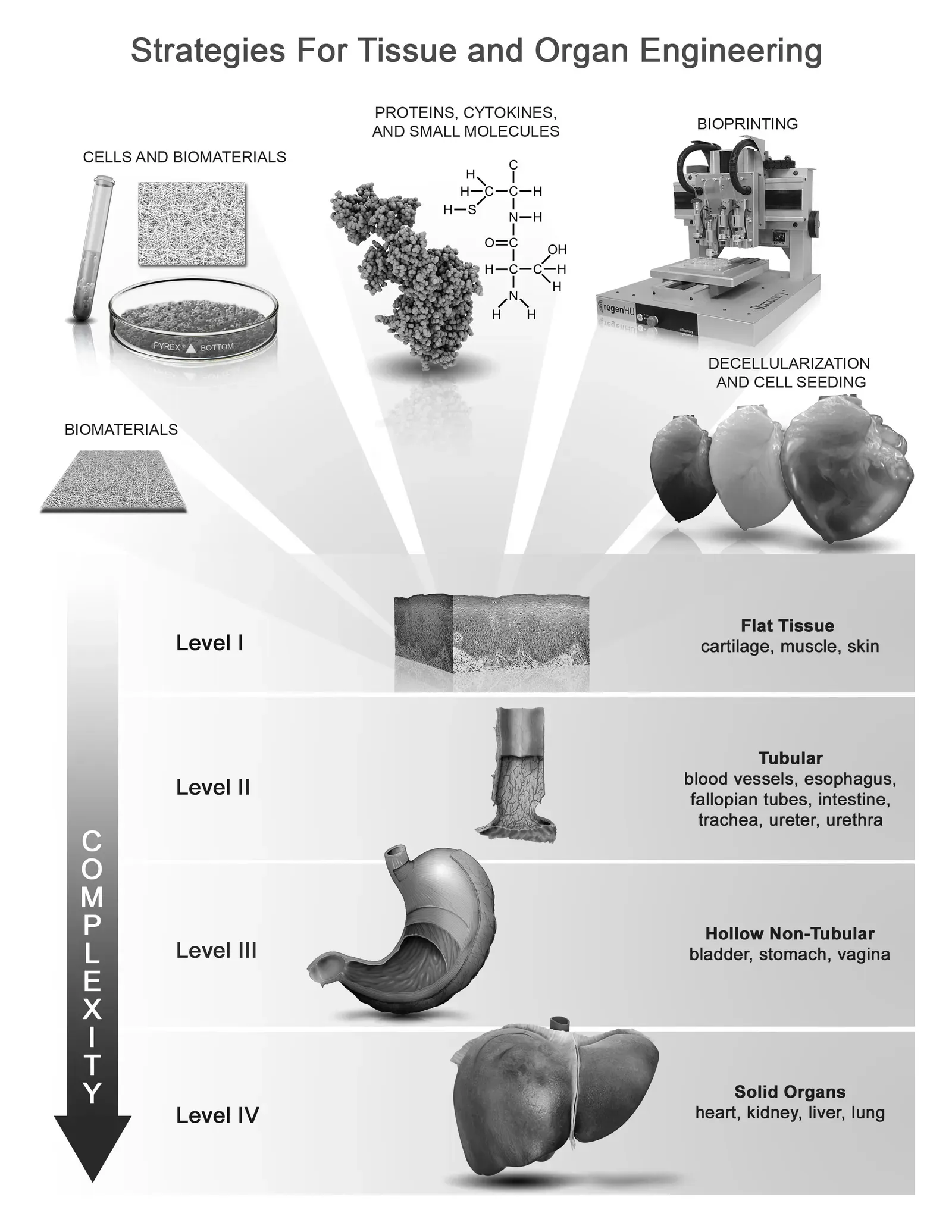
One of the most exciting directions in modern medicine is the idea of working with the body’s healing systems rather than around them. Regenerative therapies using stem cells aim to provide fresh building blocks for tissues that are too damaged or slow to recover on their own, such as spinal cords or failing hearts. Gene-editing tools are being tested to fix inherited defects in repair genes, with the hope of stopping certain diseases at their source. Researchers are also exploring small molecules and biologic drugs that can nudge dormant repair programs back into action, effectively coaxing old tissues into a more youthful, adaptable state.
At the same time, this vision comes with serious challenges and ethical questions. Overstimulating growth pathways can increase the risk of cancer, and tinkering with stem cells carries the danger of unintended changes that ripple through the body. There is also the global question of access: if powerful self-healing boosters become available, will they be limited to wealthy patients or regions, widening existing health gaps? Balancing optimism with caution, scientists are trying to design therapies that enhance what the body already does well, while putting strict safeguards around what could go wrong. The next few decades are likely to determine whether self-healing remains mostly a natural wonder or becomes a central pillar of everyday medicine.
Everyday Choices: How to Support Your Built-In Repair Systems

For all the high-tech promise of future therapies, many of the most reliable ways to support self-healing are surprisingly ordinary. Sleep is one of the clearest examples: during deep stages of sleep, the brain’s waste-clearance systems ramp up, and many tissues enter active repair cycles that are blunted when rest is cut short. Regular physical activity creates tiny, controlled stresses in muscles, bones, and blood vessels that trigger stronger rebuilding, as long as there is time and nutrition for recovery. A diet rich in whole foods provides the raw materials and antioxidant buffers that cells use during their daily maintenance routines. Even stress management matters, since chronic stress hormones can dampen immune function and slow healing.
None of these habits are magic bullets, and they cannot override genes or severe injury, but they can tilt the odds. One way to think about it is that your body comes with a repair crew already on payroll, and your daily choices decide whether they are working with good tools, reasonable schedules, and clear instructions – or trying to fix a collapsing building in the dark. Awareness of your own biology can be empowering instead of frightening, turning the idea of self-healing from vague inspiration into something grounded and practical. You do not need to become a scientist to benefit from this knowledge; you just need to understand that healing is not an occasional event but a constant background process you can either support or sabotage.
Call to Action: Paying Attention to the Healing You Cannot See
If there is a single takeaway from modern research on self-healing, it is that your body is doing far more for you than you usually notice. Paying attention does not mean obsessing over every symptom or chasing the latest miracle cure; it means respecting the quiet, ongoing work happening beneath the surface. In practical terms, that can look like getting one more hour of sleep instead of scrolling late into the night, or choosing a walk that nudges your circulation instead of another hour of sitting. It can mean being skeptical of quick fixes that promise to “hack” biology while ignoring the basic conditions that repair systems need in order to function. It may also inspire support for research and public health policies that make healthy choices easier for more people, not just those with time and resources.
Readers who feel curious rather than overwhelmed can take a simple first step: treat your body as an active partner rather than a passive vehicle. Notice how you recover from a cold, how a bruise fades, how soreness after exercise changes over a few days, and consider that as live evidence of complex biology in action. Small acts of care – regular checkups, vaccinations, movement, balanced meals – are not boring obligations but ways of collaborating with systems that evolution has been refining for millions of years. The next time a cut knits closed or a lingering ache finally eases, you are witnessing the same forces that scientists are racing to understand in the lab. And once you see it that way, it becomes harder to take your own capacity to heal for granted.
Suhail Ahmed is a passionate digital professional and nature enthusiast with over 8 years of experience in content strategy, SEO, web development, and digital operations. Alongside his freelance journey, Suhail actively contributes to nature and wildlife platforms like Discover Wildlife, where he channels his curiosity for the planet into engaging, educational storytelling.
With a strong background in managing digital ecosystems — from ecommerce stores and WordPress websites to social media and automation — Suhail merges technical precision with creative insight. His content reflects a rare balance: SEO-friendly yet deeply human, data-informed yet emotionally resonant.
Driven by a love for discovery and storytelling, Suhail believes in using digital platforms to amplify causes that matter — especially those protecting Earth’s biodiversity and inspiring sustainable living. Whether he’s managing online projects or crafting wildlife content, his goal remains the same: to inform, inspire, and leave a positive digital footprint.