Picture this: you’re standing in the blazing sun of the Sonoran Desert, surrounded by nothing but cacti and endless stretches of what seems like barren land. The temperature hovers around one hundred and ten degrees, and the ground beneath your feet hasn’t seen substantial rainfall in months. Yet somehow, over a thousand years ago, this very desert supported one of North America’s most sophisticated civilizations.
The Hohokam people didn’t just survive in this unforgiving environment. They completely transformed it through ingenious engineering that rivals anything we see today. From roughly 300 to 1450 CE, these remarkable people flourished for more than 1000 years in the unforgiving Sonoran desert before disappearing in about 1450 CE. Their story challenges everything we think we know about ancient American civilizations and shows us what human ingenuity can accomplish when pushed to its limits.
The Masters of Desert Irrigation
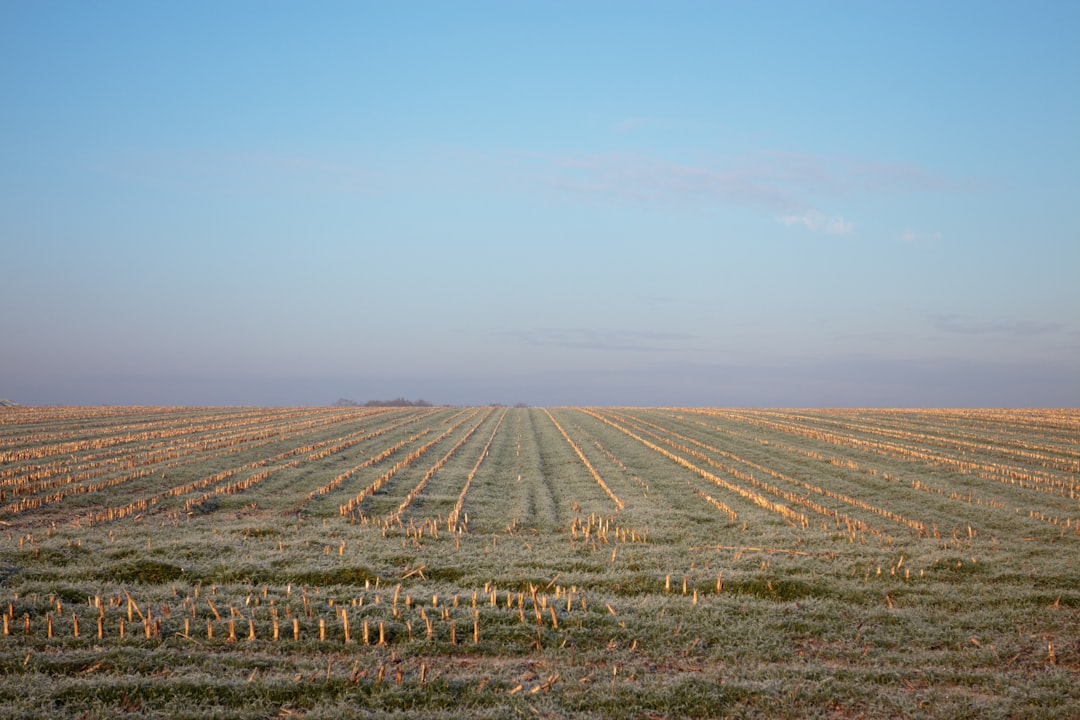
Because of their extensive excavation abilities, the Hohokam were considered to be engineering geniuses. Their ability to push water effectively for several 100 miles over a flat desert landscape, while evading hills and valleys complimented their legacy. What makes their achievement truly staggering is the sheer scale of their irrigation network.
The Hohokam canal stretched nearly 500 miles and would serve up to 50,000 natives at any given time. Think about that for a moment: nearly five hundred miles of carefully engineered waterways, all built without modern machinery or metal tools. Their canal network in the Phoenix metropolitan area was the most complex in the pre-contact Western Hemisphere.
Using digging sticks, the Native Americans excavated 12 foot deep canals, fanning into a larger network of smaller canals. These weren’t simple ditches either. They were constructed using relatively simple tools and engineering technology, yet achieved drops of a few feet per mile, balancing erosion and siltation. The precision required to maintain such gradual gradients over hundreds of miles demonstrates an understanding of hydraulic engineering that wouldn’t look out of place in a modern textbook.
Ingenious Water Management Techniques
The Hohokam didn’t just dig channels and hope for the best. They developed sophisticated techniques for managing water flow that show remarkable understanding of hydraulic principles. In areas of excessive water(flow), the Hohokam would widen the channel. In areas of inadequate water(ebb), the channel would be narrowed, increasing velocity of water.
To maximize potential of water to exit the river into canals, the Hohokam developed several techniques. A weir, or partial dam, forced water into the headgate of the canal, creating maximum force, and more efficiently carrying water to the local farms. The headgates were made out of wood and giant rocks, withstanding the river’s immense strength.
Their engineering expertise was evident in their canal design – they strategically made channels narrower and deeper to minimize water loss through ground absorption and evaporation. This understanding of evaporation and water conservation predates similar European techniques by centuries. The fact that they accomplished all this especially as the Hohokam lacked the wheel, draft animals, and metals such as bronze or iron makes their engineering feats even more remarkable.
Agricultural Revolution in the Desert
The irrigation systems enabled an agricultural transformation that seems almost impossible given the harsh environment. This system transformed desert valleys into fertile agricultural centers and rich riparian corridors, providing water to tens of thousands of individuals. In the Phoenix Basin, the Hohokam brought some 70,000 acres under cultivation with their elaborate networks of irrigation canals.
The Hohokam cultivated varieties of cotton, tobacco, maize, beans, and squash, and harvested a vast variety of wild plants. Around 600, the Hohokam began cultivating agave, particularly Agave murpheyi (“Hohokam agave”), on large areas of rocky, dry ground. Agave became a major food source for the Hohokam to augment the food grown in irrigated areas.
Their agricultural success was so complete that this full-time technology provided a reliable subsistence for the Hohokam and supported a denser population. Instead of harvesting crops from the natural habitat, the Hohokam successfully brought agriculture into their villages to develop a stable farming society. The surplus food production freed people from constant food gathering, allowing them to develop specialized crafts and complex social structures.
Revolutionary Craftsmanship and Innovation

With agricultural surplus came time for artistic and technological innovation. The Hohokam developed crafting techniques that were centuries ahead of their time. Perhaps most remarkably, by about 1000 CE, the Hohokam were the first to master acid etching, daubing shells with pitch and bathing them in acid most likely made out of fermented cactus juice.
The earliest people in the Western world to master the craft, they devised a method of covering the shells with pitch, carving the design, then dipping shells in the acidic juice of the saguaro cactus fruit. This technique predates European etching by hundreds of years. The fermented saguaro juice would have been an effective weak acid, demonstrating their sophisticated understanding of chemistry.
The Hohokam were also masterful makers of marine shell jewelry. They cut, ground and etched pieces from over 30 species of shell obtained through a vast regional trade network. Shell jewelry from Hohokam workshops reached neighboring groups like the Ancestral Puebloans, Mogollon, and Sinagua. The craft grew so large it became an industry with pieces exported throughout the Southwest.
Architectural Marvels: Ball Courts and Platform Mounds
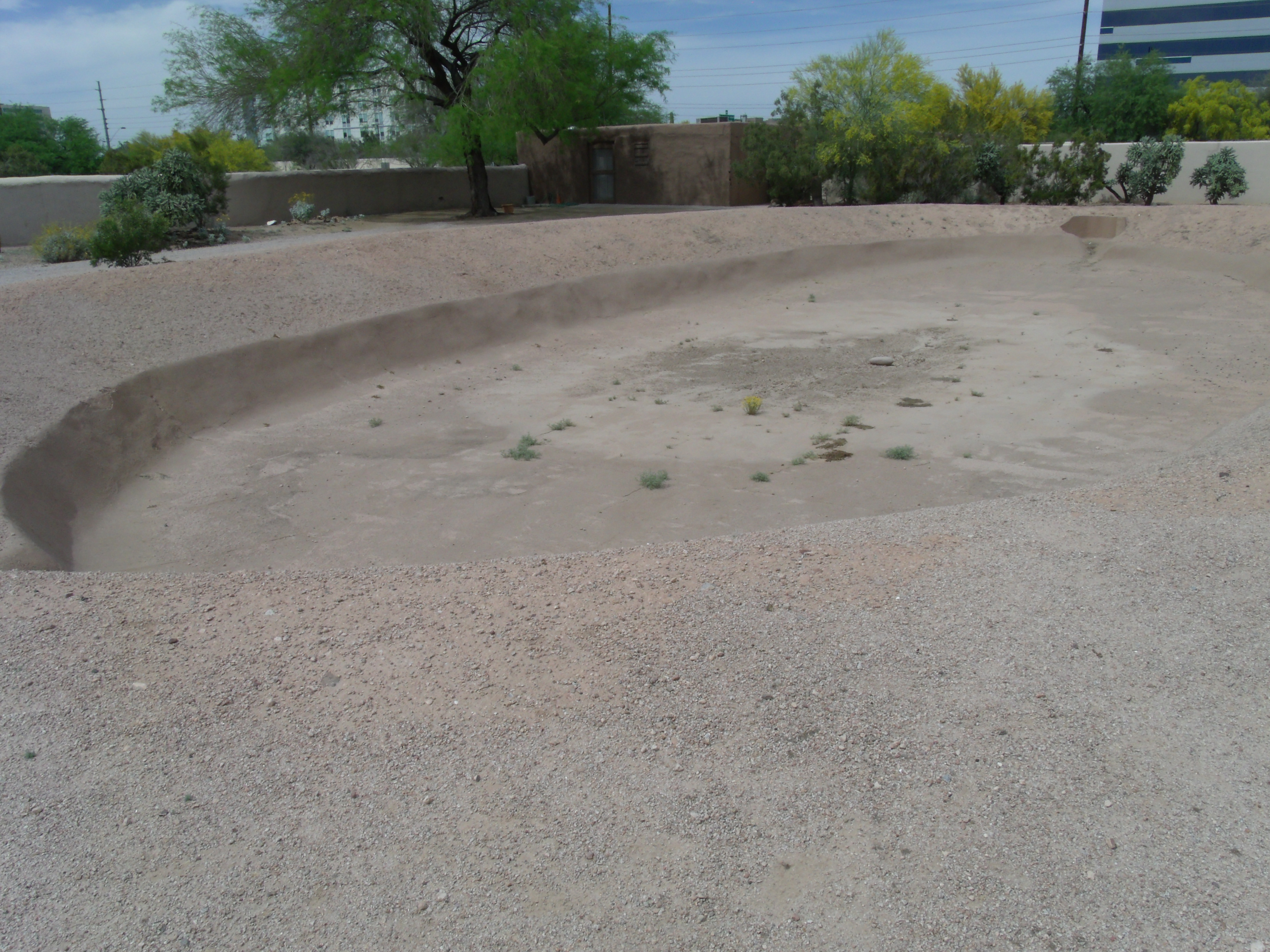
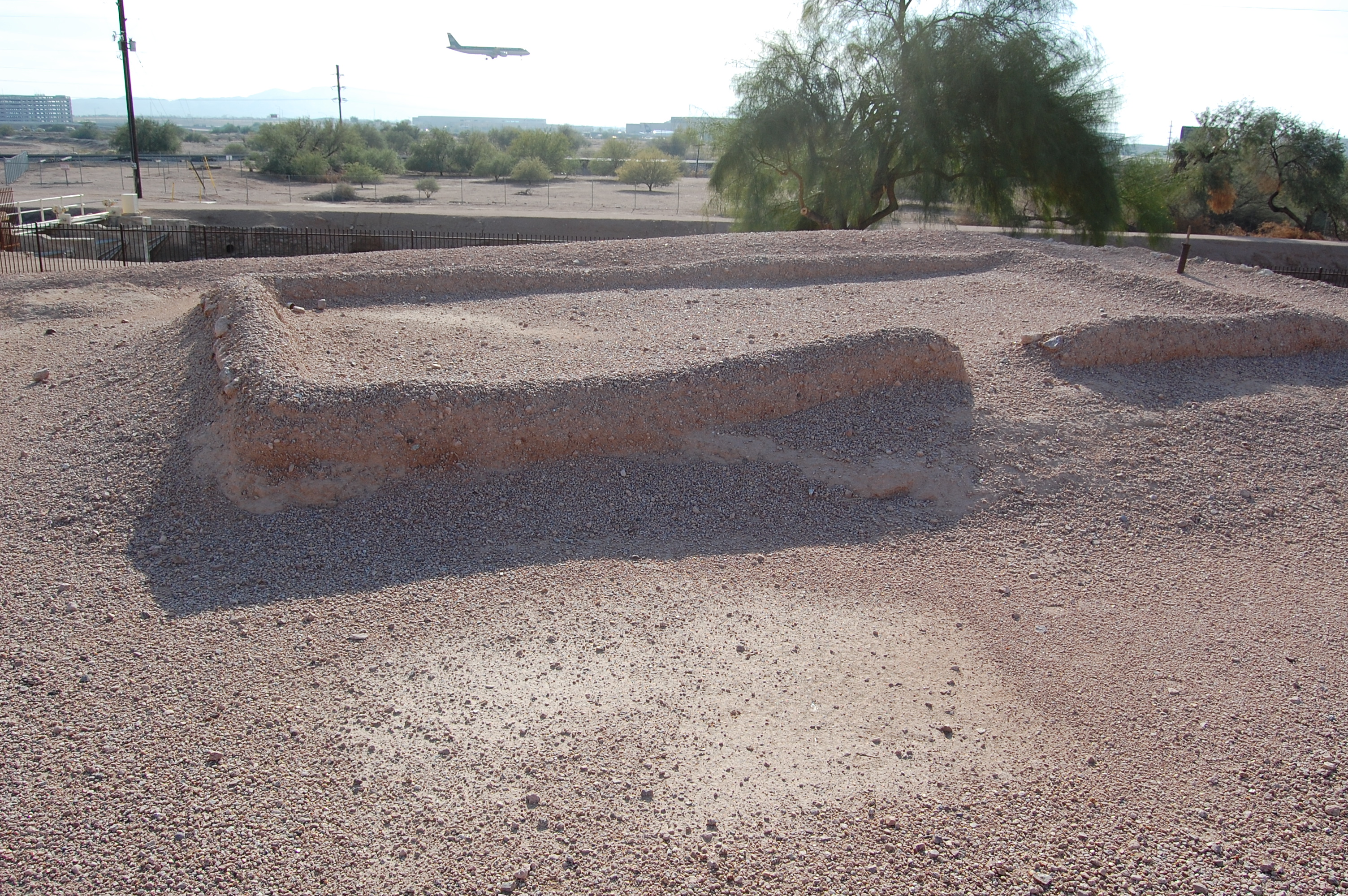
The Hohokam’s engineering prowess extended far beyond irrigation into monumental architecture. Over 200 ballcourts have been identified in the Hohokam region, with more than 30 found in the Salt River Valley alone. A ballcourt is an oval, bowl-shaped depression in the ground typically 100 feet long by 50 feet wide (although there is wide variation). They are constructed by excavating the interior of the oval and piling the dirt up in a berm around the perimeter, providing a sloping wall up to nine feet in height.
Some of the ball courts were 250 feet (76 meters) in length and 90 feet (27 meters) in width. In some instances they were dug up to 9 feet (nearly 3 meters) into the subsoil. The labor required for such construction was enormous. It would have taken vast amounts of man power to construct these courts, members of the community would have had to have been taken away from performing tasks such as hunting, gathering and farming – tasks that were vital to survival – in order to perform such intensive, long lasting labor.
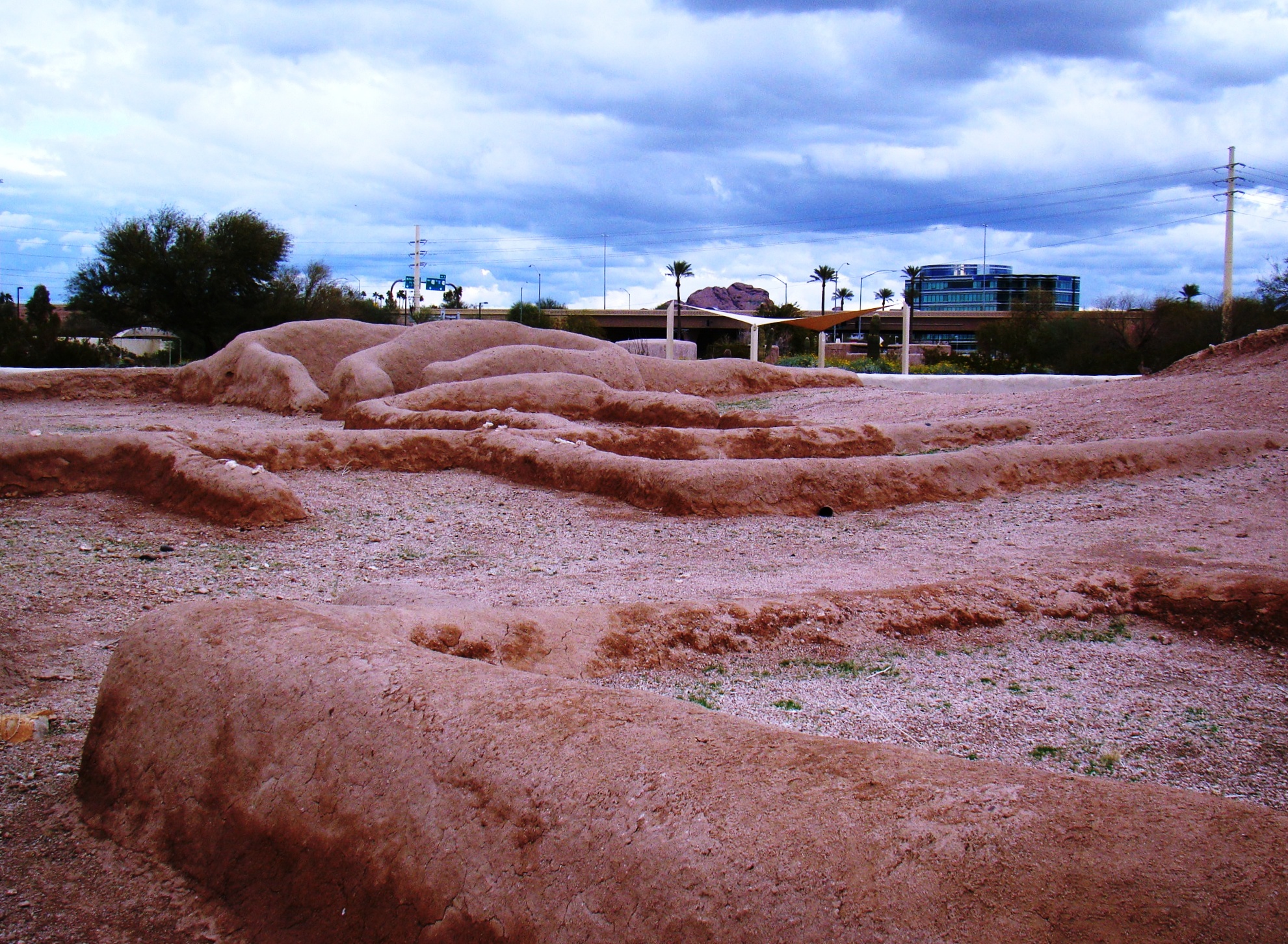
Later, the Hohokam replaced ball courts with equally impressive platform mounds. Later, the low circular mounds were replaced by much larger, rectangular “platform mounds” of earth, rock, and adobe covered with structures and courtyards built on top. This massive structure contains over 20,000 cubic meters (yards) of fill at major sites like Pueblo Grande.
Complex Social Engineering
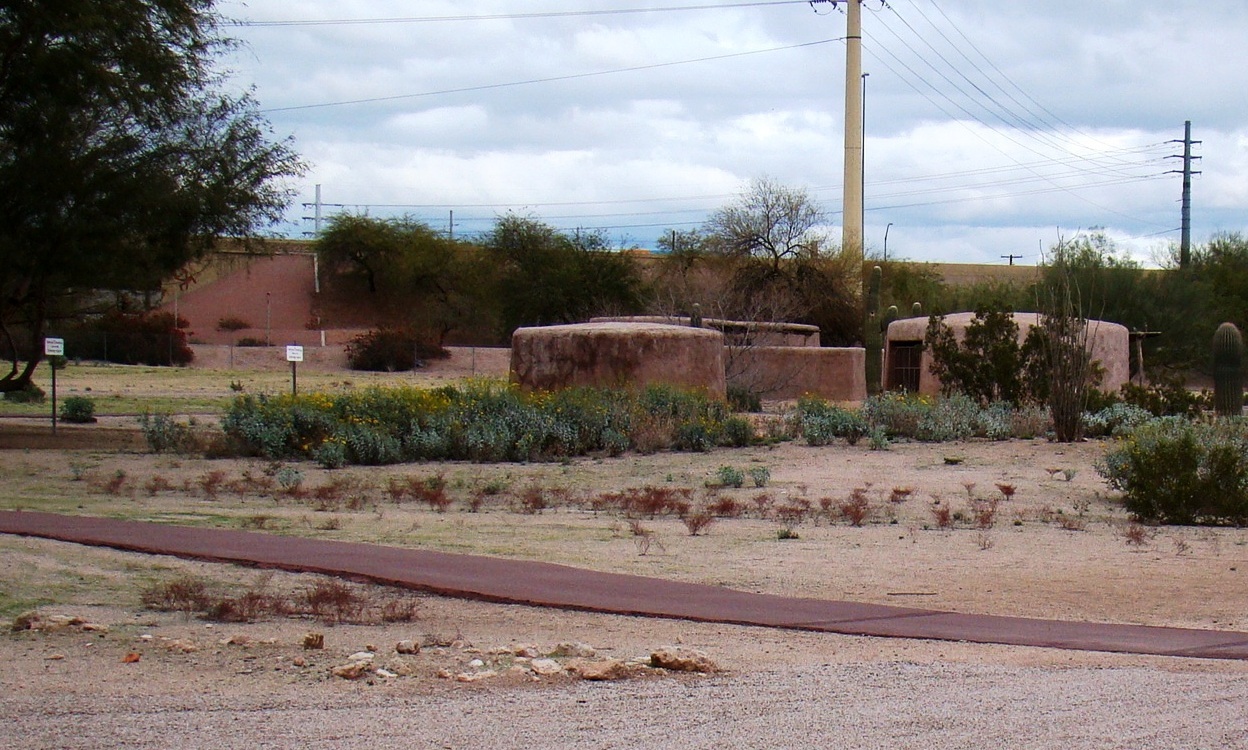
What’s perhaps most impressive about Hohokam society is how they organized thousands of people to work together on massive infrastructure projects without apparent centralized authority. The Hohokam managed to create large public works, such as their canal systems and ball courts, but there is no evidence of any ruling elites. The ball game may have integrated the communities, brought together for feasting, dancing, trade, and sport and in so doing reduced the need for social coercion and a ruling class.
Along the canals were interdependent villages whose residents shared the work of constructing, maintaining, and managing the canals. This cooperative model enabled them to maintain their extensive infrastructure for over a thousand years. Creating a stabilized canal system they transported water through minimal changes in elevation and overcame natural ebbs and flows that rivers create.
The coordination required for such projects was remarkable. While the time needed to manage irrigation effectively relates to the size of a system, the growth of Hohokam irrigation systems would have created increasing coordination issues that could have been solved by adapting management strategies only up to the point the system became too large to maintain effectively. They managed to walk this tightrope successfully for centuries.
Trade Networks and Cultural Influence
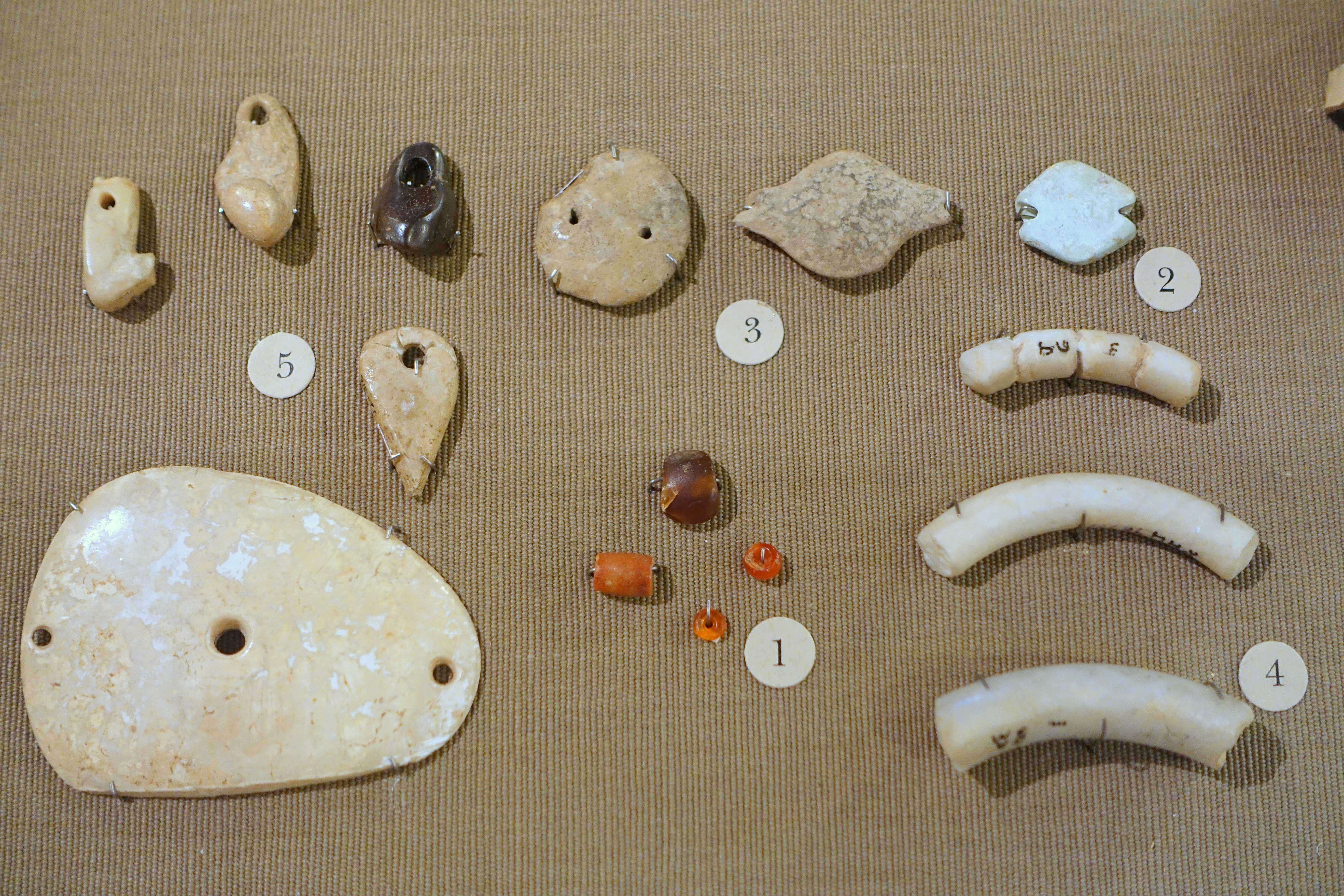
The Hohokam didn’t exist in isolation. They created extensive trade networks that connected them across vast distances. Trade occurred between the Patayan, who were situated along the Lower Colorado River and in southern California; the Trincheras of Sonora, Mexico; the Mogollon culture in Eastern Arizona; Southwest New Mexico; Northwest Chihuahua, Mexico; and the Ancestral Puebloans in Northern Arizona. From 900 to 1150 CE, neighboring Chaco society encouraged trade throughout northern Arizona and into southwest Colorado and southern Utah. These trade networks increased hand-to-hand trade throughout the region.
Evidence of their far-reaching connections includes turquoise, shells from the Gulf of California, and parrot bones from central Mexico. By 1100 CE, Hohokam cultural influence had spread to Tucson, Safford, and valleys to the east. Communities across this network shared building styles, art, and ceremonial practices. These trade relationships helped spread new ideas and technologies between different groups.
The Mysterious Disappearance
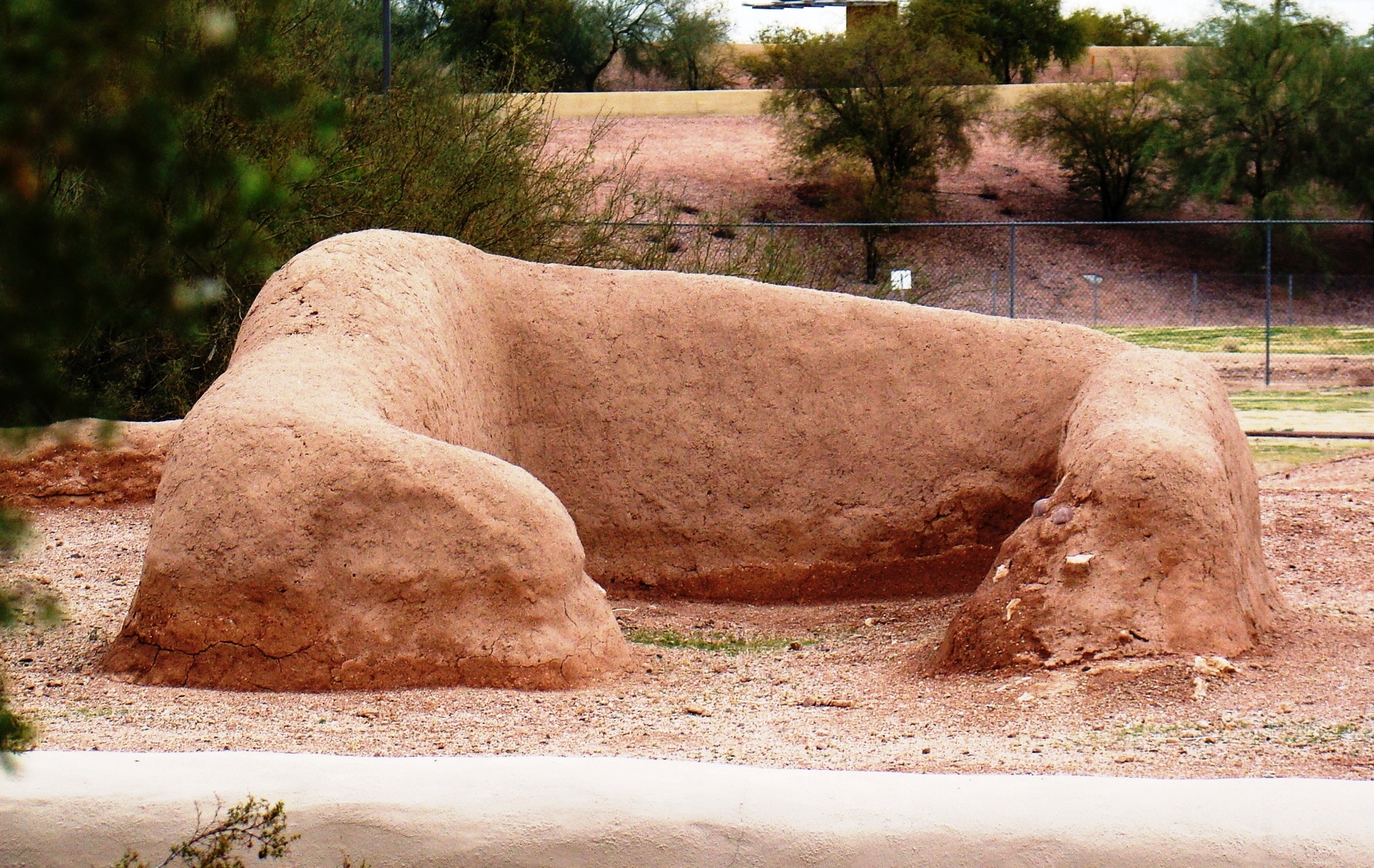
Despite their remarkable achievements, the Hohokam civilization began to decline in the fourteenth century. Sometime during the later half of the 14th century CE, the Hohokam of the Phoenix Basin entered a period of social disruption and community disintegration. There appear to be several causes including drought, flooding, and warfare. Other areas, including the Tucson Basin, were swept up in this breakdown and turmoil over the successive generations. By 1400 CE, the size of the Hohokam population had decreased dramatically.
Tragically, with numerous droughts came a decline in irrigation, which in turn caused a collapse of the already strained agricultural system. Subsequently, villages were abandoned thereby reducing human power to maintain operating canals which only further depleted food sources. As a result, the entire Hohokam economic structure descended into social chaos.
Numerous theories compete to explain the eventual disappearance of the Hohokam. Hard times resulting from soil salinization and improper irrigation, droughts, floods, war, and disease have all been suggested. However, Some even argue that the Hohokam never actually left the Sonoran Desert. This theory maintains that after leaving their villages some Hohokam remained in central Arizona. The Akimel O’odham and Tohono O’odham are thought to be descendents of these Hohokam refugees.
Legacy That Lives On
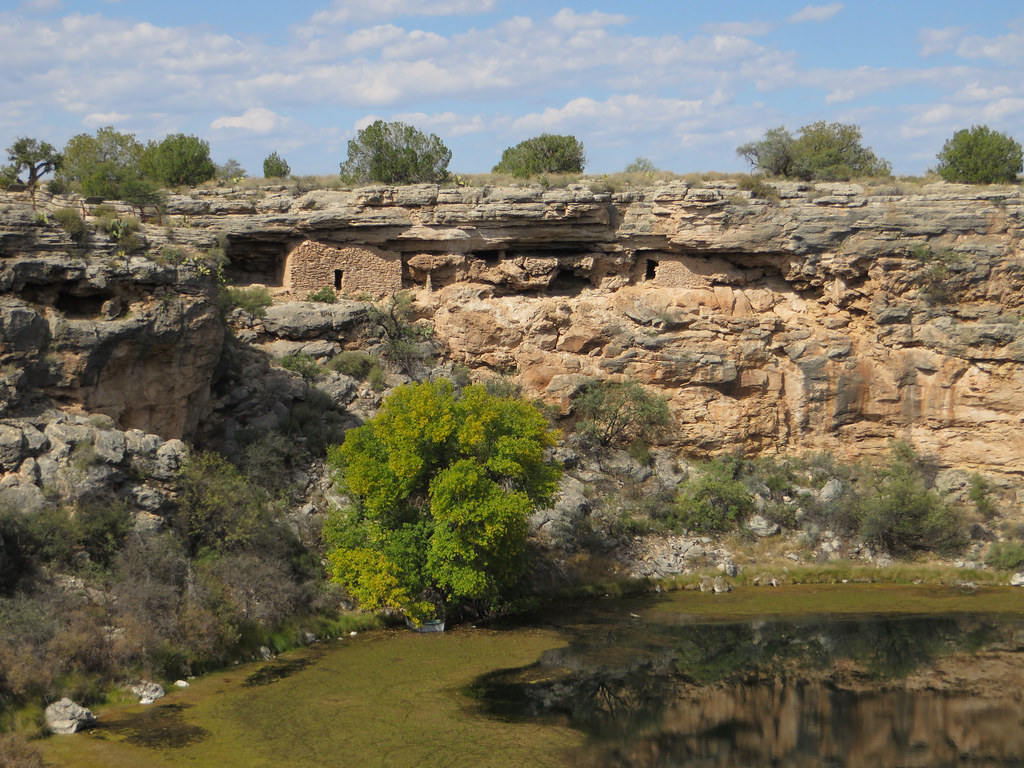
Though the Hohokam civilization ended, their engineering legacy continues to shape the American Southwest today. This network is the precursor to modern-day Arizona’s major canal system, which follows many of the original paths. Today, central Arizona’s major canal system makes use of the same ancient routes. In 1868, Jack Swilling re-established canals that led to the settlement of Phoenix – a city rising from the ruins of an earlier culture.
The Hohokam effort to build irrigation canals became the foundation of economic and urban development of Arizona. A system that once brought water to thousands is now being used to help supply the modern water needs of millions. Pima Indians, descendants of the ancient Hohokam farmers, have reclaimed their water rights and are combining traditional practices with modern technology.
The Hohokam story represents one of humanity’s greatest engineering achievements. In an environment that seemed impossible to tame, they created a civilization that thrived for over a millennium. Their innovations in irrigation, agriculture, craftsmanship, and social organization demonstrate that ancient American peoples were every bit as ingenious as their counterparts anywhere in the world. They didn’t just survive in the desert. They made it bloom. What lessons might their remarkable legacy hold for our own water-scarce future?