
The roar of engines, the endless stream of headlights, and the cold barrier of concrete—this is the reality for many neighborhoods cut in half by highways. It’s a shocking truth that a single stretch of road can change the fate of entire communities, dividing families, erasing local history, and shaping the very air people breathe. Imagine a city interrupted, where neighbors on opposite sides of the same street lead dramatically different lives simply because of a decision made decades ago. The scars left behind aren’t just physical—they echo in the health, wealth, and spirit of a city’s most vulnerable people. The story of the highway that split a city isn’t just about roads and ramps. It’s a story of environmental justice, power, and the fight for fairness in urban planning.
How Highways Became Urban Dividers
In the mid-20th century, cities across the world embarked on a frenzy of highway construction. Urban planners promised these new roads would bring progress and prosperity. But beneath the surface, another story unfolded. Highways often sliced through the hearts of thriving neighborhoods, especially those home to low-income families and communities of color. The reasoning seemed logical at first—choose the cheapest land with the least political resistance. Yet, this “logic” left deep wounds. Instead of connecting people, highways became walls, dividing cities and segregating communities. These decisions were rarely accidental; they were shaped by politics, prejudice, and power.
The Human Cost: Displacement and Loss
The construction of highways didn’t just change city maps—it uprooted lives. Families were forced to leave homes they’d built over generations. Schools, churches, and small businesses disappeared almost overnight. For many, the sense of loss went beyond bricks and mortar; it meant the erasure of culture, memory, and belonging. Imagine growing up on a tree-lined street, only to see it replaced by a six-lane highway. The trauma of displacement lingers, manifesting as broken communities and lost opportunities. This isn’t ancient history—it’s a reality that still echoes in many cities today.
Environmental Justice: Who Bears the Burden?
Environmental justice asks a powerful question: Who pays the price for progress? In cities split by highways, the answer is often painfully clear. The loudest traffic, dirtiest air, and most dangerous crossings are found in neighborhoods with the least power. These communities face higher rates of asthma, heart disease, and stress. The noise never stops, and green spaces vanish beneath asphalt. It’s a cruel irony that those who benefit least from highways often bear their greatest burdens. The fight for environmental justice is about ensuring that everyone—regardless of income or race—has the right to a healthy, safe, and connected neighborhood.
The Science of Pollution and Health Impacts
Highways are more than just roads—they’re sources of invisible danger. Scientific studies reveal that people living near busy highways are exposed to higher levels of air pollution, especially fine particles from vehicle exhaust. These tiny pollutants can slip deep into lungs and even enter the bloodstream, triggering asthma, increasing heart attack risks, and shortening lifespans. Children and the elderly are particularly vulnerable. The constant noise from traffic isn’t just annoying; it can lead to chronic stress, disrupt sleep, and even affect learning in nearby schools. The science is clear: proximity to highways can be hazardous to health.
Economic Inequality on Either Side
The story of the highway is also a story of wealth and poverty. Properties near highways often lose value, trapping families in homes they can’t sell while wealthier neighborhoods thrive elsewhere. Small businesses struggle with fewer customers and more pollution, while investment flows away to more “desirable” areas. Over time, these economic divides deepen, making it harder for affected communities to recover or improve their neighborhoods. It’s a cruel cycle: the very infrastructure meant to stimulate growth often leaves some neighborhoods behind, reinforcing economic and racial segregation.
Nature Lost: The Disappearance of Urban Green Spaces
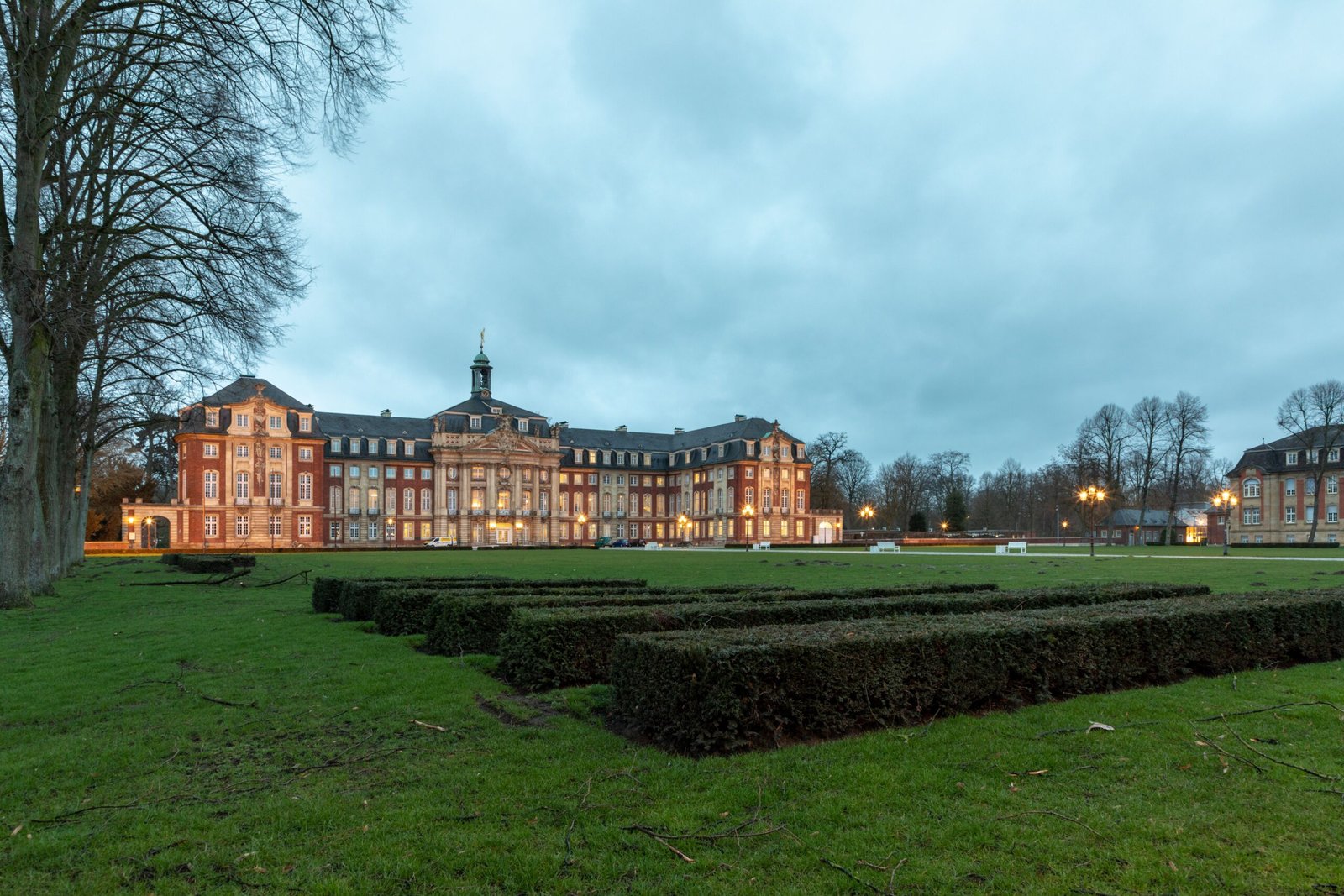
Before highways, many neighborhoods boasted parks, gardens, and even small forests. The arrival of concrete meant the loss of precious green spaces. Trees that once cooled streets and filtered air were cut down, replaced by heat-absorbing asphalt. The result? Urban “heat islands” where temperatures soar, making life uncomfortable and even dangerous during heatwaves. The loss of nature isn’t just aesthetic—it affects mental health, childhood development, and community bonds. Cities become less livable, especially for those already struggling with economic and health challenges.
Case Study: The Highway That Changed a City Forever
Consider the story of a once-thriving downtown neighborhood forever split by a new expressway. Residents watched as bulldozers demolished homes, businesses, and landmarks. What was once a vibrant community became two isolated halves, with little interaction between them. Over time, crime increased, schools closed, and hope faded. This pattern is repeated in cities around the world, from Detroit to Sydney. The highway didn’t just change traffic patterns—it changed lives, and the wound remains visible on city maps even decades later.
Resistance and the Power of Community
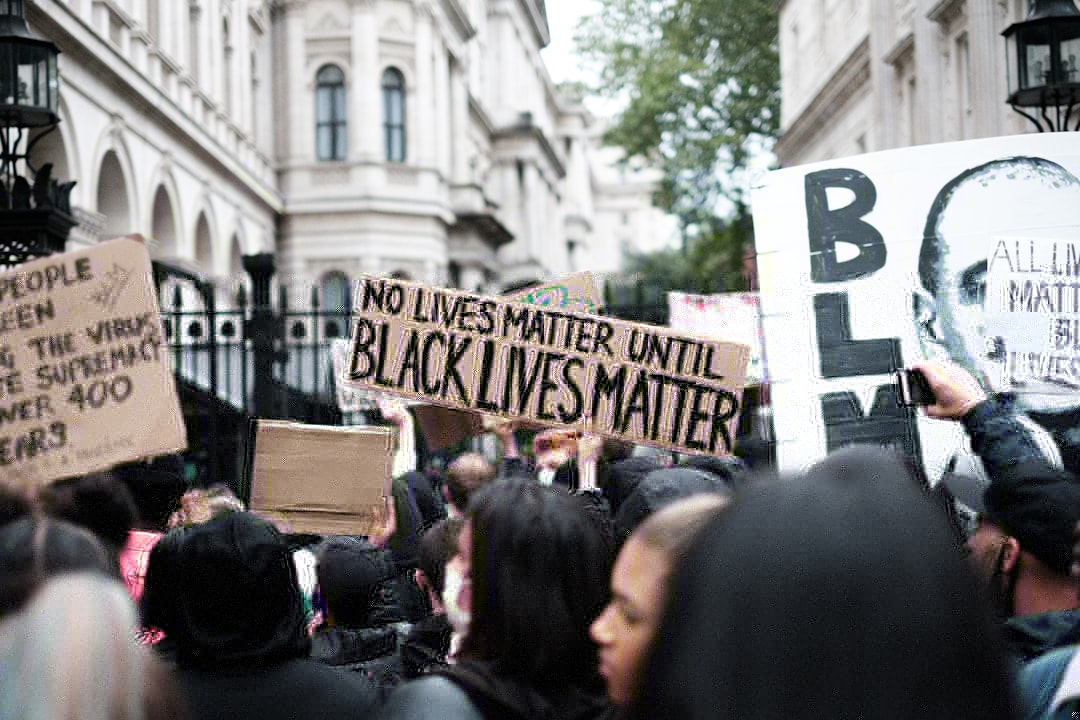
Communities haven’t always accepted these changes quietly. Throughout history, people have organized protests, filed lawsuits, and demanded their voices be heard. Grassroots movements have fought to stop highways, reroute roads, or reclaim lost spaces. Some cities have seen remarkable victories, with highways removed or transformed into parks and boulevards. These stories are powerful reminders that ordinary people—when united—can shape the future of their neighborhoods. The struggle for environmental justice is ongoing, fueled by hope, resilience, and the belief in a better tomorrow.
Rethinking Urban Planning: Lessons for the Future
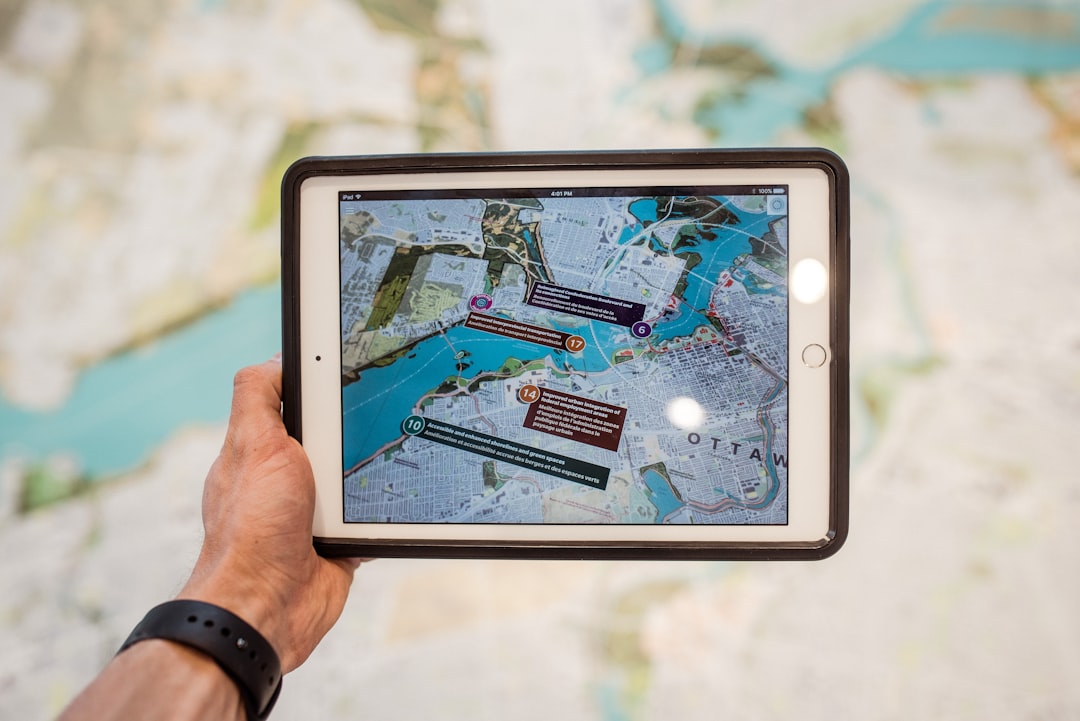
Urban planning is evolving. City leaders and planners are finally listening to the lessons of the past, recognizing the harm caused by thoughtless highway construction. New approaches emphasize public transit, walkable neighborhoods, and the restoration of green spaces. Planners are involving communities in decision-making, ensuring that the voices of those most affected are heard. The goal is to build cities where progress doesn’t mean sacrifice, and where everyone can share in the benefits of development. It’s a challenging journey, but one filled with promise.
The Road to Healing: Repairing Divided Cities
Repairing the damage done by highways isn’t easy, but it’s possible. Some cities are tearing down old expressways, reconnecting neighborhoods, and restoring parks and playgrounds. Others are building “caps” over highways, creating green roofs and community spaces where only noise and pollution once existed. These efforts require vision, investment, and the willingness to confront uncomfortable truths. Healing a city’s wounds takes time, but each step forward brings hope and the possibility of a more just, united, and vibrant urban future.
The tale of the highway that split a city isn’t just about roads—it’s about people, justice, and the choices we make as communities. What kind of city do you want to live in?