
Most of life on Earth is invisible. While we fuss over forests, animals, and cities, a vast universe of microscopic life is quietly running the show in the background, shaping the air we breathe, the food we eat, and even the way we feel. Once you notice microbes, you can’t unsee them: they’re everywhere, doing almost everything.
I still remember the first time I looked at pond water under a school microscope and realized it was crowded with tiny, swirling creatures. It felt both magical and a little unsettling, like discovering there was a hidden city living inside a drop. That feeling never really goes away once you start to understand microbes: a mix of awe, respect, and just enough fear to keep you washing your hands.
The Invisible Majority: Microbes Outnumber Us in Every Way
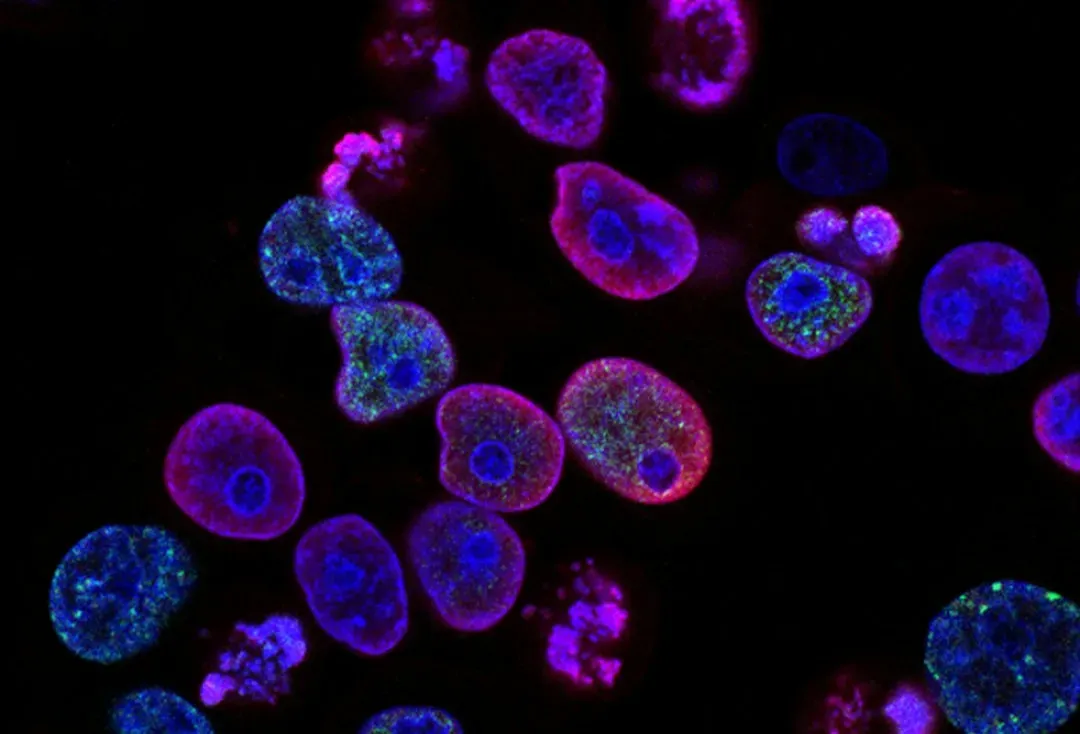
Imagine emptying the oceans, scraping off the soil, and taking apart every plant and animal until only microbes are left. There would still be an enormous amount of life on Earth, because microbes make up a huge share of the planet’s total living mass. Trillions of them live on and inside your body alone, and that’s just one human in a crowd of billions.
On a global scale, the number of microbial cells is almost impossible to truly picture. There are bacteria and other microbes in the deepest ocean trenches, in Antarctic ice, high in the atmosphere, and several kilometers beneath the ground. If aliens studied Earth from far away and could only measure total cell counts, they might reasonably conclude that this is a planet owned and operated by microbes, with humans as a small side project.
Tiny Engineers of the Atmosphere and Climate
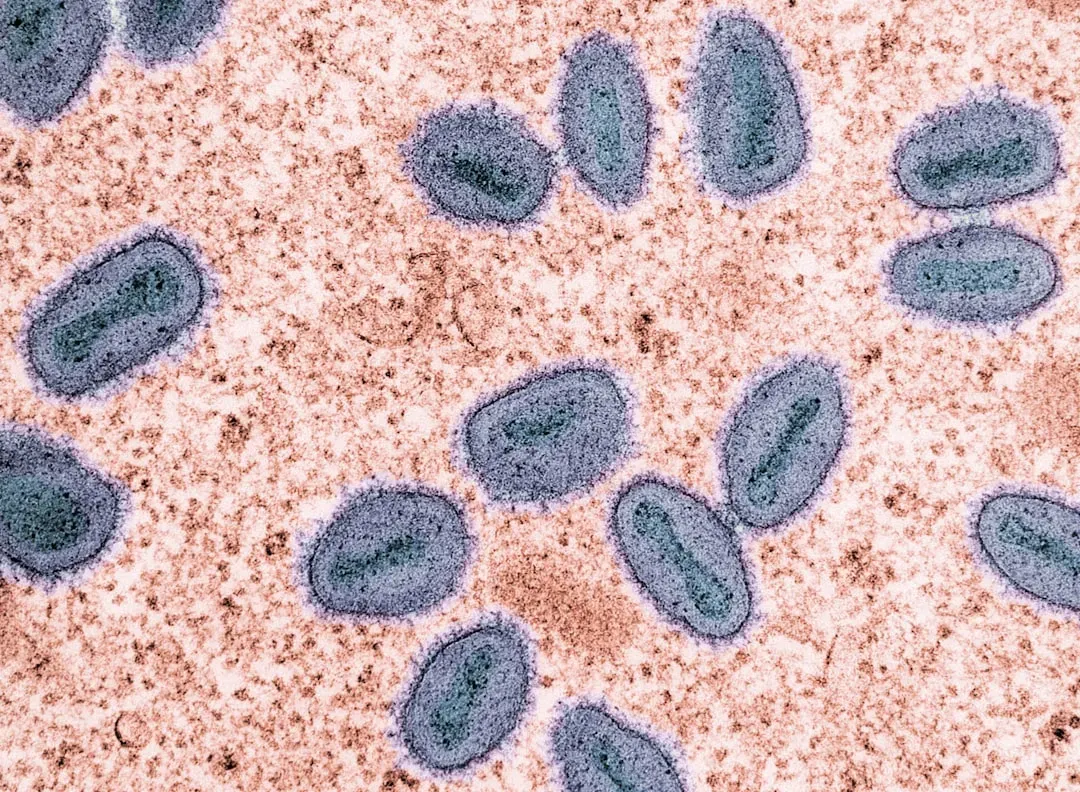
The air you’re breathing right now has been shaped by microbes for billions of years. Early microscopic organisms learned how to harvest energy from sunlight and release oxygen as a waste product, slowly transforming Earth’s atmosphere from toxic to breathable. Without those ancient microbes, there would be no forests, no animals, and definitely no people.
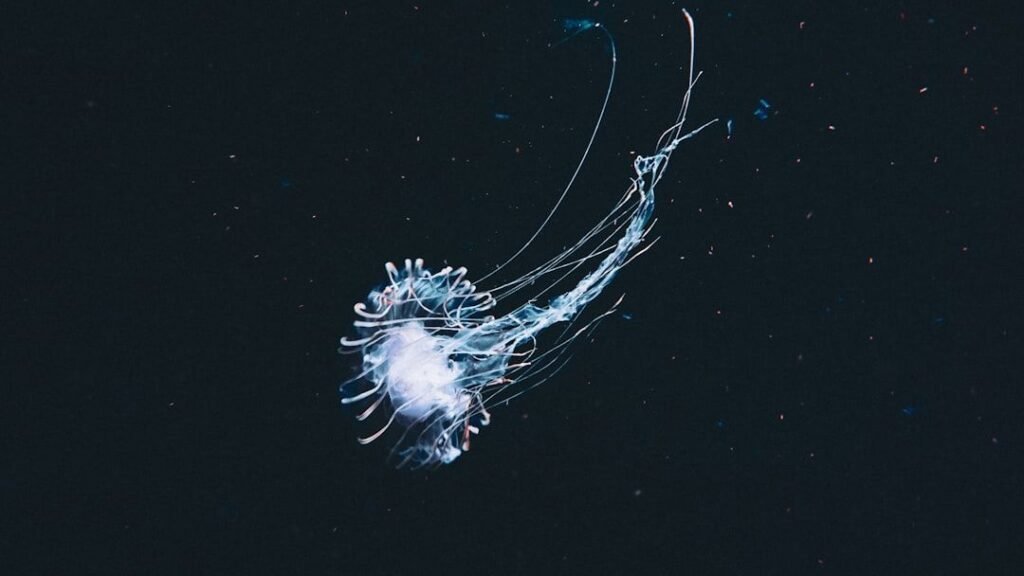
Even today, microscopic plankton in the oceans help regulate the climate by taking in carbon dioxide and releasing oxygen. Other microbes influence cloud formation, break down greenhouse gases, or produce them in wetlands and thawing permafrost. In a way, they’re like countless tiny thermostats scattered across the planet, quietly nudging Earth’s climate in one direction or another while we obsess over thermostats on our living room walls.
Masters of Recycling: Decomposers and Nutrient Cyclers
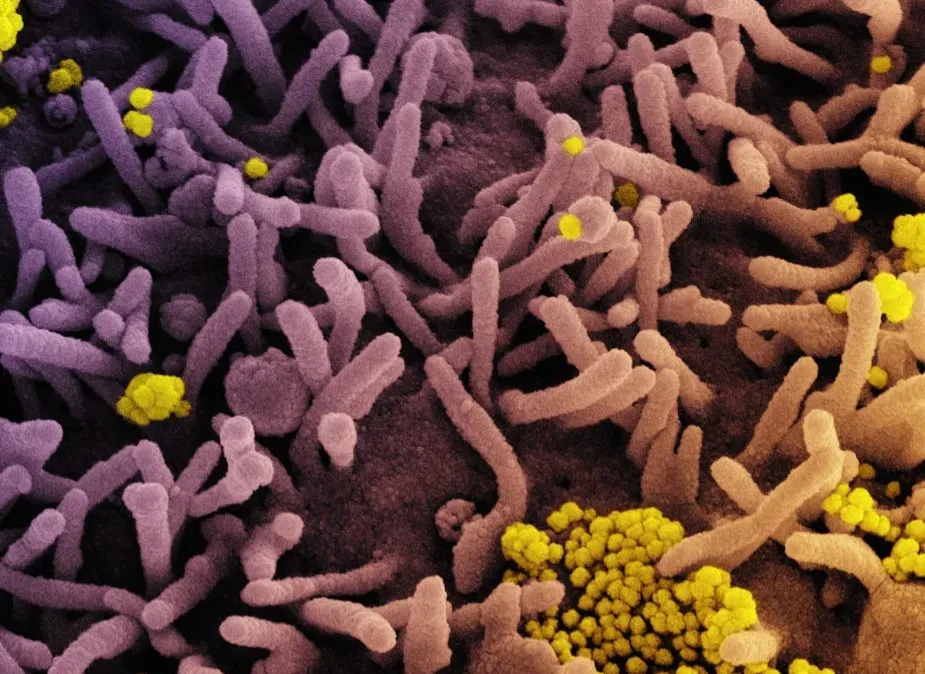
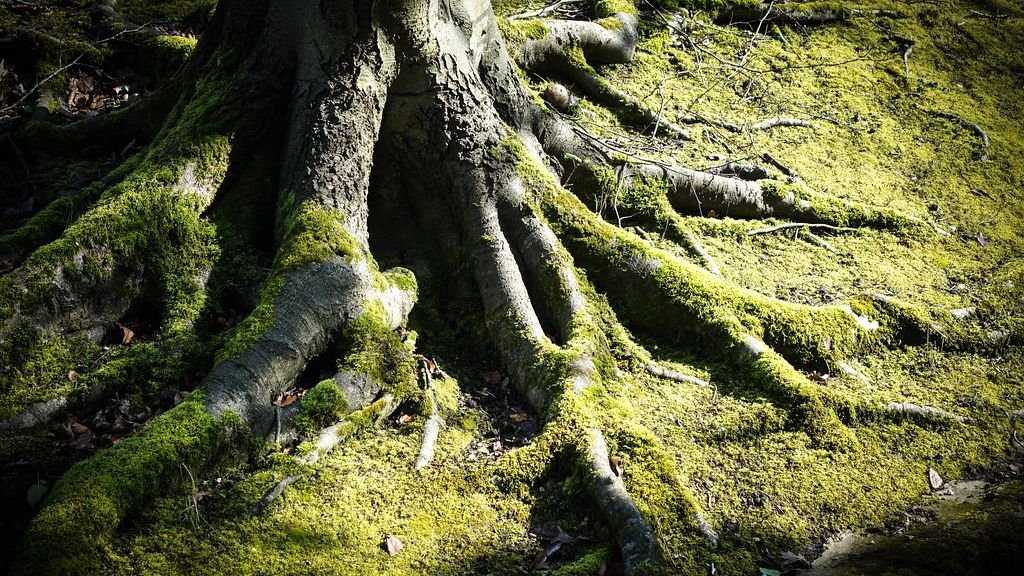
If microbes suddenly stopped working, the world would quickly drown in dead plants and animals. Bacteria and fungi are the planet’s main decomposers, breaking down everything from fallen leaves to dead whales and turning them back into nutrients that other organisms can use. They’re the ultimate clean-up crew, handling the jobs no one else wants.
These microscopic recyclers also drive key nutrient cycles for elements like nitrogen, sulfur, and phosphorus, shuttling them between air, soil, water, and living things. Some bacteria pull nitrogen from the air and convert it into forms that plants can use, which then feed everything up the food chain. Every green field, every forest, every garden owes its existence to a busy underground workforce you’ll probably never see, but absolutely depend on.
Our Inner Ecosystem: The Human Microbiome
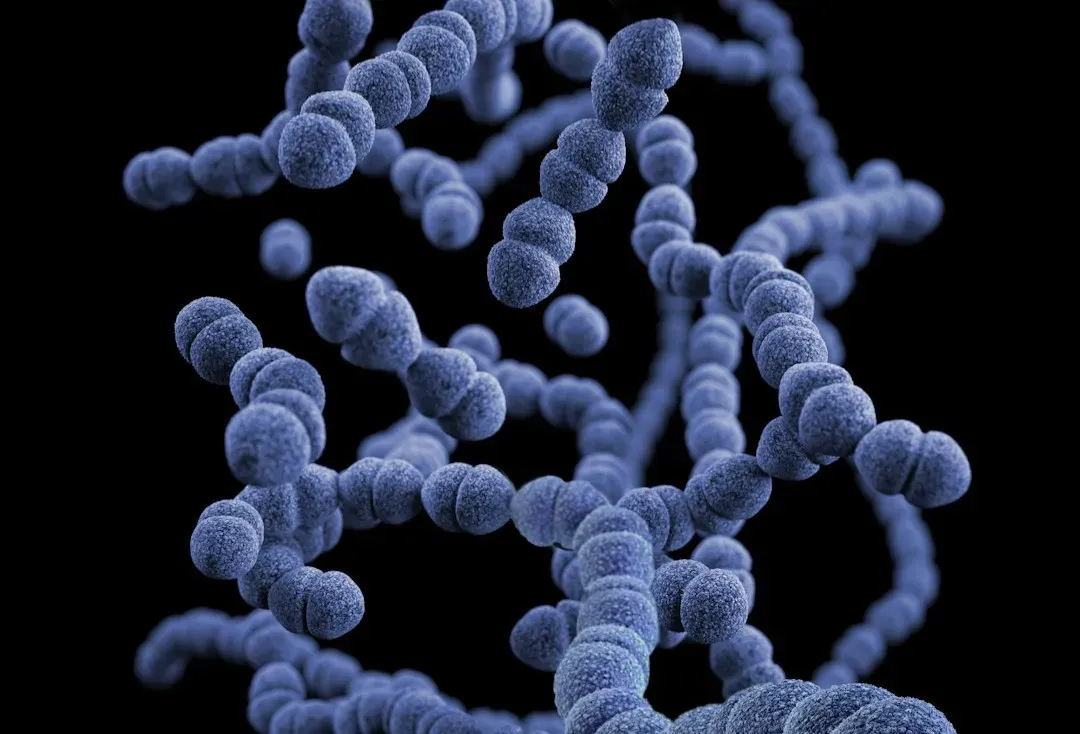
Right now, there are more microbial cells on and inside you than there are human cells in your body. Your skin, mouth, lungs, and especially your gut are home to complex communities of bacteria, fungi, and other microbes collectively called your microbiome. It’s like having a microscopic rainforest living inside you, complete with competition, cooperation, and constant change.
These microbes help digest food, produce vitamins, and train your immune system not to overreact to harmless things. Research over the last couple of decades has also linked the gut microbiome to mood, weight, and even how some medications work. When people talk about “trusting your gut,” it’s almost funny to realize that part of what they’re trusting is a swirling community of tiny organisms that are, in a very real sense, roommates rather than guests.
Microbial Heroes in Medicine and Biotechnology
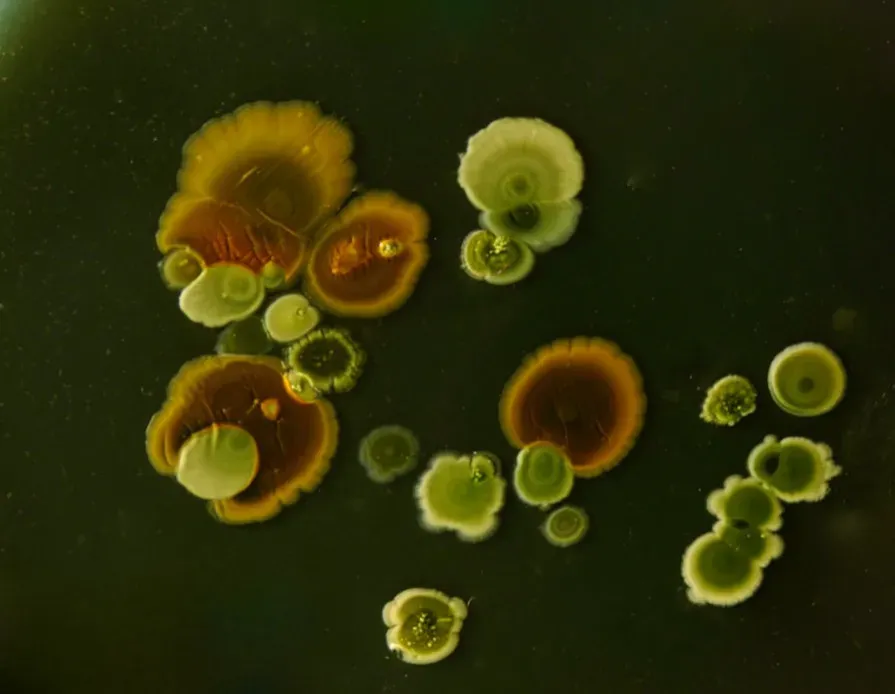
Many of the medicines we rely on today started out as microbial defense strategies. The first widely used antibiotic, penicillin, came from a mold that naturally produced chemicals to keep bacteria at bay. Since then, scientists have discovered numerous drugs from microbes, including some used in cancer treatment, organ transplantation, and managing infections that were once fatal.
In biotechnology, microbes are basically tiny factories that can be programmed to do useful work. They’re used to produce insulin, vaccines, enzymes used in detergents, and even some biofuels. Newer techniques like gene editing allow scientists to redesign microbial cells so they can break down plastic, capture carbon, or produce materials that could replace petroleum-based products. It’s weirdly humbling to realize that some of our most advanced technologies ride on the backs of life forms we used to dismiss as germs.
The Dark Side: Pathogens and Pandemics
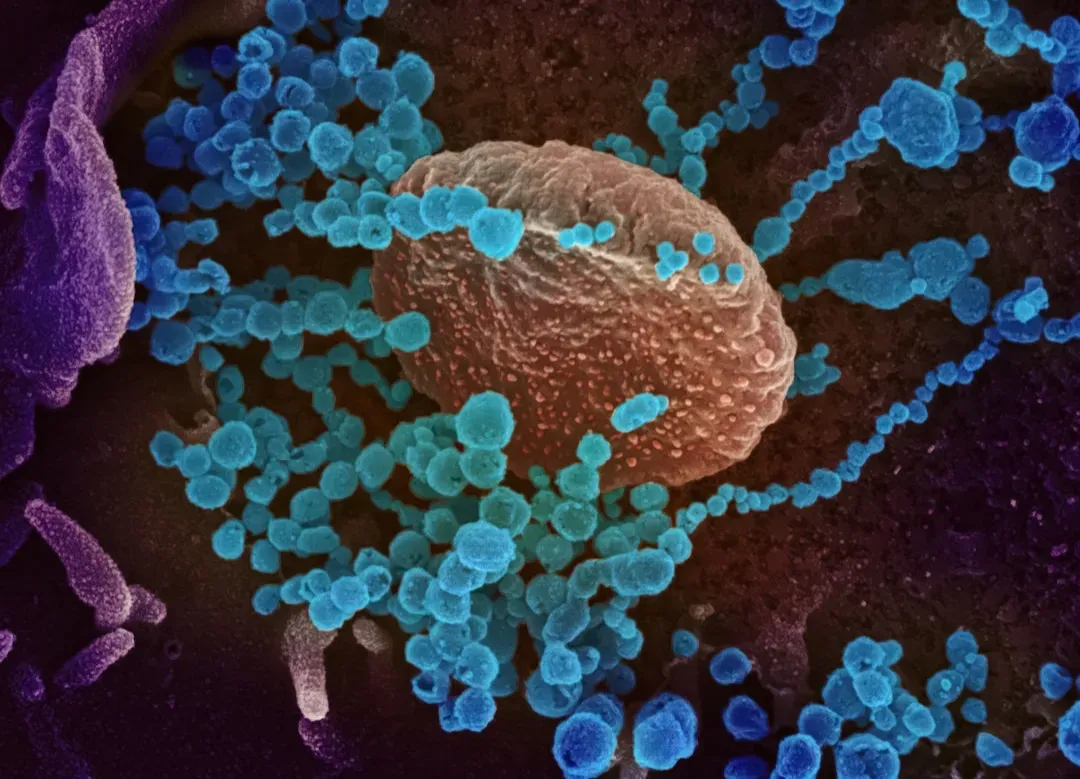
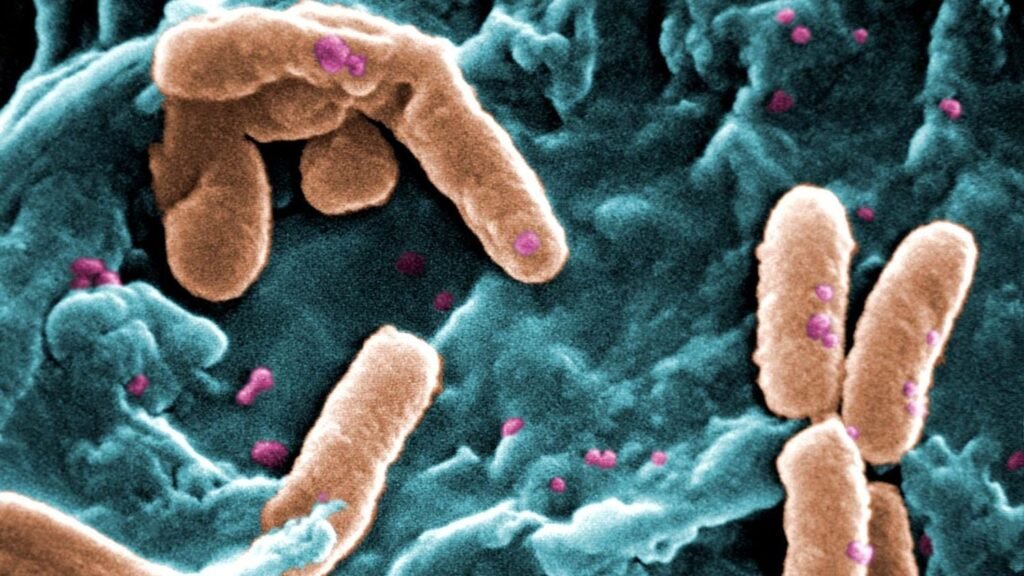
Of course, microbes aren’t all friendly. A small fraction of them can cause disease, and those are the ones that have shaped a surprising amount of human history. Plague, cholera, tuberculosis, malaria, influenza, and many other illnesses are caused by bacteria, viruses, or other microscopic agents that spread quickly and often invisibly. The recent global pandemic reminded everyone how something too small to see can bring entire societies to a halt.
What makes pathogens especially unsettling is how stealthy they are. You can breathe them in, touch a surface, or eat contaminated food without any warning sign, only feeling the impact days later. Yet even among disease-causing microbes, the picture is complicated: some live harmlessly with us until something shifts in our bodies or our environment. In a twisted way, it’s like sharing a house with billions of neighbors, most of them peaceful, a few dangerous, and constantly needing to negotiate the rules of co-existence.
Microbes in Food: From Rot to Culinary Magic

Left unchecked, microbes can make food rot, smell awful, and become dangerous to eat. But when humans learned to harness specific microbes, the story changed dramatically. Bread, cheese, yogurt, sauerkraut, kimchi, soy sauce, beer, and wine all exist because microbes ferment sugars, proteins, and fats into new flavors and textures. What could have been waste or spoilage became delicacies and staples.
Fermentation doesn’t just change taste; it can preserve food and sometimes make nutrients easier to absorb. In many cultures, fermented foods are part of everyday meals, providing both flavor and a dose of living microbes that may support gut health. It’s funny to think that some of the world’s most beloved comfort foods owe their existence to controlled microbial activity, while the exact same kinds of organisms can ruin dinner if they get the upper hand.
Extreme Survivors: Life in the Harshest Places
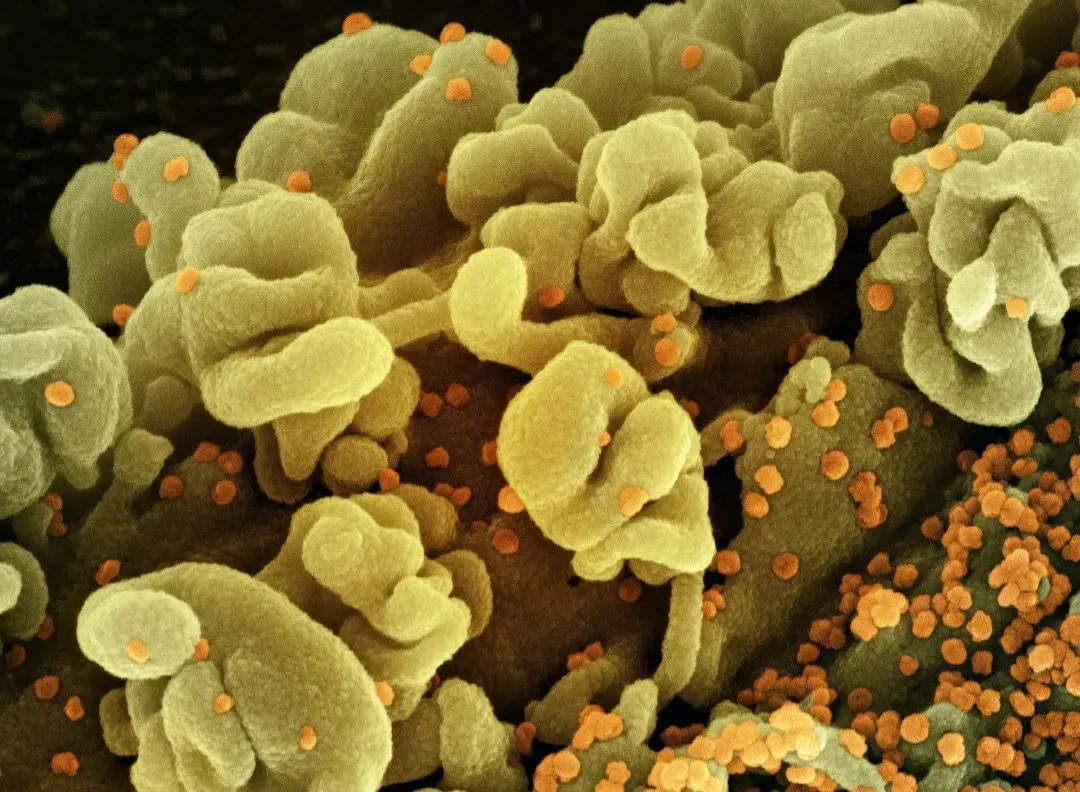
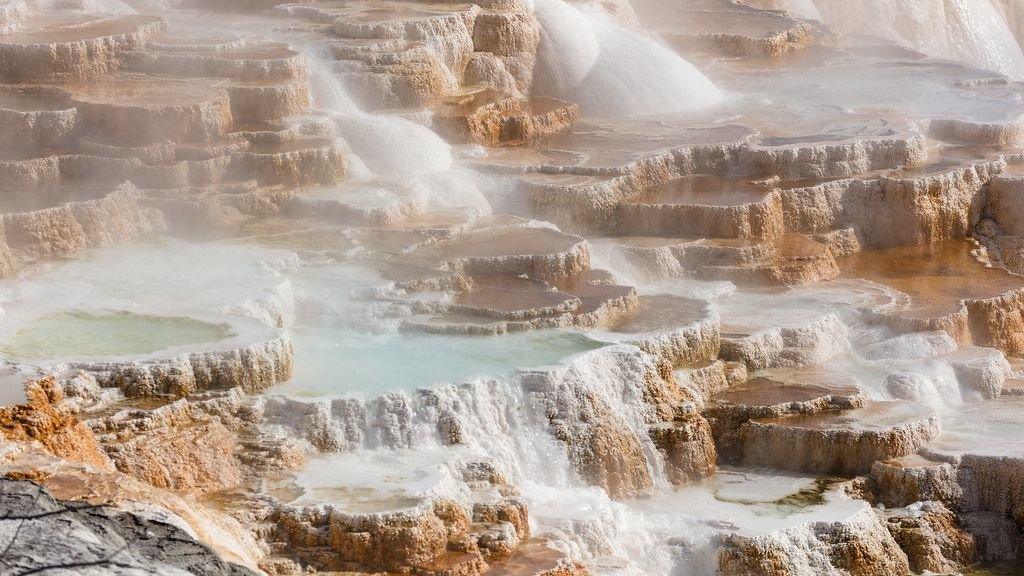
Some microbes live in conditions that would kill almost any other form of life. There are bacteria in hot springs that are hotter than the boiling point of water at sea level, microbes thriving in salty lakes where normal fish would shrivel, and others in acidic pools strong enough to dissolve metal. These so-called extremophiles have evolved special proteins and membranes that keep them stable where most life falls apart.
Scientists study these resilient organisms not just because they’re fascinating, but because they may hold clues to life on other planets or moons. If microbes can survive in deep rock, under Antarctic ice, or around deep-sea vents, then maybe similar life could exist in hidden oceans on moons like Europa or Enceladus. Extremophiles also produce enzymes that work in harsh conditions, which can be useful in industrial processes where ordinary biological molecules would fail. They’re proof that life is much more inventive and stubborn than we once imagined.
Microbes in Technology, Energy, and Environmental Cleanup
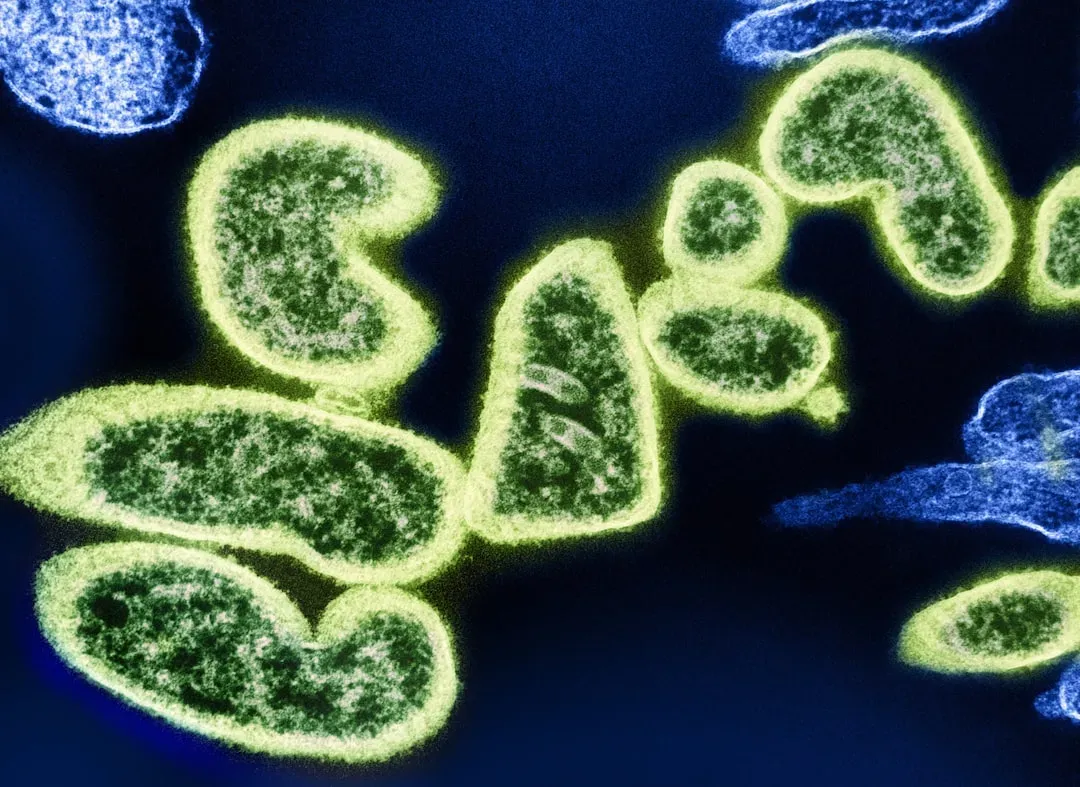
Microbes are increasingly being recruited to help solve environmental problems we created. Certain bacteria can break down oil after spills, digest toxic chemicals in contaminated soil, or help clean wastewater in treatment plants. Instead of trying to fight pollution with only machines and chemicals, engineers now routinely design systems that rely on microbial communities to do much of the heavy lifting.
In energy, microbes are used to produce biogas from organic waste, turning garbage and sewage into usable fuel. Some research teams are exploring microbial fuel cells that generate electricity directly from the metabolic activities of bacteria. There’s even work on using engineered microbes to capture carbon dioxide more efficiently, potentially helping to reduce the impact of human-driven emissions. It’s as if we’ve started to realize that on a planet run by microbes, it makes sense to hire the real experts.
Redefining “Us”: Living with, Not Against, Microbes
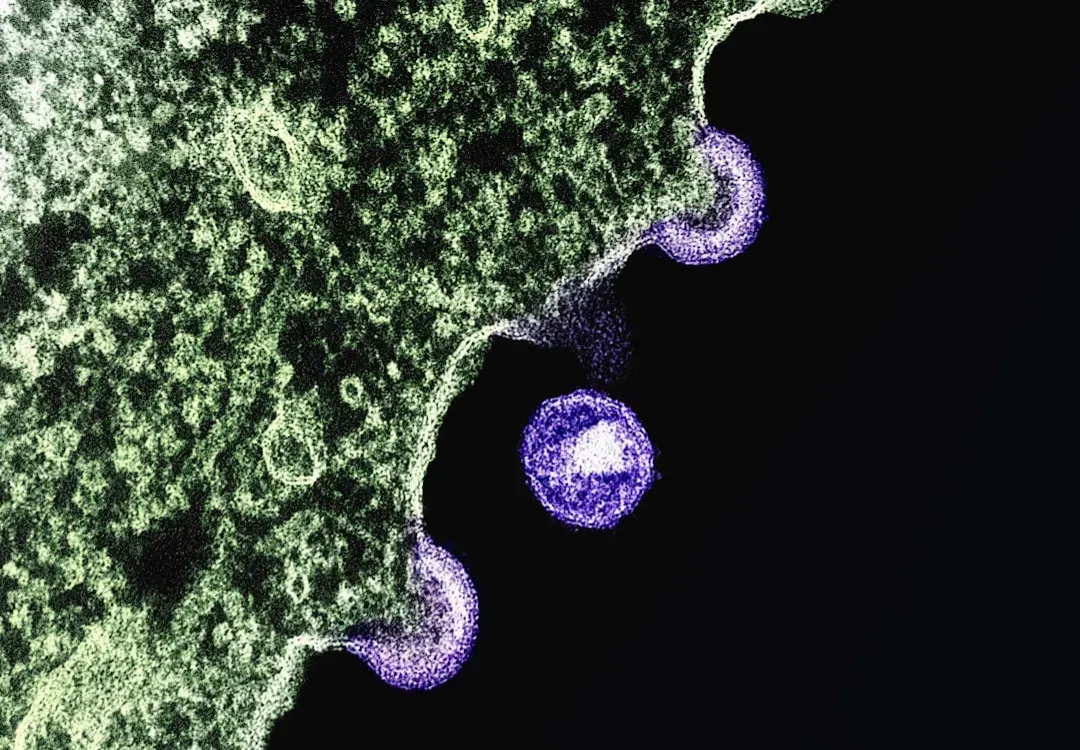
For a long time, a lot of public messaging treated all microbes as enemies to be wiped out with disinfectants, antibiotics, and endless sanitizing. While hygiene and infection control are obviously crucial, that mindset misses the bigger truth: we are not separate from the microbial world. We are part of it, shaped by it, and utterly dependent on it for survival. Trying to live in a completely sterile bubble is not only impossible, it’s also unhealthy and out of step with how life on Earth actually works.
A more realistic and healthier approach is learning how to balance protection from pathogens with respect for beneficial microbes. That means using antibiotics carefully, supporting soil and ocean health, and recognizing that our own microbiomes are ecosystems to be tended, not enemies to be scorched. When you zoom out, humans start to look less like rulers of the planet and more like one thread in a vast microbial tapestry. Maybe the real question is not how much we control microbes, but how wisely we choose to live alongside them.
Conclusion: Seeing the World Through a Microbial Lens
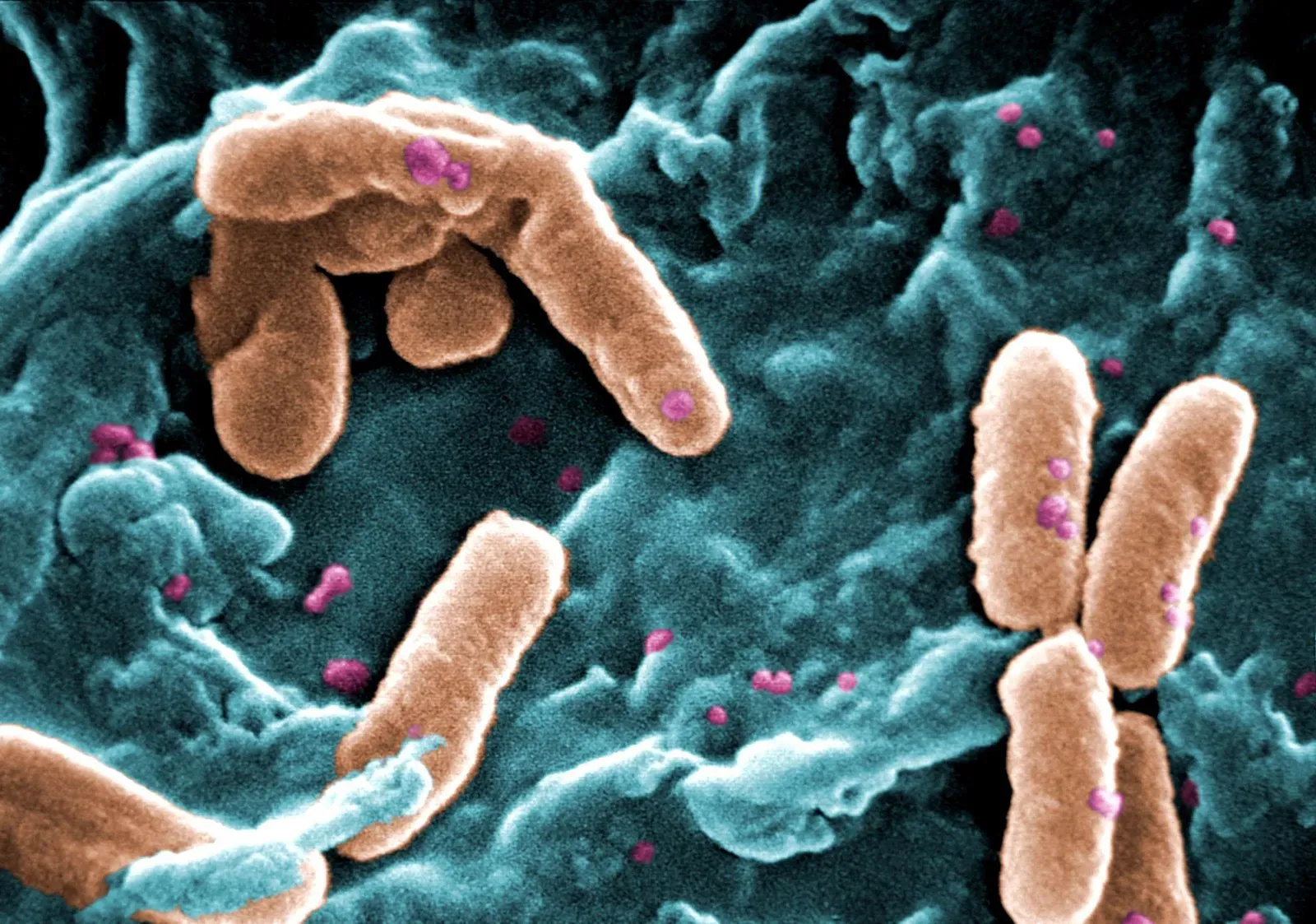
Once you realize that microbes rule our planet, everything looks different. The air feels less empty, the soil under your feet seems more alive, and even a spoonful of yogurt or a patch of mold on bread tells a story of invisible chemistry and evolution. These tiny organisms shape climate, recycle life’s raw materials, help keep our bodies running, and sometimes bring us to our knees with disease.
Microbes are not just background noise in the story of life on Earth; they are the main characters, and we are supporting cast. Learning to understand and respect them might be one of the smartest things we can do for our health, our environment, and our future. The next time you wash your hands, eat fermented food, or walk through a forest, will you think differently about the invisible billions all around you?