
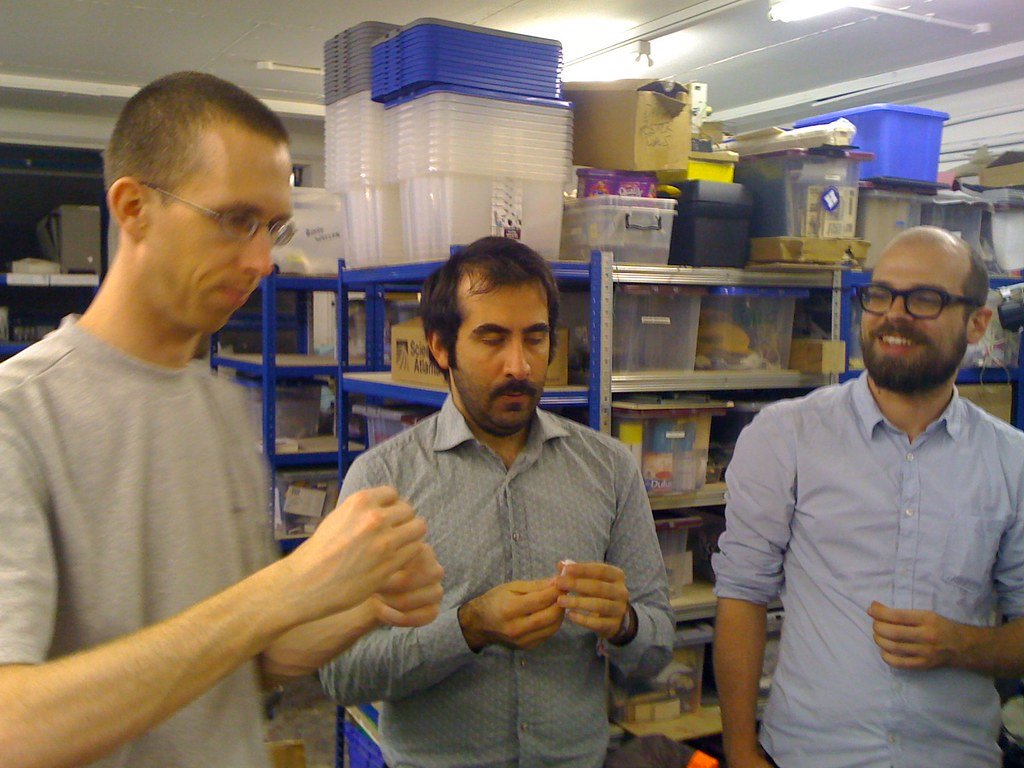

In the quiet corners of basements and garages, a revolution is brewing. These are not the usual places you’d expect cutting-edge science to take place, yet the biohacker movement is proving that innovation does not need a traditional laboratory. Biohackers are individuals who experiment with biology, often using DIY methods to push the boundaries of science. They are driven by curiosity and a desire to democratize science, making it accessible to everyone. Imagine a world where scientific discovery is not confined to the ivory towers of academia but is a communal activity, much like a neighborhood cookout. This is the world biohackers are striving to create, and it is as exciting as it is unconventional.
The Birth of a Movement
The biohacking movement began with the simple idea that anyone should be able to understand and manipulate biology. It emerged in the early 2000s, as advancements in technology made it possible for amateur scientists to access the tools and knowledge once reserved for professionals. Computers that fit into the palm of your hand and affordable lab equipment have empowered individuals to conduct experiments previously deemed too complex for non-experts. This democratization of science has attracted a diverse group of enthusiasts, from software engineers to artists, all eager to explore the mysteries of life.
DIY Biology: Science for the People
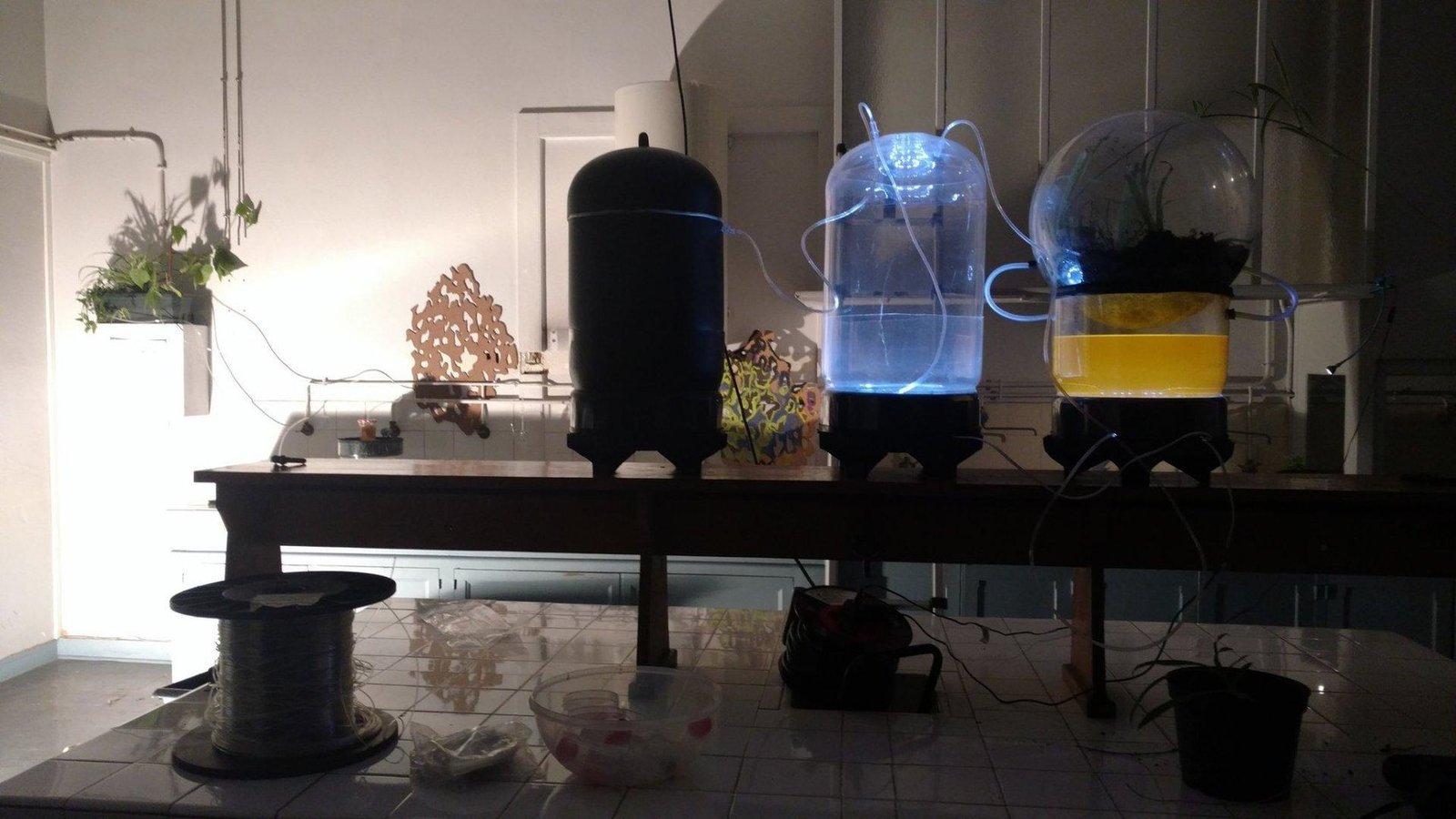
At the heart of biohacking is the DIY biology movement, which encourages citizen scientists to engage in hands-on experimentation. These DIY biologists often work outside of traditional institutions, conducting experiments in home labs or community spaces. This approach not only makes science more accessible but also encourages creativity and innovation. Imagine a tinkerer with a passion for biology, using kitchen tools to extract DNA from strawberries. This kind of experimentation is not only about discovery but also about learning through doing and sharing knowledge with others.
Tools of the Trade: Affordable Innovation

Biohackers use a variety of tools and techniques to conduct their experiments. Many of these tools are repurposed or homemade, reflecting the resourcefulness and ingenuity of the community. For example, a PCR machine, essential for amplifying DNA, can cost thousands of dollars. However, biohackers have developed open-source versions that can be built for a fraction of the cost. This spirit of innovation extends to other areas as well, with biohackers often collaborating to create new tools and share their designs freely with the world.
Genetic Engineering: A Brave New World
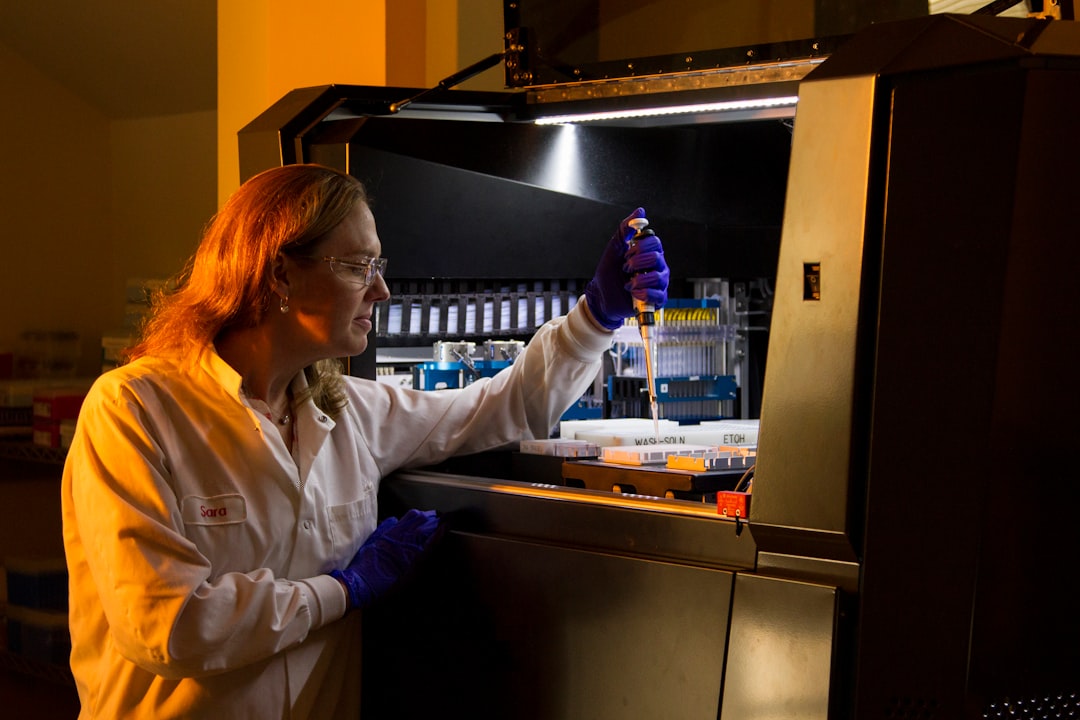
One of the most exciting areas of biohacking is genetic engineering. Biohackers are experimenting with CRISPR, a revolutionary gene-editing technology that allows for precise modifications to DNA. This technology has the potential to cure genetic diseases, improve crop yields, and even create entirely new organisms. Biohackers are exploring these possibilities, often working on projects that would be considered too risky or unconventional for traditional labs. The ability to edit genes outside of institutional constraints has opened up a world of possibilities, and biohackers are at the forefront of this brave new world.
Ethical Considerations: Navigating Uncharted Waters

With great power comes great responsibility, and biohackers are keenly aware of the ethical implications of their work. The ability to manipulate life at a genetic level raises important questions about safety, consent, and the potential for unintended consequences. Biohackers are actively engaging in discussions about these issues, often creating their own ethical guidelines to ensure their work benefits society. This self-regulation is crucial, as the line between innovation and misuse can be thin, especially when dealing with the fundamental building blocks of life.
Biohacking and Health: A Personal Revolution
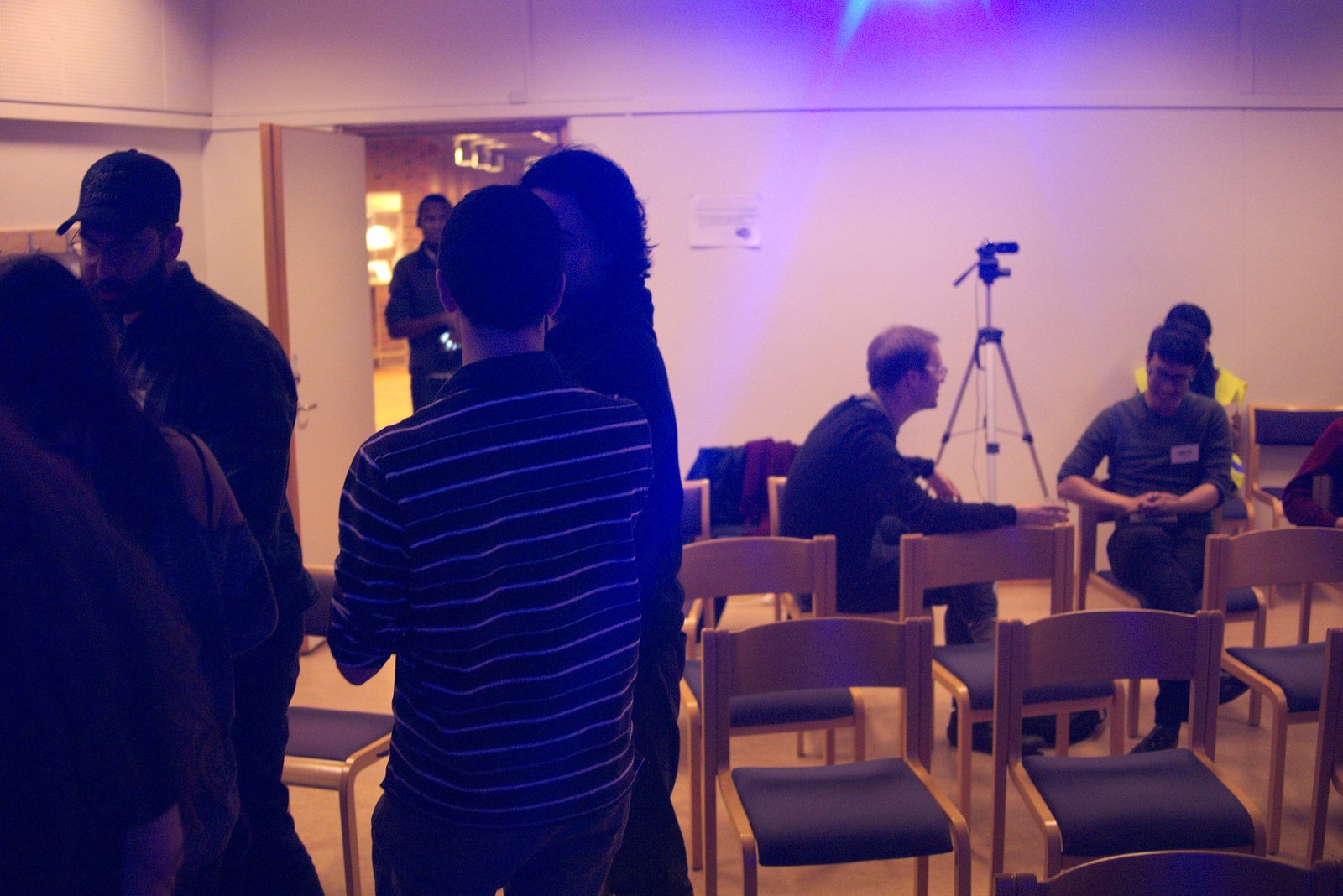
Beyond genetic engineering, biohackers are also exploring ways to enhance human health and performance. This aspect of biohacking often involves experimenting with diets, supplements, and technologies to optimize physical and mental well-being. Known as “body hacking,” this practice aims to push the boundaries of human potential. For instance, some biohackers experiment with intermittent fasting or nootropic supplements to improve cognitive function. These personal experiments reflect a growing interest in taking control of one’s own biology and health.
Community and Collaboration: A Global Network
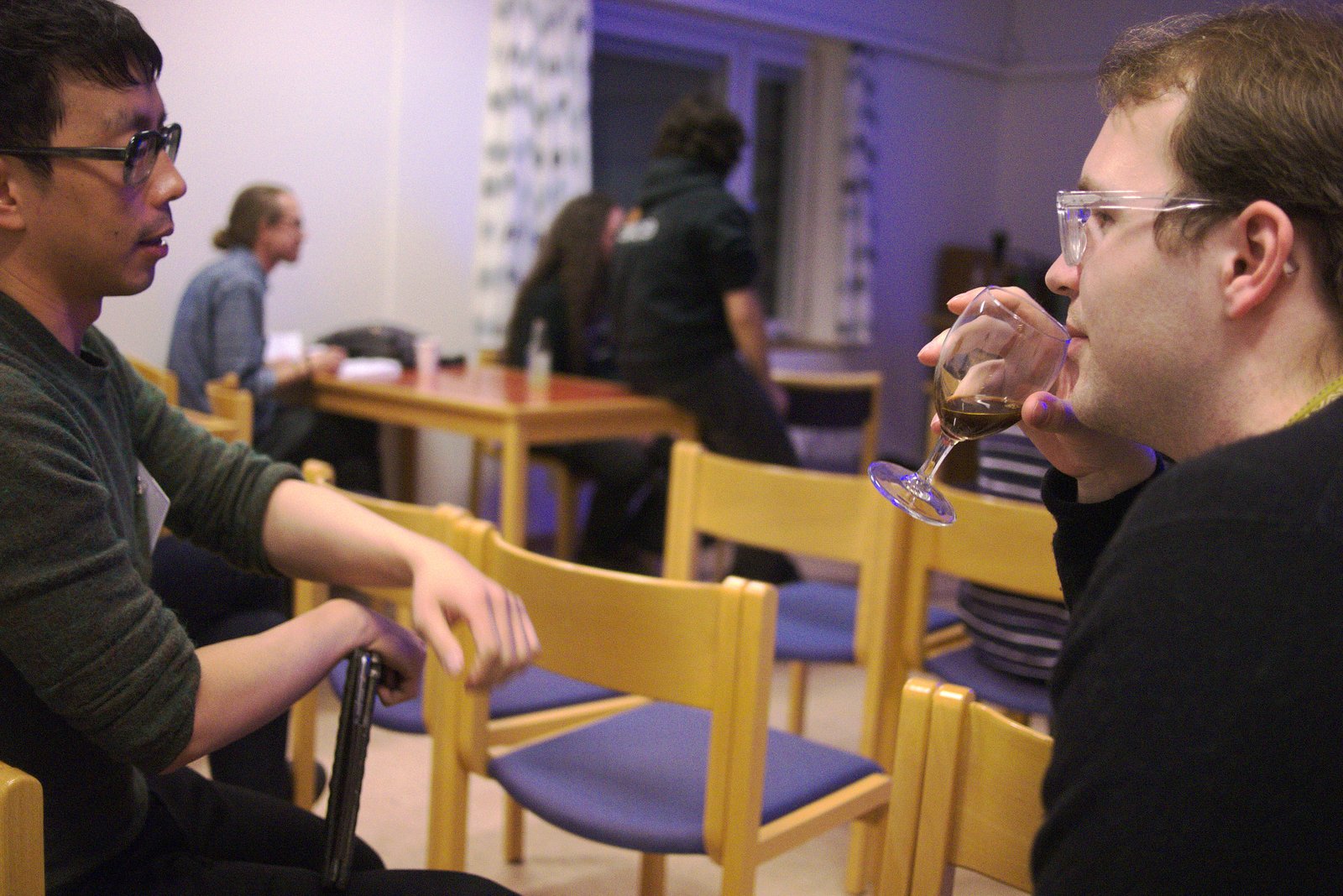
The biohacking community is a diverse and interconnected network of individuals who share a passion for science and discovery. Online forums, meetups, and collaborative projects provide opportunities for biohackers to share their findings and learn from one another. This sense of community is a key aspect of the movement, fostering a spirit of collaboration and support. Biohackers often work together on projects, pooling resources and expertise to tackle complex challenges. This collaborative approach is one of the movement’s greatest strengths, enabling rapid innovation and the sharing of knowledge.
Challenges and Criticisms: The Road Ahead
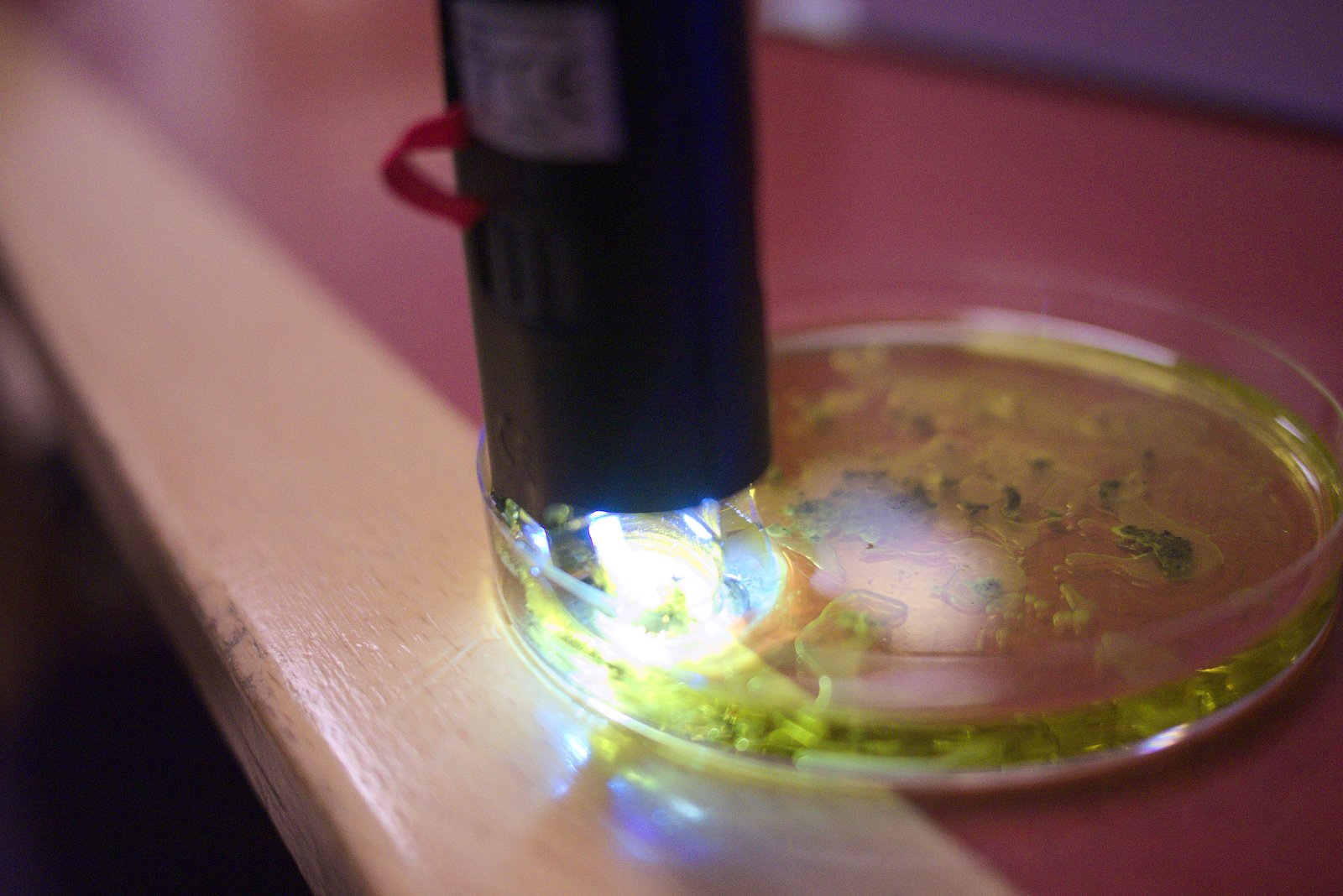
Despite its many successes, the biohacking movement is not without its challenges. Critics argue that the lack of regulation and oversight could lead to dangerous or unethical practices. There are also concerns about the potential for biohackers to inadvertently create harmful organisms or disrupt ecosystems. These criticisms highlight the need for ongoing dialogue and collaboration between biohackers, policymakers, and the public. By addressing these concerns, the movement can continue to grow and thrive, contributing to scientific progress in a responsible and ethical manner.
The Future of Biohacking: Shaping Tomorrow

As technology continues to advance, the potential for biohacking to transform science and society is immense. The movement is poised to play a significant role in shaping the future of biology, driving innovation and democratizing access to scientific knowledge. By embracing a spirit of curiosity and collaboration, biohackers are rewriting the rules of biology, creating a world where anyone can be a scientist. As we look to the future, the possibilities for discovery and innovation are limitless, and the biohacking community is ready to lead the way.
Conclusion: Embracing the Unknown
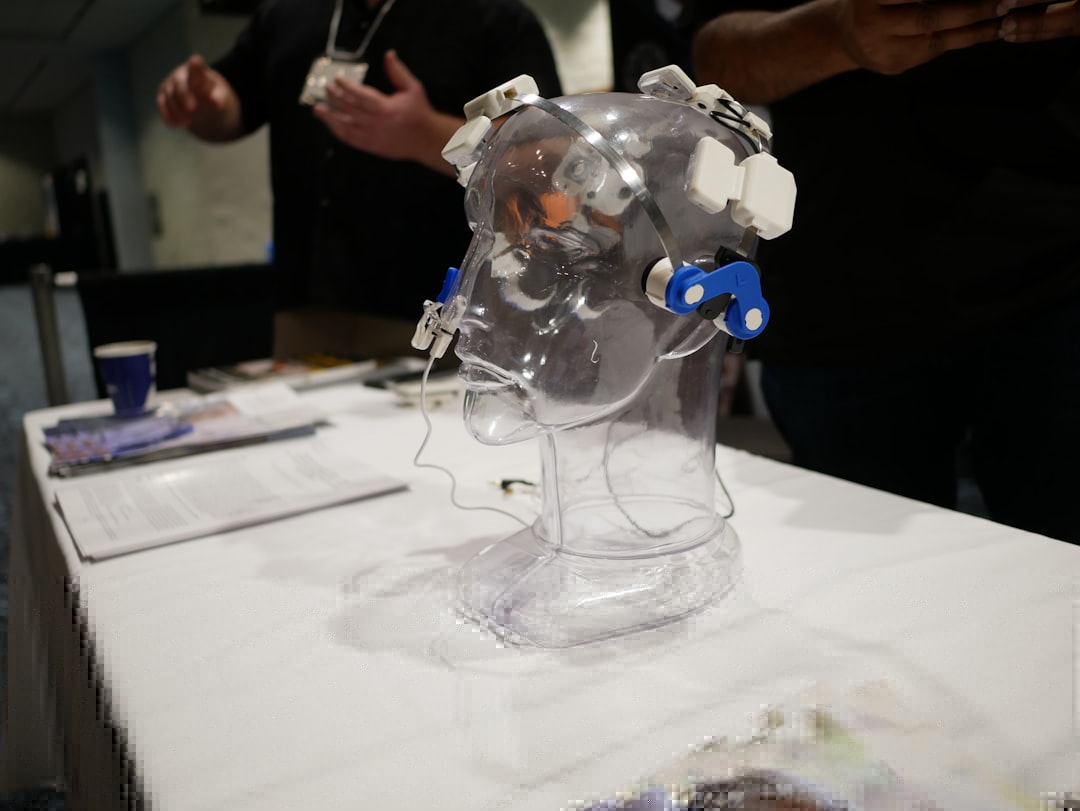
The hidden world of biohackers is a fascinating and ever-evolving landscape, where DIY scientists are challenging conventions and exploring the unknown. Their work is a testament to the power of curiosity and the human spirit’s drive to understand and shape the world around us. As biohackers continue to push the boundaries of what is possible, they remind us that science is not just the domain of experts but a field open to all who dare to dream and experiment. The journey of discovery is just beginning, and the future holds endless possibilities for those willing to embrace the unknown.


