

Everyone knows, at least in theory, that one day they’re going to die. We joke about it, we avoid talking about it, we push it to the back of our minds. But that quiet fact sits under everything we do, like a low background hum we rarely notice yet never fully escape. The strange part is that this single truth can make us both more alive and more afraid, more compassionate and more defensive, sometimes within the same day.
Psychologists have spent decades trying to understand how this awareness of mortality shapes our choices, beliefs, relationships, and even our politics. The findings are both unsettling and oddly comforting. On the one hand, the fear of death can push us toward conformity, tribalism, and denial. On the other hand, when we face it honestly, it can deepen our gratitude, sharpen our priorities, and make life feel more meaningful. Once you notice how death-awareness quietly steers behavior, you start seeing it everywhere – and you might never look at your own decisions in quite the same way.
The Silent Anxiety Beneath Everyday Life

Here’s a slightly uncomfortable truth: for most people, thoughts of death pop up way more often than they admit, even if only as quick flashes – hearing an ambulance, passing a cemetery, feeling a sudden pain. We usually shove these thoughts aside in seconds, but that doesn’t mean they do nothing; they still leave a psychological footprint. Research in psychology suggests that even subtle reminders of mortality can change how people feel and act, often without any conscious awareness of why their mood or behavior shifted.
Instead of walking around constantly panicking, our minds usually keep these fears in the background, like apps running quietly on a phone. That uses up mental and emotional energy, even if we do not notice it directly. This background anxiety can show up as irritability, restlessness, or a vague sense that something is “off” or missing. People might blame work, partners, or the news, when deep down part of the discomfort comes from being a fragile human in a world where anything can change in a single moment.
How Death Fear Shapes Beliefs, Values, and Identity

One of the most studied ideas in psychology around this topic is that awareness of death pushes us to cling harder to whatever gives us a sense of order, meaning, and identity. That might be religion, politics, national identity, or just the belief that we are a “good person” living the right way. When mortality is on our minds, even subtly, people tend to defend their worldviews more strongly, praise those who agree with them, and judge those who do not in harsher ways. It is as if our beliefs become a shield, not just opinions.
This can lead to both beautiful and ugly outcomes. On the beautiful side, people may double down on values like kindness, fairness, or spiritual commitments that genuinely help them and others. On the ugly side, it can intensify “us versus them” thinking and make people more stubborn, less open to nuance, and more ready to demonize other groups. The same awareness that makes someone donate to charity in the name of what they believe can also make another person support aggression in the name of protecting their way of life. The fear underneath is the same; only the expression changes.
The Strange Link Between Mortality and Achievement

If you have ever felt a sudden urgency to “do something meaningful” after a funeral, a health scare, or a scary news story, you have felt this effect firsthand. Knowing that time is limited can light a fire under goals that once felt optional. People start career changes, book long-delayed trips, write the first page of the novel, or finally say what they really think in a relationship. The awareness that there is an ending can turn vague dreams into actual deadlines, even if no one writes them down.
But this drive can also become a kind of quiet pressure, like an invisible stopwatch always ticking. Some people respond to death awareness not by pursuing what they truly care about, but by chasing status, productivity, or endless self-improvement, as if achievement could somehow outsmart mortality. That is where burnout, chronic overwork, or obsessive goal-chasing can sneak in. The line between living fully and frantically trying to outrun the clock is thin, and many of us cross it without realizing what we are really running from.
Love, Attachment, and the Fear of Losing Everything

Mortality awareness does not just affect how we think about ourselves; it also quietly shapes how we love. The more we care about someone, the more we have to lose, and that vulnerability can be terrifying. People may become clingy, controlling, or anxious in relationships without ever naming the deeper fear: that everything they love is impermanent. Sometimes the fights are about chores or texting habits on the surface, but underneath there is an unspoken panic about being left, abandoned, or facing life alone.
On the other hand, the knowledge that everyone we love is temporary can also deepen tenderness and appreciation. A simple moment of sitting on the couch with a partner or listening to a friend laugh can feel almost sacred when we remember that none of this is guaranteed. Many people report that brushes with death – whether their own or someone close to them – made them much more present, more forgiving, and more willing to say “I love you” without playing it cool. Love starts to feel less like a possession and more like a shared, fragile gift.
Denial, Distraction, and the Many Ways We Look Away

Humans are impressively creative at not thinking about death. We scroll endlessly, binge entire seasons, chase minor dramas, and pack our schedules so full that there is no quiet moment left to reflect. A lot of modern busyness is not just about productivity; it is a socially approved way to avoid sitting with uncomfortable truths. People sometimes mock or fear older traditions that involved talking openly about death, but replacing them with silence and distraction comes at a cost.
When we refuse to look at mortality at all, fear does not disappear – it just leaks out sideways. It can show up as health anxiety, obsession with safety, controlling behavior, or intense panic when a loved one is late and does not answer their phone. Others try to numb the background dread with substances, impulsive thrills, or constant novelty. None of this makes us bad or weak; it just shows how heavy the knowledge of death can feel when we are never given tools or language to carry it more honestly.
Confronting mortality, even gently, can paradoxically make life feel lighter. People who engage in practices that acknowledge impermanence – like certain forms of meditation, journaling about regrets and values, or simply visiting elderly relatives and listening to their stories – often report feeling calmer and clearer about what matters. Accepting that we cannot control the length of our life can shift our focus to the part we can influence: how we show up for the time we do have. That acceptance is not cold; it is often deeply compassionate, both toward ourselves and others.
Meaning-Making: How Death Awareness Fuels Purpose
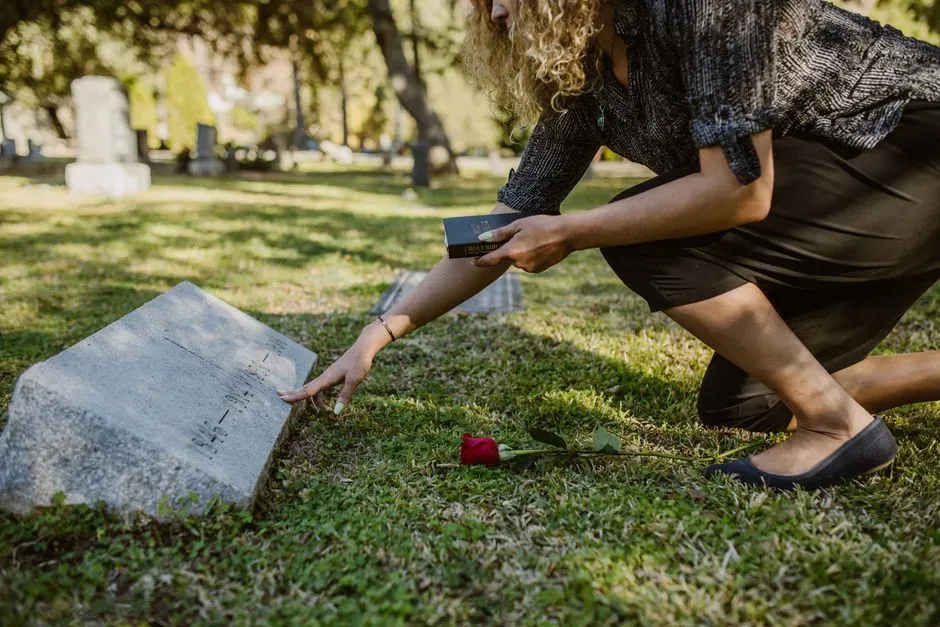
One of the most powerful psychological responses to mortality is the drive to make meaning. If life is finite, then what we do with it starts to matter intensely. People find meaning through parenting, art, activism, work, spirituality, community, or simply being a kind presence in their small corner of the world. The point is not that everyone needs a grand, dramatic purpose; often, it is the quiet sense that today’s actions line up with deeply held values that makes life feel worth living despite its limits.
Interestingly, people who report a strong sense of purpose tend to handle reminders of mortality with more resilience. They still feel fear and sadness, but they are less likely to spiral into despair or denial. Having a sense of “this is why I am here” acts like an emotional anchor when the waves of existential anxiety hit. It does not erase the fact that we will die, but it changes the story from “it is all meaningless” to “because this will end, what I choose now matters even more.” That shift can turn raw fear into a strangely steady source of motivation.
Can Accepting Death Make Us More Alive?

There is a quiet, unpopular idea that fully facing our own mortality might actually be the thing that lets us relax into life. When we stop secretly demanding guarantees – guarantees of safety, of happy endings, of control – we can show up more honestly, love more deeply, and try more boldly. People who have gone through serious illness or near-death experiences sometimes describe this shift: small annoyances lose their power, while simple joys gain a new intensity. A sunrise, a shared joke, even a slow morning coffee can feel shockingly precious.
My own opinion, after sitting with this topic for years, is that the problem is not that we know we will die; it is that we pretend we do not. That pretending keeps us stuck in shallow worries, chasing distractions while the real questions stay untouched. Acceptance does not mean liking death or giving up; it means telling the truth about the rules of the game and playing fully anyway. In a way, mortality is the ultimate editor, forcing us to cut what is trivial and keep what is real. The hidden psychological effect , when we finally face it, is this: life stops being a rehearsal and becomes the main act. What do you want to do with that one undeniable fact?