
You’ve given your dog everything. The designer collar, the gourmet treats, a bed softer than your own mattress. You’re home more often now, showering them with constant affection and attention, never leaving their side. Your dog has never been more loved, more comfortable, more… lonely.
Wait, lonely? How could a dog surrounded by so much care possibly feel isolated? The truth is, the we pamper the most sometimes suffer the deepest emotional struggles. When we treat our pets like fragile babies who need us every waking moment, we might actually be robbing them of something vital: their confidence and independence. Let’s be real, sometimes the best thing you can do for your dog isn’t giving them more attention. It’s teaching them how to thrive without it.
When Love Becomes a Cage
The more emotional needs we place on our dogs and the more we treat them like a human, the more pressure we are putting on them and it can have powerful effects on their emotional stability. Think about it this way: when you feel guilty every time you leave, when you respond to every whimper, when your dog becomes the center of your emotional universe, they pick up on that energy. Dogs are incredibly perceptive creatures, and they sense when you need them more than they need you.
When your dog thinks you need them more than they need you it puts a lot of pressure and responsibility on them to support you. This reversed dynamic creates anxiety in dogs who suddenly feel like they must take care of their humans. Rather than relaxing into their role as a beloved pet, they become hypervigilant guardians of your emotional state, unable to ever truly rest or feel secure.
The Paradox of Constant Companionship
By nature, dogs are pack animals, as they’ve descended from a breed of wolves. They need a pack or socializing with other dogs to survive and stay happy. Yet here’s where things get tricky. While dogs do crave social connection, they also need to develop the ability to function independently within their pack structure.
Wild canine packs don’t spend every moment glued to each other. Members explore, rest alone, and maintain their own mental space even within the group dynamic. Separation anxiety describes dogs that usually are overly attached or dependent on family members. They become extremely anxious and show distress behaviors such as vocalization, destruction, or house soiling when separated from the owners. When we create an environment where our dogs never learn to be alone, we’re essentially creating an emotional dependency that serves neither them nor us.
The Silent Signs of Pampered Anxiety
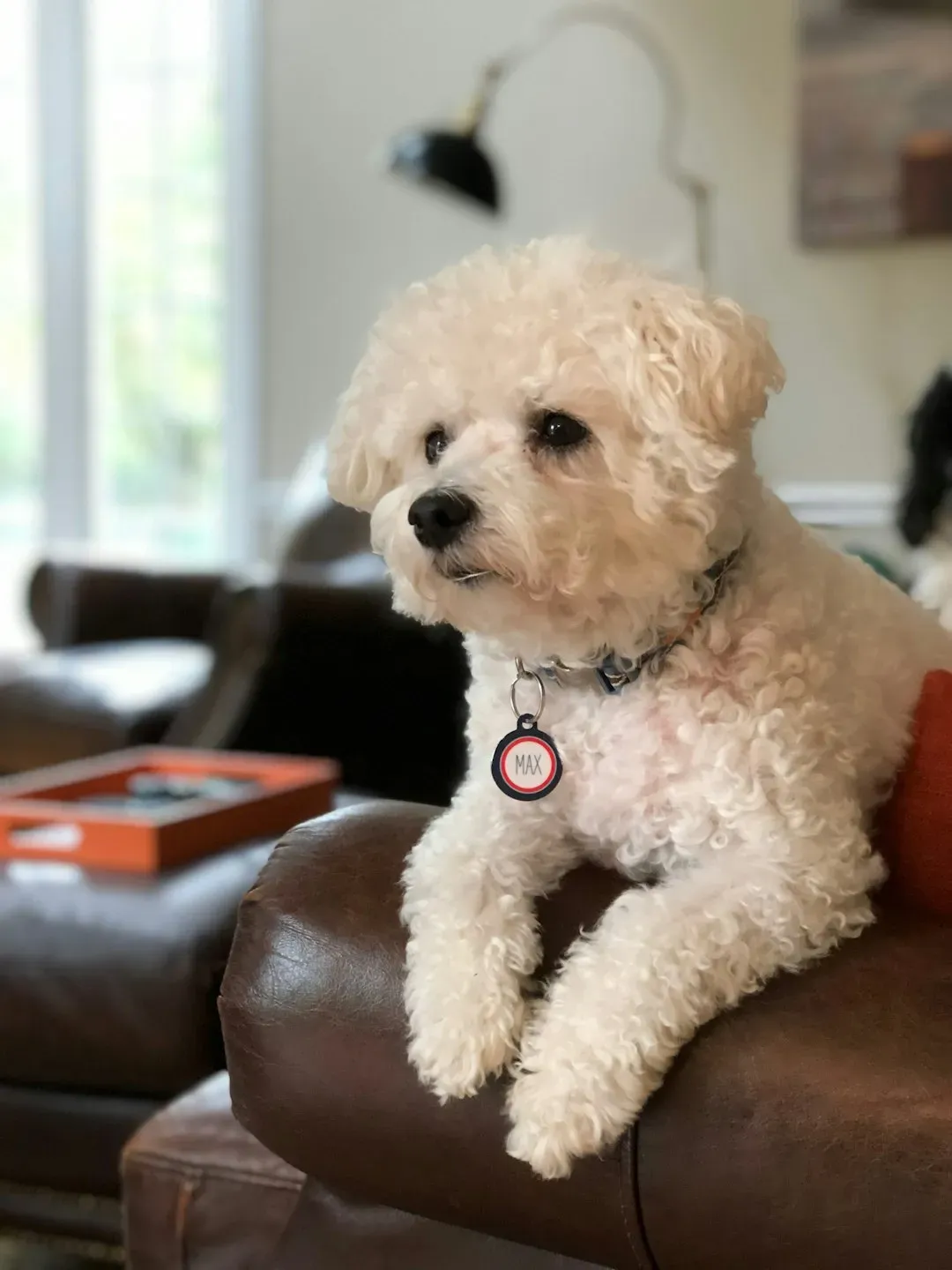
Not every lonely, anxious dog makes their distress obvious. Research suggests that 8 out of 10 dogs find it hard to cope when left alone. Yet, half won’t show any obvious signs and so it can be easy for owners to miss. Your dog might not be destroying furniture or howling at the door. Instead, they might simply refuse to eat when you’re gone, pace quietly, or develop a habit of shadowing you from room to room even when you’re home.
Lethargy is one of the sneakiest ways dogs show signs of loneliness! If your pooch is sleeping more often than normal or showing little interest in activities they typically enjoy, it’s possible they need more social time either with you or other dogs. Sometimes the most pampered dogs appear calm because they’ve learned that expressing their anxiety doesn’t change anything. They suffer in silence, their loneliness masked by our interpretation of their behavior as contentment.
The Price of Over-Indulgence
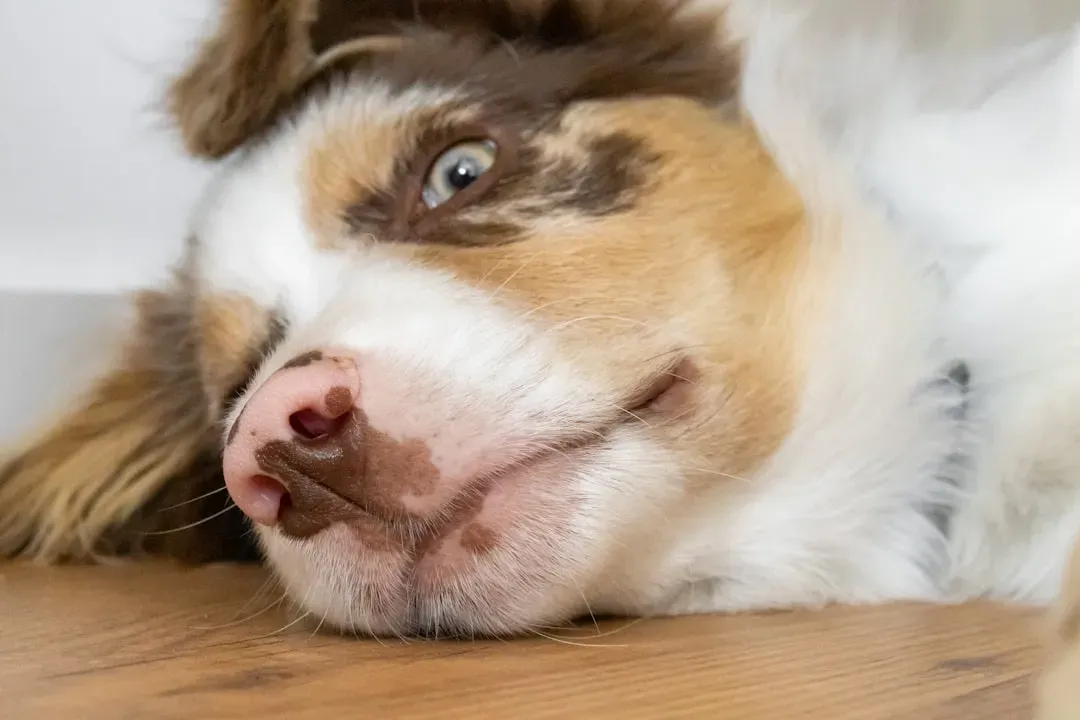
Every time your dog becomes highly distressed, stress hormones occur in the body which can take days to reduce. This can cause negative, long-term effects on your dog’s body and mental state. The physical toll of chronic anxiety is real and measurable. Dogs experiencing prolonged stress can develop weakened immune systems, digestive issues, and behavioral problems that spiral into more serious concerns.
I think what surprises most people is that the damage isn’t just emotional. With chronic stress, impairments to physiological health can manifest. Increased stress in the dog alters hormone levels, thus decreasing natural immunity to various health problems. Your perfectly pampered pooch, the one you’ve tried so hard to protect from every possible discomfort, might actually be suffering from stress-related health issues precisely because of that overprotection.
Building Confidence Through Healthy Distance
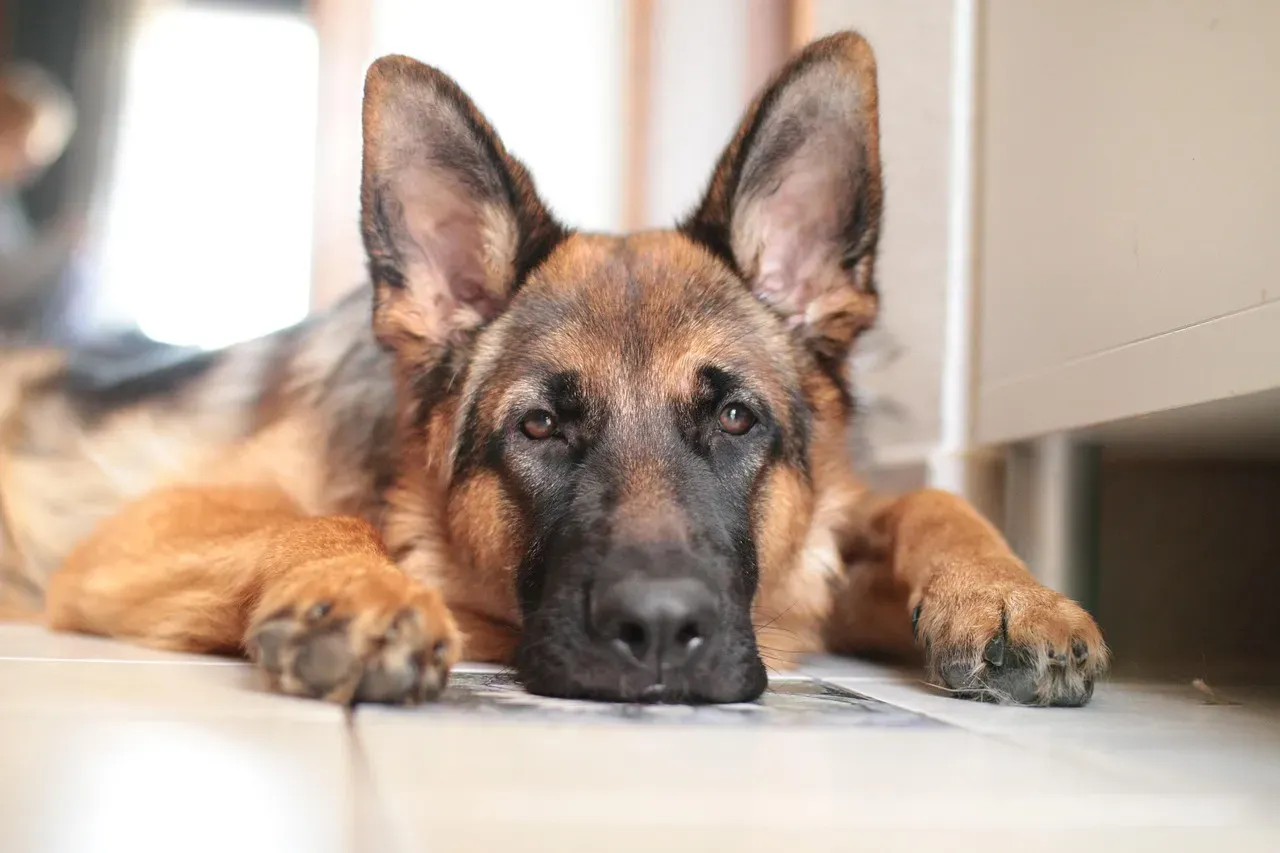
Independence training helps to produce an emotional state in a dog, where he is completely relaxed in his environment. He trusts his people and is capable of consistently engaging in calm, quiet activities without soliciting participation from his humans. This is what real love looks like for a dog. Not constant pampering, but the gift of confidence.
For most dogs, 3-5 times alone per day can be enough to help keep separation anxiety at bay. Start small. Practice leaving your dog in another room while you’re still home. Create a special space that’s theirs alone, where only good things happen. Teach your puppy that separation has its rewards. Start by leaving them for very short periods of time and gradually lengthen the amount of time you’re gone. The goal isn’t to abandon your dog or withdraw affection. It’s to teach them that being alone is safe, normal, and even pleasant.
The Balance Between Love and Smothering
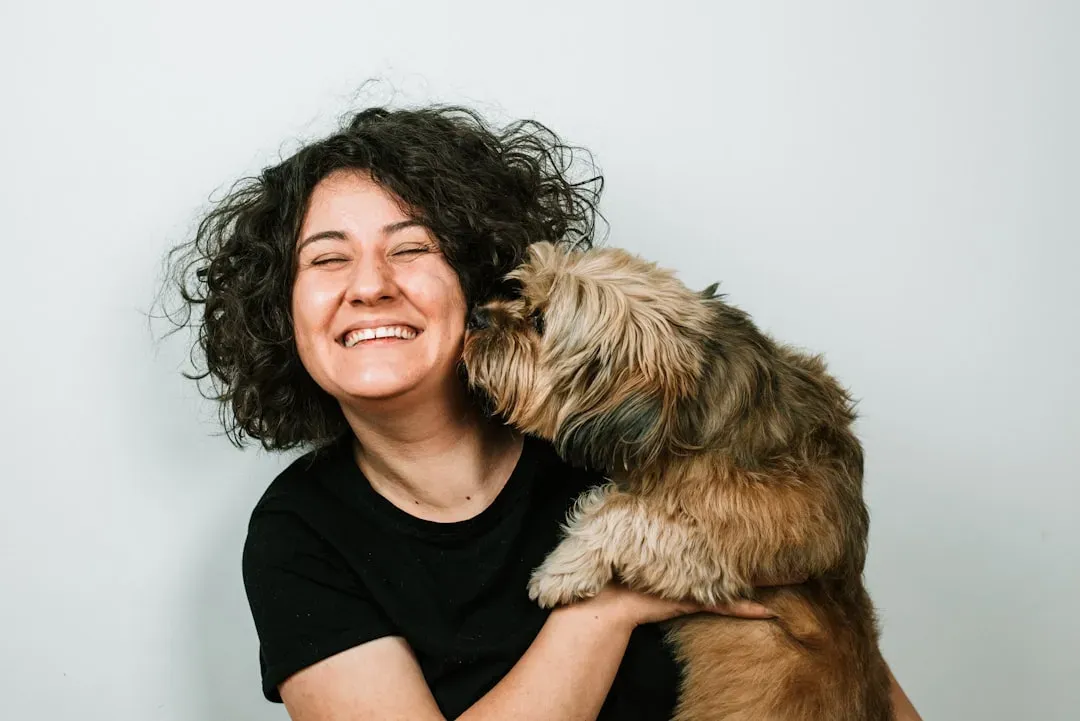
It’s normal for our dogs to prefer to be close to and engage with us when we’re at home. It’s especially normal for dogs in certain stages of life (puppies and seniors) to want to keep extra close tabs on where we’re at and what we’re doing. But when that preference to stay close and engaged turns into a requirement for normal functioning, it becomes detrimental to both us and our dogs.
Honestly, recognizing this balance is one of the hardest parts of dog ownership. We adopt these creatures because we want to give and receive love, yet sometimes that love needs boundaries to remain healthy. If a dog does not get enough mental and physical exercise on a daily basis they will find a way to release that energy and what better release than a door frame, pillow or new blinds. When a dog is challenged mentally and given a good physical release they will spend their day calmly waiting for your return.
Breaking the Cycle of Dependency
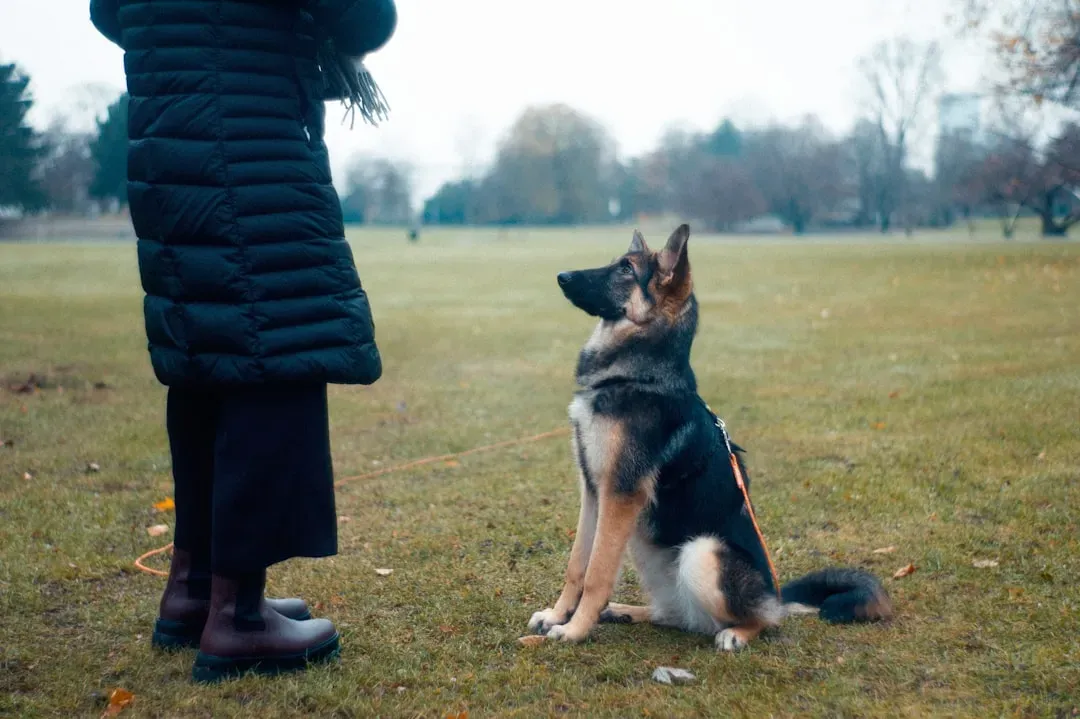
Providing lots of physical and mental stimulation is a vital part of treating many behavior problems, especially those involving anxiety. Exercising your dog’s mind and body can greatly enrich his life, decrease stress and provide appropriate outlets for normal dog behaviors. The irony is that the solution to loneliness in over-pampered dogs often involves less coddling and more challenge.
Independence training is important for dogs to help build their confidence and comfort in being left alone to avoid separation anxiety. This doesn’t mean becoming a cold or distant owner. It means creating structure, establishing routines, teaching your dog that they’re capable of entertaining themselves and managing their own emotions. A dog who has learned independence isn’t lonely when alone because they’ve developed an internal sense of security that doesn’t rely on your constant presence.
Conclusion: The Gift of Independence
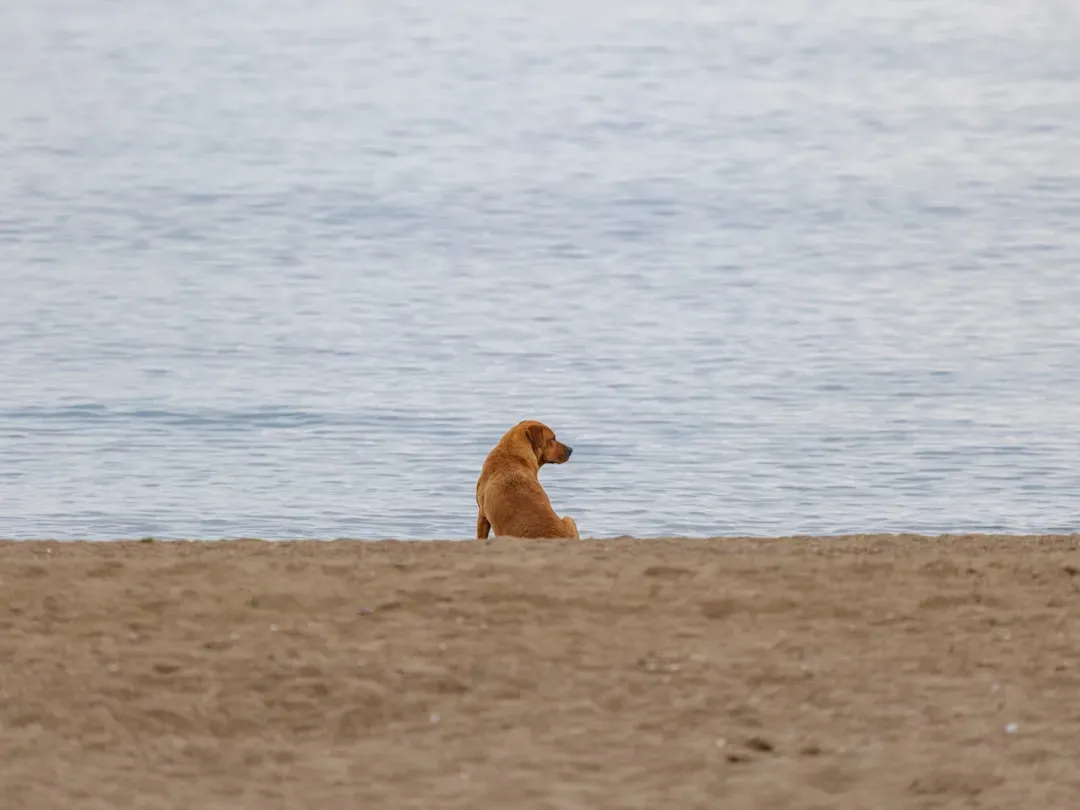
reveals an uncomfortable truth about modern pet ownership. Our desire to give our dogs the best life possible sometimes blinds us to what they actually need. Real security doesn’t come from never being alone. It comes from knowing you can handle being alone.
Puppy independence training is more than a trick, it’s a foundational skill that creates a confident, well-adjusted dog. With consistent, force-free techniques, you’ll help your pup learn that being alone isn’t scary, it’s just another part of their day. Teaching your dog to be independent isn’t about loving them less. It’s about loving them enough to help them become the most balanced, confident version of themselves.
So the next time you feel guilty about leaving your dog alone for an hour, remember that you might actually be giving them something more valuable than your presence. You’re giving them the opportunity to discover they’re strong enough to be okay on their own. What do you think your dog would prefer: constant companionship that breeds anxiety, or the confidence that comes from knowing they’re capable and loved, whether you’re there or not?
Linnea is a born and bred Swede but spends as much time as possible in Cape Town, South Africa. This is mainly due to Cape Town’s extraordinary scenery, wildlife, and atmosphere (in other words, because Cape Town is heaven on earth.) That being said, Sweden’s majestic forests forever hold a special place in her heart. Linnea spends as much time as she can close to the ocean collecting sea shells or in the park admiring puppies.