
Step into a Florida home on a breezy afternoon and it looks like paradise – sunlit patios, glossy houseplants, a bowl of fresh water by the door. Yet beneath that calm, an invisible map of risks curls around everyday routines, especially for curious paws and noses. Veterinarians across the state warn that the most dangerous threats don’t always live in the wild; they lurk in landscaping, under sinks, and even in the sea breeze. The good news is that science is getting sharper at finding these hazards before they strike, and pet owners are learning to read the clues. The challenge is recognizing danger fast enough to act, and not just when a pet starts drooling, coughing, or stumbling.
The Hidden Clues
What if your dog’s sudden drool on a quiet evening is more than slobber, or your cat’s odd stumble isn’t just clumsiness? In Florida, small signals often point to big exposures, from a lick of garden foam to a nose in standing water. Fast-onset symptoms like pawing at the mouth, glassy eyes, tremors, or frantic thirst are the body’s flare gun, not a mystery to shrug off.
I learned to keep a flashlight by the back door after spotting a squat, mud-colored toad right where my dog loves to sniff. Now I scan the patio, check water bowls for slick films, and watch for wilted or chewed plant fronds. Those tiny habits shaved minutes off a panic once – and minutes matter.
Lethal Landscaping

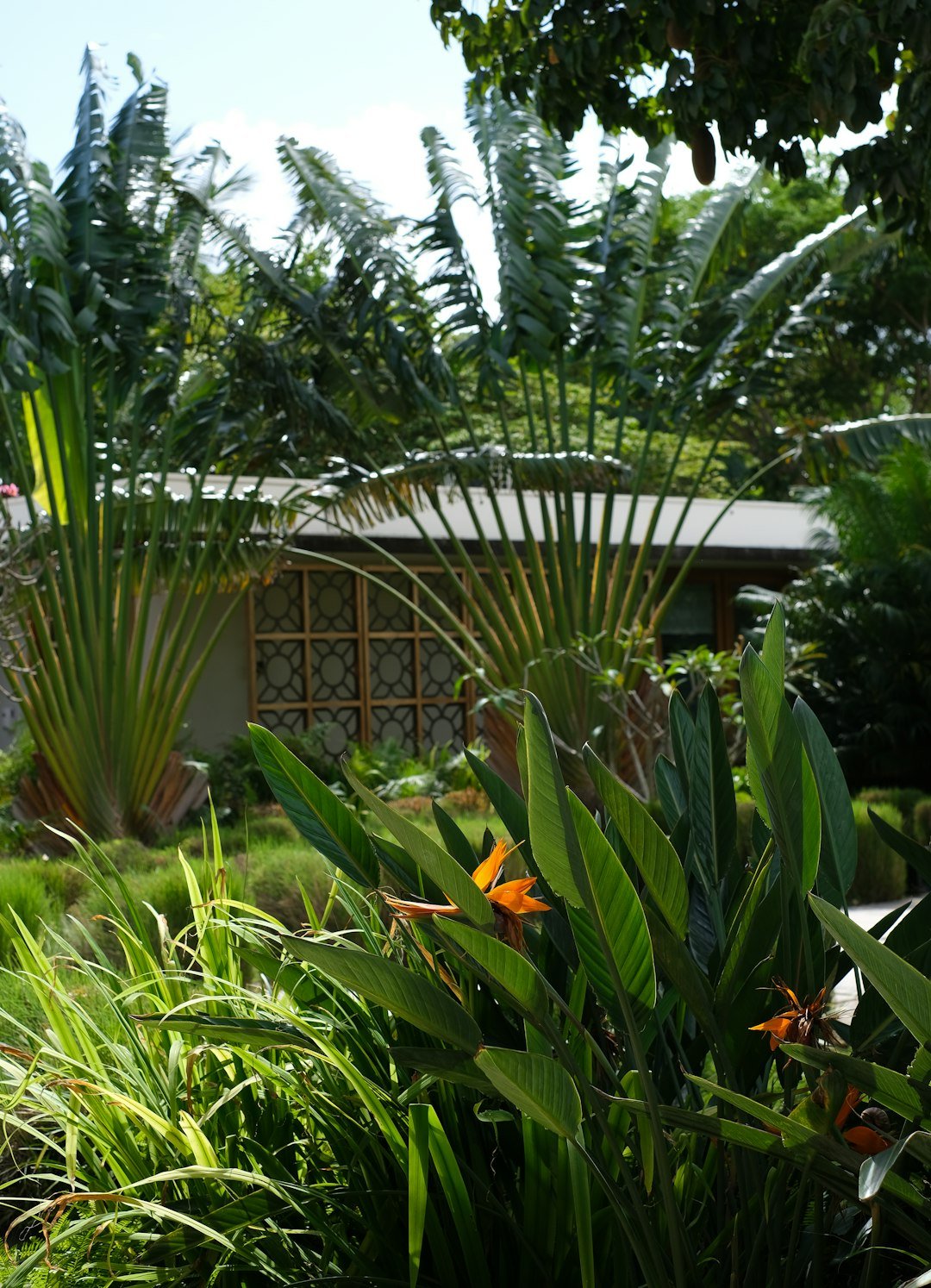
Florida yards are postcard-pretty, but certain plants are a biochemical trap. Sago palm seeds, for example, carry potent compounds that can trigger vomiting and severe liver injury in dogs after a nibble. Oleander, common in hedges, hides cardiac glycosides that can scramble heart rhythms in both dogs and cats.
Because these plants don’t look dangerous, pets treat them like snacks or toys. If you aren’t sure what’s growing near your patio, bag a sample and ask a local nursery or your vet’s office to help identify it. Better yet, replace risky ornamentals with pet-safer natives and keep fallen seeds off the ground.
The Toad at the Threshold
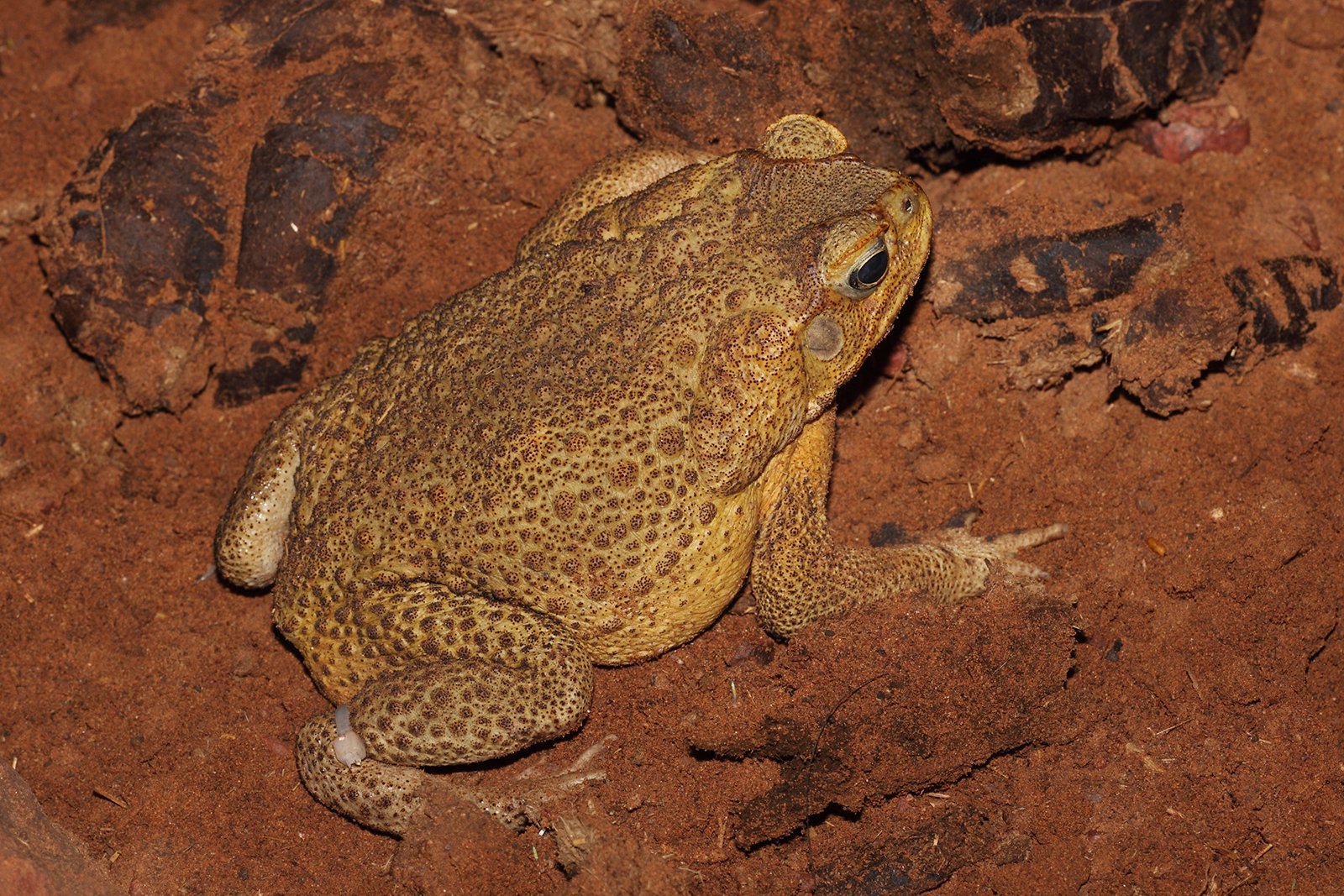
Cane toads – bulky, uninvited, and brimming with bufotoxins – are a notorious Florida story for a reason. When a dog mouths one, the toxins can spark dramatic drooling, head shaking, vomiting, and in severe cases seizure-like activity within minutes. Nighttime yards, warm rains, and porch lights that attract insects create perfect encounters.
Prevention looks surprisingly low-tech: supervise dusk and dawn potty breaks, leash in dim light, and train a rock-solid “leave it.” If contact happens, gently rinse the mouth from the side with running water for several minutes, keeping the snout tilted downward, and get veterinary care immediately. Speed is everything with this particular neighbor.
Invisible Waters
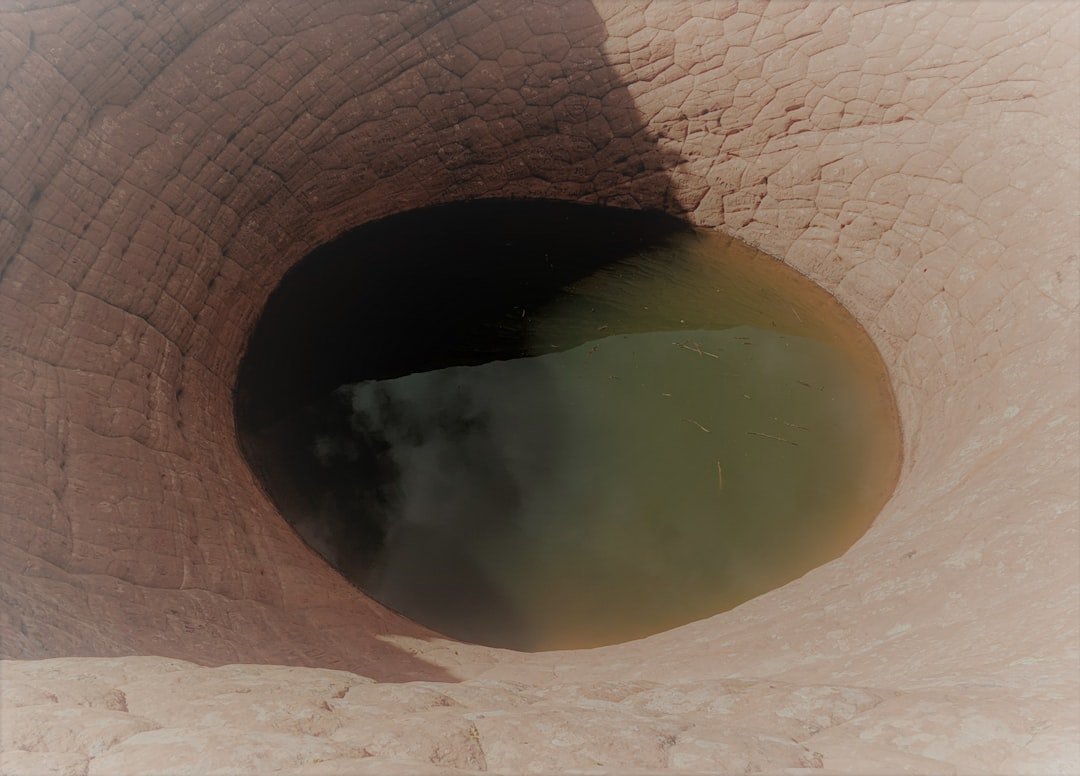
Florida’s beauty leans hard on water, but some of it isn’t friendly to pets. Warm, nutrient-rich ponds can host cyanobacteria that produce liver- and nerve-acting toxins; even a quick swim-and-groom can be enough to sicken a dog. Along the coast, seasonal red tides can aerosolize marine toxins that sting lungs and tempt pets to munch dead fish.
What’s tricky is that hazardous water doesn’t always look neon green or blood-red; it can seem ordinary or just a bit scummy. Keep pets off water with floating mats, musty odors, or posted advisories, and rinse fur after any outdoor swim. When in doubt, choose the hose instead of the lake.
Household Chemistry

Many Florida homes battle pests year-round, and that means baits, sprays, and traps – some of which are far from pet-safe. Anticoagulant rodent baits, neurotoxic products, and high-dose vitamin D formulations can spell internal bleeding or brain swelling if a pet finds the box. Even “natural” can be risky; diffused tea tree oil and concentrated citrus oils have sent plenty of cats to emergency care.
Storage and labeling are your first lines of defense. Keep all products in closed cabinets high off the floor, choose pet-safe alternatives when possible, and log brand names in your phone so you can give your vet the exact product in an emergency. If a label says keep away from animals, treat that as non-negotiable.
Heat, Storms, and Air
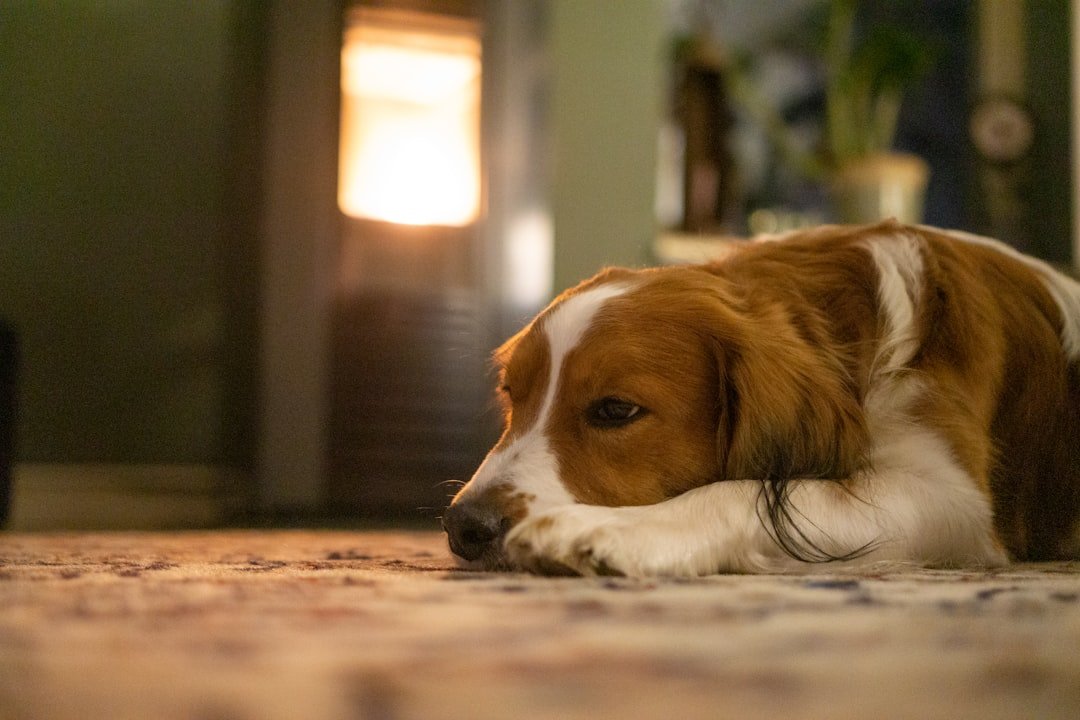
Florida’s heat is more than uncomfortable – it can overwhelm a dog in minutes, especially in small spaces like cars or sun-baked lanais. Power outages during storm season turn houses into ovens and crank up indoor humidity, a recipe for respiratory stress and mold growth. Portable generators add another hidden threat: carbon monoxide, which pets can’t escape just by lying lower to the ground.
Storm runoff also stirs bacteria and parasites into puddles and ditches, pushing up exposure risks when pets drink or wade. Build routines around shade, airflow, and clean water, and install CO alarms near pet sleeping areas. After big rains, keep paws out of standing water and bathe promptly.
Why It Matters
This isn’t just about avoiding a single emergency visit; it’s about rethinking home safety for a subtropical state where biology moves fast. Traditional checklists focus on cords, sharp edges, and chocolate, but Florida adds environmental chemistry and wildlife to the mix. A yard, a breeze, and a rainstorm can redraw the risk map overnight.
- Veterinary poison hotlines report that most calls come from everyday exposures in and around the home, not exotic events.
- Warmth and moisture extend the active season for pests, algae, and microbes, stretching risk across the calendar rather than a single month.
- Pets encounter toxins in multiple ways – licking paws, grooming after swims, inhaling aerosols – so prevention requires layered habits, not one-off fixes.
Global Perspectives
Florida feels unique, but the patterns here echo across warming coastlines worldwide. Cane toads trouble dogs in parts of Australia, while oleander hazards show up all around the Mediterranean and the American West. Harmful blooms now color maps from the Baltic to the Great Lakes during hot, nutrient-loaded summers.
That wider view matters because pets often detect environmental trouble before people do, simply by their ground-level curiosity. In a sense, they’re our sentinels, signaling when water, air, or soil shifts in ways we can’t see. Paying attention locally feeds into a global picture of risk – and resilience.
From Ancient Tools to Modern Science
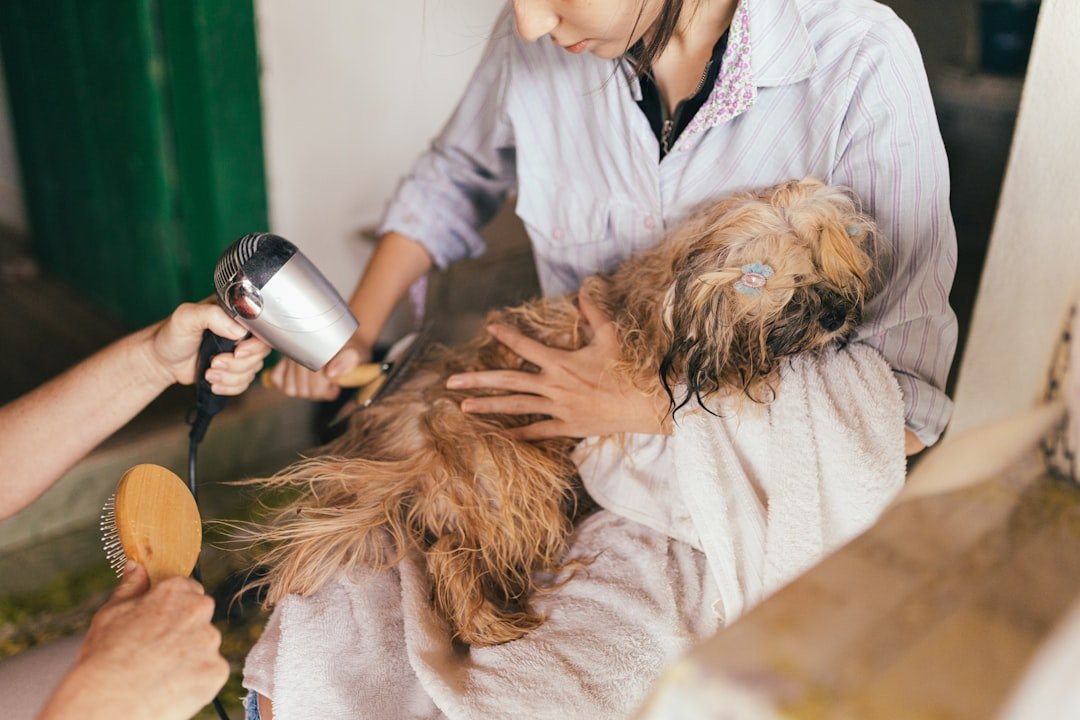
Veterinary toxicology has moved well beyond rule-of-thumb remedies to rapid tests and targeted care. Clinics can run blood chemistry panels to catch liver or clotting problems early, and imaging guides treatment when toxicosis mimics other diseases. In research labs, mass spectrometry fingerprints toxins down to tiny concentrations.
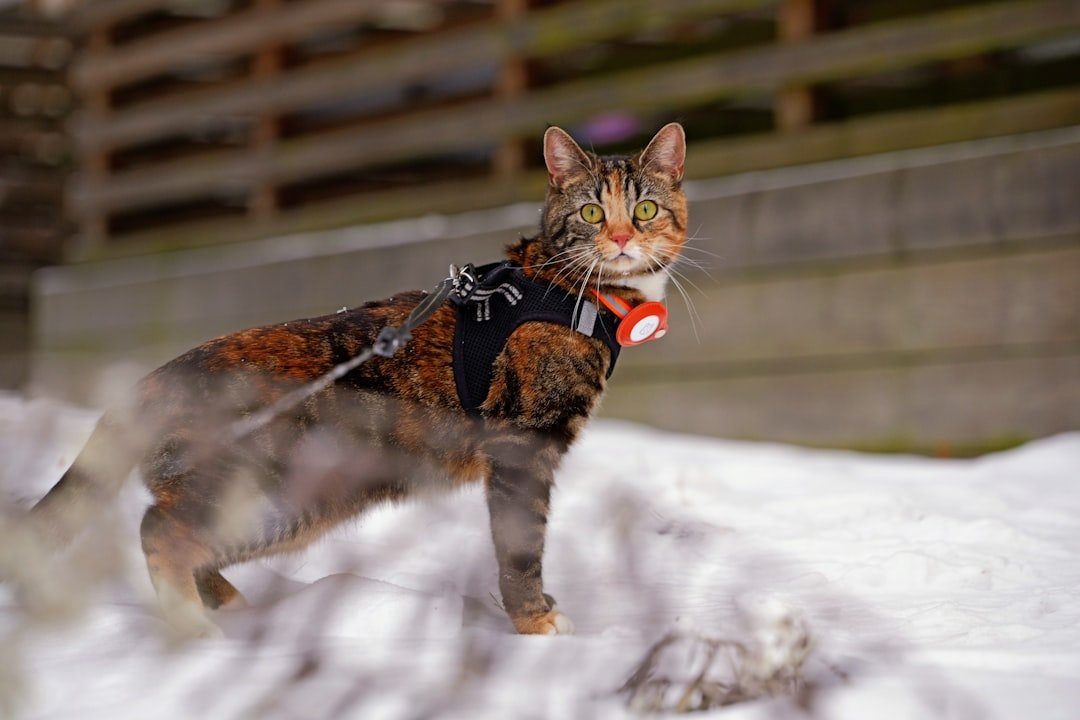
Outside the clinic, environmental science is catching up with apps and dashboards that flag algae conditions, heat risk, and air quality. Some pet wearables track heart rate variability and activity dips that hint at trouble before owners notice behavior changes. It’s not sci-fi – it’s the new first-alert system for Fur State living.
The Future Landscape
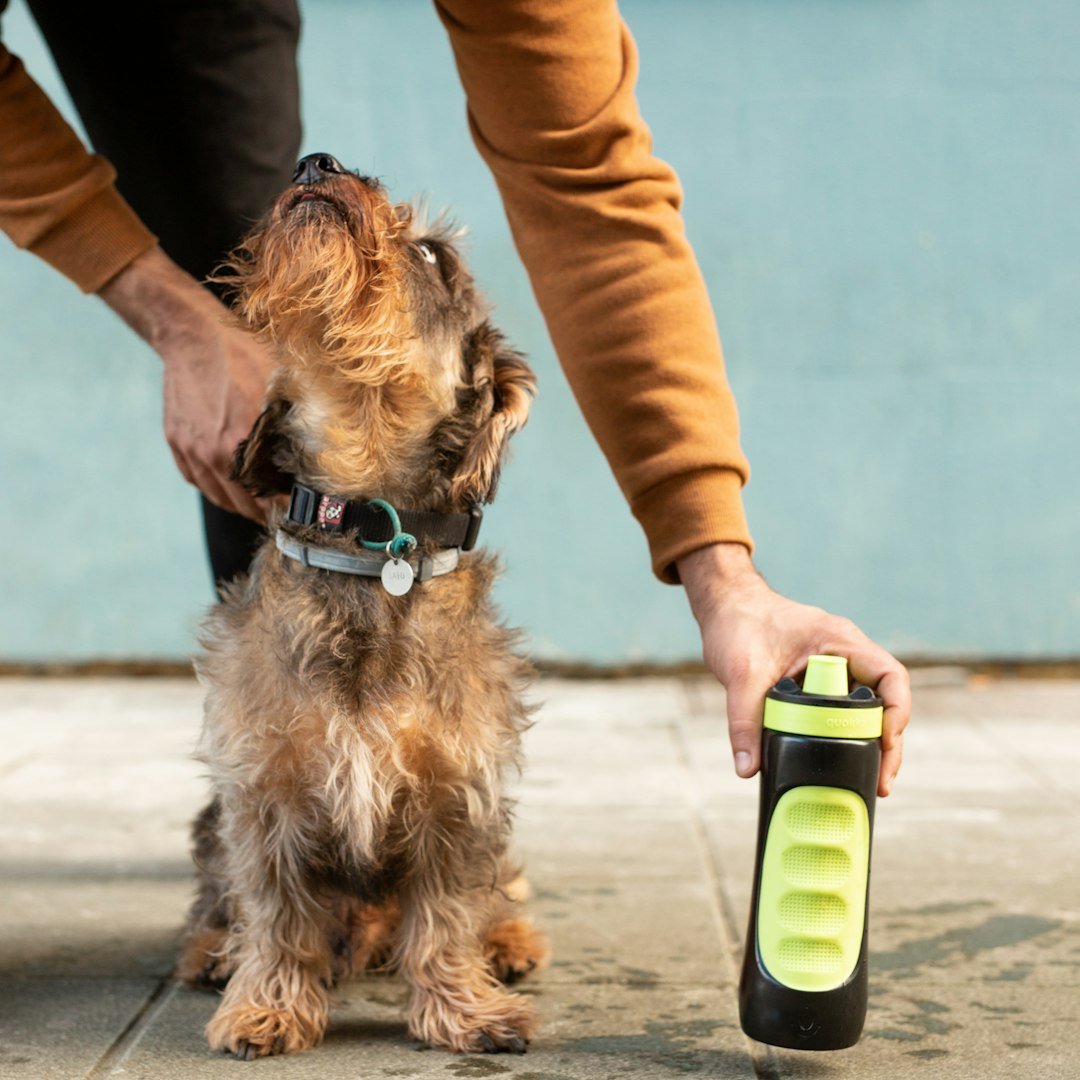
Expect more granular forecasts: neighborhood-scale heat maps, backyard pond sensors that text you when bloom conditions spike, and public dashboards layering tides, storms, and toxin alerts. Builders are already experimenting with porous pavements and smarter drainage to keep nutrient pulses out of ponds and bays. On the home front, safer pest-control formulations and tamper-resistant baits will reduce accidental exposures.
But challenges loom, from the cost of sensors to uneven access to veterinary care in rural counties. Climate extremes will pressure test every system, including shelters that house pets during storms. The smartest move is coupling technology with simple behavior shifts that work even when the power’s out.
Conclusion
Walk your home and yard with a detective’s eye this week: identify plants, check water sources, lock down chemicals, and adjust routines around heat and storms. Talk with your veterinarian about local risks, keep an emergency rinse kit by the back door, and practice the “leave it” cue until it’s muscle memory. Sign up for local environmental alerts, and when you see scummy water, skip the swim and rinse the fur.
Small, steady habits beat heroic rescues every time, and they start with noticing what’s right under your feet. Florida can be a playground for pets, but only if we treat it like a living lab and learn its signals. What will you change before the next curious nose finds trouble?
Suhail Ahmed is a passionate digital professional and nature enthusiast with over 8 years of experience in content strategy, SEO, web development, and digital operations. Alongside his freelance journey, Suhail actively contributes to nature and wildlife platforms like Discover Wildlife, where he channels his curiosity for the planet into engaging, educational storytelling.
With a strong background in managing digital ecosystems — from ecommerce stores and WordPress websites to social media and automation — Suhail merges technical precision with creative insight. His content reflects a rare balance: SEO-friendly yet deeply human, data-informed yet emotionally resonant.
Driven by a love for discovery and storytelling, Suhail believes in using digital platforms to amplify causes that matter — especially those protecting Earth’s biodiversity and inspiring sustainable living. Whether he’s managing online projects or crafting wildlife content, his goal remains the same: to inform, inspire, and leave a positive digital footprint.