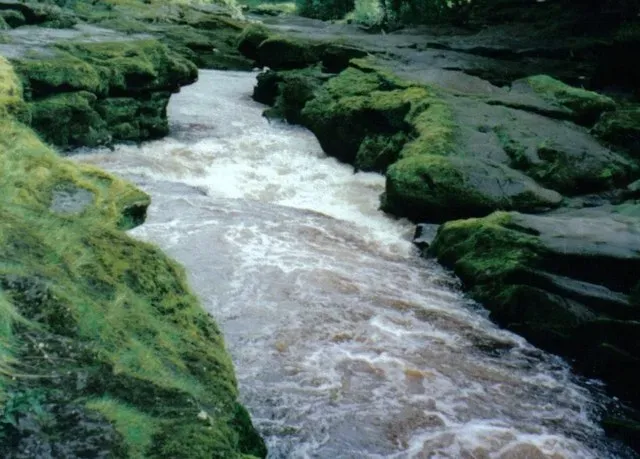
You wouldn’t think that a picturesque stream in the heart of the English countryside could be one of nature’s most perfect killing machines. Yet nestled in the tranquil woodlands near Bolton Abbey in North Yorkshire, there exists a deceptively innocent stretch of water that locals have learned to fear and respect for centuries. It looks like something from a storybook, the kind of babbling brook where you might expect to see woodland creatures gathering for a drink. That peaceful appearance is exactly what makes it so deadly.
This section of the River Wharfe is just six feet wide, narrow enough to tempt even the most cautious walker into thinking they could easily leap across. People have tried. Most who’ve fallen in have never come out.
When Rivers Turn Sideways
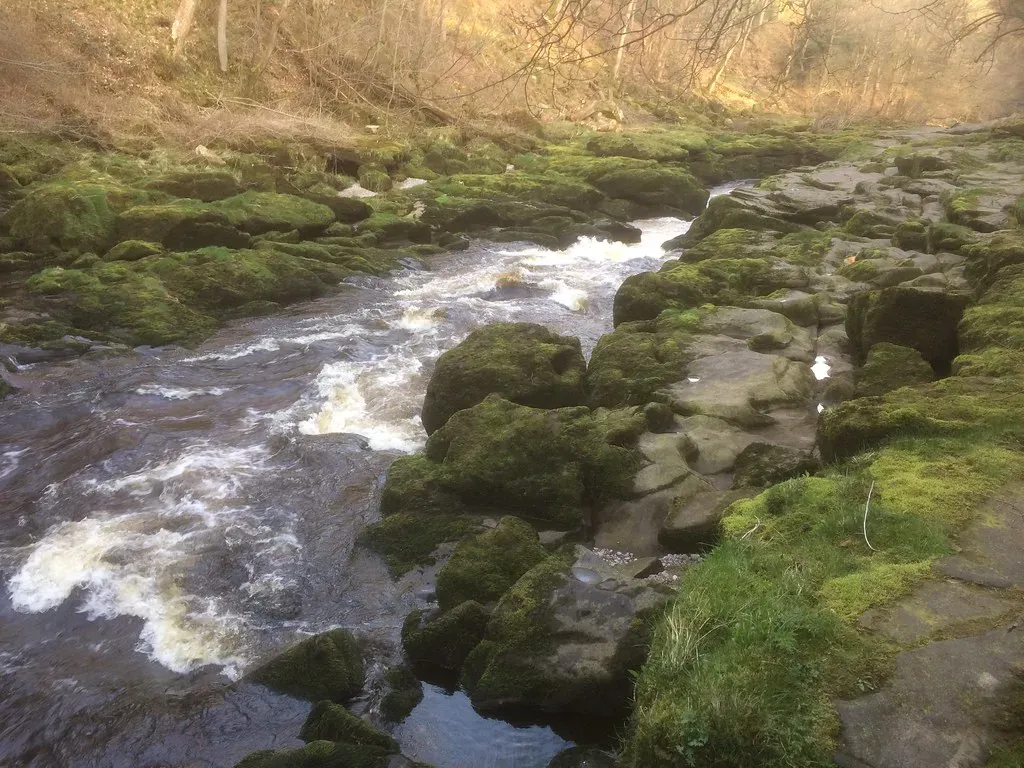
Upstream from the Strid, the River Wharfe expands into a proper river, some 30 feet across with frothing currents and waves. It’s a normal river doing normal river things, flowing peacefully through the Yorkshire countryside. Then something extraordinary happens. Thanks to a bizarre geological formation, the river is abruptly squeezed at the Bolton Strid, funneling hundreds of gallons of water through a tiny six-foot channel.
Here’s where things get wild. The waters simply change orientation, and instead of flowing in a wide horizontal course, the waters begin to flow vertically in the tight shaft created by the natural rock. Imagine taking a wide, shallow river and standing it on its side. That’s essentially what nature has done here, cramming all that volume and power into a space so narrow you could almost step across it. Almost.
The result is a churning column of water that plunges deep into the limestone bedrock below. All the width becomes depth, creating a churning column of water that plunges down over 200 feet according to some measurements, though the exact depth remains a subject of debate.
The Illusion That Kills
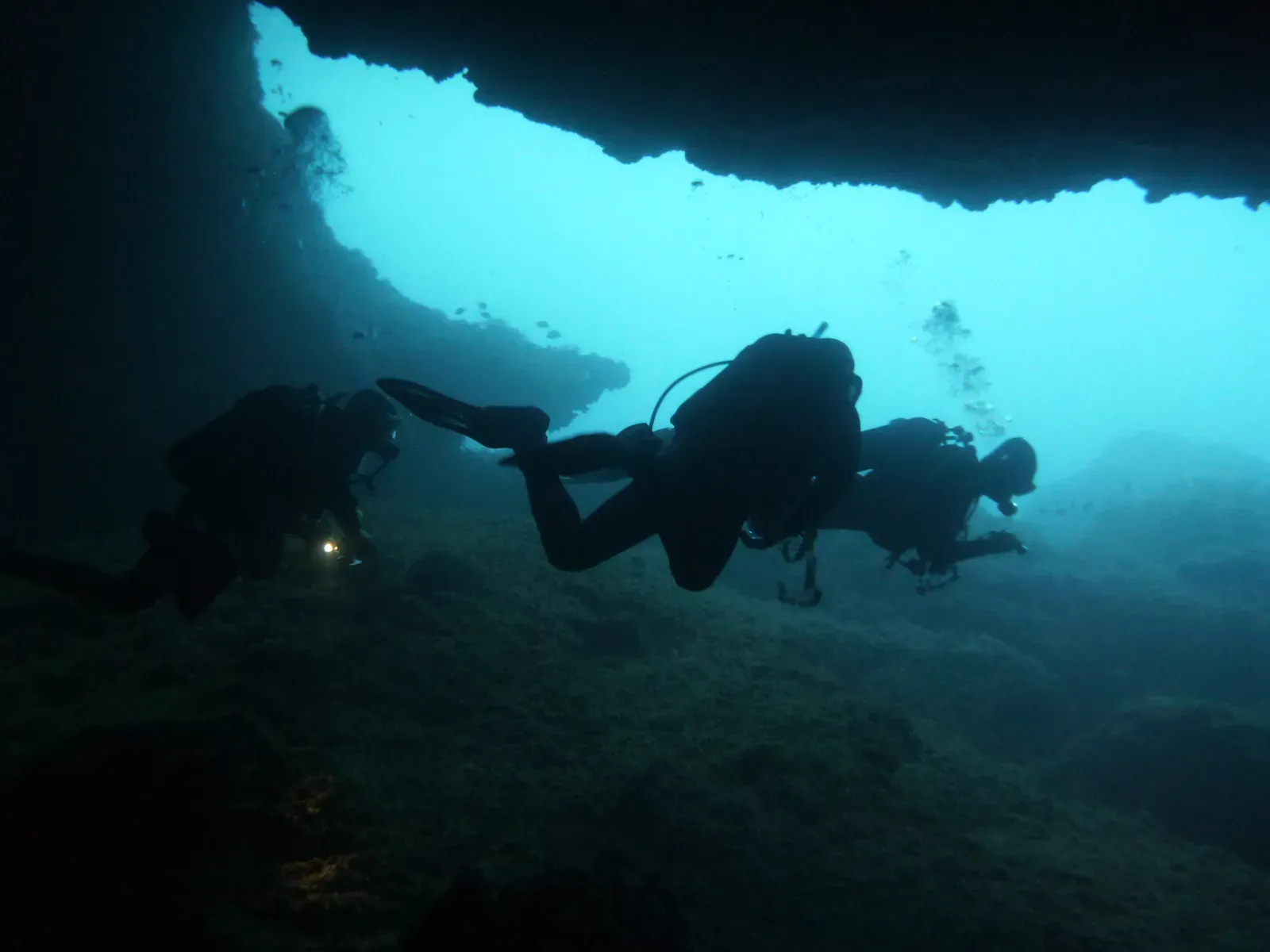
The narrow gap is an illusion, and underneath lies a network of caves and tunnels carrying the rest of the river’s water. What you see from above is merely the visible portion of something far more sinister lurking beneath. Think of an iceberg, except instead of frozen water, it’s a labyrinth of stone chambers carved over millennia by relentless currents.
As the River Wharfe carved this narrow channel over vast spans of time, it hollowed out a maze of underwater caves and tunnels in the soft limestone rock, creating what experts call a drowning machine. Those caves create powerful underwater currents that pull in multiple directions simultaneously. The turbulence is so violent that it would render you unconscious almost immediately.
Underneath is a vast network of caves and crevices of sedimentary rock that will rip apart a human body smashed against them in seconds. The moss-covered rocks at the edge are slippery, offering no purchase for anyone trying to claw their way back to safety. You would be at the mercy of fast currents, underwater vortices, and whirlpools, and it would be impossible to swim in any direction.
A Perfect Record of Death
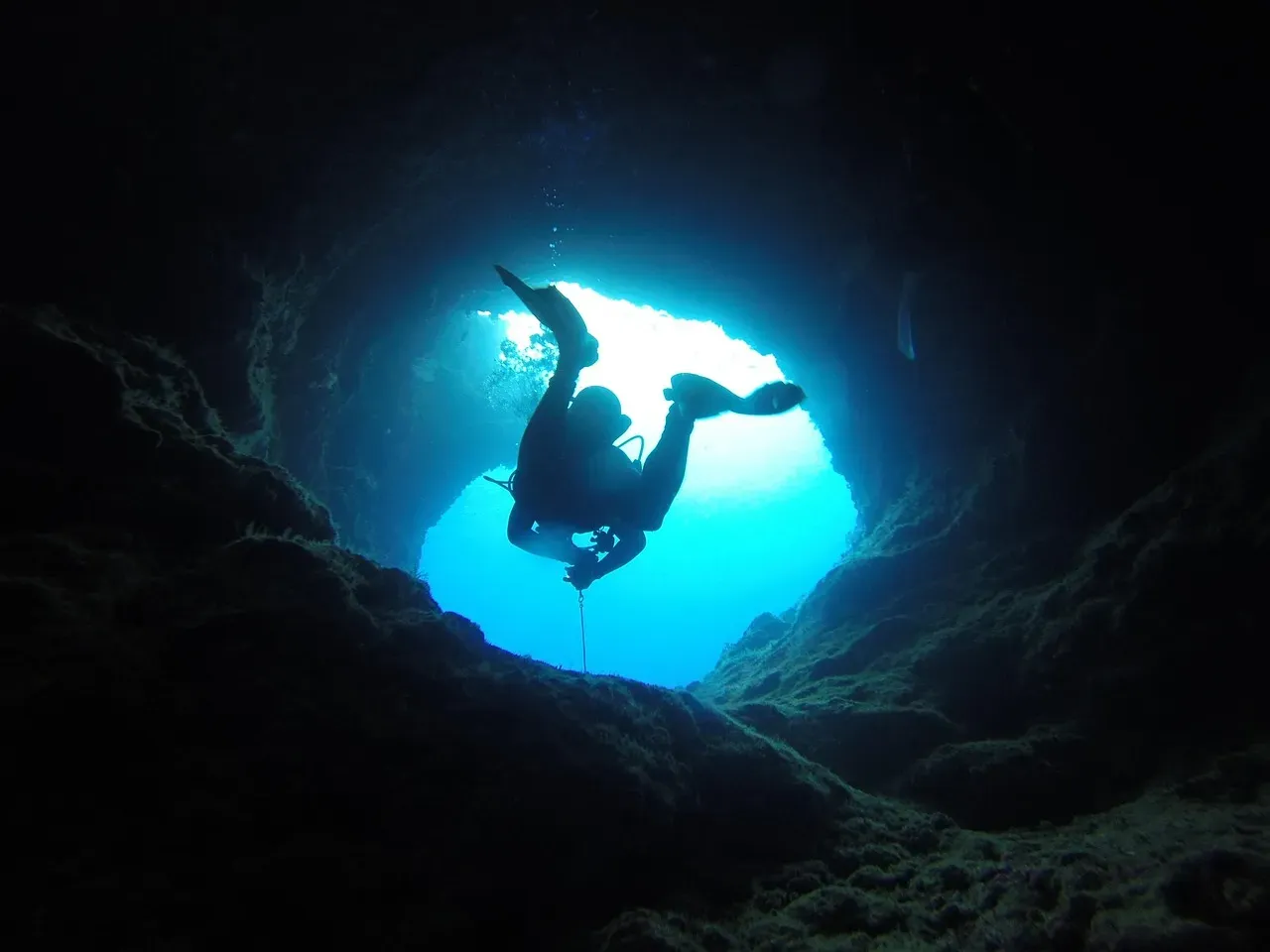
Local legend follows that no one who has fallen into the water there has ever survived. While there are no official statistics to confirm a literal 100 percent fatality rate, the documented cases paint a grim picture. Bodies that are recovered often show evidence of being battered against the rocky walls of the underwater chambers, and many victims are never found at all, presumably trapped forever in the maze of underwater tunnels.
The combination of factors creates conditions that even professional rescue divers would struggle to survive. The powerful currents, the underwater cave system, the crushing turbulence, the disorienting darkness. It’s hard to say which element is most terrifying. Honestly, they all work together in horrible harmony.
Vortices in the flow will trap bodies under the water close to the bed or the sides, whilst the turbulence will render someone unconscious very quickly. There’s no time to think, no time to react. The water simply takes you.
The Boy of Egremont
The most famous victim of the Strid lived over 800 years ago. In 1154, William de Romilly, the young nobleman known as the Boy of Egremont, went hunting in the woods near the river with his greyhound and decided to leap across the narrowest part, perhaps thinking the small gap made it an easy jump. His greyhound, showing more wisdom than its master, refused to make the jump and hung back on its leash, and this sudden resistance threw William off balance.
He tumbled into the churning water below. Despite searches, his body was never recovered. William’s mother, Lady Alice de Romilly, was so devastated by her son’s death that she donated the surrounding land to Augustinian monks, and these monks built Bolton Abbey on the site where they could pray for William’s soul.
The tragedy inspired William Wordsworth to pen a poem centuries later, immortalizing the young man’s fatal mistake and ensuring that his story would serve as a warning to future generations.
Modern Tragedies Continue
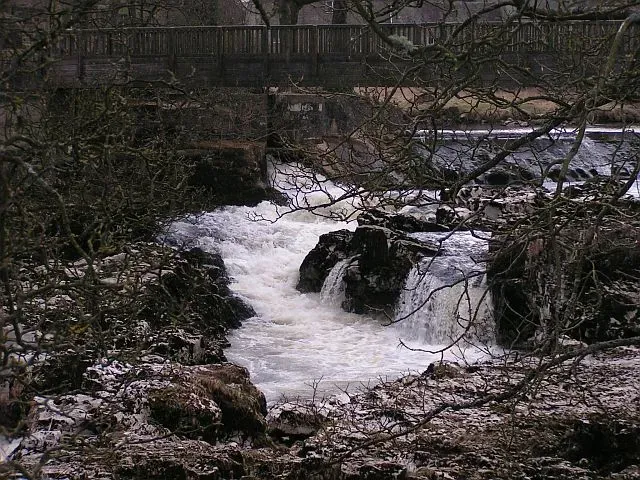
The centuries haven’t made the Strid any less dangerous. In 1934, a 63-year-old watercolor artist, Arthur Reginald Smith, drowned trying to cross the river to paint it. Many people wondered how he could have been so foolish, yet the river has a history of sudden, catastrophic flooding that can catch even the cautious off guard.
In 1998, Barry and Lynn Collett were out for a stroll just two days into their honeymoon when they fell in, and an inquest found that they happened to be walking by when a flash flood caused the river to rise up to five feet in less than a minute. They didn’t make a foolish choice. They were simply in the wrong place when nature unleashed its fury.
Perhaps the most heartbreaking incident occurred on June 5, 2010, when 8-year-old Aaron Page was celebrating his birthday with family near the Bolton Bridge, and Aaron lost his footing on the slippery rocks and fell into the water. A firefighter positioned himself at the mouth of the deadly channel and managed to grab the boy’s hand, but the Strid’s powerful currents proved stronger than human grip, and Aaron was torn from the firefighter’s grasp and pulled beneath the surface. His body was recovered three hours later.
The Science Behind the Terror
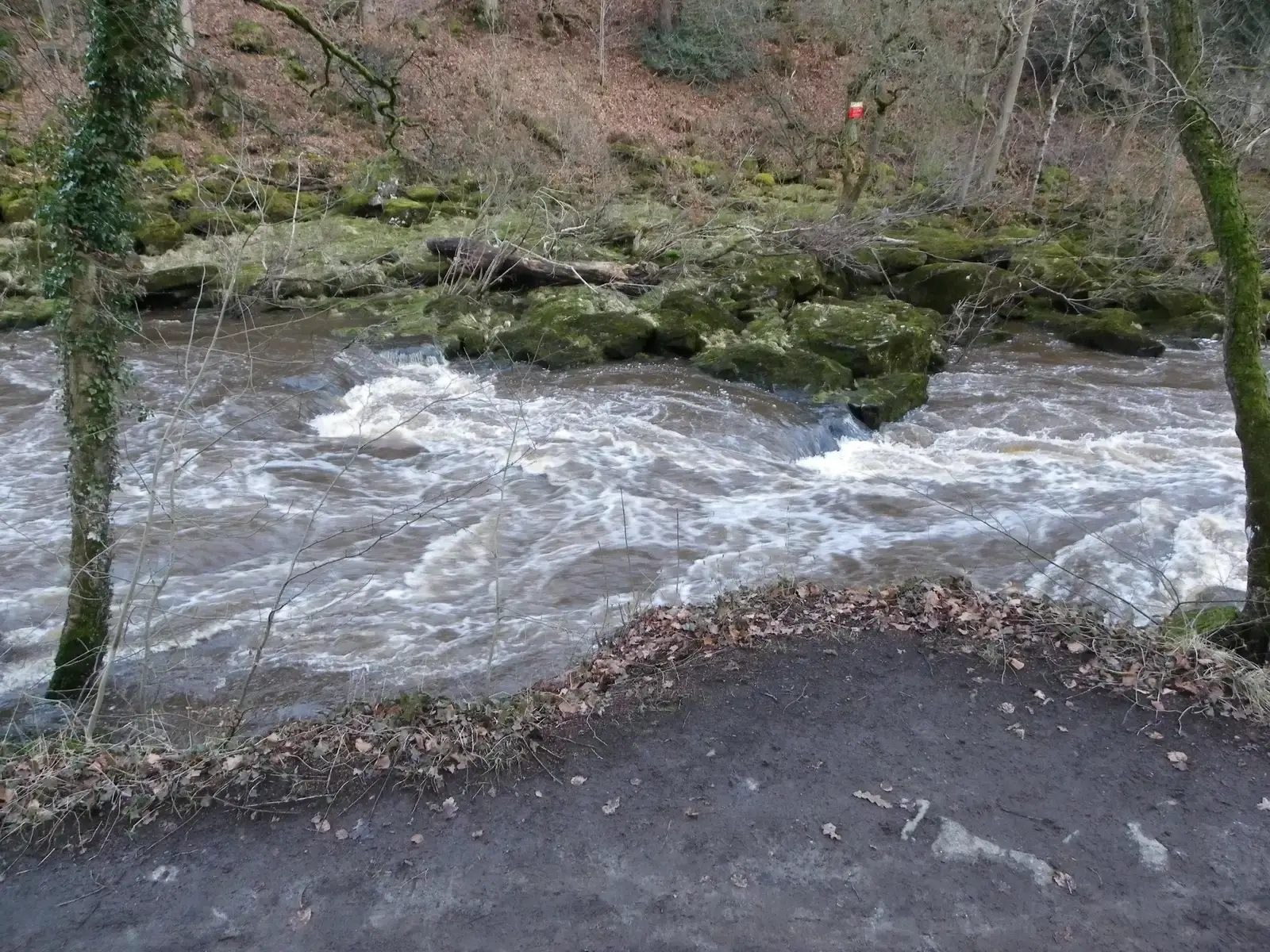
Several forces work together beneath the surface to create the Strid’s deadly conditions. When water is forced through such a narrow channel at high speed, it creates what hydraulic engineers recognize as extremely dangerous flow patterns. When two opposing currents meet, underwater whirlpools form, and bigger and stronger ones that may be seen in oceans are called maelstroms.
These whirlpools don’t just spin you around. They actively pull you down and hold you there. The turbulence knocks victims unconscious almost immediately, while the powerful currents pin them against the rocky walls or drag them deep into the underwater cave system. The water moves with such violence that survival becomes a matter of pure chance rather than skill or strength.
The Strid twists and turns through flat and overhanging rocks, falling over the edge of a limestone formation, creating undercut banks that extend far beneath what you can see from above. The gaps between the rocks aren’t just holes. They’re traps specifically designed by thousands of years of erosion to catch and hold anything that enters.
Scientists who have studied the Strid describe it with a mixture of professional fascination and personal dread. It represents a perfect storm of geological factors that combine to create one of nature’s most efficient death traps.
Why People Still Visit
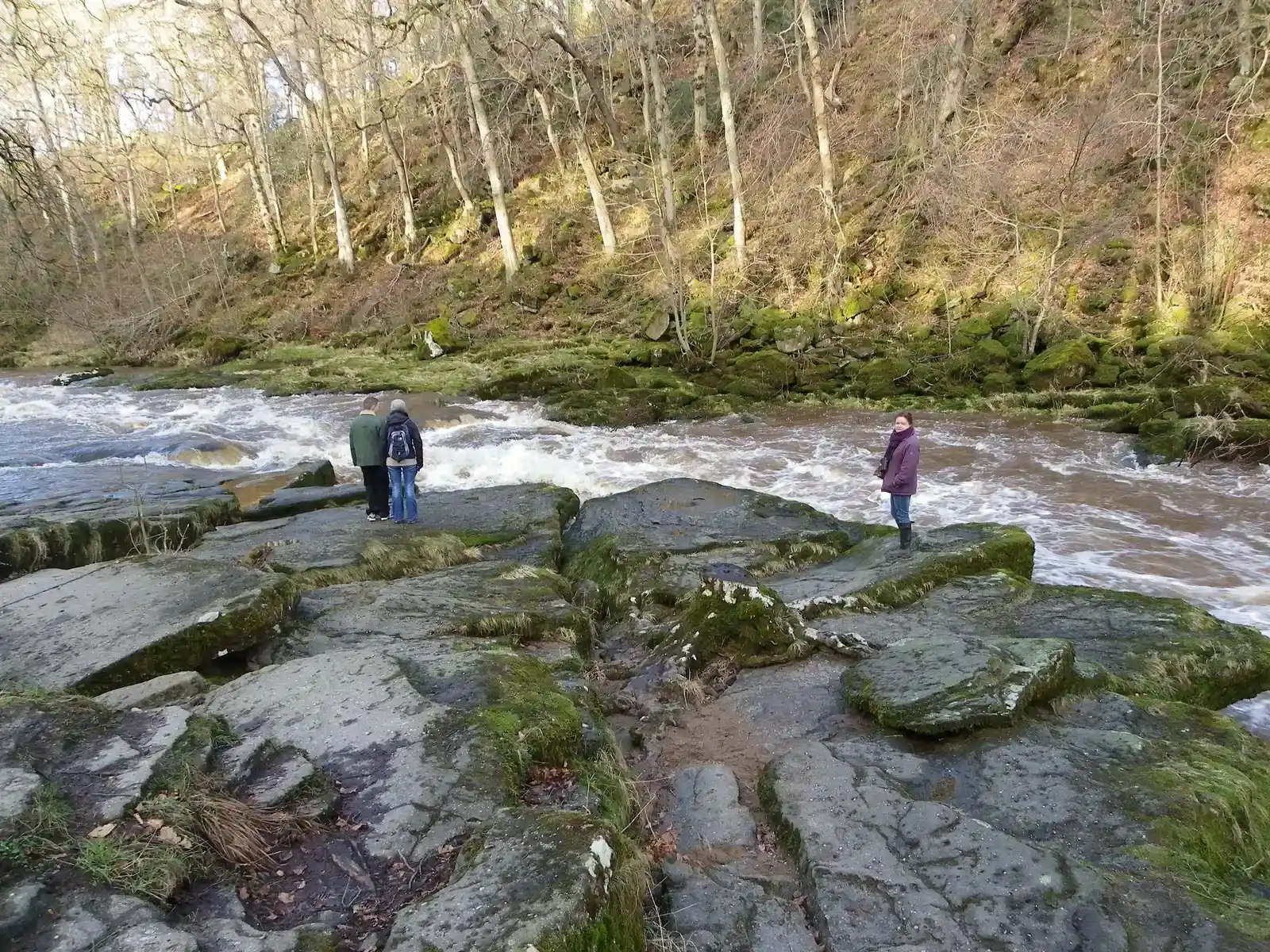
The hiking trail that takes people near the Strid is still a popular place to stroll, and today there are signs up all around warning of the river’s hidden dangers. Despite the warnings, the site continues to draw curious visitors, photographers, and thrill-seekers who want to see this natural phenomenon for themselves. Despite warning signs posted around the area, the Bolton Strid continues to attract curious visitors, and the combination of its innocent appearance and deadly reputation draws photographers, thrill-seekers, and tourists.
There’s something almost magnetic about the place. Perhaps it’s the stark contrast between what your eyes tell you (a harmless brook) and what your mind knows (a proven killer). The Strid challenges our perceptions of danger, reminding us that the most lethal threats don’t always look threatening.
Local authorities have increased safety measures over the years, installing better fencing and more visible warning signs, but the Strid’s fundamental danger remains unchanged. You can fence it, sign it, warn about it all you want. The water doesn’t care.
Conclusion
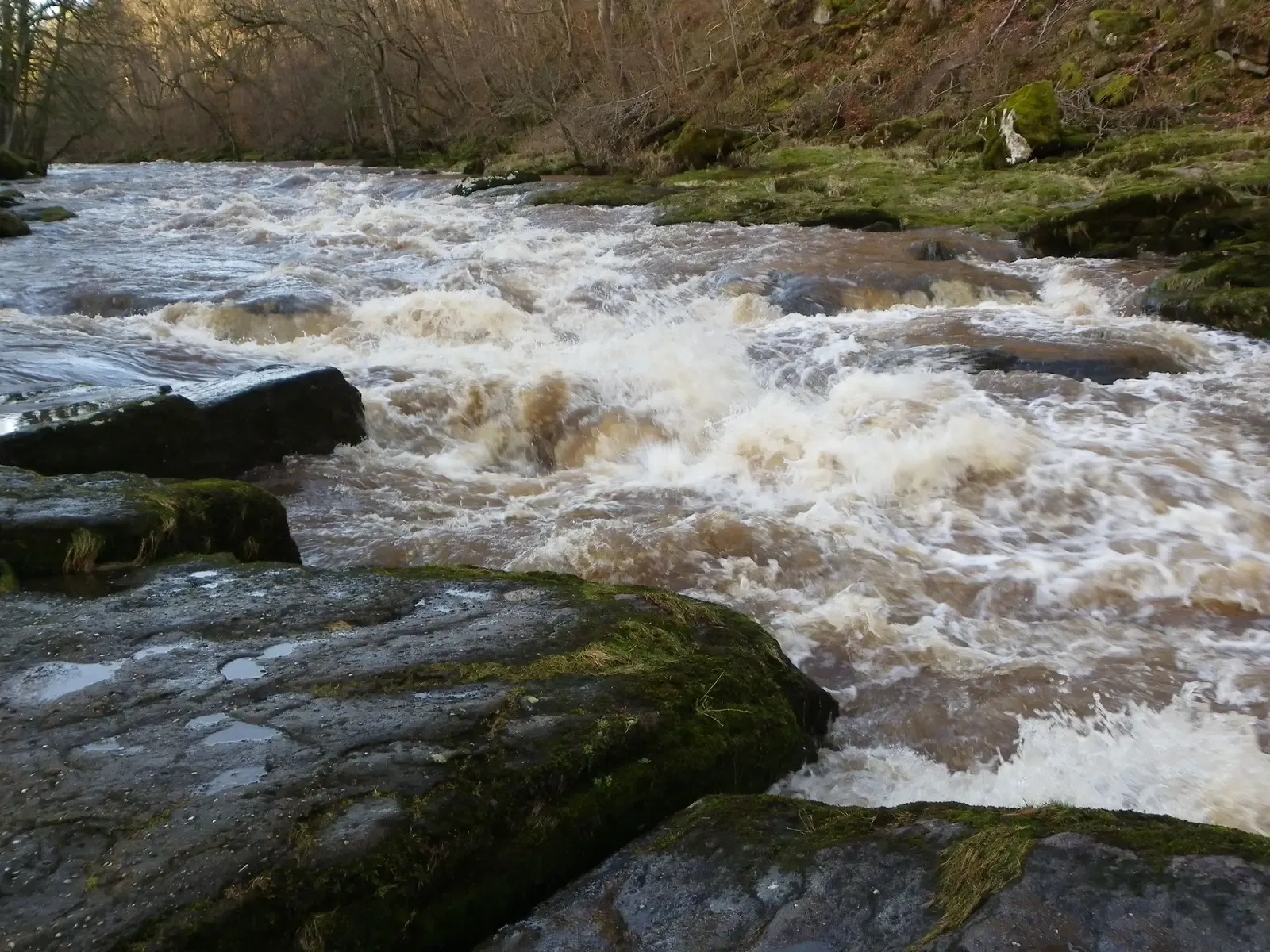
The Bolton Strid stands as a sobering reminder that nature doesn’t need fangs or claws to be deadly. Sometimes the most dangerous things come wrapped in the most innocent packages. Its calm, quiet appearance belies its raging, deadly underbelly, and that deception has claimed lives across centuries.
The River Wharfe continues its ancient journey through the Yorkshire countryside, carrying its deadly secret through England’s countryside, and for those who know its history, the innocent babbling carries the echoes of all those who vanished beneath its surface. If you ever find yourself walking through the beautiful woods near Bolton Abbey, take a moment to appreciate the Strid’s terrible beauty. Just make sure you stand well back from the edge. What do you think drives people to take risks near such dangerous natural features? Share your thoughts about respecting nature’s power in the comments.
Jan loves Wildlife and Animals and is one of the founders of Animals Around The Globe. He holds an MSc in Finance & Economics and is a passionate PADI Open Water Diver. His favorite animals are Mountain Gorillas, Tigers, and Great White Sharks. He lived in South Africa, Germany, the USA, Ireland, Italy, China, and Australia. Before AATG, Jan worked for Google, Axel Springer, BMW and others.