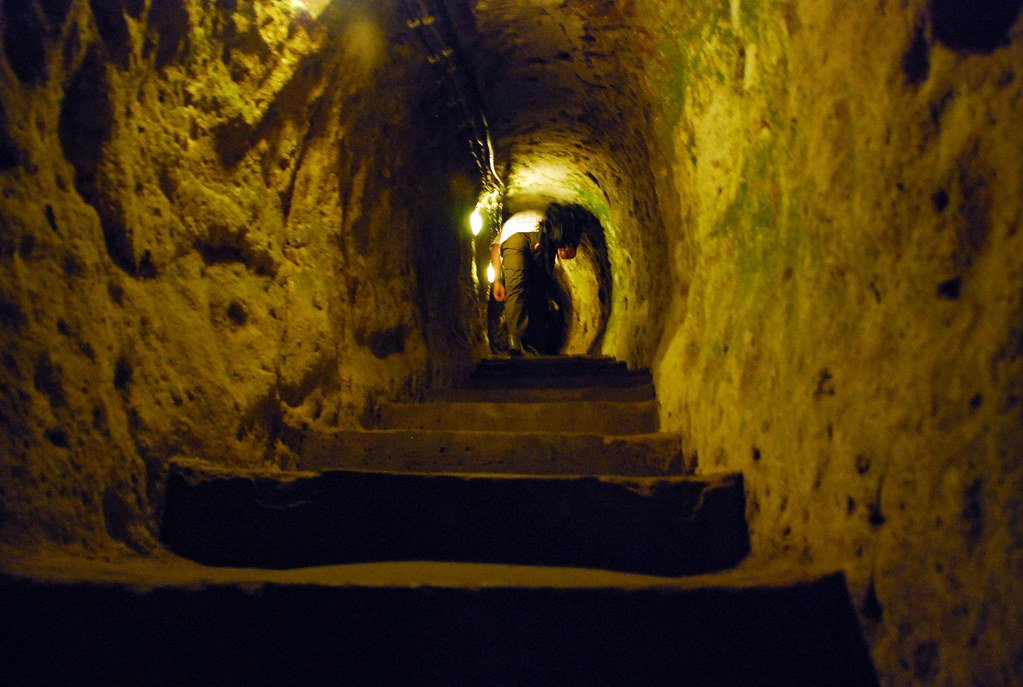

Beneath the bustling streets of modern cities lies a world unseen by most—a hidden tapestry of forgotten civilizations, lost architecture, and untold stories. As skyscrapers rise and urban sprawl extends its reach, the layers of history that lie beneath our feet are often overlooked. This article delves into the profound impact of urban development on these subterranean cities, exploring the fascinating interplay between the past and present, and unveiling the historical treasures that remain buried beneath our urban landscapes.
The Unseen Layers of History
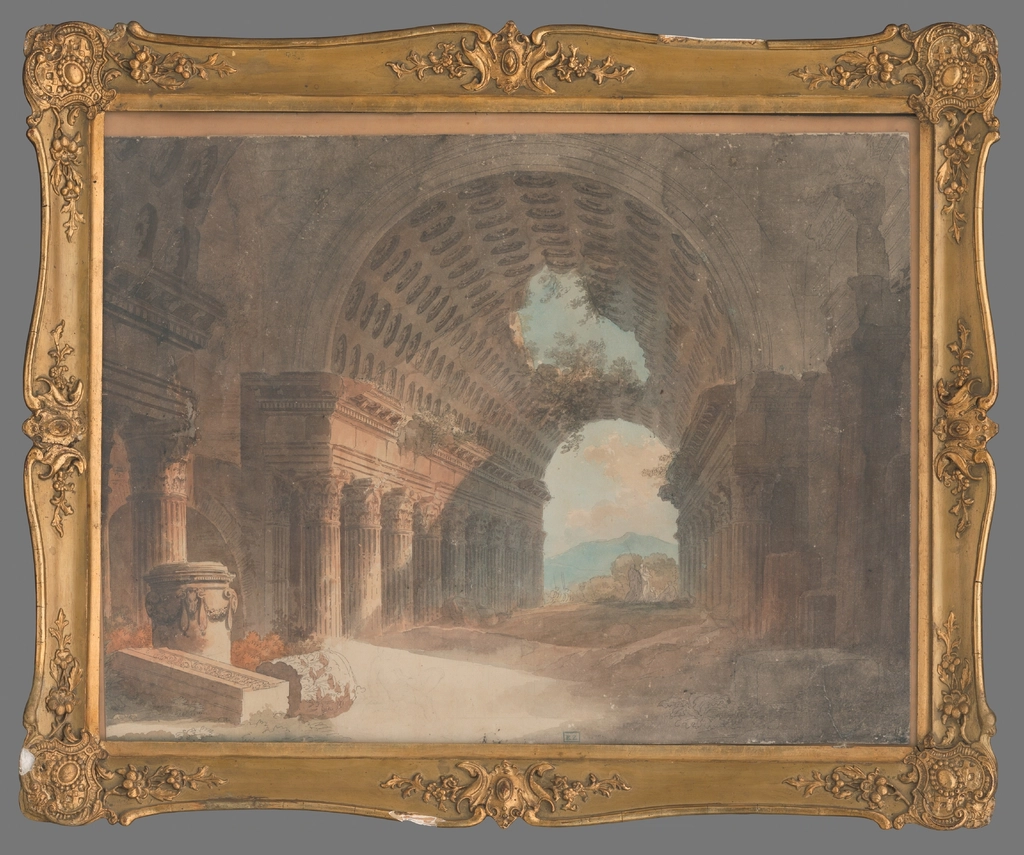
Many cities, both ancient and modern, are built upon the ruins of previous settlements. Each layer of urban growth covers a story, a civilization that once thrived. For instance, Rome, famously known as the “Eternal City,” is an exemplary case where modern life exists atop a network of ancient ruins. Beneath the cobblestones, one can find remnants of Roman streets, temples, and even entire neighborhoods. These layers are like pages in a book, each telling tales of conquests, culture, and community. Understanding these layers helps us appreciate the depth of human history and the continuity of human settlement.
The Role of Archaeology in Urban Areas
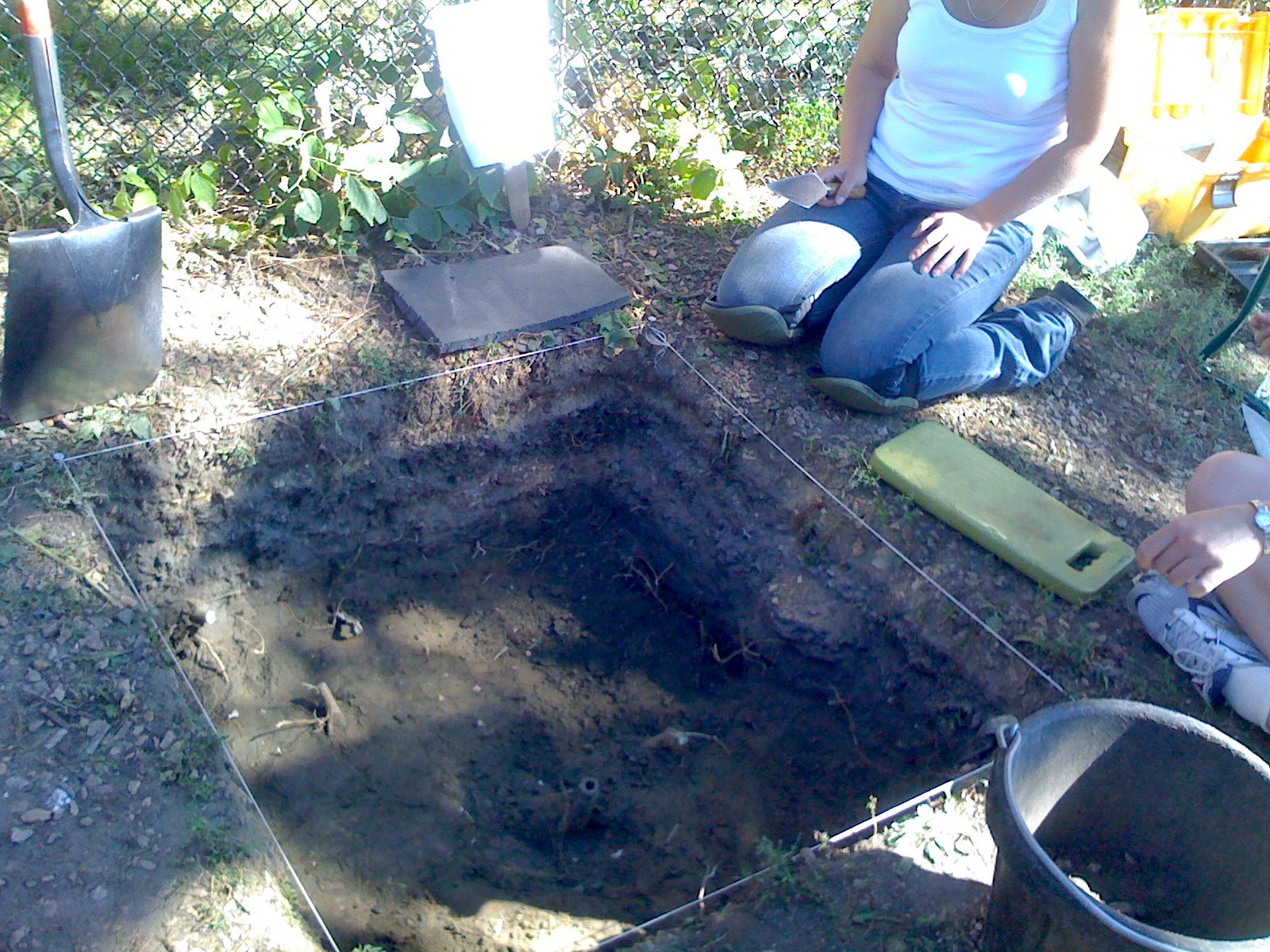
Archaeology plays a crucial role in uncovering the stories hidden beneath our cities. In urban areas, archaeologists face unique challenges, such as dealing with modern infrastructure and the need for rapid excavation due to construction timelines. They use cutting-edge technology like ground-penetrating radar and 3D modeling to visualize what’s below without disturbing the surface. These tools have transformed our ability to uncover history without halting progress. The discoveries made in urban settings not only enrich our historical knowledge but also offer insights into the evolution of urban life.
Case Study: The City of London
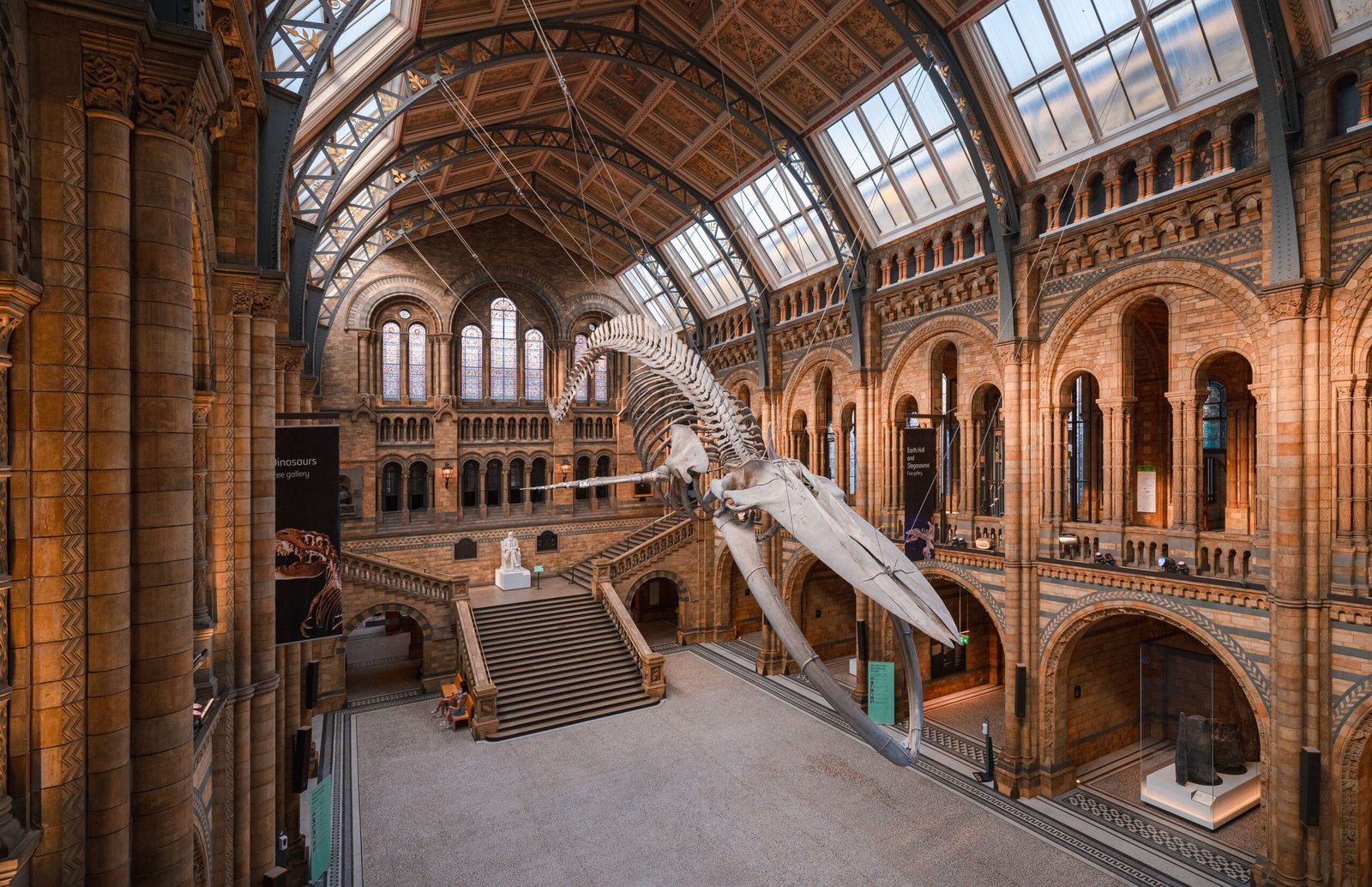
London is a city where the past and present coexist in remarkable ways. Beneath its streets lie the remnants of Roman Londinium, medieval structures, and even relics from the Great Fire of 1666. Recent excavations have unearthed everything from ancient coins to medieval pottery, painting a vivid picture of the city’s evolution. The famous London Underground itself is a journey through history, with some stations doubling as archaeological sites. These discoveries highlight the city’s continuous adaptation and resilience through the ages.
Challenges of Modern Urbanization
Modern urbanization presents significant challenges to preserving these hidden histories. The demand for new infrastructure often leads to the destruction of archaeological sites. While laws exist to protect significant finds, many sites remain unexcavated due to financial and logistical constraints. Developers and city planners must balance the need for growth with the preservation of cultural heritage. This requires innovative approaches to integrate historical preservation into urban development plans, ensuring that progress does not come at the cost of history.
The Importance of Preservation
Preserving the historical layers beneath our cities is not just about saving ancient artifacts; it’s about maintaining a tangible connection to our past. These remnants tell us who we were and how we have evolved. They offer lessons in resilience, innovation, and adaptation. By preserving them, we ensure that future generations can learn from our collective journey. Successful examples of preservation can be seen in cities like Athens and Istanbul, where ancient ruins coexist harmoniously with modern life, serving as reminders of a rich and varied past.
Innovative Solutions for Urban Excavation
Innovation is key to preserving history in the face of urban development. Techniques like vertical archaeology allow for deeper excavations with minimal surface disruption. In some cities, glass floors have been incorporated into buildings, allowing people to view ancient ruins below. These innovations not only preserve history but also make it accessible to the public, fostering a deeper appreciation for the past. By embracing technology and creative thinking, cities can continue to grow while honoring their historical foundations.
The Global Impact of Urbanization on History
The impact of urbanization on historical sites is a global phenomenon. Cities across the world, from Beijing to Cairo, are grappling with similar challenges. In China, rapid urban growth has led to the discovery of numerous ancient sites, prompting the government to enforce stricter preservation laws. Similarly, in Egypt, the expansion of Cairo has unearthed countless Pharaonic artifacts, highlighting the delicate balance between development and conservation. These examples underscore the universal importance of integrating heritage preservation into urban planning.
Engaging the Public in Historical Preservation
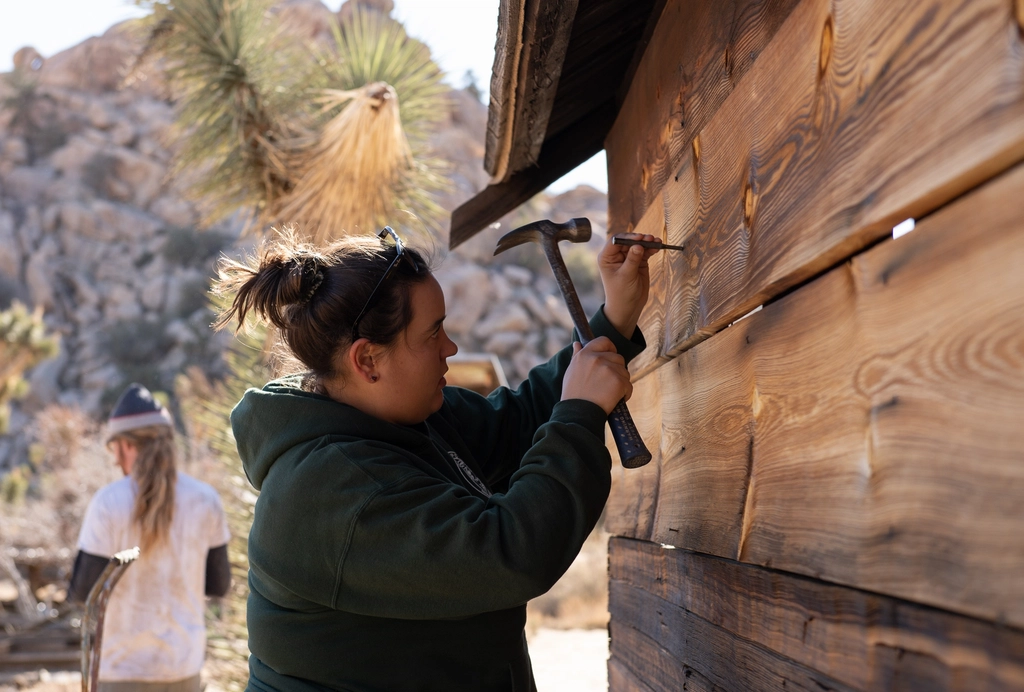
Public engagement is crucial in the fight to preserve history beneath our cities. Educational programs, interactive exhibits, and community archaeology projects can foster a sense of ownership and responsibility among citizens. When people understand the value of their city’s history, they are more likely to support preservation efforts. By involving the public, cities can create a culture of conservation that prioritizes historical integrity alongside modern development.
The Future of Urban Development and History

As cities continue to grow, the future of urban development must include strategies for preserving the hidden cities beneath our feet. This involves collaboration between archaeologists, urban planners, and policymakers to create integrated solutions that respect both history and progress. Sustainable development practices that incorporate historical preservation can set a precedent for future urban growth. By valuing our past, we can build cities that are not only modern but also deeply connected to their historical roots.
Uncovering the Stories Beneath Us
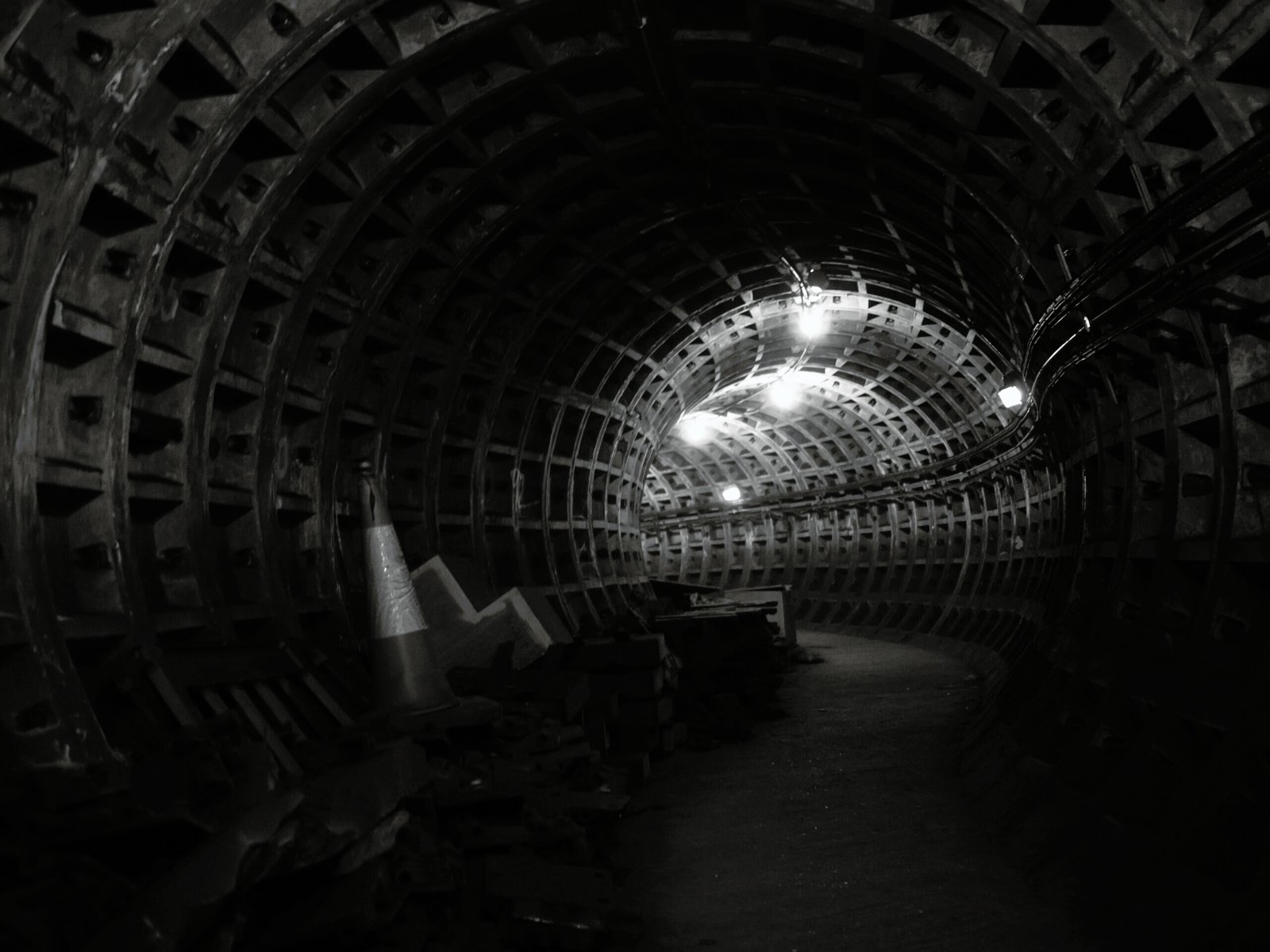
The hidden cities beneath our feet hold stories waiting to be uncovered. Each discovery adds a new chapter to the narrative of human history. As we continue to build upwards and outwards, let us not forget the foundations upon which we stand. By preserving these hidden histories, we honor the legacies of those who came before us and ensure that their stories remain a living part of our urban landscapes. In doing so, we not only enrich our understanding of the past but also pave the way for a future that values its roots.