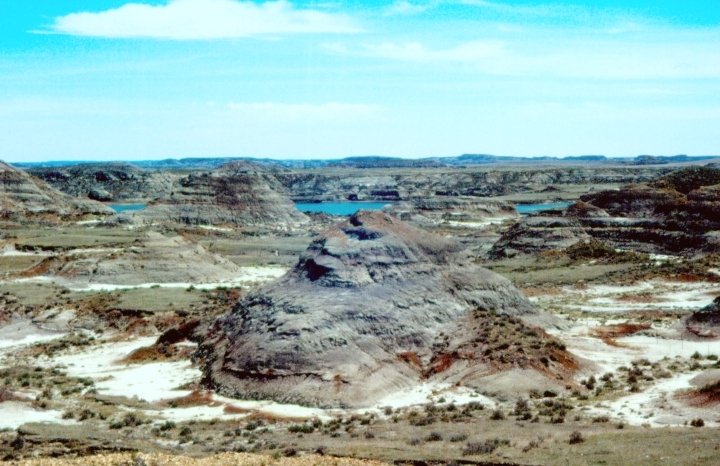

The Hell Creek Formation, one of the world’s most famous paleontological sites, offers a captivating glimpse into the twilight of the dinosaurs and the dawn of mammals. Tucked away in parts of Montana, North Dakota, South Dakota, and Wyoming, this “fossil graveyard” has yielded invaluable information about the creatures that roamed North America during the late Cretaceous period. Join us on a journey to explore what this remarkable geological treasure trove reveals about the last days of the dinosaurs.
Unveiling Hell Creek: An Overview
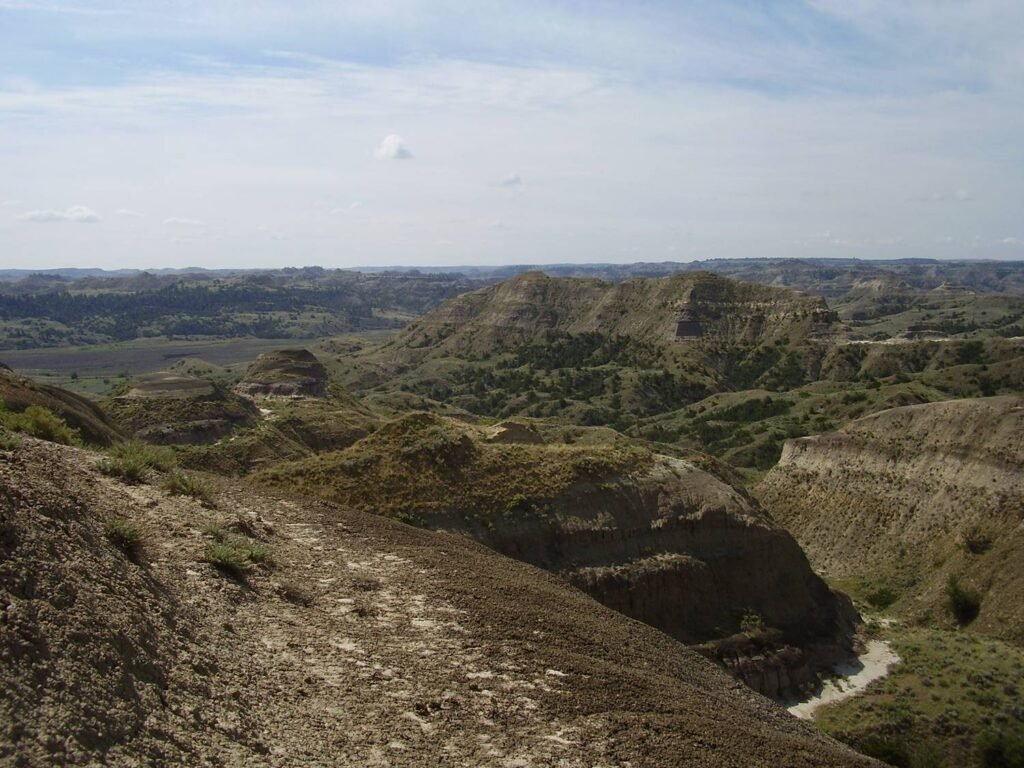
The Hell Creek Formation is a geological layer rich with fossils, dating back about 66 million years. It spans contemporary U.S. states in the Great Plains, and despite its somewhat ominous name, it represents a bygone ecosystem teeming with life. Discovered in the late 19th century, this fossil formation has since become a pivotal site for understanding prehistoric life.
A Glimpse into the Late Cretaceous Period

During the Late Cretaceous, the Hell Creek Formation hosted a diverse ecosystem, characterized by a mix of forests, floodplains, and rivers. This environment provided a habitat for a wide variety of plants, insects, and animals. The area now offers a snapshot of species before the catastrophic event that led to their extinction.
The Tale of Two Titans: Tyrannosaurus Rex and Triceratops

Among the most famous creatures found in the Hell Creek Formation are the Tyrannosaurus rex and the Triceratops. T. rex, the formidable predator, and Triceratops, the massive, three-horned herbivore, are often portrayed as arch-nemeses in popular culture. Fossil evidence from the region confirms their presence and gives insight into their interactions and behaviors.
Fossil Finds Beyond Dinosaurs

While dinosaurs often take center stage, the Hell Creek Formation also hosts numerous fossils of birds, mammals, reptiles, and plants. The discovery of primitive mammals like Didelphodon provides valuable information about the early evolution of creatures that ultimately thrived after the dinosaurs’ extinction.
Ecosystem Dynamics: Predator and Prey

Studies of the Hell Creek Formation reveal complex predator-prey dynamics that characterized the ecosystem. The presence of diverse carnivorous and herbivorous species indicates a balanced environment where each species played a crucial role in the food chain.
The K-Pg Boundary: A Marker of Mass Extinction
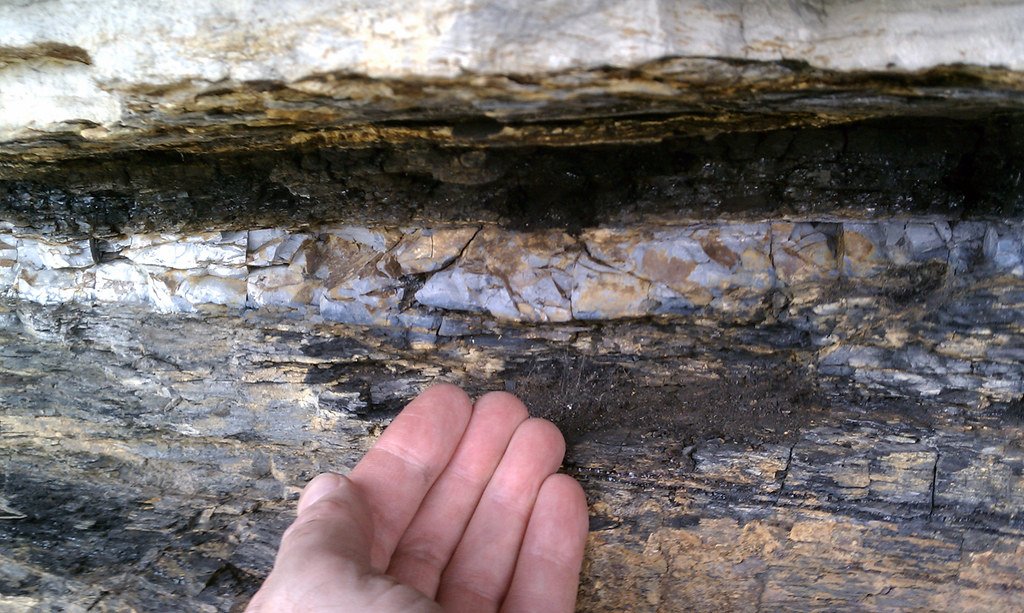
The transition between the Cretaceous and Paleogene periods, known as the K-Pg boundary, is well-documented in the Hell Creek Formation. This geological marker signifies the mass extinction event, likely triggered by an asteroid impact, which led to the demise of nearly 75% of Earth’s species, including non-avian dinosaurs.
Clues to the Past: Analyzing Fossilized Remains
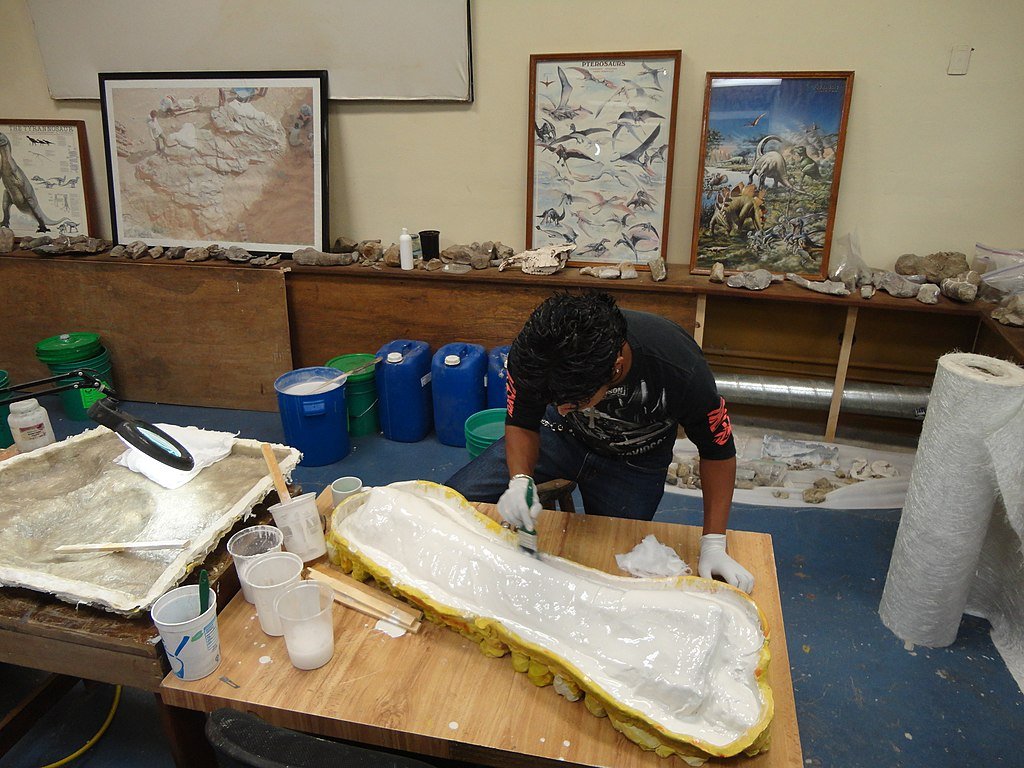
Fossil analysis in the Hell Creek Formation involves examining bones, teeth, and other remains to understand the anatomy, diet, and habits of the creatures that lived millions of years ago. Techniques like isotopic analysis and computer modeling aid scientists in recreating these ancient ecosystems.
Paleobotany: Ancient Flora of Hell Creek
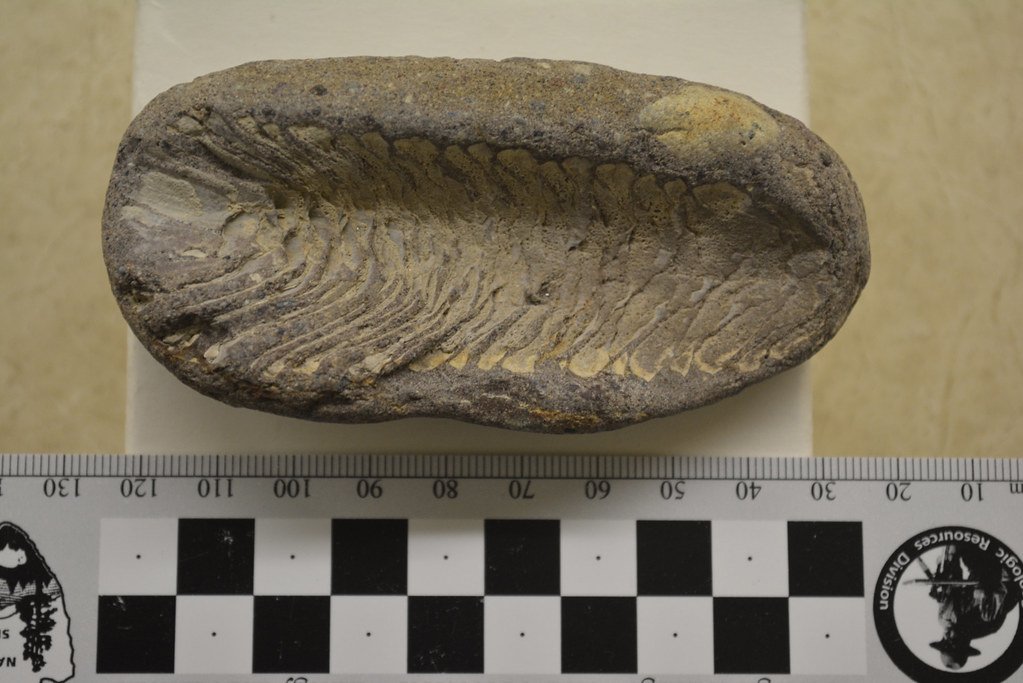
The Hell Creek Formation is not just about fauna; it also provides significant insights into the ancient flora. Fossilized plants, including leaves and seeds, reveal details about the climate and environmental conditions during the late Cretaceous, painting a vivid picture of the past landscapes.
Challenges in Fossil Excavation and Preservation

Extracting fossils from the Hell Creek Formation is a meticulous process, requiring careful excavation techniques to preserve these ancient treasures. However, the region’s harsh weather and eroding landscapes pose ongoing challenges to paleontologists striving to uncover and protect these fossils.
The Role of Hell Creek in Paleontological Research
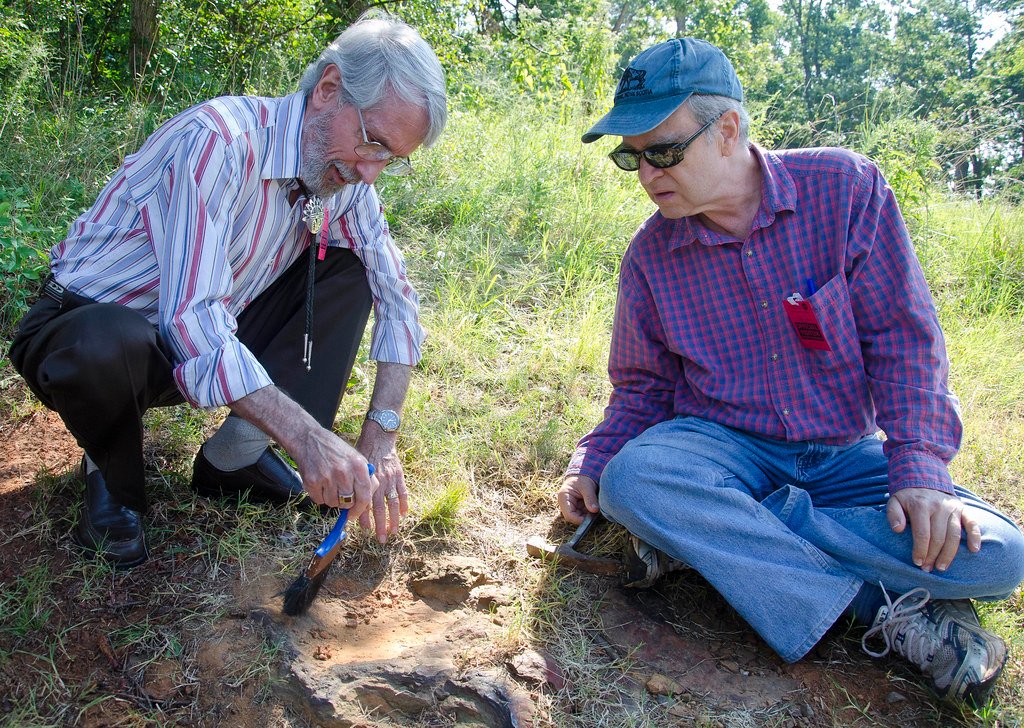
Hell Creek continues to be a focal point for paleontological research, drawing scientists from around the world. Its rich deposits help researchers learn not only about dinosaur extinction but also about broader patterns of evolution, extinction, and environmental change over time.
Public Engagement and Education
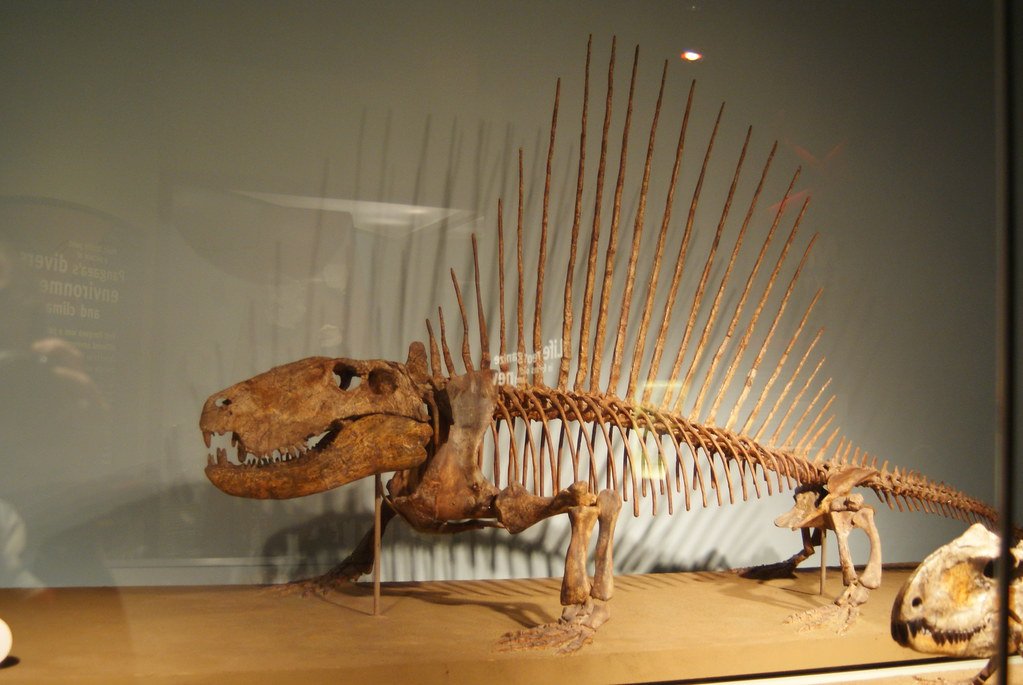
The significance of Hell Creek extends beyond academia to public education. Museums and educational institutions bring the story of this formation to life, fostering a deeper appreciation for Earth’s prehistoric past and the dynamic processes that shape it.
Citizen Science and Fossil Discovery
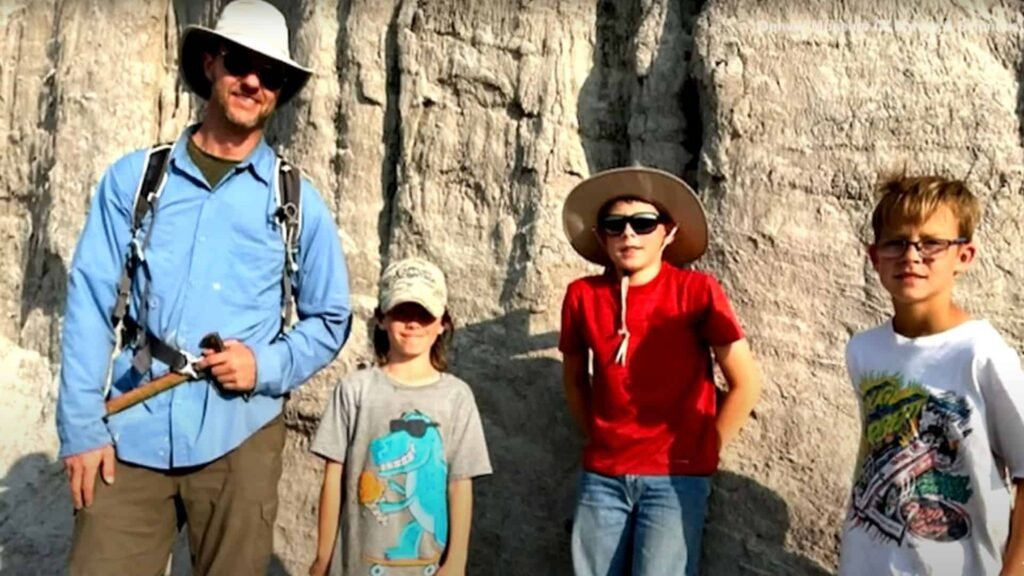
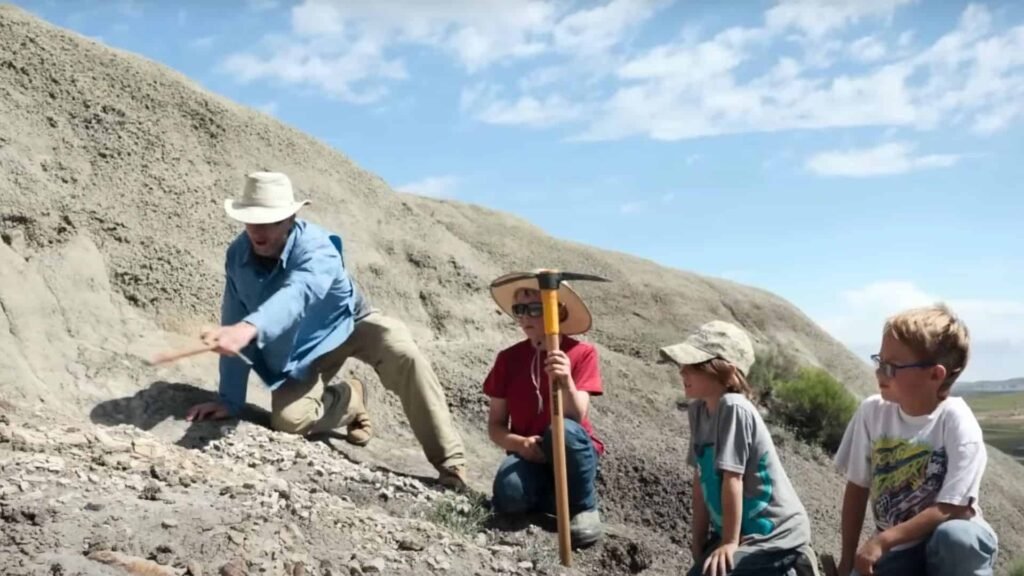
In recent years, citizen scientists have played an increasingly important role in discovering fossils within the Hell Creek Formation. Through guided expeditions and collaborations with professional paleontologists, enthusiasts contribute to the ongoing story of discovery in this iconic landscape.
Global Influence on the Understanding of Mass Extinctions

The discoveries made in the Hell Creek Formation extend their influence globally, providing critical data that helps scientists to compare other mass extinction events throughout Earth’s history. This comparative work enhances our understanding of biodiversity and resilience.
Technological Advances in Paleontology

Modern technology, such as 3D scanning and digital modeling, enhances the study of Hell Creek fossils, allowing researchers to preserve and analyze fossils in new and innovative ways. These advancements lead to more precise reconstructions and insights into prehistoric life.
Conservation of Fossil Sites
Preserving the integrity of the Hell Creek Formation is crucial for ongoing research and education. Conservation efforts focus on protecting these sites from natural and human threats, ensuring that future generations can continue to explore and learn from these ancient relics.
Interdisciplinary Approaches in Fossil Research

Research in the Hell Creek Formation exemplifies the interdisciplinary nature of modern science, combining geology, biology, chemistry, and technology. Collaboration among diverse scientific fields enriches our understanding of the past and its effects on present and future ecosystems.
Scientific Debates and Discoveries

The Hell Creek Formation often serves as a focal point for scientific debates and discoveries. Ongoing research challenges existing theories, prompting new questions and discussions about dinosaur behavior, extinction dynamics, and evolutionary patterns.
Imagining Life at Hell Creek

Through a combination of scientific data and creative interpretation, scientists and artists alike work to bring the Hell Creek Formation to life, imagining what the world was like when dinosaurs roamed these lands. This work helps to inspire curiosity and wonder about Earth’s distant past.
The Enduring Mystique of Dinosaurs

Dinosaurs continue to captivate the public imagination, and sites like the Hell Creek Formation play a crucial role in shaping our understanding of these ancient creatures. The ongoing fascination with dinosaurs drives interest in, and funding for, paleontological research, ensuring that the stories of these ancient giants continue to be told.
Conclusion: A Window into Prehistory

The Hell Creek Formation serves as a window into a pivotal moment in Earth’s history. It helps us understand the dynamics of ecosystems on the brink of mass extinction and offers insights into the enduring mysteries of our planet’s biological and geological past. As we unearth more of its secrets, we deepen our appreciation for life’s resilience and the ever-changing tapestry of our natural world.