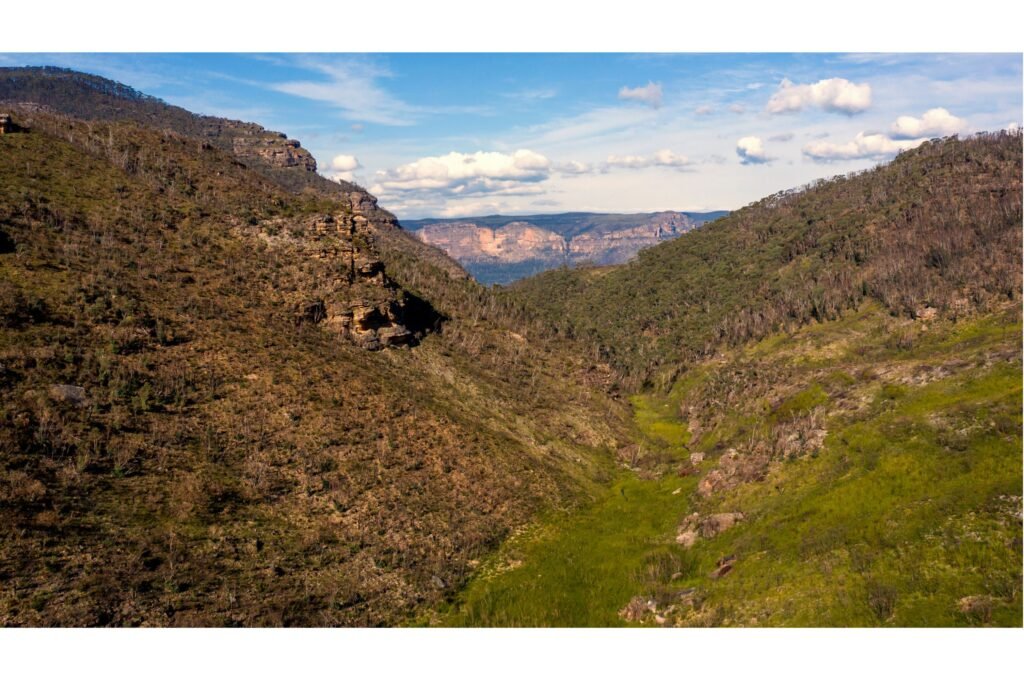

Australia, known for its diverse ecosystems and sprawling landscapes, faces an escalating environmental challenge: desertification. This process transforms fertile land into deserts, primarily due to unsustainable human activities and climate variations. As desertification spreads across Australia’s interior, the consequences for biodiversity, agriculture, and water resources become increasingly severe. This article delves into the causes of desertification in Australia, and the impact on the environment and communities, and explores potential solutions to mitigate this growing threat.
The Causes of Desertification in Australia

Desertification in Australia is driven by a combination of natural and human-induced factors. Prolonged droughts, increased temperatures, and variable rainfall patterns contribute to land degradation. Human activities such as deforestation, overgrazing by livestock, and poor land management practices exacerbate the problem by reducing vegetation cover and soil fertility. Additionally, unsustainable agricultural practices, like excessive irrigation, lead to soil salinity and degradation.
Impact on Biodiversity

As areas become barren, the rich biodiversity of Australia’s interior is under threat. Native plant species struggle to survive as arid conditions expand, leading to a decline in habitat for countless animal species. The loss of vegetation not only disrupts food chains but also diminishes natural habitats, putting species such as kangaroos, emus, and reptiles at risk. Biodiversity loss affects ecosystem services vital for human survival, such as carbon sequestration and soil fertility.
Effects on Agriculture

Agriculture, a cornerstone of Australia’s economy, suffers significantly from desertification. Reduced soil quality and water scarcity diminish crop yields, forcing farmers to adapt or abandon their lands. As productive land becomes unsuitable for cultivation, the agricultural sector faces economic challenges, impacting food security and local livelihoods. This domino effect highlights the urgent need for sustainable land management practices.
Water Scarcity and Resource Management
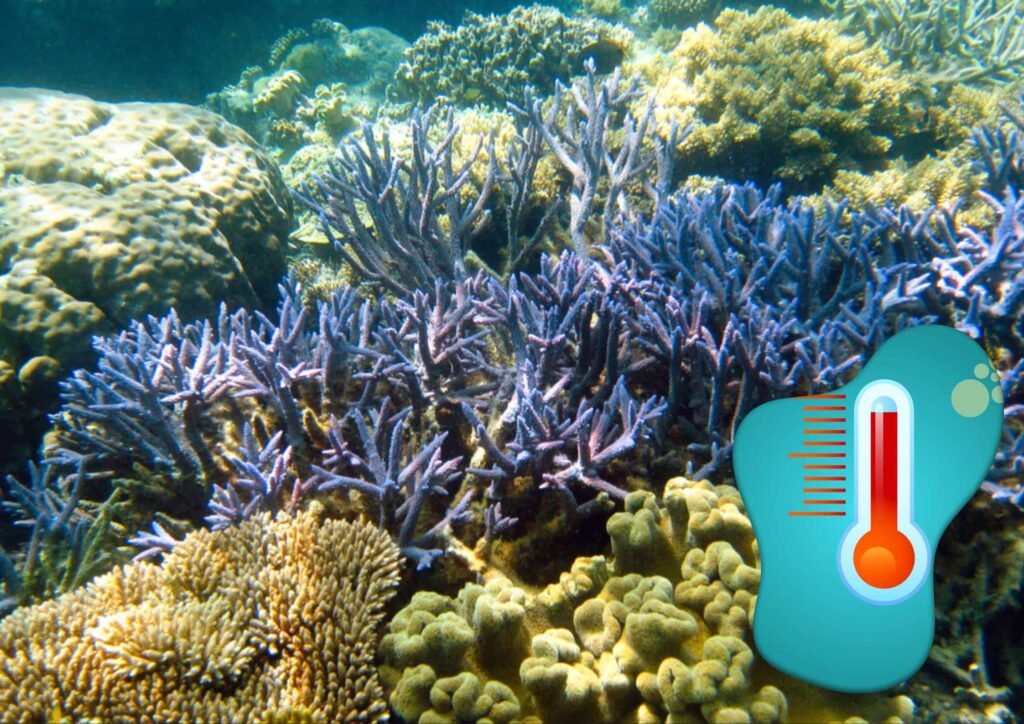
With desertification comes increased water scarcity, a pressing issue in Australia’s already water-limited interior. Degraded land holds less water, exacerbating drought conditions and reducing water availability for agriculture and human consumption. Efficient water resource management, including the implementation of water-saving technologies and sustainable irrigation, is essential to combat desertification’s hydrological impacts.
Human Impact and Community Vulnerability

Desertification has profound socio-economic impacts on communities in the affected regions. As environmental conditions worsen, people in rural areas face challenges such as reduced land productivity, economic instability, and forced migration. Indigenous communities, deeply connected to their land and reliant on natural resources, are particularly vulnerable, necessitating inclusive and culturally sensitive approaches to mitigation efforts.
Climate Change: An Aggravating Factor

Climate change intensifies the risk of desertification in Australia’s interior. Rising temperatures, shifting rainfall patterns, and increased frequency of extreme weather events accelerate land degradation. Addressing climate change through global and national efforts is crucial to mitigating its long-term effects on desertification and fostering environmental resilience.
Sustainable Land Management Practices

Implementing sustainable land management practices is vital to combating desertification. Techniques such as reforestation, afforestation, and the restoration of native vegetation help restore soil fertility and stabilize land. Efficient grazing management and crop rotation can reduce pressure on land and promote soil health. These practices not only combat desertification but also enhance ecosystem services and biodiversity.
Policy and Legislative Frameworks
Strong policy frameworks and legislation are crucial for tackling desertification. Governments must develop and enforce policies promoting sustainable land use, conservation, and natural resource management. Collaborative efforts involving local communities, industry stakeholders, and environmental organizations can drive effective policy implementation and ensure long-term sustainability.
Community Involvement and Education

Empowering communities through education and involvement in desertification mitigation strategies is essential. Local communities hold valuable traditional knowledge and can play a significant role in implementing sustainable practices. Educational programs that raise awareness about the causes and consequences of desertification encourage community-driven actions and foster a sense of stewardship over the land.
Technological Innovations

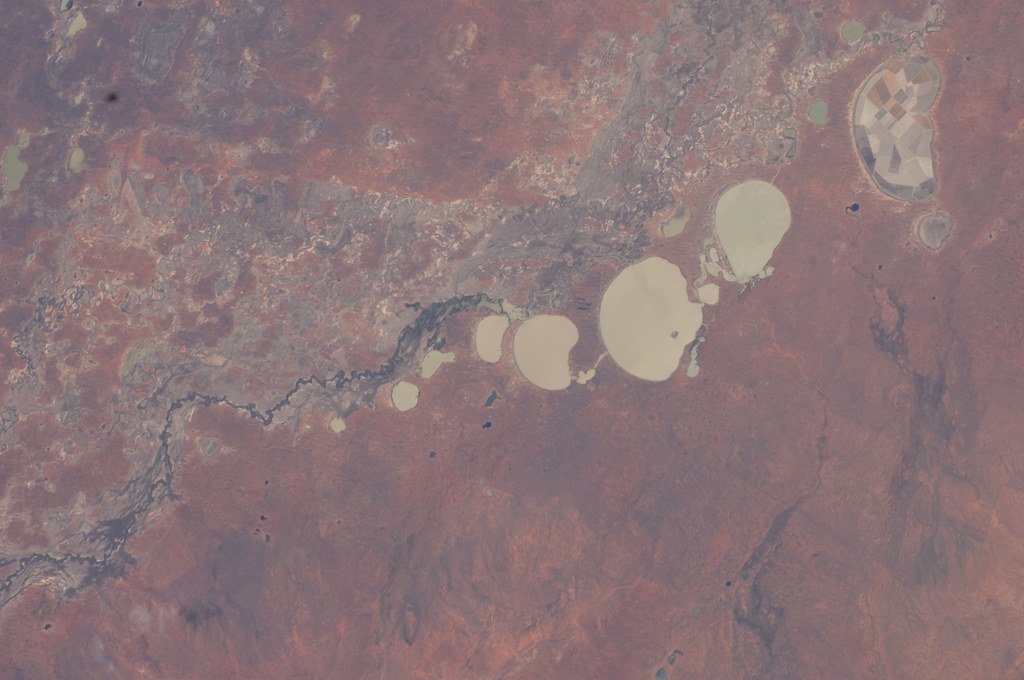
Technological advancements offer promising solutions to combat desertification. Satellite imagery and remote sensing technology enable monitoring of land conditions, helping identify vulnerable areas and track progress in restoration efforts. Additionally, advancements in climate-resilient crops and sustainable agricultural technologies can aid farmers in adapting to changing conditions and maintaining productivity.
International Collaboration
Desertification is a global issue that requires international collaboration for effective resolution. Australia can benefit from sharing knowledge and experiences with other countries facing similar challenges. Participation in international agreements and initiatives focused on combating desertification can strengthen Australia’s efforts through shared expertise and resources.
Investment in Research and Development

Investing in research and development of sustainable land management practices and technologies is essential for long-term mitigation. Continued research into arid land restoration, soil health, and climate-resilient agricultural practices can provide innovative solutions to combat desertification. Government funding and support for scientific research initiatives can drive advancements in understanding and managing land degradation.
Conclusion
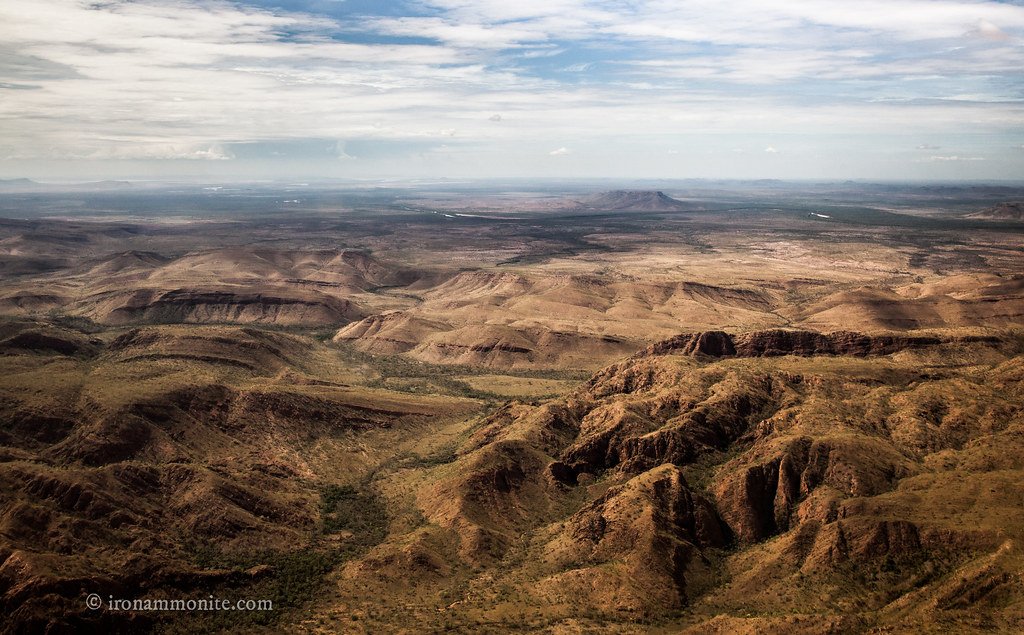
Desertification poses a formidable threat to Australia’s interior, demanding urgent and collaborative action. By understanding its causes and impacts, adopting sustainable land management practices, and fostering community involvement, Australia can combat this environmental challenge. Balancing the needs of human development with environmental sustainability is crucial in preserving Australia’s unique landscapes and ensuring a resilient future for generations to come.
By addressing the cultural, economic, and environmental aspects of desertification, Australia stands to protect its rich natural heritage and secure a sustainable future.