Pollution in our oceans has reached alarming levels, impacting marine ecosystems and threatening the planet’s biodiversity. Yet, amid this crisis, aquatic plants emerge as unexpected allies. These remarkable organisms offer promising solutions for mitigating pollution and revitalizing marine habitats. From nutrient absorption to habitat restoration, aquatic plants provide vital ecosystem services that help clean our oceans and provide a healthier environment for marine life.
Importance of Aquatic Plants in Marine Ecosystems

Aquatic plants are the foundations of underwater ecosystems, playing crucial roles in maintaining water quality, providing food, and creating habitats for countless marine species. These plants, which include seagrasses, mangroves, and algae, contribute to the health and diversity of marine environments by engaging in photosynthesis and producing oxygen. They serve as the primary food source for numerous marine animals, from tiny invertebrates to large herbivorous fish.
Natural Water Filtration Systems
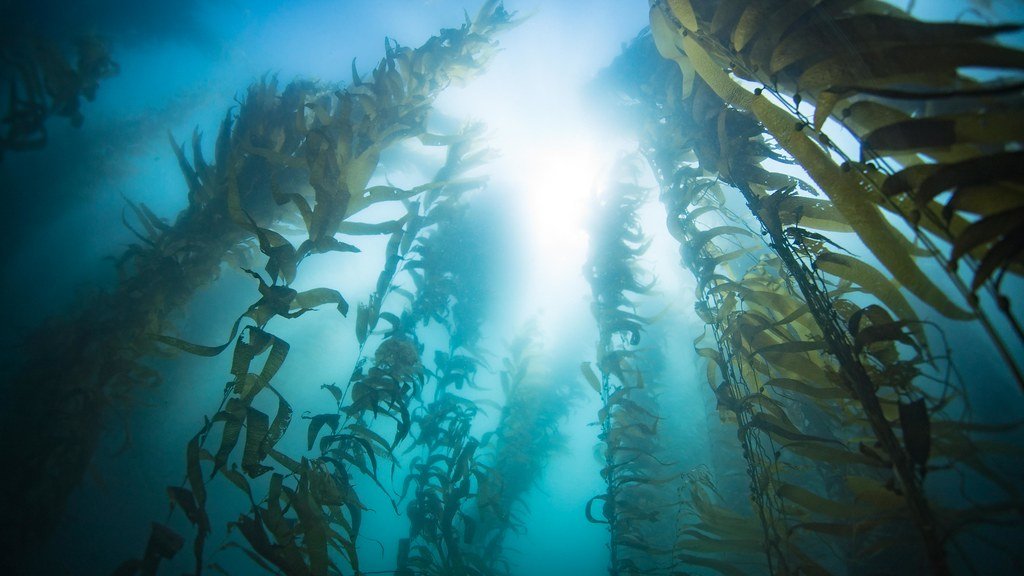
Aquatic plants have a significant capacity to absorb and filter out pollutants from the water. Their roots can take up excessive nutrients, such as nitrogen and phosphorus, which are prevalent in areas affected by agricultural runoff. By doing so, these plants help prevent harmful algal blooms, which can deplete oxygen levels in the water and cause the death of marine life. Consequently, they help maintain a balanced ecosystem.
Reduction of Heavy Metal Concentration
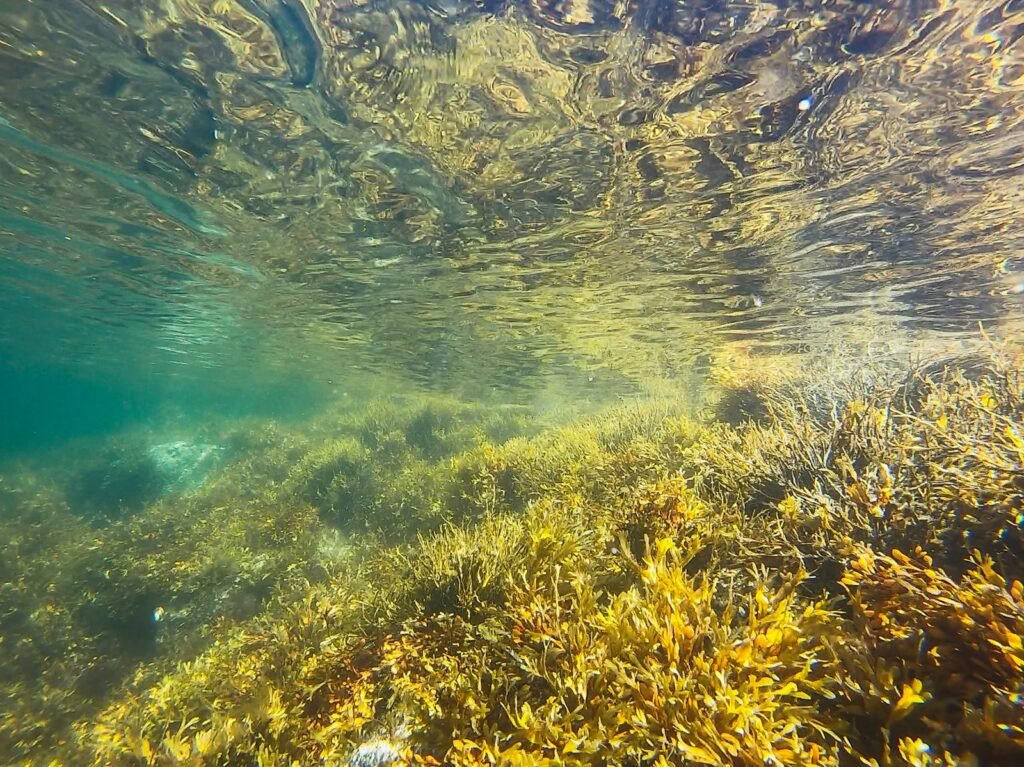
Heavy metals like mercury, lead, and cadmium are hazardous contaminants often found in ocean water due to industrial discharge. Aquatic plants can bioaccumulate these metals, reducing their concentrations in the water and preventing them from entering the marine food web. This ability is vital for protecting aquatic organisms and, by extension, human communities that rely on seafood.
Buffer Zones Against Erosion

Mangroves and seagrasses are particularly effective in stabilizing coastal areas. Their root systems help to trap sediments and reduce wave energy, protecting shorelines from erosion. By acting as natural barriers, these plants safeguard coastal communities and infrastructure from the ravages of storms and rising sea levels, which are exacerbating due to climate change.
Carbon Sequestration Capabilities

Aquatic plants play a significant role in storing carbon, a crucial process in mitigating climate change. Known as ‘blue carbon’ ecosystems, seagrasses, mangroves, and salt marshes are incredibly efficient at capturing and storing carbon dioxide from the atmosphere. Restoring and conserving these habitats can significantly contribute to global carbon sequestration efforts.
Supporting Biodiversity

By providing habitats and breeding grounds for a variety of marine species, aquatic plants enhance biodiversity. Seagrass beds, for example, are home to numerous fish, crustaceans, and mollusks. Biodiverse ecosystems are more resilient to environmental changes and human impacts, making the protection of aquatic plants crucial for the sustainability of marine life.
Enhancing Water Quality and Clarity

The dense growth of aquatic plants can act as a natural filtrant, removing suspended solids and improving water clarity. Improved water clarity benefits photosynthetic organisms and fosters thriving marine ecosystems. As light penetration increases, plant productivity and health improve, contributing to a self-sustaining environment.
Economic and Recreational Benefits
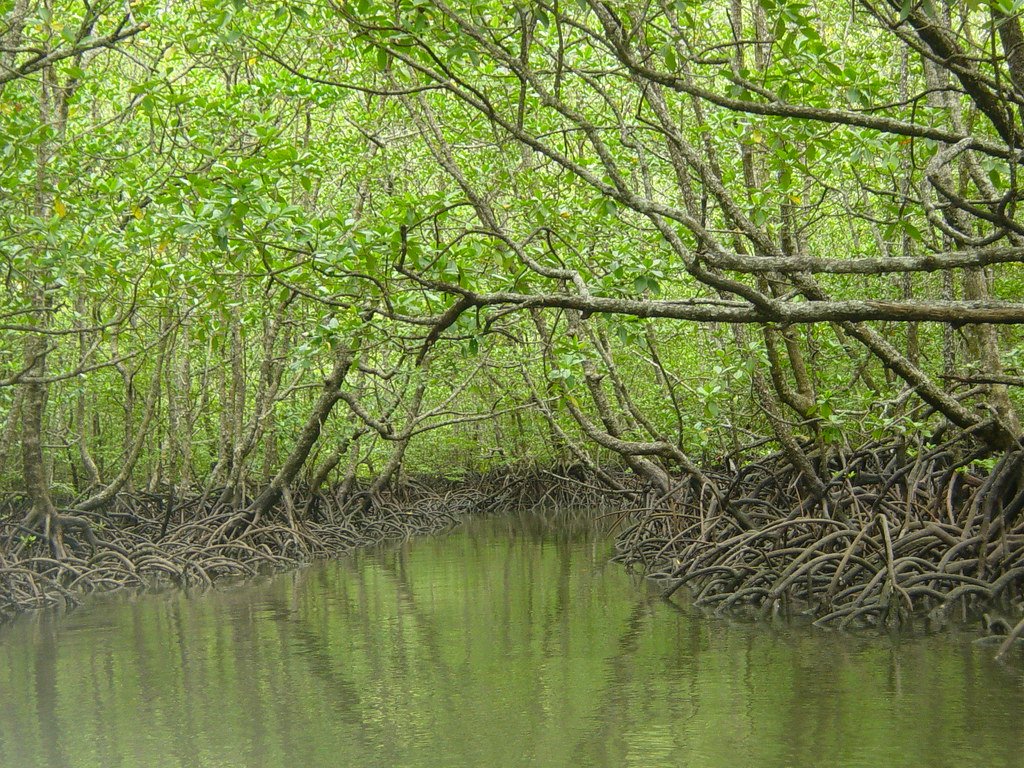
The health of marine ecosystems bolstered by aquatic plants supports various economic activities such as fishing, tourism, and recreation. Healthy seagrass meadows and mangroves attract tourists, boost local economies, and provide jobs in fisheries and recreation-related sectors, highlighting the economic importance of preserving aquatic habitats.
Challenges in Aquatic Plant Conservation

Despite their benefits, aquatic plants face threats from pollution, habitat destruction, and climate change. Conservation efforts require coordinated action to protect and restore these vital ecosystems. Implementing sustainable practices in coastal development and reducing pollution inputs are essential steps in safeguarding their future.
Innovative Approaches to Restoration

Efforts to restore aquatic plants involve innovative techniques such as replanting seagrasses and transplanting mangroves. These initiatives improve habitat complexity and foster the return of diverse marine populations. Engagement from local communities and policymakers is key to the success of these conservation projects.
Collaborative Global Efforts

Addressing ocean pollution and protecting aquatic plants necessitates global collaboration. International agreements and initiatives, such as the Ocean Governance initiative, can promote best practices and provide a framework for sustainable marine management. Collective action is crucial in mitigating the impacts of pollution on our planet.
Technological Advancements in Monitoring

New technologies, such as underwater drones and satellite imaging, enable better monitoring and data collection of aquatic plant health and distribution. Enhanced surveillance allows for timely interventions and more effective management of marine environments.
Educational and Awareness Efforts

Raising public awareness about the importance of aquatic plants and their role in environmental health can spur individual and collective action. Educational programs targeting schools and communities can increase understanding and support for conservation activities.
Involvement of Local Communities

Engaging local communities in conservation efforts ensures the sustainability of restoration projects. Involving community members fosters stewardship and provides traditional ecological knowledge that can enhance project outcomes. Local ownership of conservation goals is significant in achieving lasting success.
Integrating Aquatic Plants in Policy-making

Incorporating the protection and restoration of aquatic plants into environmental policies can have substantial positive effects on marine biodiversity and resilience. Policies that incentivize the preservation of these habitats can catalyze broader efforts toward ocean health restoration.
Research and Scientific Studies

Continuous research is vital to understand better the ecological services provided by aquatic plants. Studies on genetic diversity, resilience, and adaptation of aquatic species provide insights that can inform conservation and restoration strategies.
Partnerships with Non-Profits and NGOs
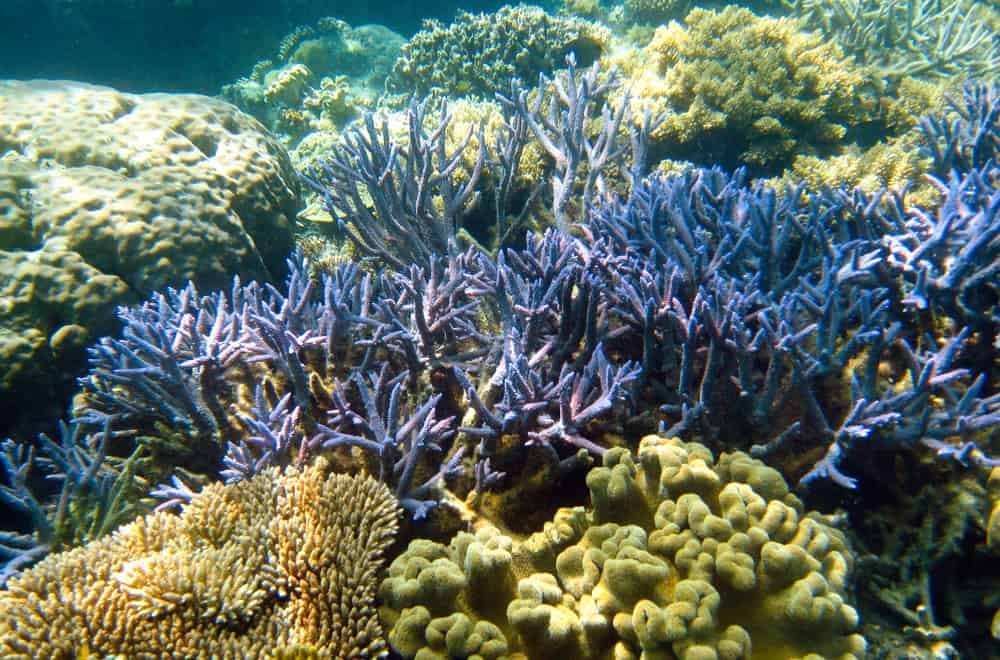
Non-profit organizations and NGOs play a crucial role in advocacy, education, and on-the-ground conservation work. Collaborating with these entities can enhance resource mobilization and project implementation, leading to more comprehensive conservation outcomes.
Future Prospects and Challenges

Despite the challenges, the future holds promise for aquatic plant conservation. With increased awareness, technological advancements, and global cooperation, it’s possible to reverse damage and restore the health of our oceans. Continued commitment and innovative strategies are essential to harness the full potential of aquatic plants in combatting ocean pollution.
In conclusion, aquatic plants are powerful allies in the fight against ocean pollution. They provide essential ecosystem services that support marine life, protect shorelines, and improve water quality. By recognizing their value and investing in their conservation, we can secure a healthier, more vibrant future for our oceans and the countless species that call them home.