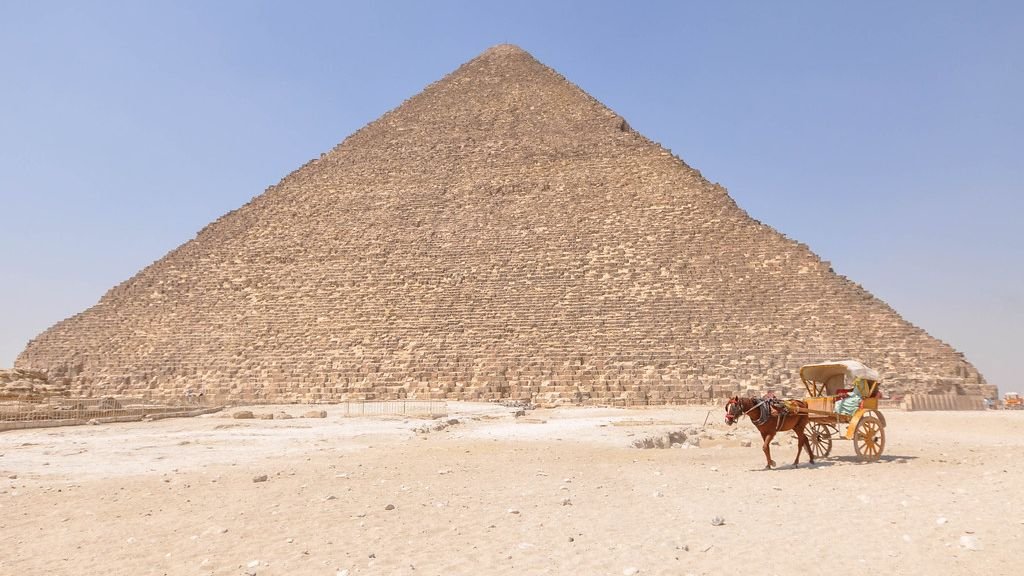

For something that has been standing in the desert for more than four thousand years, the Great Pyramid of Giza still behaves like a stubborn riddle. We’ve scanned it, measured it, crawled through its cramped passages, and fired cutting-edge particle detectors at it, yet the monument keeps shrugging off our attempts to fully understand it. In a world where we can land probes on comets and edit genes, the idea that a massive stone pyramid can still baffle modern science feels both humbling and a little unsettling.
What makes it even more striking is that the pyramid is right there, out in the open, not hidden in some impenetrable jungle or the bottom of the ocean. Millions of people have seen it with their own eyes, and yet the closer experts look, the stranger the story becomes. From mysterious hidden voids to impossible precision and unanswered questions about its purpose, the Great Pyramid isn’t just an ancient tomb; it’s a silent, stone question mark aimed straight at us.
The Hidden Void That Shouldn’t Be There
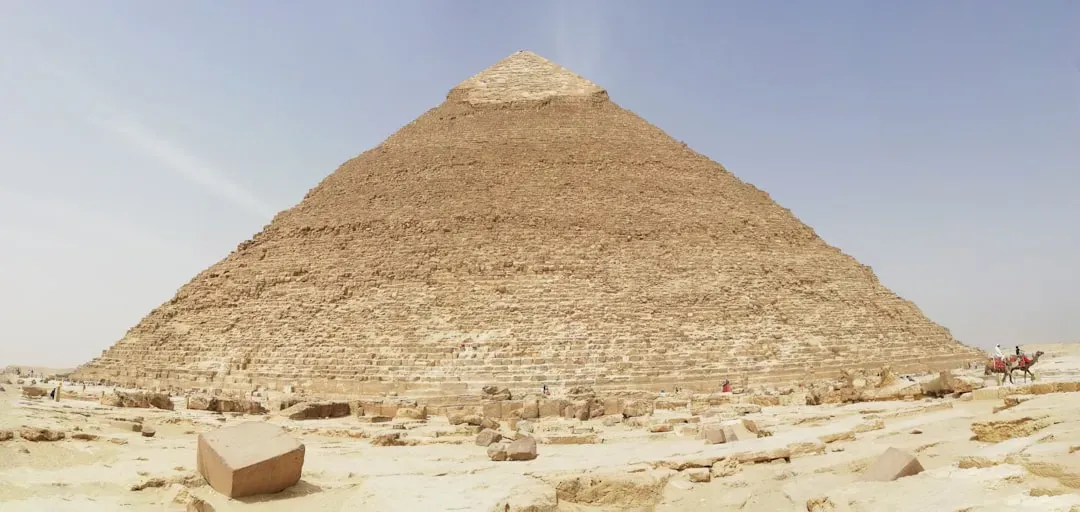
Imagine aiming a kind of cosmic X-ray at one of the most studied buildings on Earth and discovering a huge, unknown space inside it. That’s essentially what happened when researchers used muon tomography – a technique that tracks subatomic particles that constantly rain down from space – to scan the Great Pyramid in the last decade. To their surprise, the data revealed a large void above the Grand Gallery, roughly as long as a commercial airplane, sitting in what was thought to be solid stone. This wasn’t a minor crack but a substantial internal space, and no one had predicted it.
The existence of this void raises more questions than answers. Is it a hidden chamber, a structural feature to reduce weight, or part of some design concept we still don’t grasp? No ancient text mentions it, and no clear internal tunnel leads to it from known corridors. For now, it just hovers in the data: a ghostly outline inside the pyramid that engineers and archaeologists debate but can’t definitively explain. It’s as if the monument quietly reminded us that even when we think we’ve mapped everything, it can still pull off a surprise.
The Impossible Precision of a Stone Giant
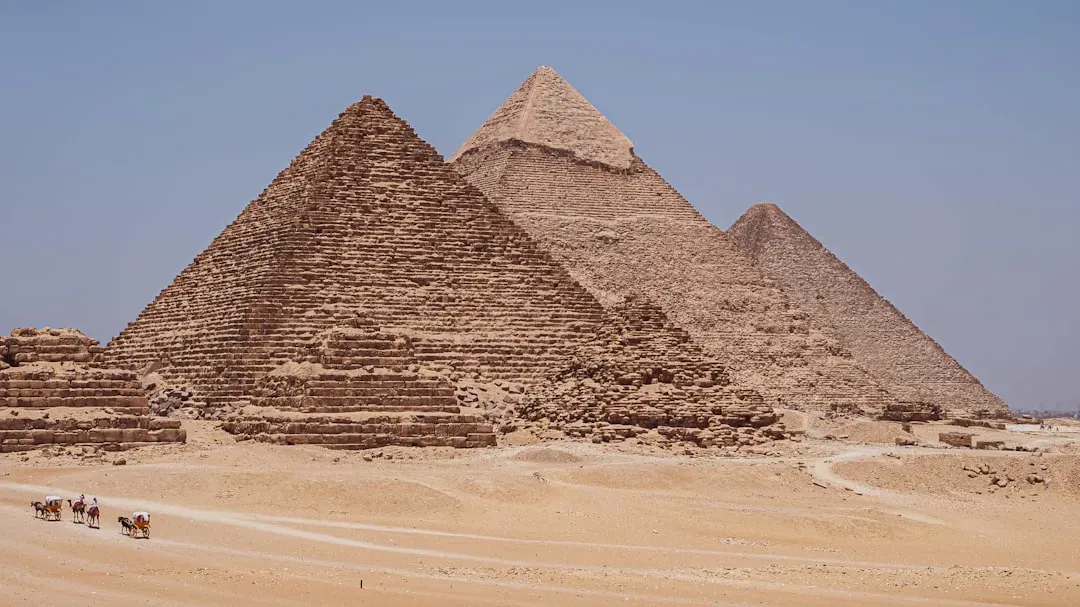
When people say the Great Pyramid is “aligned to true north,” it can sound like a nice little factoid, the kind you’d shrug off after a quick tour. But the reality is far stranger. The pyramid’s sides are aligned to the cardinal directions with a precision that would challenge many modern builders working on a structure that enormous. Each side is remarkably straight, with deviations measuring in fractions of a degree, even though the builders had no steel tools, no lasers, no GPS, and no modern surveying instruments. It feels a bit like discovering your grandparent somehow built a smartphone in the backyard in the 1970s with a hammer and a garden hose.
How exactly they achieved that level of accuracy is still debated. There are plausible ideas involving observations of stars, the sun’s shadow, and clever geometry, but no single, universally accepted method has emerged. What complicates things is the sheer scale: aligning a small shrine is one thing; aligning a six-million-ton stone mountain is quite another. The precision suggests a deep understanding of measurement, astronomy, and engineering, yet we have no surviving “how-to” manual from the builders. The result is a monument that feels like a completed equation, while half the steps that led to the answer have gone missing.
The Construction Mystery: How Did They Actually Build It?
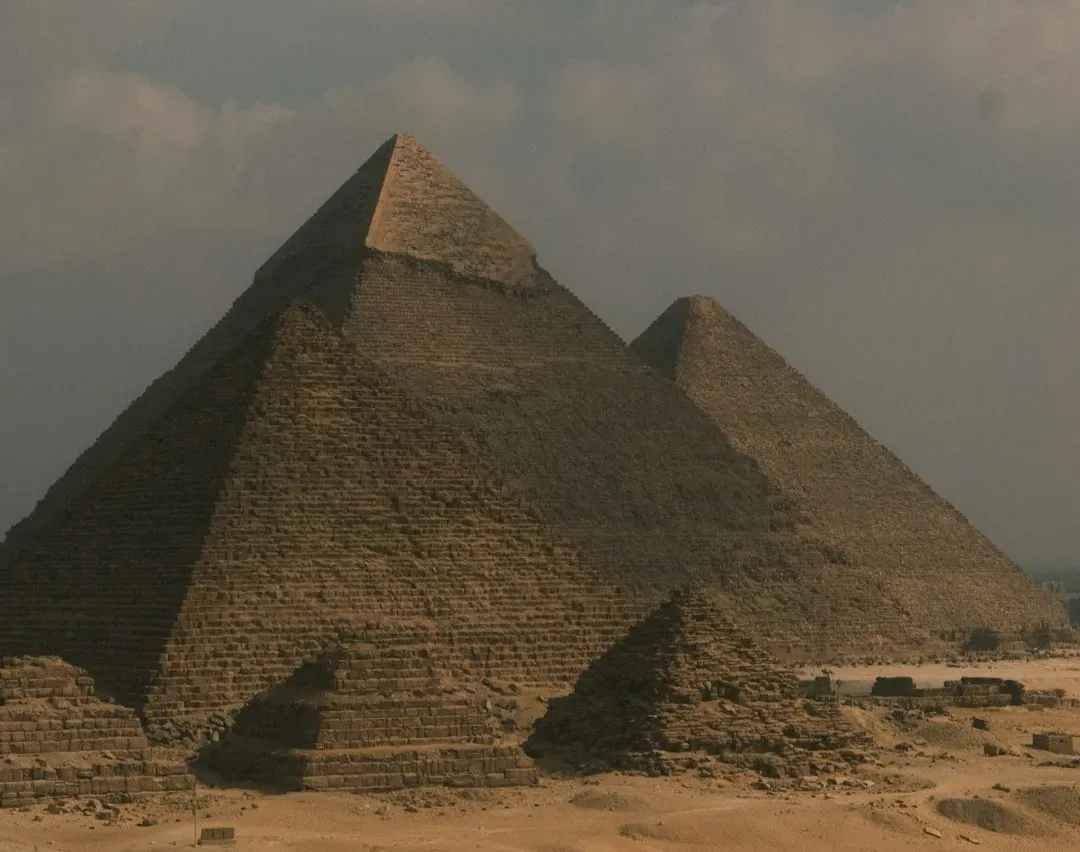
Everyone knows the image: long lines of laborers hauling gigantic stone blocks under the scorching Egyptian sun. But that familiar mental picture glosses over the most basic question: how exactly do you lift and place millions of stones, some weighing several tons, in a structure that rises more than a hundred meters high? Archaeologists have found evidence of ramps, quarries, and worker villages, and we understand far more about the workforce than the old “slave army” stereotype suggests. Yet when it comes to the nuts and bolts of getting those stones into such a precise shape, the details are still hotly debated.
Were there straight ramps, zigzagging ramps along the sides, internal ramps hidden within the structure, or some combination of techniques? Each theory runs into issues of logistics, materials, or physics, especially once you reach the higher levels of the pyramid. Modern engineers can show that, in principle, it was possible with enough organization and manpower, but “in principle” is a long way from a documented, step-by-step method. Standing at the base and looking up, you can almost feel the question pressing on you: how did they really do this day after day, year after year, without the whole thing collapsing into chaos?
The Enigmatic Interior: Chambers, Passages, and Dead Ends
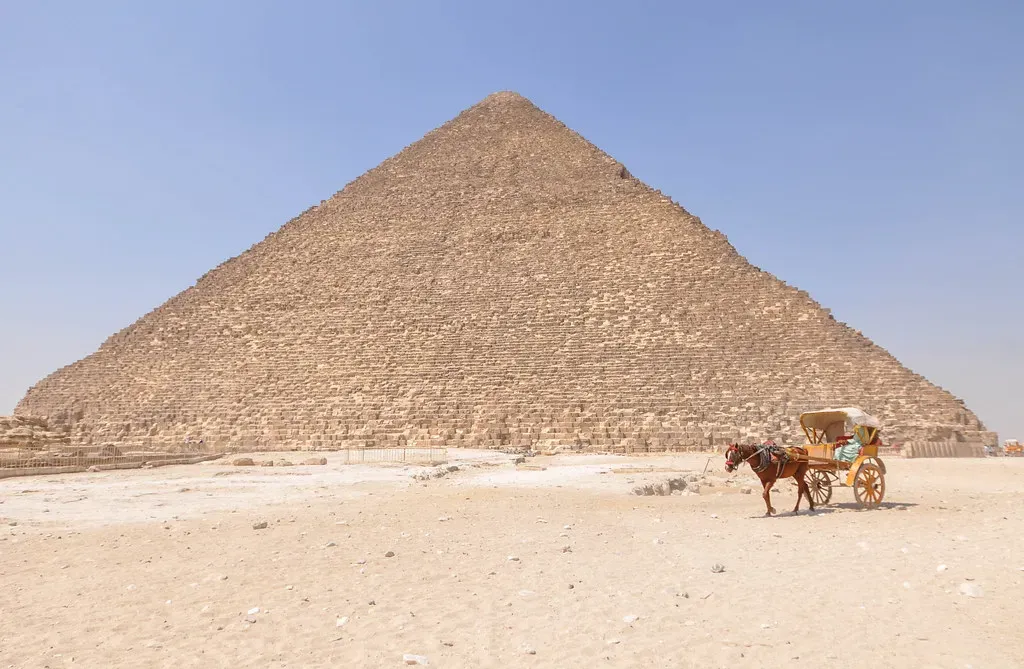
From the outside, the Great Pyramid looks simple: four sides, one point, done. Inside, it’s another world entirely, like a minimalist labyrinth carved into stone. You have the ascending corridors, the Grand Gallery with its steep, soaring ceiling, the King’s Chamber lined with massive granite blocks, and the Queen’s Chamber lower down, all connected through narrow passages and awkward angles. None of this feels random; it’s obviously designed with intent. But the deeper you go, the harder it is to pin down a single, coherent explanation for what everything was supposed to mean or do.
Take the so-called “air shafts” leading from the King’s and Queen’s Chambers. For a long time, people assumed they were meant for ventilation, but some of them don’t even reach the outside. Probes have found small doors with copper fittings blocking paths, and beyond those: more tiny voids and mysteries. Are these symbolic pathways for the pharaoh’s soul, astronomical alignments, or something else entirely? The layout feels like a coded message in stone, one we can partially read but not fully translate. It’s like opening a puzzle box only to find another, even smaller puzzle box inside.
The Question of Purpose: More Than Just a Tomb?
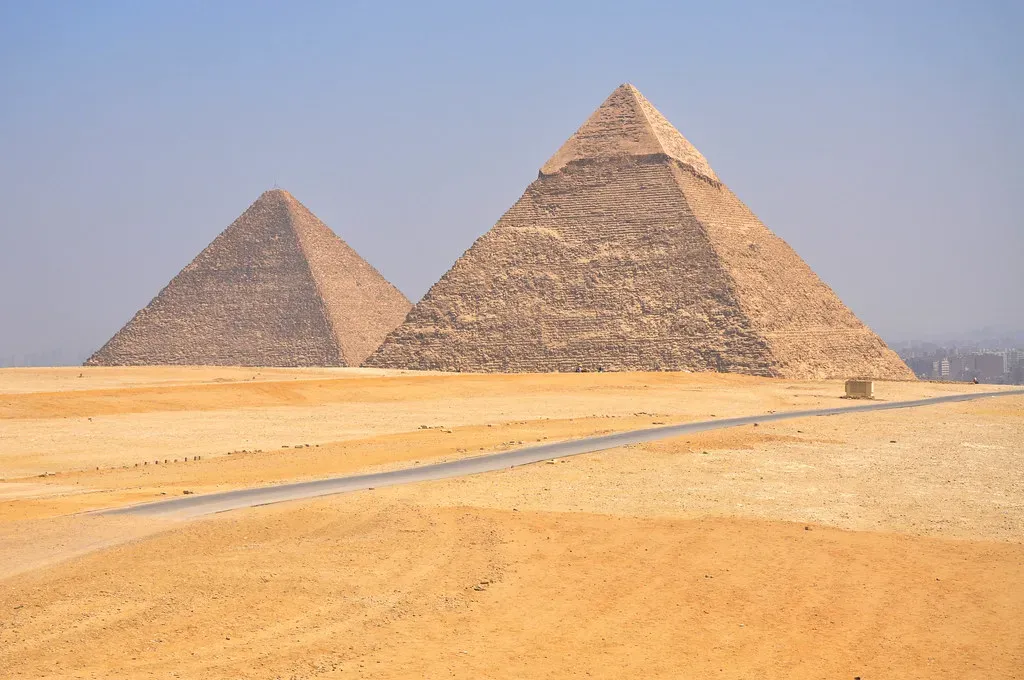
On paper, the Great Pyramid is straightforward: it’s the tomb of the Pharaoh Khufu. That’s the official story, supported by inscriptions in nearby sites and the broader context of Egyptian funerary practices. And yet, for a structure this enormous and complex, the absence of certain expected elements has kept debate alive. Unlike other tombs, there are no sprawling carved scenes on the walls detailing the pharaoh’s journey to the afterlife, no long texts inscribed inside explaining rituals or spells. The interior is strikingly plain, almost austere, as if the emphasis was on the structure itself rather than what was written on it.
Some researchers think the pyramid had layers of meaning: yes, a tomb, but also a cosmic symbol, a representation of a sacred mound, or a physical map of the heavens. Others suspect it might have held ceremonial roles we still haven’t grasped, perhaps used in complex rituals now lost to time. While there’s no credible evidence for wild ideas like alien tech or secret energy generators, the fact remains that a monument this elaborate seems overbuilt for a simple burial. It feels like the ancient builders were playing a long game about eternity, and we’re only catching faint echoes of their worldview.
The Missing Records and the Silence of History
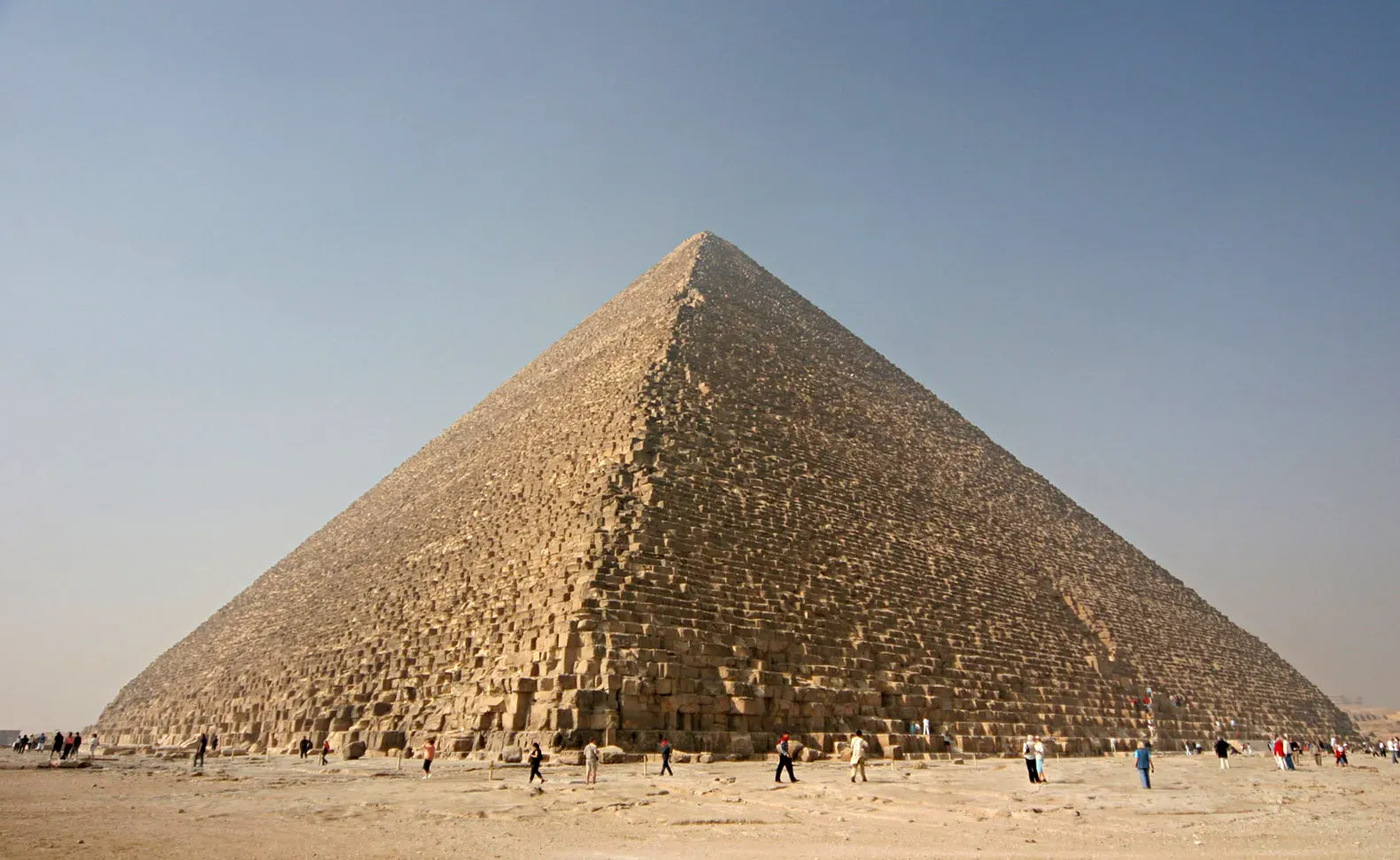
In a way, the strangest thing about the Great Pyramid isn’t what we see; it’s what we don’t. For such a massive national project, there’s no surviving detailed blueprint, no official progress reports, no neat carved list saying: “Here’s how we designed it, here’s how we built it, here’s what each part means.” We have workers’ graffiti in hidden areas, quarry marks, and some later historical accounts, but nothing close to a full contemporaneous explanation. That silence feels almost deliberate, even if it probably isn’t.
The lack of comprehensive written guidance has turned the pyramid into a playground for speculation, from reasonable engineering discussions to pure fantasy. Historians can piece together some context from other sites, texts, and artifacts, but the core questions linger. It’s like walking into a cathedral with no inscriptions, no religious symbols, and no surviving sermons from the people who used it. You can guess its purpose from the shape and layout, but the heart of its story remains maddeningly out of reach. The Great Pyramid stands as a reminder that even advanced, literate civilizations can leave baffling gaps in their record-keeping.
The Pyramid in the Age of High-Tech Exploration
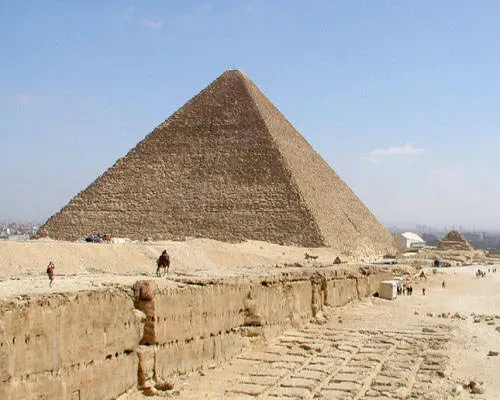
What makes the current era so fascinating is that we’re turning some of our most advanced tools onto one of our most ancient structures. Muon detectors, 3D laser scanning, thermal imaging, and robotics are all being used to probe the Great Pyramid in ways previous generations could only dream of. These technologies are starting to show the fine-grained details of its internal structure and subtle temperature differences on its surface that might hint at unknown features. In a sense, we’re finally giving the pyramid a medical checkup after millennia of just staring at its skin.
Yet the deeper we look, the more paradoxical it becomes: new data keeps confirming how impressive the builders were, while also raising new puzzles. Modern engineers may be able to replicate some aspects in theory, but when they try to imagine doing it with the materials, tools, and logistics of the ancient world, things get hairy fast. It’s like watching someone from centuries ago solve a math problem in their head that we now use software for, and realizing you still don’t quite understand their trick. For now, the Great Pyramid sits between two extremes: ancient enough to be alien to us, and familiar enough to tempt us into thinking we should already have it all figured out.
A Monument That Refuses to Be Finished
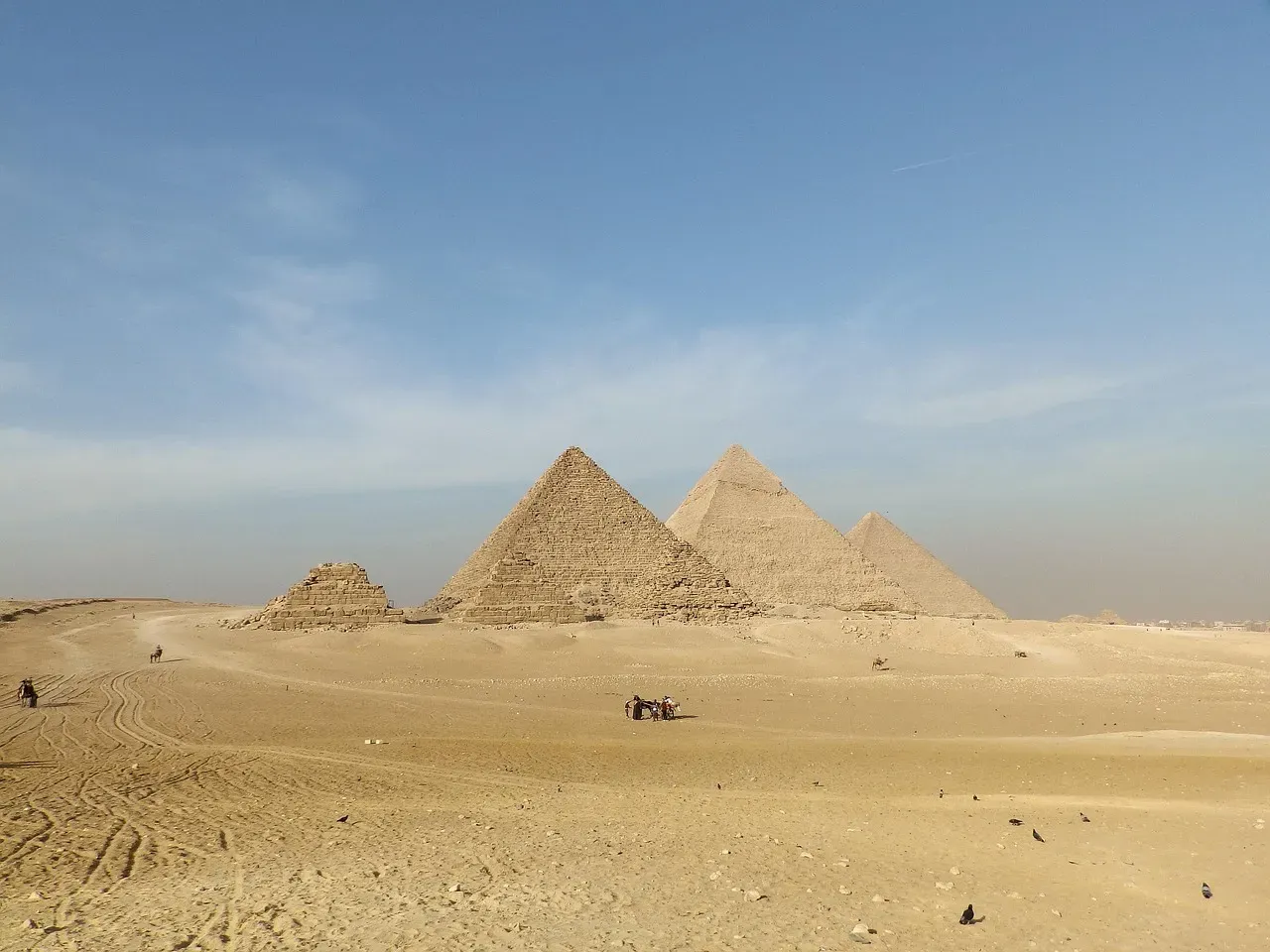
After all the scanning, excavating, measuring, and arguing, the Great Pyramid of Giza still stands there in the desert, unchanged, while our theories swirl around it like dust in the wind. We know far more than we did a century ago, yet the core mysteries remain strangely intact: the hidden voids, the staggering precision, the uncertain construction techniques, the enigmatic interior, and the muted explanation of its ultimate purpose. Each new piece of evidence tends to narrow some possibilities while opening up others, like pulling on a loose thread that stubbornly refuses to come free.
Maybe that’s part of why the pyramid still grips our imagination in the age of smartphones and space telescopes: it’s proof that not everything yields to our curiosity, at least not on our schedule. Some secrets, especially the ones carved into stone and buried under centuries of lost context, resist quick answers. As technology continues to improve, we’ll almost certainly uncover more details, but there’s a real chance that some aspects of how and why it was built will never be fully resolved. And perhaps that lingering mystery is the most human part of the whole story, because it quietly asks each of us: how much uncertainty are you willing to live with when you stand in front of something this old and this astonishing?