
Picture standing on the early Earth three billion years ago: no blue sky, no breathable air, and certainly no animals or trees. The air would’ve been toxic to us, packed with methane and other gases, and completely missing the one thing we can’t live without today – oxygen. It’s wild to imagine that the very gas we rely on to survive was once a deadly pollutant, and its arrival almost wiped out most of life on the planet.
That turning point is known as the Great Oxidation Event, and it wasn’t caused by volcanoes, asteroids, or some random cosmic accident. It was driven by tiny microbes that had no idea they were rewriting the story of Earth. They didn’t look like much, but over millions of years, they turned a suffocating world into a breathable one, set off global climate catastrophes, and opened the door for complex life. It’s one of the most dramatic plot twists in Earth’s history – and it all started with ancient bacteria just trying to make a living.
The World Before Oxygen: A Very Alien Earth
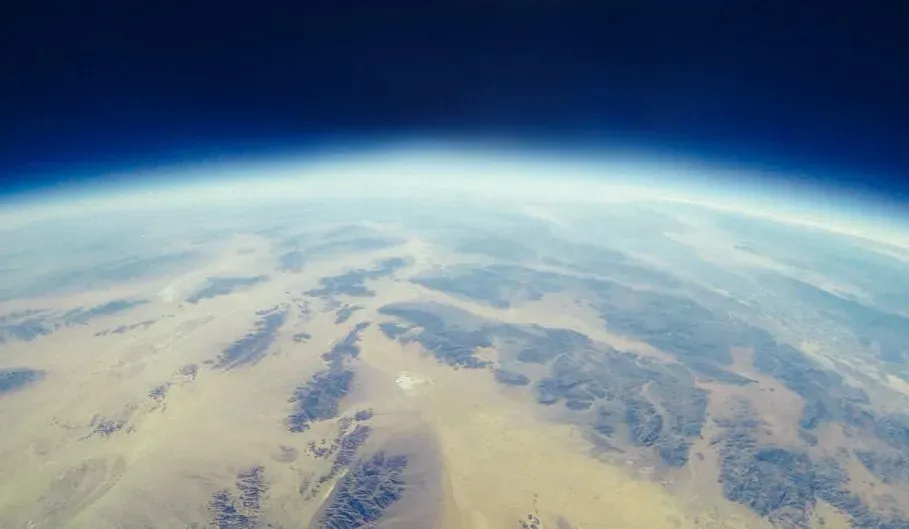
Long before oxygen was common, Earth’s atmosphere would’ve looked and felt completely different from today. Instead of our current nitrogen–oxygen mix, it was rich in gases like methane, carbon dioxide, and hydrogen sulfide, more like the fumes from a volcanic vent than fresh air. The sky might have had a hazy, orange tint from thick atmospheric haze, and lightning, volcanoes, and meteor impacts were much more frequent. To us, it would’ve been instantly lethal, but to early microbes, it was home.
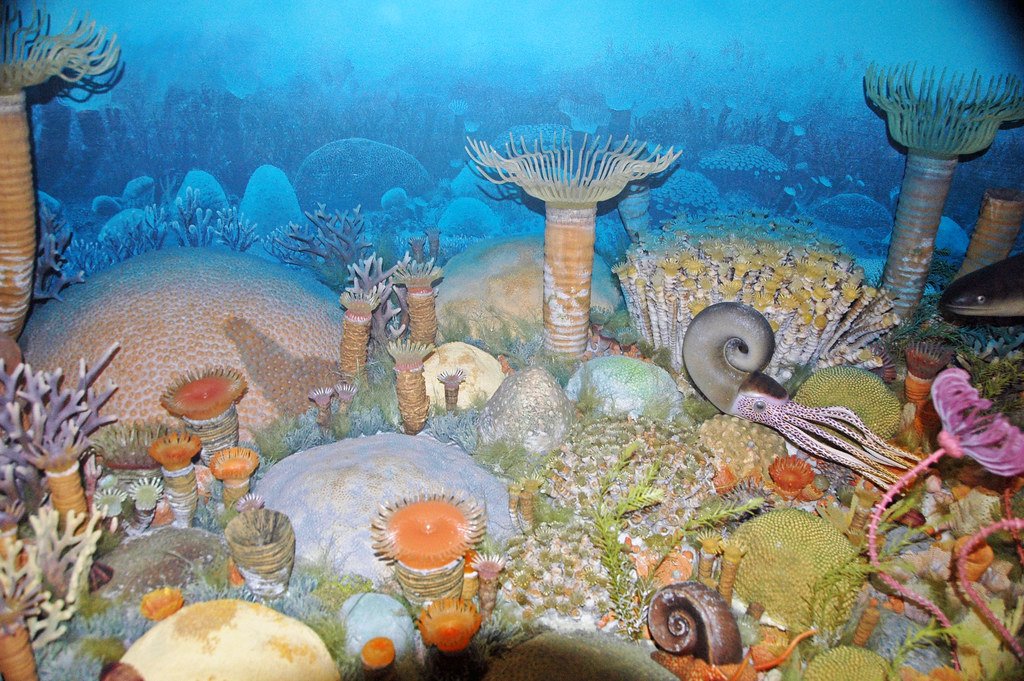
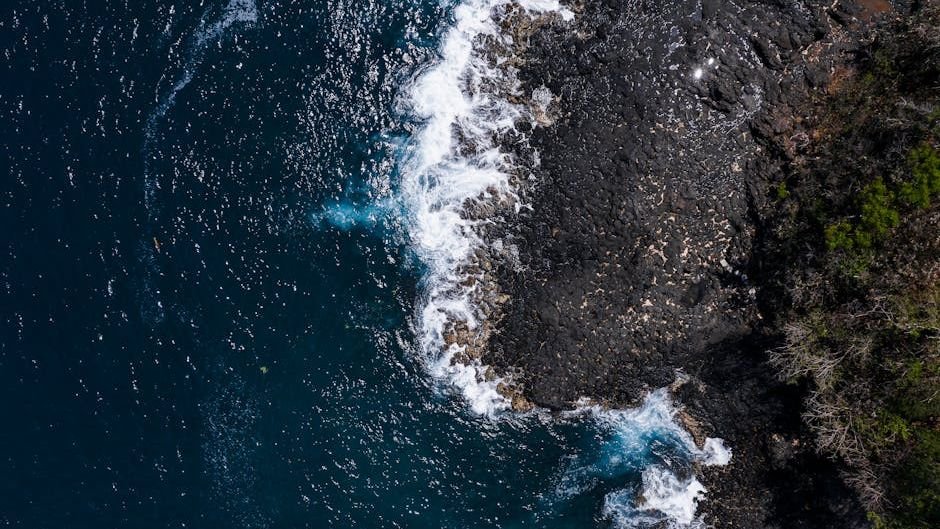
Liquid water already covered large parts of the surface, and there were oceans, shorelines, and probably shallow seas that felt like vast chemical laboratories. Life at that time was entirely microbial and simple: no plants, no animals, no fungi, just single-celled organisms. Many of them used chemistry we’d find exotic today, feeding off iron, sulfur, or methane instead of sunlight. If you could scoop up a cup of ancient seawater, it would likely be cloudy with microbes and rich in dissolved iron – not exactly something you’d want to swim in.
Cyanobacteria: The Tiny Villains (or Heroes) of the Story
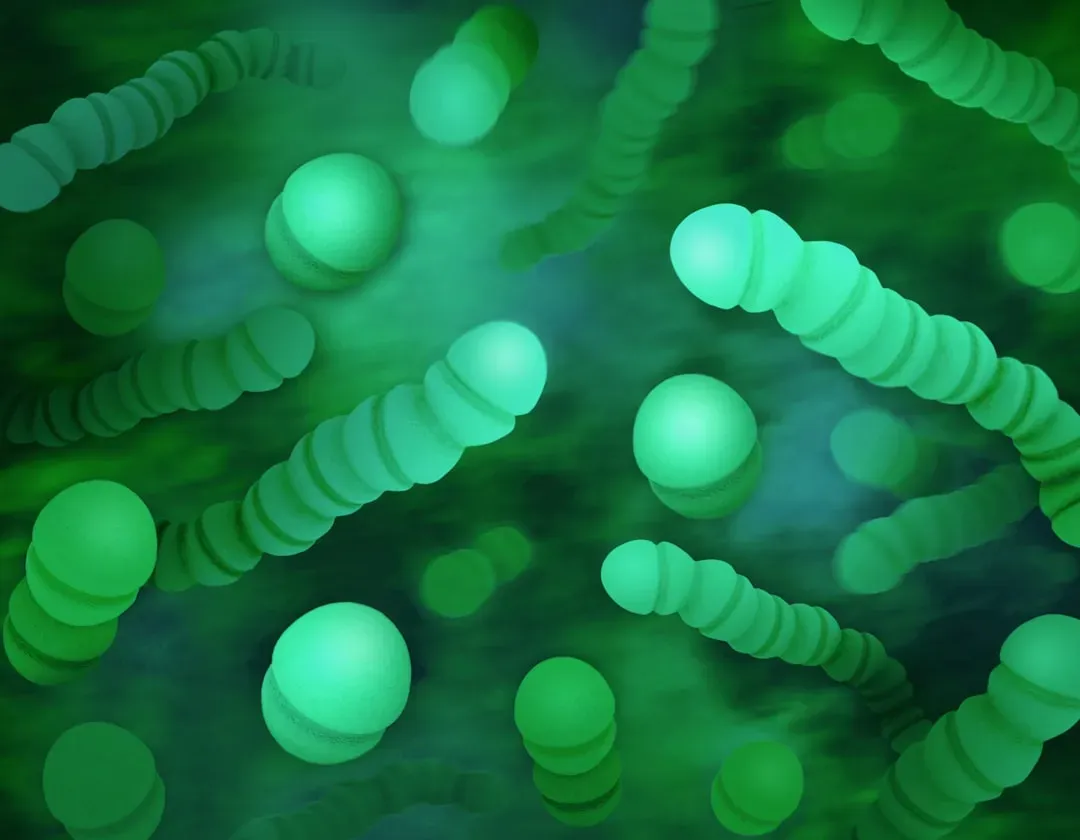
The main drivers behind the Great Oxidation Event were cyanobacteria, a group of photosynthetic microbes that learned how to use sunlight and water to make energy. While plants today steal the spotlight, cyanobacteria were doing photosynthesis billions of years before the first tree appeared. In shallow seas, they formed sprawling mats and sticky layers, using sunlight like tiny solar panels. Every day, they took in carbon dioxide and water and released oxygen as a waste product.
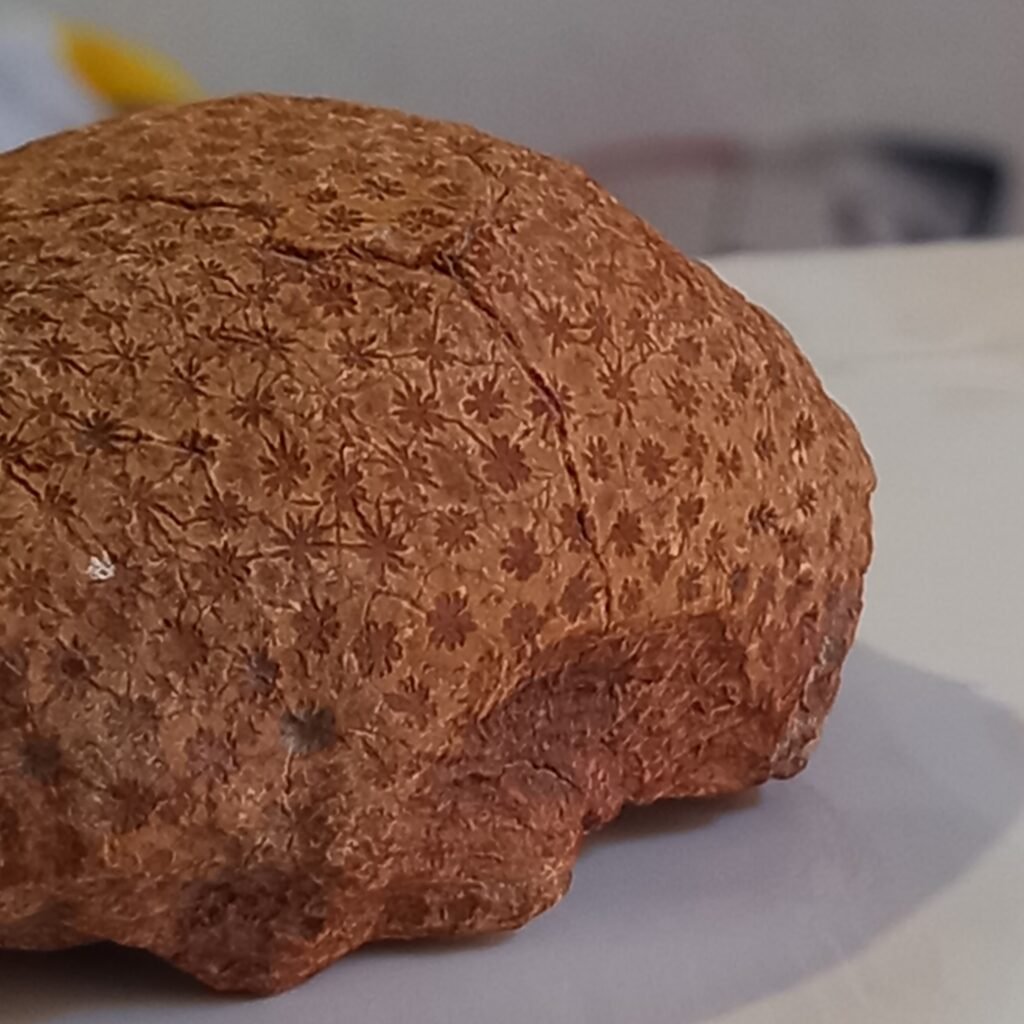
Over time, these microbial communities built layered rock-like structures called stromatolites, some of which still exist today in a few special coastal areas. Stromatolites are like ancient microbial skyscrapers, built layer by layer as microbes grew and trapped sediments. When I first saw a photo of modern stromatolites, I remember thinking they looked almost boring – just lumpy rocks – until I learned they’re living fossils, monuments to the microbes that changed the world. Cyanobacteria weren’t trying to transform the planet; they were just surviving. But their waste gas turned out to be world-shattering.
Oxygen as a Deadly Pollutant: Why Early Life Hated It
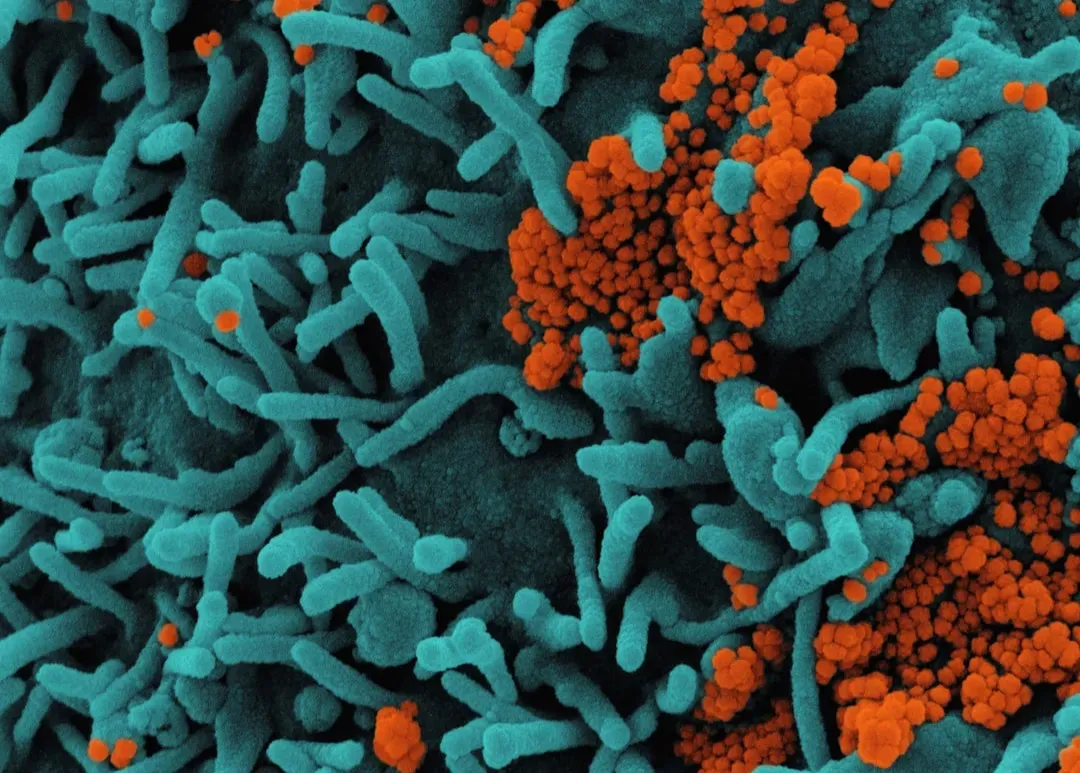
It’s easy to forget that oxygen, which feels so life-giving to us, is actually a very reactive, dangerous chemical. Many early microbes had evolved in an oxygen-free world and relied on chemical reactions that fall apart in the presence of oxygen. When oxygen started appearing in the oceans, it would have poisoned their enzymes, damaged their cell structures, and interfered with their energy production. For them, oxygen was closer to a toxic spill than a breath of fresh air.
The arrival of oxygen forced life into a brutal choice: adapt, hide, or die. Some microbes retreated into oxygen-free environments such as deep sediments, hydrothermal vents, or isolated pockets of anoxic water. Others eventually evolved ways to tolerate or even use oxygen, gaining access to a much more powerful energy system. But in the transition, countless lineages likely vanished forever. The Great Oxidation Event is often described as a revolution, but for many organisms, it was more like a slow-motion apocalypse.
The Great Oxidation Event: When Oxygen Finally Broke Through
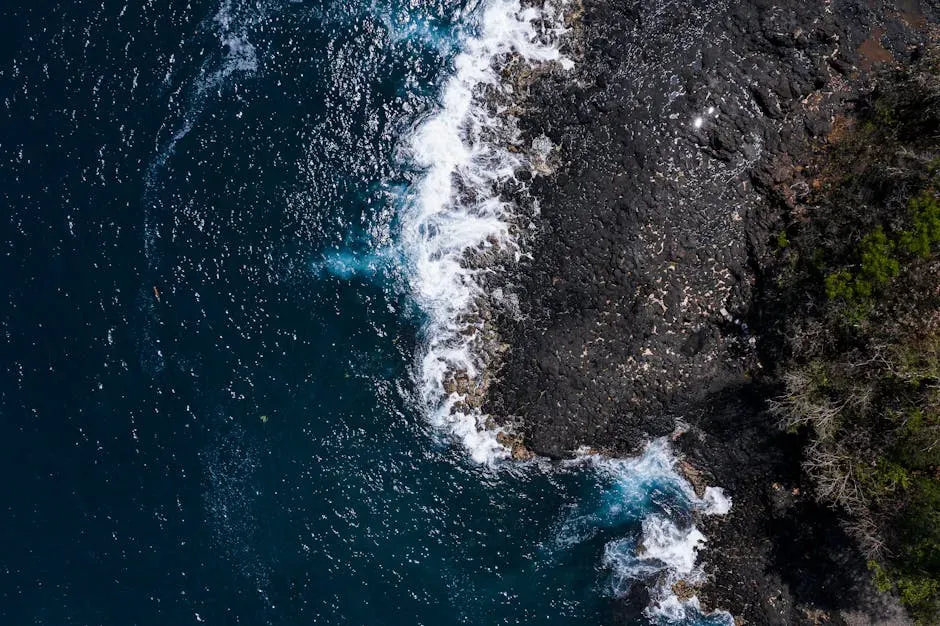
Even though cyanobacteria had been producing oxygen for a long time, that oxygen didn’t immediately flood the atmosphere. At first, it reacted with almost everything it could: dissolved iron in the oceans, volcanic gases, and minerals in rocks. For a long time, oxygen levels stayed low, constantly soaked up by these chemical sponges. The Great Oxidation Event marks the point when those sinks were finally overwhelmed, and oxygen started to build up in the air in a sustained way.
Geological evidence suggests this turning point happened roughly more than two billion years ago, though the exact timing and details are still debated. One clue comes from ancient rocks that suddenly contain minerals which can only form in the presence of free oxygen. Another clue is the disappearance of certain sulfur signatures that only exist in an oxygen-poor atmosphere. The picture that emerges is of a planet slowly, then decisively, tipping into a new chemical state, with oxygen starting to become a permanent feature instead of a fleeting experiment.
Rusting the Planet: Banded Iron Formations and Red Oceans
Before oxygen could collect in the air, it did a massive cleanup job in the oceans, reacting with dissolved iron and forming solid iron oxides. These iron oxides settled to the seafloor, building up thick layers of iron-rich rock over millions of years. In many ancient deposits, these layers appear as dramatic alternating bands of dark iron minerals and lighter silica-rich layers, known as banded iron formations. They look like the planet’s own geological diary, recording the slow rise of oxygen through changing patterns of rust.
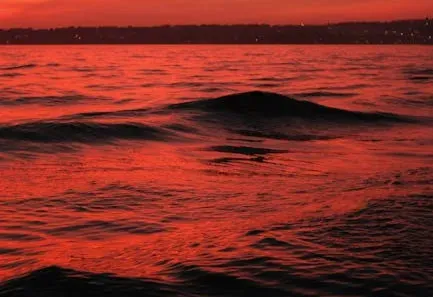
At times, the oceans themselves may have turned a reddish color, almost like a giant bowl of rust soup. When I first learned that much of the iron we mine today may have been laid down during this era, it suddenly made the story feel tangible – the steel in bridges and buildings traces back to microbial activity billions of years ago. Once most of the available iron in the oceans was oxidized and buried, oxygen had fewer places to go. That clearing of the chemical stage was a key step that allowed more oxygen to spill over into the atmosphere.
Snowball Earth: How Oxygen May Have Triggered Global Freezes
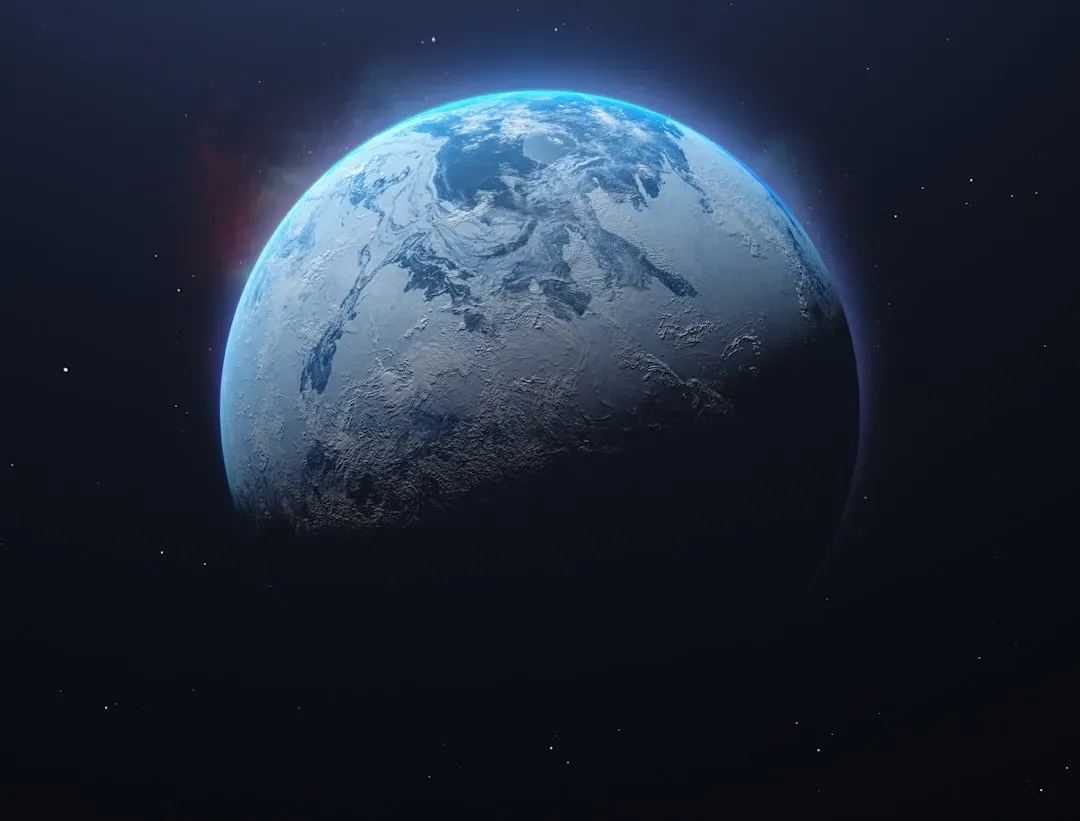
The rise of oxygen didn’t just change biology; it may have also flipped the planet’s climate into extremes. One widely discussed idea is that the Great Oxidation Event helped trigger one or more “Snowball Earth” episodes, when ice possibly covered most of the planet’s surface. As oxygen increased, it likely destroyed much of the methane in the atmosphere, and methane is a powerful greenhouse gas. With less methane to trap heat, the planet could have cooled dramatically.
Once large ice sheets formed, they reflected more sunlight back into space, pushing the Earth even deeper into a frozen state. Imagine oceans sealed under ice, continents wrapped in glaciers, and life forced into tiny refuges where liquid water remained. Some researchers think early microbes survived in cracks in the ice, around volcanic hotspots, or in pockets of unfrozen seawater. The idea that the same oxygen that eventually allowed animals to evolve might first have plunged Earth into deep freeze shows just how double-edged environmental change can be.
Evolutionary Aftershocks: From Simple Cells to Complex Life
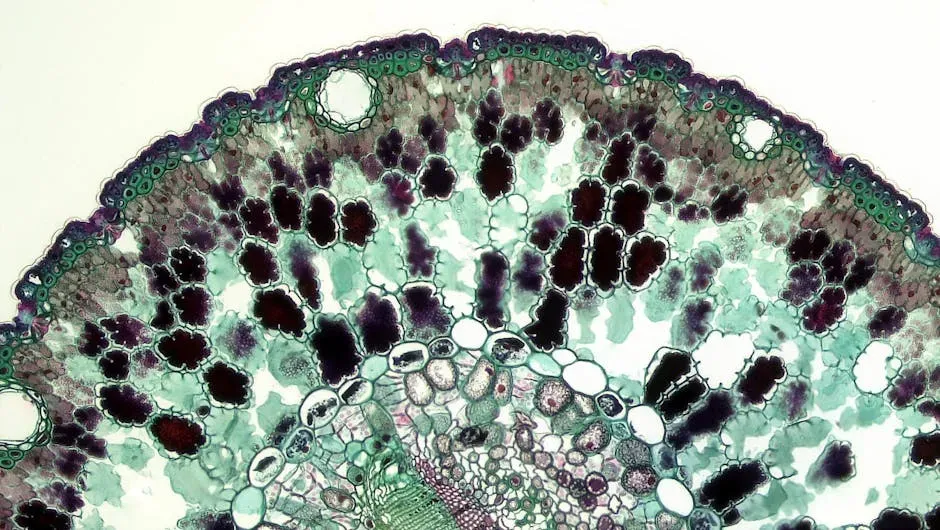
Although the Great Oxidation Event was devastating for many organisms, it also opened up entirely new evolutionary possibilities. Oxygen made a far more efficient type of metabolism possible, allowing cells to extract much more energy from the same amount of food. With this extra energy budget, life could afford to become larger, more complex, and more specialized. Over time, this set the stage for the first eukaryotic cells, which have internal compartments and are the ancestors of plants, animals, and fungi.
Some of the most important steps in evolution, like the emergence of multicellular organisms, likely depended on having at least modest levels of oxygen available. It didn’t happen overnight; there were long stretches when oxygen levels rose, dipped, and rose again in fits and starts. But without that first big atmospheric shift, Earth might have remained a world of simple microbes indefinitely. In a very real sense, every breath you take is part of a chain of cause and effect that started with cyanobacteria reshaping the planet’s chemistry.
Breathable Skies: How Long It Took to Reach Modern Oxygen Levels
It’s tempting to imagine that once the Great Oxidation Event began, oxygen just steadily climbed to modern levels and stayed there. Reality was messier. After the first big rise, atmospheric oxygen seems to have hovered at relatively low levels for a very long time, probably for more than a billion years. During that interval, sometimes called the “boring billion,” the planet’s conditions were relatively stable and oxygen stayed far below current levels, even though there was enough to support early complex cells.
Only much later, in the last part of Earth’s history, did oxygen levels climb closer to what we experience today. This later rise is linked to the spread of land plants, which accelerated the burial of organic carbon and pumped more oxygen into the air. So the Great Oxidation Event wasn’t a single step up a staircase but the first big jump on a very long climb. If you compress Earth’s four and a half billion years into a single day, breathable, modern-like oxygen levels show up only in the late evening.
Clues in Stone: How Scientists Reconstruct an Ancient Atmosphere
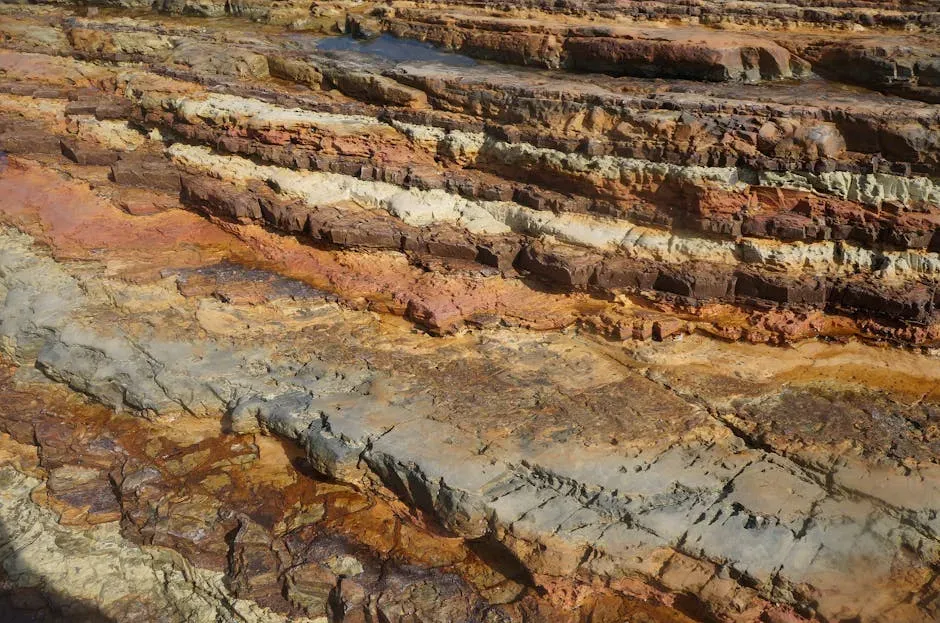
We obviously can’t go back in time and sample the air from billions of years ago, so everything we know about the Great Oxidation Event comes from geological and chemical detective work. Scientists look at ancient rocks and minerals that record how much oxygen was around when they formed. Certain iron-rich rocks, like banded iron formations, indicate large amounts of oxygen reacting in the oceans. Other minerals only form when there is very little oxygen, so their presence or absence in sediments helps bracket the timing of changes.
Researchers also study sulfur and carbon isotopes, tiny variations in atoms that act like fingerprints of past atmospheric conditions. It’s a bit like trying to figure out a crime scene from old photographs and scattered clues, but with better chemistry. Every new dataset can shift the picture slightly, and there’s still debate about the exact pace, triggers, and feedbacks involved. What’s remarkable is that by reading these signals in stone, we can tell that microscopic life once rewired the entire planet from the bottom up.
Why the Great Oxidation Event Matters Today
The Great Oxidation Event isn’t just an obscure ancient drama; it helps us understand how fragile and powerful planetary changes can be. It shows that life doesn’t just adapt to environments; it can overhaul them completely over long timescales. That has big implications for how we think about climate change today, even though the timescales and mechanisms are different. When we alter the atmosphere now by burning fossil fuels, we’re tapping into carbon and oxygen cycles that have been running since those first microbial blooms.
This ancient story also guides how we search for life on other planets. If we ever detect oxygen or related gases in the atmosphere of a distant world, one of the first questions will be whether microbes are at work there too. Earth’s history tells us that a planet can sit in a stable, lifeless-looking state for a long time and then suddenly flip when biology finds a new trick. The Great Oxidation Event is a reminder that the smallest organisms can turn a hostile world into a habitable one, and that the air we take for granted is really a living, evolving product of the planet itself.