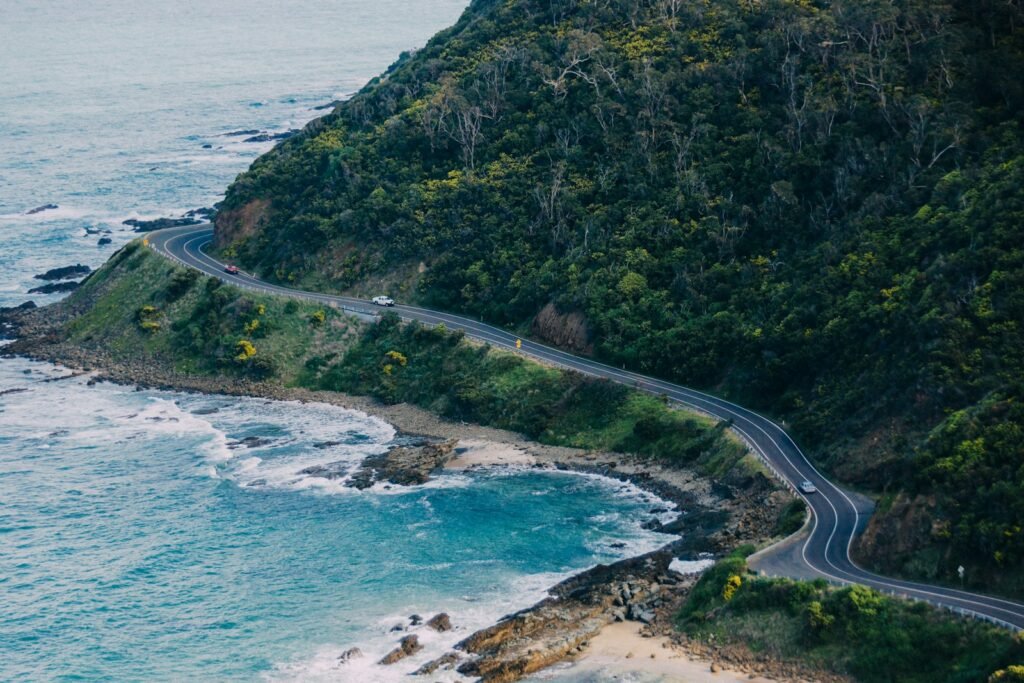

The Great Ocean Road, an iconic Australian landmark, is renowned for its breathtaking coastline and rugged cliffs. While it’s a tourist hotspot captivating millions annually, it is also a testament to the natural world’s fragility. Balancing tourism and conservation along this stretch is crucial for preserving its beauty and unique ecosystem.
History and Significance of the Great Ocean Road
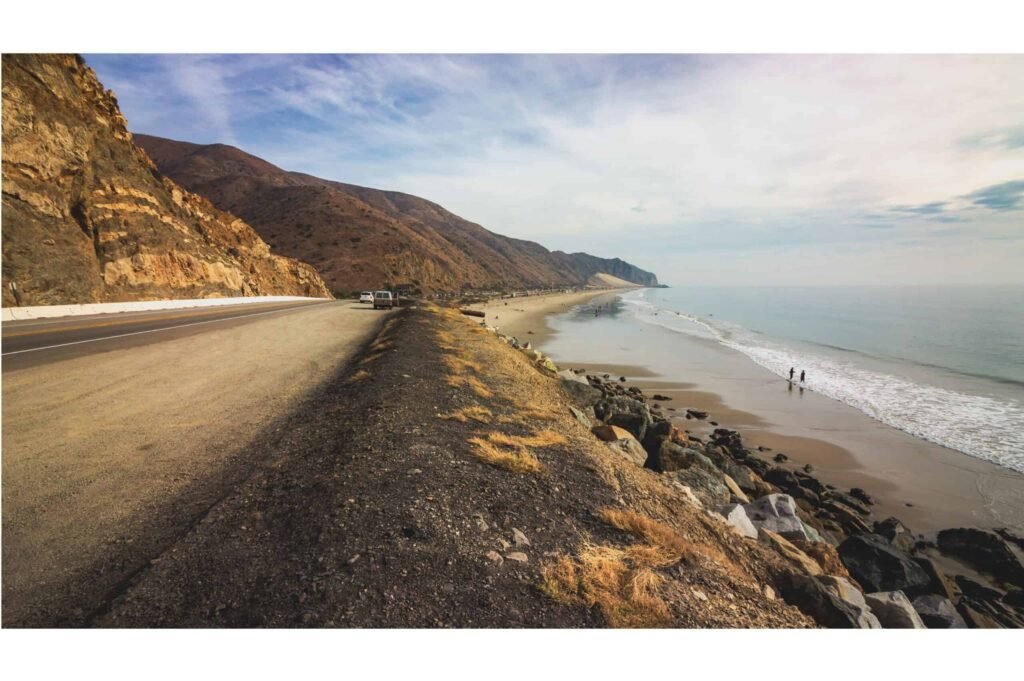
The Great Ocean Road is more than just a scenic drive; it is a historical monument. Constructed by returning soldiers from World War I, the road is dedicated to their comrades who lost their lives. This stretch of road, commencing from Torquay and winding to Allansford, offers travelers views of diverse landscapes, from lush rainforests to dramatic limestone cliffs.
The Unique Ecosystem of the Great Ocean Road
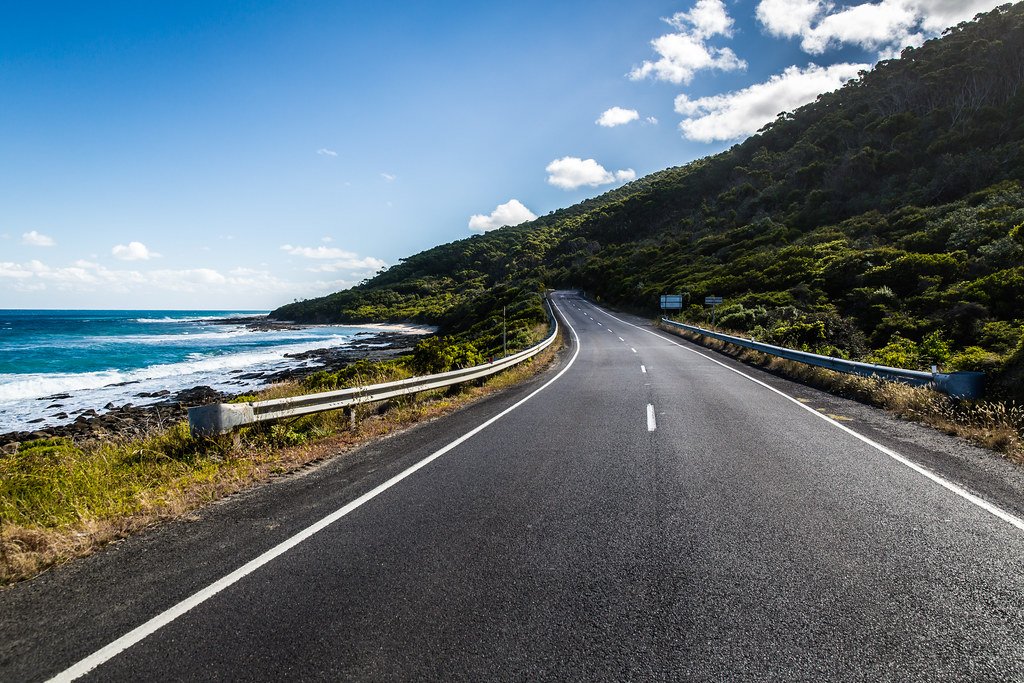
The region around the Great Ocean Road boasts a unique and diverse ecosystem. It is home to an array of flora and fauna, some of which are endemic to this part of Australia. The area’s biodiversity includes rainforests, coastal heathlands, and rocky shorelines, each teeming with life. This fragile ecosystem requires careful management to ensure its survival amidst growing tourism pressures.
Impacts of Tourism on the Local Environment

While tourism brings economic benefits to the region, it also poses significant environmental threats. Increased foot traffic can lead to soil erosion and vegetation damage, while the construction of tourism facilities can disrupt wildlife habitats. Managing these impacts is essential to safeguarding the natural beauty and biodiversity of the area.
Conservation Initiatives

Efforts to protect and preserve the Great Ocean Road’s ecosystem are underway, focusing on sustainable tourism practices. Local and governmental initiatives strive to minimize human impact by promoting eco-friendly travel and raising awareness about conservation efforts. Energies are being directed towards habitat restoration, waste management, and the protection of endangered species.
Wildlife Along the Great Ocean Road
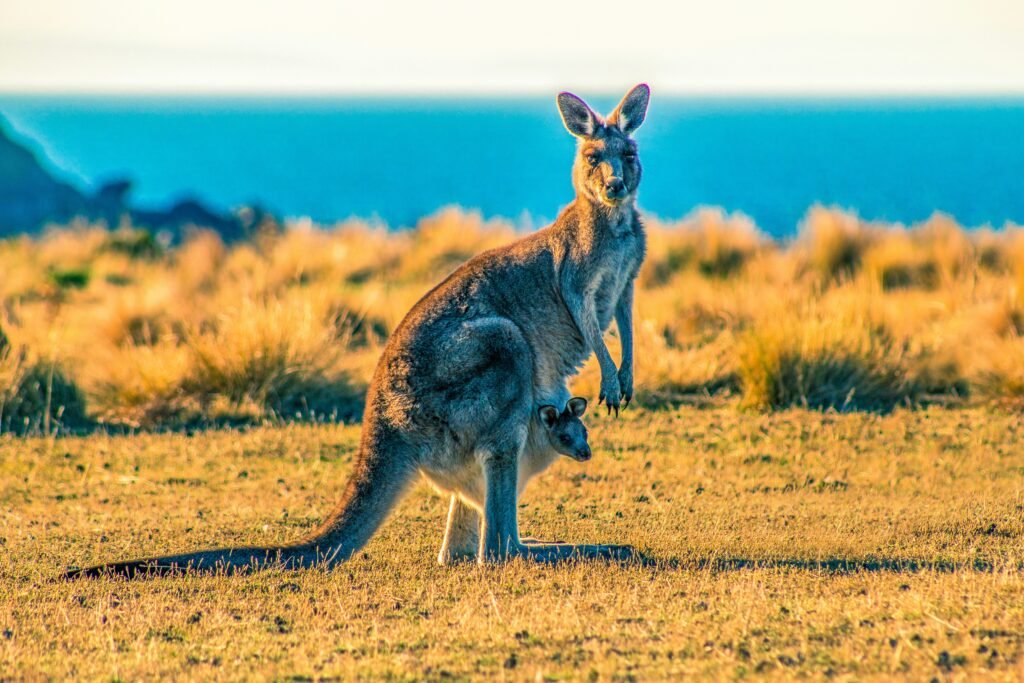
The Great Ocean Road region is home to numerous wildlife species, including koalas, kangaroos, and various bird species. Protecting these animals is a conservation priority, as habitat destruction and vehicle traffic pose significant threats. Tourists are encouraged to observe wildlife responsibly, maintaining safe distances and minimizing disturbances.
Sustainable Tourism Practices
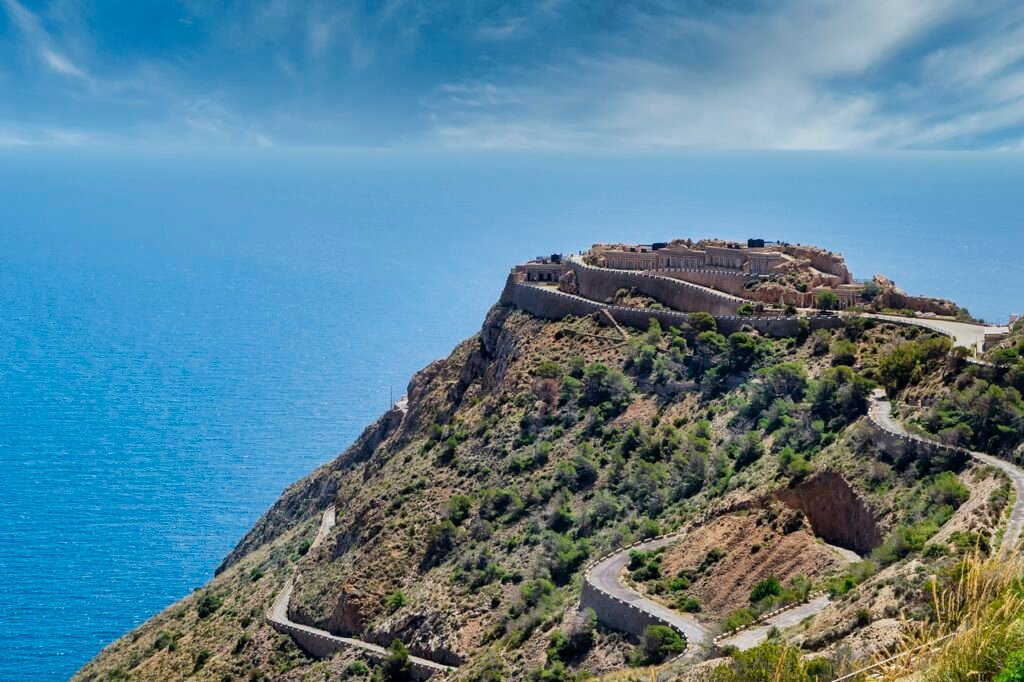
Sustainable tourism emphasizes the importance of reducing negative impacts on the environment while enhancing visitor experiences. Practices include encouraging eco-friendly accommodations, supporting local conservation projects, and educating visitors about the ecosystem’s fragility. These efforts help preserve the region for future generations.
Community Involvement in Conservation

Community involvement is key to successful conservation efforts. Local residents and businesses are integral partners in promoting sustainable practices. By fostering a sense of stewardship, communities can work alongside conservationists to protect and preserve the environment, ensuring the region thrives both ecologically and economically.
The Role of Technology in Conservation

Technological advancements play a significant role in modern conservation efforts. GPS tracking, drones, and remote sensing technologies help monitor wildlife and natural landscapes efficiently. These tools enable conservationists to make informed decisions, improving habitat management and species conservation strategies.
Educational Programs and Awareness

Raising awareness about the Great Ocean Road’s fragile ecosystem is vital. Educational programs aimed at both tourists and locals play a significant role in conservation. These initiatives can inform people about the importance of preserving the natural environment and engage them in active conservation efforts.
Climate Change Concerns

Climate change poses a long-term threat to the Great Ocean Road region. Rising sea levels, increased storm events, and changing weather patterns can drastically alter habitats, endangering the local flora and fauna. Addressing climate change requires global cooperation and sustainable practices to mitigate its impacts.
The Future of the Great Ocean Road

Balancing tourism with conservation ensures that the Great Ocean Road remains a natural wonder for generations to come. Continued efforts are required to maintain this equilibrium, involving the collaboration of governments, communities, and tourists. With a collective commitment, the road’s beauty and biodiversity can endure.
In summary, the Great Ocean Road stands as a symbol of both natural splendor and vulnerability. By understanding the delicate balance between tourism and conservation, steps can be taken to protect this incredible ecosystem. Embracing sustainable practices, raising awareness, and fostering community involvement are essential to preserving this extraordinary landscape for future generations.