
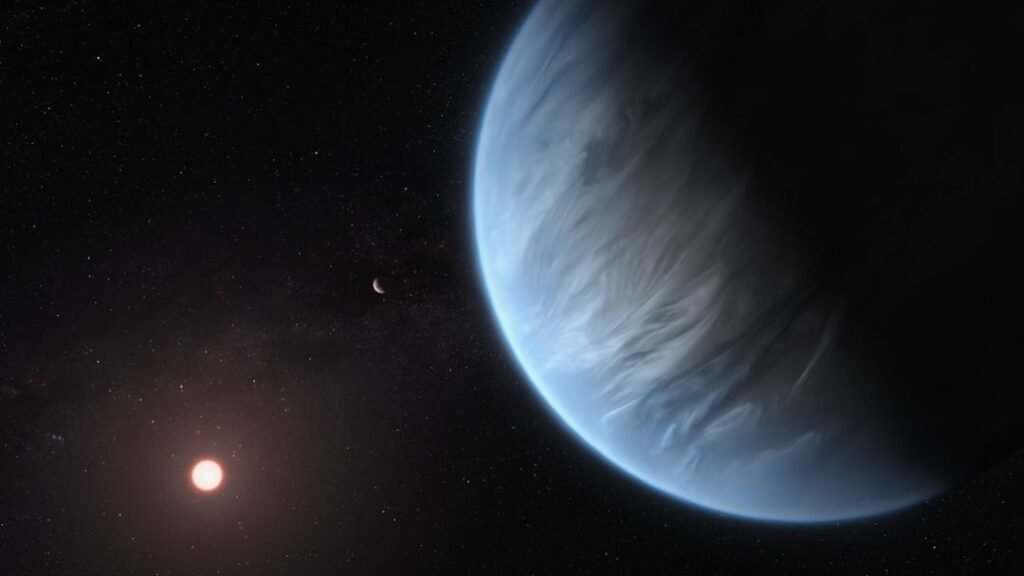

Every time we look up at the night sky, we’re staring into a galaxy that should, on paper, be buzzing with life. There are countless stars, countless planets, and yet… silence. No signals, no obvious megastructures, no galaxy-spanning empires lighting up the cosmos. This strange contradiction is at the heart of one of the most unsettling ideas in modern science: the Great Filter.
The Great Filter is a possible answer to a terrifying question: if intelligent life is not incredibly rare, then where is everybody? Somewhere between lifeless rock and advanced spacefaring civilization, there may be one or more near-impossible steps that almost no species ever passes. The truly unnerving part is that we don’t know whether humanity has already passed this deadly bottleneck – or if it still lies ahead of us.
The Fermi Paradox: The Cosmic Silence That Started It All
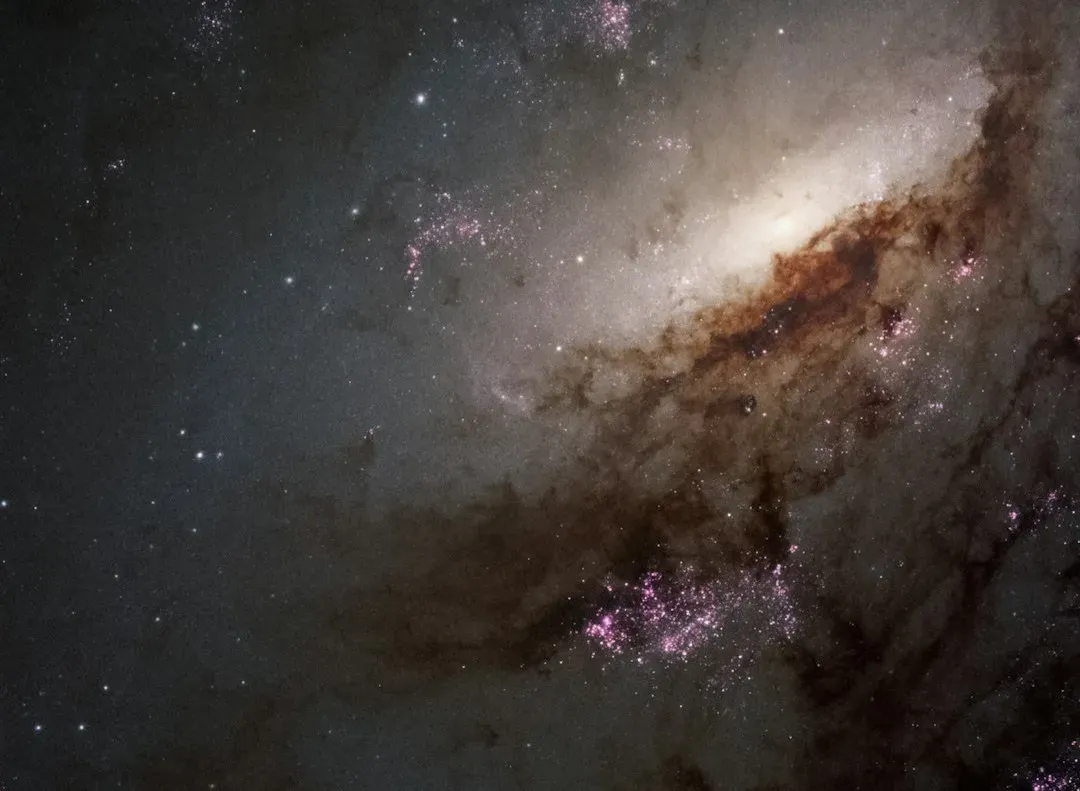
Imagine walking into a huge concert stadium, seeing millions of seats, perfect lighting, food stands fully stocked – and not a single person there. That’s roughly how the universe looks to us right now. The Fermi Paradox starts from simple reasoning: there are so many stars, so many planets, and so much time that advanced civilizations should have had plenty of opportunity to arise and spread. Yet our telescopes show an uncannily quiet sky.
Given the age of the Milky Way, a single ambitious civilization could, in theory, colonize the entire galaxy in a tiny fraction of cosmic time. Even if they moved slowly, star by star, they could still fill the galaxy long before now. But we don’t see any obvious signs: no artificial radio beacons, no galaxy-scale engineering, no unmistakable alien fingerprints. That gap between what we expect and what we observe is the Fermi Paradox, and it’s what makes the Great Filter so disturbing.
What The Great Filter Actually Is
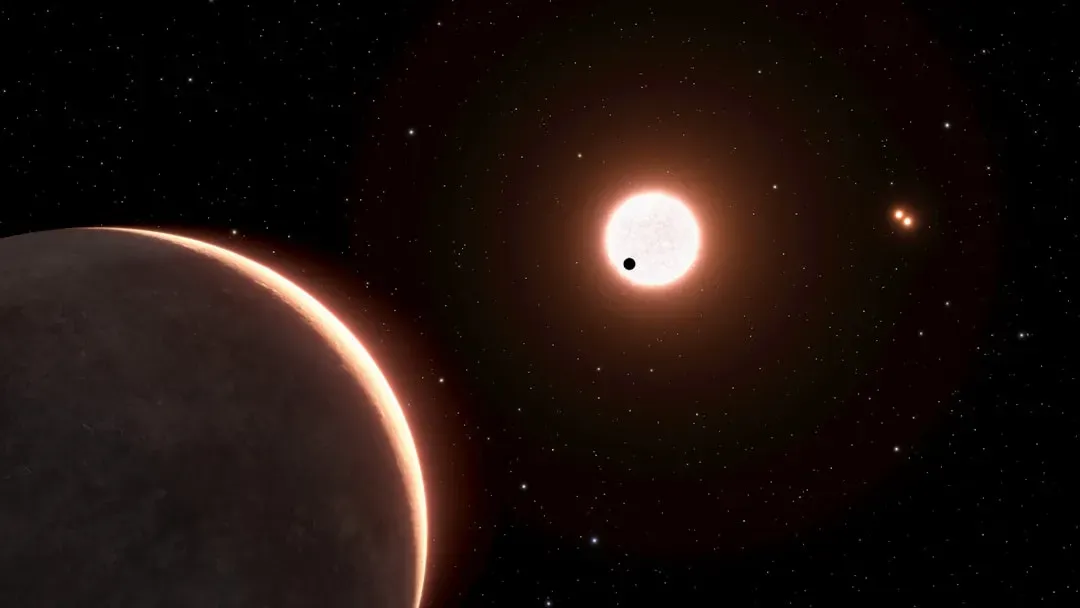
The Great Filter is the idea that somewhere along the path from simple chemistry to an interstellar civilization, there is at least one step that is incredibly unlikely. Most planets never get past it, so almost no one makes it to the “loud, visible space empire” stage. The Great Filter isn’t a single fixed thing; it might be a chain of brutal hurdles, each one wiping out almost all attempts at life or intelligence.
Think of it like a deadly obstacle course that nearly every runner fails. You start with lifeless matter, then basic life, then complex cells, then multicellular organisms, then intelligence, then advanced technology, and finally stable, spacefaring societies. If the Great Filter is real, one or more of these steps is so hard that almost no planet completes the whole sequence. The eerie quiet of the universe may be the echo of all those failures.
Maybe Life Itself Is Shockingly Rare
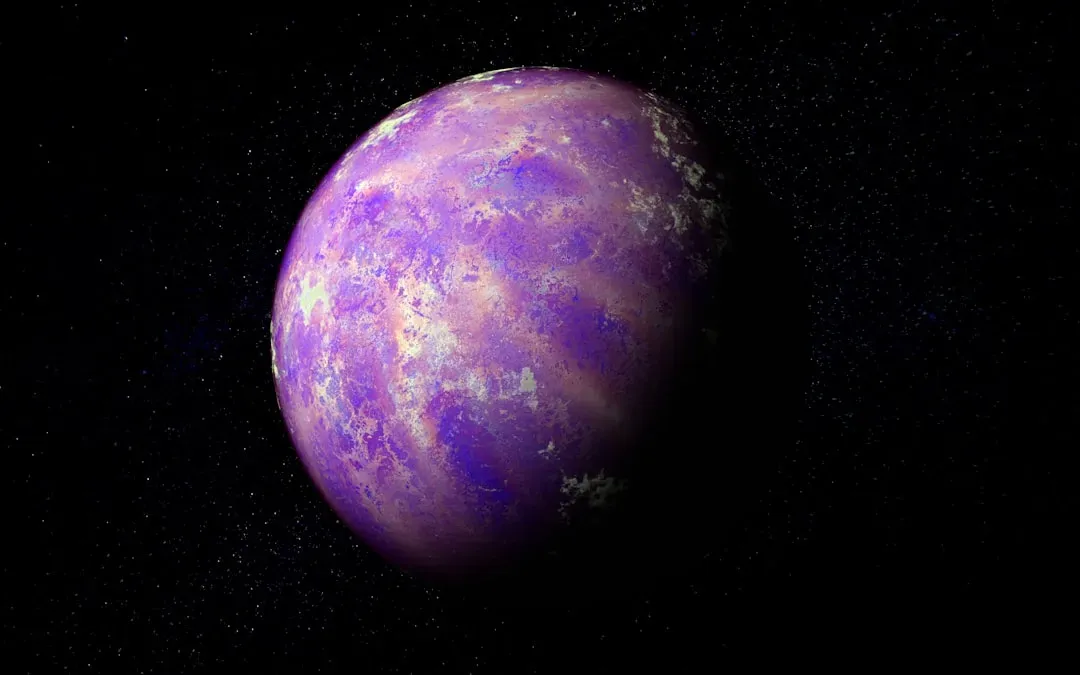
One of the most comforting versions of the Great Filter is that it sits right at the beginning: the jump from chemistry to the first living cell. On Earth, this happened early in the planet’s history, which makes it look easy at first glance. But we have a sample size of exactly one planet with life, and that’s a terrible basis for assuming anything is common. Maybe we just got ridiculously lucky in ways we barely understand.
Creating life from non-living chemistry might require an absurdly specific cocktail of conditions, timings, and environments that almost never align. The fact that we can simulate pieces of early chemistry in labs doesn’t mean we’re close to truly understanding the leap to self-replicating, evolving cells. If the Great Filter is at this first step, then the universe might be filled with bare, sterile rocks – and humanity is already past the hardest part without realizing it.
Maybe Complex Life Is The Real Bottleneck
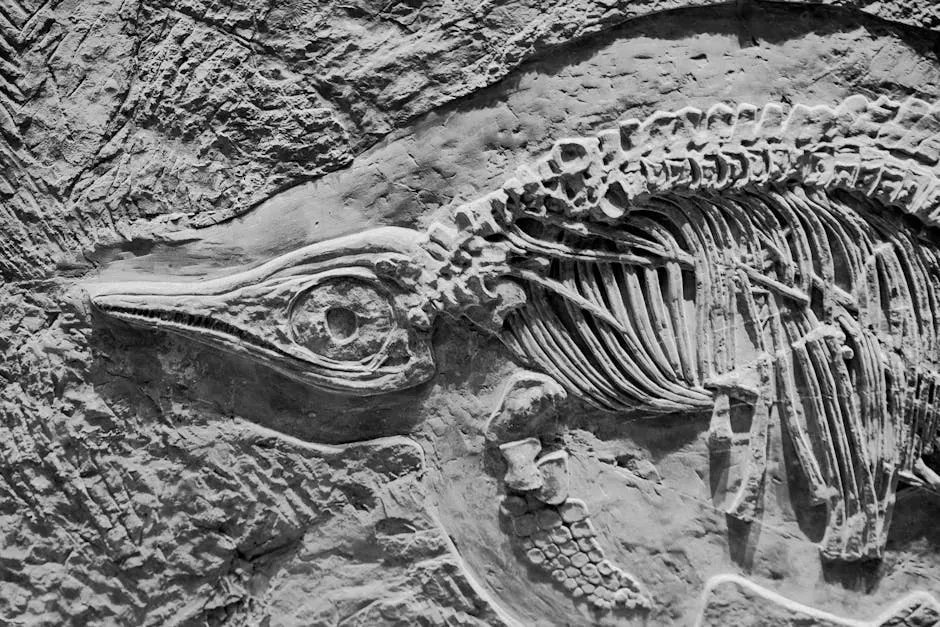
Another possibility is that simple life, like bacteria, might be fairly common, while complex life is brutally rare. On Earth, single-celled organisms dominated for billions of years, and the move to complex, multicellular creatures took an astonishing amount of time. One particularly strange step was the evolution of complex cells with internal structures – something that might have required an extraordinarily unlikely event.
If this is the Great Filter, then there could be countless planets with oceans full of microbial slime but almost none with forests, animals, and civilizations. Advanced brains, social behavior, language, and technology might be a cosmic fluke. In that case, we could be one of the only worlds where evolution stumbled into curious, tool-using minds that can ask these questions at all.
The Scariest Option: The Filter Is Still Ahead Of Us
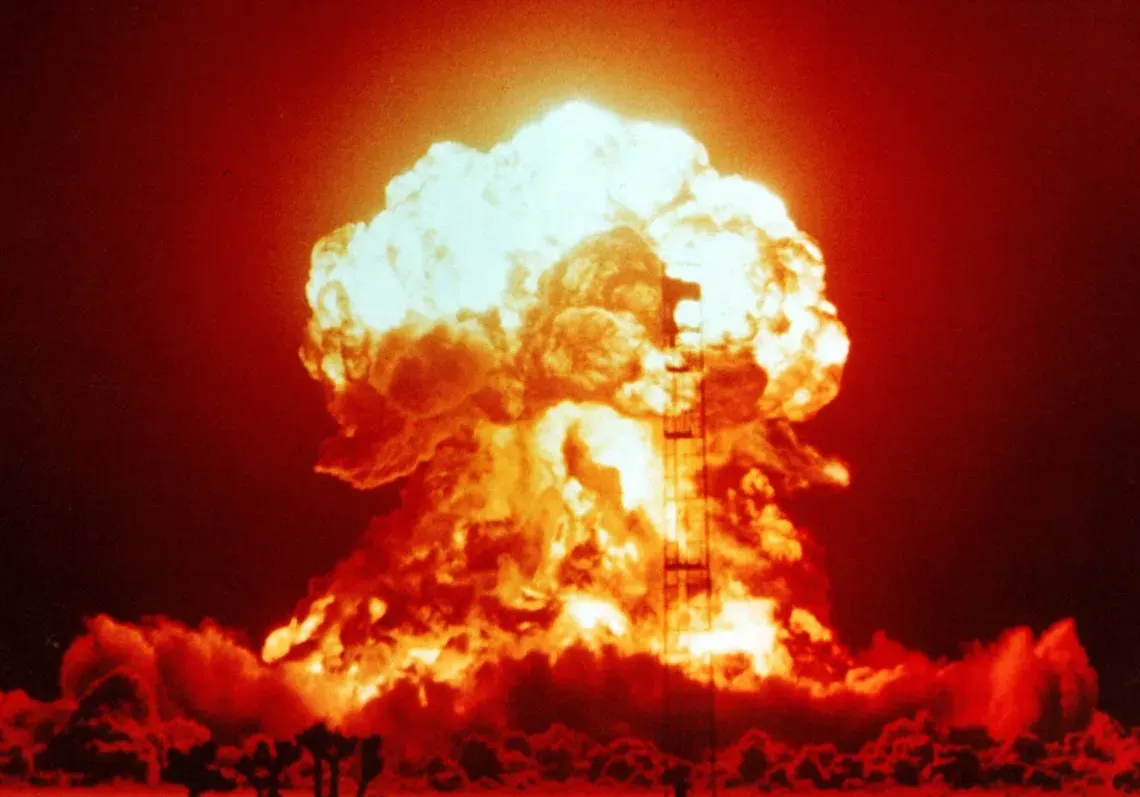
The most chilling version of the Great Filter is that it isn’t behind us – it’s in our future. In this scenario, many civilizations reach our level of technology, but almost all of them wipe themselves out or permanently stall before spreading into space. The universe would then be full of short-lived sparks of intelligence that flare up for a few centuries or millennia and then vanish forever.
Look at our world with that lens, and the parallels are hard to ignore. We’ve developed nuclear weapons, biotechnology, artificial intelligence, and global industrial systems that can destabilize the climate. We have the power to end our own story long before we turn into a truly spacefaring civilization. If the Great Filter lives in this territory – self-destruction, resource collapse, or runaway technology – then the silence of the cosmos might be a graveyard warning.
Why Not-Seeing Aliens Might Be Good News
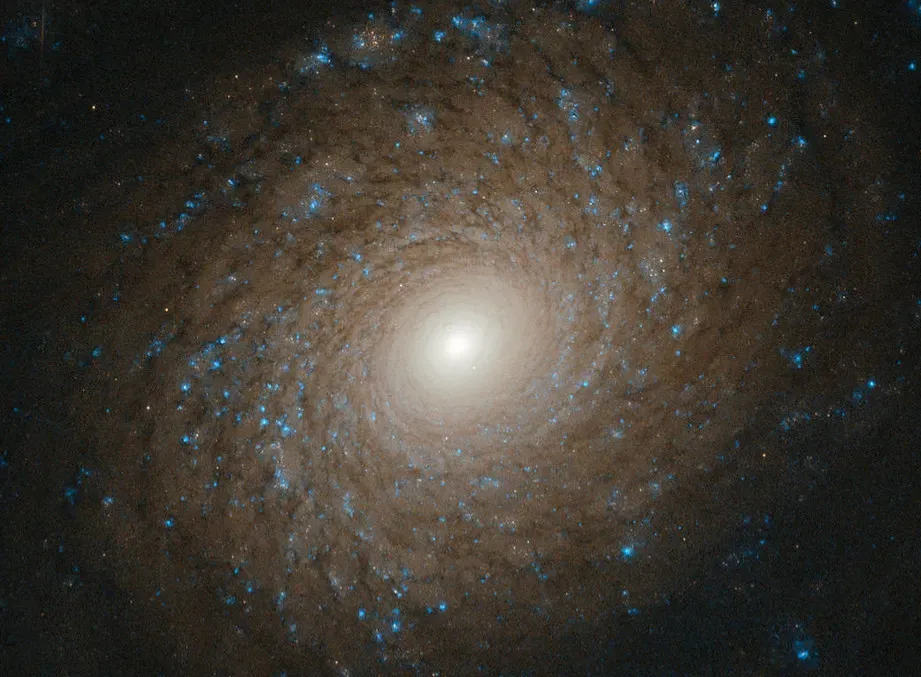
Here’s a twist that feels almost backwards: the emptier the universe looks, the more it suggests the Great Filter is behind us, not ahead. If we one day explore Mars, Europa, or exoplanets and find no evidence of even ancient microbes, that points to the very first steps of life being unimaginably rare. In a strange way, a dead, quiet cosmos would be reassuring, because it means we’ve likely already passed the hardest hurdle.
On the other hand, if we start finding life everywhere – simple microbes on nearby worlds, biosignatures in many exoplanet atmospheres – that implies those early steps are easy. That pushes the Great Filter further along the chain, closer to where we are now or beyond. Discovering that life is common would be thrilling and terrifying at the same time, because it would hint that most species never make it much further than we’ve already come.
Signs Of Life We Are Actively Searching For
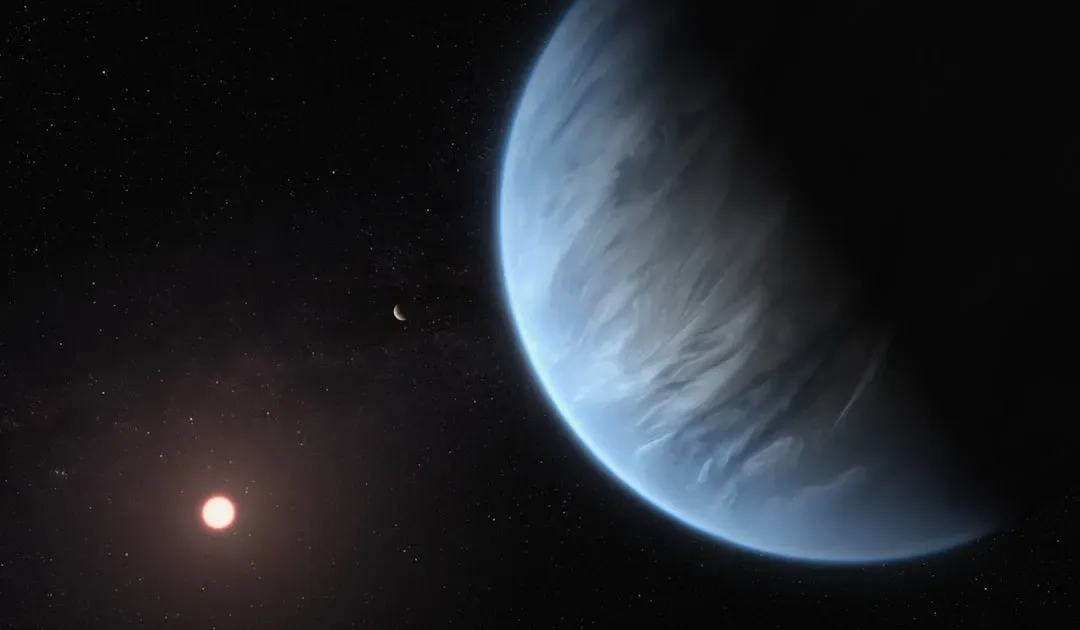
Right now, telescopes and probes are quietly hunting for clues that might support or challenge the Great Filter idea. Space missions are looking for chemical traces of past or present life on Mars and in the icy moons of Jupiter and Saturn. At the same time, powerful observatories are studying the atmospheres of distant exoplanets, searching for telltale patterns like oxygen, methane, or other gases that could hint at biology.
We’re also listening for radio signals and scanning the sky for unusual patterns of light that might reveal advanced technology. The fact that we haven’t found anything conclusive so far doesn’t close the case, because our tools and search strategies are still limited. But every non-detection is a small data point that shapes how likely we think life, complexity, and intelligence really are out there.
Dark Forests, Zoo Theories, And Other Wild Possibilities
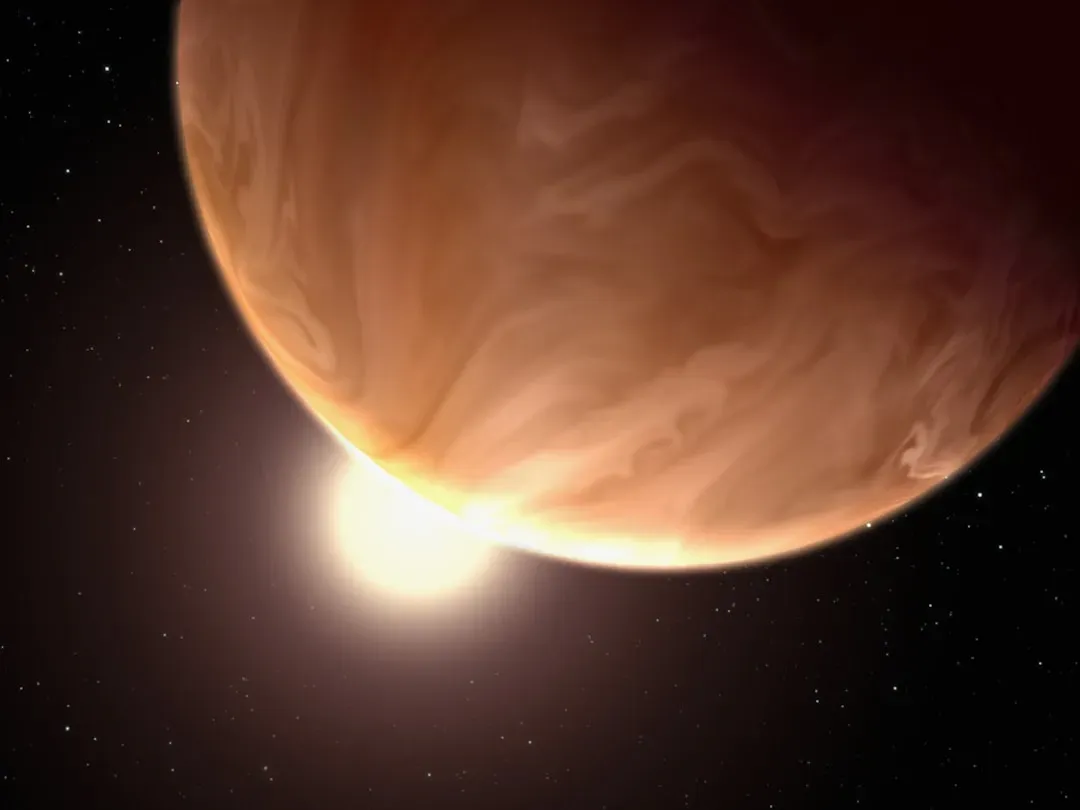
Not everyone buys the idea that the Great Filter has to be a hard biological or technological step. Some thinkers suggest that advanced civilizations might be deliberately silent, hiding from each other out of fear. In this “dark forest” view, the universe is like a dangerous jungle where shouting your location is suicidal, so the smartest species stay quiet and invisible for survival.
Others imagine that we might be under observation or quarantine, like animals in a protected reserve, which would explain the lack of open contact. It’s also possible that truly advanced civilizations operate in ways we don’t even know how to recognize, using technologies or communication methods that completely escape our current detection. These ideas are speculative, but they highlight a humbling truth: we might not be the best judges of what “obvious” evidence of aliens should look like.
What The Great Filter Means For Our Future
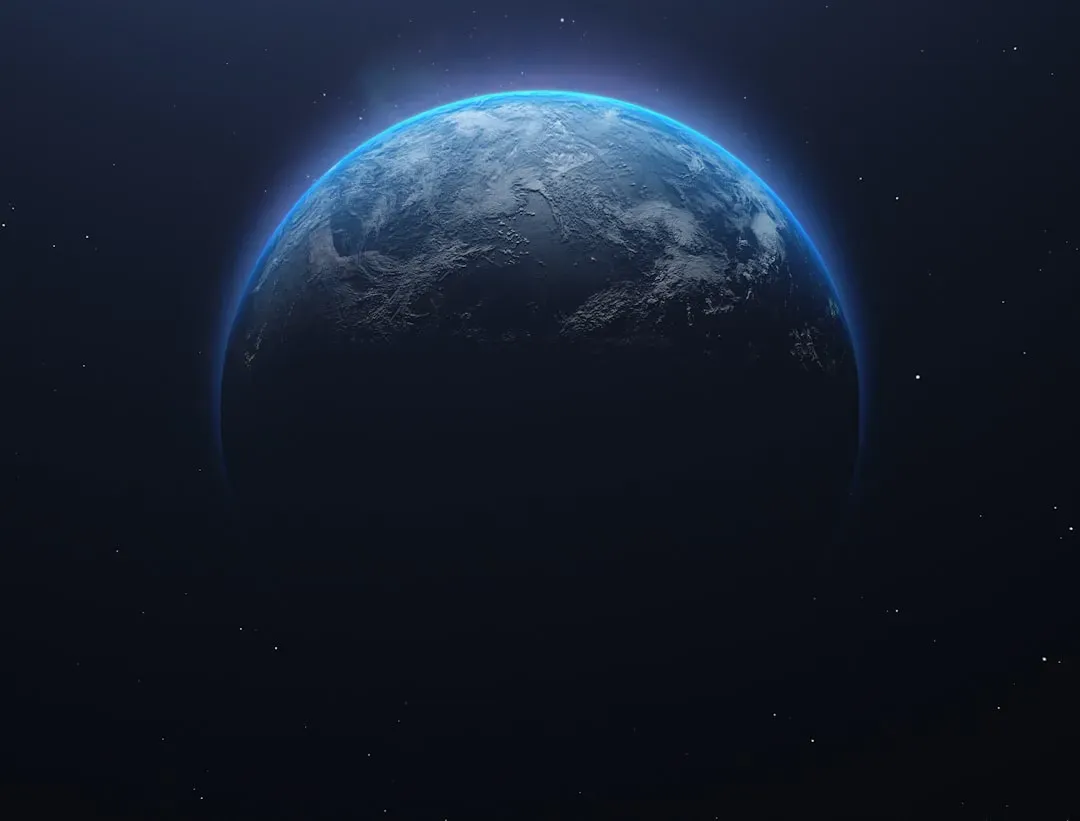
Regardless of where the Great Filter sits, the concept forces us to take our own choices seriously. If the hardest step is ahead, then our survival depends on not joining the countless hypothetical civilizations that burned out early. That means managing powerful technologies responsibly, stabilizing our relationship with the planet, and building global systems that can handle shocks without collapsing.
Even if the Great Filter is mostly behind us, there’s no prize for finding out we were special and then carelessly wiping ourselves out anyway. The idea pushes us to think on longer timescales, to imagine what it would take for humanity to last not just centuries, but millions of years. In a universe that might be very quiet, we might be one of the few stories that can keep going if we choose to.
How This Cosmic Mystery Changes Our Perspective
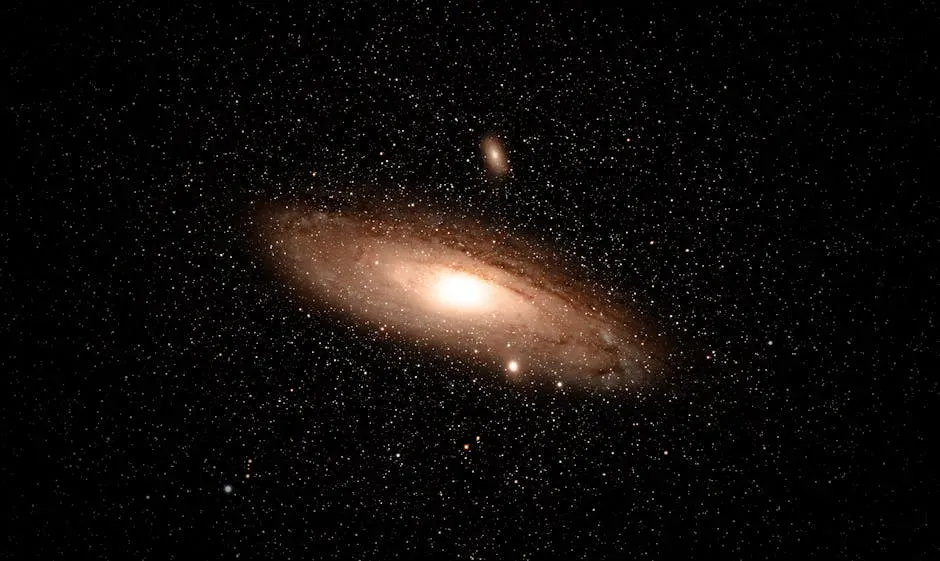
For me, the Great Filter isn’t just a grim thought experiment; it’s a strange mirror that reflects back what we value. Knowing that intelligent life could be staggeringly rare makes things like art, science, and everyday kindness feel almost sacred. If we are one of the few sparks of awareness in a mostly indifferent cosmos, then what we do here matters more, not less.
It also nudges us to be a little more humble. We tend to see ourselves as small and insignificant compared to the vastness of space, but that might be only half the story. If consciousness and curiosity are incredibly rare, then a single planet full of thinking beings might be one of the most precious things the universe has produced so far. In that light, the real question isn’t just why we haven’t found aliens yet – it’s what we’re going to do with the time and chance we’ve been given.


