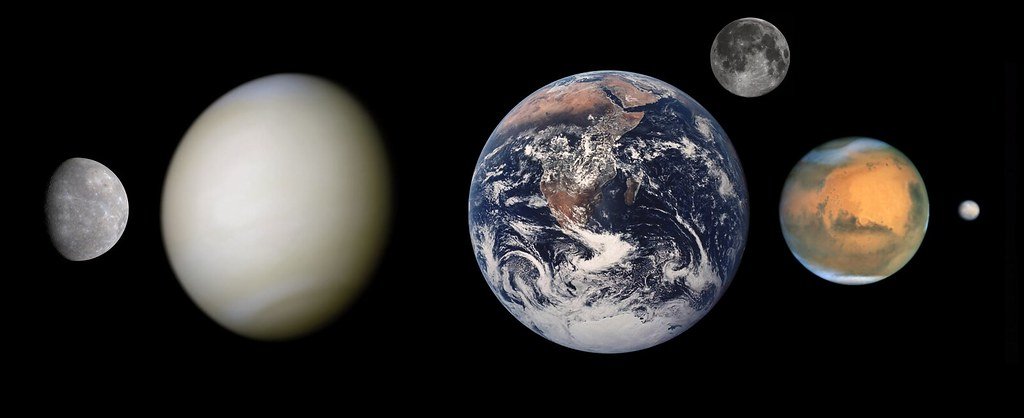

In the vastness of the cosmos, humanity has always pondered the age-old question: Are we alone? This question has taken on a new dimension with the concept of the Great Filter. The Great Filter is a theoretical barrier that attempts to explain why, despite the seemingly high probability of extraterrestrial civilizations, we have not yet encountered any. It suggests that there is a stage in the evolutionary process that is extremely difficult to pass. But what does this mean for us? Are we the first to pass this filter, or are we doomed to encounter it? Let’s delve into this intriguing concept.
Understanding the Great Filter
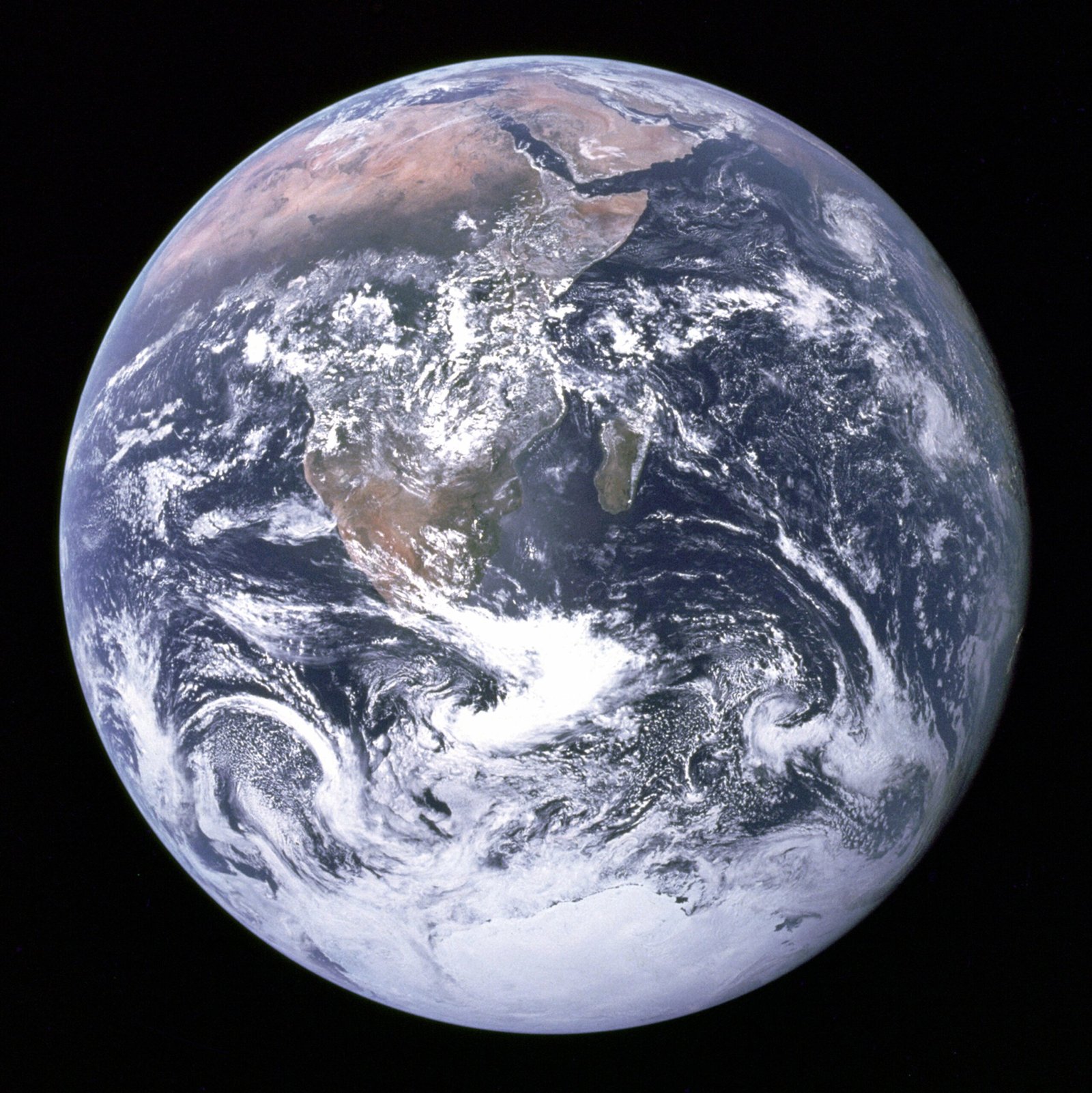
The Great Filter is a hypothesis that seeks to resolve the Fermi Paradox, which questions why, given the vast number of planets in the universe, we have not yet found evidence of intelligent life. The concept posits that at some point from pre-life to advanced civilization capable of colonizing galaxies, there is a highly improbable step, or series of steps, that acts as a filter. This filter prevents most civilizations from reaching a level of technological advancement that allows for interstellar communication or travel. It is like a colossal gatekeeper, deciding the fate of civilizations.
The Fermi Paradox: A Cosmic Mystery
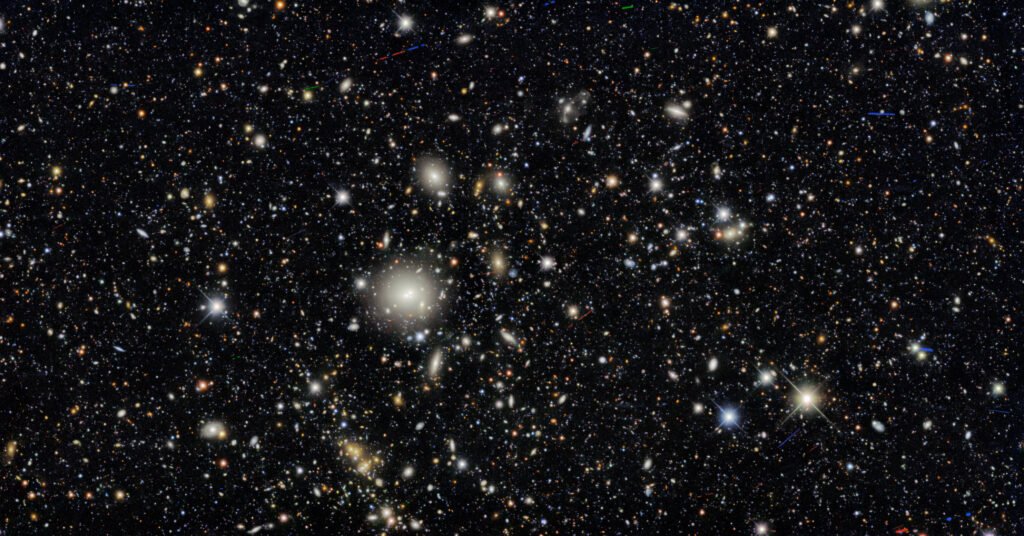
The Fermi Paradox, named after physicist Enrico Fermi, arises from the contradiction between the high probability of extraterrestrial life and the lack of evidence for, or contact with, such civilizations. With billions of galaxies, each containing billions of stars and potentially even more planets, it seems statistically improbable that Earth is the only harbor of life. Yet, the silence from the cosmos is deafening. This paradox challenges our understanding of life’s development and the potential hurdles that might prevent civilizations from reaching out.
Potential Filters in the Evolutionary Timeline
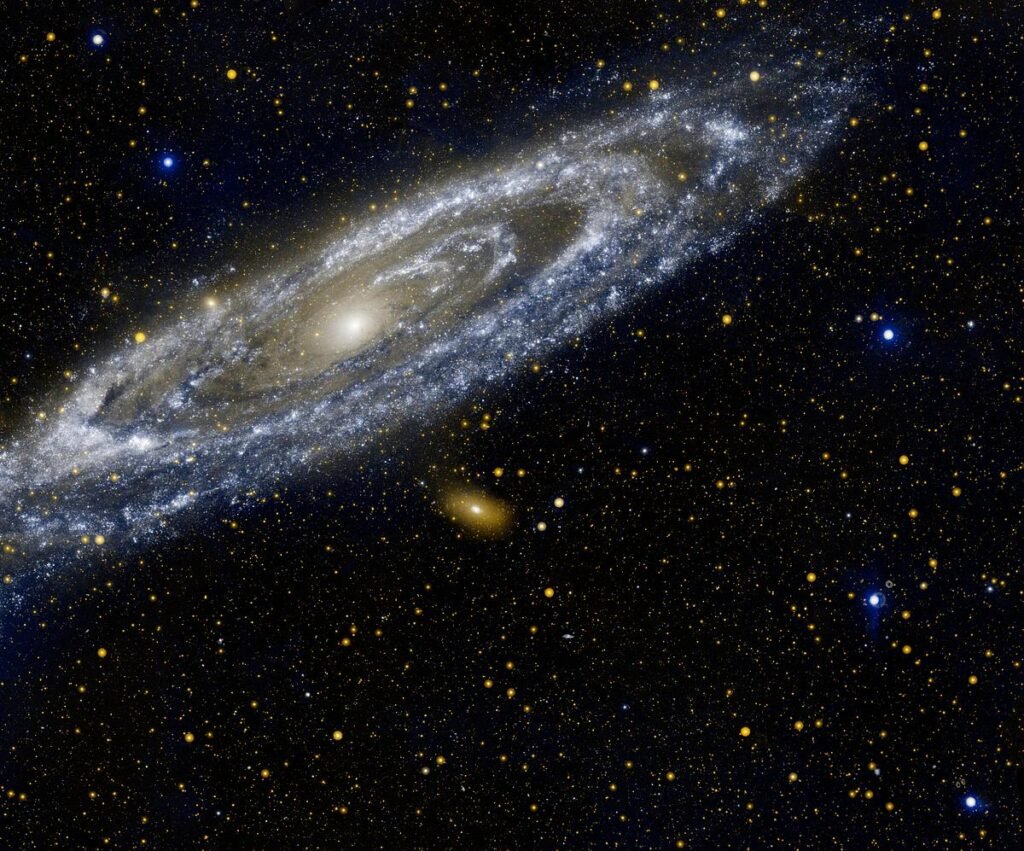
The Great Filter could occur at any point in the evolutionary timeline. It could be early, such as the leap from single-celled organisms to complex multicellular life, or later, like the development of technology that can prevent planetary self-destruction. Some suggest it might be the leap from non-living chemistry to the first replicating molecules. Each stage of evolution carries its own challenges, and the Great Filter might be a particularly formidable one that most life forms cannot overcome.
Are We Past the Great Filter?
One hopeful perspective is that humanity has already passed the Great Filter. This would mean that the stages we’ve already traversed, such as the emergence of life or the development of intelligence, are the difficult hurdles. If true, we might be among the first, if not the only, civilizations to reach this stage of advancement. This idea is both exhilarating and daunting, as it places immense responsibility on humanity to preserve and advance our civilization.
The Possibility of a Future Filter
Conversely, the Great Filter might still lie ahead of us. If this is the case, it suggests that future challenges, perhaps related to advanced technology or environmental sustainability, could be insurmountable. This possibility urges caution and introspection as we develop technologies that could potentially harm our planet or society. It is a sobering thought that the very advancements that propel us forward might also spell our doom.
Life’s Inception: A Rare Occurrence?

Another consideration is the rarity of life’s inception itself. The conditions required for life to begin might be incredibly specific and rare. If the Great Filter is the emergence of life from non-life, then Earth’s history represents a unique set of circumstances. This would mean that while planets teeming with simple life forms might be common, the leap to intelligent life is exceedingly rare.
Technological Civilization: A Double-Edged Sword
The development of a technological civilization could be another potential filter. With great power comes great responsibility, and the same technologies that allow us to explore space could also lead to our destruction. Nuclear weapons, artificial intelligence, and climate change are examples of technological challenges that could threaten our survival. Navigating these challenges requires a delicate balance between advancement and caution.
What If We Are Alone?
If humanity is alone in the universe, it raises profound philosophical and existential questions. It would mean that we are the sole stewards of consciousness and intelligence in the cosmos. This realization could inspire greater unity and purpose in preserving our planet and advancing our species. It is both a humbling and empowering notion that could drive us to cherish and protect our unique place in the universe.
The Search for Extraterrestrial Life

The quest to find extraterrestrial life continues with initiatives like SETI (Search for Extraterrestrial Intelligence) and missions to explore Mars and other celestial bodies. These efforts aim to uncover signs of life beyond Earth, whether in the form of microbial organisms or advanced civilizations. Each discovery, or lack thereof, informs our understanding of the Great Filter and our place in the cosmos. The search is a testament to humanity’s innate curiosity and desire to connect with the universe.
Our Cosmic Responsibility
Whether the Great Filter lies behind us or in our future, the concept underscores the importance of making wise choices for our civilization’s longevity. It compels us to reflect on our actions and their long-term consequences on a planetary scale. As we stand on the precipice of great technological advancements, the Great Filter serves as a reminder of the fragility of our existence and the importance of preserving our world for future generations. The choices we make today could determine whether we are alone, or if we will join the cosmic community of civilizations.