
Imagine gliding through a world alive with invisible whispers—a vibrant metropolis where messages aren’t shouted but silently exchanged in the watery ether. The Great Barrier Reef, shimmering beneath the sunlit waves, is more than just a kaleidoscope of color; it’s a living symphony of chemical conversations. Here, coral, fish, and algae don’t rely on sound or sight alone. They use an astonishing language of molecules that shapes love affairs, territorial disputes, and even life-or-death warnings. As scientists unravel this secretive world, the sheer genius of nature’s underwater messaging system defies belief. Are you ready to listen in on the ocean’s most secretive dialogues?
The Secret Language of Molecules
Beneath the waves, communication isn’t always about noise. Instead, the Great Barrier Reef is abuzz with chemical signals—tiny molecules that drift through water, carrying coded messages. These “infochemicals” are the unsung heroes that allow species to recognize friends, foes, and food. Even a single drop of water here can contain a complex cocktail of scents, tastes, and chemical cues. For the creatures of the reef, detecting these signals is as vital as breathing. It’s a bit like living in a city where everyone texts instead of talks, but the messages drift on currents, connecting lives in ways we’re only beginning to understand.
Coral’s Call for Help
Corals may look like passive rocks, but they are surprisingly vocal—at least chemically. When stressed by rising temperatures or approaching predators, corals release distress molecules into the water. These signals can attract helpful allies like certain fish that nibble away harmful algae, or even alert neighboring corals to prepare for danger. In one fascinating example, scientists found that injured coral emits a “cry for help” that draws in tiny, protective crustaceans. This chemical S.O.S. can mean the difference between recovery and collapse.
Fish Eavesdropping on the Reef
Many reef fish have evolved an extraordinary sensitivity to chemical cues. They use their sense of smell not just to find food, but to avoid predators and find safe spaces. Baby clownfish, for instance, use scent trails to locate their home anemones after drifting far from the reef. Some fish can even detect the chemical signatures of stressed coral, choosing to avoid unhealthy patches. Imagine being able to sniff out a bad neighborhood before even moving in—that’s life on the reef.
Algae: Silent Saboteurs and Symbiotic Partners

Algae are both friend and foe on the Great Barrier Reef. While some algae form vital partnerships with coral, providing them with energy through photosynthesis, others can be ruthless competitors. Algae release their own chemical cocktails—sometimes to attract helpful fish, but other times to sabotage coral health. When algae overgrow a reef, they can flood the waters with molecules that hinder coral larvae from settling and growing. It’s a subtle battle for space, waged molecule by molecule.
Chemical Courtship: Love in the Ocean
Mating on the reef is a high-stakes affair—timing and location are everything. Many marine species use chemical signals to find mates and synchronize spawning events. Mass coral spawning, when billions of eggs and sperm are released all at once, is coordinated not only by moonlight but also by pheromones drifting through the water. Fish and invertebrates also release “love potions” to attract partners, ensuring that their offspring have the best possible start in life.
Territorial Tactics: Marking Boundaries
Just as wolves mark territory on land, many reef creatures use chemical cues to establish their domains. Damselfish, for example, are known to guard small patches of algae, releasing warning chemicals that deter intruders. Other species leave scent trails to mark safe routes or hunting grounds. These invisible fences help maintain order in the crowded reef, reducing conflict and keeping the peace among neighbors.
Predator and Prey: The Scent of Danger
Survival in the reef depends on recognizing danger—often before it’s visible. Many fish and invertebrates have developed an uncanny ability to detect the scent of injured conspecifics (members of their own species). When a predator attacks, the victim releases alarm chemicals that send others fleeing for cover. Some predators, in turn, have learned to use these cues to hunt more effectively, homing in on the scent of panic.
The Microbial Middlemen
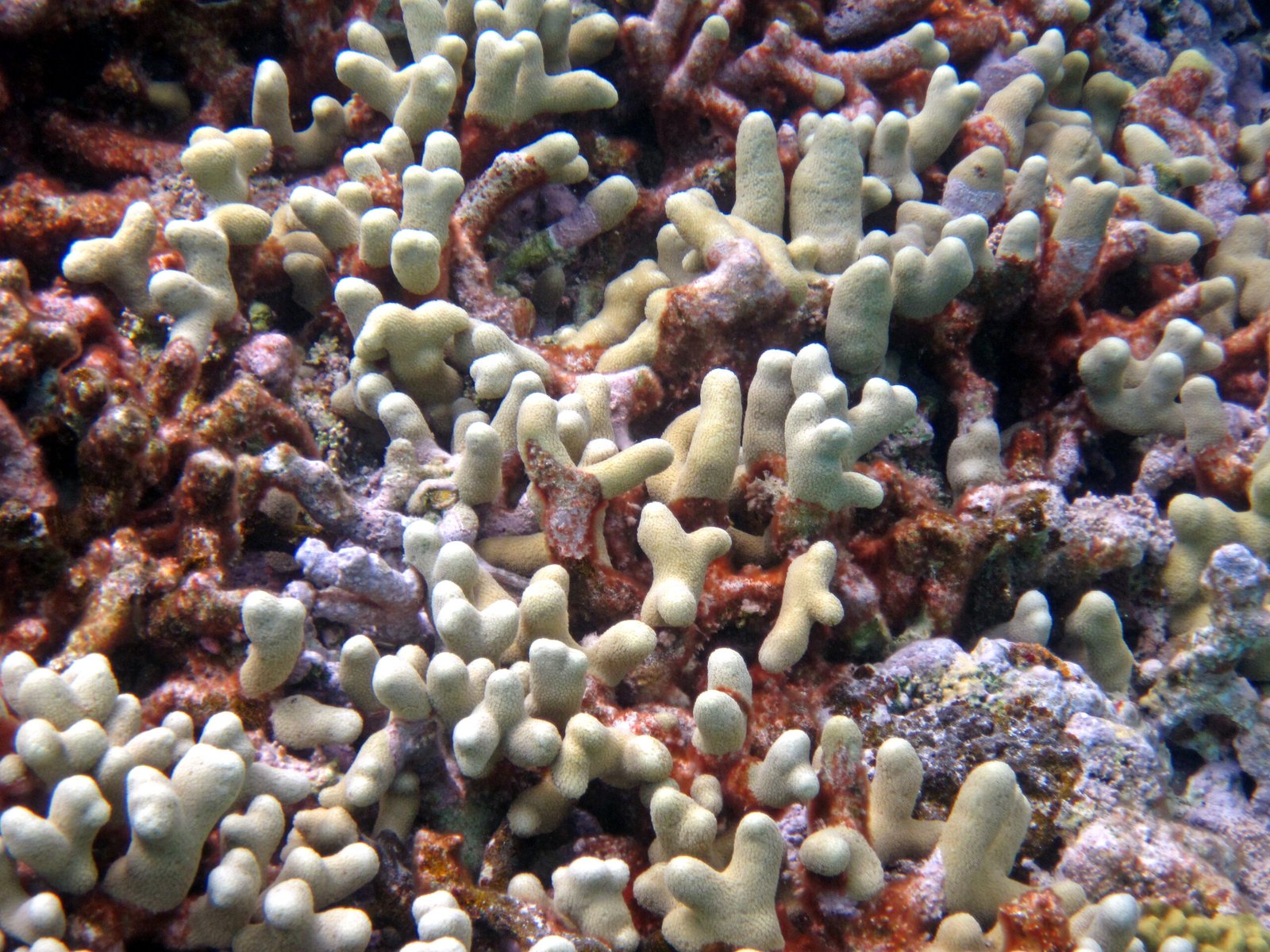
Microbes, too, are key players in the reef’s chemical conversations. Bacteria living on coral surfaces can modify chemical signals, affecting whether coral larvae settle or move on. Some microbes even help corals defend themselves by producing antibiotic compounds when they sense harmful invaders. In essence, microbes act as both translators and bodyguards, shaping the outcome of countless underwater interactions.
Larval Navigation: Finding Home
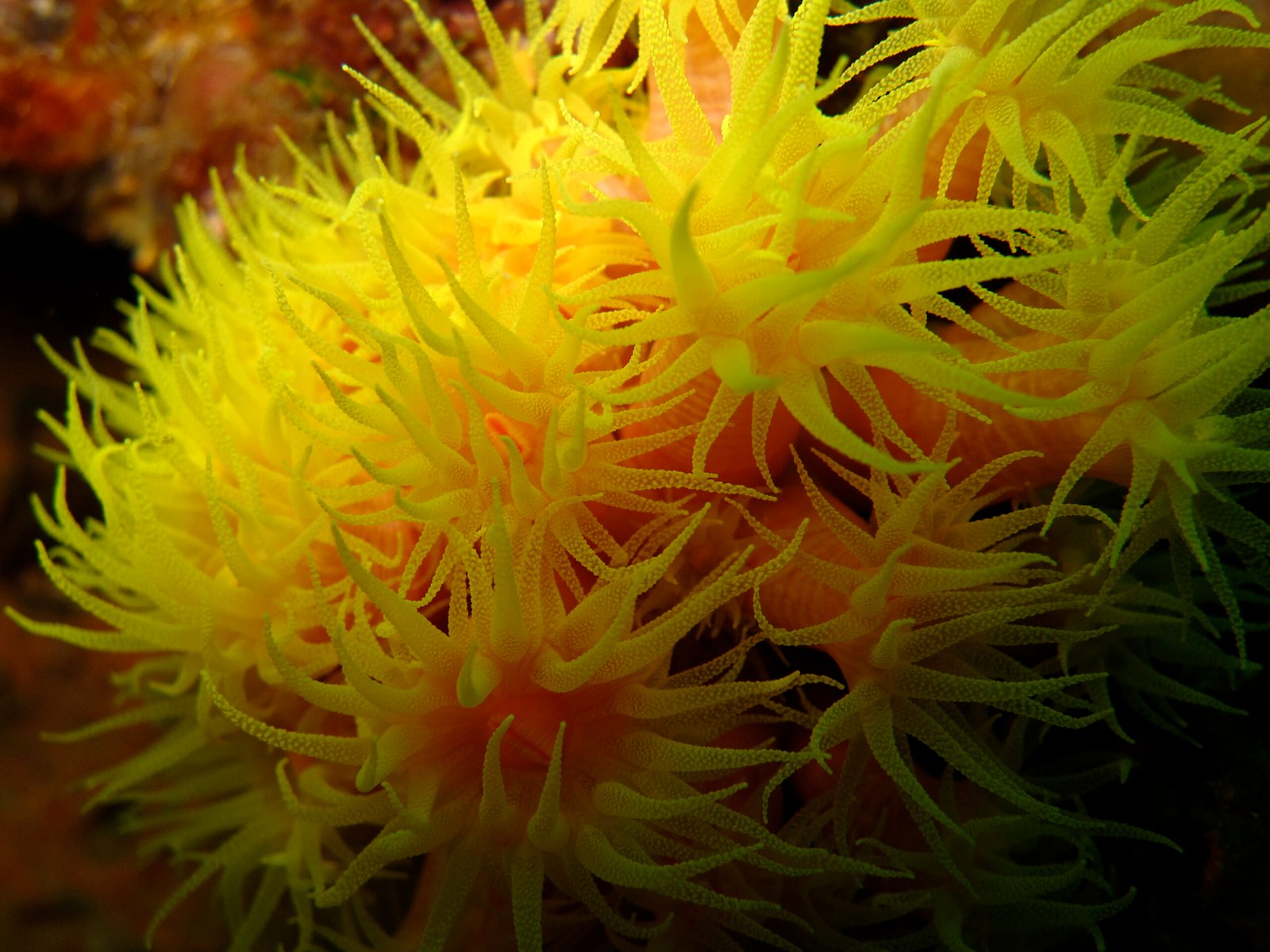
Many reef species begin life as tiny larvae drifting in the open ocean. These young creatures must eventually find their way back to the reef—a journey guided by chemical cues. Recent research shows that coral larvae can “smell” their way home, using unique reef scents to pinpoint suitable places to settle. This ability is crucial for maintaining healthy populations, especially as reefs face new threats from climate change.
Coral Bleaching: Disrupted Dialogues
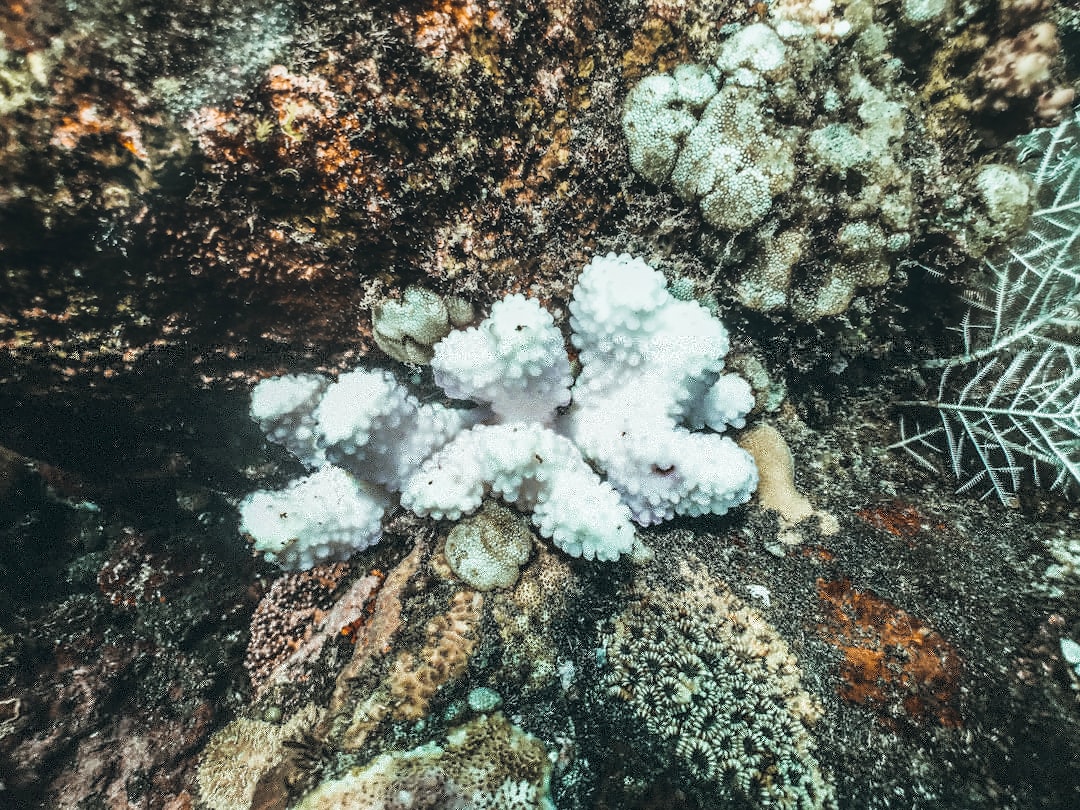
When water temperatures rise, corals expel their symbiotic algae—a process called bleaching. This not only robs corals of color and energy, but also disrupts their chemical communication. Without their algal partners, corals may send out distress signals that attract the wrong kind of attention, or fail to coordinate spawning and recovery. Bleaching events can silence the reef’s molecular chatter, leaving corals vulnerable and isolated.
Human Impacts: Chemical Pollution
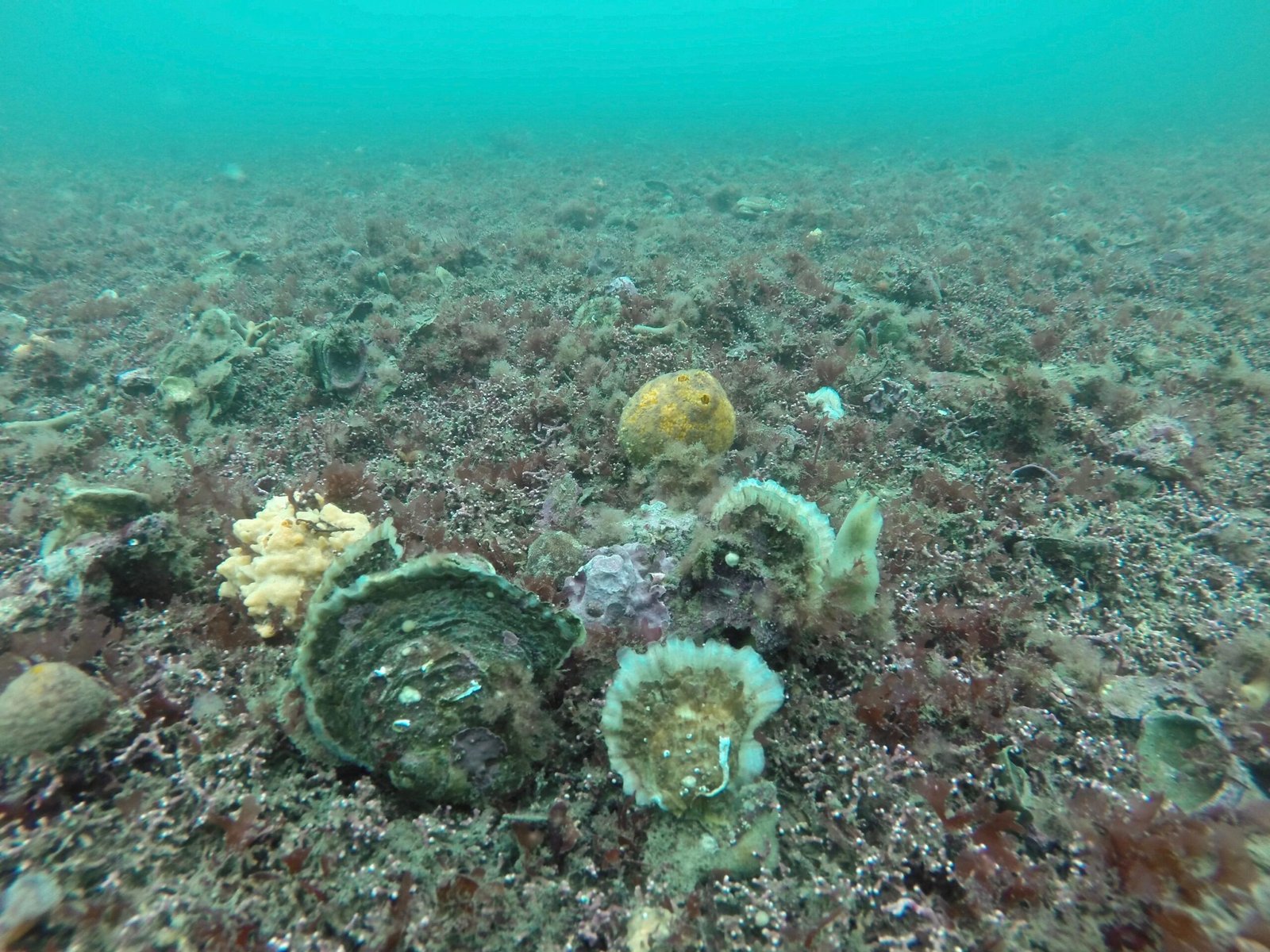
Pollution is an uninvited guest at the chemical feast. Sunscreens, fertilizers, and industrial runoff introduce foreign molecules that can mask or distort natural signals. Some pollutants confuse fish, making it harder for them to find food or avoid danger. Others disrupt coral-algae partnerships, tipping the balance in favor of harmful species. The result is a breakdown in communication—a Babel of mixed messages that threatens the reef’s survival.
Climate Change: Altering the Conversation
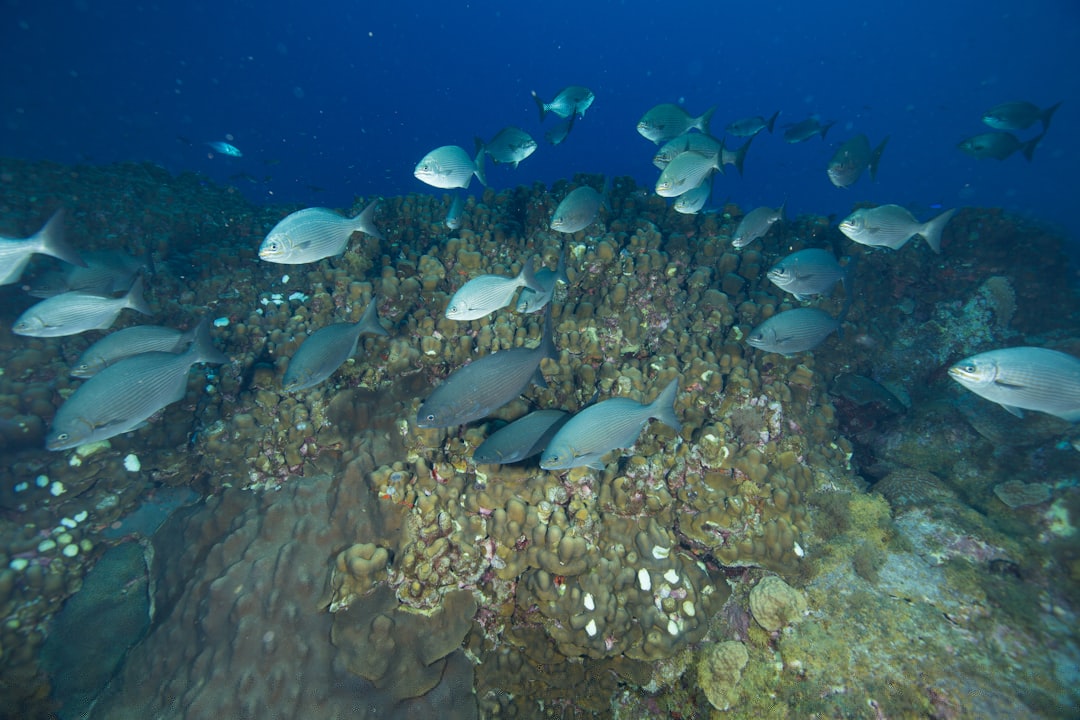
Warming oceans and acidifying waters change the chemistry of the reef in subtle, profound ways. Some infochemicals degrade faster in warmer water, while others become more potent. Climate change can alter the timing and strength of spawning signals, or make alarm cues less effective. As the world warms, the chemical language of the reef is being rewritten, with unpredictable consequences for its inhabitants.
Symbiotic Relationships: Chemical Trust
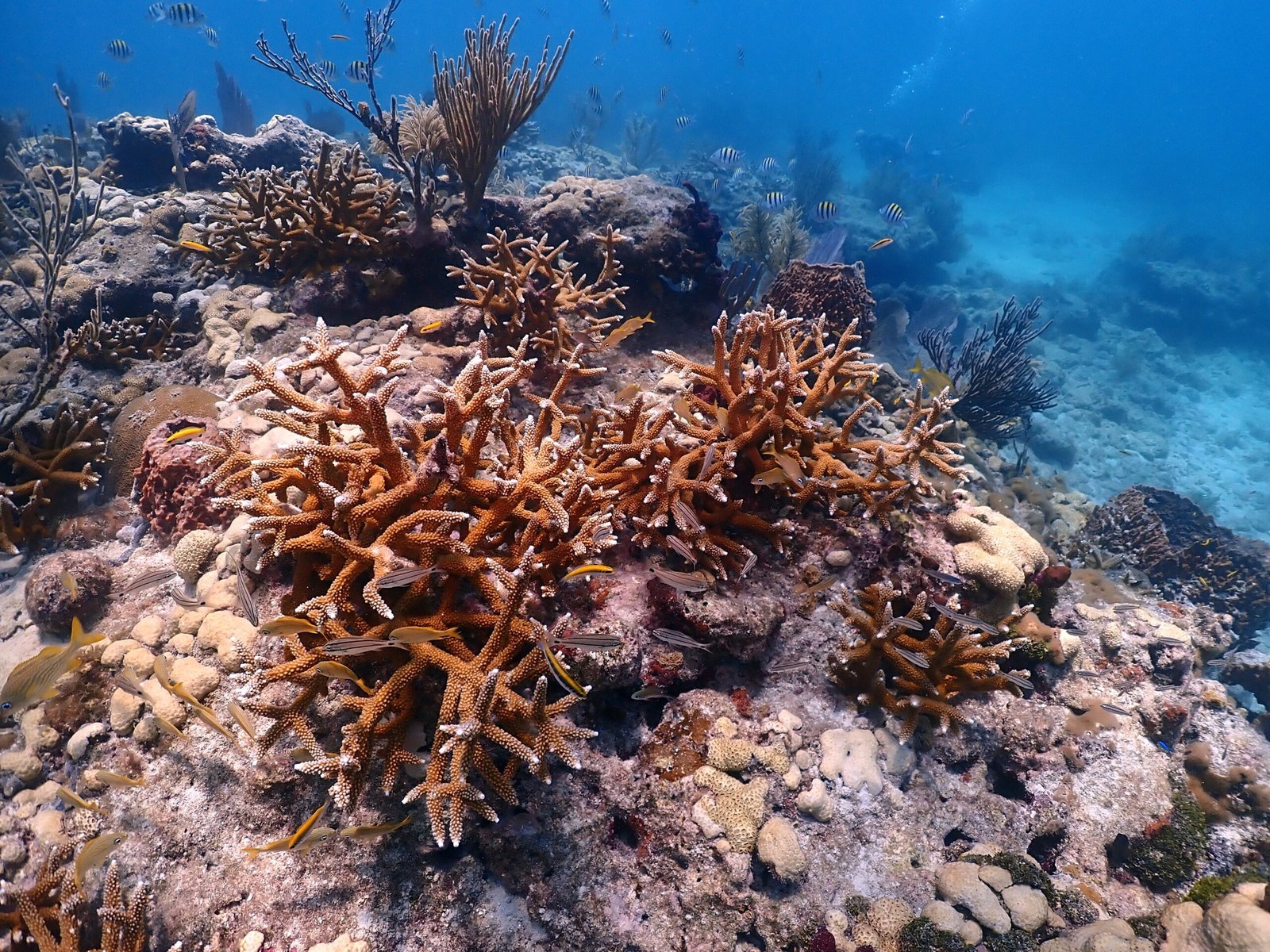
The most enduring partnerships on the reef are built on chemical trust. Corals and their symbiotic algae communicate constantly, exchanging nutrients and signals that keep both partners healthy. Cleaner fish and their “clients” negotiate peaceful interactions through subtle scent exchanges. These relationships are fragile, and even slight disruptions in chemical messaging can unravel years of cooperation.
Defending Against Disease
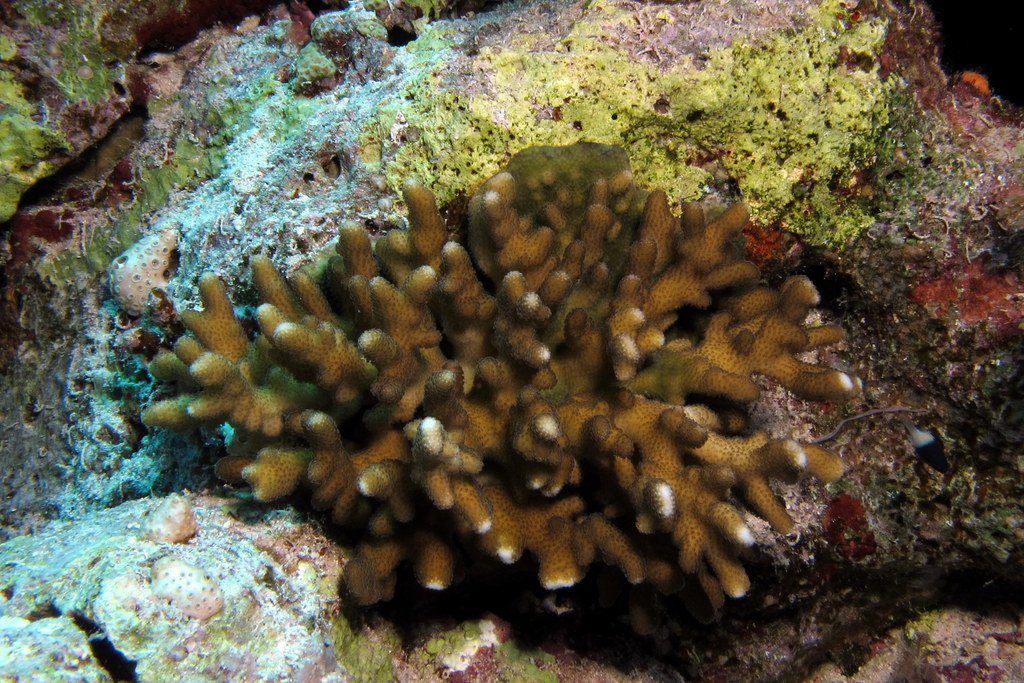
Disease can sweep through a reef in the blink of an eye, but chemical signals help corals mount a defense. When infected, corals and their microbial allies release warning molecules that mobilize the immune system or attract helpful organisms. Some fish can even detect the scent of disease, avoiding sick individuals to protect themselves. In this way, chemical communication acts as the reef’s immune network.
Chemical Camouflage: Hiding in Plain Sight
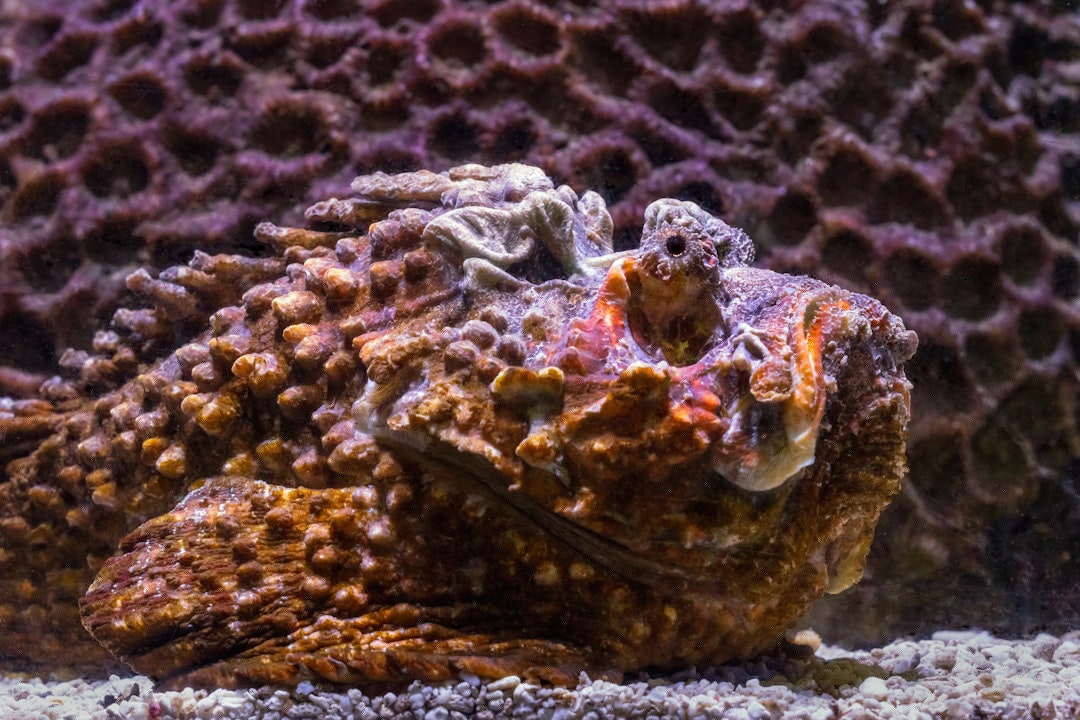
Some reef creatures have mastered the art of chemical disguise. Certain fish and invertebrates can mask their scent, making it harder for predators to find them. Others mimic the chemical signatures of harmless species to sneak past defenses. It’s a high-stakes game of hide-and-seek, where survival depends on being invisible to the nose, if not the eye.
Learning the Language: Coral Restoration Efforts
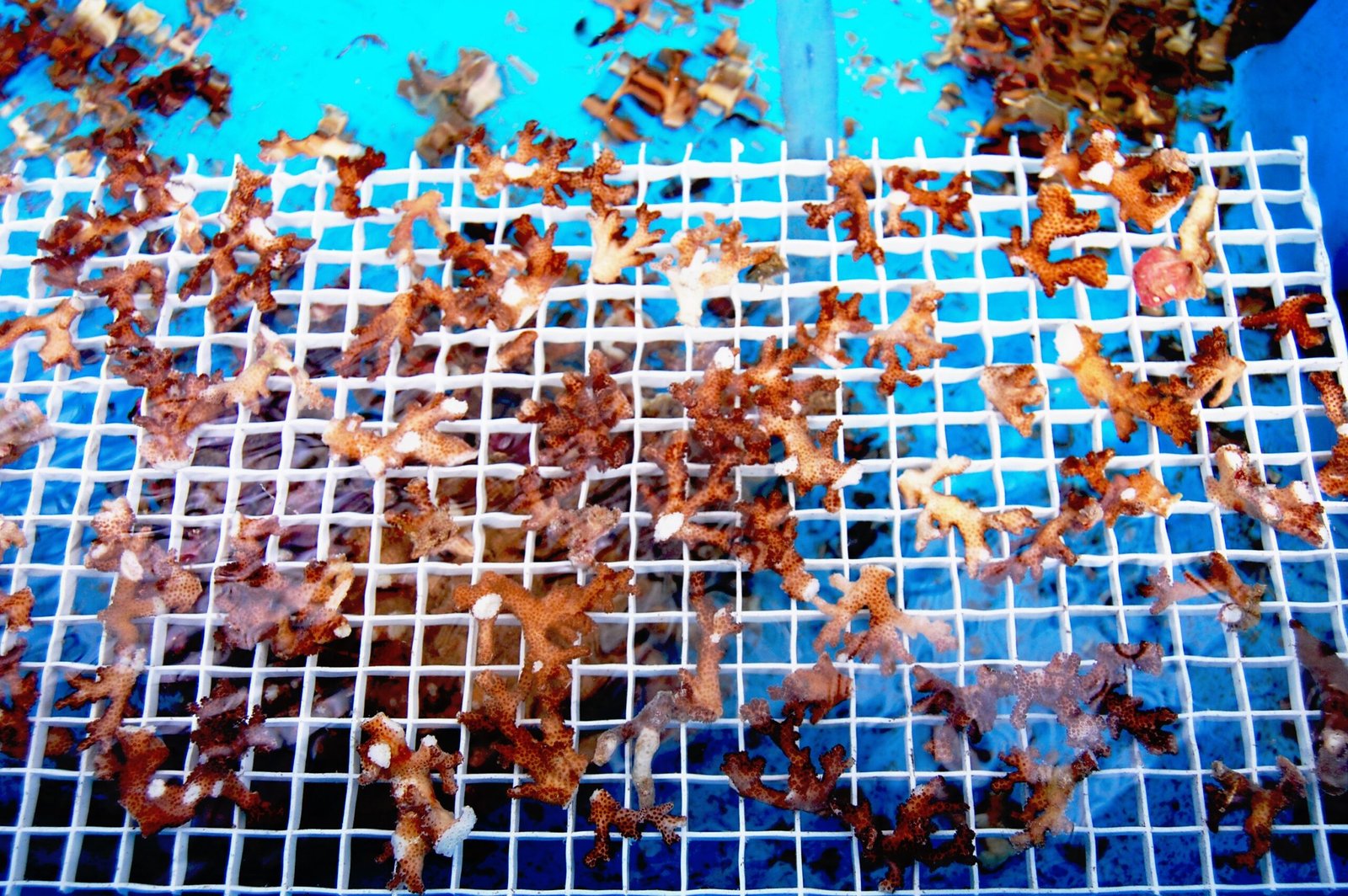
Scientists are now harnessing the power of chemical cues to restore damaged reefs. By introducing settlement-inducing molecules, researchers can encourage coral larvae to settle in targeted areas. Some restoration projects use chemical attractants to lure helpful fish or repel harmful algae. These efforts are still in their infancy, but they offer hope for reviving reefs using nature’s own language.
Sound Meets Scent: Multisensory Communication
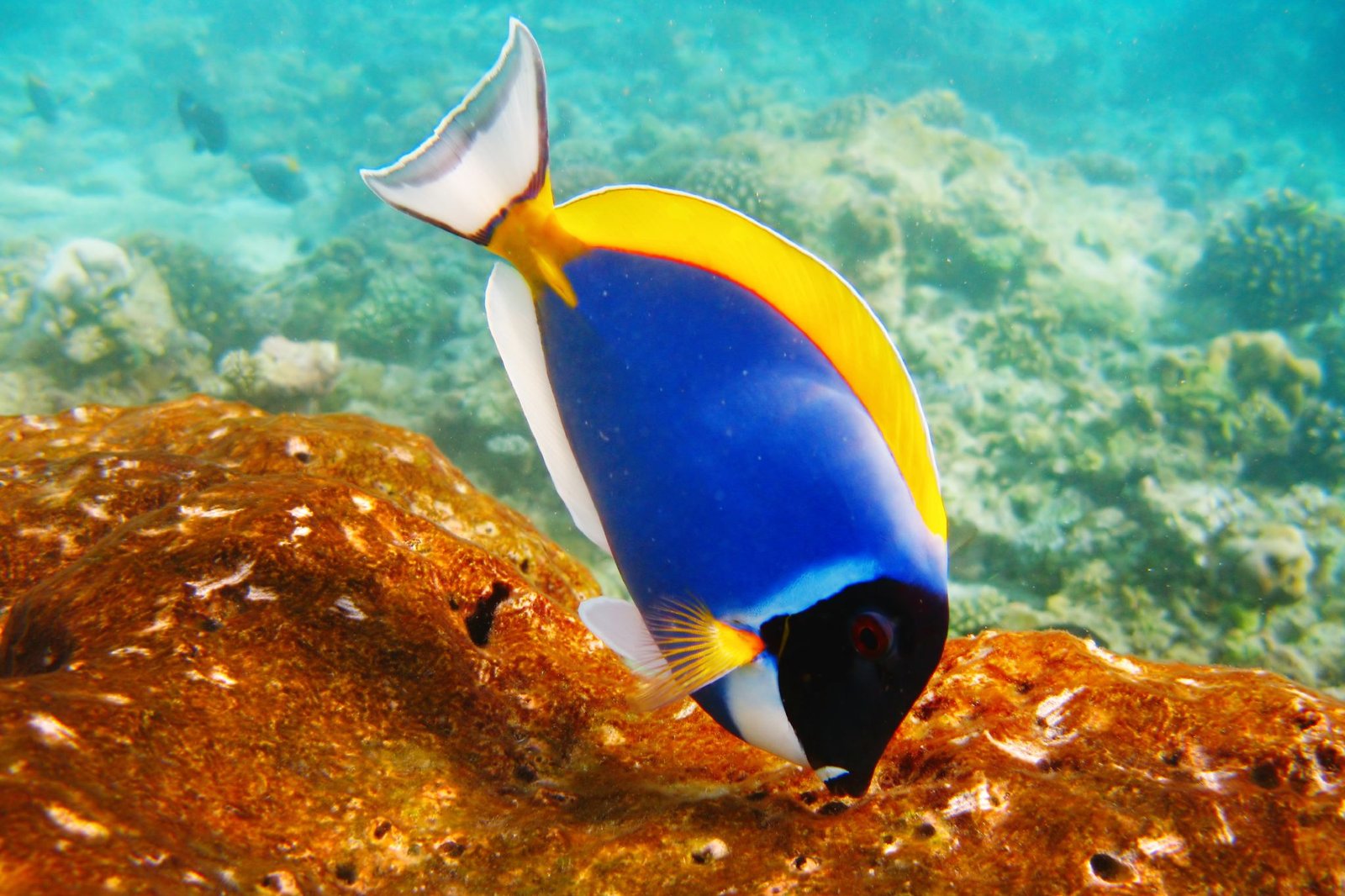
While chemical signals dominate, they are often part of a multisensory conversation. Many reef animals combine smell with sound, sight, and even touch to interpret their world. A parrotfish might hear a predator, see a shadow, and then sniff the water for confirmation before darting away. This blending of senses creates a rich, nuanced dialogue that keeps the reef humming with life.
Future Frontiers: Decoding the Dialogue

Our understanding of the reef’s chemical conversations is still in its early days. New technologies are allowing scientists to identify and synthesize infochemicals, opening up possibilities for reef management and conservation. As we decode more of these underwater messages, we may discover new ways to protect and heal the world’s most precious marine ecosystems.
A Living Symphony Beneath the Waves
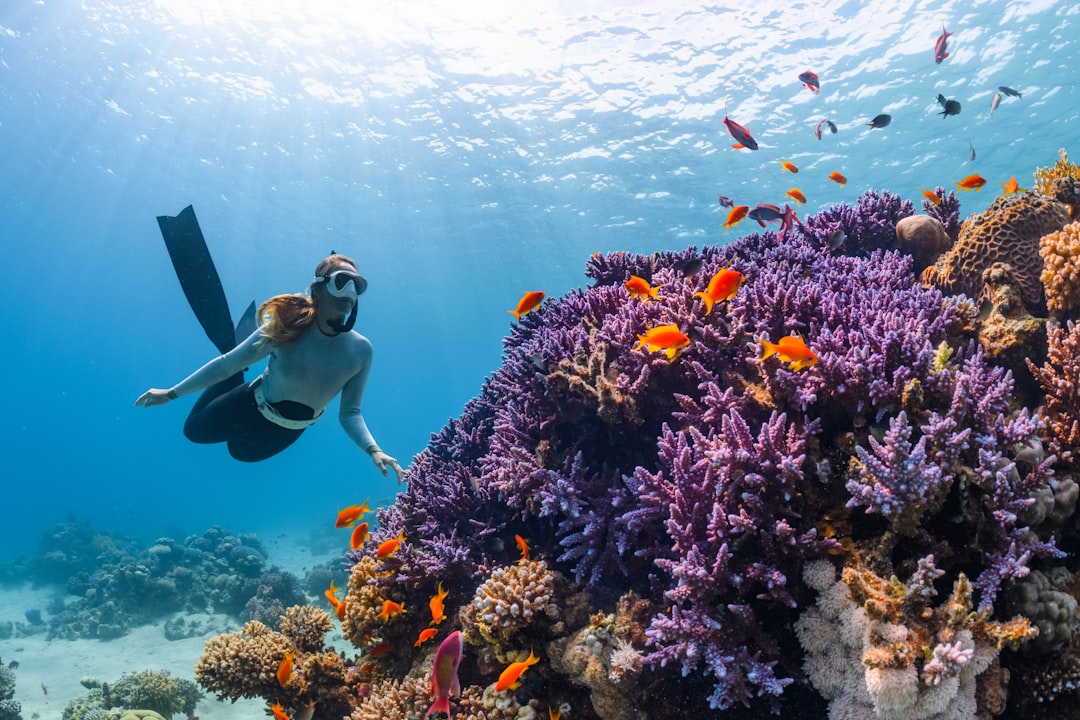
The Great Barrier Reef’s chemical conversations are a testament to nature’s creativity and resilience. Every moment, billions of invisible messages crisscross this underwater city, guiding lives, shaping destinies, and weaving a tapestry of interdependence. It’s a silent symphony that most of us never hear—but it’s the heartbeat of the reef itself. Will we learn to listen before the music fades?